Playa de Muro: The North's Finest Beach and Its Wilder Side
Stretching 6 kilometres along the Bay of Alcúdia, Playa de Muro combines Blue Flag facilities with untouched dune corridors and pine-backed shore. It is one of the longest and most ecologically significant beaches in Mallorca, sitting directly beside S'Albufera Natural Park.
Quick Facts
- Location
- Bay of Alcúdia, municipality of Muro, northern Mallorca
- Getting There
- Drive or bus from Port d'Alcúdia (approx. 3 km); coastal parking available
- Time Needed
- Half day to full day
- Cost
- Free entry; sun lounger hire charged seasonally
- Best for
- Families, nature lovers, long walks, watersports
- Official website
- www.playademuro.net/en
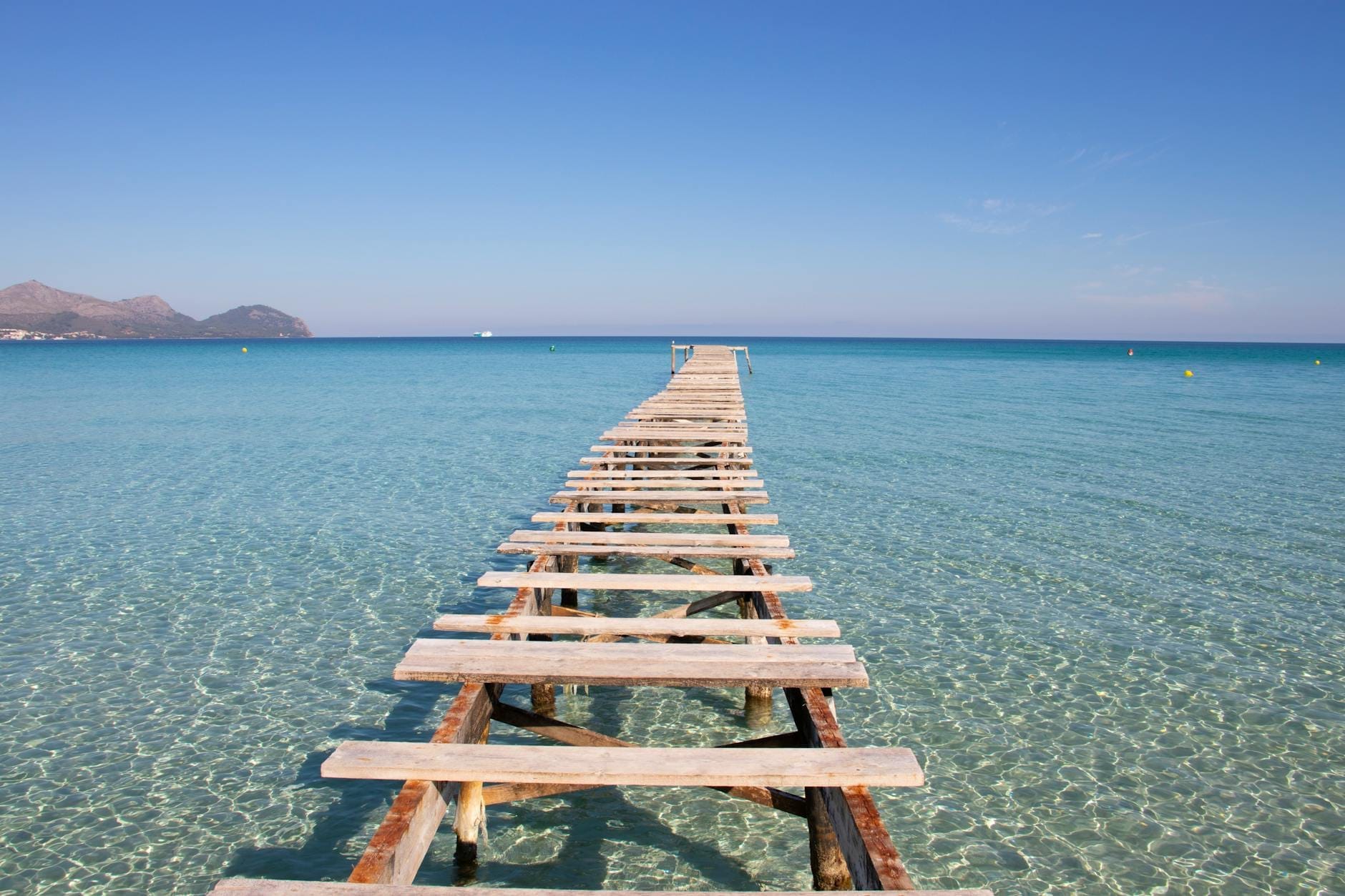
What Playa de Muro Actually Is
Platja de Muro (its official Catalan name) is a continuous arc of white sand running roughly 6 kilometres along the southern edge of the Bay of Alcúdia in northern Mallorca. The beach sits within the municipality of Muro, flanked by Port d'Alcúdia to the northwest and Can Picafort to the southeast. At its widest, the sand stretches 40 metres before giving way to low coastal dunes stabilised by Mediterranean scrub and umbrella pines.
The beach is administratively divided into four sectors. Sector 1 and Sector 2 (also called Es Braç) are the most developed and closest to Port d'Alcúdia, with lifeguard posts, showers, accessible ramps, sun lounger concessions, and beach bars operating from late May through October. Moving southeast, the character shifts considerably. Es Comú is a roughly 1.5-kilometre stretch where the dune system is largely intact, the pines grow close to the waterline, and the only infrastructure is the sand itself. At the far end, Ses Casetes des Capellans is a quieter residential area with a more local atmosphere.
What keeps Playa de Muro above most beaches in Mallorca is not just the length or the sand quality. The beach shares its inland boundary with S'Albufera Natural Park, one of the most important wetland ecosystems in the western Mediterranean. The transition from saltwater to freshwater marsh happens metres from the shoreline, and on still mornings, you can hear wading birds from the beach itself.
💡 Local tip
For the best of both worlds, park near Sector 1 and walk southeast along the shoreline. You will move from the fully serviced zones into the quieter Es Comú dunes in under 20 minutes on foot.
The Beach Through the Day
Arriving before 9 am on a summer morning is a different experience from arriving at noon. The water is glassy, the sand cool underfoot, and the light comes in low and amber across the bay, catching the outline of the Cap de Formentor peninsula in the distance. Families with young children tend to arrive early to claim the flat, dry sand nearest the facilities. By 11 am in July and August, the serviced sectors fill noticeably, and the sun lounger rows are occupied.
The water in the Bay of Alcúdia is reliably calm and shallow for a considerable distance from shore. This is partly a function of the bay's sheltered orientation and partly the gradual seabed profile. Water temperatures exceed 20°C from June through early October, making it genuinely comfortable for extended swimming rather than brief plunges. Children can wade out safely, which is why this stretch attracts so many families with toddlers and young kids.
Afternoons bring the day-trippers and bring the heat. The Es Comú section, shaded by pines right down to the dune edge, offers some relief when the open sand becomes uncomfortably hot. Late afternoon, from around 5 pm onward, the crowds thin and the light softens. This is when the beach is arguably at its most photogenic: warm backlight, fewer people, and the Serra de Tramuntana mountains visible as a dark ridge above the western horizon.
Tickets & tours
Hand-picked options from our booking partner. Prices are indicative; availability and final rates are confirmed when you complete your booking.
Dinosaurland and Caves of Hams combined ticket
From 25 €Instant confirmationFree cancellationShuttle Boat from Cala Millor to Cala Ratjada
From 26 €Instant confirmationFree cancellation3-hour Es Trenc Boat Tour in Mallorca
From 39 €Instant confirmationFree cancellationShuttle Boat Roundtrip from Cala Bona to Cala Ratjada
From 29 €Instant confirmationFree cancellation
The S'Albufera Connection
Playa de Muro is the only beach in Mallorca where you can combine serious swimming with a serious natural history excursion on the same day. The S'Albufera Nature Reserve begins immediately inland and is one of the best birdwatching sites in all of Spain. Over 200 bird species have been recorded in the park, including marsh harriers, purple herons, glossy ibis, and seasonal osprey. The park has free entry and its own walking trails, accessible from a dedicated car park just off the Ma-12 coastal road.
Even if you have no interest in birdwatching, the ecological relationship between the wetland and the beach is worth understanding. The dune corridor of Es Comú acts as a natural buffer between the freshwater marshes and the sea. This is why building never extended this far along the coast. The dunes are protected, which explains both the unspoilt appearance and the occasional sharp smell of brackish water carried on a sea breeze.
Getting There and Getting Around
Playa de Muro is most practical to reach by car. Coastal parking is available at multiple access points along the Ma-12 road, and while spaces fill by mid-morning in high season, the turnover is reasonable. Port d'Alcúdia is about 3 kilometres to the northwest; if you are already staying in the Alcúdia area, the beach is a short drive or a manageable cycle along the coastal path.
Bus services connect Port d'Alcúdia and Can Picafort along the coastal road, with stops near the beach access points. Check TIB (Transport de les Illes Balears) for current schedules, as frequency varies by season. A rental car gives far more flexibility for exploring the different sectors and for pairing a beach morning with an afternoon in S'Albufera or the old town at Alcúdia.
If you are planning a road trip across northern Mallorca, Playa de Muro pairs well with a morning at the beach followed by an afternoon drive toward the Formentor Peninsula, which is roughly 25 kilometres northeast. The contrast between the open bay and Formentor's dramatic cliffs is one of the most satisfying single-day itineraries in the north.
⚠️ What to skip
In July and August, parking at the main Sector 1 access point fills by 10 am on weekends. Arrive early or use the less obvious access tracks along the Ma-12 toward Es Comú for easier parking and immediate quiet.
Facilities, Accessibility, and What to Bring
The developed sectors of Playa de Muro carry a Blue Flag designation, which requires verified water quality, adequate facilities, and environmental management. Practically, this means clean public toilets, outdoor showers, lifeguards on duty during peak hours, and accessible ramps to the waterline for wheelchair users. Sun loungers and parasols are available for hire from the beach concessions that operate from late spring through early autumn.
Watersports rental, including kayaks and pedal boats, is available from the beach. The shallow, calm water also makes this a reasonable spot for beginner paddleboarding. Several beach bars along the serviced sections sell food and drinks at typical resort prices.
For the Es Comú section, bring everything you need. There are no facilities in the dune and pine area. The reward is total quiet, shade from the pines, and a beach that looks nothing like the package-holiday image of Mallorca. Footwear is useful for walking through the dune paths, which can be uneven and occasionally sharp with dry pine needles.
- Sun protection is essential: the white sand reflects UV strongly and the breeze off the bay can mask how intense the sun is
- Water shoes are useful near the waterline in the Es Comú section where posidonia seagrass deposits collect
- A windproof layer is worth packing for early morning or late afternoon visits in spring and autumn
- Binoculars are worthwhile if you plan to walk toward S'Albufera after the beach
Photography and Seasonal Considerations
Playa de Muro photographs best in the low-angle light of early morning or the hour before sunset. The wide, flat bay means that both sunrise (from the east, over Can Picafort) and the fading afternoon light from the west create good conditions. For views with context, the pine-backed dune corridor of Es Comú frames the water without any development in the background, which is increasingly rare on Mallorcan beaches. Photographers covering the island's best photo spots regularly include this stretch specifically for its clean horizon and dune textures.
Seasonally, the beach changes character more than most visitors expect. From November to March, the beach is almost entirely empty, the light is sharp and clear, and the mountains behind the island are often snow-capped. Spring (late March through May) brings wildflowers to the dune margins, milder temperatures, and a fraction of the summer crowds. October remains warm enough for swimming but the beach thins out dramatically after the first week of the month.
ℹ️ Good to know
Playa de Muro in late September and October is genuinely one of the best times to visit: water temperatures are still around 22-23°C, crowds have thinned, and the light has the golden quality of autumn. This is a legitimate alternative to peak summer.
For broader context on timing your trip, the guide to the best time to visit Mallorca covers how each season affects beaches across the island, from water temperature to tourist density.
Who This Beach Suits and Who Might Look Elsewhere
Playa de Muro is an excellent fit for families with young children because of the shallow, calm water, the accessible facilities, and the sheer length of beach that prevents it from ever feeling truly overcrowded even in August. It also suits anyone who wants a long beach walk without retracing their steps, since the full length from Sector 1 to Ses Casetes des Capellans is a one-way 6-kilometre stretch with distinct character shifts along the way.
Travellers looking for dramatic scenery, sea caves, or the rocky cove experience will find the flat, open bay underwhelming. The Bay of Alcúdia is beautiful in an understated way: wide, calm, and ecologically rich, but not cinematic in the way of the west coast. If cliff backdrops and turquoise water in a narrow inlet is what you are after, the southwest or the Formentor area will serve you better.
Similarly, if you need a fully animated beach club scene with DJs and cocktail service, this is not the right choice. The beach bars here are functional rather than fashionable. For that kind of experience, the beaches closer to Palma's southwest coast serve the purpose better. But if the goal is a genuinely beautiful, long, and ecologically interesting beach that handles summer crowds without becoming unpleasant, Playa de Muro is one of the strongest options on the island. For context on how it compares to other top stretches of sand, the guide to Mallorca's best beaches covers the full range.
Insider Tips
- Walk or cycle rather than drive between Sector 1 and Es Comú. A coastal path runs parallel to the beach, shaded by pines, and takes you through the quieter dune sections without needing to return to the road.
- The Es Comú section near S'Albufera's boundary smells noticeably of the wetland on humid, windless mornings. This is not a sign of pollution, just the natural brackish environment of the marsh. The water quality at the beach itself is consistently rated excellent.
- Can Picafort, at the southeastern end of the beach, has a local supermarket and several no-frills restaurants serving solid Mallorcan food at prices well below Port d'Alcúdia's tourist strip. It makes a sensible lunch stop before or after the beach.
- Parking is significantly easier at the Can Picafort end of the beach than at the Port d'Alcúdia end in high season. Consider parking there and walking northwest into the quieter sectors.
- Early May is worth considering if you want warm weather without summer pricing. Air temperatures are already in the low to mid 20s°C, hotel rates are lower, and the dune flowers are at their best.
Who Is Playa de Muro For?
- Families with young children seeking calm, shallow water and full facilities
- Nature lovers who want to combine swimming with a visit to S'Albufera wetlands
- Walkers looking for a long, uninterrupted beach with changing scenery
- Photographers who want dune and pine backdrops rather than resort architecture
- Off-season travellers who want to swim in October without the summer crowds
Nearby Attractions
Other things to see while in Alcúdia:
- Alcúdia Old Town
Alcúdia Old Town is the most historically layered settlement in Mallorca, with Talaiotic origins, Roman ruins, and intact 14th-century walls enclosing narrow cobbled streets, a neo-Gothic church, and a twice-weekly market. Entry is free, and the atmosphere shifts dramatically between early morning calm and midday tour-group activity.
- Cala Molins
Cala Molins is one of four sandy coves that make up the Cala Sant Vicenç resort, 7 km from Pollença in northern Mallorca. Backed by pine-covered cliffs and residential houses, it offers fine sand, unusually clear water, and a calmer atmosphere than the island's more famous southern beaches. Entry is free.
- Formentor Peninsula
The Formentor Peninsula stretches 20 kilometres into the Mediterranean from northern Mallorca, combining sheer limestone cliffs, a pine-fringed beach, and a historic lighthouse at its northernmost tip. Access is by mandatory shuttle bus during peak summer hours, so planning matters. Here is what you need to know before you go.
- Pollença Old Town
Pollença Old Town sits inland from the Bay of Pollença, a compact medieval settlement of limestone streets, a 13th-century parish church, and a staircase of 365 cypress-lined steps. It rewards slow walkers, early risers, and anyone who prefers genuine Mallorcan life over resort noise.