Hiking in Mallorca: Best Trails in the Tramuntana Mountains
The Serra de Tramuntana is one of Europe's finest hiking destinations, a UNESCO World Heritage limestone range stretching across Mallorca's northwest. This guide covers the best trails, villages, and natural landmarks for walkers of every level.
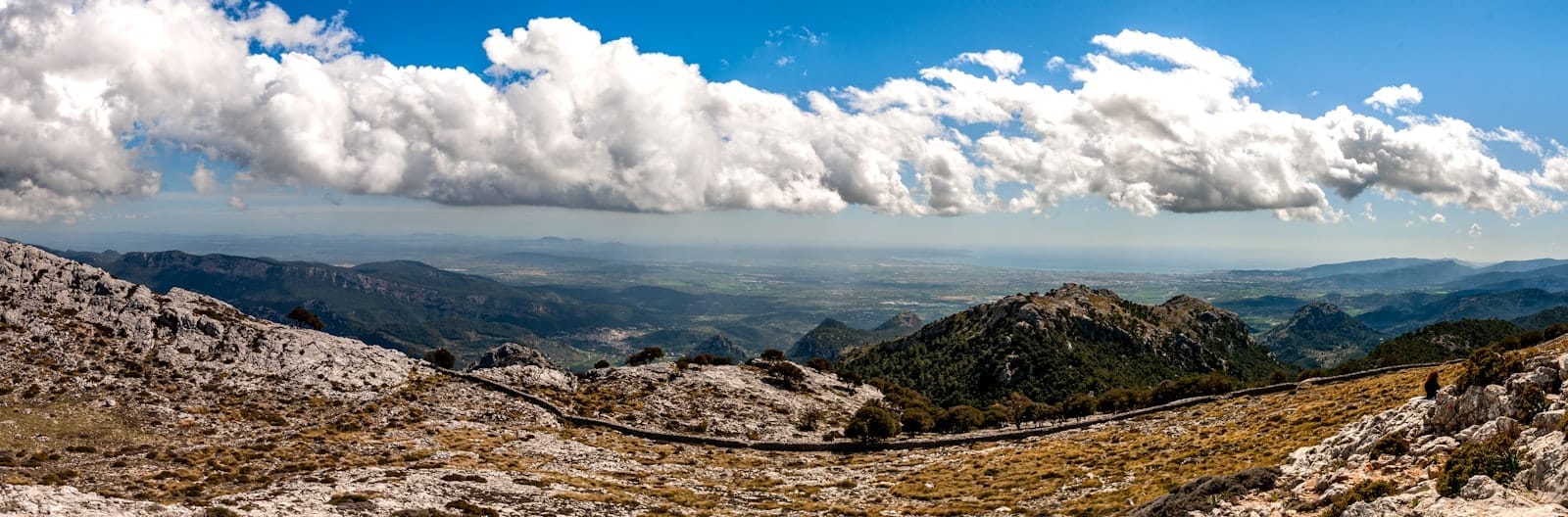
Plan and book this trip
Tools from our partner Travelpayouts help you compare flights and hotels. If you book through them, we may earn a commission at no extra cost to you.
Flights
Hotels map
The Serra de Tramuntana runs for approximately 90 kilometres along Mallorca's northwestern spine, rising sharply from the sea to peaks above 1,400 metres. Its UNESCO World Heritage status recognises not just the landscape but the ancient terracing, stone paths, and water channels that generations of farmers built into these mountains. For hikers, this is the best reason to visit the island. The GR221 Dry Stone Route threads the entire range between Port d'Andratx and Pollença, but dozens of day hikes branch off through gorges, monasteries, and clifftop ridges that reward even a single afternoon on foot. Spring and autumn are the ideal seasons: temperatures sit between 15 and 22°C, the light is extraordinary, and the trails are far less crowded than in July or August. If you are planning your trip, our guide to the best time to visit Mallorca covers the seasonal trade-offs in detail. For walkers considering a longer stay, the how many days in Mallorca guide will help you structure your itinerary around both the mountains and the coast.
Gateway Towns & Mountain Villages
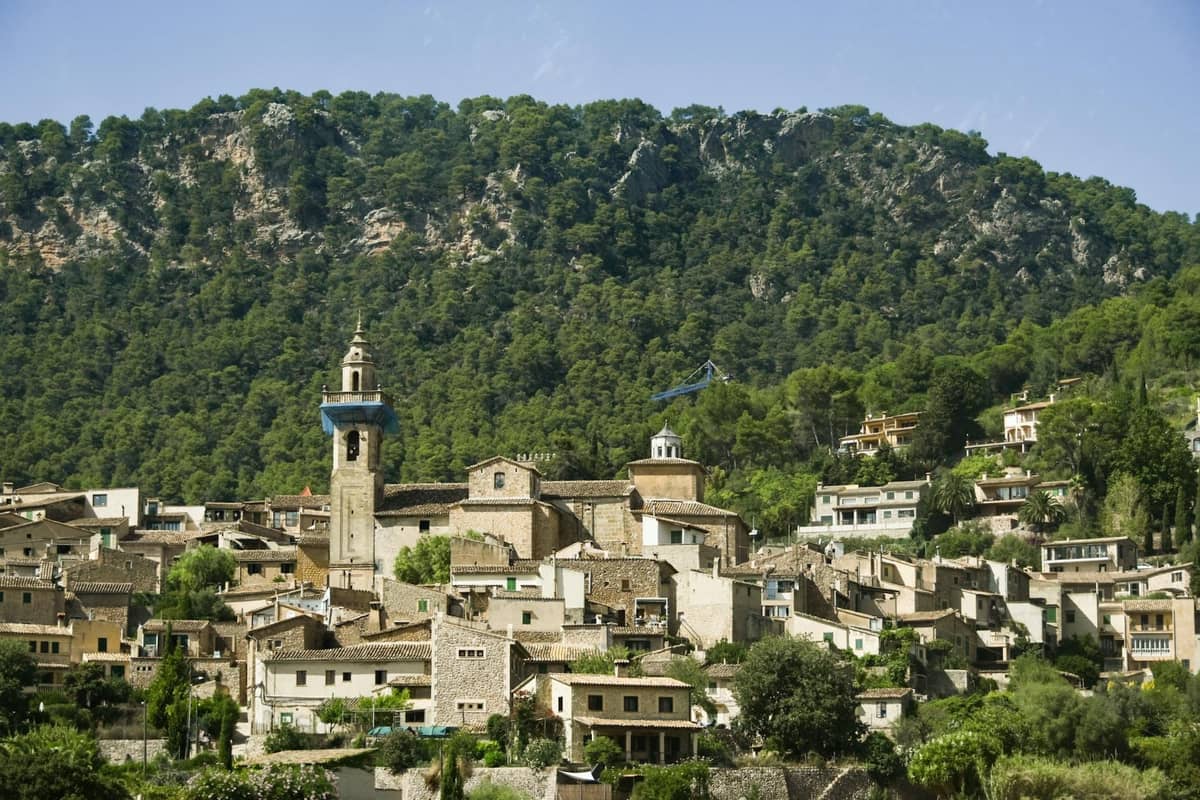
The Tramuntana's most rewarding trails often start or finish in its villages, which are worth exploring in their own right. Sóller is the most practical base, with train and tram connections and easy access to trails heading north, south, and up into the peaks. Smaller villages like Fornalutx and Deià sit higher in the mountains and reward a slower pace. For a broader orientation to the region, see our guide to the Tramuntana.
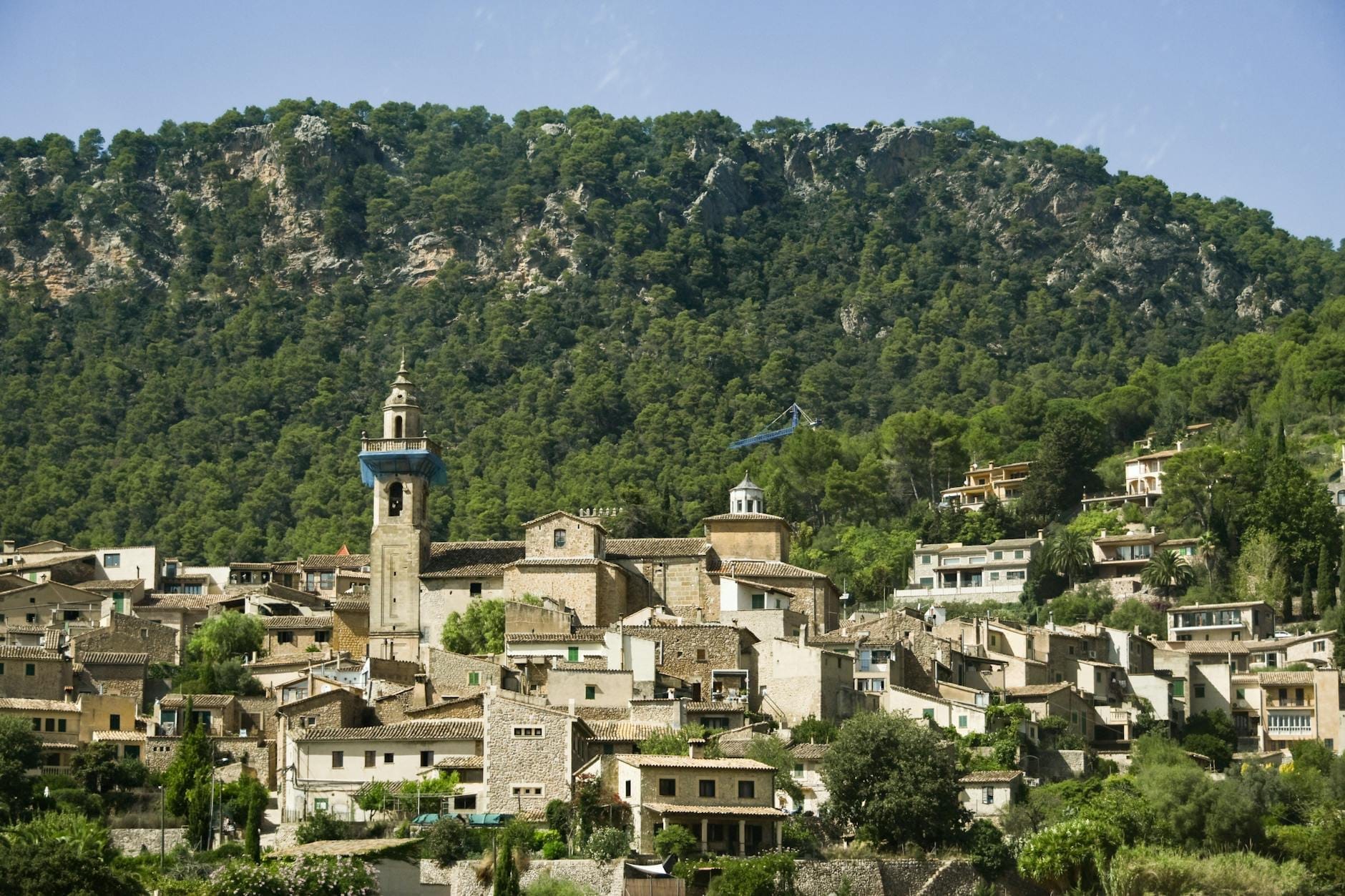
1. Start the GR221 from the Stone Streets of Valldemossa
Valldemossa is one of the most logical entry points to the Tramuntana on foot. The GR221 passes through its cobbled centre, and the Archduke's Trail ridge walk begins just above the village, climbing to panoramic views over sea and mountains.
Explore1. Start the GR221 from the Stone Streets of Valldemossa
Valldemossa is one of the most logical entry points to the Tramuntana on foot. The GR221 passes through its cobbled centre, and the Archduke's Trail ridge walk begins just above the village, climbing to panoramic views over sea and mountains.
Explore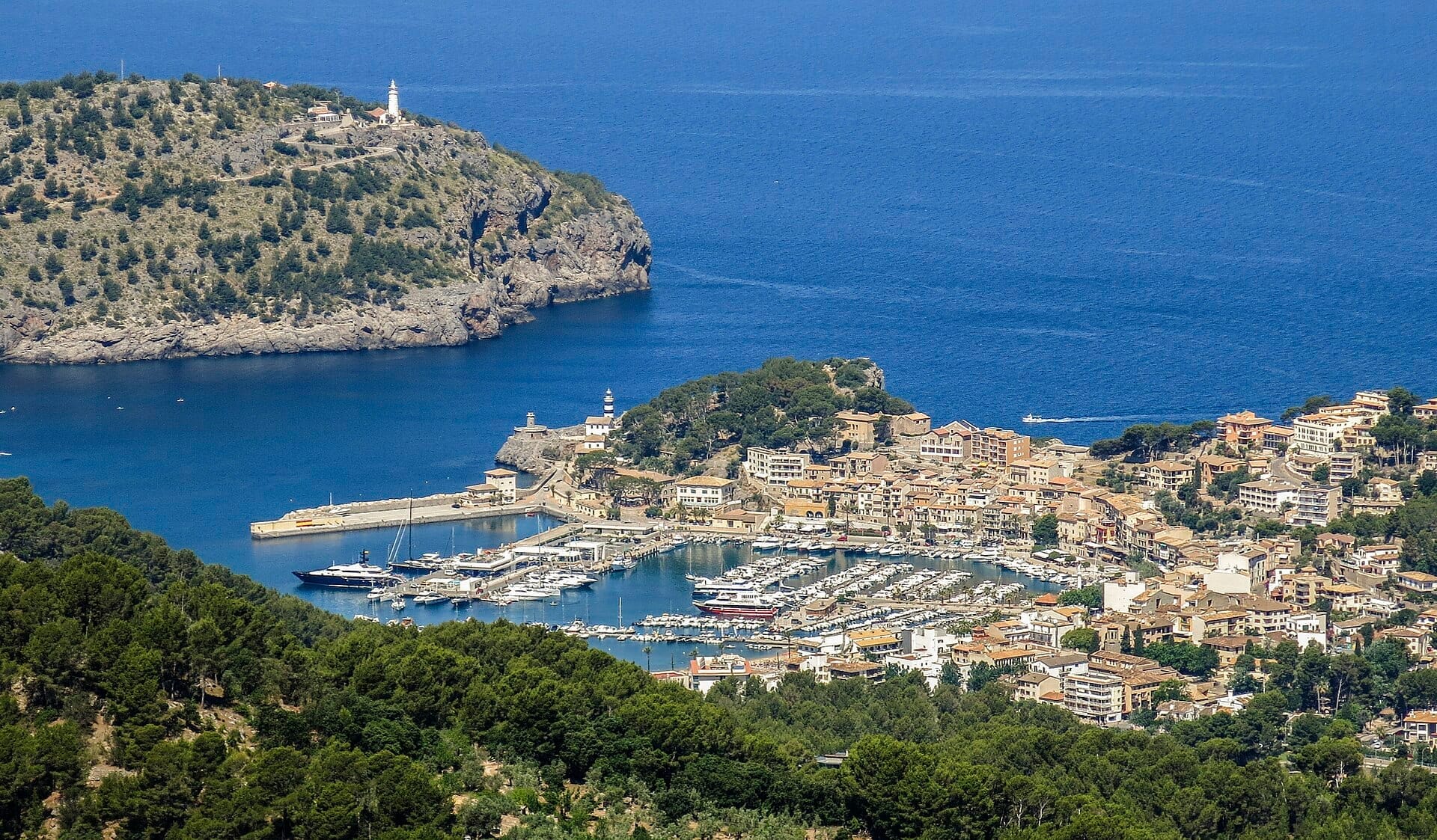
2. Use Sóller as Your Tramuntana Hiking Base
Sóller is the best-connected hiking base in the Tramuntana: trails to Puig de l'Ofre, Biniaraix gorge, and the GR221 all start nearby. The town itself has good restaurants, accommodation, and a tram link to the port for post-hike swims.
Explore2. Use Sóller as Your Tramuntana Hiking Base
Sóller is the best-connected hiking base in the Tramuntana: trails to Puig de l'Ofre, Biniaraix gorge, and the GR221 all start nearby. The town itself has good restaurants, accommodation, and a tram link to the port for post-hike swims.
Explore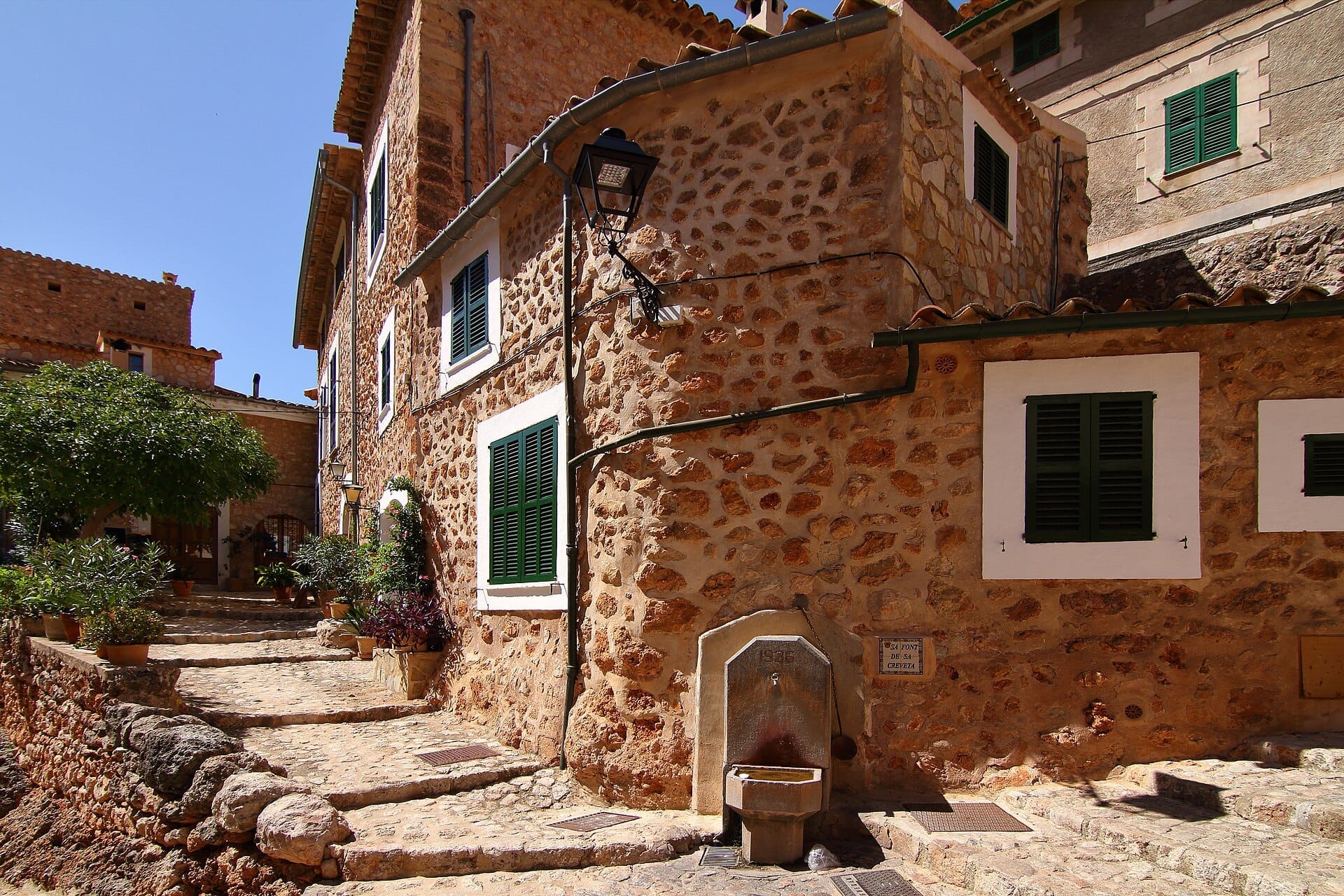
3. Walk into Fornalutx from the Biniaraix Gorge Trail
The classic Biniaraix to Fornalutx route follows ancient cobbled paths up through a narrow limestone gorge above Sóller, arriving in one of Spain's most-photographed villages. Plan 2 to 3 hours and finish with coffee on the main square.
Explore3. Walk into Fornalutx from the Biniaraix Gorge Trail
The classic Biniaraix to Fornalutx route follows ancient cobbled paths up through a narrow limestone gorge above Sóller, arriving in one of Spain's most-photographed villages. Plan 2 to 3 hours and finish with coffee on the main square.
Explore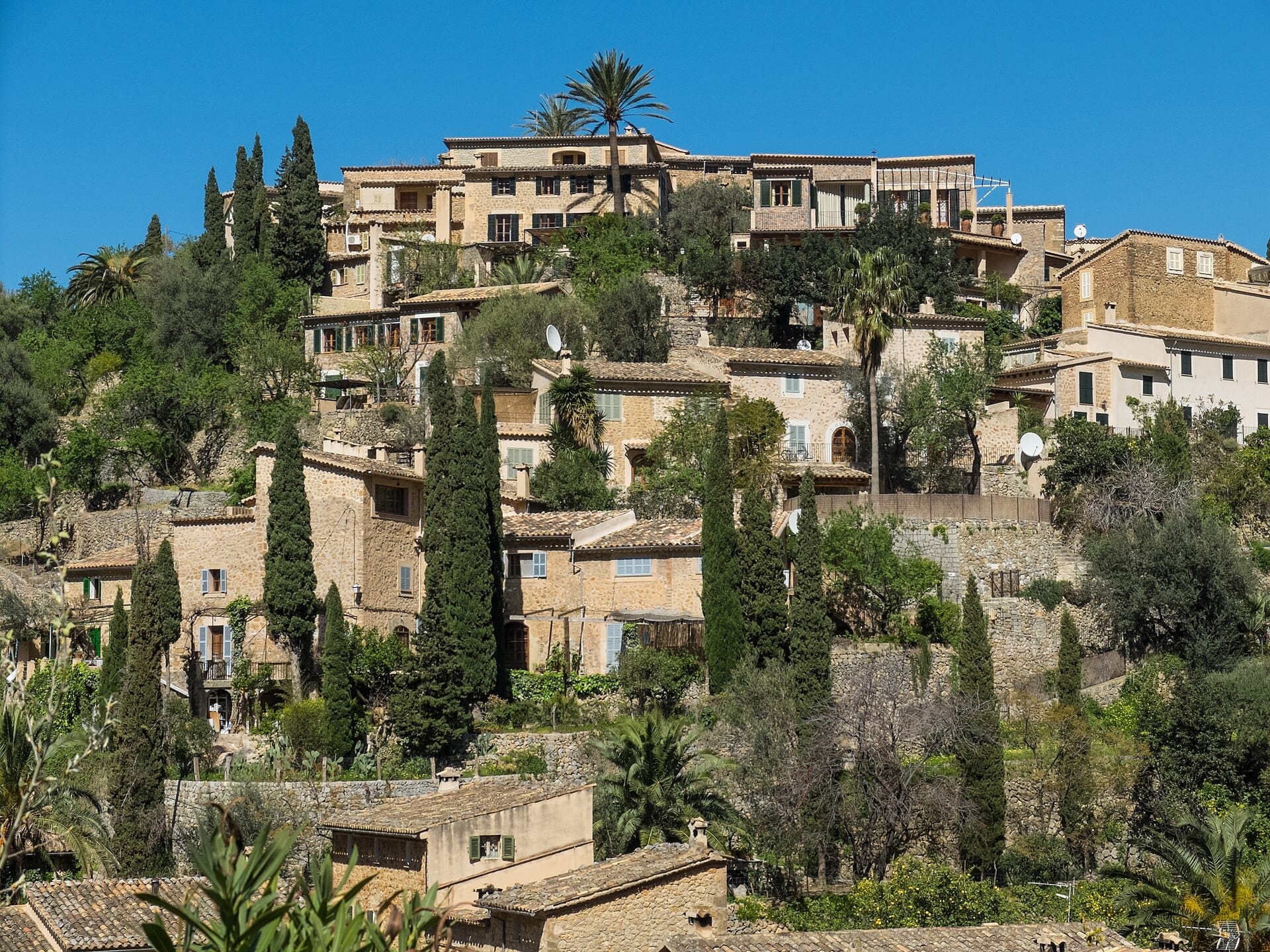
4. Hike the Archduke's Trail Between Valldemossa and Deià
The Camí de s'Arxiduc is the Tramuntana's finest ridge walk: a beautifully engineered path crossing open limestone terrain with sweeping sea views on both sides. The trail connects Valldemossa to Deià and sits mostly above the treeline. Allow 5 to 6 hours.
Explore4. Hike the Archduke's Trail Between Valldemossa and Deià
The Camí de s'Arxiduc is the Tramuntana's finest ridge walk: a beautifully engineered path crossing open limestone terrain with sweeping sea views on both sides. The trail connects Valldemossa to Deià and sits mostly above the treeline. Allow 5 to 6 hours.
ExploreDramatic Gorges, Peaks & Coastal Cliffs
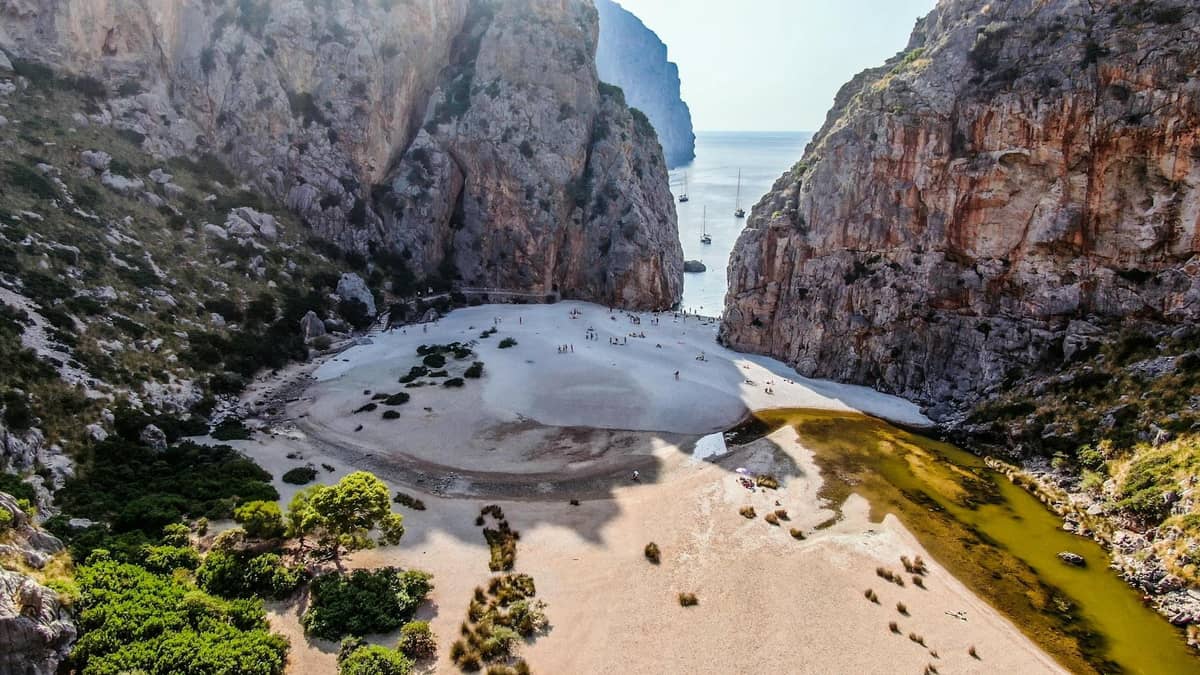
The Tramuntana's geology produces some of the most dramatic walking scenery in the Mediterranean. Sheer limestone walls, sea-level gorges, and long coastal ridges characterise the best hikes in this section. If photography is a priority alongside hiking, the Mallorca photography guide highlights the spots and times of day that produce the most striking images.
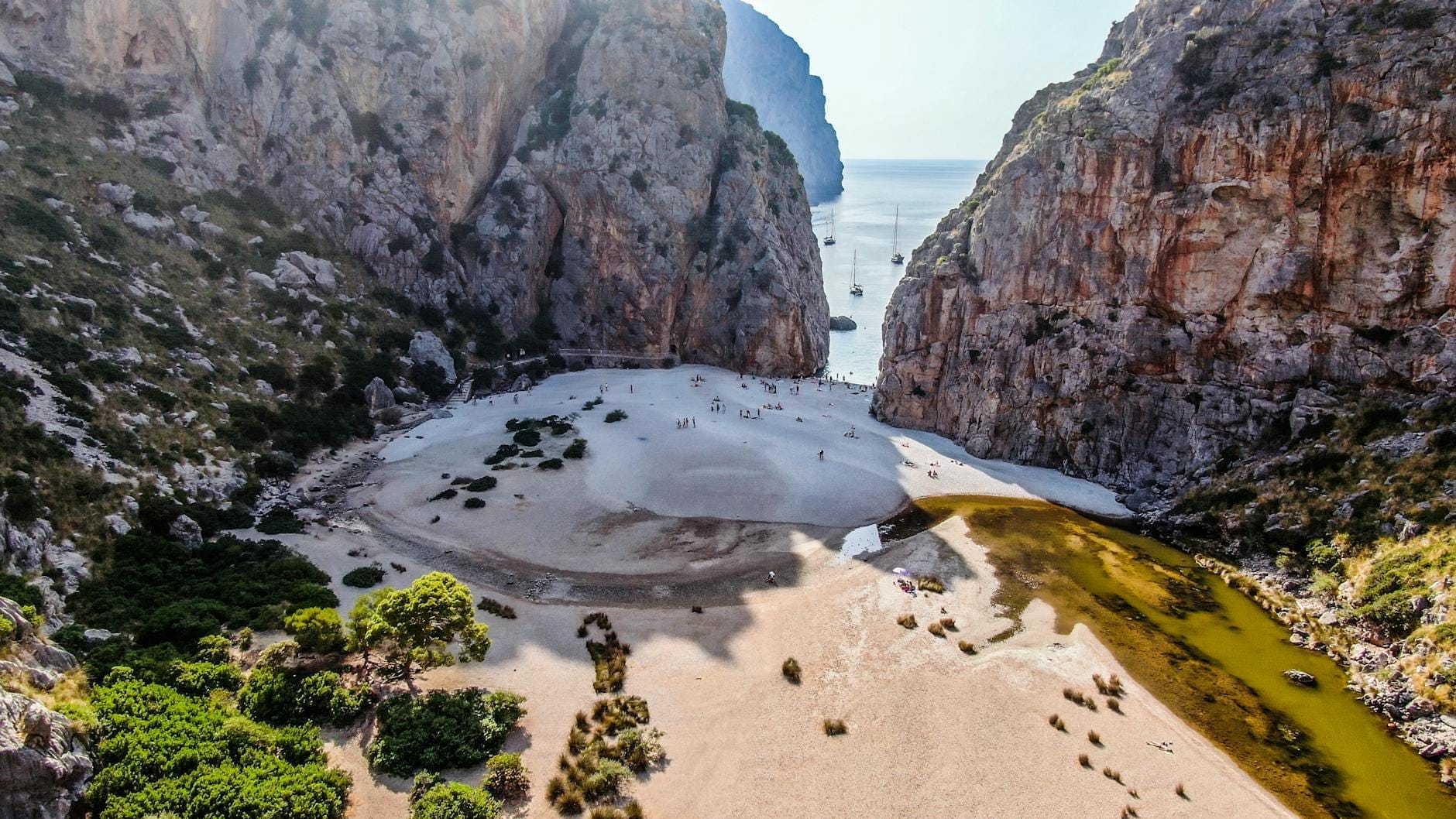
5. Walk the Torrent de Pareis Gorge to the Sea
The Torrent de Pareis is one of the great gorge walks in Europe: a narrow limestone canyon that descends to a pebble beach where the mountains meet the sea. The hike requires scrambling and takes 3 to 4 hours. Only attempt it in dry weather.
Explore5. Walk the Torrent de Pareis Gorge to the Sea
The Torrent de Pareis is one of the great gorge walks in Europe: a narrow limestone canyon that descends to a pebble beach where the mountains meet the sea. The hike requires scrambling and takes 3 to 4 hours. Only attempt it in dry weather.
Explore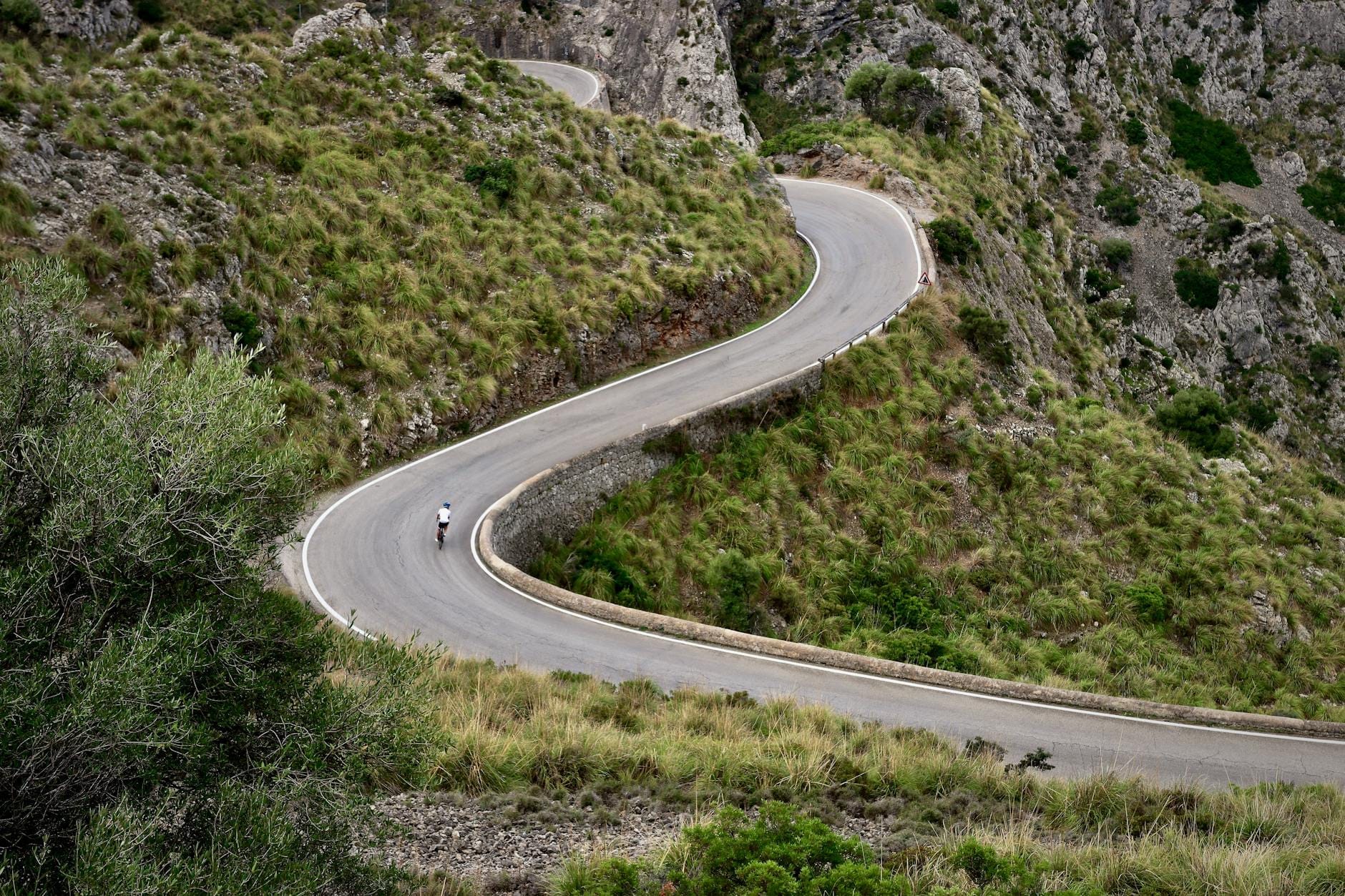
6. Hike or Ride the Legendary Sa Calobra Road
The serpentine road descending to Sa Calobra is as famous with hikers as it is with cyclists. Walking down offers unobstructed views of the limestone switchbacks and the sea below. The round trip from the top takes around 3 hours on foot.
Explore6. Hike or Ride the Legendary Sa Calobra Road
The serpentine road descending to Sa Calobra is as famous with hikers as it is with cyclists. Walking down offers unobstructed views of the limestone switchbacks and the sea below. The round trip from the top takes around 3 hours on foot.
Explore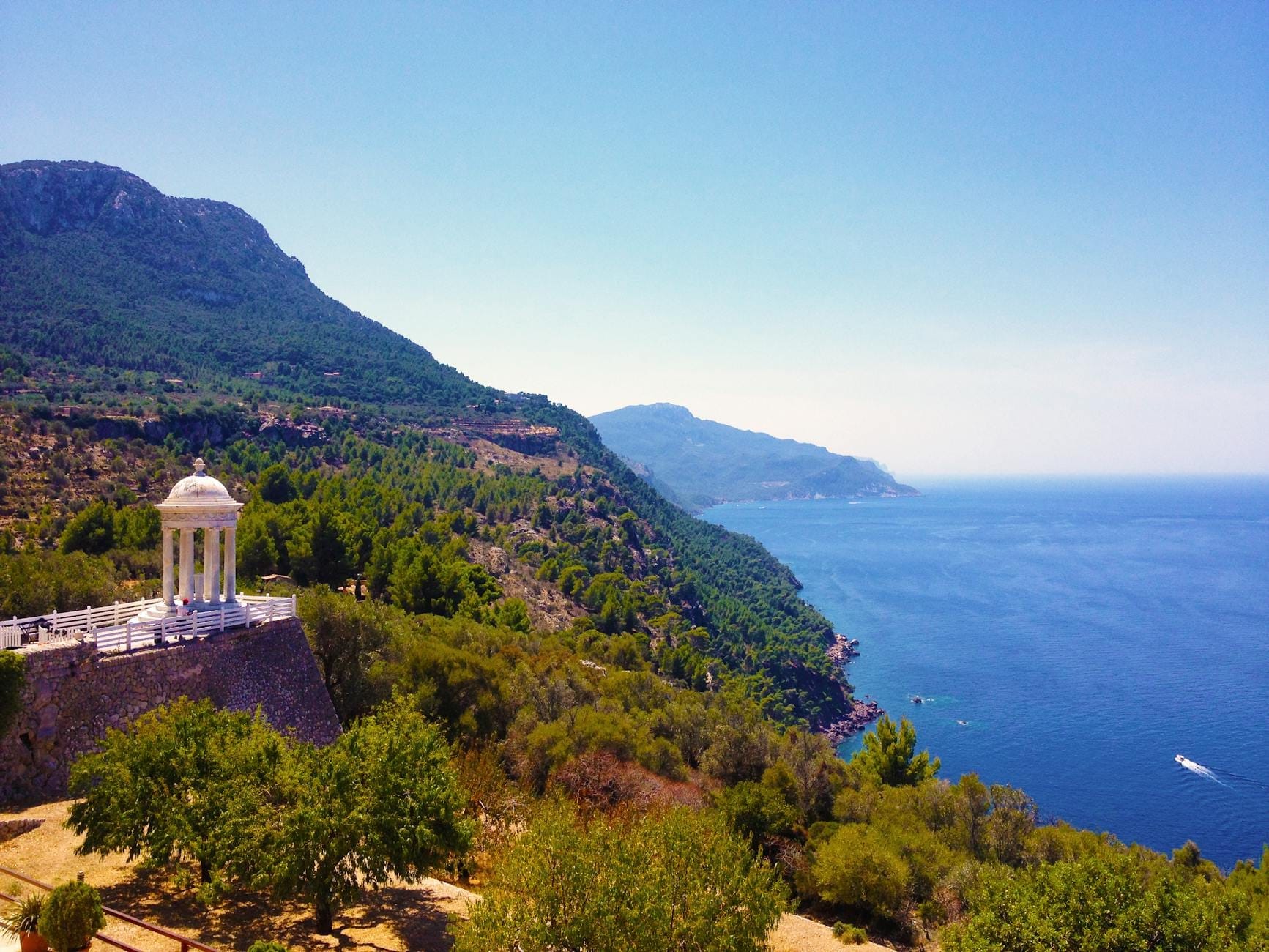
7. Hike Down to the Sa Foradada Peninsula from Son Marroig
A short but steep path descends from the Son Marroig estate to the Sa Foradada rock peninsula, pierced by a 30-metre natural arch at sea level. The 90-minute return hike offers some of the most iconic coastal views in the Tramuntana.
Explore7. Hike Down to the Sa Foradada Peninsula from Son Marroig
A short but steep path descends from the Son Marroig estate to the Sa Foradada rock peninsula, pierced by a 30-metre natural arch at sea level. The 90-minute return hike offers some of the most iconic coastal views in the Tramuntana.
Explore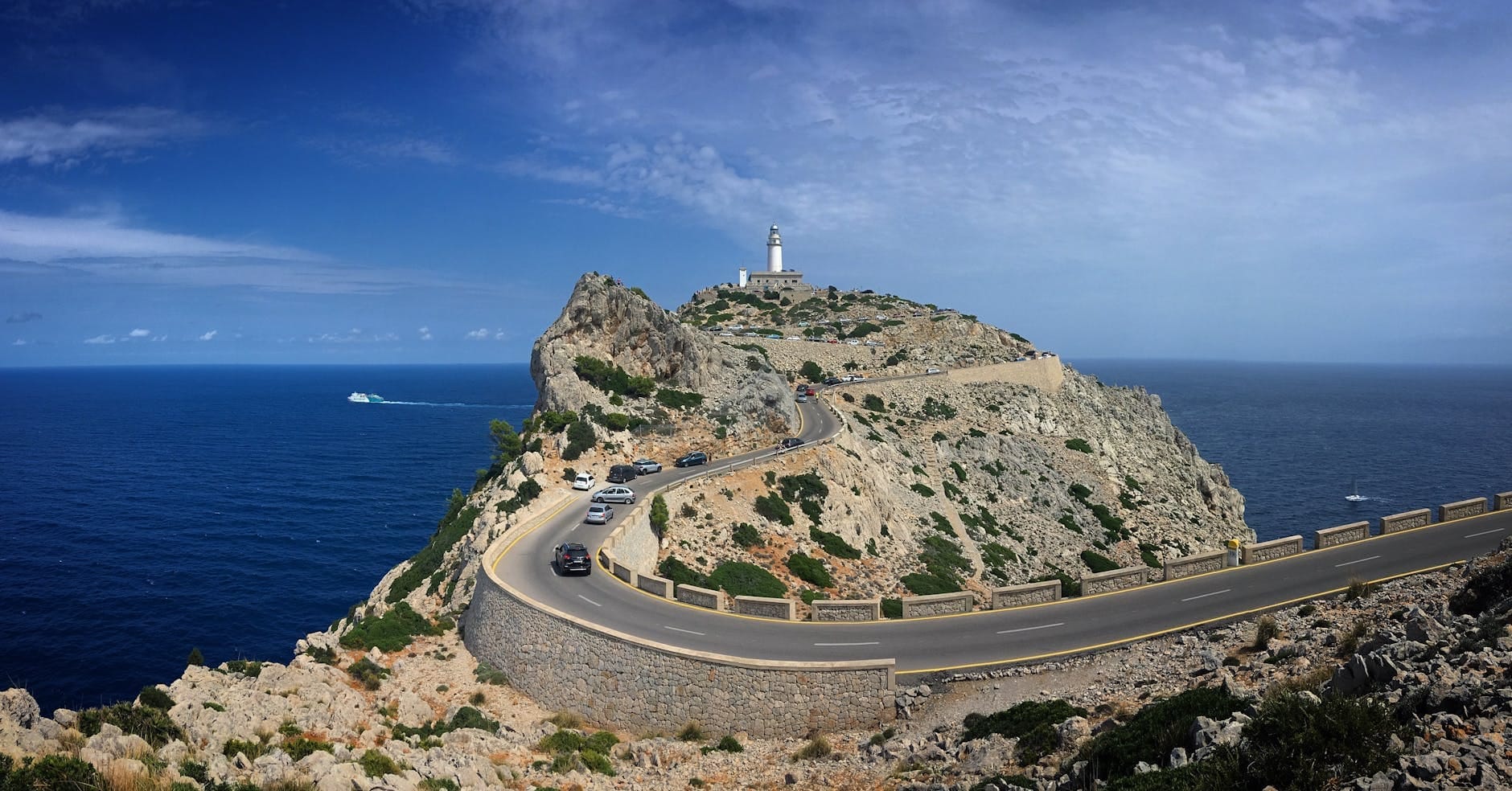
8. Walk to the Formentor Lighthouse Above the Sea
The path from the Formentor viewpoint to the lighthouse threads through pine forest along a clifftop ridge 200 metres above the water. It's one of the most dramatic coastal walks in Mallorca, with views extending to Menorca on clear days.
Explore8. Walk to the Formentor Lighthouse Above the Sea
The path from the Formentor viewpoint to the lighthouse threads through pine forest along a clifftop ridge 200 metres above the water. It's one of the most dramatic coastal walks in Mallorca, with views extending to Menorca on clear days.
Explore💡 Local tip
The road to Formentor lighthouse is restricted to private vehicles between 9am and 9pm from May to October. Park at the Mirador and walk or take the shuttle bus from Port de Pollença to reach the trailhead.
Monasteries, Sanctuaries & Cultural Trails
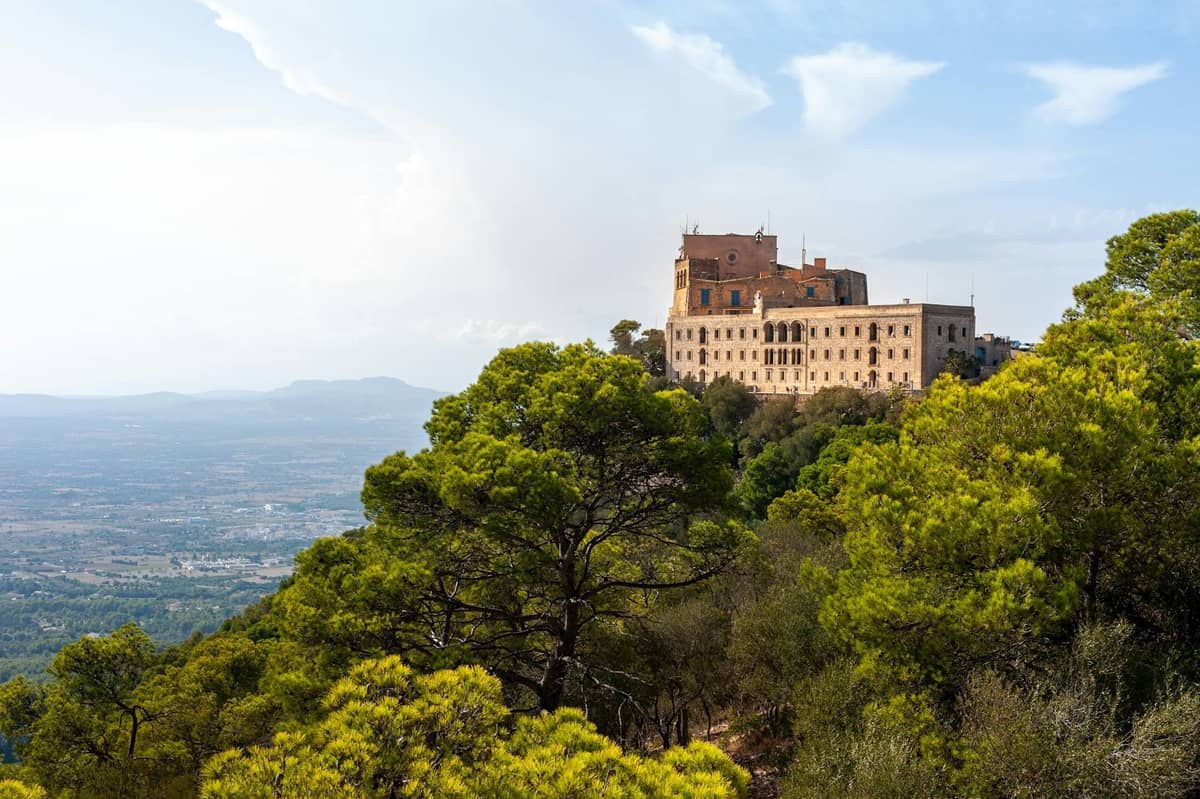
Many of the Tramuntana's oldest paths were pilgrimage routes, and the monasteries and sanctuaries at their ends remain active destinations for walkers today. The GR221 passes the Lluc Sanctuary directly, making it the spiritual centrepiece of any multi-day traverse. For those who want to combine hiking with broader sightseeing, the most beautiful villages in Mallorca guide covers many of the settlements that appear along these routes.
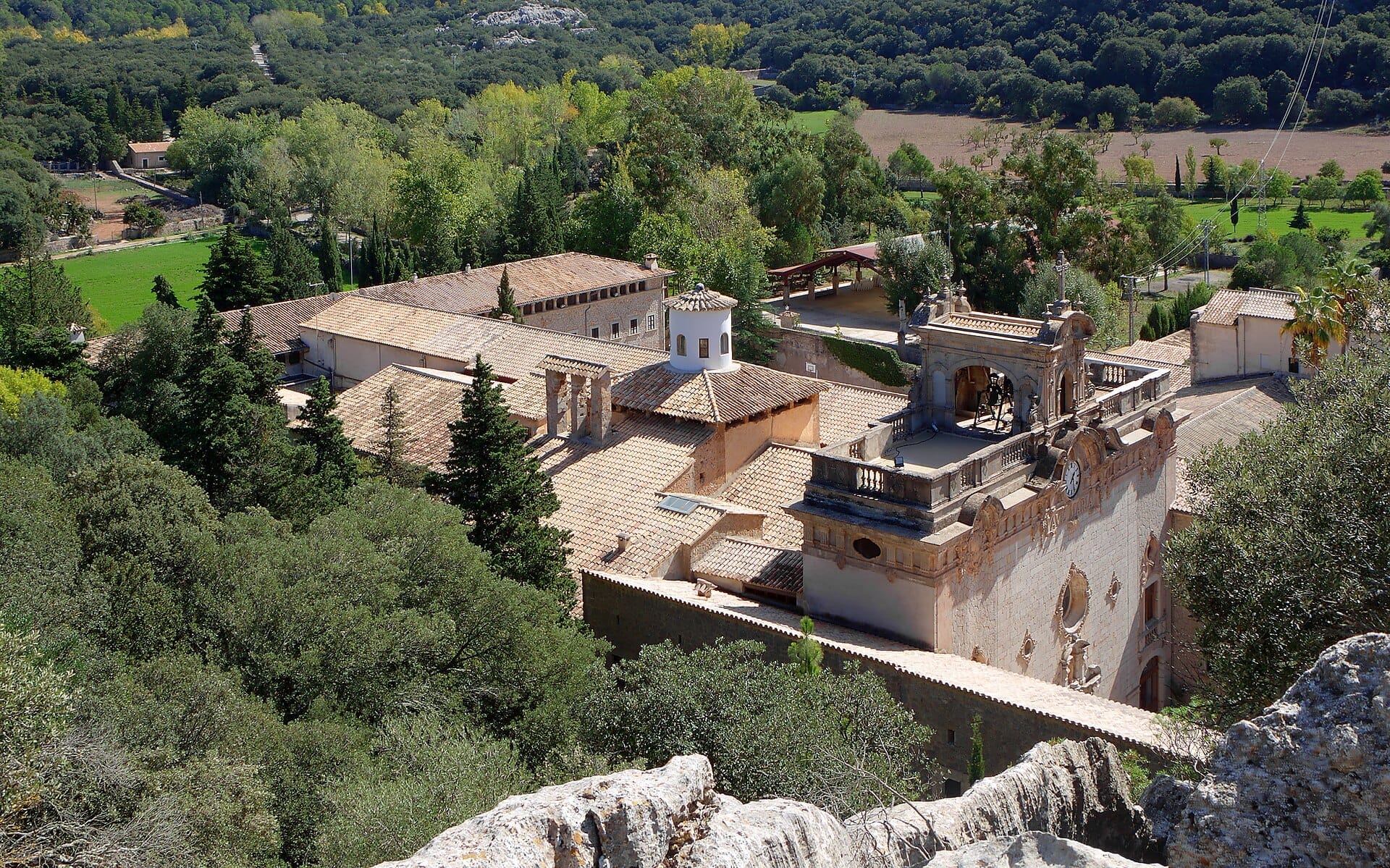
9. Hike to the Lluc Sanctuary on the GR221
The Lluc Sanctuary sits at the heart of the Tramuntana and at the midpoint of the GR221. Arriving on foot rather than by road transforms the visit entirely. The monastery offers pilgrim accommodation, making it a natural overnight stop on a multi-day traverse.
Explore9. Hike to the Lluc Sanctuary on the GR221
The Lluc Sanctuary sits at the heart of the Tramuntana and at the midpoint of the GR221. Arriving on foot rather than by road transforms the visit entirely. The monastery offers pilgrim accommodation, making it a natural overnight stop on a multi-day traverse.
Explore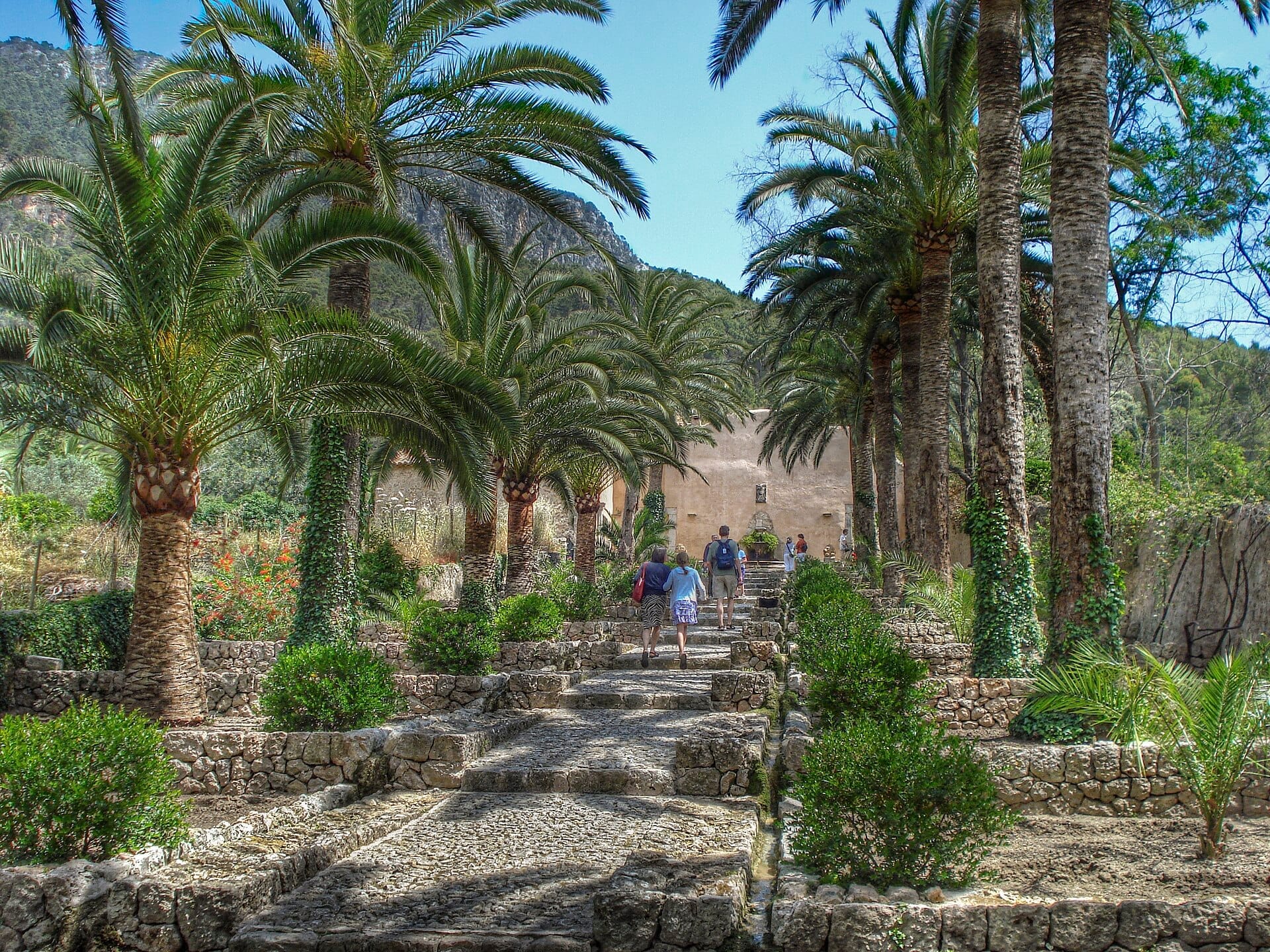
10. Pass the Jardines de Alfabia on the Palma to Sóller Trail
The historic gardens at Alfabia sit at the foot of the Tramuntana on the old mule track connecting Palma to Sóller, a route now popular with hikers. The Moorish water features and shaded terraces make a logical rest point on the 4-hour mountain crossing.
Explore10. Pass the Jardines de Alfabia on the Palma to Sóller Trail
The historic gardens at Alfabia sit at the foot of the Tramuntana on the old mule track connecting Palma to Sóller, a route now popular with hikers. The Moorish water features and shaded terraces make a logical rest point on the 4-hour mountain crossing.
Explore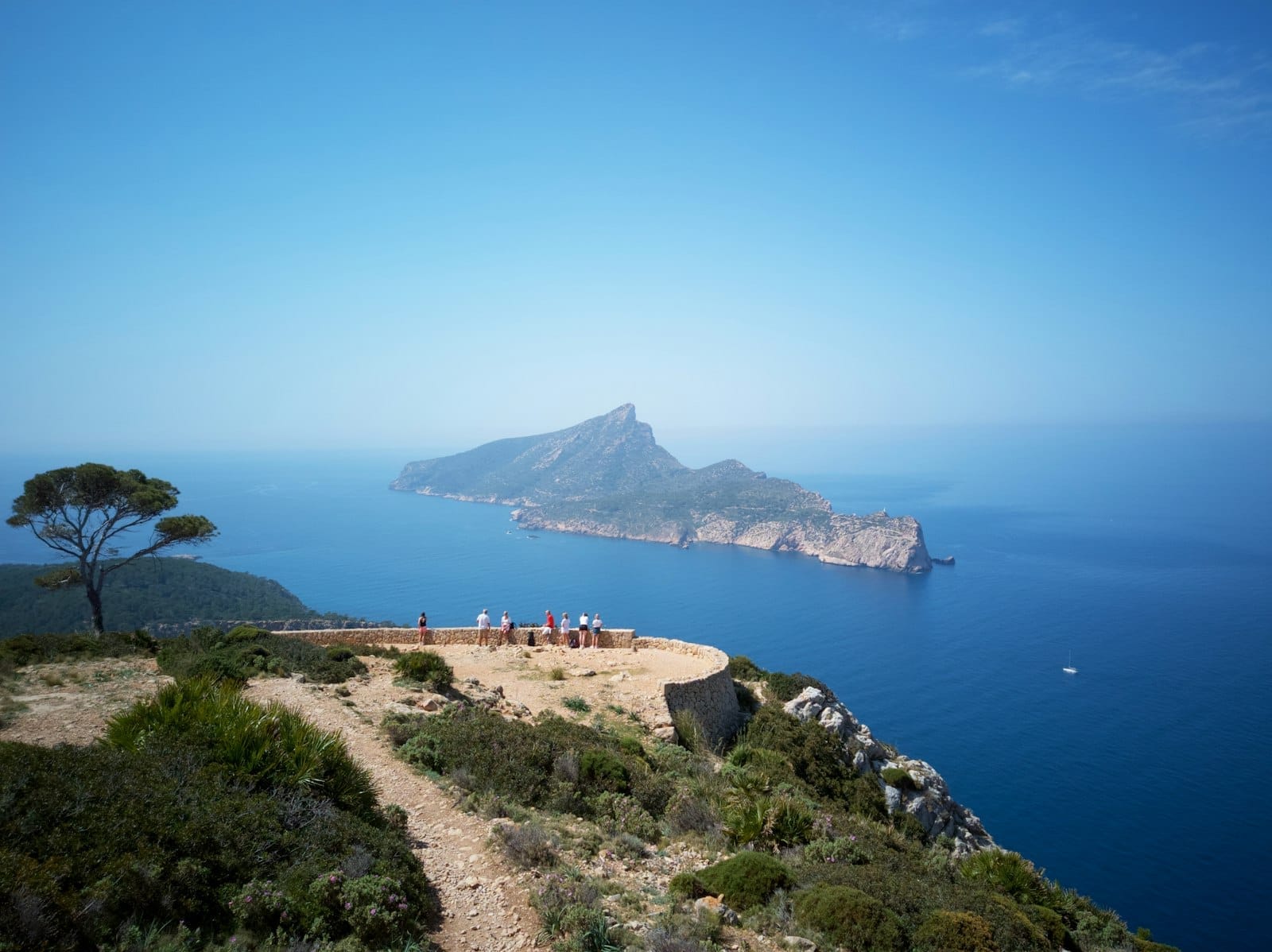
11. Hike Across the Uninhabited Island of Sa Dragonera
A short boat from Sant Elm drops you on this protected island nature reserve with two walking trails: one to the old lighthouse (Llebeig) and one to the highest point (Na Pòpia). The round trip to both takes around 4 hours through lizard-populated scrubland with sea views.
Explore11. Hike Across the Uninhabited Island of Sa Dragonera
A short boat from Sant Elm drops you on this protected island nature reserve with two walking trails: one to the old lighthouse (Llebeig) and one to the highest point (Na Pòpia). The round trip to both takes around 4 hours through lizard-populated scrubland with sea views.
ExploreNorthern Tramuntana: Pollença & Alcúdia Foothills
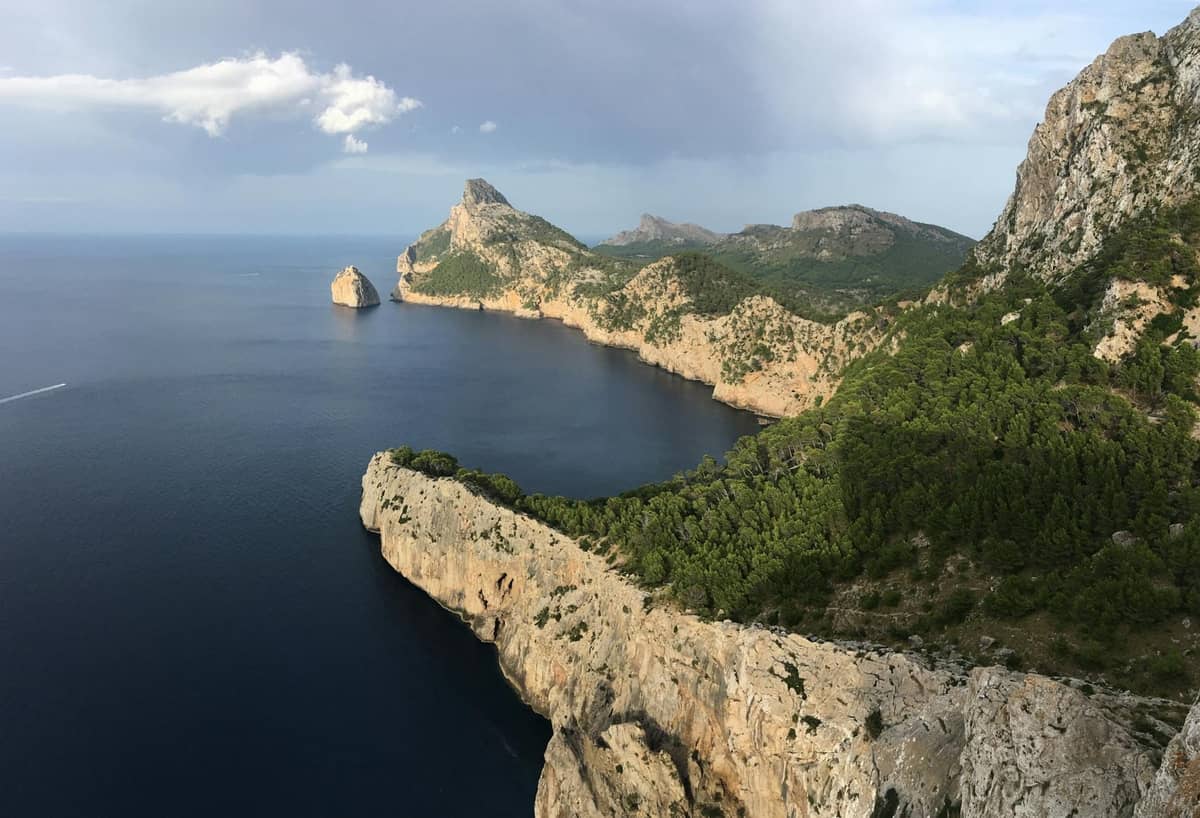
The northern end of the Tramuntana, where the mountains descend toward the bays of Pollença and Alcúdia, offers some of the most accessible and varied walking on the island. The Alcúdia area makes an excellent base for day hikes into the Formentor peninsula and the S'Albufera wetlands, combining mountain and coastal trails in a single trip.
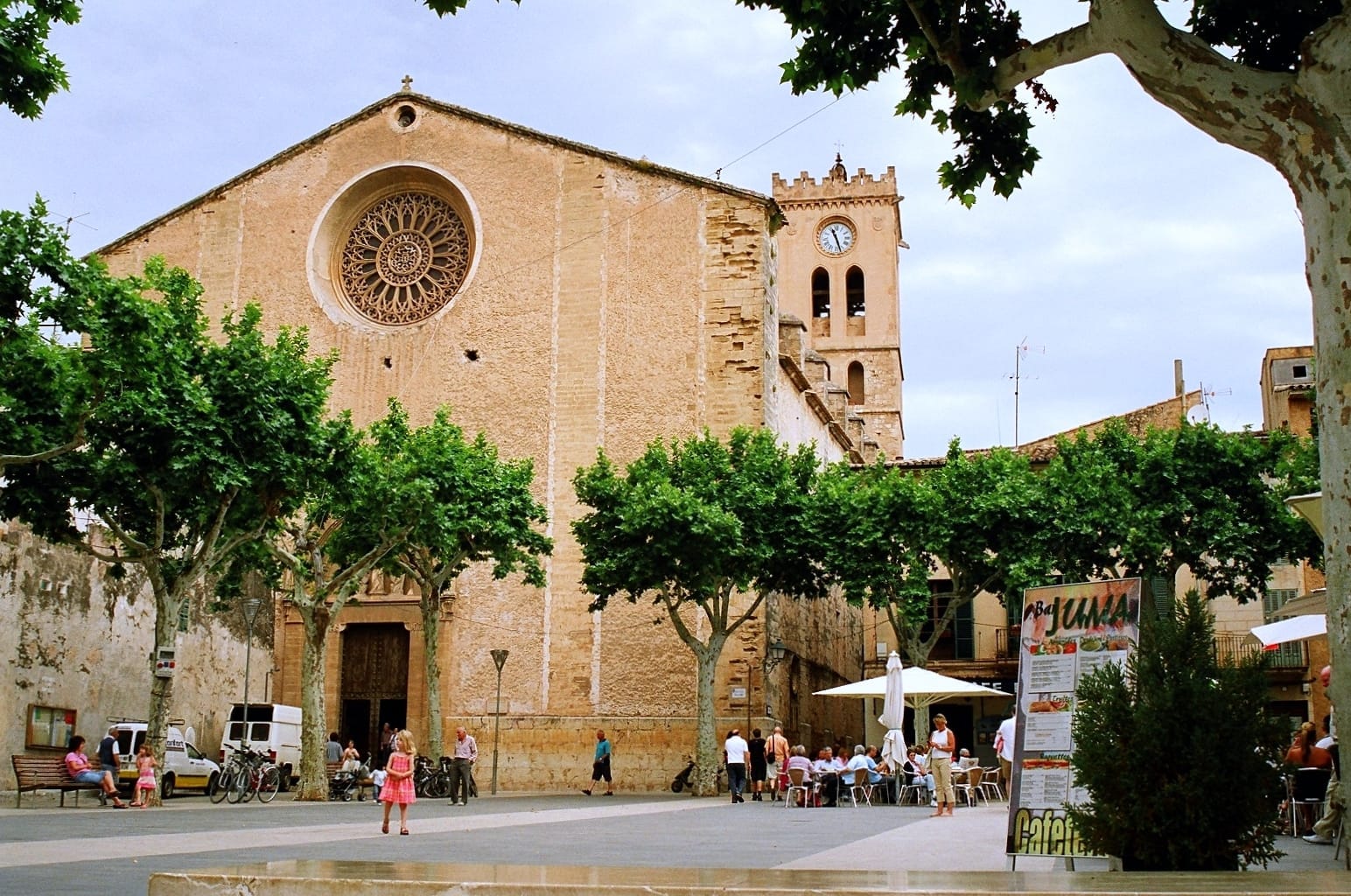
12. Climb the 365 Calvari Steps in Pollença
The cypress-lined staircase rising from Pollença's centre to the small hilltop oratory is a short but iconic Tramuntana walk. The 365 steps take around 20 minutes and reward the climb with wide views over the town and the mountains to the west.
Explore12. Climb the 365 Calvari Steps in Pollença
The cypress-lined staircase rising from Pollença's centre to the small hilltop oratory is a short but iconic Tramuntana walk. The 365 steps take around 20 minutes and reward the climb with wide views over the town and the mountains to the west.
Explore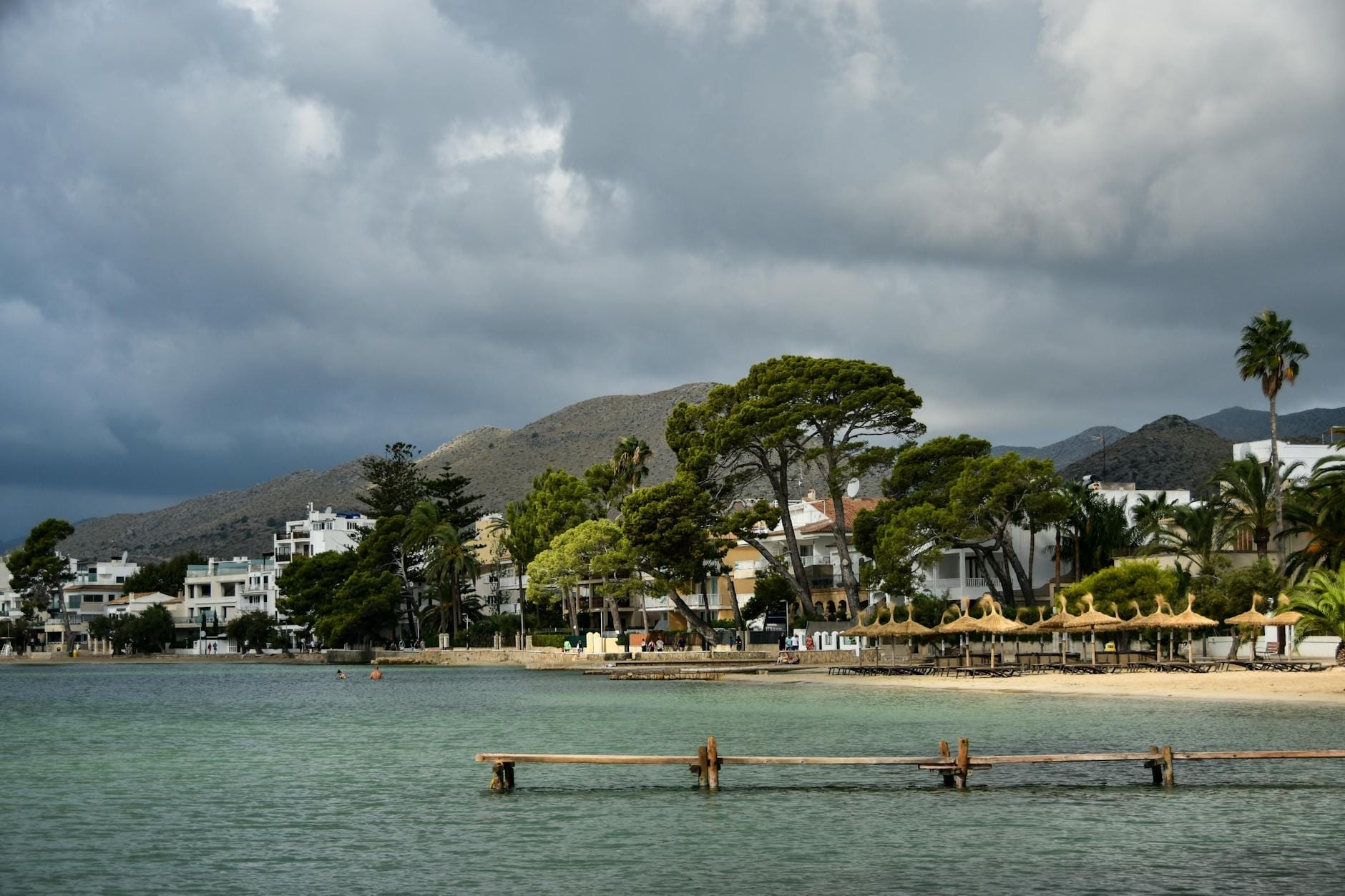
13. Walk the Camí de Cala Bóquer from Port de Pollença
The Cala Bóquer trail starts at the edge of Port de Pollença and crosses a nature reserve valley to reach a secluded pebble cove in around 45 minutes. The flat, well-marked path is one of the easiest rewarding hikes in the north, ideal for all fitness levels.
Explore13. Walk the Camí de Cala Bóquer from Port de Pollença
The Cala Bóquer trail starts at the edge of Port de Pollença and crosses a nature reserve valley to reach a secluded pebble cove in around 45 minutes. The flat, well-marked path is one of the easiest rewarding hikes in the north, ideal for all fitness levels.
Explore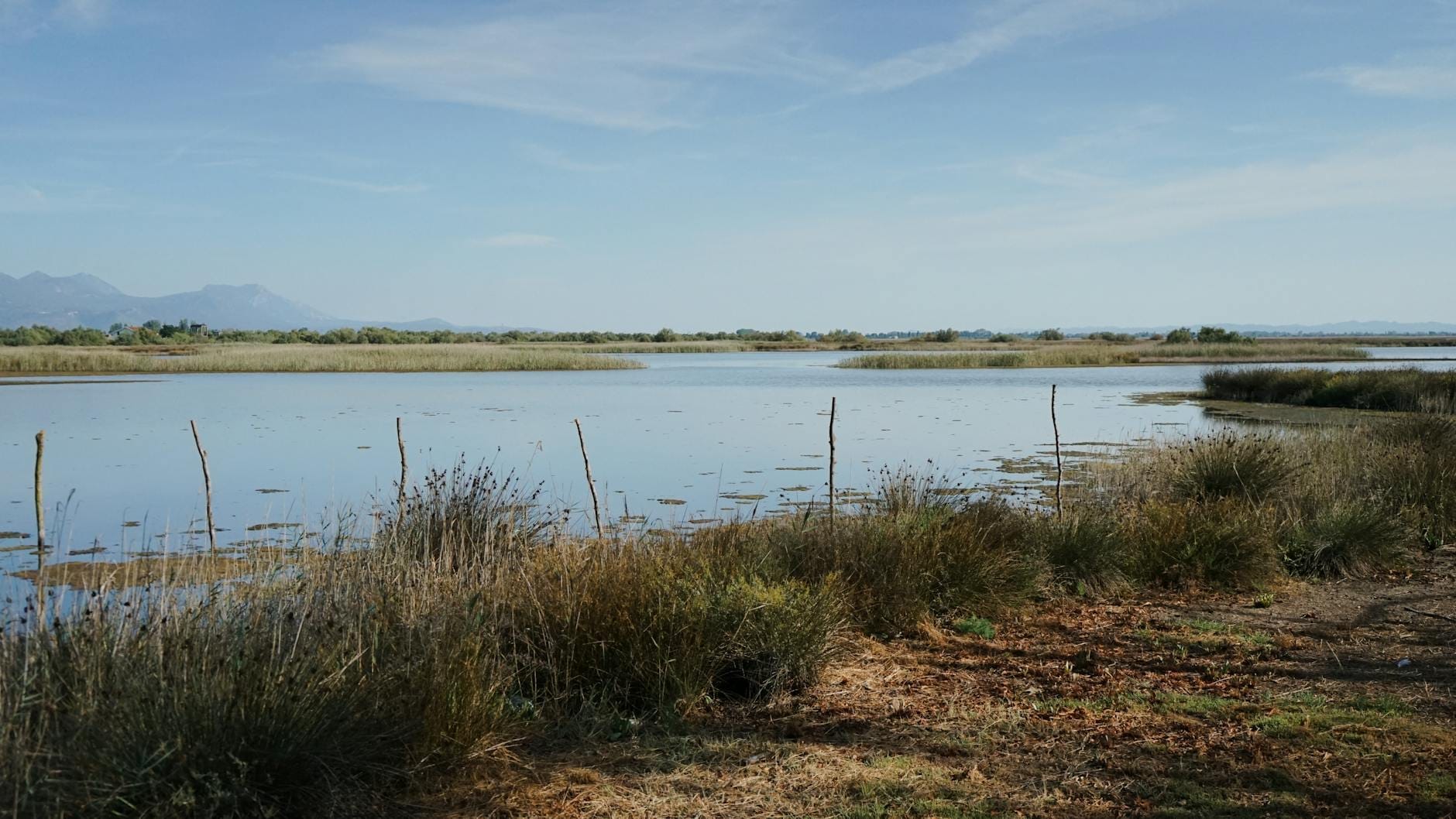
14. Walk the Wetland Trails of S'Albufera Nature Reserve
S'Albufera's network of flat walking trails through reed beds and lagoons offers a completely different landscape from the mountain routes nearby. Over 200 bird species have been recorded here. Early morning walks between March and May are best for birders.
Explore14. Walk the Wetland Trails of S'Albufera Nature Reserve
S'Albufera's network of flat walking trails through reed beds and lagoons offers a completely different landscape from the mountain routes nearby. Over 200 bird species have been recorded here. Early morning walks between March and May are best for birders.
Explore✨ Pro tip
For the GR221 multi-day route, book refuge accommodation at least 2 to 3 months ahead for spring and autumn. The Tramuntana refuges fill quickly, and wild camping is not permitted within the nature reserve boundaries.
After the Hike: Villages & Viewpoints to Reward the Walk
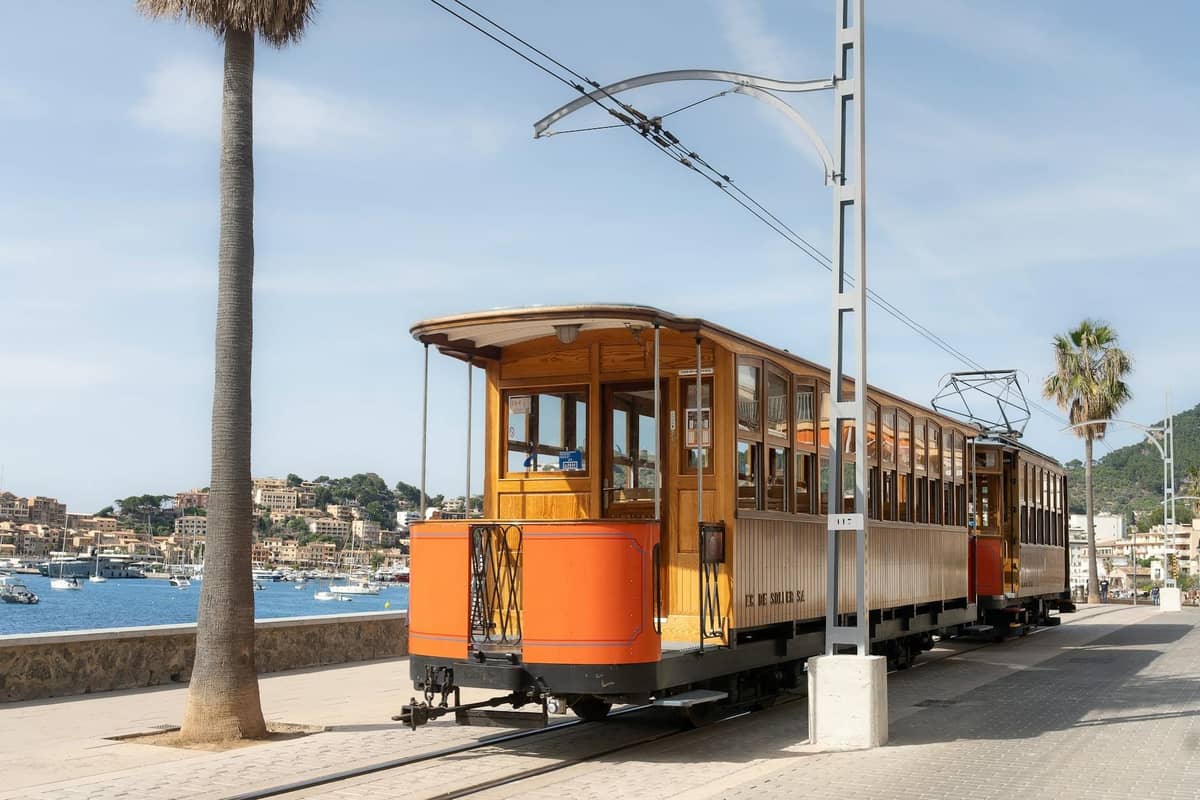
Some of the Tramuntana's best experiences are not trailheads but endpoints: villages, viewpoints, and vintage transport that reward a day in the mountains. Combining a morning hike with the historic Sóller train back to Palma, or ending a coastal walk at Port de Sóller for a seafood lunch, turns a good hike into a complete day out. The Mallorca road trip guide covers the scenic driving routes that connect many of these endpoints for those mixing walking with wheels.
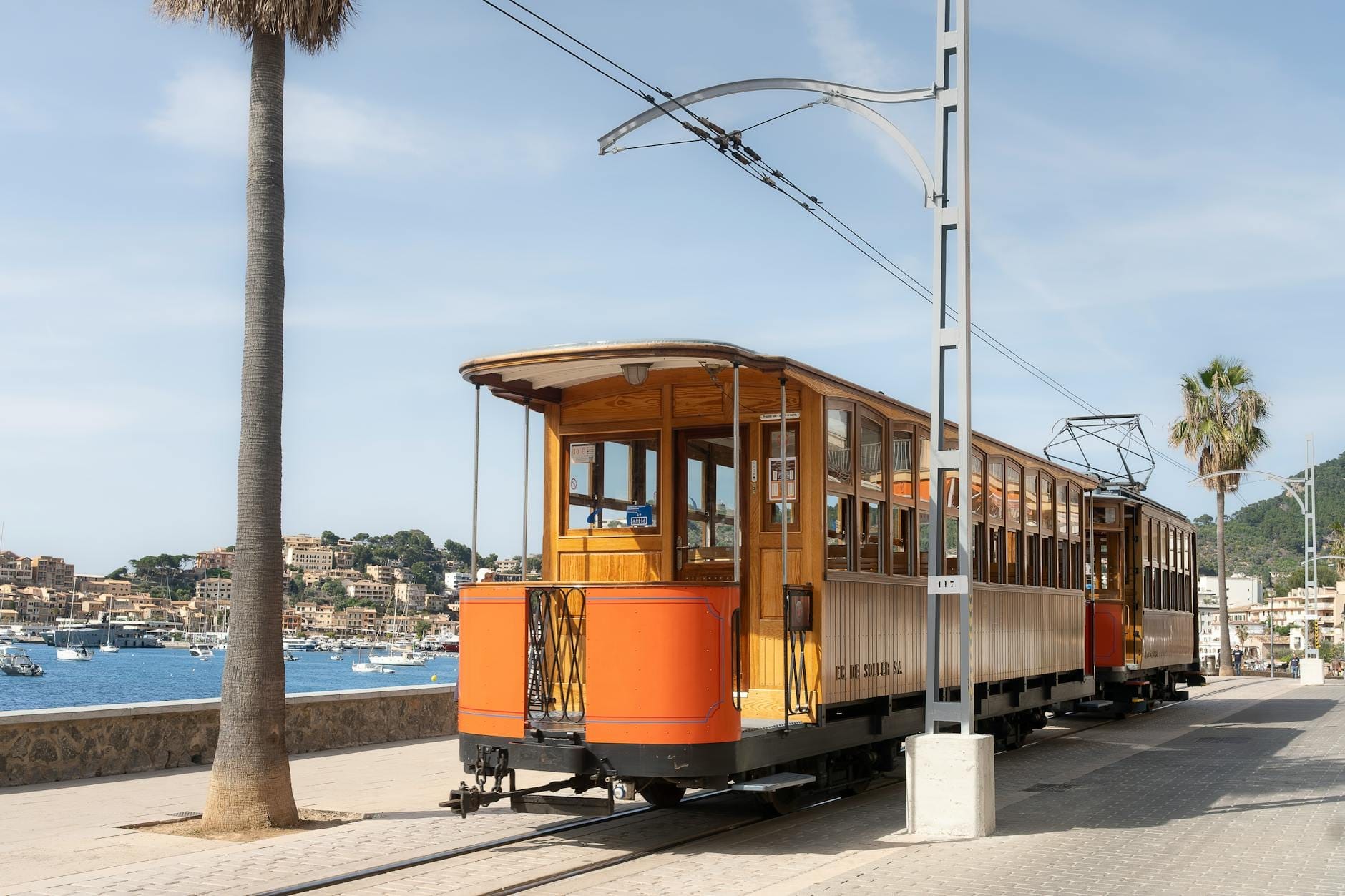
15. Ride the Vintage Sóller Train Back to Palma After a Hike
After a day walking the Tramuntana, the 1912 narrow-gauge train from Sóller to Palma is one of Mallorca's great travel pleasures. The wooden carriages wind through orange groves and mountain tunnels for just over an hour, saving your legs on the return.
Explore15. Ride the Vintage Sóller Train Back to Palma After a Hike
After a day walking the Tramuntana, the 1912 narrow-gauge train from Sóller to Palma is one of Mallorca's great travel pleasures. The wooden carriages wind through orange groves and mountain tunnels for just over an hour, saving your legs on the return.
ExploreFAQ
What is the best hike in the Tramuntana for beginners?
The Camí de Cala Bóquer from Port de Pollença is the most accessible option: a flat 45-minute walk through a nature reserve to a secluded cove. The Calvari Steps in Pollença and the path from Son Marroig to Sa Foradada are also manageable for most fitness levels with no technical terrain.
When is the best time of year to hike in Mallorca?
April to early June and September to November are the best months. Temperatures are mild (15 to 22°C), trails are not crowded, and the light is excellent. July and August can be dangerously hot on exposed ridges, and some mountain roads are restricted. Winter hiking is possible but some high routes may be wet or slippery.
How long does it take to walk the GR221 Dry Stone Route?
The full GR221 from Port d'Andratx (or Esporles) to Pollença covers around 135 kilometres and takes 8 to 10 days at a comfortable pace. It can be walked in sections using buses to return to your base. The route passes through Valldemossa, Deià, Sóller, and Lluc Sanctuary.
Do I need a permit to hike in the Tramuntana?
No permit is needed for the GR221 or standard day hikes, but overnight stays at official mountain refuges require advance booking through the Consell de Mallorca's refuge network. Access to some private estates along the route requires payment of a small trail fee at the entrance point.
What should I bring for hiking in the Tramuntana?
Water is critical: springs are marked on maps but not always reliable. Bring at least 2 litres per person for a half-day hike. Sun protection, trail shoes with grip, and a detailed paper or offline map are essential. The Tramuntana's limestone can be slippery when wet, and mobile signal drops out on many ridge sections.