Mallorcan Food: The Complete Guide to What to Eat in Mallorca
Mallorcan food is rooted in peasant traditions, pork, olive oil, and seasonal produce. This guide covers the island's essential dishes, local specialties worth seeking out, and practical advice for eating well without falling into tourist-trap traps.
Plan and book this trip
Tools from our partner Travelpayouts help you compare flights and hotels. If you book through them, we may earn a commission at no extra cost to you.
Flights
Hotels map
TL;DR
- Mallorcan food is hearty, pork-heavy, and rooted in rural tradition — not the tapas-and-paella experience most visitors expect.
- The five dishes you should prioritize: pa amb oli, sobrasada, arròs brut, tumbet, and ensaimada. See more in our guide to things to do in Mallorca for context on how food fits the broader island experience.
- Avoid restaurants right on beach promenades in peak season — prices jump and quality drops significantly.
- Local markets like Mercat de l'Olivar in Palma are the best single stop for tasting multiple products in one visit.
- Seasonal eating matters here: some dishes like panades (pastry pies) only appear at Easter, while sopas mallorquinas are firmly cold-weather food. Check the best time to visit Mallorca to align your trip with the food calendar.
What Makes Mallorcan Cuisine Different
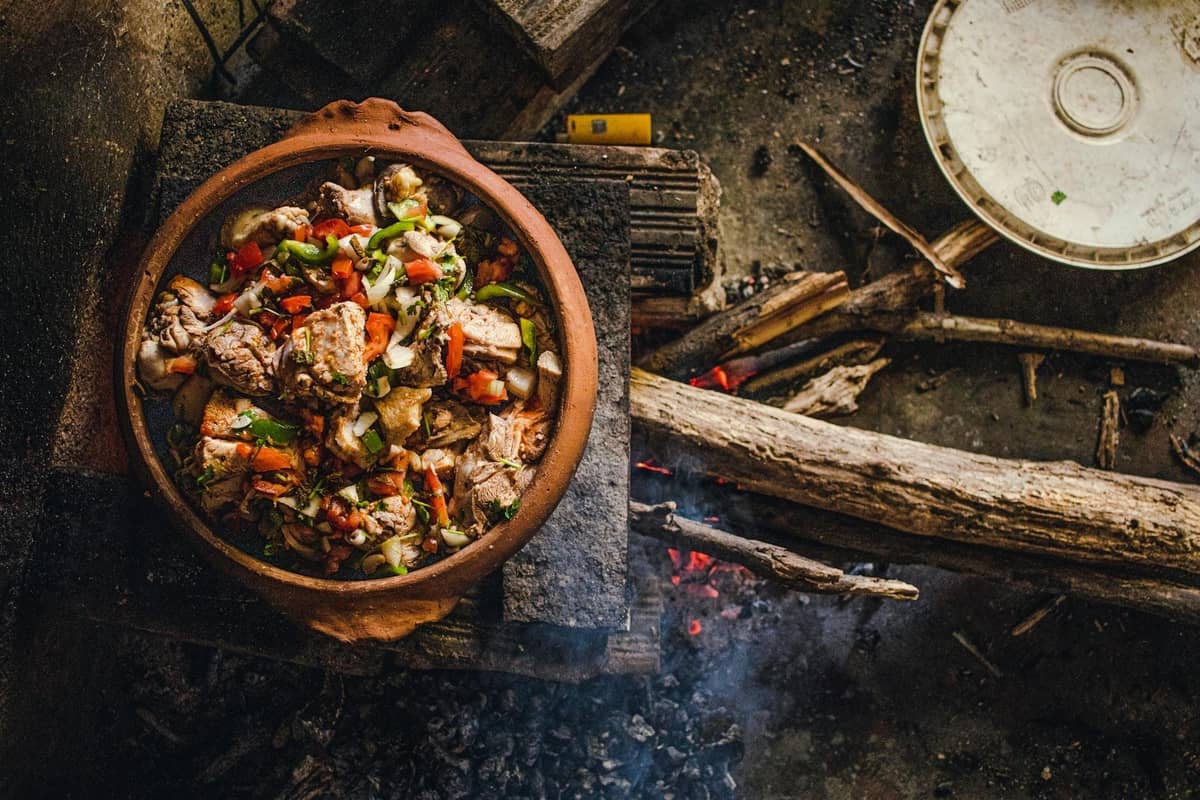
Mallorcan food did not develop to impress tourists. It evolved over centuries to feed farmers, shepherds, and fishermen working a sun-baked island with limited resources. The cuisine reflects that reality: it is peasant food made with skill, heavily reliant on pork, olive oil, garlic, local herbs, and whatever vegetables were in season. The influence of Arabic, Catalan, and Mediterranean cooking traditions is visible throughout, but the result is distinctly its own.
What surprises most visitors is how little it resembles mainland Spanish food. You will not find the same dishes you ate in Barcelona or Madrid. The island speaks Catalan (specifically the local dialect Mallorquí), and that cultural distance from Castilian Spain extends to the kitchen. Bread is saltless by tradition. Tomatoes are rubbed, not spread. Sausage is soft and spreadable, not sliced. These are not minor quirks — they define the entire eating experience.
ℹ️ Good to know
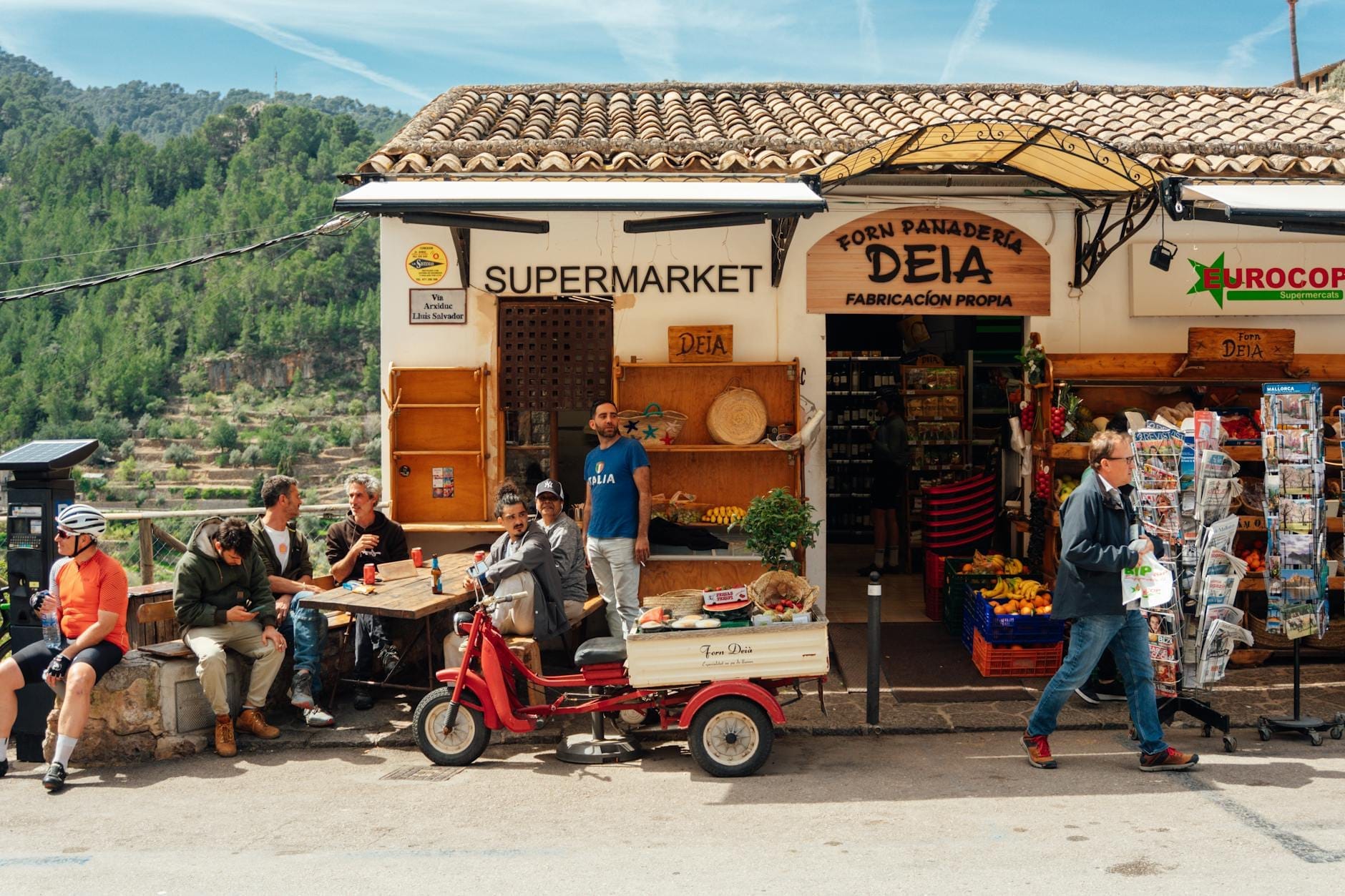
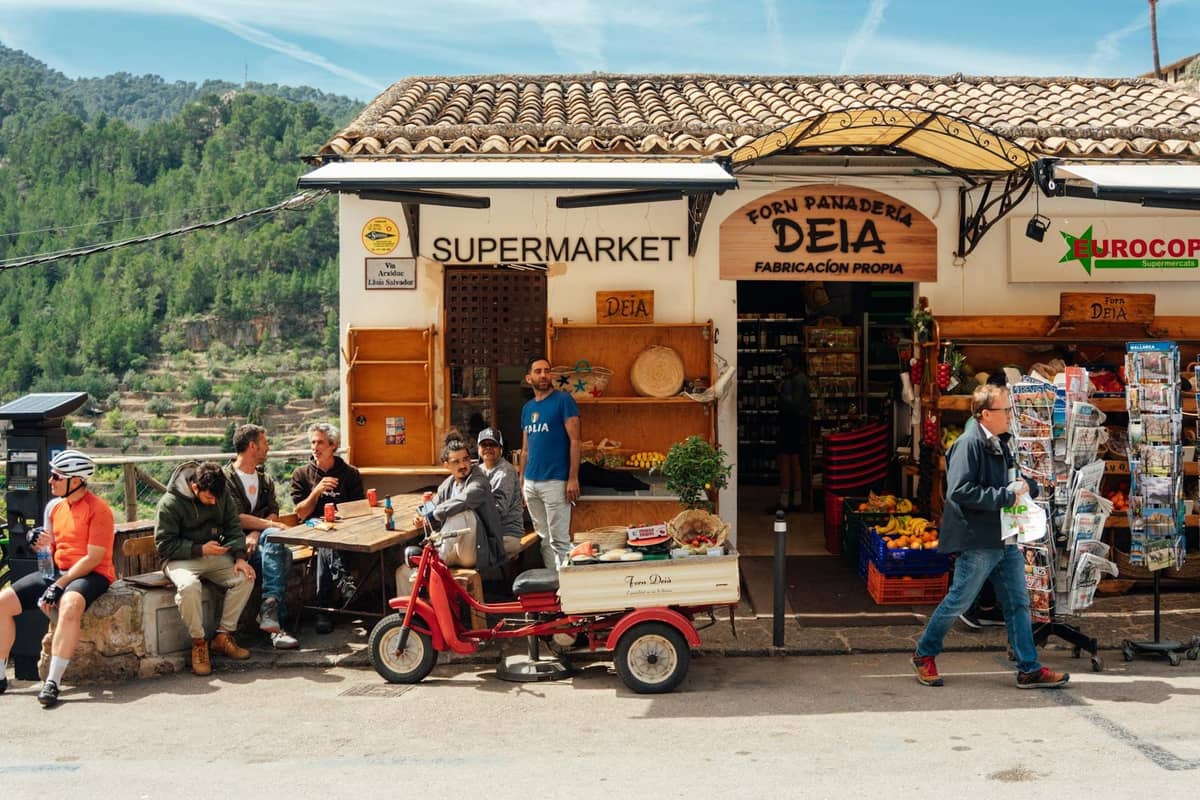
Mallorcan cuisine uses the term 'forn' for traditional bakeries. A good forn is your best source for ensaimada, coca de trampó, and panades. Look for one that bakes on-site rather than selling pre-packaged goods from a central supplier.
The Essential Dishes to Know Before You Arrive
Pa amb oli is the dish that defines Mallorcan food culture. The name means 'bread with oil' in Catalan, and the preparation is specific: thick slices of Pa Pagès (a dense country loaf) are rubbed and rubbed vigorously with Ramellet tomatoes, a small, intensely flavored variety grown on the island. The rubbing releases the pulp directly into the bread. Then comes olive oil and coarse sea salt. It is served as a base with toppings — sobrasada, cheese, cured ham — but the bread-and-tomato combination alone is what makes it worth ordering. Do not accept a version where the tomato arrives pre-pureed in a bowl on the side. That is not pa amb oli.
Sobrasada is the island's signature cured product. It is a soft, spreadable sausage made from ground pork and pimentón (paprika), with a deep orange-red color and a rich, smoky flavor. Unlike firm cured sausages, sobrasada spreads like butter and is used across Mallorcan cooking: on pa amb oli, stirred into rice dishes, baked into pastries, and even paired with honey as a sweet-savory combination. Look for the Indicació Geogràfica Protegida (IGP) label, which certifies it was made on the island using local pigs.
- Arròs brut 'Dirty rice' — a thick, broth-based rice dish with pork, chicken, rabbit, vegetables, sobrasada, and sometimes mushrooms or snails. Somewhere between a soup and a paella. Rustic, deeply flavored, and not photogenic.
- Tumbet Layered fried potatoes, eggplant, peppers, and zucchini in tomato sauce. Vegetarian-friendly and often served as a side to meat or fish. Think Mallorcan ratatouille, but heavier and more satisfying.
- Frito mallorquí A 14th-century fry-up of lamb or pig offal with fennel and vegetables. Not for everyone — the offal is the point, not an accident. Order it if you want the most honest version of traditional Mallorcan cooking.
- Sopas mallorquinas Despite the name, this is not soup. It is a thick, almost stew-like dish of bread soaked in vegetable broth with cabbage, cauliflower, and seasonal greens. Best in autumn and winter, particularly in Tramuntana villages.
- Coca de trampó A flat, pizza-shaped pastry topped with a mixture of raw tomato, green pepper, and onion. No cheese. No sauce. The vegetables are placed fresh on the dough before baking. It is nothing like pizza, and comparisons will annoy locals.
⚠️ What to skip
Frito mallorquí is often the most misunderstood dish on menus. Some restaurants substitute standard meat and vegetables for the traditional offal, producing something bland and unrecognizable. If you want the real version, ask specifically whether it contains lamb or pig organs (fetge, llonzes, ronyons) before ordering.
Bread, Pastries, and the Ensaimada Question
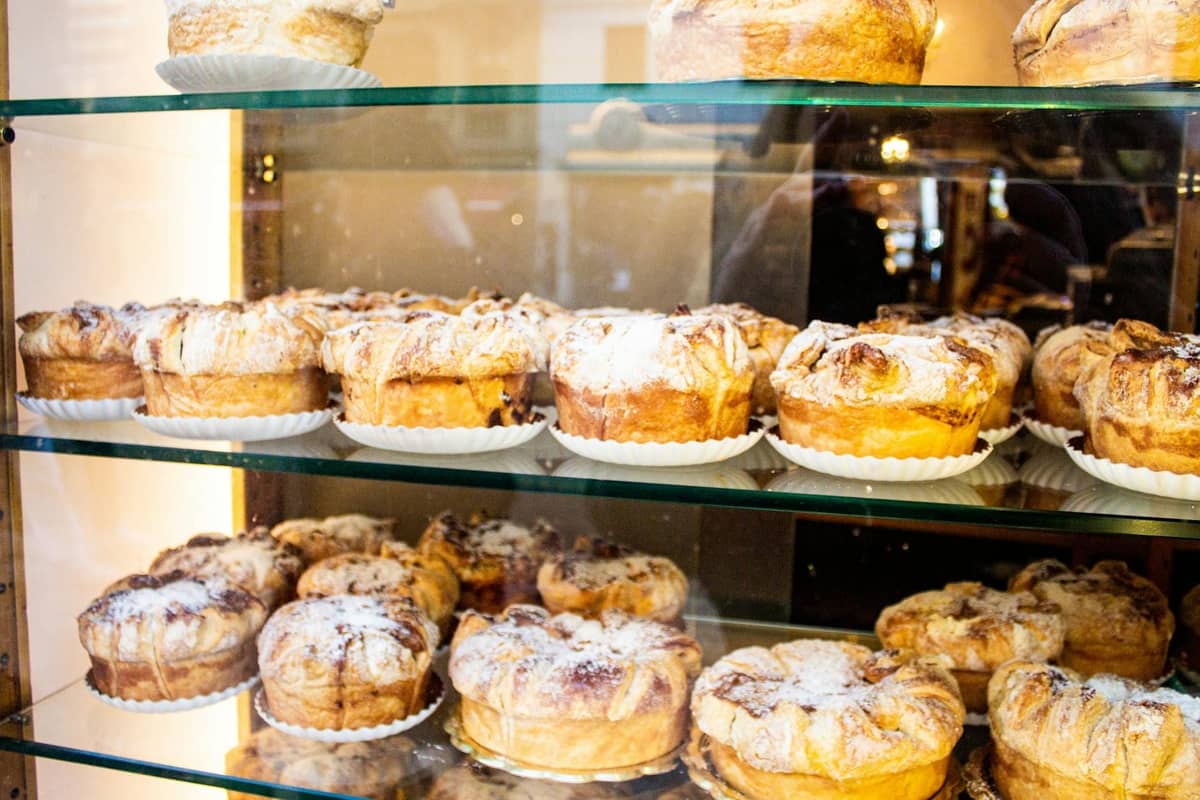
The ensaimada is Mallorca's most famous export and, consequently, the product most diluted for mass consumption. At its best, it is a spiral of lard-enriched pastry dough, light and airy with a dusting of powdered sugar. The traditional version is plain. A common upgrade is the ensaimada de crema quemada, filled with a burnt cream that adds richness without overwhelming the pastry itself. What to avoid: supermarket ensaimadas sold in the large cardboard boxes at the airport. These are technically legal to buy, but they bear little resemblance to a fresh ensaimada from a proper forn.
Ca'n Joan de s'Aigo, located at Carrer de Can Sanç 10 in Palma in Palma's old town, is the most frequently cited source for traditional ensaimadas. It has been operating since 1700 and the quality is consistent. For a broader tasting experience, Mercat de l'Olivar in Palma carries multiple local producers under one roof — a practical way to compare sobrasada, cheeses, and baked goods without committing to a sit-down meal.
Panades are worth mentioning separately because they are strictly seasonal. These small pastry pies, filled with lamb and peas or pork, appear during Easter week (Setmana Santa) and are difficult to find outside that window. If your trip coincides with Easter, make a point of picking them up from a local forn rather than a restaurant.
Seafood and Fish on the Mallorcan Table
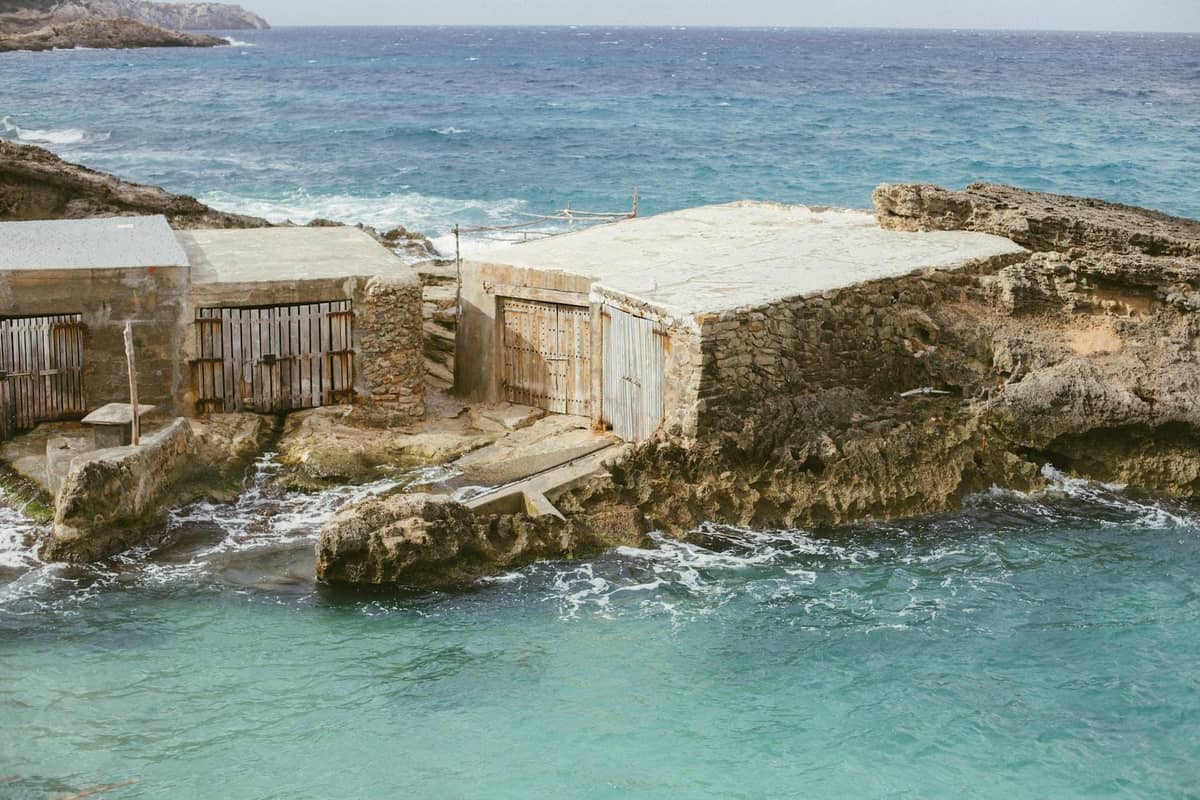
Given that Mallorca is an island, fish features heavily in traditional cooking, though it plays a quieter role than pork in the overall cuisine. The most honest seafood is found in fishing villages rather than resort towns. Cala Figuera, on the southeast coast, still has working fishermen and restaurants that buy directly from the boats. The fish there is priced by weight and changes daily based on the catch.
Caldeireta de llagosta is a lobster stew from Menorca that has crossed over into Mallorcan restaurant menus, though purists will note it is not originally from the island. Locally, grilled fish served simply with olive oil and lemon is more typical of how islanders eat at home. The southeast coast around Portocolom and Cala Figuera offers the most authentic fish restaurants with the least tourist markup.
✨ Pro tip
When ordering fish at any Mallorcan restaurant, ask whether it is fresh (fresc) or frozen (congelat). By law, restaurants must indicate this on the menu, but the font size is often designed to discourage reading. Frozen fish is not a dealbreaker, but the price should reflect it — if you're paying fresh prices, verify.
Where to Eat: Markets, Villages, and Palma
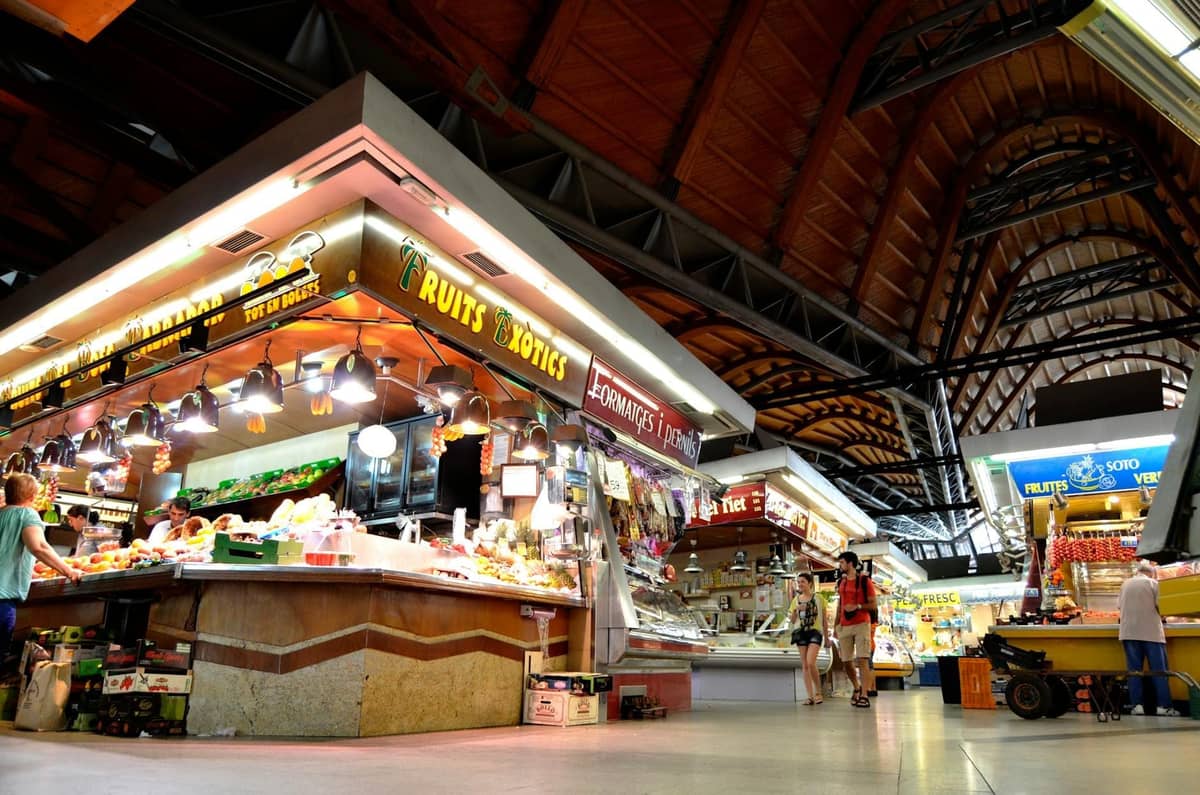
Palma concentrates the best range of eating options on the island. The Santa Catalina neighborhood, anchored by Mercat de Santa Catalina, has evolved into a serious food destination with both market stalls and surrounding restaurants. It draws a local crowd alongside visitors, which is generally the most reliable indicator of quality. Prices are higher than village restaurants but lower than the tourist-facing waterfront establishments near the cathedral.
Outside Palma, the weekly markets in inland towns are worth building a route around. The Sineu market, held every Wednesday, is one of the oldest and largest on the island and includes a livestock section alongside food stalls. Alcúdia's Tuesday and Sunday markets are good for picking up local produce. For a more considered food experience in a village setting, Deià and Valldemossa both have restaurants that use local ingredients well, though prices reflect their popularity with visitors. The Sineu market specifically is worth the inland detour if your visit falls on a Wednesday.
- Palma's Santa Catalina district: best overall neighborhood for eating, mix of market stalls and independent restaurants, active local clientele
- Mercat de l'Olivar (central Palma): largest covered market, ideal for buying sobrasada, local cheese, and produce to take home
- Sineu (Wednesdays): inland market town, traditional produce, less tourist-oriented than coastal options
- Cala Figuera / Portocolom (southeast): best villages for fresh fish without resort-area pricing
- Pollença old town: reliable spot for traditional Mallorcan menus, particularly at lunch when the menú del día offers good value
The menú del día (set lunch menu) is the most economical way to eat well in Mallorca. Most traditional restaurants offer a two or three-course lunch with bread and a drink for between 12 and 18 euros. This is how locals eat on weekdays, and the dishes served are usually the most representative of the kitchen's actual cooking. In tourist-heavy areas, the menú del día often disappears in peak summer, replaced by à la carte menus at two to three times the price. Eating on a budget in Mallorca is genuinely possible if you time your main meal at lunch and shop at local markets for breakfast and snacks.
Wine, Gin, and What to Drink
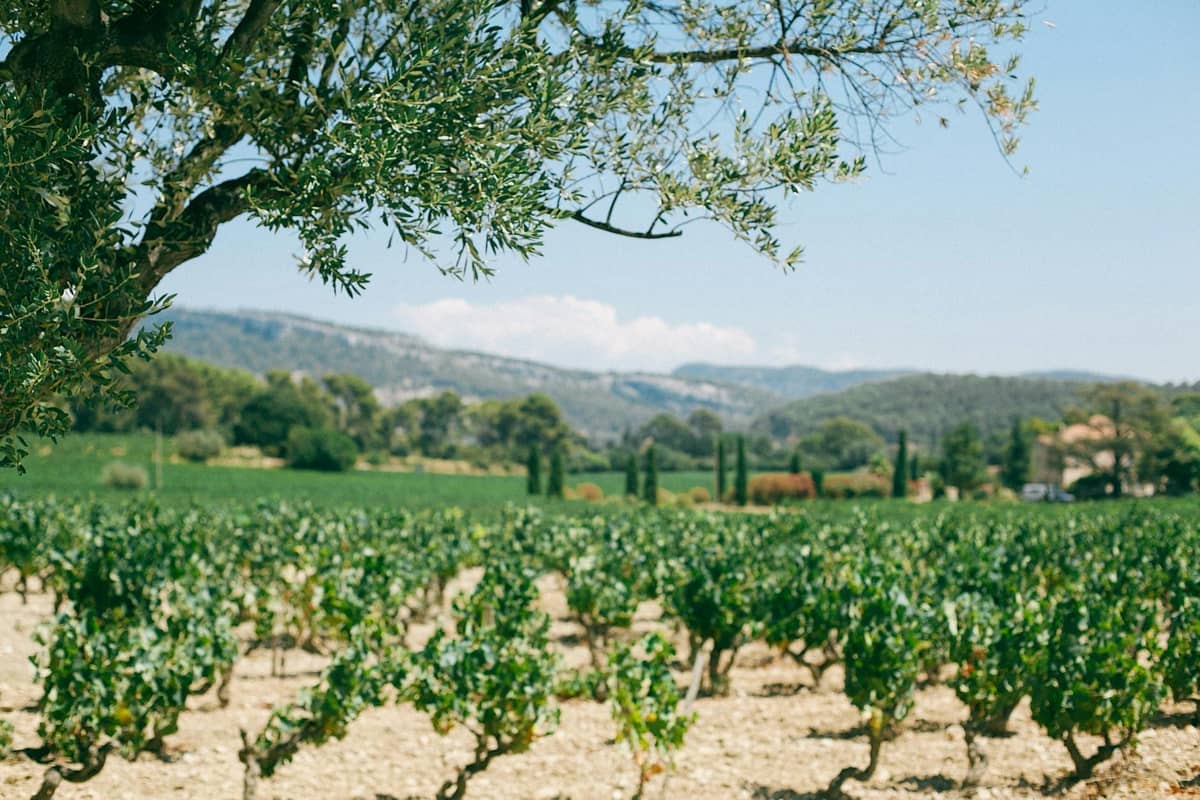
Mallorcan wine has improved significantly over the past two decades. The Binissalem DO (Denominació d'Origen) in the central plains produces red wines from the local Manto Negro grape, while the Pla i Llevant DO in the east covers a wider range of varieties. Neither region produces wines that compete internationally at the top level, but local bottles are well-suited to local food and priced fairly. The best approach is to order the house wine at a traditional restaurant and ask if it is from the island. Mallorca's wine regions deserve more attention than they typically receive from visitors focused on the coast.
Mallorca also produces gin, primarily in Mahón (which is technically Menorca, though Mallorcan-style gins exist). More relevant to the island is hierbas mallorquinas, a herb liqueur made from anise with local botanicals including rosemary, thyme, and chamomile. It comes in sweet (dolça), dry (seca), or mixed (mesclada) versions. It is served as a digestif, usually over ice, and found at virtually every traditional restaurant. Order the mixed version if you are undecided.
FAQ
What is the most traditional food in Mallorca?
Pa amb oli is arguably the most representative dish of Mallorcan food culture — toasted Pa Pagès bread rubbed with Ramellet tomatoes and drizzled with olive oil. Sobrasada, the soft cured pork sausage, is the most distinctively Mallorcan ingredient and appears across the cuisine from breakfast to main courses.
Is Mallorcan food similar to Spanish food?
Not particularly. Mallorcan cuisine is closer to Catalan cooking than mainland Spanish food, reflecting the island's language and cultural history. The bread is saltless, the sausage tradition is different, and many key dishes — arròs brut, tumbet, coca de trampó — have no direct equivalent in Castilian cooking.
Where is the best place to try local food in Mallorca?
For a single location, Mercat de l'Olivar in central Palma gives you access to the widest range of local products. For a sit-down meal, the Santa Catalina neighborhood in Palma has the best concentration of quality restaurants. Outside Palma, traditional restaurants in inland towns like Sineu, Pollença, and Petra tend to serve more genuine Mallorcan cooking than coastal resort areas.
What food should I bring back from Mallorca?
Sobrasada with the IGP label is the most practical and authentic souvenir food item. Ensaimada in the large cardboard box travels well on the plane and is widely available at the airport, though quality varies — buy from a forn in Palma if possible. Hierbas mallorquinas liqueur is compact, shelf-stable, and genuinely local.
Is it hard to find vegetarian food in Mallorca?
Traditional Mallorcan cuisine is heavily pork-based, so fully vegetarian menus are uncommon at traditional restaurants. However, several dishes are naturally vegetarian: tumbet, pa amb oli (without toppings), coca de trampó, sopas mallorquinas, and trampó salad. Palma has a growing number of dedicated vegetarian and vegan restaurants, particularly in Santa Catalina and the old town area.