Mallorca on a Budget: How to Visit Without Overspending
Mallorca has a reputation for luxury resorts and big-spending tourists, but the island is far more affordable than most people expect. This guide breaks down real daily costs, the best free activities, cheap transport options, and the smartest ways to stretch your euros across one of Europe's most spectacular islands.
Plan and book this trip
Tools from our partner Travelpayouts help you compare flights and hotels. If you book through them, we may earn a commission at no extra cost to you.
Flights
Hotels map
TL;DR
- A realistic daily budget runs €60–80 per person, covering a hostel bed, meals, and transport without sacrificing quality experiences.
- Public buses and trains (from around €2 per ride) reach most beaches, towns, and the Serra de Tramuntana, making a rental car unnecessary for most trips. See the full getting around Mallorca guide for route details.
- Mallorca's best beaches, hiking trails, and historic old towns are either free or cost under €5 to access.
- Shoulder season travel (April–May or September–October) cuts accommodation prices by 20–40% compared to July and August.
- Basing yourself in Palma gives the best combination of affordable accommodation and island-wide access. Check where to stay in Mallorca for neighborhood breakdowns.
What Does Mallorca Actually Cost Per Day?
Mallorca on a budget is genuinely achievable, and the numbers are more encouraging than the island's glossy reputation suggests. A solo traveler staying in a hostel dorm, eating at local cafes and markets, and using public transport can get by on €50–70 per day. Couples sharing a basic double room will typically spend €80–120 per day combined, depending on how much they eat out and how many paid attractions they visit.
- Hostel dorm bed €20–35 per night in Palma; slightly less in shoulder season
- Budget double hotel or guesthouse €60–150 per night depending on location and season
- Single bus or train ticket Around €2 for EMT Palma city buses; TIB intercity routes vary by distance
- Coffee €1.50–2.50 at a local bar; expect to pay more at tourist-facing cafes
- Cafe breakfast or light lunch €6–10 per person at a local spot
- Mid-range restaurant dinner €18–30 per person including a drink
- House wine (glass) €3–5; local Mallorcan wine is excellent and inexpensive
- Museum entry €2.40–10 for most paid attractions; many have free entry days
⚠️ What to skip
Beware of beachside restaurants in peak summer, particularly in resorts like Magaluf or the Platja de Palma strip. A simple lunch can cost €25–35 per person at tourist-trap spots. Walk one street back from the beach and prices often drop by 40%.
The biggest variable in any Mallorca budget is accommodation. In July and August, even basic rooms in Palma command premium prices and book out weeks in advance. Visit in April, May, or October and you will find the same rooms for noticeably less, with far fewer crowds at beaches and attractions. For anyone with flexibility, this is the single biggest lever you have on your total trip cost.
Getting Around Without a Rental Car
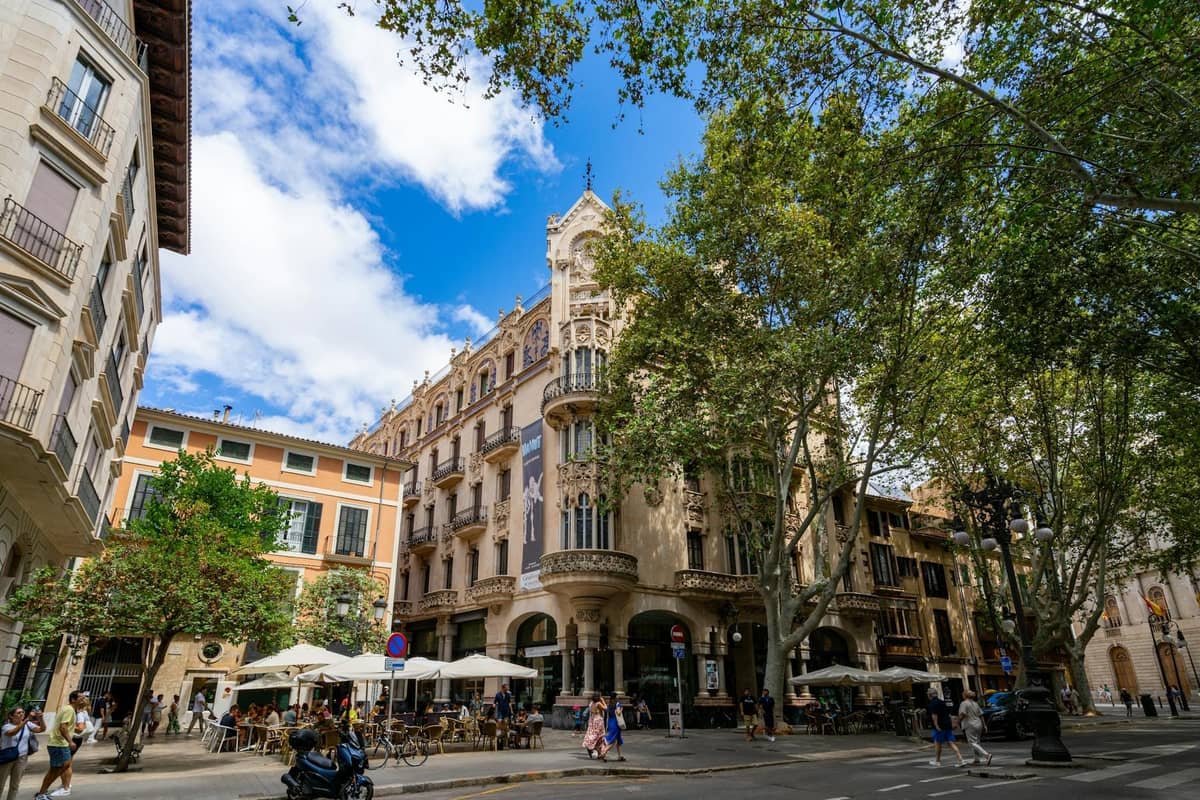
The most persistent myth about Mallorca is that you need a rental car to see the island properly. For most itineraries, this simply is not true. Mallorca has a reliable public transport network run by two main operators: EMT Palma handles city buses within Palma (emtpalma.es), while TIB (tib.org) operates intercity buses and the rail network across the rest of the island. The narrow-gauge train from Palma to Sóller is itself one of the island's most enjoyable experiences. Read more about it in the Sóller train guide.
- Airport to Palma city centre: public bus (lines A1/A2) runs regularly and costs around €5; taxis cost significantly more and the bus is perfectly straightforward
- Palma to Alcúdia: TIB intercity bus, roughly 1 hour, affordable single fare
- Palma to Sóller: historic wooden train or TIB bus; the train is a tourist experience in itself
- Palma to Es Trenc beach: TIB bus, seasonal service in summer months
- Palma to Pollença: TIB bus, roughly 1 hour, good connections to Port de Pollença
💡 Local tip
For a single day trip into the Serra de Tramuntana, a rented bicycle or the TIB bus to Sóller or Valldemossa gets you there cheaply. If you plan to cover multiple inland villages over several days, a rental car for just 2–3 days works out cheaper than hiring one for a full week.
The roads around the Tramuntana mountain range are popular with cyclists year-round, and Mallorca's cycling infrastructure is genuinely excellent. Renting a road bike for a day costs around €20–35, and tackling routes through the mountains is free once you have the bike. The island has become one of Europe's premier cycling destinations, with professional teams training here each spring.
Free and Low-Cost Things to Do
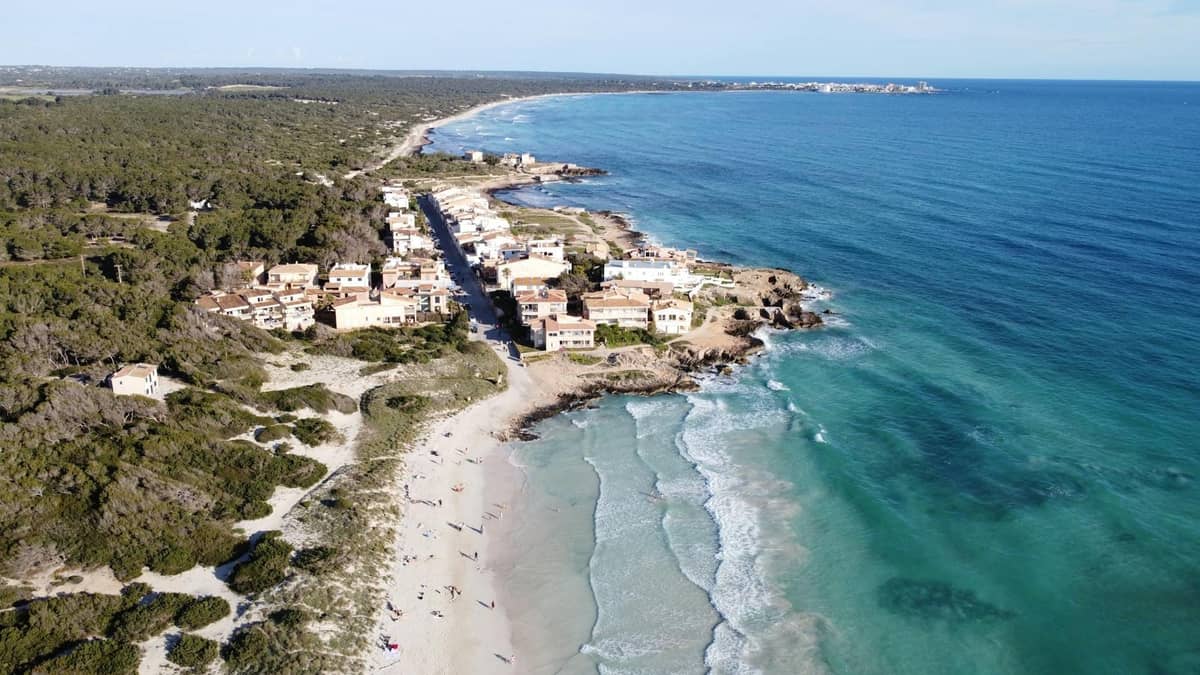
Mallorca's coastline is one of its greatest free resources. The island has over 200 beaches and coves, and the vast majority have no entry fee. Es Trenc in the south is considered one of the finest beaches in Spain, and while some parking areas charge in summer, the beach itself is free. Similarly, Playa de Muro in the north stretches for kilometers without a fee. Bring your own food and water and you will spend virtually nothing.
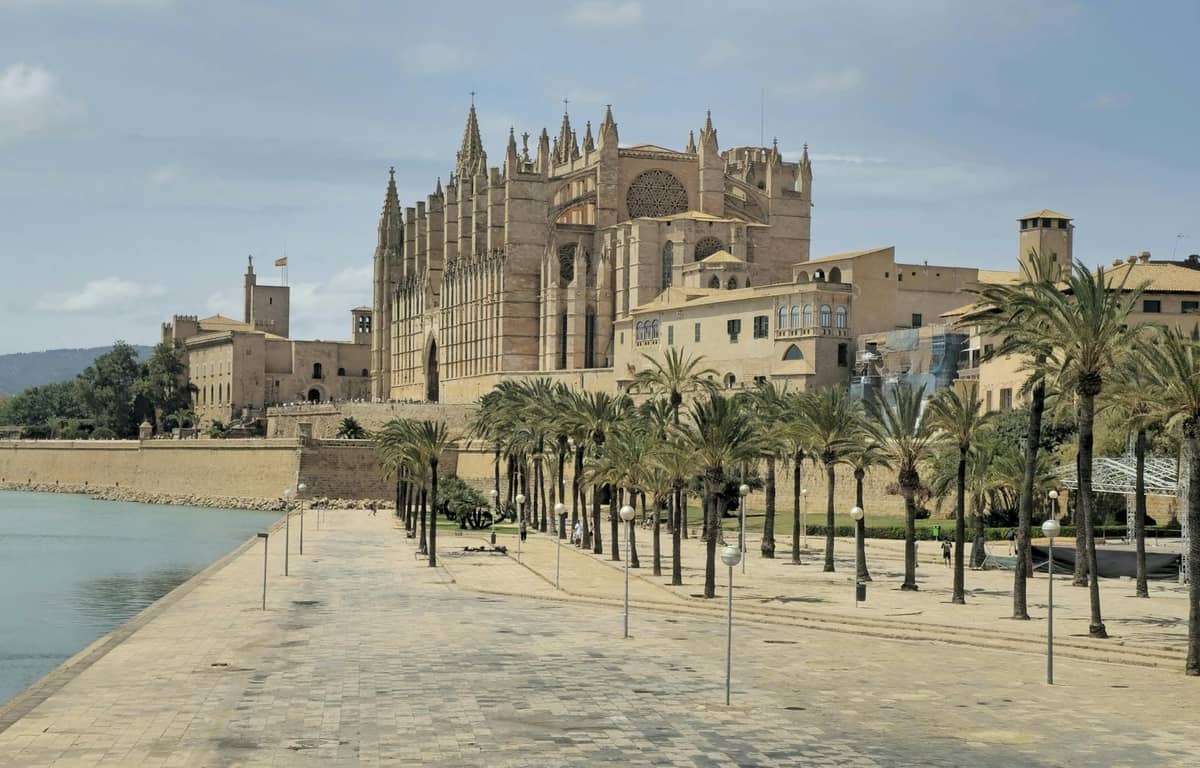
In Palma, the free experiences are genuinely impressive. The exterior of Palma Cathedral (La Seu) is one of the most dramatic Gothic facades in Europe and costs nothing to admire from the waterfront. Parc de la Mar directly in front of the cathedral is a free public space with excellent views. The narrow lanes of the Old Town, the Born promenade, and the port area are all best explored on foot at zero cost.
- Palma Cathedral exterior and waterfront promenade: free
- Parc de la Mar: free public park with cathedral views
- Bellver Castle grounds: free to walk around the exterior; entry to interior around €4
- Alcúdia Old Town walls and streets: free to explore
- Serra de Tramuntana hiking trails: free access; some routes require permits or guides
- Mercat de l'Olivar (Palma's main food market): free to browse; excellent cheap tapas from €6–10 per person
- Palma Old Town street exploration: free
- Watching the sunset from any coastal viewpoint: free
Hiking in the Tramuntana is one of Mallorca's genuinely outstanding free activities. Trails range from gentle coastal walks to serious mountain routes. The Camí de Cala Bóquer near Pollença is a well-marked and accessible trail. The Torrent de Pareis gorge is spectacular but should only be attempted by experienced hikers with a guide or local knowledge. See the full hiking in Mallorca guide for difficulty ratings and practical details.
✨ Pro tip
The Mercat de l'Olivar in central Palma is one of the best cheap eating options on the island. The market stalls sell fresh produce and local cheeses at reasonable prices, and several bars inside serve pa amb oli (bread with olive oil and tomato, often topped with ham or cheese) for €4–7. Lunch here beats any tourist restaurant in both value and quality.
Where to Stay on a Budget
Palma is the smartest base for budget travelers. The capital has the widest range of affordable accommodation, including several well-reviewed hostels in the Old Town and Santa Catalina neighborhoods. More importantly, Palma's transport connections make it easy to reach the rest of the island by bus or train without a car. Staying in resort towns like Magaluf or Can Picafort might seem cheaper at first glance, but the limited transport links and higher food prices in those areas often cancel out any accommodation savings.
Hostel dorm beds in Palma start at around €20–35 per night depending on season. Budget guesthouses and small hotels in the Old Town run €60–100 in shoulder season and climb significantly in July and August. If you are traveling in peak summer, book at least 6–8 weeks in advance for anything at the lower price points. For a detailed breakdown of neighborhoods and price expectations, the complete Mallorca accommodation guide covers each area honestly.
ℹ️ Good to know
Flights to Mallorca's Palma de Mallorca Airport (PMI) from elsewhere in Europe are frequently available for €50–90 return when booked 4–8 weeks ahead. Budget carriers including Ryanair, easyJet, and Vueling serve PMI from dozens of European cities. Flying mid-week (Tuesday or Wednesday) almost always produces lower fares than weekend departures.
Eating and Drinking Well for Less
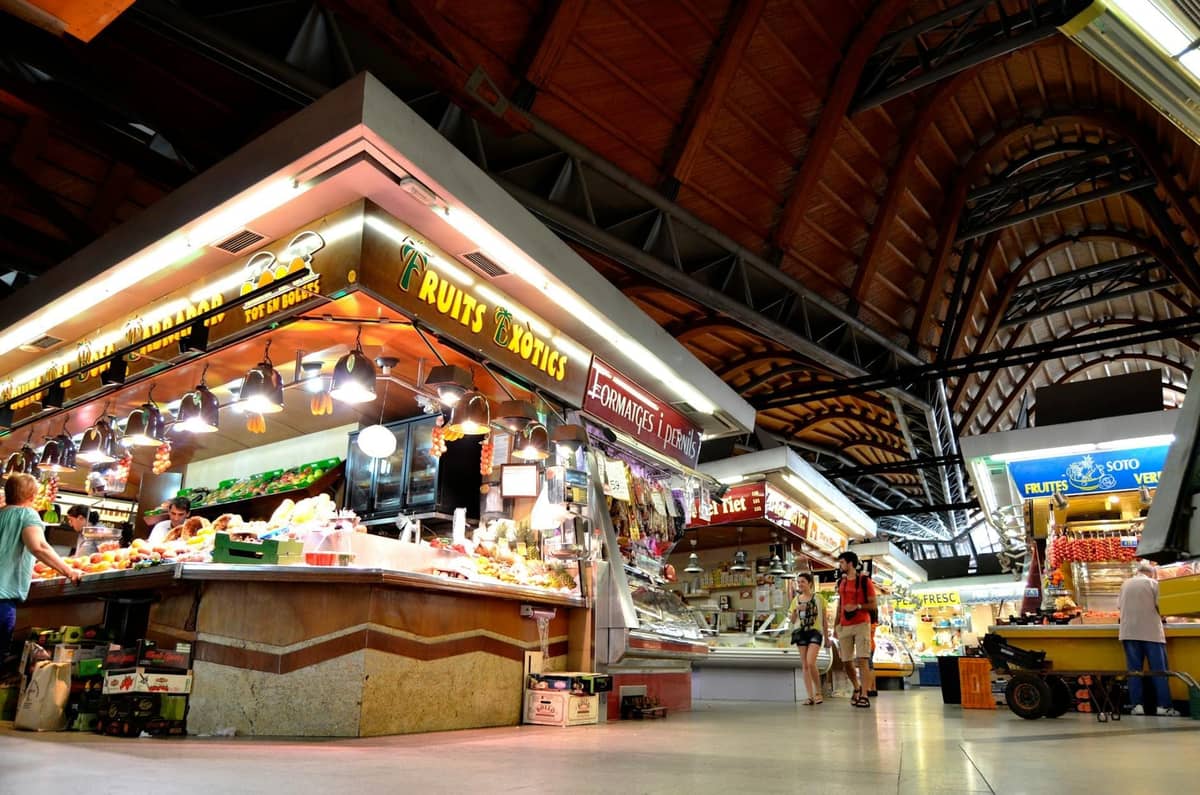
Mallorcan food culture works strongly in the budget traveler's favor, if you know where to look. The menú del día, a two- or three-course set lunch offered by most local restaurants on weekdays, typically costs €10–14 including bread, a drink, and dessert. This is the single best value meal on the island and the way most locals eat at midday. Ordering à la carte at dinner from the same restaurants costs two to three times as much for less food.
Local food markets are worth building into any budget itinerary. The Mercat de l'Olivar in Palma and the Mercat de Santa Catalina both offer fresh, affordable food in atmospheric settings. Outside Palma, the weekly market in Sineu (Wednesdays) and the Alcúdia market (Tuesdays and Sundays) are worth visiting if your schedule aligns.
Local Mallorcan wines from the Binissalem DO and Pla i Llevant DO are consistently underpriced relative to their quality. A bottle from a supermarket costs €5–10; a glass in most local bars runs €3–5. Avoid ordering imported wine or spirits in beach bars, where markups are steep. Stick to local beers (Estrella Damm is the standard), local wine, or the regional spirit hierbas (an anise-herb liqueur) for both authenticity and value.
When to Go for the Best Value
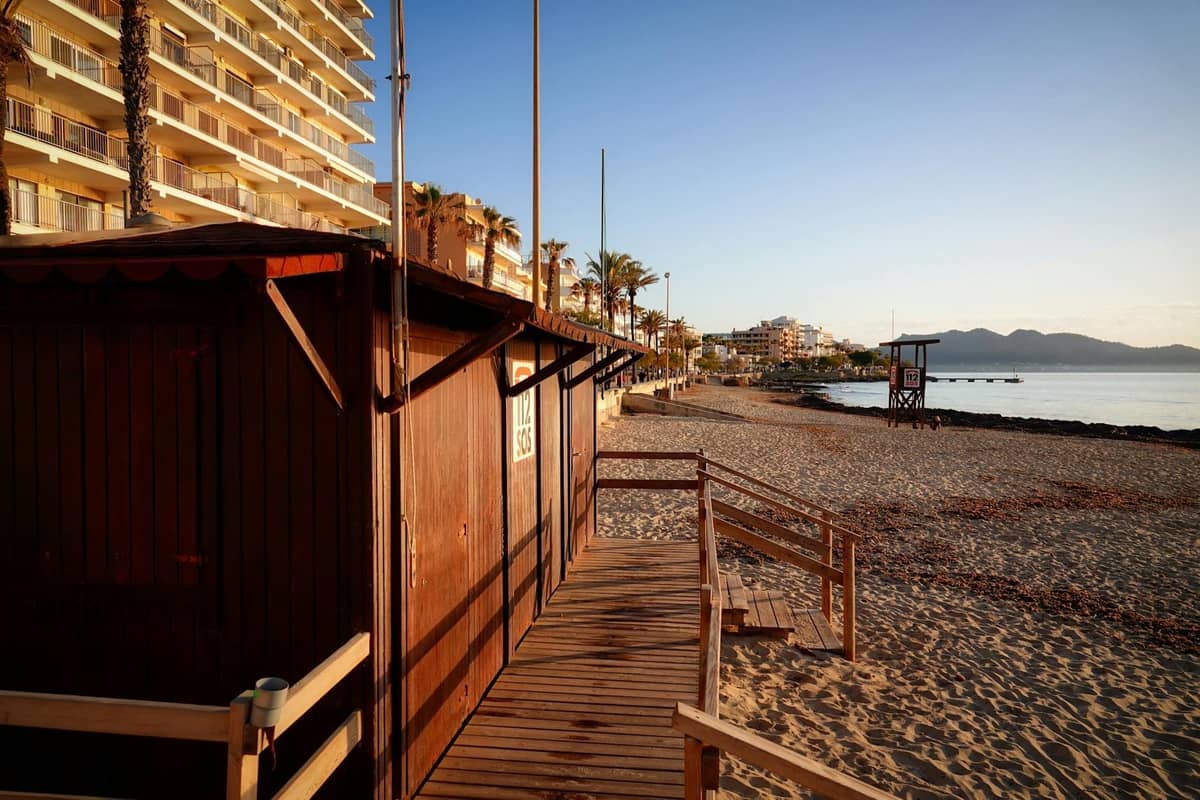
Timing is probably the most impactful budget decision you will make for a Mallorca trip. June through August is peak season: accommodation prices are at their highest, popular beaches are packed by 10am, and restaurants in tourist areas operate at full tourist pricing. If budget is a priority, July and August should be avoided unless you have already secured affordable accommodation. For the best combination of good weather, lower prices, and manageable crowds, spring (April and May) and October are the standout choices.
April and May bring warm temperatures (18–23°C), the island's famous almond blossom season has just passed, wildflowers are out across the Tramuntana, and hiking conditions are ideal. Sea temperatures hover around 16–18°C, cool for swimming but manageable. September and October see the sea still warm from summer (above 20°C in September), far fewer tourists, and noticeably lower prices across accommodation and dining. Winter travel (November through February) is very cheap and some areas of Palma remain active, but many coastal businesses close entirely.
Budget Travel Mistakes to Avoid
Renting a car for the entire trip when public transport covers your itinerary is the most common way to overspend. A week-long rental with insurance and fuel easily adds €200–350 to your trip costs. Unless you are specifically planning to reach remote beaches not served by buses, or doing a road trip across multiple corners of the island in one week, buses and trains will serve you well.
Booking day tours through hotel lobbies or resort noticeboards typically costs 20–30% more than booking the same tours directly or through reputable platforms. If you are interested in boat trips to explore sea caves or isolated coves, compare prices carefully. The Mallorca boat trips guide covers which excursions offer genuine value and which are overpriced tourist packages.
Paid museum entry in Palma is not always worth the cost unless you have a specific interest. The Palma Cathedral interior charges around €8–10 for entry; the view from outside along the waterfront is nearly as striking and completely free. Bellver Castle charges a modest fee for the interior but the walk up through the pine forest is free. Being selective about which paid attractions genuinely interest you, rather than ticking every box, keeps costs down without missing anything important.
FAQ
Is Mallorca expensive for tourists?
Mallorca has a wide price range. Resort areas and luxury hotels are expensive, but traveling independently with public transport, staying in a hostel or budget guesthouse, and eating at local bars and markets keeps daily costs to €50–80 per person. The island is significantly more affordable than many people expect, particularly outside peak summer months.
Can you visit Mallorca without renting a car?
Yes, for most itineraries. The TIB intercity bus network and the Palma-Sóller train reach most major towns, beaches, and tourist areas. Palma itself is best explored on foot. If you plan to visit remote coves in the southeast or spend time in rural inland areas, a car for 1–2 days is more useful than a full-week rental.
What is the cheapest time of year to visit Mallorca?
November through February offers the lowest prices for flights and accommodation, but many coastal businesses close. The best balance of affordable prices and good conditions is April–May or October. Shoulder season accommodation can be 20–40% cheaper than peak summer rates, and popular beaches are far less crowded.
What free things can you do in Mallorca?
Free activities include swimming at any of the island's beaches and coves, hiking in the Serra de Tramuntana, exploring Palma's Old Town and waterfront, walking the walls of Alcúdia, visiting food markets, and watching the sunset from coastal viewpoints. The exterior of Palma Cathedral and the Parc de la Mar are both free and impressive.
How much does a budget meal cost in Mallorca?
A coffee costs €1.50–2.50 at a local bar. A cafe breakfast or light lunch runs €6–10 per person. The best budget option for a full meal is the menú del día, a set lunch offered by most local restaurants on weekdays for €10–14, including a drink. Evening dining costs more; expect €18–30 per person for a sit-down dinner at a mid-range restaurant.