Mallorca Boat Trips & Sailing: The Complete Guide
With 554 kilometres of coastline and over 250 beaches and coves, Mallorca rewards exploration by sea like nowhere else in the Mediterranean. This guide covers every boat trip option on the island: shared tours, private charters, bareboat sailing, departure points by region, and exactly when to go.
Tickets & tours
Live prices and dates from our booking partner. If you book, we may earn a commission at no extra cost to you.
TL;DR
- Peak season runs May to October, with calmer seas, warm water above 20°C, and the widest selection of trips.
- Mallorca boat rental and charter options range from shared catamaran tours (budget-friendly) to fully crewed luxury yachts — know which suits your group before booking.
- The best departure points depend on your destination: Palma for bay cruises, Port de Pollença for Formentor, and Colonia de Sant Jordi for Cabrera National Park.
- A skipper's licence (ICC or equivalent) is required for bareboat rentals; if you don't have one, book a skippered or crewed charter.
- Mallorca boat tours are not just for experienced sailors — calm bays like Palma Bay and Mondragó Natural Park are genuinely family-friendly.
Why Mallorca Is One of Europe's Top Sailing Destinations
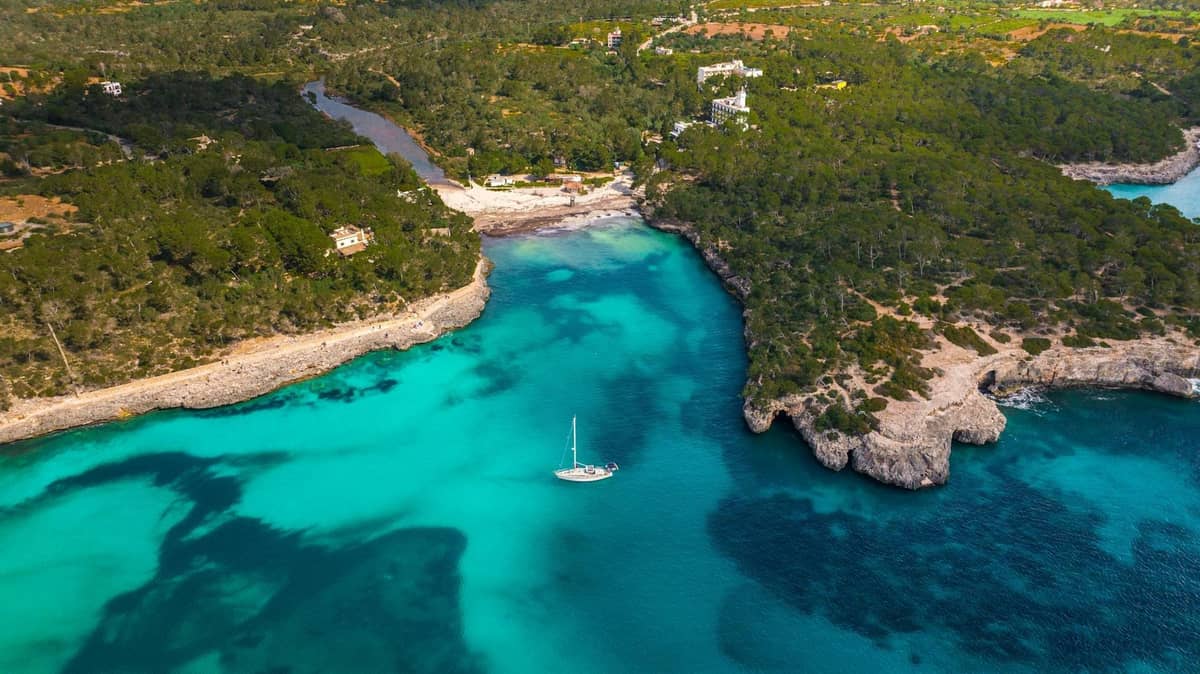
Mallorca sits at the centre of the western Mediterranean, surrounded by 554 kilometres of varied coastline that shifts between dramatic limestone cliffs, sheltered turquoise coves, and long sandy beaches. The island's geography means you can anchor in a near-deserted creek in the morning and be back in a marina restaurant by evening. That combination of variety, accessibility, and reliable summer weather is what draws charter fleets from across Europe. Palma de Mallorca's marina is one of the largest in the Mediterranean and a serious hub for the sailing world, hosting major regattas and international charter companies year-round. If you want to understand what the island looks like from the water, check our best views in Mallorca guide — many of the most dramatic vantage points are only reachable by boat.
The Balearic Sea offers consistent thermal winds in summer, particularly the dry Tramuntana wind from the north and the Embat sea breeze that develops most afternoons along the south and west coasts. These predictable conditions make Mallorca suitable for sailors of all experience levels, while the density of marinas and anchorages means you are never far from shelter if conditions change. Water temperatures reach above 20°C from June through October, making swimming and snorkeling a core part of any trip rather than an afterthought.
Choosing the Right Type of Boat Trip
The most important decision before booking anything is matching the type of boat trip to your actual situation: group size, budget, experience, and how much control you want over the itinerary. There are three main categories, and they appeal to very different travellers.
- Shared group tours Catamaran or motor boat trips with other passengers, typically 4 to 7 hours, all-inclusive food and drinks, snorkeling stops included. Maximum 8-12 guests per boat. Best for solo travellers, couples, or small groups on a budget. Most common option booked by tourists.
- Private charter (skippered) You hire the whole boat with a professional skipper and choose your own route and schedule. Works well for groups of 6-10, celebrations, or anyone who wants flexibility without needing sailing experience. Most charter companies offer half-day (4 hours) or full-day (7-8 hours) options.
- Bareboat charter You take the helm yourself with no crew. Requires a valid sailing licence — an ICC (International Certificate of Competence) or recognised national qualification. Weekly rentals are standard, though some operators offer shorter periods. Ideal for experienced sailors who want full independence. Palma and Port de Alcúdia are the main charter bases.
- Crewed luxury yacht Full crew, chef, and full itinerary service. These are the premium end of Mallorca boat charter and are priced accordingly. Operators based in Puerto Portals and Palma cater to this market.
⚠️ What to skip
Night sailing is restricted in certain protected areas around Mallorca. If you are planning a multi-day sailing itinerary, check current maritime zone regulations with your charter company before departure. Anchoring rules in Posidonia seagrass beds have also tightened in recent years across the Balearics.
The Best Boat Trip Routes by Region
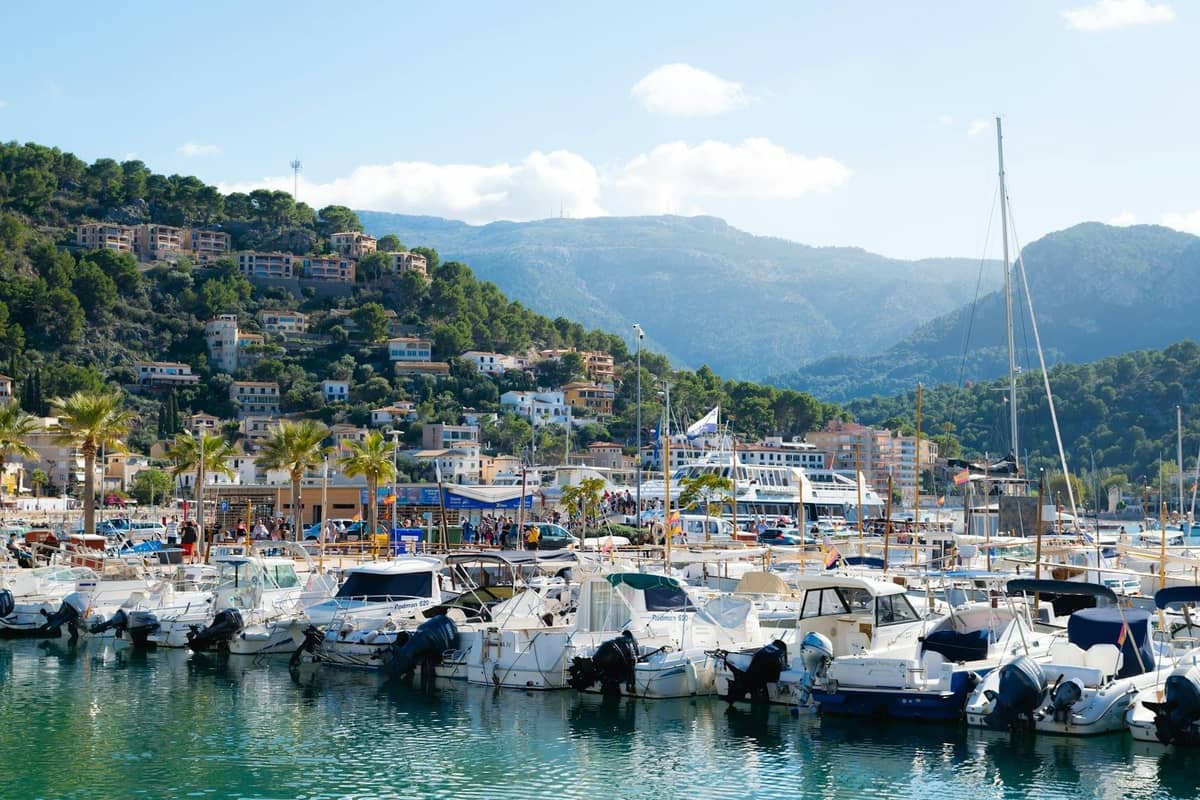
Mallorca's coastline breaks naturally into five sailing zones, each with a distinct character. Where you depart from largely determines which section of coast you explore. For a broader sense of the island's geography before booking, our Mallorca road trip guide maps out the same regions from a land perspective.
- Palma Bay (South) The most accessible starting point, with calm protected waters ideal for beginners and families. Popular stops include Illetas and Portals Vells for snorkeling. Departure points: Palma, Playa de Palma, Palma Nova. Trip length: 1 hour to full day.
- Southwest Coast Routes from Port d'Andratx and Sant Elm reach Sa Dragonera, a protected island nature reserve with sea caves and bird colonies. Puerto Portals and Magaluf are also accessible from this zone. Expect more exposed seas west of Palma.
- West Coast and Tramuntana The most dramatic coastal scenery on the island: sheer limestone cliffs dropping hundreds of metres into the sea. Sa Calobra is the landmark destination, departing from Port de Sóller. This route is not suitable in rough weather or for beginners on small boats.
- Northwest (Cap de Formentor) Departing from Port de Pollença or Port d'Alcúdia, these trips round the spectacular Formentor Peninsula and often include dolphin watching. Sunset cruises are popular from this corner of the island in summer.
- Southeast Coast The least crowded sailing zone on the island, with access to Mondragó Natural Park, Cala Figuera, and Cabrera National Park. Departure points include Cala d'Or, Porto Colom, and Colonia de Sant Jordi. Cabrera requires a permit due to its national park status — book in advance.
✨ Pro tip
The Sa Calobra route from Port de Sóller is genuinely impressive but can be rough in afternoon swells. Book morning departures and check wind forecasts the night before. Several operators cancel or reroute trips when the Tramuntana wind picks up from the north.
When to Go: Seasonality and Conditions
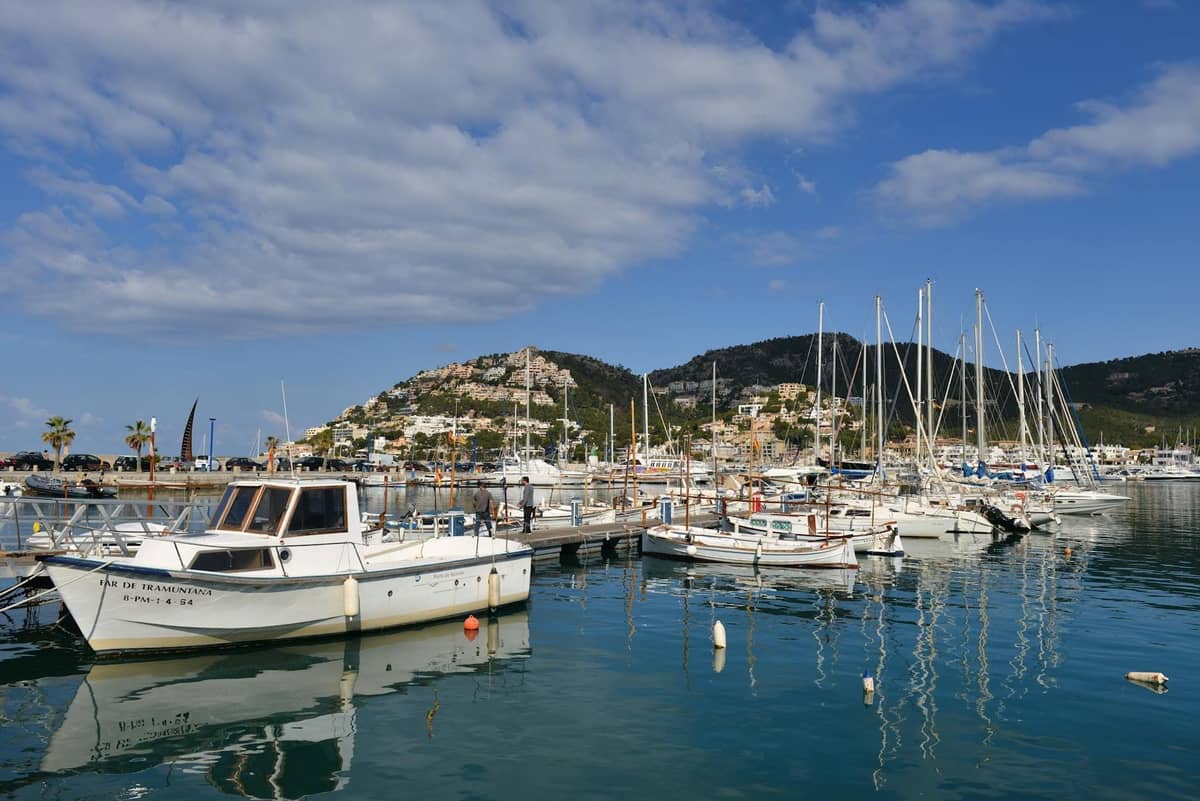
The practical sailing season in Mallorca runs from April through October, with peak demand and the widest choice of operators concentrated between June and September. July and August have the warmest water (above 25°C in some areas) and the most stable weather, but marinas fill up fast, popular anchorages can get crowded by midday, and prices for private charters peak sharply. If your priority is space and value, May or early June and September are notably better options.
Spring (April to May) is particularly good for boat trips: water temperatures reach 15-18°C, the island is significantly less crowded, and the coastal scenery is at its most colourful. This timing also aligns well with Mallorca's shoulder season advantages described in our spring in Mallorca guide. October remains viable with sea temperatures still above 20°C into mid-month, though shared tour operators begin cutting schedules after mid-September. Winter sailing exists for experienced sailors who can handle stronger, more variable winds, but most charter companies operate on reduced or appointment-only schedules from November to March.
💡 Local tip
Book moorings at popular anchorages like Cala Mondragó or Cala Figuera well in advance for summer weekends. These spots fill by 10am in July and August, and anchoring outside designated zones can result in fines.
Practical Booking: What to Know Before You Pay
Shared boat tours in Mallorca are widely available through hotel reception desks, harbour-front kiosks, and online booking platforms. Prices vary considerably between operators, so it is worth comparing at least two or three before committing. Most shared tours are marketed as all-inclusive, meaning food, soft drinks, snorkeling equipment, and sometimes alcohol are bundled into the rate. Check what specifically is included before booking, as some cheaper listings exclude lunch or only cover soft drinks.
For private charters and bareboat rentals, going directly to a charter company tends to give you more flexibility than booking through a marketplace aggregator. Palma's marina (Real Club Náutico de Palma) and the marinas at Port de Alcúdia and Port de Pollença have established charter fleets with good reputations. If you want a crewed charter toward the luxury end, our luxury Mallorca guide covers the broader premium travel landscape on the island, including where the high-end yacht crowd tends to base themselves.
- Confirm the cancellation policy before paying a deposit — weather cancellations should result in a full refund or rescheduling.
- Verify maximum passenger numbers. Shared tours sometimes oversell, and a catamaran with 20 people feels very different from one with 10.
- Ask specifically about snorkeling spots: some operators promise snorkeling but stop in busy, murky bays with little to see.
- For bareboat charters, check whether the company requires a security deposit and what damage liability is covered under their insurance.
- If you are prone to seasickness, choose a catamaran over a monohull — the dual hull significantly reduces rolling motion.
Standout Destinations Worth Reaching by Boat
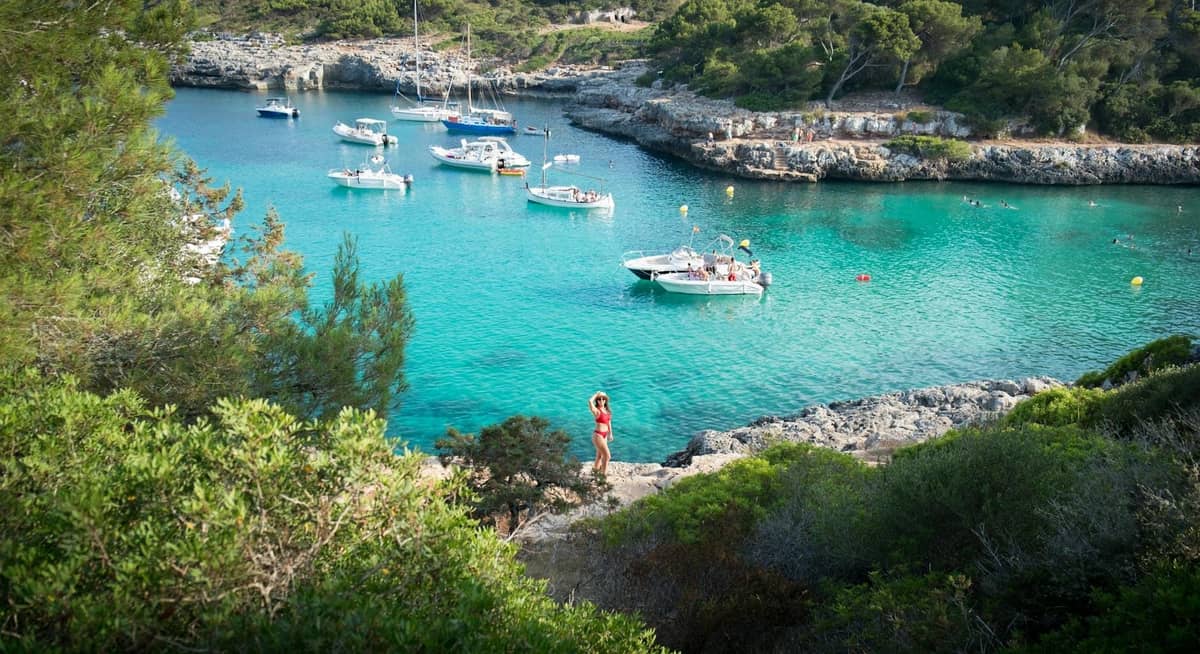
Several of Mallorca's most spectacular locations are genuinely best, or only, reached by water. Cabrera National Park is the clearest example: the island is a protected national park with no permanent civilian population, and boat access requires an advance permit from the park authority. The waters around Cabrera are some of the clearest in the Mediterranean, and the snorkeling is exceptional. Day trips depart from Colonia de Sant Jordi and typically take around 30 minutes to cross.
On the west coast, Sa Dragonera is another protected island only accessible by boat from Sant Elm, a small village near Port d'Andratx. The island has hiking trails and resident Eleonora's falcons, and the trip from the mainland takes around 15 minutes. For dramatic coastal scenery, the approach to Sa Calobra from the sea reveals the full scale of the Tramuntana cliffs in a way that the road approach, impressive as it is, cannot match.
In the southeast, the coves around Cala Figuera and Cala Llombards are most enjoyable early in the morning before the beach crowds arrive by road. A boat lets you drop anchor offshore, swim in relative calm, and move on before the car parks fill. This flexibility is the real practical argument for renting or chartering rather than booking a fixed-itinerary group tour.
FAQ
Do I need a licence to rent a boat in Mallorca?
For bareboat charter of larger vessels, yes. An ICC (International Certificate of Competence) or equivalent national sailing qualification is required. For smaller motor boats under a certain engine rating, rules vary by operator — some rent small dinghies or inflatables without a licence, but always confirm with the specific company. If you have no licence, book a skippered charter instead.
What is the best time of year for a boat trip in Mallorca?
May, June, and September offer the best balance of good weather, warm sea temperatures, and manageable crowd levels. July and August have the warmest water but the highest prices and most crowded anchorages. April and October are viable for experienced sailors but shared tour options become more limited.
How much does a Mallorca boat charter or tour cost?
Shared half-day group tours typically range from around 50 to 90 euros per person, often all-inclusive. Private skippered charters for a full day vary widely depending on boat size and season — budget at least several hundred euros for a small group, and considerably more for larger yachts. Bareboat weekly rentals depend on the vessel class; prices across the industry shift seasonally, so check directly with charter companies for current rates.
Which Mallorca boat trips are suitable for families with young children?
Palma Bay tours are the most family-friendly option: calm water, sheltered anchorages, and short transfers from the main resort areas. Catamaran tours with onboard swimming platforms work well for children. Avoid west coast and northwest routes (Sa Calobra, Formentor) with very young children as seas can be rougher and trips longer.
Can I visit Cabrera National Park by boat?
Yes, but you need an advance permit from the Cabrera National Park authority. Day trip boats from Colonia de Sant Jordi include permit arrangements in their booking process. If you are sailing independently, apply for the permit well ahead of your intended visit date, especially in peak summer when spots fill quickly.
Tickets & tours
Live prices and dates from our booking partner. If you book, we may earn a commission at no extra cost to you.
Planning a trip? Discover personalized activities with the Nomado app.