Mallorca in Spring: Your Complete Guide to March, April & May
Spring transforms Mallorca into one of the Mediterranean's most rewarding destinations. This guide covers the weather month by month, what to do, when crowds arrive, and how to make the most of the shoulder season before summer prices kick in.
Plan and book this trip
Tools from our partner Travelpayouts help you compare flights and hotels. If you book through them, we may earn a commission at no extra cost to you.
Flights
Hotels map
TL;DR
- Spring in Mallorca runs cooler than most visitors expect: 13-22°C daytime, with chilly evenings requiring layers through April.
- March and early April are the quietest and cheapest months, ideal for hiking the Tramuntana and sightseeing without the summer crush.
- The sea stays below 16°C until late May, so serious swimmers should wait until at least late May or June.
- Easter week (Semana Santa) brings significant crowds and higher hotel rates, regardless of which month it falls in.
- May is the sweet spot: warm days, blooming countryside, manageable crowds, and sea temperatures around 18-19°C. See the best time to visit Mallorca guide for a full seasonal comparison.
Why Spring Is Worth Considering
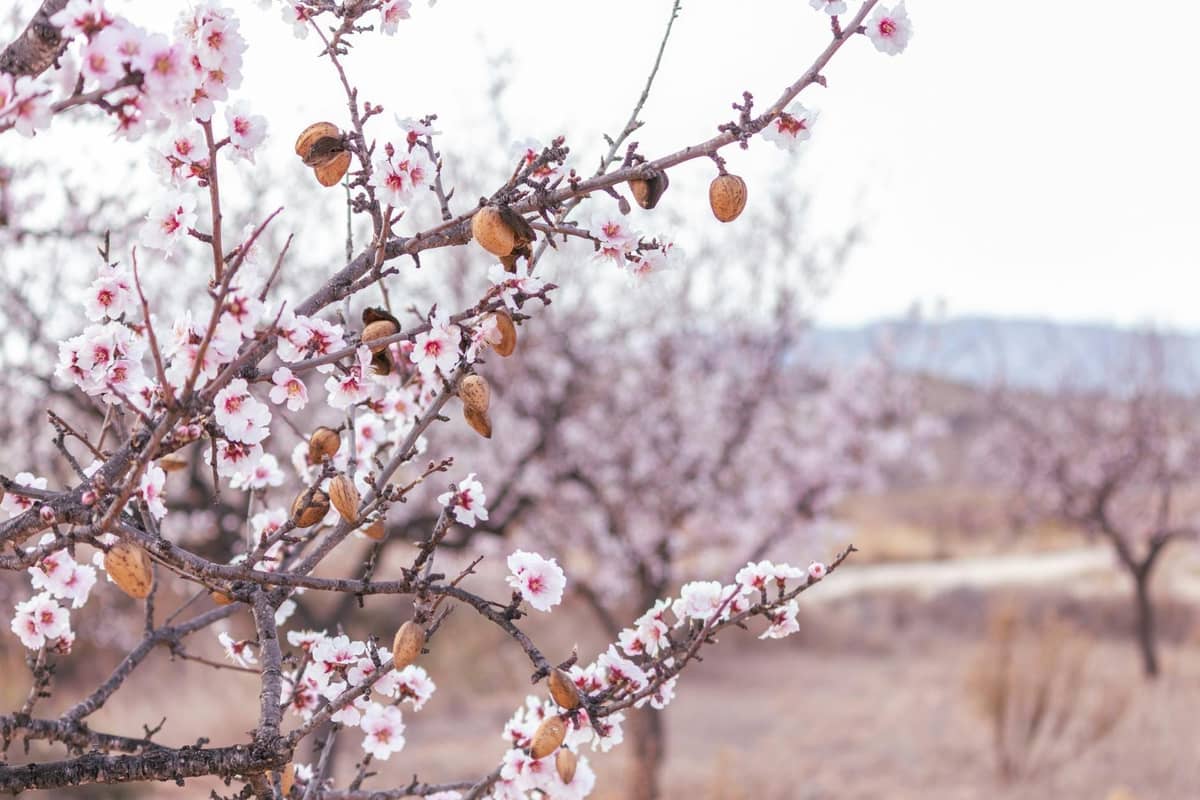
Mallorca in spring occupies a particular sweet spot that summer visitors never experience. The island's 3,640 km² look genuinely different: almond blossoms give way to wildflowers, the Serra de Tramuntana is lush green rather than sun-bleached, and the roads through the Tramuntana are quiet enough to actually enjoy. Temperatures sit between comfortable and warm, rainfall is brief and infrequent, and hotel prices are substantially lower than July or August rates.
That said, spring is not a uniform season here. March feels more like late winter: pleasant for exploring but cool enough that you will want a jacket after sunset. May, by contrast, edges close to early summer. Understanding these differences month by month is the difference between a well-packed bag and a trip spent either sweating or shivering.
Month-by-Month Weather Breakdown
Mallorca weather in March is genuinely mild rather than warm. Daytime temperatures range from around 15°C to 18°C, with an average of 16°C. Expect roughly 7 hours of sunshine per day, about 28mm of rainfall spread across 5 days, and a sea temperature of 14-16°C. That sea temperature is cold by any standard. Humidity runs around 70-71%, and winds stay gentle at around 11 km/h. Evenings drop fast, so a mid-layer and a waterproof are essential packing items.
Mallorca weather in April is a clear step up. Daytime highs reach 19-22°C, nights sit around 11-13°C, and you get 8-9 hours of sunshine per day. Rainfall increases slightly to around 39mm over 5 days, but showers tend to be short and pass quickly. Sea temperature barely moves, hovering at 15-16°C. April is when the island genuinely wakes up: more restaurants and beach bars open, the cycling community arrives in force, and the countryside looks its best.
Mallorca in May is the month most people underestimate. Average daily temperatures hit 19°C, with daytime highs of 22-24°C by late May. Nights stay warm at 13-16°C. The sea reaches 18-19°C, which is comfortable for a swim for most people. Humidity drops to around 65%, winds remain light at 14 km/h, and rainfall falls slightly to 36mm over 4-5 days. By late May, the island feels almost summery without the price premium or the packed beaches.
⚠️ What to skip
Easter (Semana Santa) falls in March or April depending on the year. When it does, hotel prices spike island-wide and Palma gets noticeably more crowded. Book accommodation at least 6-8 weeks in advance if your dates overlap with Easter week.
What to Do in Mallorca in Spring
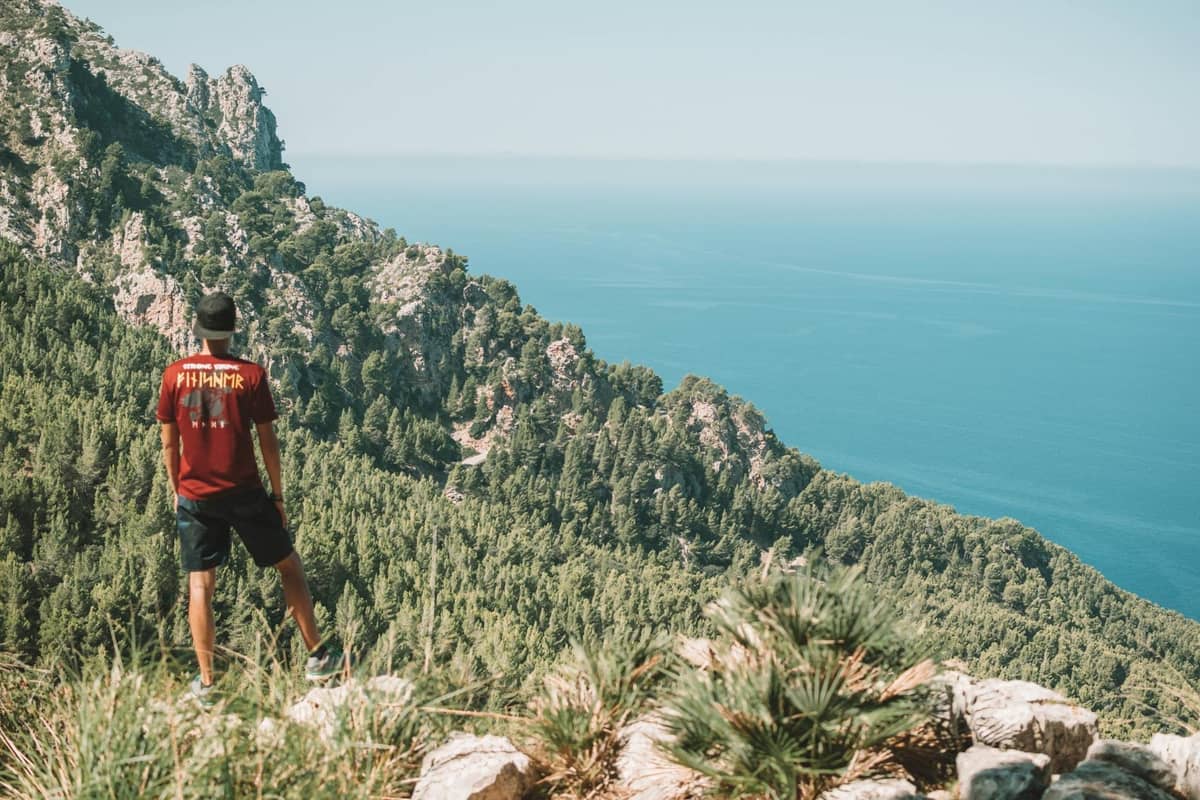
Spring is the best time of year for active outdoor travel on the island. The GR221 Dry Stone Route through the Serra de Tramuntana is at its most appealing: trails are not baked hard, waterfalls are still running, and you will rarely share a viewpoint with more than a handful of others. The full route covers around 167 km, but day sections from villages like Deià or Fornalutx are perfectly manageable without a multi-day commitment.
Cyclists descend on Mallorca in their thousands from February through May. The roads around the Tramuntana and through inland Mallorca are among the best training roads in Europe, which is why professional teams use them. If cycling is your reason for visiting, March and April are prime months before summer heat makes long climbs punishing. See the dedicated cycling in Mallorca guide for route details and rental options.
- Hiking the Tramuntana March through May offers the best trail conditions. Puig de Massanella (1,364m, the island's highest accessible peak) is achievable with a guide in spring, but check trail conditions after rain.
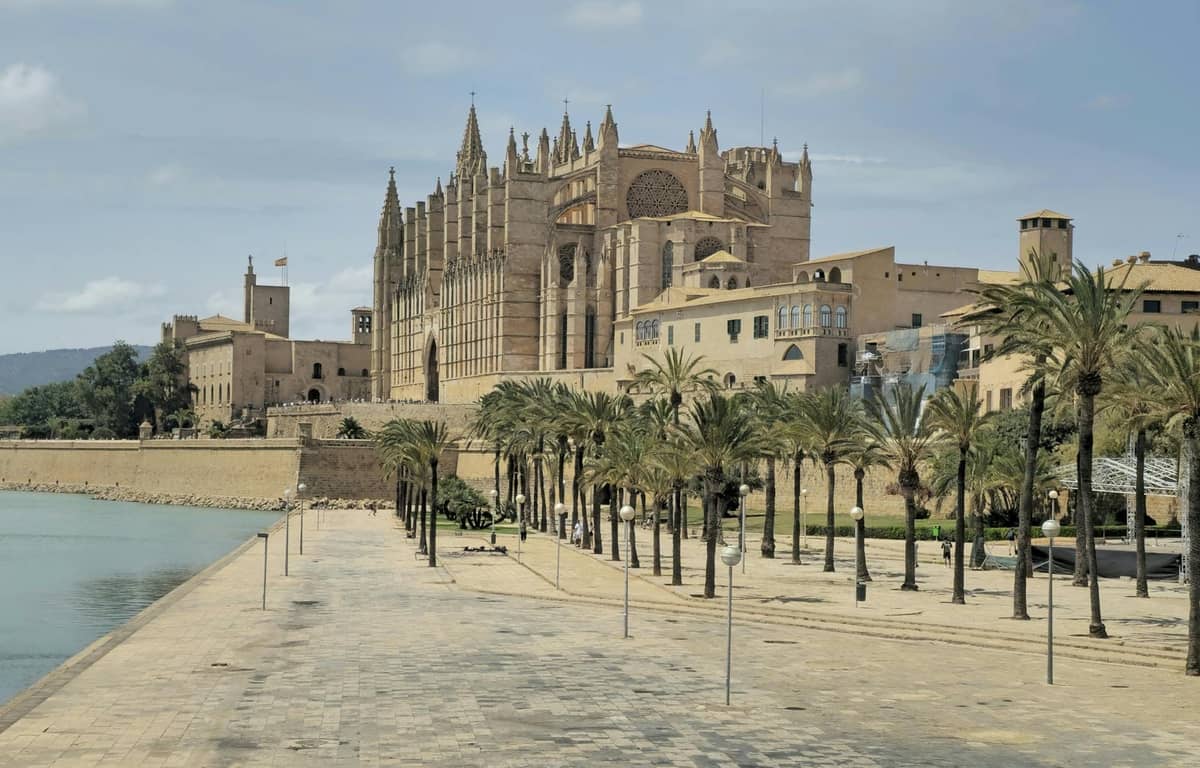
- Visiting Palma's landmarks The Palma Cathedral (La Seu), Bellver Castle, and the Arab Baths are all far more enjoyable in spring than in summer, when midday heat and tour groups make them uncomfortable.
- Exploring village markets The Sineu Wednesday market is one of the most authentic on the island and runs year-round. Spring is ideal for browsing without fighting through peak crowds.
- Wine touring inland Mallorca's DO Binissalem wine region in the central Pla area begins spring tastings in earnest from April. The island produces serious Manto Negro reds and Prensal Blanc whites worth seeking out.
- Boat trips and coastal walks From April onward, boat trips to spots like the Formentor Peninsula and Drach Caves begin operating regular schedules. Sea conditions are generally calmer than winter.
💡 Local tip
For beach time in spring, wait until late May. The southeast coast around Cala Figuera and Cala Llombards faces less wind than the north or west, making it more tolerable for a swim when the sea is still only 18°C.
Crowds and Pricing in the Spring Shoulder Season
March is genuinely quiet. Most beach resorts and tourist-facing businesses are either closed or operating on reduced hours. This is not a drawback if your interests lean toward culture, hiking, or food: Palma's restaurants are easy to get into, roads are clear, and the island feels like it belongs to people who actually live here. Budget travelers will find this the cheapest time to visit.
April shifts the dynamic considerably. The cycling crowd brings money and energy, more accommodation opens, and Easter can push certain weeks into near-summer pricing territory. Flight prices from the UK and Germany, the two largest visitor markets, rise noticeably for Easter week. Outside of the Easter period, April still offers good value compared to June onward.
May is when the transformation becomes obvious. By mid-May, beach bars are open, boat trips are running full schedules, and Palma's streets are lively in the evenings. You get full seasonal infrastructure without July's crowds or prices. A hotel that costs 80 EUR per night in May might be 160 EUR for the same week in August. Flights follow a similar pattern. May is arguably the strongest overall value month on the island.
✨ Pro tip
If you are flexible on dates, the two weeks before Easter and the two weeks after tend to offer the best combination of open businesses, mild weather, and reasonable prices in April. The Easter week itself is worth avoiding unless you specifically want to see the Semana Santa processions.
Where to Focus Your Time
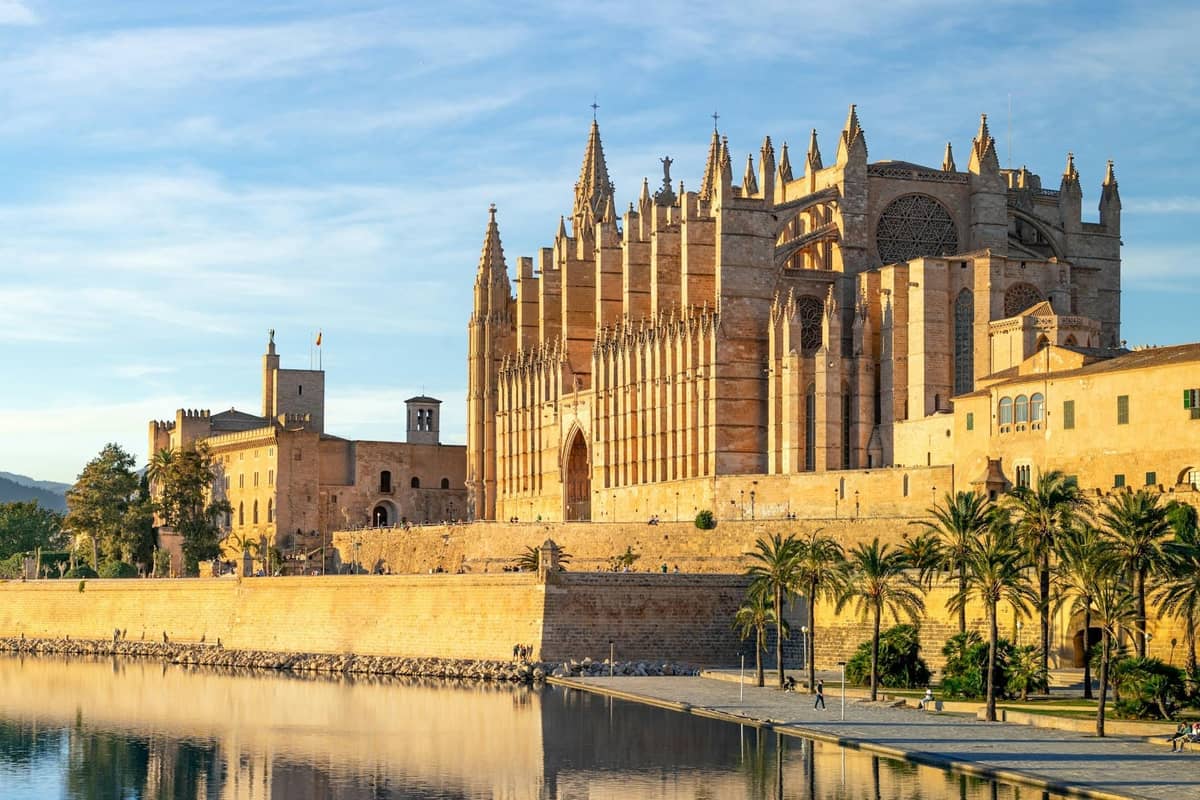
Palma rewards spring visitors more than most other bases. The old town architecture, the Gothic cathedral on the waterfront, and the network of small restaurants in Santa Catalina and the old quarter all work best when you are not sweating through them. The Palma Cathedral is among the most architecturally significant Gothic buildings in the western Mediterranean, and spring light makes interior visits particularly atmospheric.
For those drawn to the mountains, the villages along the northwest coast are at their best from March through May. Valldemossa and Deià both attract visitors year-round, but in spring you can actually walk the lanes without navigating tour groups. The Sóller train from Palma runs through almond groves and orange orchards that are in full bloom in late February and March, making the journey genuinely spectacular.
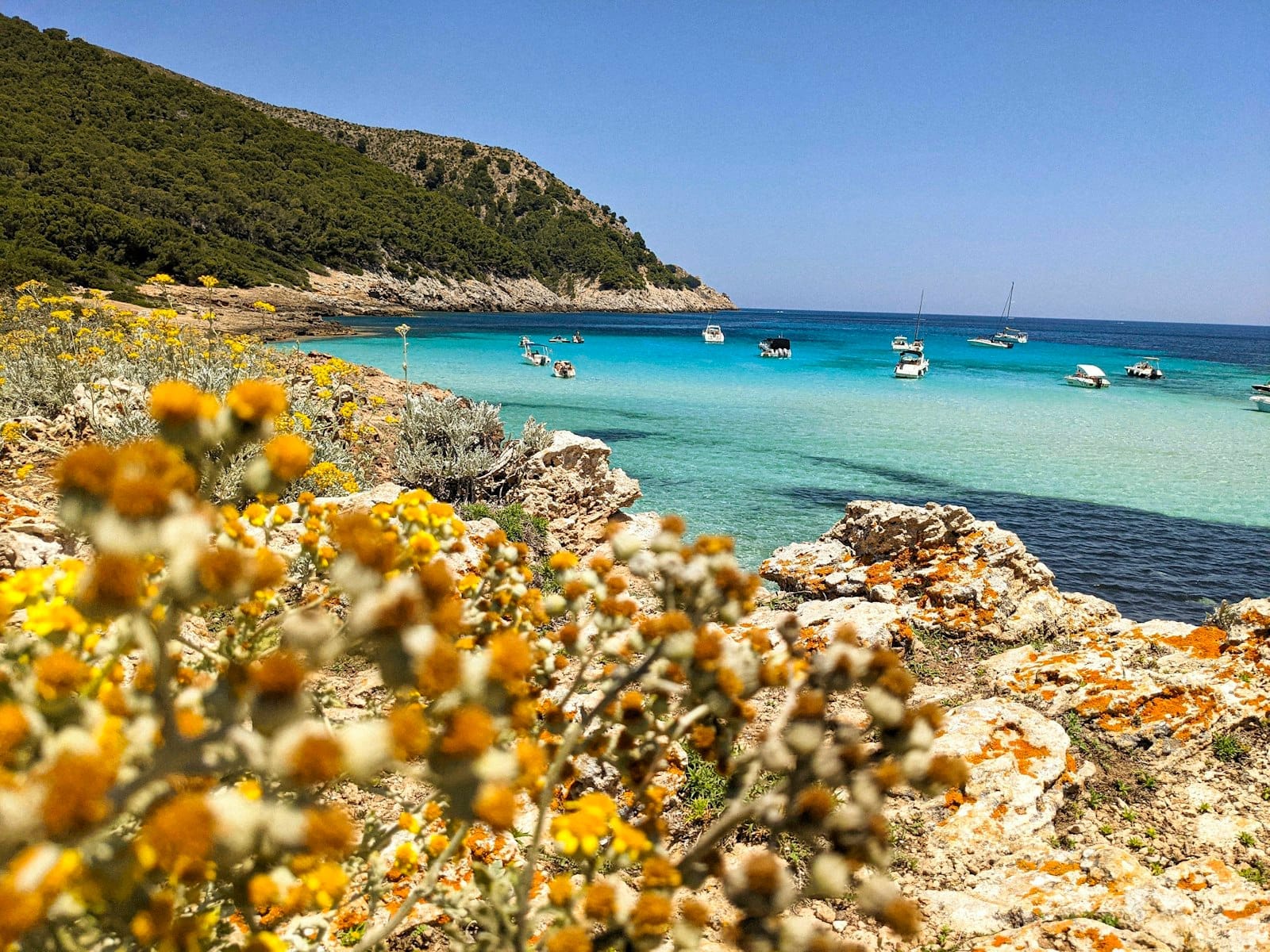
The southeast coast, particularly around Cala Figuera and the Mondragó Natural Park, is worth the drive in spring. The coves are deserted by beach standards, the water is clear, and the coastal walking paths are in good condition. Beach resort areas like Magaluf and Alcúdia are largely closed in March and only partially open in April. If those are your intended destinations, May is the earliest realistic time to visit.
- Palma old town: works well all three spring months
- Serra de Tramuntana villages and hiking: best in March and April before any heat builds
- Sóller and the northwest: excellent in April, roads are open and scenic
- Southeast coves and natural parks: best from late April through May
- Beach resort areas: largely closed in March, limited in April, functional from mid-May
Packing and Practical Advice
The single most common mistake spring visitors make is underpacking for evenings. A 22°C afternoon in April can turn into a 12°C evening within two hours of sunset. Layers are not optional, they are the only sensible approach. Bring a lightweight down jacket or a fleece plus a waterproof shell. Mornings on hikes can also be cold even in May if you start early at elevation.
Rain in spring is real but not relentless. Most showers pass within an hour or two, and a full day of persistent rain is relatively rare. A compact packable rain jacket is worth every gram of luggage weight. Waterproof trail shoes are sensible for hiking in March and April when paths can be muddy after rainfall.
Getting around the island independently is significantly easier with a car. Public transport on Mallorca covers the main routes but misses most of the northwest villages and all of the smaller coves. Spring is a reasonable time to rent a car in Mallorca without the chaos of peak summer: roads are quieter, parking is generally available, and the coastal drives through the Tramuntana are more enjoyable without tour bus convoys.
FAQ
What is the weather like in Mallorca in April?
April brings daytime temperatures of 19-22°C with around 8-9 hours of sunshine per day. Nights drop to 11-13°C, so evenings still require a layer. Rainfall averages around 39mm over roughly 5 days in the month, mostly as brief showers. The sea sits at 15-16°C, which is cold for swimming. It is a good month for hiking, cycling, and sightseeing, but not a beach holiday in the traditional sense.
Is March a good time to visit Mallorca?
March is good for a specific type of trip: hiking, cycling, culture, and getting the island largely to yourself. Temperatures average 13°C with highs around 17°C and around 7 hours of sunshine daily. Many beach resort businesses are closed or on reduced hours, so it is not the right choice if you want a beach-focused stay. Prices are at their lowest of the year, and the countryside is green and scenic.
Can you swim in the sea in Mallorca in May?
By late May, the sea reaches 18-19°C, which is manageable for a swim for most people used to Mediterranean water. It is not warm, but it is no longer prohibitively cold. Early May sees temperatures around 17-18°C. If cold water is a dealbreaker, wait until June when sea temperatures typically pass 20°C.
How crowded is Mallorca in spring compared to summer?
Significantly less crowded. March is the quietest month of the year. April sees an uptick from the cycling community and Easter visitors, but outside of Easter week it remains manageable. May builds toward summer levels but is still well below July and August numbers. Popular spots like Valldemossa and the Formentor Peninsula are accessible without long waits, and accommodation is easier to find at reasonable prices.
Is Mallorca expensive in spring?
Spring is among the most affordable times to visit. March offers the lowest prices for flights and accommodation. April is slightly higher, with Easter week being the main price spike. May represents good value relative to summer: infrastructure is mostly open and weather is reliably warm, but prices are 30-50% below peak July and August rates for comparable hotels and flights.