Es Pla, the broad central plain of Mallorca, sits between the Serra de Tramuntana and the Serra de Llevant, covering some of the island's most quietly impressive terrain. Stone-built villages, Bronze Age ruins, windmill routes, and Mallorquí-speaking market towns make this the part of the island that most visitors speed past and a few lucky ones discover properly.
Es Pla is Mallorca's interior: a wide, mostly flat agricultural plain where almond trees outnumber sunloungers and weekly village markets still draw locals rather than tour groups. If the coastal resorts represent Mallorca at full volume, Es Pla is the island on its own terms.
Orientation: Where Es Pla Sits on the Island
Es Pla, or the Pla de Mallorca, occupies the geographic centre of the island. The name simply means 'the plain' in Mallorquí, the local variant of Catalan, and that is exactly what you get: a broad, gently undulating agricultural basin running roughly from the base of the Serra de Tramuntana mountains in the northwest to the lower ridges of the Serra de Llevant in the southeast.
The comarca encompasses fourteen municipalities: Algaida, Ariany, Costitx, Lloret de Vistalegre, Llubí, Maria de la Salut, Montuïri, Petra, Porreres, Sant Joan, Santa Eugènia, Sencelles, Sineu, and Vilafranca de Bonany. Together they cover the agricultural heart of the island, with coordinates centred roughly around 39°36′N 3°02′E. Palma lies around 30 to 45 minutes by road to the west, depending on which village you are starting from. The coastal resort areas of the east and south are similarly accessible, meaning Es Pla works well as a base for day trips in multiple directions.
The terrain is not entirely flat. The Randa massif rises to over 500 metres near the southern edge of the plain, and isolated limestone outcrops dot the landscape in a way that gives long views across the fields. The feeling is of a self-contained world: you could drive the entire loop of Es Pla in an afternoon, or spend a week exploring it on foot and still find corners that feel entirely your own.
ℹ️ Good to know
Es Pla borders the Raiguer comarca to the northwest, where the wine town of Binissalem sits. The Binissalem Denominació d'Origen is technically in Raiguer, but the wine culture bleeds into Es Pla's own winemaking villages and celler restaurants throughout the plain.
Character and Atmosphere: Life on the Plain
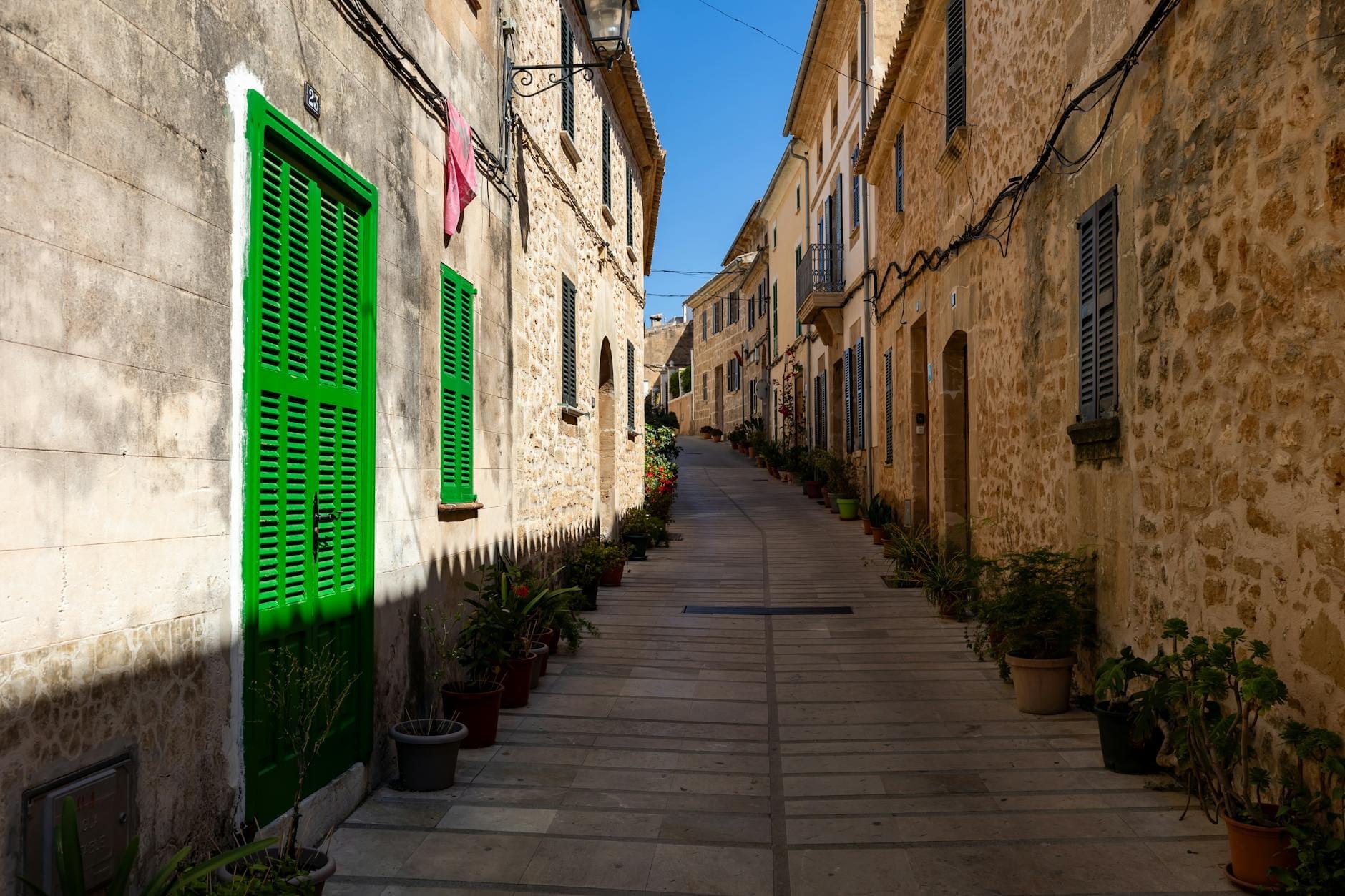
The pace in Es Pla is different from anywhere else on the island. In the early morning, before the heat builds, the villages are working places: tractors moving through the streets, shutters opening on cafes, the smell of coffee and fresh bread. Fields of almonds and carob trees catch the low light, and the stone facades of farmhouses and village churches take on a warm ochre colour that the midday sun later bleaches out.
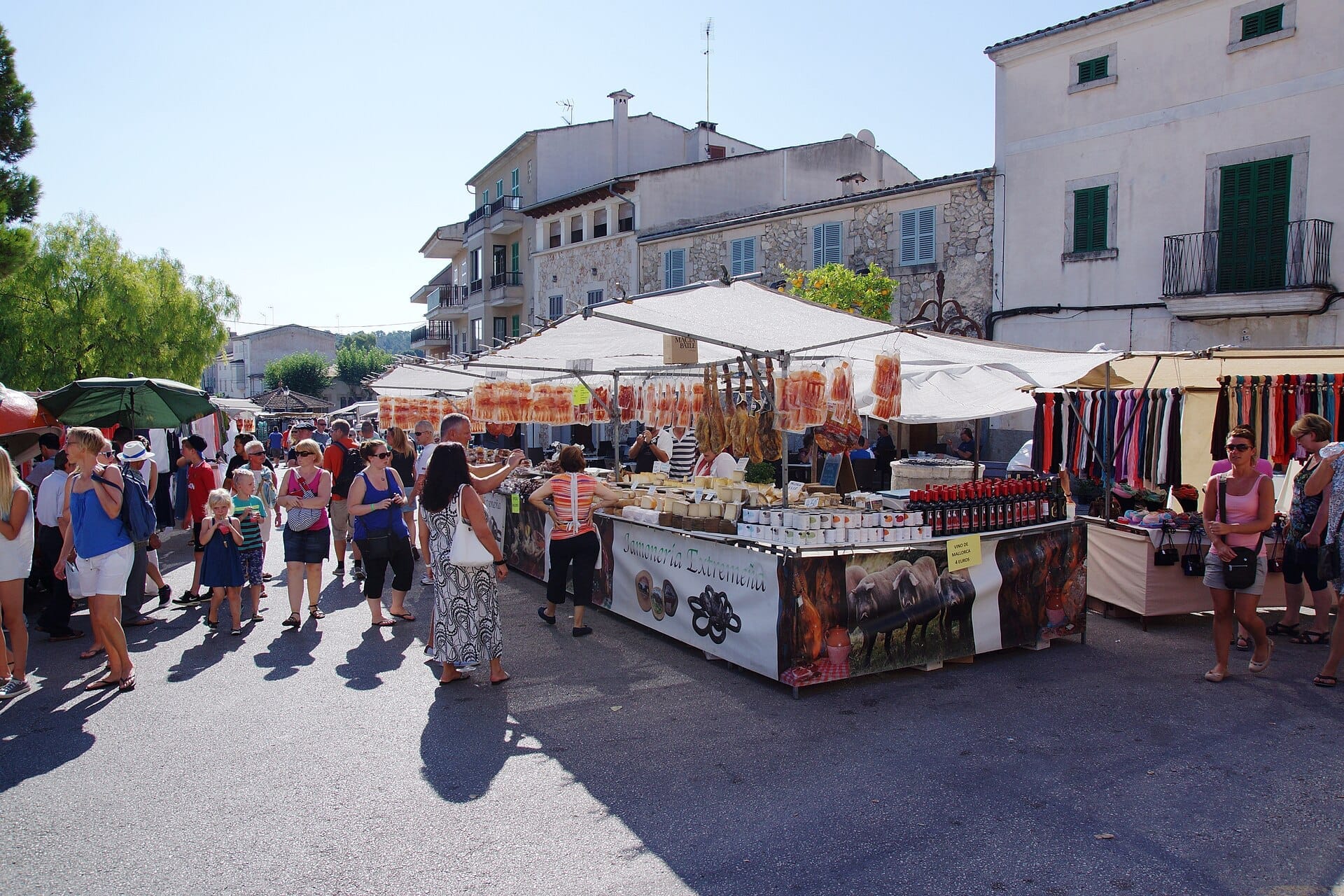
By midday in summer, the streets of smaller villages like Ariany or Lloret de Vistalegre are almost entirely quiet. Lunch is serious here, eaten at home or in the few local restaurants, and the afternoon hours between two and five are genuinely slow. This is not a performance of rural life for tourists; it is simply how things work. If you time your visit to a village market, that changes entirely: Sineu's Wednesday market, one of the most established on the island, draws vendors from across the plain and fills the streets around the church with produce, livestock, and pottery.
After dark, Es Pla is calm. Villages switch off early. The real nightlife here is sitting outside a celler restaurant with a carafe of local wine, listening to the sound of nothing in particular. For travellers used to the relentless energy of the coastal resorts, this takes some adjustment. Once it clicks, though, the stillness becomes the point.
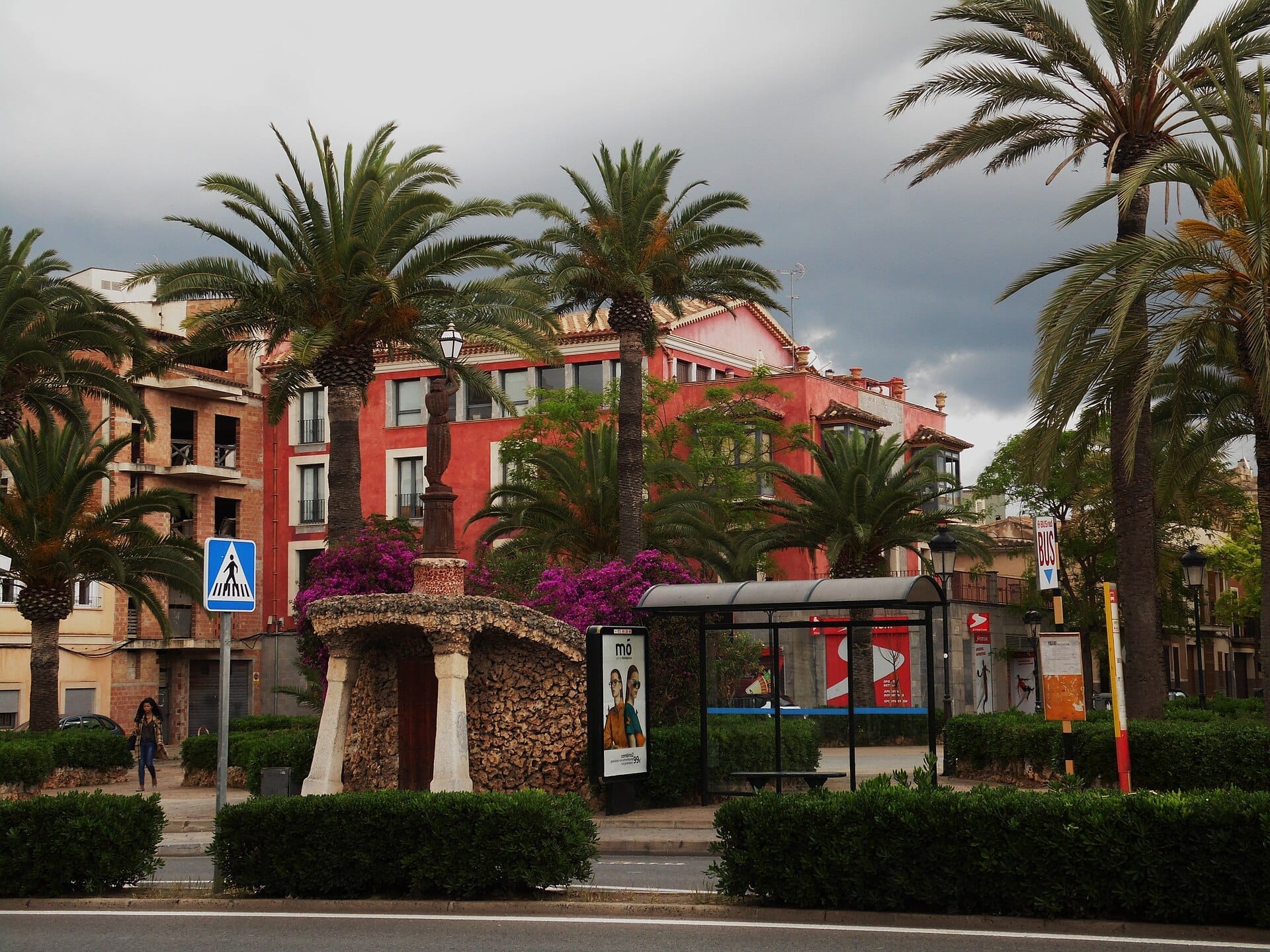
Tourist activity in Es Pla is low by Mallorcan standards, concentrated on the market days, the Puig de Randa pilgrimage route, and a handful of agrotourism hotels. The villages themselves remain largely authentic, with signage in Catalan and Spanish, menus not always translated, and locals who are friendly but not especially oriented toward visitors. This is worth knowing before you arrive.
What to See and Do in Es Pla
The most iconic single landmark in the entire comarca is Puig de Randa, a flat-topped massif rising over 500 metres from the plain near Algaida. Three religious institutions occupy the mountain: the Santuari de Nostra Senyora de Gràcia, cut into the cliff face partway up; the Ermita de Sant Honorat on a higher ledge; and the Santuari de Nostra Senyora de Cura at the summit. The summit sanctuary offers what may be the best 360-degree panoramic view on the whole island, taking in the plain, the distant Tramuntana ridges, and on clear days the southern coast. The road to the top is driveable, but the path from the base of the mountain through ancient terracing is far more rewarding.
Sineu is the geographic and commercial centre of Es Pla and deserves more time than most visitors give it. Its Wednesday market, the Sineu market, is one of Mallorca's oldest and most genuine, running since the 14th century. The livestock section alone, held in the streets around the church of Santa Maria, is a sight with no equivalent in the coastal towns.
For archaeology, the Son Fornés site near Montuïri contains some of the best-preserved Bronze Age talayotic structures on the island, including circular stone towers that date back over 3,000 years. Els Calderers, a manor house near Sant Joan, gives a detailed picture of aristocratic rural life in Mallorca from the 18th and 19th centuries, with original furnishings, farm buildings, and animal enclosures intact.
The windmill routes that cross the plain are worth following by bicycle or car. The traditional stone windmills that once pumped water and ground grain are everywhere in Es Pla, some restored, others slowly subsiding back into the landscape. The town of Petra, birthplace of Friar Junípero Serra who founded many of California's original Spanish missions, has a small museum dedicated to his life and the Franciscan presence in the Americas. It is a niche attraction, but the town itself is one of the prettiest in the comarca.
Puig de Randa: Three monasteries, summit views across the entire plain
Sineu Wednesday market: Produce, crafts, livestock, and local ceramics
Son Fornés archaeological site near Montuïri: Bronze Age talayots
Els Calderers manor house near Sant Joan: 18th-century rural estate
Windmill route: Traditional stone mills scattered across the plain
Vilafranca de Bonany melon festival (August) and Llubí honey fair (September)
Es Pla is also a practical base for reaching the mountain villages of the northwest. The Serra de Tramuntana is reachable in under an hour from most of the comarca, and the contrast between the open plain and the steep, forested mountain slopes is one of the great geographic pleasures of the island.
Eating and Drinking: Cellers, Market Produce, and Village Restaurants
The defining dining institution of Es Pla is the celler, a traditional restaurant built around or within an old wine cellar. The characteristic features are thick stone walls, barrels stacked along the walls, long shared tables, and menus built around slow-cooked Mallorcan dishes. Prices are moderate to low by the island's overall standards, portions are generous, and the clientele is more likely to be local families on a Sunday lunch than tourists on a package itinerary.
Dishes to expect in the cellers of Es Pla include sopes mallorquines (a thick bread-and-vegetable broth), frit mallorquí (a fried offal and vegetable dish that tastes considerably better than it sounds), tumbet (layered potato and aubergine with tomato sauce), and llom amb col (pork with cabbage rolls). Grilled rabbit and free-range chicken are common. Desserts lean toward ensaïmada, the spiral pastry that is as Mallorcan as anything on the island, and local almond-based sweets.
Wine from the surrounding area pairs naturally with all of this. The Binissalem and Pla i Llevant denominació d'origen wines, produced partly from grapes grown on Es Pla's own vineyards, are served by the jug in most cellers at prices that feel impossibly cheap if you have been buying wine in Palma's tourist restaurants. For a deeper understanding of what ends up in those jugs, the Mallorca wine guide covers the island's main wine regions and estates in detail.
Market days open up the best food shopping on the island. Vilafranca de Bonany is famous for its tomatoes and melons, sold from roadside stalls along the main road and at the weekly market. Llubí produces some of the most prized capers in Spain, along with local honey. In Sineu on Wednesdays, the produce market sells fruit, vegetables, cheese, cured meats, and dried legumes that you simply cannot find at coastal supermarkets.
💡 Local tip
Most celler restaurants close on Sunday evenings and Mondays. If you are planning a specific visit, call ahead or check current hours online. In smaller villages, the only restaurant in town may have irregular opening outside summer.
Getting There and Around Es Pla
There is no train service into Es Pla itself. Mallorca's railway network, operated by Serveis Ferroviaris de Mallorca (SFM), runs from Palma to Inca and Manacor, skirting the northern and eastern edges of the comarca but not passing through the central villages. Bus services from Palma connect to Sineu, Petra, Vilafranca, and other market towns, but frequencies are low, often just two or three services per day, and Sunday services are minimal or nonexistent.
The practical reality is that Es Pla rewards those with their own transport. A rental car transforms the experience entirely, allowing you to move between villages, stop at roadside almond groves, and reach Puig de Randa at your own pace. The roads across the plain are well-maintained and easy to navigate, with light traffic outside of market mornings. The car rental guide for Mallorca covers the logistics of picking up a vehicle at Palma Airport (PMI) and the options available across the island.
Cycling is genuinely excellent across Es Pla. The flat terrain, relatively quiet rural roads, and distances between villages (typically 5 to 15 kilometres) make this ideal cycling country. Mallorca as a whole has a strong cycling infrastructure, and the plain is one of the most popular sections of any longer island circuit. The cycling in Mallorca guide includes routes that cross Es Pla and links to the broader road cycling network.
From Palma, the main road to the east of the island (the Ma-15) passes through Algaida and continues toward Manacor, giving easy access to the western and southern villages of Es Pla. The Ma-13 motorway north toward Inca is faster but bypasses the interior almost entirely. The most rewarding approach is the secondary road network: the Ma-15 and smaller rural connectors that link one village square to the next.
⚠️ What to skip
GPS navigation in Es Pla occasionally routes you through farm tracks that look like roads on a map but are not suitable for standard vehicles, particularly after rain. Stick to paved routes and cross-check against a physical road map if you are heading to smaller settlements.
Where to Stay in Es Pla
Accommodation in Es Pla is almost entirely in the agrotourism category: converted farmhouses (fincas) and rural manor houses (possessions) that have been opened as small hotels or self-catering properties. These range from modestly priced working farms to high-end retreats with pools and spa facilities set amid olive groves. Most are outside the villages proper, connected by rural lanes, which makes having your own transport non-negotiable.
Sineu and Petra are the best bases if you want to be within walking distance of a village centre, a café in the morning, and a restaurant in the evening. Sineu in particular has enough commerce and social life to feel like a genuine place rather than just a backdrop for your stay. The weekly Wednesday market also means there is always something happening if you time your arrival right.
Es Pla suits independent travellers, couples on a slower pace of holiday, cyclists using the plain as a base for day rides, and anyone wanting a genuine contrast to the coastal experience. It is not suited to travellers who need beach access within walking distance, a choice of restaurants every night, or easy access to Palma's nightlife. For a broader view of where to base yourself across the island, the where to stay in Mallorca guide sets out the trade-offs between different areas clearly.
Es Pla and the Rest of the Island: Context and Day Trips
Es Pla's central position makes it a natural hub for a wider exploration of Mallorca. The Serra de Tramuntana is less than an hour northwest, where villages like Valldemossa and Deià sit at dramatically different altitudes and character to the plain below. The village of Valldemossa is one of the most visited places on the island and is a straightforward day trip from any base in Es Pla.
To the east, the roads from Es Pla continue toward the cave systems and coastal towns of the southeast. The Drach Caves near Porto Cristo are within 45 minutes of most parts of the comarca, and the southeastern coastline with its coves and natural parks is similarly accessible. If you are planning a week or more on the island and want a base that allows you to explore in multiple directions without returning to Palma, Es Pla is the only inland option that makes logistical sense.
For context on structuring an entire trip around the island, the one week in Mallorca itinerary includes Es Pla as part of a broader circuit that balances mountains, coast, and interior.
ℹ️ Good to know
The almond blossom season, typically late January to mid-February, transforms Es Pla more visibly than almost any other part of the island. The flat terrain means you can see the pink and white blossom spreading across entire hillsides at once. It is one of the most photographed natural phenomena in Mallorca and one of the few reasons to visit the island in the depths of winter.
Honest Assessment: Who Es Pla Is For
Es Pla is not the right choice for everyone, and there is no point pretending otherwise. If you are coming to Mallorca primarily for beach days, water sports, and evening restaurants on a promenade, the interior plain will feel slow and disconnected. The villages are quiet, the evenings are dark, and without a car you will feel stranded within half a day.
If, on the other hand, you want to understand what Mallorca actually is beneath its coastal surface, Es Pla is indispensable. The agricultural landscape, the market culture, the religious and archaeological heritage, the food, and the pace of daily life in the villages are all things that the coastal resorts have filtered out entirely. This is where the island's identity sits, in the field patterns that have barely changed since the Muslim era, in the bell towers that mark the centre of each village, and in the celler restaurants where the wine is cheap and the conversation is slow.
TL;DR
Es Pla is Mallorca's agricultural interior: fourteen municipalities spread across a broad plain between the Tramuntana mountains and the eastern hills, roughly 30-45 minutes from Palma by car.
Best for: independent travellers, cyclists, food and wine enthusiasts, anyone wanting a genuine rural Mallorcan experience away from the coastal tourist infrastructure.
Key experiences: Sineu Wednesday market, the three monasteries on Puig de Randa, celler restaurant dining, Bronze Age archaeology at Son Fornés, the almond blossom season in January-February.
Getting around requires your own transport: bus services exist but are infrequent and do not cover all villages. Cycling the flat rural roads is excellent.
Not suited to beach-focused holidays or travellers who need evening entertainment options: Es Pla closes early, and that is precisely its appeal.
Mallorca has over 200 beaches, ranging from long sandy family bays to dramatic limestone coves that feel almost impossibly beautiful. This guide covers the best beaches across the island, with practical advice on access, crowds, and what makes each one worth the trip.
Mallorca works in every season, but the right time depends on what you want. This guide breaks down the weather, crowds, prices, and events by month so you can plan a trip that actually suits you.
Mallorca rewards those who look up, out, and across. From the Tramuntana's limestone ridges to the bay of Palma at dusk, these are the viewpoints that make the island unforgettable. This guide covers the best panoramas, how to reach them, and when to go.
Mallorca is one of Europe's premier road cycling destinations, drawing professionals and enthusiasts from across the continent every spring. This guide covers the island's best routes from brutal mountain climbs to flat coastal loops, plus practical tips on when to go, where to base yourself, and what to expect on the road.
Mallorca rewards budget travellers generously. From UNESCO mountain trails and wild coves to free museum days and medieval old towns, the island has more cost-free experiences than most visitors realise. This guide covers the best free things to do in Mallorca, organised by theme.
From the urban buses of Palma to the scenic train to Sóller and the open roads of the Serra de Tramuntana, Mallorca has more transport options than most visitors expect. This guide breaks down every mode of transport, with real prices, route details, and honest advice on what actually works.
Mallorca rewards those willing to look beyond the resort strips and postcard beaches. This guide uncovers the island's quieter side: Bronze Age settlements, uninhabited nature reserves, atmospheric mountain villages, and coves that still feel genuinely undiscovered.
The Serra de Tramuntana is one of Europe's finest hiking destinations, a UNESCO World Heritage limestone range stretching across Mallorca's northwest. This guide covers the best trails, villages, and natural landmarks for walkers of every level.
Mallorca is larger and more varied than most visitors expect. This guide breaks down exactly how many days you need depending on your pace, priorities, and which parts of the island you want to explore — from a long weekend in Palma to a full two-week circuit.
Mallorca gets dismissed as a cheap package-holiday island. That reputation is decades out of date. From UNESCO mountain landscapes to Gothic architecture, world-class cycling, and some of the Mediterranean's best beaches, the island has far more range than most visitors expect. This guide lays out exactly what Mallorca delivers, where it falls short, and who it suits best.
Mallorca's luxury scene stretches far beyond beach resorts. This guide breaks down the island's finest hotels, private villas, Michelin-starred dining, and exclusive experiences — with honest advice on where to stay, when to go, and what's genuinely worth the premium.
Every January and February, Mallorca's countryside transforms into a landscape of white and pale-pink blossom as around four million almond trees come into flower. This guide covers peak timing, the best villages and routes to visit, local festivals, and practical tips for making the most of the season.
With 554 kilometres of coastline and over 250 beaches and coves, Mallorca rewards exploration by sea like nowhere else in the Mediterranean. This guide covers every boat trip option on the island: shared tours, private charters, bareboat sailing, departure points by region, and exactly when to go.
Mallorcan food is rooted in peasant traditions, pork, olive oil, and seasonal produce. This guide covers the island's essential dishes, local specialties worth seeking out, and practical advice for eating well without falling into tourist-trap traps.
October is one of the most underrated months to visit Mallorca. Daytime temperatures hover around 22-24°C, the sea stays swimmable at 21-23°C, and the summer crowds have thinned dramatically. This guide covers the real weather picture, what closes, what opens, and the best things to do across the island in autumn.
Spring transforms Mallorca into one of the Mediterranean's most rewarding destinations. This guide covers the weather month by month, what to do, when crowds arrive, and how to make the most of the shoulder season before summer prices kick in.
July and August are Mallorca's peak season for a reason: warm sea temperatures, near-constant sunshine, and a full calendar of activities. But peak season also means peak crowds and peak prices. This guide breaks down exactly what summer looks like on the island so you can decide if it's right for you.
Mallorca's nightlife spans centuries-old cocktail palaces in Palma, Germany-flavoured beach parties in Arenal, and full-scale club nights in Magaluf. This guide cuts through the noise to tell you exactly where to go, when to arrive, and what to skip.
Mallorca has a reputation for luxury resorts and big-spending tourists, but the island is far more affordable than most people expect. This guide breaks down real daily costs, the best free activities, cheap transport options, and the smartest ways to stretch your euros across one of Europe's most spectacular islands.
Mallorca delivers extraordinary photography at every turn, from impossible turquoise coves and medieval hilltop villages to soaring Gothic architecture and dramatic sea cliffs. This guide covers the island's most photogenic locations, with practical advice on the best times to shoot and what to look for at each spot.
Mallorca rewards drivers more than almost any island in the Mediterranean. From the UNESCO-listed Serra de Tramuntana to the wild cape at Formentor, this guide covers the best scenic routes, practical driving advice, and the stops worth pulling over for.
From Palma's covered food halls to village weekly markets and artisan workshops, shopping in Mallorca goes well beyond tourist trinkets. This guide covers the best markets, the products worth buying, and the ones to leave on the shelf.
Mallorca produces some of Spain's most distinctive wines, built on native grape varieties you won't find anywhere else. This guide covers the island's two DO regions, the best wineries to visit, what to expect on a tasting tour, and how to plan your visit from Palma.
Mallorca has a well-earned reputation as one of the Mediterranean's top family destinations, but knowing which beaches, attractions, and activities actually work for children makes the difference between a great holiday and a stressful one. This guide cuts through the noise with specific recommendations, honest assessments, and practical logistics.
Mallorca's villages are its soul. Beyond the beaches and resorts, stone-built hilltop towns, flower-draped lanes, and centuries of history await. This guide covers the most beautiful villages in Mallorca, from the Tramuntana's famous trio to the northeast's medieval strongholds.
Seven days is enough time to experience the full range of Mallorca: Gothic cathedrals, UNESCO mountain roads, turquoise calas, medieval villages, and local wine. This day-by-day itinerary cuts through the noise and tells you exactly where to go, when to go, and what to skip.
Renting a car in Mallorca is the single best decision you can make for your trip. This guide covers everything: seasonal pricing, insurance traps, the best booking platforms, parking realities, and which companies consistently deliver. No fluff, just practical advice.
Mallorca is far more than beach resorts and package holidays. This guide covers the best things to do across the island — from free hikes in the UNESCO-listed Tramuntana mountains to boat trips along the rugged north coast — with real prices, seasonal advice, and honest opinions on what's worth your time.
Mallorca is a 3,640 km² island with wildly different characters depending on where you base yourself. This guide cuts through the noise and maps out the best areas to stay, who each one suits, and what to watch out for before you book.