Mallorca Nightlife: Best Bars, Clubs & Beach Parties
Mallorca's nightlife spans centuries-old cocktail palaces in Palma, Germany-flavoured beach parties in Arenal, and full-scale club nights in Magaluf. This guide cuts through the noise to tell you exactly where to go, when to arrive, and what to skip.
Plan and book this trip
Tools from our partner Travelpayouts help you compare flights and hotels. If you book through them, we may earn a commission at no extra cost to you.
Flights
Hotels map
TL;DR
- Palma's La Lonja district and Paseo Marítimo are the best places for sophisticated bar-hopping year-round, while beach resorts operate mainly April to October.
- Magaluf's BCM Planet Dance and Arenal's Megapark are Mallorca's biggest club venues — expect crowds, foam parties, and late finishes, not a quiet night out.
- Clubs on the Paseo Marítimo typically don't fill until after midnight and run until sunrise — arriving before 1am is largely pointless.
- For a more relaxed evening, the north offers live music pubs in Puerto Alcudia, while Palma's old town has some of the island's most characterful cocktail bars.
- Boat parties and catamaran sunset cruises are a genuine highlight — book in advance during July and August, as these sell out fast.
Understanding Mallorca's Nightlife Landscape
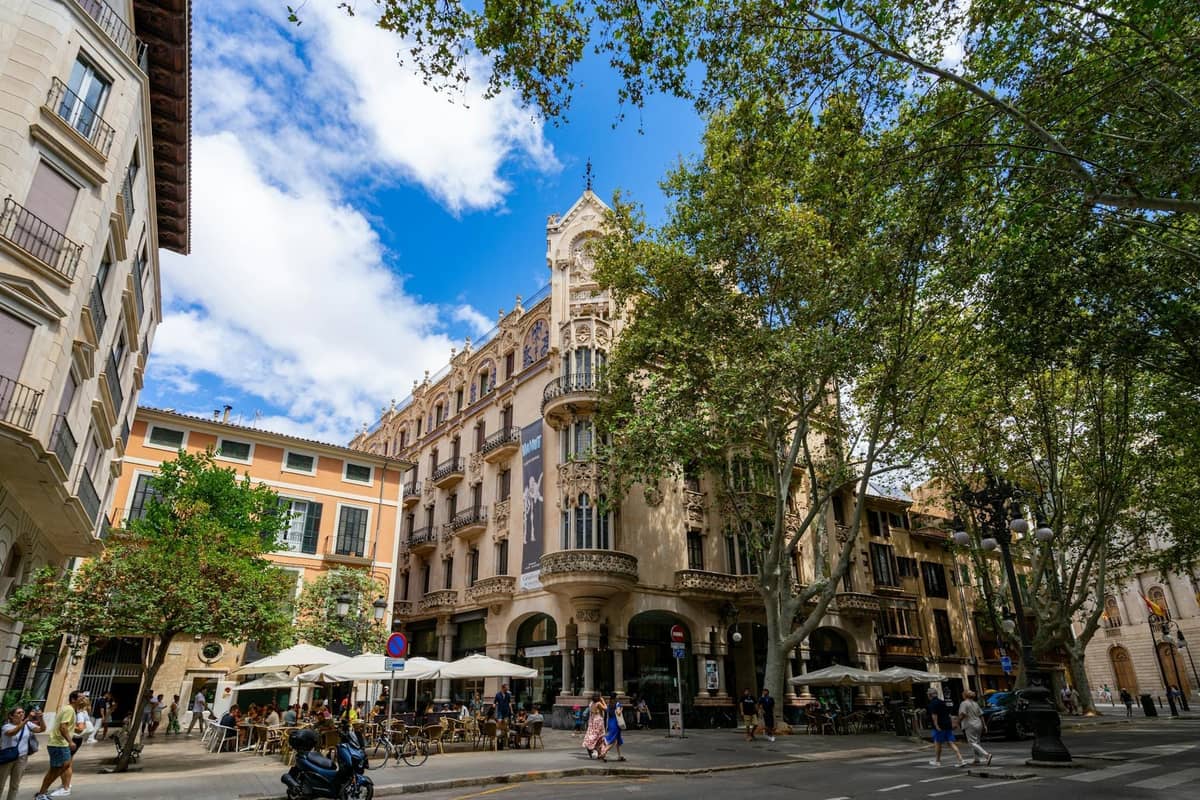
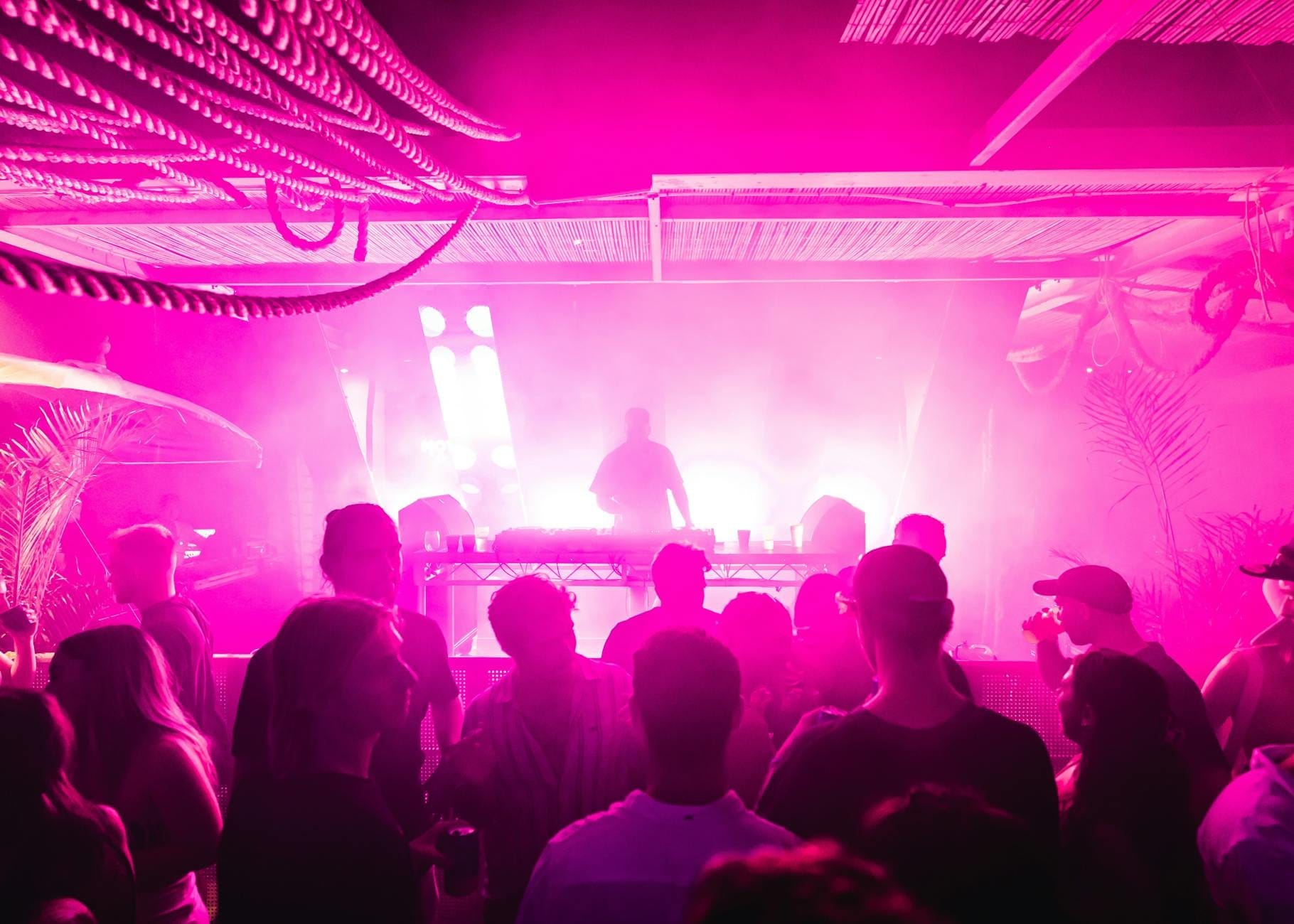
Mallorca nightlife is not one scene — it's at least five distinct ones, spread across an island of 3,642 km². Palma offers a cosmopolitan, year-round bar culture aimed at a mixed local and international crowd. Magaluf and Arenal (S'Arenal) cater almost entirely to package tourists, with large clubs and cheap drinks deals that run from May to late September. The northern resort of Puerto Alcudia has a more relaxed, family-friendly evening scene. Inland towns like Inca and Manacor have local bars and cultural events that most tourists never discover. And then there's the sea itself: boat parties running out of several ports are increasingly one of the most popular nightlife formats on the island.
Knowing which scene fits your style before you arrive saves a lot of wasted evenings. If you want sophisticated cocktails in historic surroundings, Palma is the answer. If you want full-scale club nights with 3,000 other people, head to Magaluf. And if you want your evenings to pair naturally with days at the beach, read our guide to the best beaches in Mallorca to plan the full picture.
ℹ️ Good to know
Spanish nightlife runs late everywhere, but Mallorca runs later than most. Bars in Palma's old town fill up around 11pm. Clubs on the Paseo Marítimo don't reach capacity until 1–2am. Planning to arrive at a club at 10pm will leave you standing in an empty room paying full-price drinks.
Palma: The Best Bars and Club Scene
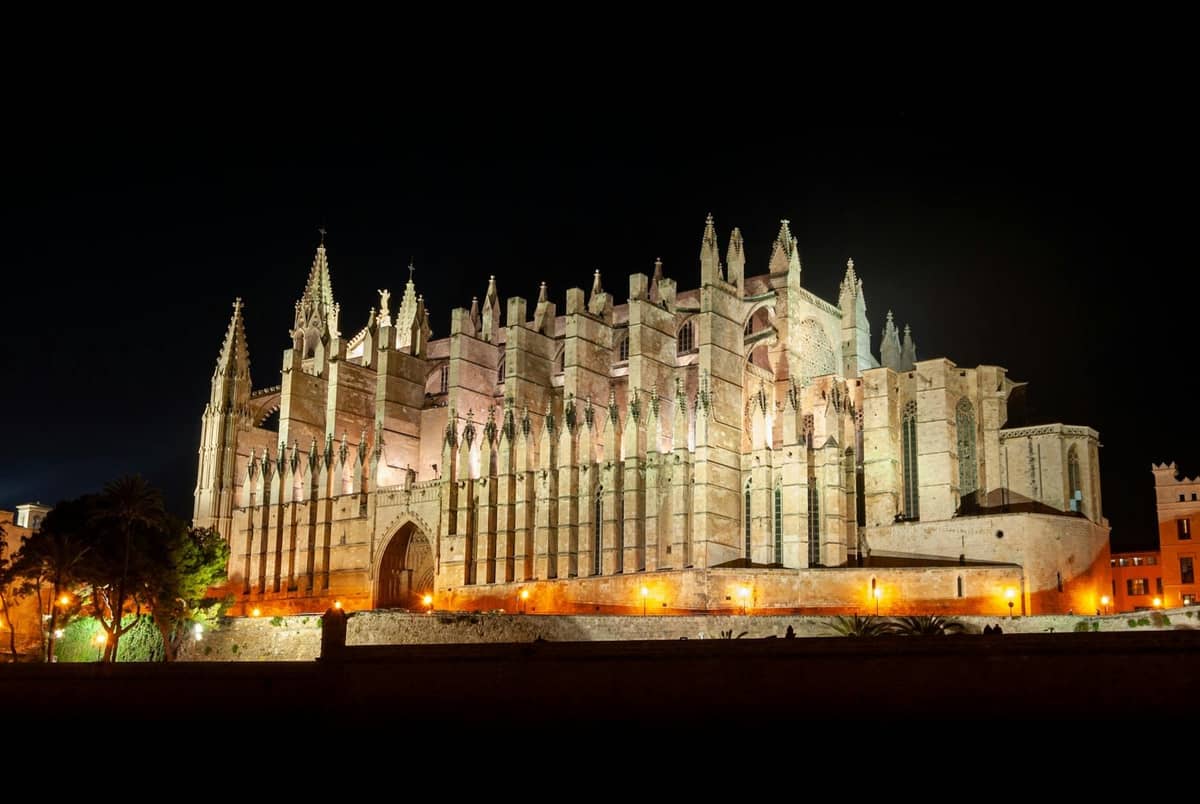
Palma is the island's capital and home to nearly half its population of around 950,000. Its nightlife reflects that weight: it's genuinely urban, with something for every taste and no hard close-down in October. The two zones that matter most are La Lonja district and the Paseo Marítimo.
La Lonja sits in the old city near the waterfront, and its medieval alleyways are lined with bars, small restaurants, and late-night spots. The pace here is slow and social — this is where locals drink before moving on, and where visitors who want atmosphere over volume tend to settle in. Calle Apuntadores is the main artery, and Jazz Voyeur Club at number 5 is one of the few genuinely good live music venues on the island: small, unpretentious, and consistently well-programmed with jazz, soul, and Latin acts.
A short walk away, Ábaco at Calle Sant Joan 1 is the kind of place that earns its reputation. Set inside a 15th-century palace with courtyard gardens, cascading flowers, and elaborate fruit displays, it serves cocktails at premium prices (around 15–20 EUR each). On Friday nights, a midnight petal shower is the centrepiece. It's theatrical, deliberately over-the-top, and worth doing once — but it's not somewhere you'll drink all night.
The Paseo Marítimo, Palma's seafront boulevard, is where the city's club scene concentrates. In summer, the stretch comes alive with a continuous run of bars and venues operating from midnight to sunrise. The casino at Avenida Gabriel Roca 54 (El Gran Casino de Mallorca, inside Porto Pi Centro) adds another dimension — gambling hall, multiple bars, and summer concerts covering everything from electronic to live jazz. It's one of the few venues where the evening can legitimately go in several different directions. For context on Palma's broader appeal, our Palma de Mallorca guide covers the full city in depth.
Magaluf and Arenal: The Resort Club Scene
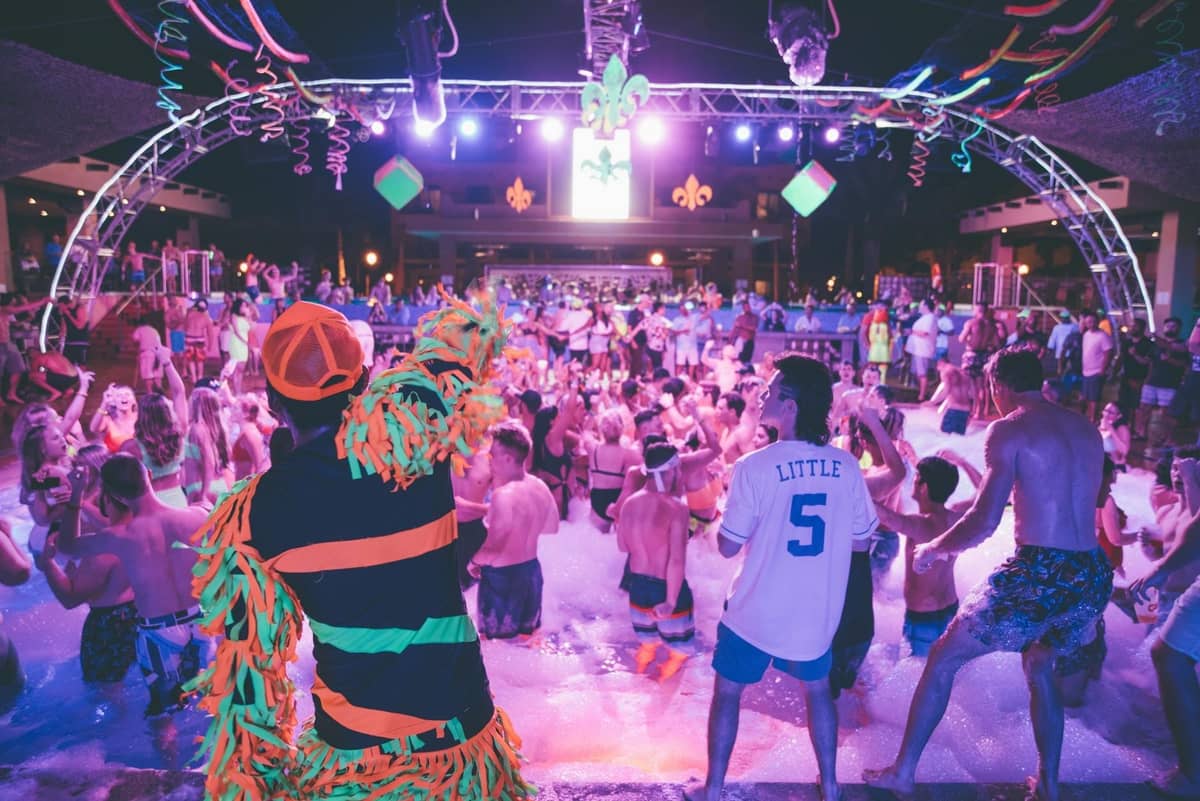
These two resorts represent Mallorca nightlife in its most commercially intense form. They are not subtle, and they are not trying to be. If that's what you're looking for, they deliver it at scale. If it's not, avoid them after dark — the daytime beaches are a different matter entirely, and Magaluf has genuinely improved its daytime offer in recent years.
- BCM Planet Dance, Magaluf The largest club on the island, spread across three floors with a terrace and a dedicated Millennium section. Foam parties with laser and pyrotechnic shows are the signature event. Capacity runs into the thousands, and the production values are genuinely high for a resort club. Expect entry fees around 20–35 EUR depending on the night, usually including a drink.
- Megapark, Arenal (Ballermann) A 3,500 m² outdoor beer garden with 6 bars, a show stage, three large screens, and a swimming pool. This is the spiritual home of the Ballermann beach party scene — heavily German-influenced, daytime-into-evening, with live acts and DJs. It's a cultural experience as much as a nightlife one.
- Nikki Beach, Calvià Located at Avenida Notario Alemany 1, this is the upscale counterpoint to the high-volume resort clubs. Dining, resident DJs, live performances, and a famous Sunday brunch draw a more polished crowd. Prices reflect that — expect to spend 50–100 EUR on food and drinks without difficulty.
⚠️ What to skip
Magaluf's strip, known locally as Punta Ballena, has a well-documented history of drink-fuelled incidents. The local council has introduced restrictions on pub crawls and drinks promotions in recent years. Avoid venues promoting unlimited drink deals — they rarely end well, and several have been formally shut down by authorities.
Northern Mallorca: Alcudia and Puerto Pollença
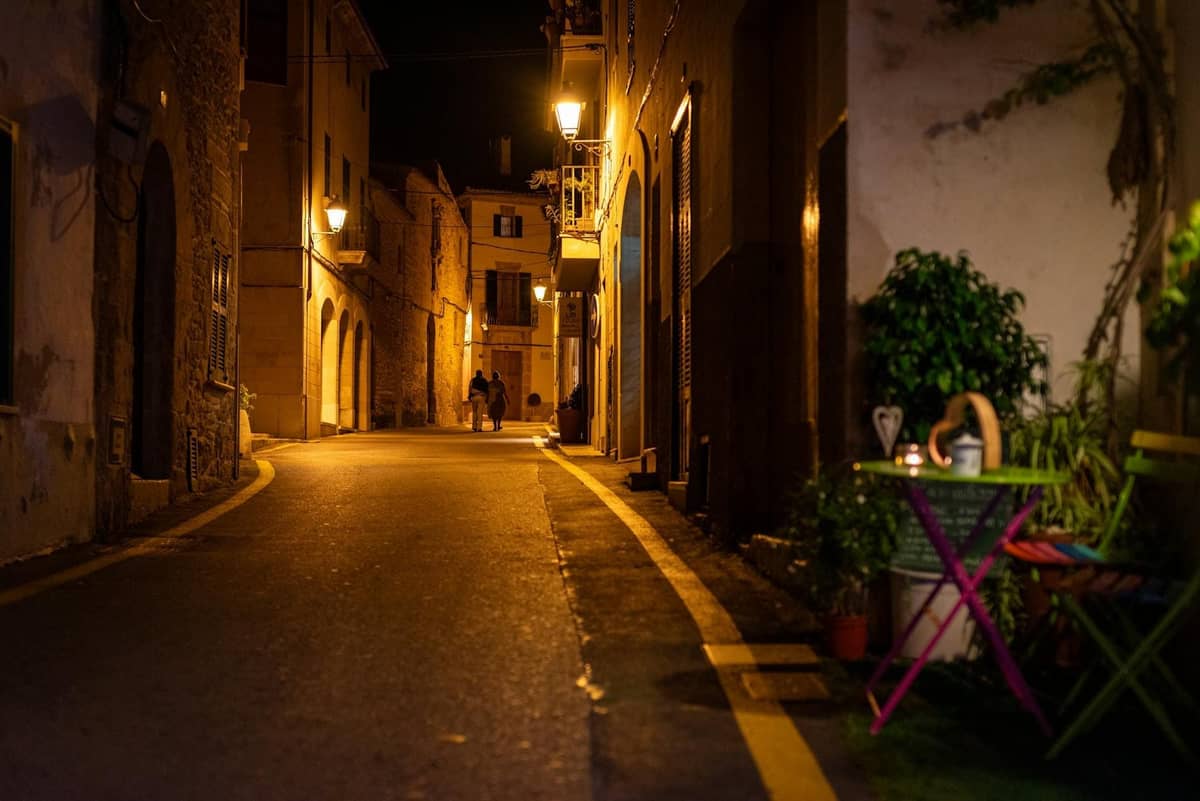
The north offers a markedly different evening atmosphere. Alcudia's old town has bars clustered around its historic walls that attract a mixed crowd of families, couples, and older travellers. The pace is relaxed, and closing times are earlier — most places wind down by midnight.
In Puerto Alcudia, Avenida Pedro Mas y Reus (locally nicknamed 'Dollar Street') is the main entertainment strip. Irish pubs with live cover bands dominate here — it's familiar, unpretentious, and exactly what a lot of people on a package holiday want. The Banana Club on Avenida Tucán 1 is the area's most distinctive venue, with a glass pyramid dance floor and regular Foam Paint Parties during peak season. It's not sophisticated, but it has genuine energy.
Puerto Pollença, further east, is quieter still and better suited to drinks on a terrace overlooking the bay than a proper night out. If the north is your base, plan your big nights around trips south rather than expecting the local scene to deliver. Our guide to Alcudia has the full picture on the area.
Boat Parties and Sunset Cruises
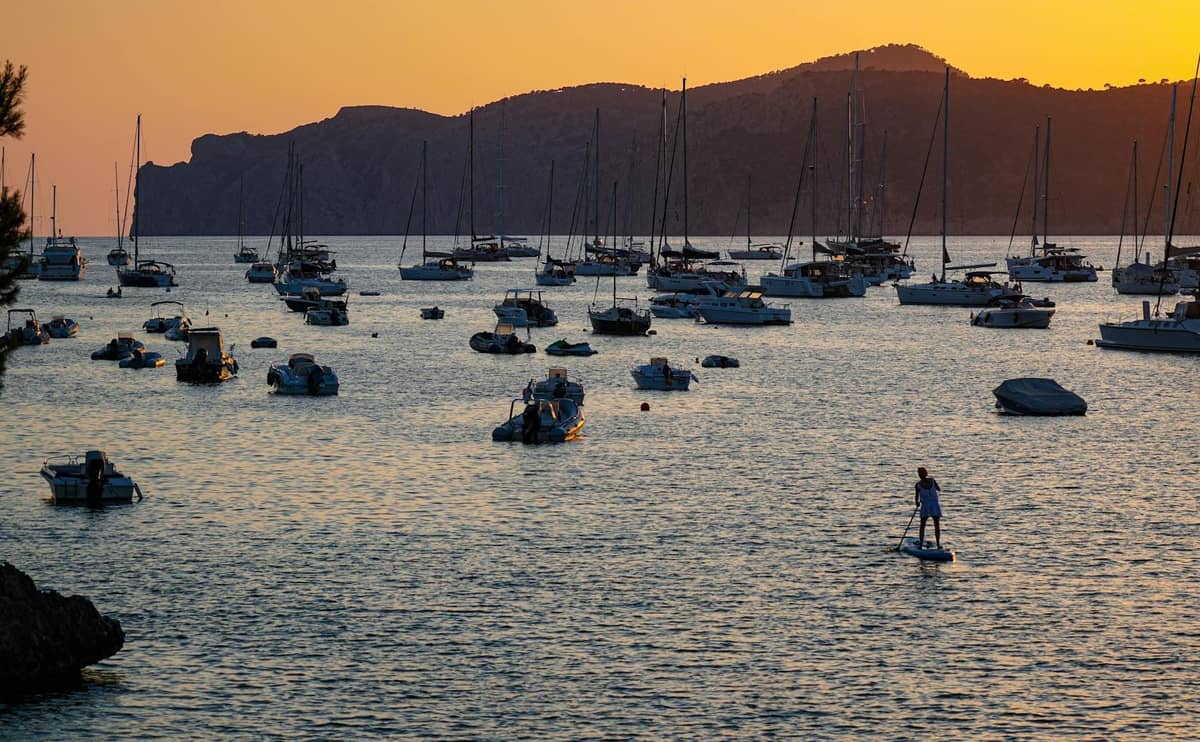
One format that genuinely works well in Mallorca is the boat party. With warm Mediterranean water, reliable summer weather, and multiple ports to depart from, an evening on the water is a legitimate alternative to a night in a club — and often more memorable. Organised boat parties typically depart in the late afternoon or early evening, carry 50–150 people, and feature DJs, open bars, and swimming stops. Sunset catamaran cruises are a more relaxed variant, focused on the view rather than the party.
Prices for boat parties typically run 40–80 EUR per person depending on the duration and what's included. Book at least a week in advance in July and August. Platforms like GetYourGuide list the main operators, but local booking offices in Palma, Puerto Alcudia, and Puerto de Sóller often have the same trips at the same or lower prices. For context on the maritime side of the island, see our Mallorca boat trips guide.
✨ Pro tip
Sunset catamaran cruises departing from Port de Sóller offer some of the most dramatic scenery on the island as the Serra de Tramuntana coast turns golden. These tend to be smaller and quieter than Palma departures — better for couples or groups who want atmosphere over volume.
Seasonal Patterns and When to Go
Mallorca's nightlife has a clear seasonal rhythm. Beach resort venues operate April to October, with peak intensity in July and August. Palma runs year-round, though the Paseo Marítimo clubs thin out considerably in winter. If you're visiting outside peak season, our guides to Mallorca in October and Mallorca in spring explain what to expect from the shoulder months — including which venues stay open and which close entirely.
- April to May: Resort clubs opening up, smaller crowds, cooler evenings — good for Palma bar-hopping without summer prices
- June: The scene builds, boat parties launch, Palma's Paseo Marítimo clubs begin extended hours
- July to August: Peak everything — maximum crowds, maximum prices, maximum energy. Book ahead for any ticketed events
- September: Crowds thin slightly but the quality remains high; often the best month for a balance of atmosphere and manageability
- October to March: Palma only for club nights; inland towns for local bar culture; resort venues largely closed
💡 Local tip
If you're visiting Mallorca primarily for nightlife, late June or early September hits the sweet spot: the main venues are fully operational, prices are slightly lower than peak July–August, and queues at clubs are noticeably shorter.
- Dress code: Smart-casual is the norm for Palma clubs; beach resorts are more relaxed, but some Paseo Marítimo venues turn away trainers and shorts
- Currency: All venues accept card payments, but carry some cash for entry fees and smaller bars in the old town
- Language: English is widely spoken across resort nightlife; in Palma's local bars, a few words of Spanish or Catalan go a long way
- Safety: Palma and the main resorts are generally safe, but pickpocketing in crowded clubs is common — use a money belt or leave valuables in your accommodation
- Getting back: Taxis and ride-hailing are available, but demand spikes at 3–4am in resort areas. Agree on a price before getting in unlicensed vehicles
FAQ
What is the best area for nightlife in Mallorca?
Palma is the best all-round option, with La Lonja for bars and the Paseo Marítimo for clubs. Magaluf and Arenal offer bigger, louder resort-style nightlife from May to September. The north (Puerto Alcudia) is more relaxed with live music pubs and a family-friendly evening scene.
When do clubs in Mallorca open and close?
Bars in Palma's old town typically close around 1–2am. Clubs on the Paseo Marítimo and in Magaluf operate from around midnight to sunrise, roughly 6am. Don't arrive at a club before midnight — venues don't fill until 1am at the earliest.
Is Mallorca nightlife only for young people?
No. The resort clubs in Magaluf and Arenal skew young (18–30), but Palma's bar scene attracts a genuinely mixed age range. Venues like Ábaco, the casino, and the jazz clubs have a notably older clientele. Boat parties also attract a wide age range.
Is Mallorca nightlife open in winter?
Beach resort venues (Magaluf, Arenal, Alcudia) are largely closed from November to March. Palma stays active year-round, though with reduced hours and fewer venues open late. Inland towns like Inca and Manacor have local bar culture throughout the year.
How much does a night out in Mallorca cost?
Costs vary widely. In Palma's old town, budget around 5–10 EUR per drink. Club entry on the Paseo Marítimo runs 10–25 EUR. In Magaluf, entry to BCM is typically 20–35 EUR. Nikki Beach and premium beach clubs will cost 50–100 EUR for a full evening. Boat parties average 40–80 EUR per person including an open bar.