Shopping in Mallorca: Markets, Boutiques & What to Buy
From Palma's covered food halls to village weekly markets and artisan workshops, shopping in Mallorca goes well beyond tourist trinkets. This guide covers the best markets, the products worth buying, and the ones to leave on the shelf.
Plan and book this trip
Tools from our partner Travelpayouts help you compare flights and hotels. If you book through them, we may earn a commission at no extra cost to you.
Flights
Hotels map
TL;DR
- Palma's Mercat de l'Olivar is the island's best covered market for food, sobrasada, local cheeses, and olive oil.
- Island-wide weekly markets rotate by town and day — plan your route in advance since most run only once a week.
- The most authentic shopping happens away from the main tourist strips: markets like Pere Garau and Santa María are producer-direct and price-honest.
- Top things to buy: sobrasada, flor de sal, Mallorcan pearls, local wine, and handmade ceramics. See our Mallorca food guide for what to eat alongside what to bring home.
- Summer brings crowds to markets; spring and autumn offer the same produce with far less competition at the stalls.
Palma's Markets: Where to Start
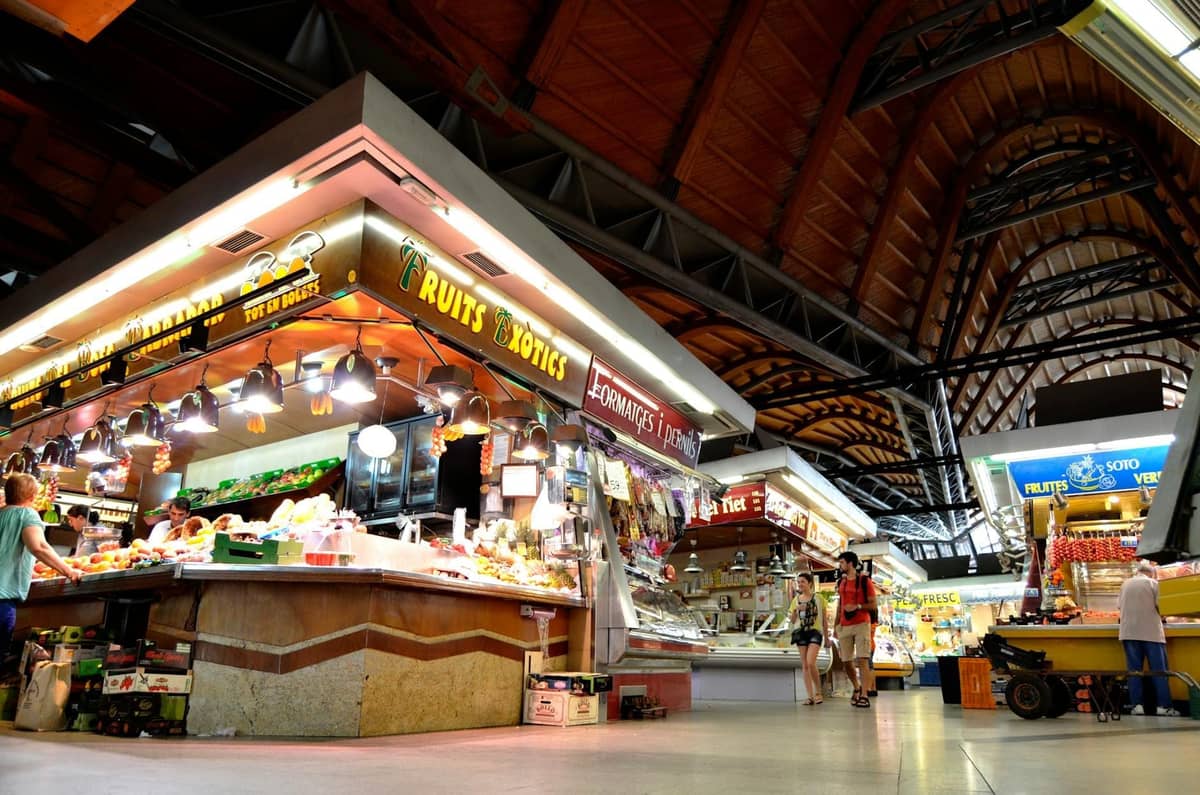
Shopping in Mallorca really begins in Palma, and the city's covered markets are the strongest argument for skipping the souvenir shops entirely. Mercat de l'Olivar is the undisputed centrepiece: a large covered hall near Plaça d'Espanya selling fresh seafood, Mallorcan cheeses, Mahón from neighbouring Menorca, jamón ibérico, sobrasada in every size, local wines, and high-quality olive oil. There's also a food court section where you can eat tapas on-site. It opens Monday through Saturday mornings, and arriving before 10am means the stalls are fully stocked and the crowds are thin.
The Mercat de Santa Catalina offers a different atmosphere. Located in Palma's Santa Catalina neighbourhood, it draws more locals than tourists and sits at the centre of a food district full of independent cafes and restaurants. It's smaller than l'Olivar but has a genuine neighbourhood feel that the bigger market can't always deliver. Go here if you want fresh produce and a quieter, more relaxed pace.
Mercat de Pere Garau is the one most visitors never find, which is exactly why it's worth seeking out. This traditional neighbourhood market in the eastern part of Palma sells produce, textiles, and household goods at prices aimed at residents, not tourists. The vendors are local, the goods are practical, and it gives you an honest look at how Palma actually functions day-to-day.
💡 Local tip
Plaza Mayor has daily souvenir stalls and is worth a browse, but don't expect bargains or artisan quality. The better craft shopping in central Palma is at the artisan kiosks around Plaça de Cort, near the Town Hall, or at the pop-up designer fairs that occasionally appear on Passeig del Born.
Weekly Village Markets Across the Island
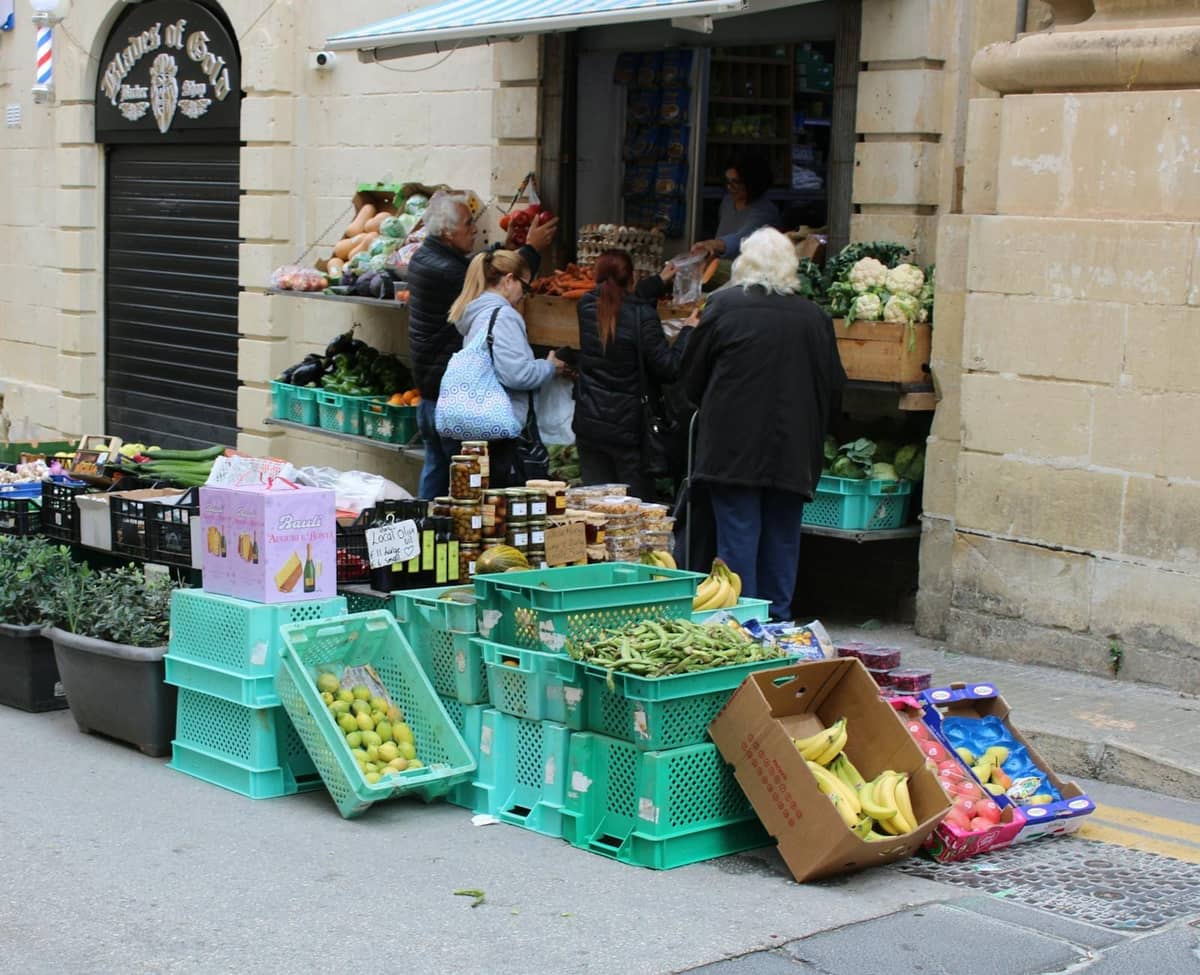
Beyond Palma, Mallorca runs a circuit of weekly outdoor markets across its towns and villages. These are not daily events — each location hosts its market on a specific day of the week, so you need to plan your itinerary around them rather than the other way around. The upside is that many of these markets are genuinely producer-direct: you're buying olive oil from the family that pressed it, or ceramics from the person who fired them.
- Sineu (Wednesdays) One of the largest and oldest inland markets on the island, held in the central town square. Strong on local produce, livestock, ceramics, and traditional Mallorcan goods.
- Felanitx (Sundays) A large weekly market in the southeast with produce, clothing, and a broad range of Mallorcan goods. Good variety and accessible from the coastal resorts.
- Santa María del Camí (Sundays) Smaller and more curated than Sineu, with a focus on quality local products. The town sits in wine country, so combining the market with a visit to a nearby winery makes for a full day.
- Alcúdia (Tuesdays and Sundays) Mallorca's biggest open-air market, drawing thousands of visitors. Wide selection of food, clothing, and crafts, though scale means quality varies considerably. Go early.
- Pollença (Sundays) Weekly market in the historic square, leaning toward crafts, artisan food, and local textiles. The town itself is one of Mallorca's most attractive, so worth the trip regardless.
⚠️ What to skip
Market days and times do change, particularly outside peak season (May to October). Always verify the current schedule through local town council websites or tourist offices before making a dedicated trip. Some smaller markets operate reduced hours or suspend entirely in January and February.
If you're driving between market towns, the island's interior rewards a slow approach. The Mallorca road trip guide covers the best routes for combining village markets with scenic driving through the central plains and the Tramuntana foothills.
What to Actually Buy: The Short List
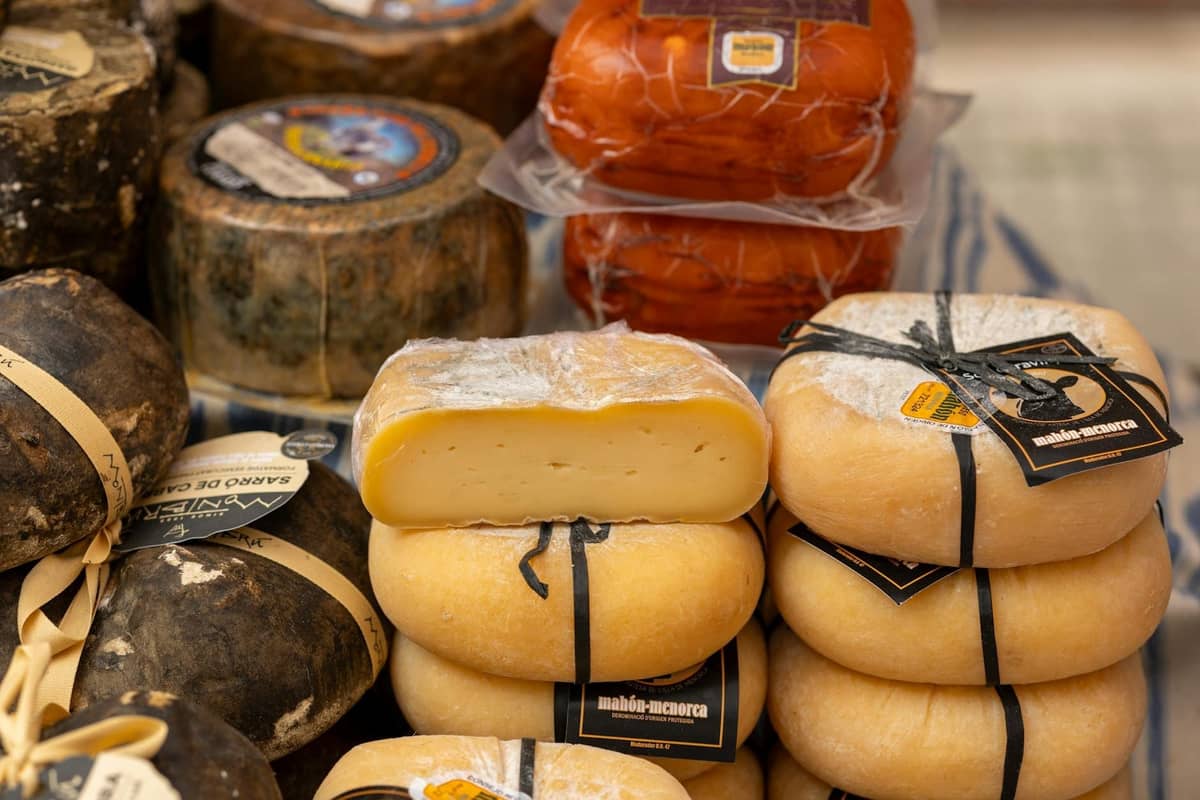
The honest version of this list cuts out the fridge magnets and focuses on things that are genuinely local, have real quality, and travel well. Mallorca produces a small number of things that are difficult or impossible to replicate elsewhere, and those are what deserve your luggage space.
- Sobrasada Mallorca's defining cured meat: a spreadable sausage made from black pork and paprika, with a rich, fatty depth that bears no resemblance to the mass-produced versions exported elsewhere. Buy it vacuum-packed from Mercat de l'Olivar or directly from a producer at a village market. Sobrasada de Mallorca with the IGP label is the protected designation.
- Flor de Sal d'Es Trenc Harvested from the Es Trenc salt flats in the south of the island, this hand-raked sea salt is delicate, mineral-rich, and packed with flavour. The brand Flor de Sal d'Es Trenc, based in Ses Salines, sells plain and flavoured versions and also produces related cosmetics and bath products. Lightweight and easy to pack.
- Local wine The Binissalem DO and Pla i Llevant DO produce wines from indigenous grapes like Manto Negro and Callet that you won't easily find outside the island. Good bottles in the 10-25 EUR range are available at Mercat de l'Olivar and at producers directly. Check the Mallorca wine guide for winery recommendations.
- Mallorcan pearls Manufactured in Manacor using a distinctive layering process, Mallorcan cultured pearls are not natural saltwater pearls but are a legitimate local craft industry with over 100 years of history. The main producer, Majorica, has shops across the island. Worth buying if you want a classic Mallorcan souvenir with documented provenance.
- Ensaïmada The island's spiral pastry, made with lard (saïm in Mallorquí, hence the name), is best eaten fresh but can be bought boxed for transport. Airport shops sell boxed versions but quality is more reliable at Palma's traditional pastry shops. They come plain or filled with sobrasada, cream, or pumpkin jam.
- Handmade ceramics Look for green-glazed pottery from Felanitx (a long-standing local tradition) and individual potters in villages like Deià and Artà. Ceramics by Joanna in Deià produces handmade pieces that are genuinely studio-made rather than mass-produced.
- Olive oil Mallorca produces extra virgin olive oil from its own olive groves, mostly in the Tramuntana and the central plains. Available at all main markets; price varies from around 8-20 EUR per bottle depending on the producer and size.
For a deeper look at Mallorcan food products worth bringing home, the Mallorca wine guide covers the island's wine regions and where to buy direct from the bodega.
Boutiques and Independent Shops Worth Knowing
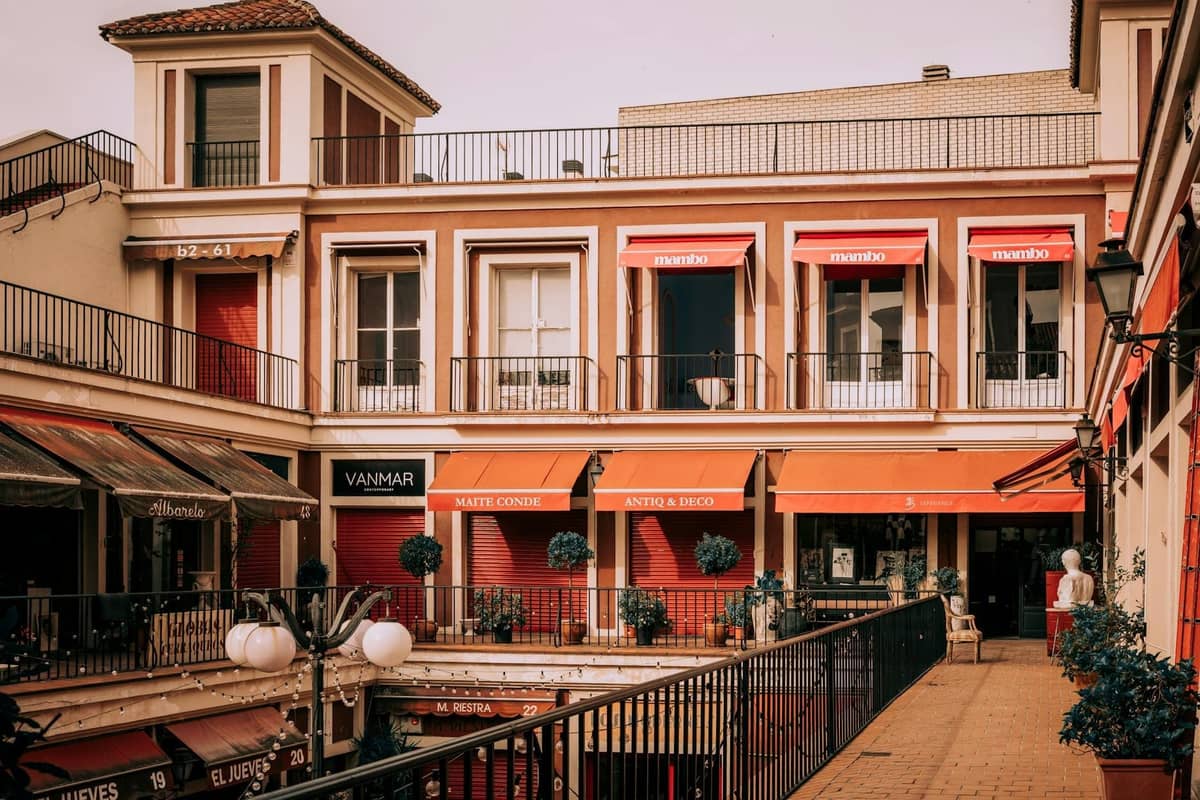
Palma's independent retail scene is concentrated in a few areas. The streets around Passeig del Born, Carrer Unió, and the old town hold a mix of Spanish and international brands alongside genuinely local boutiques. The quality gap between these and the souvenir shops on the main tourist drag is significant.
- Rata Corner A well-curated concept shop in Palma selling design books, local art prints, and a small selection of home goods. A good stop if you want something visual and portable to take home.
- Farrutx Outlet Farrutx is a Mallorcan footwear brand with a serious following in Spain. The outlet sells discounted leather shoes and bags from previous seasons. Quality is genuine and prices at the outlet are meaningfully lower than the main stores.
- Aromes del Mediterrani A local cosmetics brand using Mediterranean botanicals: lavender, rosemary, fig, and sea ingredients. Products are natural, the scents are distinctive, and they pack flat. Available in Palma and at some market stalls.
- Flor de Sal d'Es Trenc (Ses Salines) The brand has its own shop near the salt flats in the south. Worth a visit if you're in the area, particularly because the full product range including cosmetics and gourmet salts is more complete here than in resellers.
✨ Pro tip
Leather goods are a traditional Mallorcan product but quality varies enormously on the tourist circuit. If you're buying leather shoes, bags, or belts, stick to established local brands like Farrutx or Yanko rather than market stalls, where the goods are often imported and the 'handmade' claims don't hold up.
Seasonal Timing and Practical Logistics
Shopping in Mallorca changes significantly with the season. July and August bring the largest crowds to all markets, with prices at stalls reflecting demand and vendors sometimes prioritising quick tourist sales over quality goods. The markets themselves don't shrink in summer, but the experience does. Spring (April to May) and early autumn (September to October) are significantly better for market shopping: stalls are better stocked with seasonal produce, vendors have time to talk, and you're not navigating around tour groups.
Winter is genuinely underrated for Palma's covered markets. l'Olivar and Santa Catalina both operate year-round and see mainly local clientele from November through February. Prices are honest, the produce reflects the actual season, and you're shopping alongside people who actually cook with what they're buying. If your trip overlaps with the almond blossom season (late January to February), the island has a particular quiet beauty and markets in the interior fill with almonds, almond oil, and almond-based sweets. See the almond blossom guide for timing and the best areas to combine with market visits.
Most Mallorcan markets are cash-friendly and many smaller stalls are cash-only. Carry euros in small denominations. Larger boutiques in Palma accept cards without issue, but village market vendors, particularly for produce, often prefer cash. The currency is the euro (EUR) as standard across Spain.
ℹ️ Good to know
Bargaining is not standard practice at Mallorcan markets, unlike markets in some other countries. Prices are generally fixed, particularly for food and artisan goods. Asking for a small discount on multiple items from the same stall is acceptable, but persistent haggling is considered rude and will not improve your outcome.
What to Skip (Honest Advice)
The souvenir market in Mallorca is extensive and mostly generic. Ceramic tiles with painted designs are almost universally imported from mainland Spain or elsewhere. Most 'handmade' leather bracelets and woven goods on the main tourist strips in Palma, Alcúdia, and the resort towns are not made on the island. The ceramic olive bowls, the painted donkey figurines, and the 'traditional' linen are available in essentially identical form at every beach resort in southern Europe.
The one area where even good-faith buyers sometimes get tripped up is Mallorcan pearls. There is a real and legitimate local pearl industry centred on Manacor (you can visit the Majorica pearl factory in Manacor), but many shops across the island sell pearls with no connection to local production. If provenance matters, buy from a named manufacturer with documented production, not from a market stall.
For travellers on a budget, the best value from Mallorcan shopping is in the food markets rather than the craft shops. A well-chosen selection of sobrasada, olive oil, local wine, and flor de sal costs less than a single piece of tourist ceramics and is actually made in Mallorca. The Mallorca on a budget guide has more on how to get the most from the island without overspending.
FAQ
What is the best market in Mallorca?
For food products, Mercat de l'Olivar in Palma is the strongest option: largest selection, reliable quality, and year-round operation. For a more authentic local experience, Mercat de Santa Catalina (also Palma) or the Wednesday market in Sineu are better. The Tuesday and Sunday market in Alcúdia is the island's biggest outdoor market by scale, but quality is inconsistent.
What should I buy in Mallorca to bring home?
Focus on food products that are genuinely local and protected: sobrasada (especially with the IGP label), Flor de Sal d'Es Trenc salt from Ses Salines, local wine from the Binissalem or Pla i Llevant denominations, and fresh ensaïmada pastry boxed for travel. These are all produced on the island, travel reasonably well, and represent genuine local craft rather than generic souvenirs.
Are Mallorca's markets open year-round?
Palma's main covered markets (l'Olivar and Santa Catalina) operate year-round, Monday through Saturday. Most of the island's outdoor weekly village markets run on reduced schedules or pause entirely in January and February. Always check the specific town's calendar before planning a trip around a market visit, particularly outside the May to October season.
Do I need cash for shopping at Mallorcan markets?
Carry cash, preferably in small denominations. Many market stalls, especially for food and produce, are cash-only. Larger boutiques and shops in Palma accept credit and debit cards without issue. ATMs are widely available in Palma and larger towns across the island.
Are Mallorcan pearls worth buying?
They are a legitimate local product with over a century of manufacturing history in Manacor, but they are not natural pearls. They are cultured glass-core pearls coated with a nacre-like substance through a multi-layer process. If you want documented provenance, visit the Majorica factory in Manacor directly rather than buying from a market stall or resort shop. Quality and authenticity are harder to verify through intermediary sellers.