Mallorca Wine Guide: Wineries, Wine Tasting & Local Varieties
Mallorca produces some of Spain's most distinctive wines, built on native grape varieties you won't find anywhere else. This guide covers the island's two DO regions, the best wineries to visit, what to expect on a tasting tour, and how to plan your visit from Palma.
Plan and book this trip
Tools from our partner Travelpayouts help you compare flights and hotels. If you book through them, we may earn a commission at no extra cost to you.
Flights
Hotels map
TL;DR
- Mallorca has two official wine appellations: Binissalem DO (the oldest, in central Mallorca) and Pla i Llevant DO (eastern Mallorca).
- Look for wines made from indigenous grapes: Manto Negro, Callet, and Moll are unique to the island and worth seeking out over international varieties. Pair your tasting with a deep dive into Mallorcan cuisine for the full picture.
- Most wineries are 30-60 minutes from Palma and require advance booking — do not show up unannounced.
- Anima Negra (near Felanitx) and Bodegas Ribas (Consell, founded 1711) are the benchmark names; Can Majoral earned Mallorca's first organic certification back in 1994.
- Spring and autumn are the best seasons for winery visits: smaller groups, harvest activity in September-October, and almond blossom in February. Check our guide to the best time to visit Mallorca for seasonal context.
Why Mallorca Wine Deserves Serious Attention
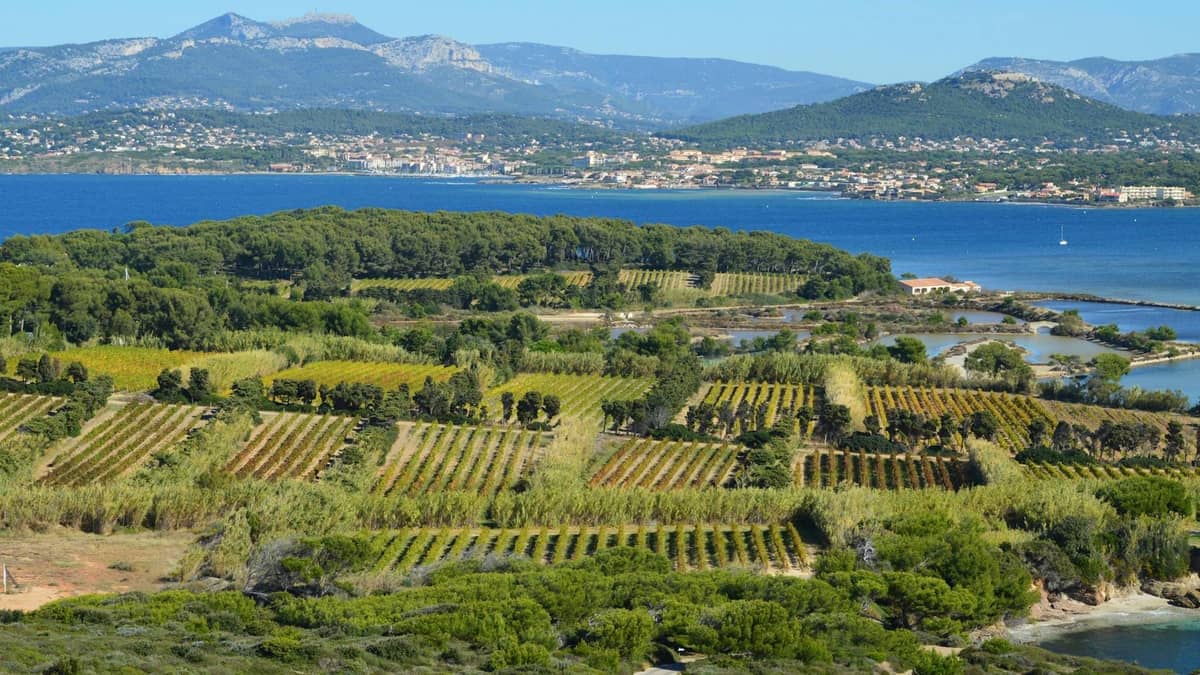
Mallorca's wine reputation has been unfairly overshadowed by its beaches for decades. That is changing. The island's winemakers have spent the past thirty years recovering indigenous grape varieties nearly lost to phylloxera and commercial pressure, and the results are wines with a genuinely distinct personality. You are not going to find Callet or Manto Negro in any other wine region on the planet. That alone makes Mallorcan wine worth exploring.
The island's Mediterranean climate, with over 300 sunny days a year and an average annual temperature of 21°C, creates ideal conditions for viticulture. The Serra de Tramuntana mountains to the northwest shield the central plains from harsh winds, moderating temperatures in the Binissalem growing zone. In the east, the Pla i Llevant region benefits from limestone soils and warm sea breezes. These are two genuinely different terroirs producing genuinely different wines.
ℹ️ Good to know
Mallorca has two Denominación de Origen (DO) designations: Binissalem DO, the island's oldest and largest appellation covering the central plains, and Pla i Llevant DO, covering the eastern half of the island. Wines produced outside these zones are often labelled Vi de la Terra Illes Balears, a catch-all regional classification.
The Two Wine Regions: Binissalem and Pla i Llevant
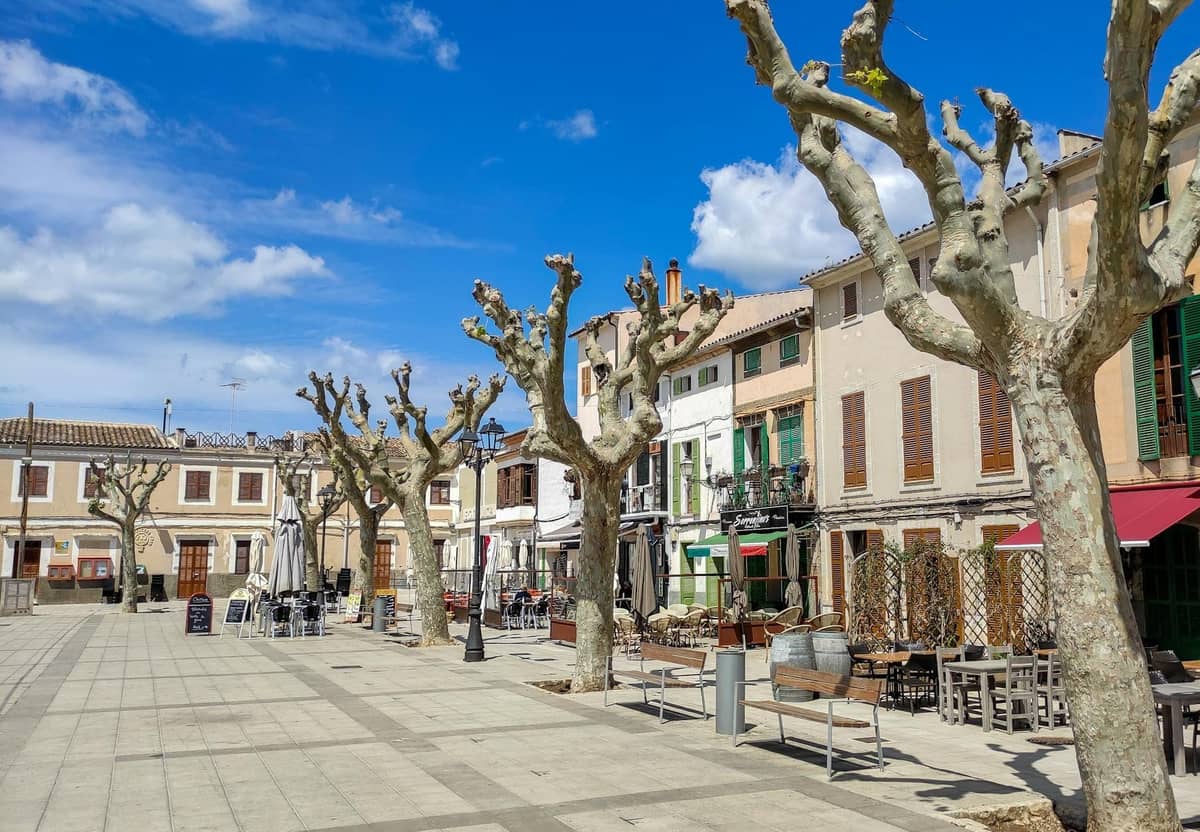
Binissalem DO is the heartland of Mallorcan wine. The appellation covers the towns of Binissalem, Consell, Santa Maria del Camí, Santa Eugènia, and Sencelles, all sitting on the gently sloping plains between Palma and the Tramuntana foothills. Elevations are modest, soils are clay-limestone, and the landscape is a patchwork of almond trees and low-trained vines. Reds dominate here, led by Manto Negro, a grape that produces structured, medium-bodied wines with dark fruit, spice, and earthy undertones.
Pla i Llevant DO covers the eastern half of the island, centered roughly around Felanitx, Manacor, and Petra. The soils here tend to be sandier and more fertile, producing wines with brighter acidity and more fruit-forward profiles. This is where you find Callet at its most expressive, and it is also the home of Anima Negra, the winery that arguably put Mallorca on the international wine map. If you are combining wine tasting with sightseeing, the east offers easy access to the Drach Caves near Manacor and the dramatic coastline of southeast Mallorca.
- Binissalem DO Central Mallorca. Focus on Manto Negro reds and Moll whites. Closest to Palma (20-40 min). Best for first-time visitors combining wine with island sightseeing.
- Pla i Llevant DO Eastern Mallorca. Callet-based reds with bright acidity. Home to Anima Negra. Pairs well with a day exploring the southeast coast.
- Vi de la Terra Illes Balears The regional classification for wines made outside DO boundaries. Some of Mallorca's most experimental producers operate under this label with international varieties.
Native Grape Varieties: What to Order and Why
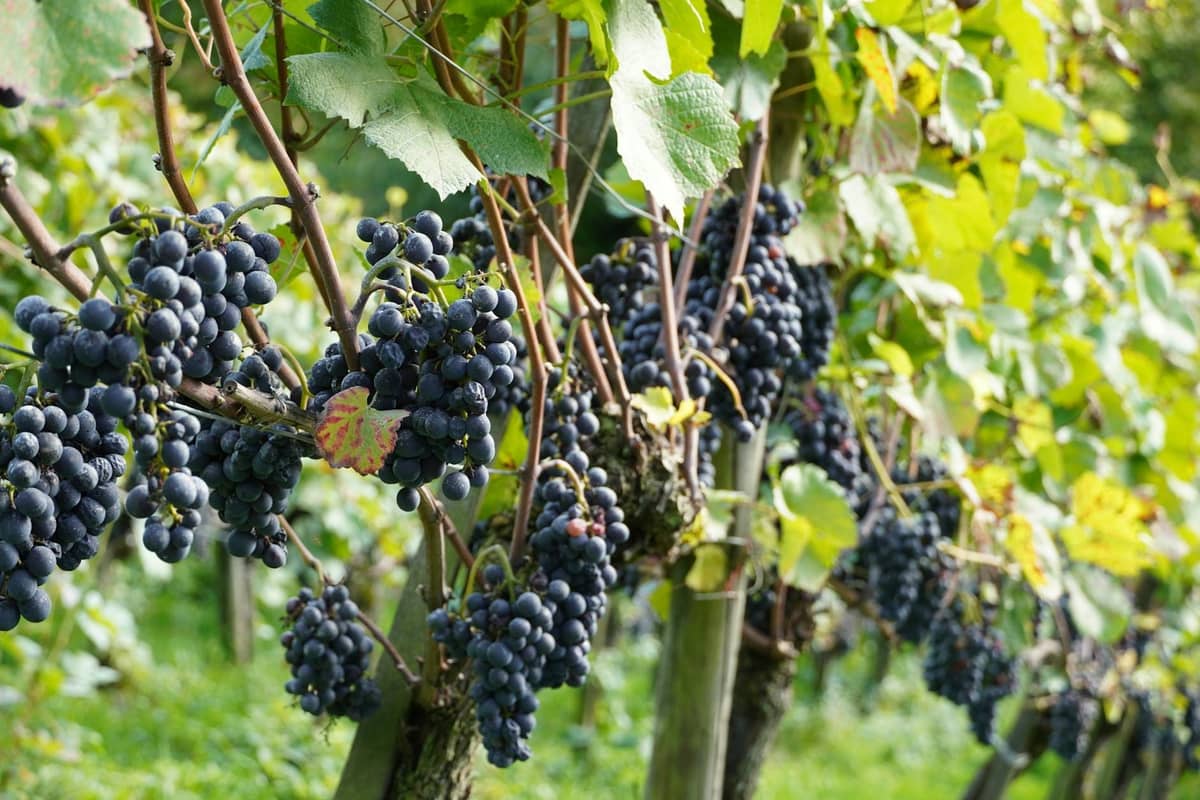
Ordering a wine made from Manto Negro, Callet, or Moll is the single most important thing you can do to distinguish your Mallorcan wine experience from drinking generic Mediterranean plonk. These grapes were nearly wiped out in the twentieth century and their recovery is one of the better stories in Spanish viticulture.
- Manto Negro (red) The dominant red variety of Binissalem. Produces medium-bodied reds with dark cherry, dried herbs, and a distinctive savory edge. Often blended with Callet or international varieties for structure.
- Callet (red) The star of Pla i Llevant. Vibrant acidity, bright cherry flavors, subtle earthiness. At its best in the Anima Negra wines. Can be vinified as a light, early-drinking red or as a serious, age-worthy wine.
- Moll / Prensal Blanc (white) Mallorca's primary indigenous white grape. Low acidity, generous texture, stone fruit and almond notes. Best drunk young. Look for it in Santa Maria del Camí producers.
- Giró Ros (white/rosé) A rare native variety producing delicate, aromatic whites. Very limited production — worth seeking out at smaller estates.
- Fogoneu (red) An ancient Mallorcan variety used in small percentages in blends, adding color, tannin, and herbal notes.
- Gorgollassa (red) Perhaps the rarest native grape, planted in tiny quantities. Some producers are championing it as a single-variety bottling. Worth trying if you encounter it.
✨ Pro tip
International varieties like Cabernet Sauvignon, Syrah, and Chardonnay are widely grown on the island and can be excellent, but they are not the reason to seek out Mallorcan wine. Prioritize bottles built on native grapes — they offer something you simply cannot find elsewhere.
The Best Wineries to Visit in Mallorca
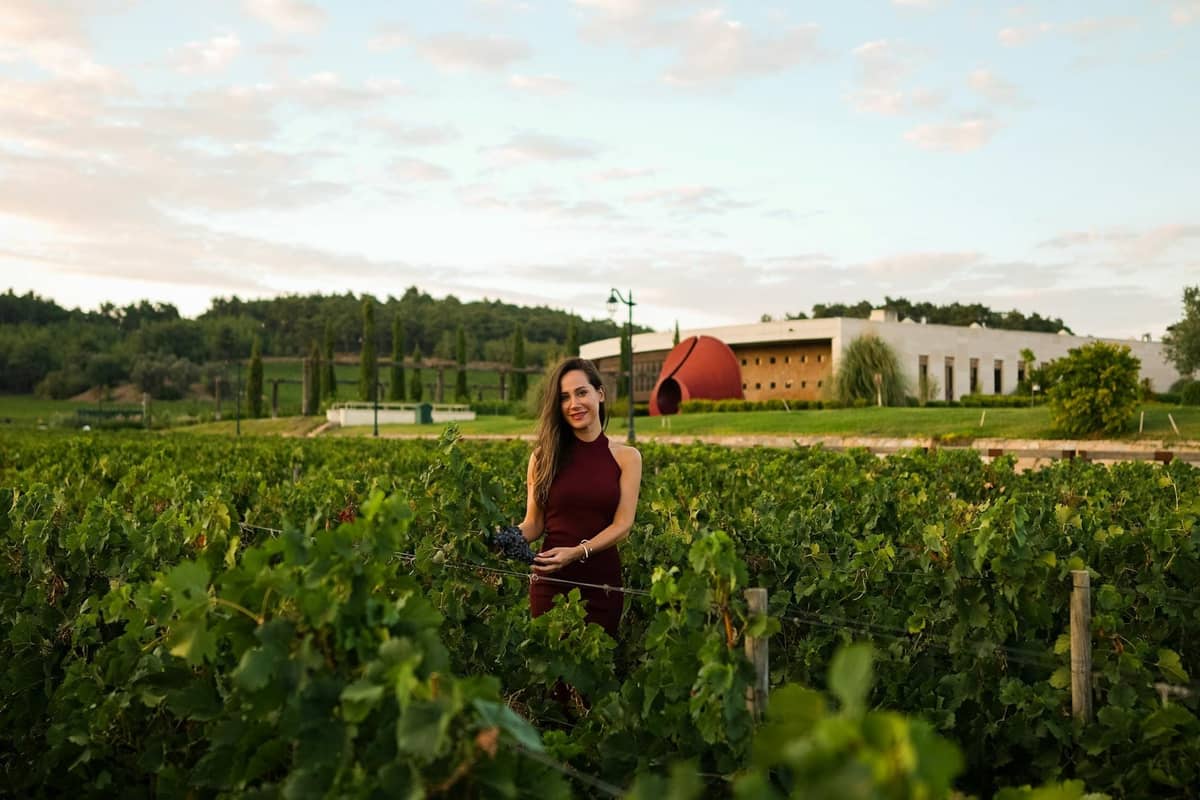
Visiting a winery in Mallorca is not like showing up to a Napa tasting room. Most estates are working farms, and many require advance booking. A handful have invested in proper visitor infrastructure with guided tours, tasting rooms, and restaurant facilities. Others are small, family-run operations where you might taste in the cellar with the winemaker. Both experiences have value, but set your expectations accordingly.
Bodegas Ribas in Consell is the most historically significant winery on the island. Founded in 1711 and continuously operated by the same family for over ten generations, it is a working museum as much as a wine producer. The tour covers the original cellars, the estate vineyards planted with old-vine Manto Negro, and a tasting of their current releases. Their Ribas de Cabrera is one of the island's benchmark reds. Book well in advance for summer visits.
Anima Negra, located near Felanitx in the Pla i Llevant zone, produces what many critics consider Mallorca's most important wine. Founded in the late 1990s, the estate concentrates on Callet and sells its wines in over 40 countries. The flagship AN/2 is blended from old-vine Callet with small additions of Manto Negro and Fogoneu. Availability at the winery itself is limited, so book a visit early or look for the wines in Palma's better wine shops and restaurants.
Can Majoral in Algaida holds the distinction of being Mallorca's first certified organic producer, earning that status in 1994 when organic viticulture was still a fringe concept in Spain. The estate works primarily with native varieties and runs structured tasting visits. Oliver Moragues, also in Algaida, takes a different approach entirely: five centuries of family winemaking combined with a converted manor house that functions as a small rustic hotel, making it the best option if you want to build a longer wine-focused stay around a single property.
For something on a smaller scale, Bodega Son Artur in Sencelles and Galmes i Ribot (run by Catalina Ribot, one of the island's leading advocates for indigenous varieties) represent the artisanal end of the spectrum. These estates are worth the effort of arranging a visit if you have a genuine interest in native grapes and low-intervention winemaking. Combine your winery visits with a drive through the Mallorcan interior for a full day out.
What to Expect on a Wine Tasting Tour
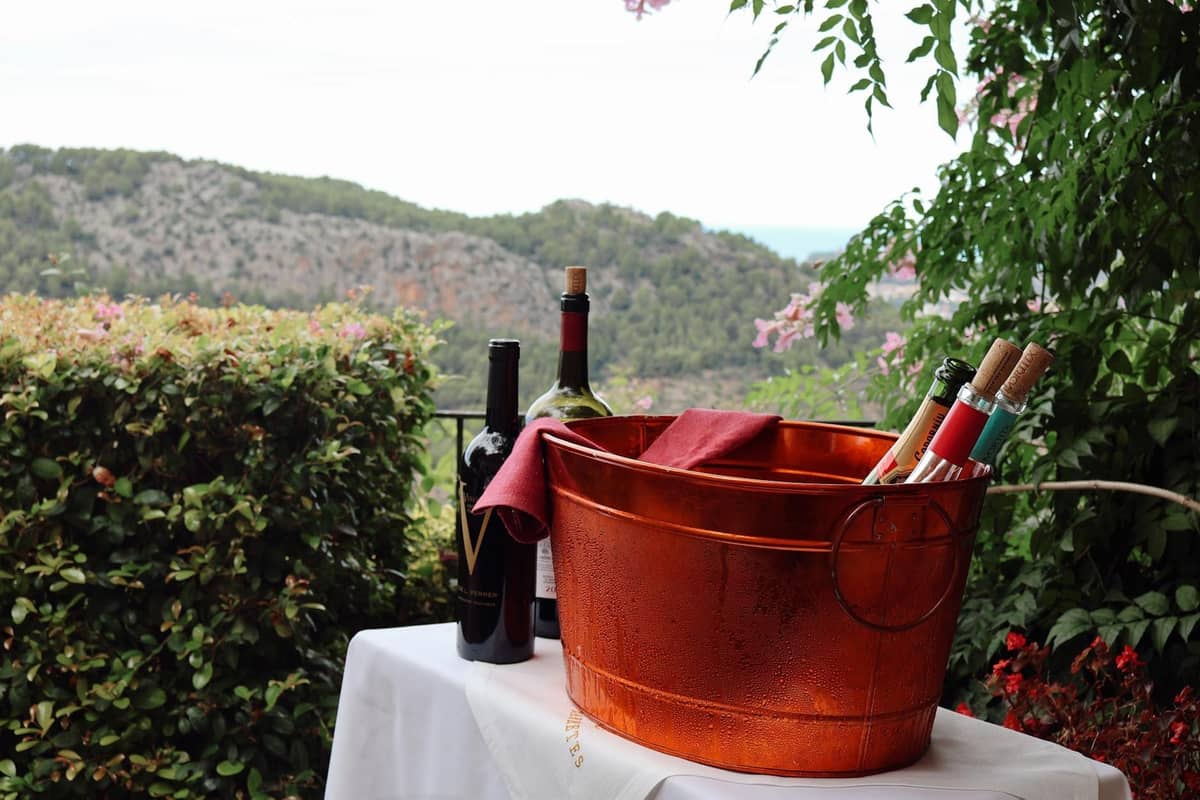
A standard winery visit in Mallorca typically runs 90 minutes to two hours and covers three elements: a walk through the vineyards (seasonal, but most worthwhile from April through October), a tour of the cellar and production facilities, and a seated tasting of four to five wines. Most estates serve local accompaniments with the tasting: Mallorcan sheep's cheese (formatge de Maó is common across the Balearics, though local varieties exist), cured sobrassada, olives, pa amb oli, and sometimes ensaïmada or Quelitas, the traditional salty crackers from Inca.
Many wineries offer tours in English as well as Spanish and German, reflecting the island's international visitor base. Pricing varies by estate and package, but expect to pay roughly 15-35 euros per person for a standard tour with tasting. More elaborate experiences involving barrel tastings, vertical flights, or lunch pairings run higher. Some tours through third-party operators include transport from Palma, which is worth considering since you will be drinking.
⚠️ What to skip
Do not drive after a full winery tour. Most Mallorcan wine routes require a car to navigate between estates, which creates an obvious problem. Either designate a non-drinking driver, book a guided tour that includes transport, or limit yourself to one estate per afternoon if you plan to drive back to Palma. Police checks on rural roads are not rare.
September and October are particularly good months to visit. Harvest activity adds a layer of interest to cellar tours, and the temperatures are more comfortable than July or August. Spring visits in April and May catch the vineyards in early growth and coincide with the famous almond blossom season a few months earlier — plan accordingly if you want both. For full seasonal context, the spring Mallorca guide covers what the island looks like April through June.
Practical Logistics: Getting to Mallorca's Wine Country

The Binissalem wine region sits roughly 25-30 km northeast of Palma, about 30 minutes by car. Crucially, it is also accessible by train: the Serveis Ferroviaris de Mallorca (SFM) rail line connecting Palma to Inca stops at Binissalem station, making it the only major wine destination on the island reachable without a car. Combine a train visit to Binissalem with a stop at the weekly market in Sineu if your timing aligns (Wednesdays).
Pla i Llevant wineries require more planning. Felanitx and the surrounding zone are 50-60 km from Palma, closer to an hour's drive. Renting a car gives you the flexibility to combine winery visits with coastal stops in the southeast. The car rental guide for Mallorca covers the practicalities of driving on the island, including road conditions in rural areas.
- Book winery visits at least a week in advance in summer (June-August) — popular estates fill up fast
- The Palma to Binissalem train takes around 25-30 minutes and runs regularly; check SFM schedules before you go
- Several Palma-based wine shops stock the island's best bottles if you cannot visit a winery directly: look for specialist shops in the Santa Catalina neighbourhood
- Mallorcan wines are often priced more fairly at the cellar door than in restaurants, where markups are significant
- If you are staying in Palma, a half-day guided wine tour to Binissalem is a realistic option that includes transport and returns you to the city by early afternoon
💡 Local tip
The wine town of Binissalem hosts its annual wine festival (Festa des Vermar) in late September, celebrating the grape harvest with tastings, music, and a traditional grape-treading competition. It is one of the most authentic local festivals on the island and worth building a trip around if your dates align.
FAQ
What wine is Mallorca known for?
Mallorca is best known for red wines made from indigenous varieties, particularly Manto Negro (the dominant grape in Binissalem DO) and Callet (the star of Pla i Llevant DO). The most internationally recognized producer is Anima Negra, near Felanitx, whose Callet-based wines are sold in over 40 countries. For whites, look for bottles made from Moll (also called Prensal Blanc), Mallorca's main native white grape.
Which Mallorca wineries offer tours in English?
Most of the major wineries, including Bodegas Ribas (Consell), Can Majoral (Algaida), and Oliver Moragues (Algaida), offer tours in English. Availability varies by season, so booking in advance via the winery website or by email is essential. Third-party tour operators also run English-language guided wine tours departing from Palma, which include transport.
How far are Mallorca's wineries from Palma?
Binissalem DO wineries are roughly 25-30 km from Palma, about 30 minutes by car or 25-30 minutes by train on the SFM Inca line. Pla i Llevant DO estates near Felanitx are further, around 50-60 km from Palma, requiring about an hour's drive. Most wine country on the island falls within a 30-60 minute radius of the capital.
When is the best time to visit Mallorca wineries?
September and October are ideal: harvest activity makes cellar visits more interesting, temperatures are comfortable, and summer crowds are thinning. Spring (April-May) is also good for vineyard visits when the vines are in early growth. July and August work logistically but require earlier booking and you will be competing with peak-season tourists for slots.
Can I visit Mallorca's wine region without a car?
Yes, but only partially. The Binissalem DO is the exception: the SFM rail line connects Palma to Binissalem station, making it accessible without a car. For Pla i Llevant DO and wineries in Algaida or Felanitx, you will need a car or a guided tour that includes transport from Palma. Hiring a private driver for the day is another option if you want to visit multiple estates without worrying about drinking limits.