Mallorca in Summer: What to Expect in July & August
July and August are Mallorca's peak season for a reason: warm sea temperatures, near-constant sunshine, and a full calendar of activities. But peak season also means peak crowds and peak prices. This guide breaks down exactly what summer looks like on the island so you can decide if it's right for you.
Plan and book this trip
Tools from our partner Travelpayouts help you compare flights and hotels. If you book through them, we may earn a commission at no extra cost to you.
Flights
Hotels map
TL;DR
- July averages 28-32°C with around 11 hours of sunshine per day and sea temperatures of 23-24°C. August is hotter, with highs pushing 35°C, with sea temps reaching 25-26°C.
- Both months are true peak season: expect full beaches, higher accommodation prices, and advance booking requirements for ferries, restaurants, and popular attractions.
- Summer is ideal for water sports and beach life. For hiking or exploring the Serra de Tramuntana, consider early morning starts or wait for shoulder season.
- Rain is rare but not impossible, especially late August when brief thunderstorms can appear. Pack sun protection and stay hydrated regardless.
- If you want Mallorca's coastline without the full summer intensity, the best time to visit Mallorca is May, June, or September.
July in Mallorca: Weather, Crowds, and What to Expect
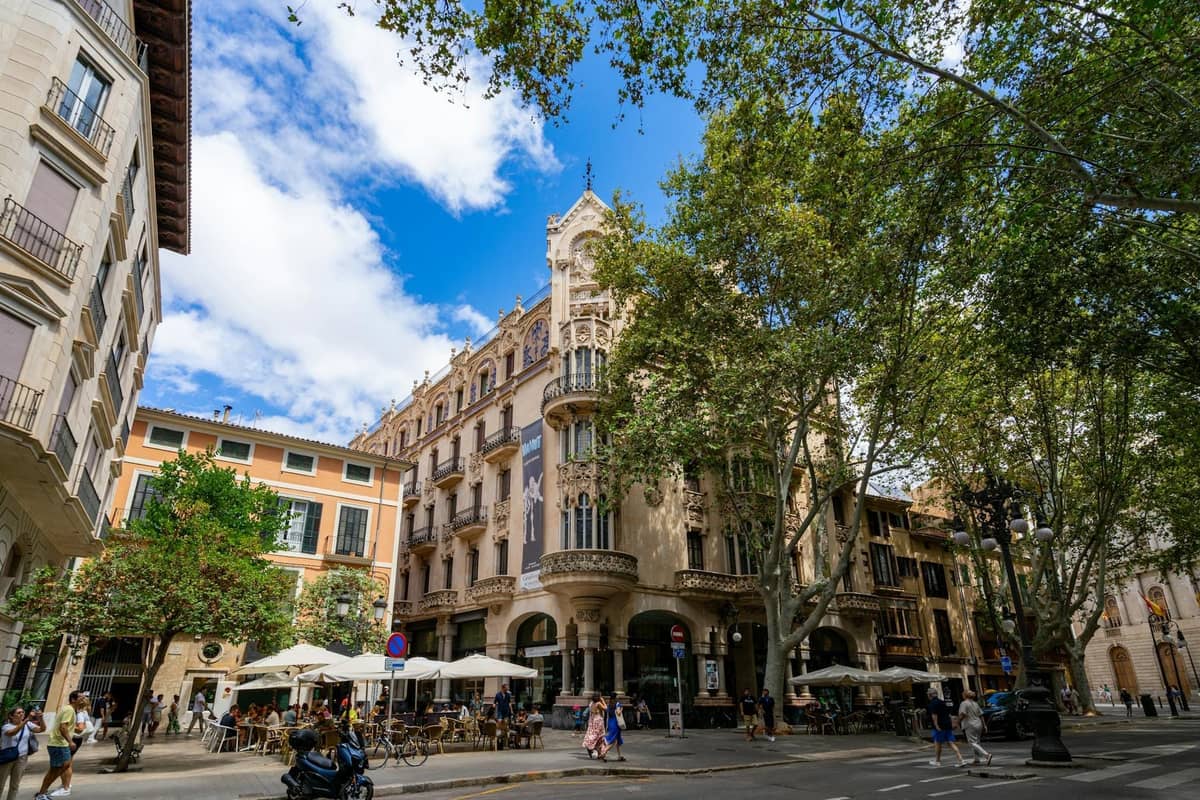
July is the first true peak month. Average daytime temperatures sit around 28-31°C, with highs regularly hitting 30-32°C inland and in Palma. Coastal areas get relief from the Mediterranean breeze, which keeps things more tolerable than the raw numbers suggest. Lows drop to around 20-22°C, making evenings genuinely pleasant. Humidity hovers around 63-65%, which is moderate for the Mediterranean.
Rainfall in July is almost negligible: typically 6-8mm spread across a single rainy day. With around 11 hours of sunshine daily, the sun is simply dominant. Sea temperatures reach 23-24°C, warm enough for extended swimming, snorkeling, and water sports without a wetsuit. If you want to get on the water, July is one of the best months for jet skiing, scuba diving, and kayaking. The conditions are stable and wind speeds are low, averaging 10-13 km/h.
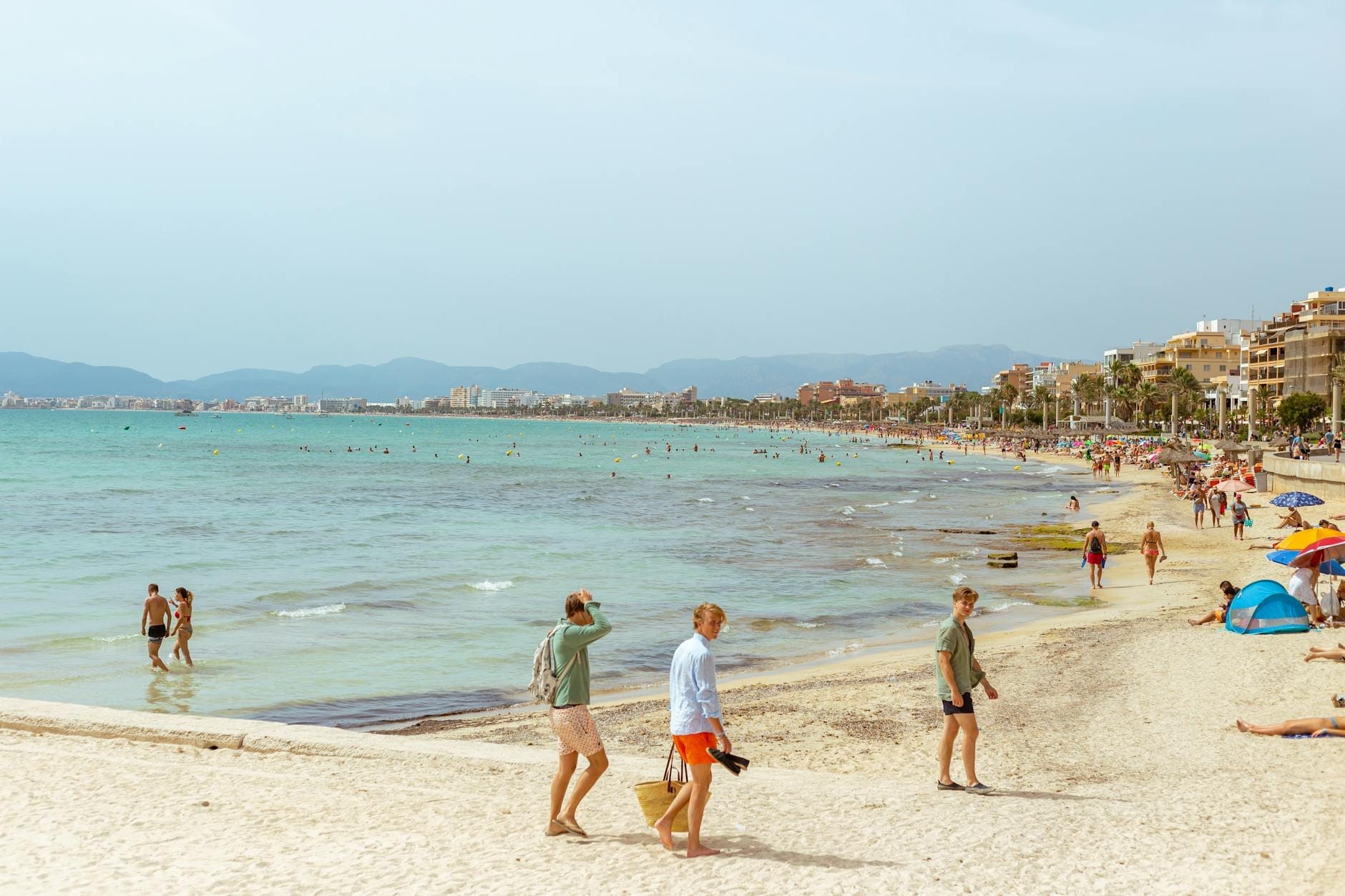
Crowd-wise, July is serious. Palma's popular spots like Parc de la Mar and the cathedral waterfront fill up by mid-morning. The most accessible beaches, particularly in the south and east, see their highest footfall. If you're heading to any signature location, arrive early, ideally before 10am, or plan for a late afternoon visit when day-trippers start leaving.
💡 Local tip
Book accommodation, car rental, and popular boat trips at least 6-8 weeks in advance for July travel. Waiting until two weeks out will severely limit your options and push costs significantly higher.
August in Mallorca: The Hottest Month Explained
August is Mallorca's hottest and most crowded month, full stop. Average temperatures rise to around 27°C, but highs can reach 35°C, particularly in the interior plains and the Raiguer region. The coast stays cooler thanks to sea breezes, but urban Palma can feel intense during the middle of the day. Sea temperatures peak at 25-26°C, making August the best month purely for warm-water swimming.
Unlike July, August carries a slightly higher storm risk, especially in the final two weeks. Rainfall averages around 22mm over roughly 2 rainy days, and occasional late-afternoon thunderstorms can roll in quickly. These usually pass within an hour, but they can disrupt beach days or boat trips. Keep an eye on forecasts if you're planning anything weather-dependent.
The water sports calendar is at its fullest in August. Parasailing, wakeboarding, and paddleboarding operators run at full capacity from most resort beaches. For something more independent, boat trips around Mallorca's coastline are particularly popular in August, with routes covering coves inaccessible by road. Book these in advance since high-quality half-day and full-day charters sell out weeks ahead.
⚠️ What to skip
Do not underestimate the UV index in August. Even with cloud cover, UV levels are consistently high (8-10 on the index). Reapply sunscreen every 90 minutes, especially after swimming, and avoid prolonged sun exposure between noon and 4pm.
Beaches in Summer: The Real Picture
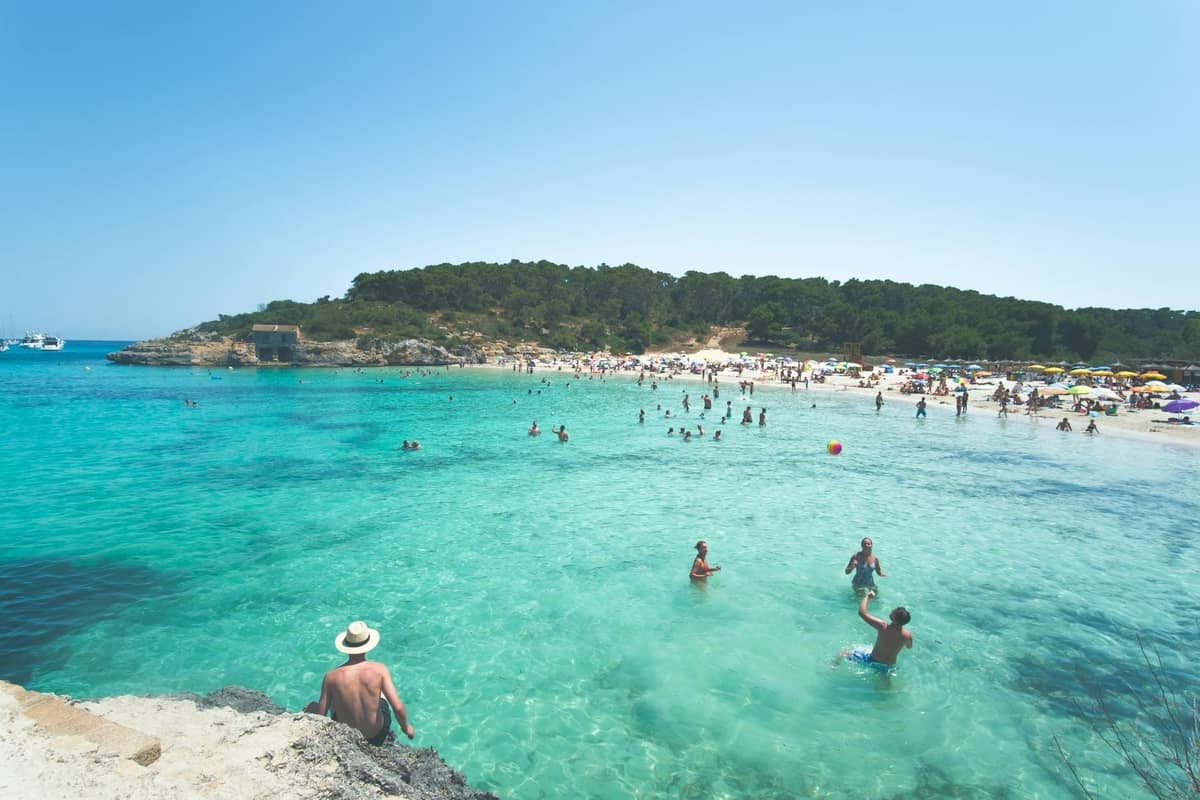
Mallorca has over 200 beaches, and the experience varies enormously depending on which you choose. The flagship spots, places like Es Trenc and Playa de Muro, attract large numbers in summer and for good reason: the water is extraordinary and facilities are well-developed. But arrive after 11am in July or August and you will be competing for sand space.
The southeast coast around Cala Figuera and Cala Llombards tends to attract a slightly quieter crowd than the resort beaches of the southwest, though quieter is relative in peak season. For genuine solitude, you typically need to get off a paved road entirely, which means hiking down a rocky track with your gear. It is worth it, but be realistic about the effort involved.
- Es Trenc Mallorca's most famous natural beach. 3km of white sand near Colònia de Sant Jordi. No hotels on the shoreline. Gets crowded by late morning in peak season; arrive before 9:30am or pay extra for one of the shuttle buses from nearby towns.
- Cala Agulla (near Cala Rajada) A broad, sheltered sandy bay in the northeast with pine forest backdrop. Popular with families. Less intense than south-coast beaches and benefits from a natural windbreak.
- Caló des Moro The most photographed cove in Mallorca. Small, dramatic, and heavily restricted in summer. Access is timed and numbers are limited, so arrive early or use the shuttle from Santanyí.
- Formentor Peninsula beaches Access is restricted to private vehicles in summer; you must use the shuttle bus from Port de Pollença. Plan for this or you will be turned back at the checkpoint.
✨ Pro tip
The north and northeast coastlines around Cala Mesquida and Alcúdia tend to have more space than the overcrowded southwest. If you have a rental car, prioritise these areas for a more relaxed beach experience in peak season.
Activities and Experiences Worth Prioritising in Summer
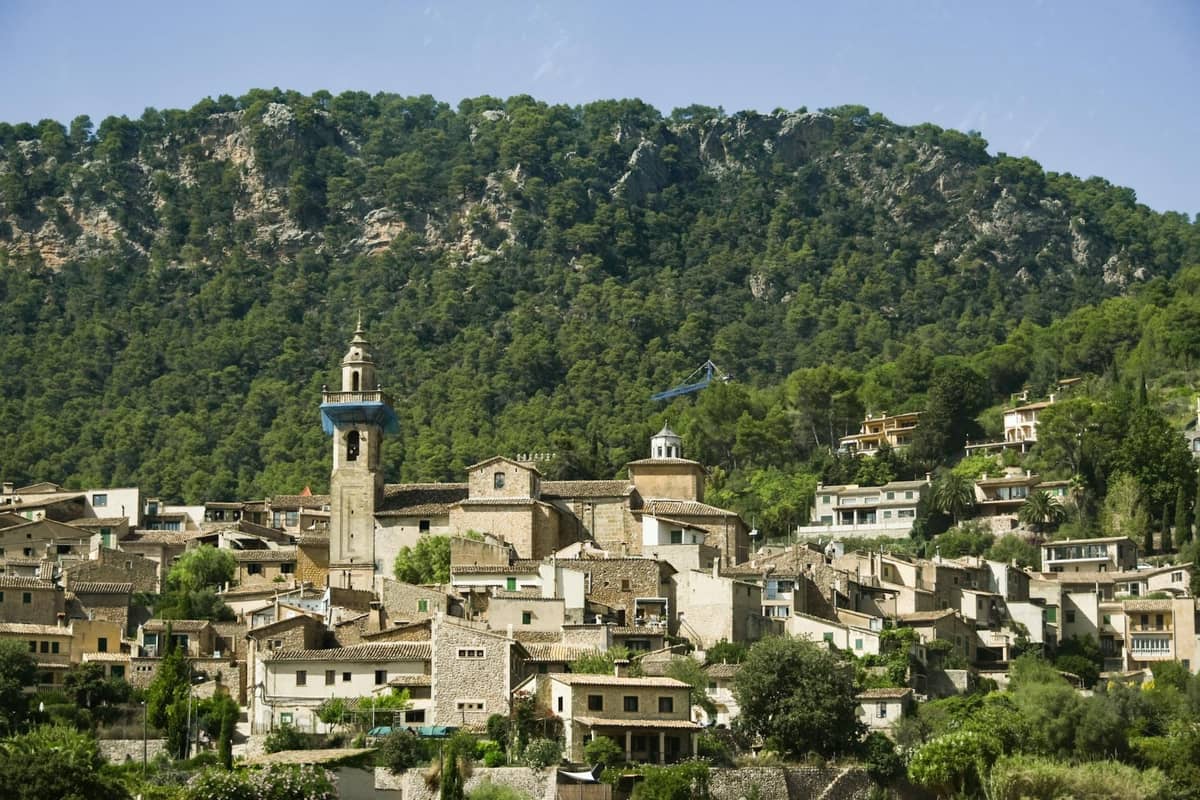
Summer rewards those who plan around the heat rather than against it. Mornings before 10am and late afternoons after 5pm are the windows for sightseeing in Palma or walking through mountain villages. Midday hours are genuinely best spent at the beach or beside a pool.
Cycling is popular in Mallorca year-round, but summer cycling requires careful route selection. The cycling routes in Mallorca that work well in summer are those starting at dawn, heading toward the coast, and finishing before noon. The Sa Calobra climb, one of the island's most iconic cycling roads, is best attempted very early in July and August to avoid both heat and tourist traffic.
For a different perspective on the island, Mallorcan food culture is at its most accessible in summer. Local markets run weekly across the island, and evening restaurant terraces fill up with a mix of locals and visitors eating well into the night. The main market in Sineu runs on Wednesdays and is one of the most authentic on the island, drawing genuine produce vendors rather than tourist stalls.
- Start hikes before 7am to beat the heat in the Tramuntana mountains
- Book the Sóller Train weeks in advance as it sells out in July and August
- Visit the Drach Caves in the morning when tour group timing is slightly less intense
- Use the EMT buses in Palma to avoid parking headaches in the city centre
- Reserve evening restaurant tables at least 24-48 hours ahead in resort areas
Getting Around Mallorca in Peak Season
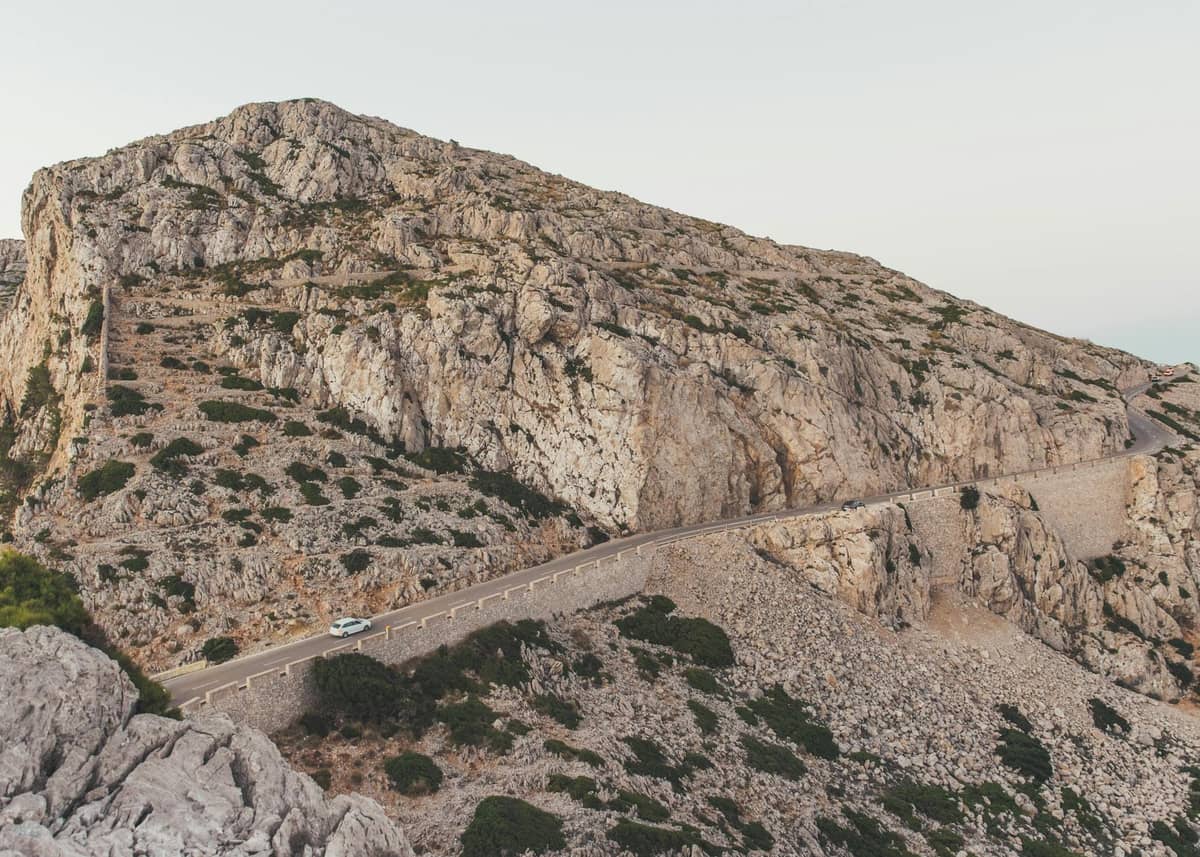
A rental car gives you the most flexibility, but summer brings specific challenges: parking at popular beaches is limited and often expensive, and road access to some coves is restricted. Renting a car in Mallorca is still the best option for exploring inland and reaching less accessible areas, but book well in advance since July and August inventory depletes quickly and last-minute prices spike.
The island's public transport network, operated by Serveis Ferroviaris de Mallorca, covers the main routes between Palma and key towns. The train to Sóller is the most scenic option and runs regularly, though it fills up fast in summer. The bus network reaches most resort areas but can be slow during peak hours. For a full breakdown of your options, the guide to getting around Mallorca covers schedules, costs, and practical logistics.
Palma Airport (PMI) handles its heaviest traffic in July and August. Allow extra time for arrivals and departures. Check-in queues and passport control at peak times can add 30-45 minutes to your airport experience. The airport has tourist information offices where you can pick up maps and local transport passes on arrival.
Honest Assessment: Is Mallorca in Summer Right for You?
Summer in Mallorca is genuinely excellent for beach holidays, water sports, and soaking up the Mediterranean atmosphere. The combination of warm sea temperatures, long sunny days, and a full tourism infrastructure makes it one of Europe's most complete summer destinations. If a beach-focused trip with good food, nightlife options, and easy logistics is what you want, July and August deliver.
Where it struggles: the popular areas feel saturated in peak season. The best coves require early starts or shuttle buses. Accommodation costs are at their highest. If you are looking to explore the island deeply, hike seriously, or experience Mallorcan culture away from tourist infrastructure, summer is not the ideal time. The heat limits your active hours, and the crowds at key sites are genuinely difficult to avoid.
For those who want summer warmth without the full August intensity, late June or early September offer a compelling compromise: sea temperatures are still excellent (around 22-24°C in late June, warm through September), crowds are noticeably thinner, and prices drop. The autumn shoulder season and spring months both offer solid alternatives for travellers who want to explore more of the island.
FAQ
How hot does Mallorca get in July and August?
July averages around 28-32°C during the day, with lows around 20-22°C at night. August is the hottest month, with highs regularly reaching 33-35°C inland. Coastal areas are cooled by sea breezes, making them more comfortable than the interior during the hottest part of the day.
Is it too crowded in Mallorca in summer?
The popular beaches, Palma's waterfront, and well-known coves like Caló des Moro are genuinely crowded in July and August. However, the island is large enough (3,640 km²) that with a rental car and some planning, you can find quieter beaches and inland areas with far fewer visitors. The experience depends heavily on where you go and when you arrive.
Does it rain in Mallorca in summer?
July sees very little rain, typically 6-8mm spread over a single day. August is slightly wetter, averaging around 22mm over 2 rainy days. Late August can bring brief thunderstorms, usually short-lived but occasionally disruptive. Neither month is reliably dry so do not count on completely rain-free conditions.
What is the sea temperature in Mallorca in July and August?
Sea temperatures in July reach 23-24°C, ideal for swimming without a wetsuit. August sees the warmest water of the year at 25-26°C. Both months are excellent for water sports including snorkeling, scuba diving, kayaking, and paddleboarding.
How far in advance should I book for a summer trip to Mallorca?
For July and August, book accommodation and car rental at least 6-8 weeks in advance, preferably longer for popular hotels or specific villa rentals. Boat trips, the Sóller train, and some popular restaurants should be reserved 1-3 weeks ahead. Waiting until the last minute in peak season will cost you significantly more and limit your choices.