Best Things to Do in Mallorca: The Definitive Guide
Mallorca is far more than beach resorts and package holidays. This guide covers the best things to do across the island — from free hikes in the UNESCO-listed Tramuntana mountains to boat trips along the rugged north coast — with real prices, seasonal advice, and honest opinions on what's worth your time.
Plan and book this trip
Tools from our partner Travelpayouts help you compare flights and hotels. If you book through them, we may earn a commission at no extra cost to you.
Flights
Hotels map
TL;DR
- Mallorca rewards slow travel: the best experiences sit away from the resort strips, in mountain villages, sea caves, and quiet coves — see our guide to lesser-known spots for ideas beyond the obvious.
- Spring (April-May) and autumn (September-October) offer the best conditions for outdoor activities with smaller crowds and lower prices than peak summer.
- A hire car is almost essential for getting the most out of the island — public transport connects major towns but misses most of the good stuff.
- Budget travellers can cover beaches, hikes, and village markets for €50-80 per day; full-day tours and boat trips add €40-70 on top — check the budget Mallorca guide for a full breakdown.
- Free entry days exist at major museums: Es Baluard on Tuesdays, Fundació Pilar i Joan Miró on Saturdays from 3 PM and the first Sunday of each month.
Palma: More Than a Gateway City
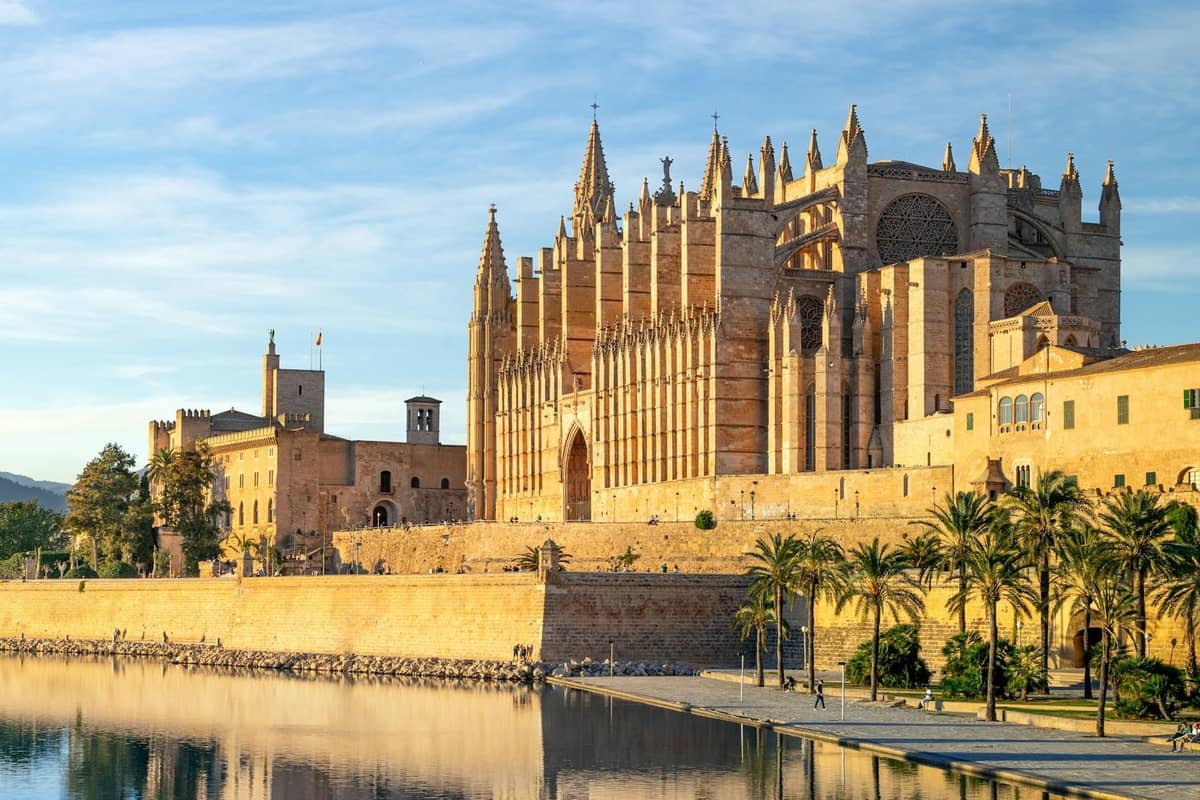
Most visitors treat Palma as a transfer hub, which is a mistake. The capital sits on the southern coast along the Bay of Palma and holds nearly half the island's population — roughly 430,000 people. Its old town contains one of the most impressive Gothic cathedrals in Spain, a 14th-century seafront exchange building, Arab baths dating to the 10th century, and a neighbourhood food market that locals actually use. A full day here, done properly, easily competes with anything else on the island. Start with La Seu cathedral — entry costs around €8-9 (book online to skip queues) — then walk five minutes to the Palace of La Almudaina next door.
The Arab Baths in the Es Call quarter are small but genuinely atmospheric — one of the best-preserved Moorish monuments in the Balearics. From there, walk north to the Mercat de Santa Catalina, the city's best food market and the neighbourhood where Palma residents actually eat and drink. Avoid the tourist-oriented Mercat de l'Olivar for lunch — it's fine, but Santa Catalina has better quality at lower prices.
💡 Local tip
Es Baluard, the contemporary art museum built into Palma's old city walls, offers free entry on Tuesdays. The Fundació Pilar i Joan Miró — dedicated to the artist who lived and worked in Mallorca for decades — is free on Saturdays from 3 PM and on the first Sunday of each month from 10 AM to 3 PM. Plan around these days if you're watching your budget.
Serra de Tramuntana: The Island's Natural Centrepiece
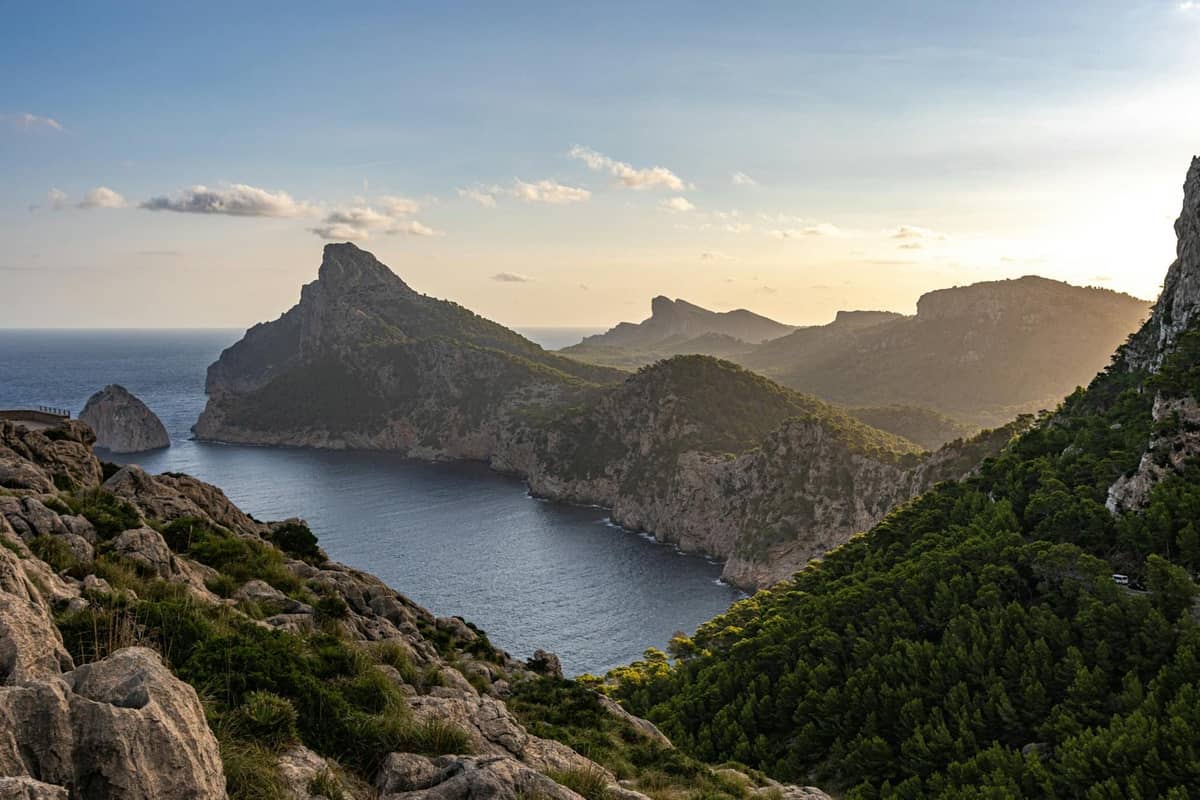
The Serra de Tramuntana mountain range runs along Mallorca's northwest coast for about 90 kilometres and was designated a UNESCO World Heritage Cultural Landscape in 2011. This is where the island's most dramatic scenery lives: limestone cliffs dropping into turquoise water, terraced olive groves that have been worked for centuries, and hilltop villages that feel genuinely removed from the resort economy. The range is the backbone of serious hiking in Mallorca and also home to some of the world's most celebrated cycling climbs.
The village of Deià sits above the sea about 17 km northeast of Palma and is probably the most photographed settlement on the island. It's real, not curated — people live and work here — but it does attract a steady stream of visitors from April onwards. For something quieter, Fornalutx near Sóller is smaller, steeper, and less trafficked. The drive along the MA-10 mountain road between Andratx and Pollença is one of the best road trips in Spain — allow three to four hours to do it without rushing.
- Sa Calobra A near-vertical road descends 800 metres to a tiny harbour and dramatic gorge walk. Come early (before 9am) or late afternoon to avoid tour buses. The boat trip from Sóller costs around €40 per adult and lets you skip the traffic entirely.
- Sóller and Port de Sóller The 1912 wooden railway from Palma to Sóller is one of the island's most enjoyable experiences — a 55-minute journey through orange groves and mountain tunnels. Return tickets cost around €25-35. The port below Sóller has good seafood restaurants and a sheltered beach.
- Santuari de Lluc The island's most important pilgrimage site sits in a mountain valley at around 525 metres elevation. The complex is open year-round and has accommodation if you want a base for Tramuntana hikes. Entry to the sanctuary itself is free.
- Son Marroig and Sa Foradada The clifftop estate near Deià has a famous sea-arch viewpoint (Sa Foradada) that juts into the Mediterranean 200 metres below. Admission is around €4 and the views justify every cent.
Beaches Worth the Effort
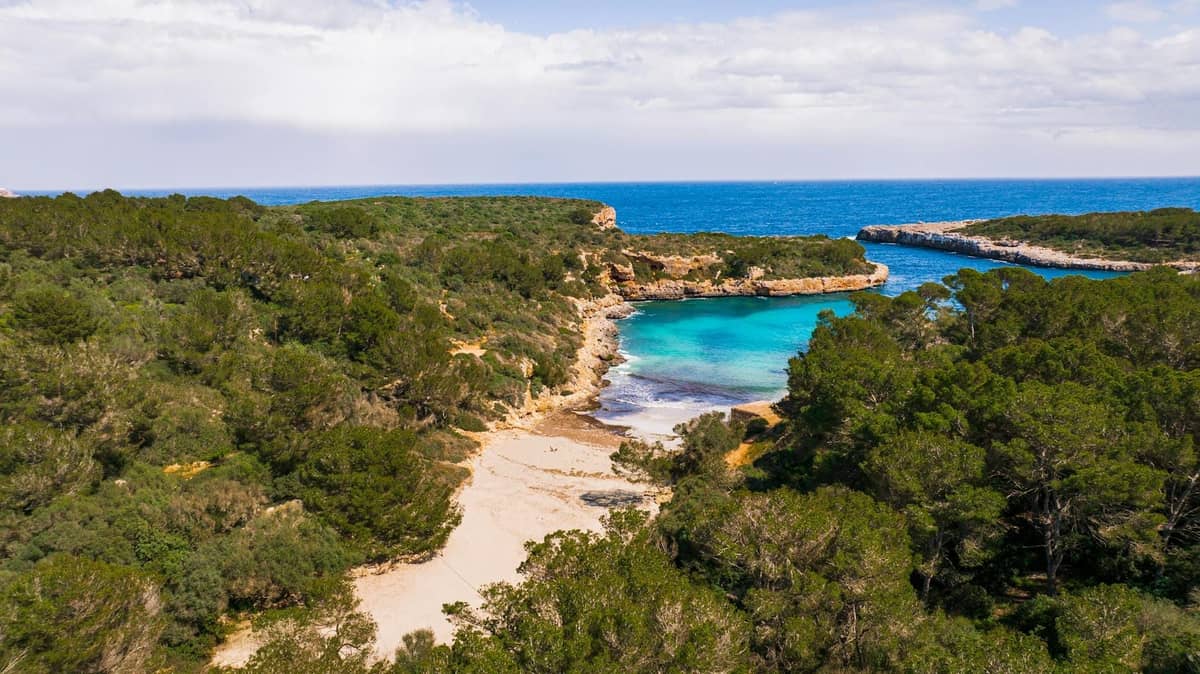
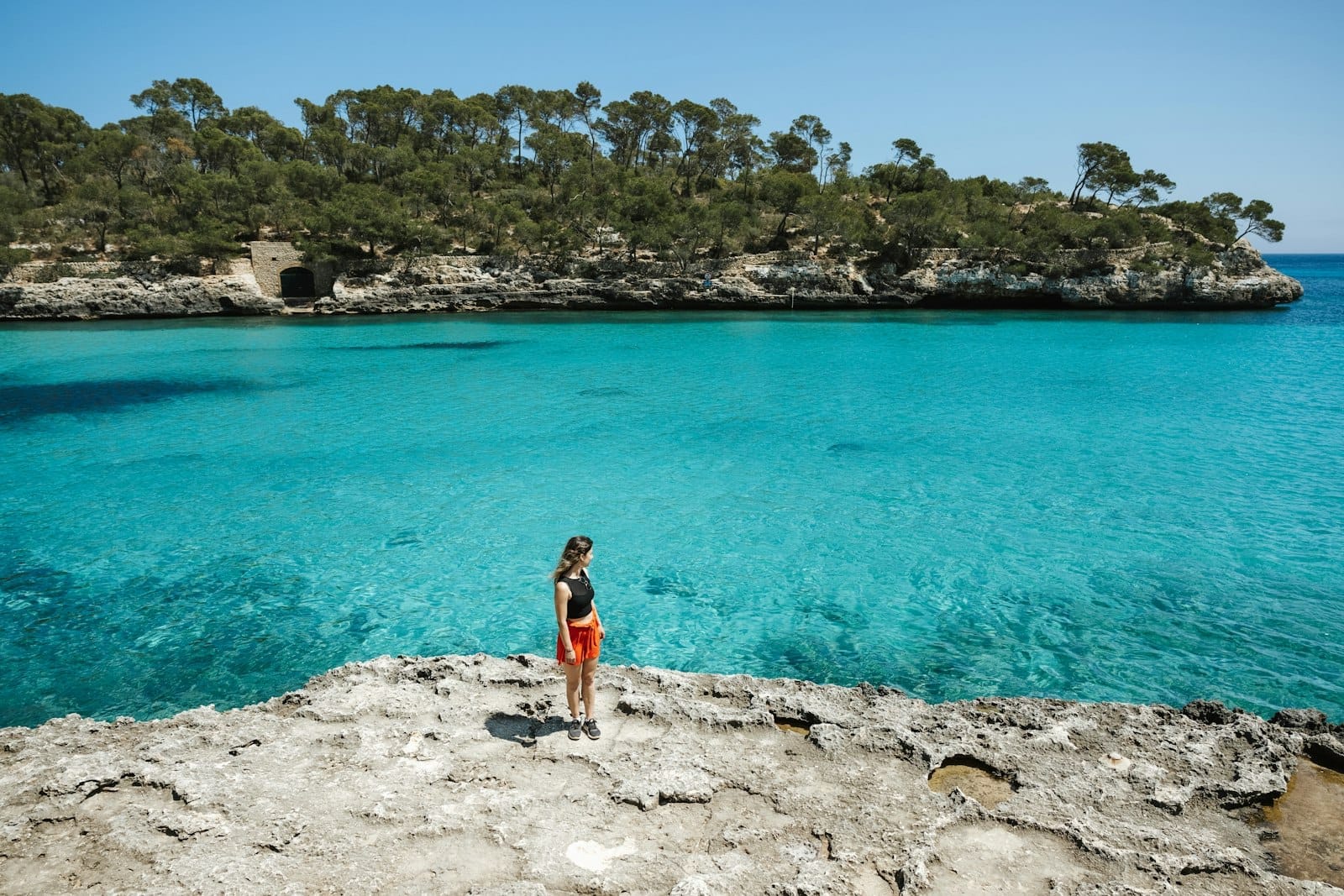
Mallorca has over 200 beaches across its 550-kilometre coastline. Most of the famous ones are fine — broad, clean, well-serviced — but the ones worth seeking out require either a walk or a boat. Caló des Moro in the southeast is the most photographed cove on the island: a narrow inlet with water that shifts from pale turquoise to deep green. The access road is blocked to cars in summer, so plan on a 20-25 minute walk each way. Go before 9am or after 4pm to find any space.
Es Trenc on the south coast is Mallorca's longest undeveloped beach — around 6 kilometres of fine white sand backed by dunes and a natural park. It attracts a mixed crowd including nudists toward the eastern end. Parking fills by 10am in July and August; the €6-8 parking fee applies in peak season. Playa de Muro in the north is longer and calmer, with shallower water that makes it genuinely good for families. The nearby S'Albufera wetlands are worth combining into the same trip.
⚠️ What to skip
Magaluf and S'Arenal are the two most intensively developed resort strips on the island. The beaches themselves are perfectly functional, but the immediate surroundings are loud, crowded, and oriented toward package-holiday nightlife. If that's not your scene, there's no reason to go — Mallorca offers dozens of better beach options within 30 minutes of Palma.
Active & Outdoor Experiences
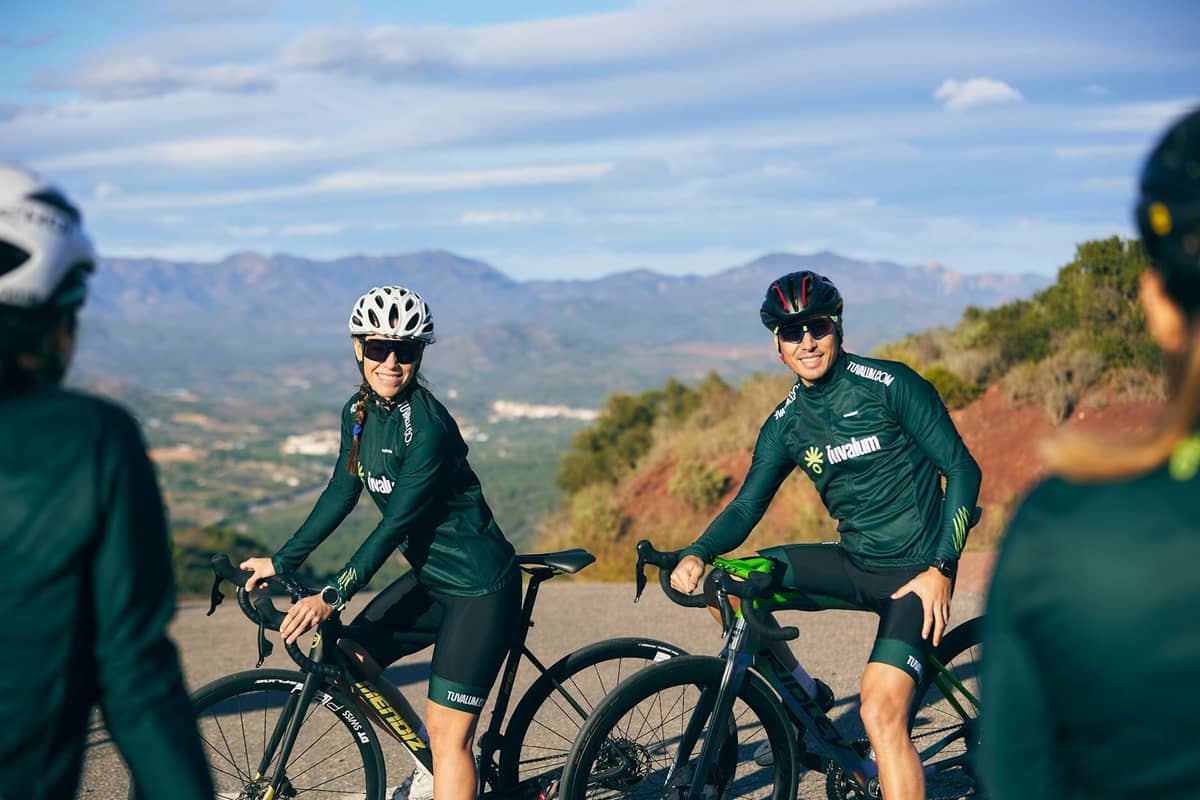
Mallorca has built a serious reputation as a cycling destination, particularly in the Tramuntana. Professional teams from across Europe use the island for pre-season training camps from February onwards. The climbs to Puig Major and Col de Sóller are well-known benchmarks; the roads are well-surfaced and drivers are generally accustomed to cyclists. Quality road bike hire in Palma costs around €25-40 per day. For a route overview, the Mallorca cycling routes page covers the main options by difficulty.
Boat trips are one of the most enjoyable ways to see the coastline — cliffs and sea caves that are inaccessible by road become reachable from the water. A 5-hour catamaran cruise with lunch and swimming stops typically costs around €60-70 per adult. For something more remote, a day trip to Cabrera National Park — an uninhabited archipelago 17 km south of Mallorca — requires advance booking and costs around €50-60 including the ferry. Numbers are limited by the national park authority, so summer departures book out weeks ahead.
- Hot-air balloon flights over the central plains (Pla de Mallorca) run year-round in calm weather. Expect to pay around €150-180 per person for a 1-hour flight at dawn. Visibility is best in spring and autumn.
- Snorkelling at Mondragó Natural Park in the southeast — protected waters mean cleaner visibility and more marine life than resort beaches. Entry to the park is free.
- Kayaking along the Formentor Peninsula coastline — several operators in Port de Pollença offer half-day guided paddles that reach caves and coves unreachable on foot.
- Canyoning in the Torrent de Pareis gorge near Sa Calobra — one of the most dramatic landscapes on the island, accessible only on foot or by guided canyon descent. Not suitable for inexperienced hikers.
- Cycling the Via Verde de Mallorca, a converted railway line through the central Raiguer zone — flat, suitable for families, and mostly car-free.
Culture, History & Food Worth Your Time
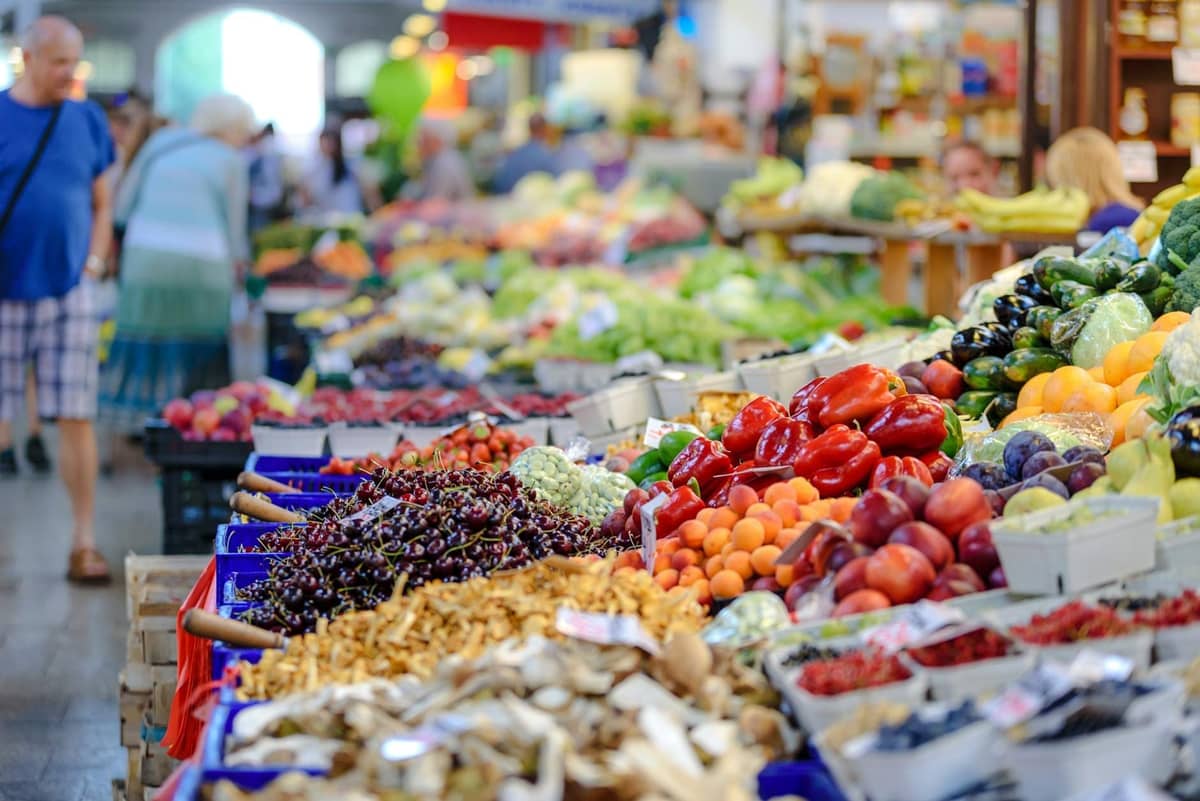
Mallorca's interior is often ignored in favour of the coast, which is the visitor's loss. The weekly market circuit is one of the best ways to understand how the island actually functions. Sineu market, held every Wednesday, is the largest and oldest on the island — a working agricultural market rather than a tourist craft fair. Alcúdia runs markets on Tuesdays and Sundays; Artà on Tuesdays. These are all free to browse and the food stalls are worth factoring into lunch plans. For a deeper look at the old town context, Alcúdia's medieval walled town is the best-preserved on the island and easy to combine with a market visit.
The food culture in Mallorca is more distinctive than most visitors expect. The island has its own culinary traditions: ensaïmada (a spiral pastry made with saïm, i.e. lard), sobrassada (a cured pork sausage with paprika), and pa amb oli (bread rubbed with tomato and olive oil, the local equivalent of pan con tomate). Mallorca also produces wine from its DO Binissalem and DO Pla i Llevant appellations — the grape variety Callet is unique to the island. The Mallorca food guide covers where to eat by region, from Palma market restaurants to traditional cellers in the interior.
✨ Pro tip
The Rafa Nadal Museum Xperience in Manacor (the tennis champion's hometown) costs around €27 and is genuinely well-produced — not just memorabilia, but an interactive sports facility. It's worth the detour if you're already in the east of the island visiting the Drach Caves or Cala Figuera.
Planning Logistics: When to Go and How to Get Around
Mallorca's Mediterranean climate delivers over 280 sunny days per year and an average annual temperature around 21°C. The catch is that July and August bring heat (regularly above 32°C), peak prices, packed beaches, and difficult parking at any popular site. April, May, and October are the strongest months for active travel: comfortable temperatures, good sea visibility for snorkelling, and significantly lower accommodation costs. February is worth considering specifically for the almond blossom season — roughly 4 million almond trees flower across the interior, creating some striking scenery. See the dedicated almond blossom guide for timing and locations.
Getting around independently requires a hire car for anything beyond Palma and the main towns. The public bus network (managed by TIB, Transport Interilles Balears) covers most of the island but runs infrequently on rural routes — sometimes two or three times per day. The Sóller train and the Palma Metro are useful for specific journeys but won't replace a car for exploring the coast. Hiring a car costs around €30-60 per day in shoulder season and significantly more in August. Book in advance for summer travel. The car hire guide for Mallorca covers the main companies, insurance considerations, and parking rules.
FAQ
What are the best things to do in Mallorca for first-time visitors?
For a first visit, prioritise La Seu cathedral and the old town in Palma, a drive along the MA-10 mountain road through the Tramuntana, at least one cove beach in the southeast (Caló des Moro or Cala Figuera), and a boat trip or the Sóller railway. These give you the city, mountains, and coast without over-scheduling. Allow at least five days to do them without rushing.
What unique things can you do in Mallorca that you can't do elsewhere?
A few experiences are specific to the island: riding the 1912 wooden train from Palma to Sóller through the Tramuntana, visiting the Drach Caves at Porto Cristo (one of the largest accessible cave systems in the world), kayaking along the Formentor Peninsula, and eating a genuine Mallorcan ensaïmada fresh from a local pastisseria. The almond blossom season in January-February is also unique to the Balearic and eastern Spanish interior.
What things can you do in Mallorca on a budget?
More than most people realise. All public beaches are free, the Tramuntana hiking trails are free, Palma's old town costs nothing to explore, and village markets charge no entry. Major museums offer free days (Es Baluard on Tuesdays, Fundació Miró on Saturdays from 3 PM and the first Sunday of each month). A realistic daily budget of €50-80 per person covers accommodation in a guesthouse or Airbnb, food at local restaurants, and one paid activity. Avoiding July and August cuts accommodation costs by 30-50%.
How many days do you need in Mallorca to see the highlights?
Five to seven days is the practical minimum for covering Palma, the Tramuntana, the north coast, and the southeast beaches without feeling rushed. A long weekend (three to four days) works if you stay in Palma and limit yourself to one or two day trips. Ten days or more allows you to explore the interior, the east coast caves, and the southern tip properly. See the full breakdown in the how-many-days guide.
What things to do in Mallorca are worth booking in advance?
Cabrera National Park day trips (numbers strictly limited by the park), the Sóller vintage train in July and August (sells out), sunset catamaran cruises in peak season, La Seu cathedral (queues are long without a ticket), and any accommodation in Deià or Valldemossa if you want to stay overnight. Hot-air balloon flights should be pre-booked but can usually be arranged a few days ahead outside of August.