Palma Aquarium: Europe's Deepest Shark Tank and 700 Species Under One Roof
Palma Aquarium (Acuario de Palma) sits just 500 metres from Playa de Palma beach and draws visitors with 55 tanks, over 8,000 marine specimens, and the Big Blue: a shark tank 8.5 metres deep, the deepest in Europe. It is one of the most complete marine attractions in the western Mediterranean.
Quick Facts
- Location
- C/ Manuela de los Herreros i Sorà, 21, Can Pastilla, Palma de Mallorca – 500 m from Playa de Palma beach
- Getting There
- Accessible by bus, taxi, or car from central Palma; Can Pastilla is roughly 10 km east of the city centre along the Bay of Palma
- Time Needed
- 2.5 to 4 hours depending on age of group and feeding schedule timing
- Cost
- Paid entry; check palmaaquarium.com for current ticket prices as they vary by season and age group
- Best for
- Families with children, marine wildlife enthusiasts, and visitors looking for an indoor option on rainy or very hot days
- Official website
- palmaaquarium.com/en
What Palma Aquarium Actually Is
Palma Aquarium opened in June 2007 and is operated by Coral World International, a group with marine attractions across multiple continents. Its official Spanish name is Acuario de Palma. The facility covers 24,000 square metres on the Can Pastilla coastline, close enough to the sea that you can smell salt air before you reach the entrance. Inside, 55 tanks hold more than 8,000 individual specimens representing over 700 species drawn from the Mediterranean, Atlantic, Indian, and Pacific oceans.
Two records make this aquarium worth singling out. First, the Big Blue shark tank reaches 8.5 metres in depth, making it the deepest shark tank in Europe. Second, the facility holds Europe's largest living coral collection. These are not marketing numbers: both influence the quality of what you actually see. The corals in particular are dense and visually striking in a way that differs noticeably from aquariums that rely primarily on fish.
In 2007, the aquarium received the Best Business Initiative award from the Balearic publication Actualidad Económica and the Accessibility Prize from the Consell de Mallorca. The latter is reflected in the design: wide corridors, ramp access throughout, and very few bottlenecks even on busy days.
The Big Blue: Standing Under Europe's Deepest Shark Tank
The centrepiece of the aquarium is the Big Blue, a tank containing multiple shark species visible through an acrylic tunnel that runs through the base of the enclosure. The depth of 8.5 metres means the water column above the tunnel is genuinely imposing: sharks cruise at mid-water height and the light filtering from above creates a bluish diffusion that shifts depending on the time of day and how many visitors are around you.
💡 Local tip
If shark feeding takes place on the day of your visit, check the schedule board at the entrance and plan your time in the Big Blue section accordingly. The feeding windows are the moments when the tank is most visually active.
The tunnel experience works best when it is not crowded. Aim for the first 90 minutes after opening (around 9:30 AM) or on weekday mornings in shoulder season. Midday in July and August, school groups and families peak simultaneously and the tunnel can feel claustrophobic. The quality of the experience does not change, but your ability to pause and observe does.
Tickets & tours
Hand-picked options from our booking partner. Prices are indicative; availability and final rates are confirmed when you complete your booking.
Banana Boat Experience in Mallorca
From 14 €Instant confirmationFree cancellationPalma de Mallorca 30-minute Jet Ski Tour with Visit to the Cathedral
From 99 €Instant confirmationFree cancellationSnorkel Tour in Mallorca
From 40 €Instant confirmationFree cancellationPalma de Mallorca: Small-Group Tour & Fast-Track Cathedral
From 59 €Instant confirmationFree cancellation
Moving Through the Tanks: A Practical Walkthrough
The route through Palma Aquarium is designed to flow chronologically through ocean zones, beginning with Mediterranean ecosystems and progressing outward to Atlantic, Indo-Pacific, and deep ocean environments. This is not an arbitrary sequence. Starting with familiar Mediterranean species before reaching tropical tanks gives children a useful point of comparison and keeps the pacing from feeling repetitive.
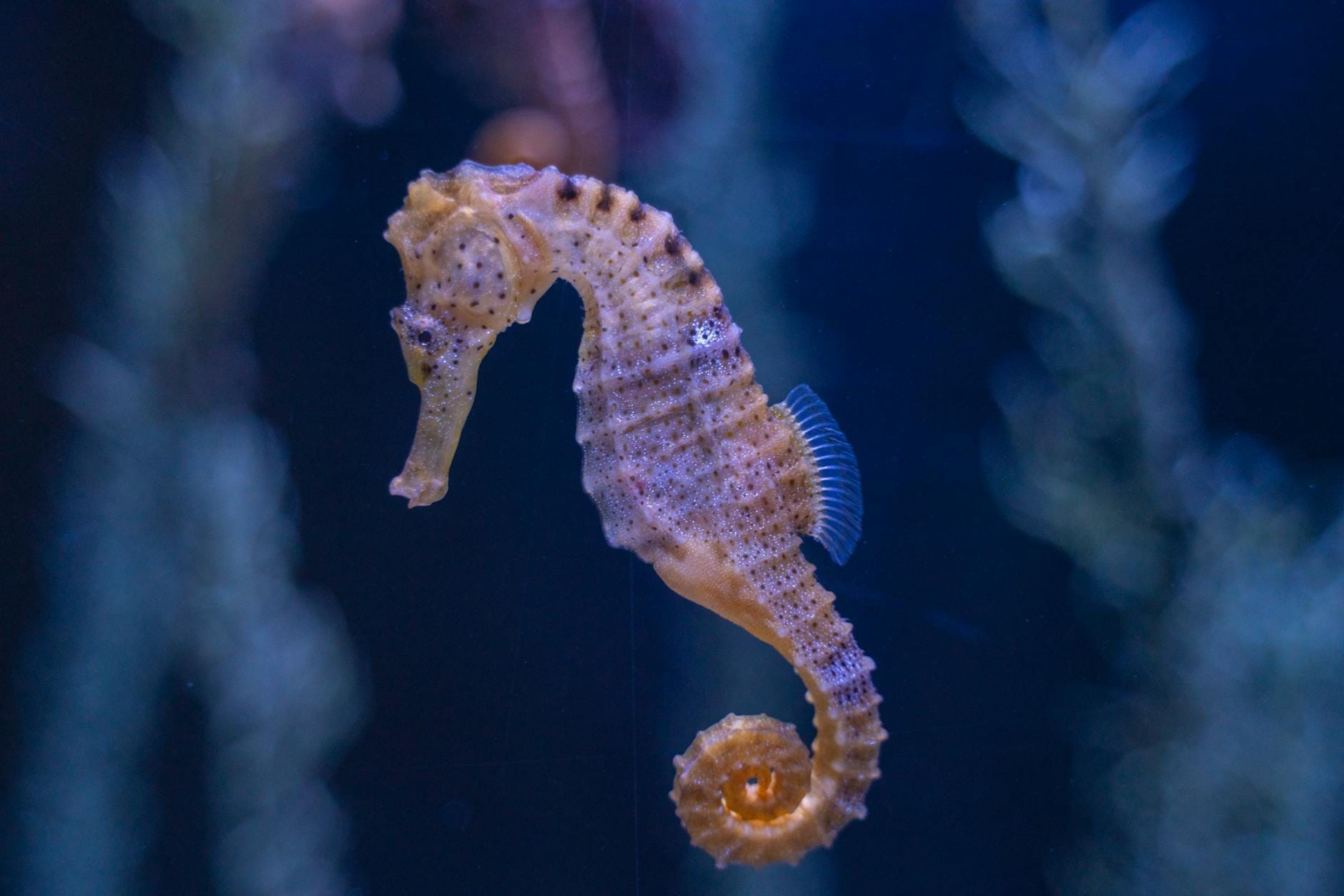
The Mediterranean section contains local reef fish, octopus, and seahorses in tanks that are shallower and brighter than the deep-ocean exhibits. Lighting here is cool and diffuse, which suits photography without flash. As you move into the tropical sections, the tanks become darker and the species more diverse: large rays, groupers, lionfish, and dense coral formations occupy multi-level tanks where it takes several minutes to see everything at each stop.
The total walking distance through all exhibits is moderate, but the route includes backtracking in some zones. Families with pushchairs or visitors using wheelchairs will find the floors fully accessible throughout. Sensory load can be high in the deeper tunnel sections due to low ambient light and the contrast with the brighter corridors, which is worth considering for very young children or anyone sensitive to abrupt transitions between light and dark.
The Jungle: A Rooftop Garden Above the Sea
Above the main aquarium building sits the Jungle, described as the largest rooftop garden in Spain at the time of construction. It combines tropical planting with interactive zones and a separate section housing land animals and reptiles. The transition from the cool, dimly lit interior to the open-air garden is marked and abrupt: the heat and brightness on a July afternoon can be intense, so carry water and sunscreen if you plan to spend time here.
The Jungle functions as a second attraction in its own right rather than a simple add-on. Children who have been quiet and compliant through the aquarium interior tend to become considerably more energetic here. If you are travelling with adults who have limited tolerance for crowds, the rooftop can be skipped without missing the core aquarium experience, though it adds approximately 30 to 45 minutes if included.
Palma Aquarium is situated in Can Pastilla, a coastal neighbourhood east of central Palma along the Bay of Palma. The beach immediately adjacent is Playa de Palma, a long sandy stretch that remains one of the most visited on the island. Combining a morning at the aquarium with an afternoon on the beach is a natural pairing for families. For more on Mallorca's beaches, see the guide to the best beaches in Mallorca.
Who This Works For, and Who It Doesn't
Palma Aquarium performs best as a family attraction for children between roughly 4 and 14 years old. The combination of interactive elements, the shark tunnel, and the outdoor Jungle covers a wide enough range of interest levels to keep mixed-age groups engaged. Adults travelling without children will find the aquarium competent and well-maintained, but it is unlikely to rank as a highlight of a Mallorca trip for someone primarily interested in architecture, history, or landscape.
For serious marine biology enthusiasts, the coral collection is genuinely impressive and worth the visit on its own terms. The diversity of Indo-Pacific species in the tropical section is wider than many similar attractions of comparable size in Europe.
Visitors on a tight budget should weigh the ticket cost against their interest level before committing. Palma and the surrounding area offer significant free or low-cost alternatives for families and nature-focused travellers. The aquarium is not overpriced relative to comparable European marine attractions, but it is not cheap either.
If you are looking for outdoor marine environments rather than indoor exhibits, Mallorca's natural coastline provides alternatives ranging from snorkelling coves to protected marine areas. The Mondragó Natural Park in the southeast combines wetland and coastal ecosystems accessible to families without an entrance fee.
Practical Details: Getting There, When to Go, What to Bring
The aquarium's address is C/ Manuela de los Herreros i Sorà, 21, in the Can Pastilla neighbourhood, approximately 10 kilometres east of Palma city centre along the coast road. By car, parking is available nearby. By public transport, buses connect central Palma to Can Pastilla; check Empresa Municipal de Transports (EMT Palma) or TIB (Transport Interurbà de les Illes Balears) for current routes and stops. Taxis and ride services from central Palma take roughly 15 to 20 minutes in normal traffic.
ℹ️ Good to know
Opening hours vary by season; verify current times at palmaaquarium.com as hours from April 1 to October 31 were previously 9:30 AM to 6:30 PM daily. Hours outside this period may differ. Verify current times and ticket prices at palmaaquarium.com before your visit, as seasonal adjustments are common.
The interior is fully climate-controlled, making this one of the more comfortable options during Mallorca's mid-summer heat when outdoor temperatures regularly exceed 32°C. Wearing light layers is advisable as the deep tank sections run noticeably cooler than the entrance areas. The outdoor Jungle section requires sun protection during peak summer hours.
Photography inside the aquarium is possible without flash in most zones. A phone camera with a reasonably capable low-light mode will produce usable results in the brighter Mediterranean and tropical sections. The Big Blue tunnel is more challenging due to the contrast between the bright tank and the dark surroundings, but slower shutter speeds on a manual setting can compensate.
If your Mallorca itinerary is still taking shape, the guide to Mallorca with kids covers how to balance beach time, nature attractions, and family-focused sites across the island.
Context: Can Pastilla and the Bay of Palma
Can Pastilla sits at the eastern end of the Bay of Palma, separated from the city centre by the airport flight path and a stretch of continuous beach development. It is not a neighbourhood that attracts visitors for its architecture or gastronomy: its appeal is almost entirely coastal. The aquarium fits logically into this context as an anchor attraction for a beach-oriented day.
Palma city centre, with its Gothic cathedral, Arab Baths, and historic old town, is a separate experience entirely and worth at least half a day on its own. The Palma Old Town is roughly 10 kilometres west, making it straightforward to combine with an aquarium visit if you start early.
For travellers considering how Palma Aquarium fits into a wider island trip, see the full guide to things to do in Mallorca for a broader view of what the island offers beyond the coast.
Insider Tips
- Arrive at opening time (9:30 AM) on weekdays in July or August. The Big Blue shark tunnel is almost empty for the first 45 minutes and you can stand in it for as long as you want before tour groups arrive.
- Check the feeding schedule board at the entrance immediately on arrival. Feeding sessions in the shark tank and other large exhibits are the highest-activity moments in the aquarium and worth timing your circuit around.
- The rooftop Jungle section gets very hot between noon and 3 PM in summer. If you have children who want to spend time there, plan to do it early in your visit before the heat peaks.
- Tickets purchased online directly from palmaaquarium.com typically offer a discount versus door prices and help you skip the ticket queue, which can be significant on summer weekend mornings.
- The aquarium is 500 metres from Playa de Palma beach. If you combine both in one day, bring a change of clothes and a bag for wet swimwear: the beach works better as an afternoon activity after the aquarium rather than before.
Who Is Palma Aquarium For?
- Families with children aged 4 to 14 looking for a structured half-day activity
- Visitors seeking an indoor option during extreme summer heat or overcast days
- Marine biology and coral reef enthusiasts interested in Europe's largest living coral collection
- Travellers basing themselves near Playa de Palma who want a morning activity before the beach
- Visitors with mobility considerations: the facility is fully accessible and was designed with accessibility as a stated priority
Nearby Attractions
Other things to see while in Palma de Mallorca:
- Arab Baths (Banys Àrabs)
The Banys Àrabs are the only intact remnant of Palma's Islamic past, dating to the 10th or 11th century. Compact but genuinely atmospheric, this ancient hammam in the heart of the old city takes less than an hour to visit and rewards anyone with even a passing interest in history.
- Bellver Castle
Perched on a pine-covered hill 3 km west of Palma's city centre, Bellver Castle is one of Europe's rare circular Gothic fortresses. Built under King Jaume II and completed around 1311, it has served as a royal residence, a prison, and now houses the Palma Municipal History Museum. The views over Palma Bay alone justify the climb.
- Bishop's Garden (Jardí del Bisbe)
Tucked behind the towering walls of Palma Cathedral, the Jardí del Bisbe is a small formal garden on the grounds of the Episcopal Palace. Free to enter and often overlooked by visitors rushing between La Seu and the seafront, it offers citrus groves, herb beds, an ornamental pond, and a rare ground-level view of the cathedral's famous rose window.
- Es Baluard Museum of Modern & Contemporary Art
Es Baluard Museu d'Art Contemporani de Palma occupies a Renaissance bastion on the old city walls, combining 800-plus works of modern and contemporary art with sweeping views over Palma Bay. It is one of the most architecturally striking museum settings in the Balearic Islands, and far less crowded than the cathedral a few minutes' walk away.