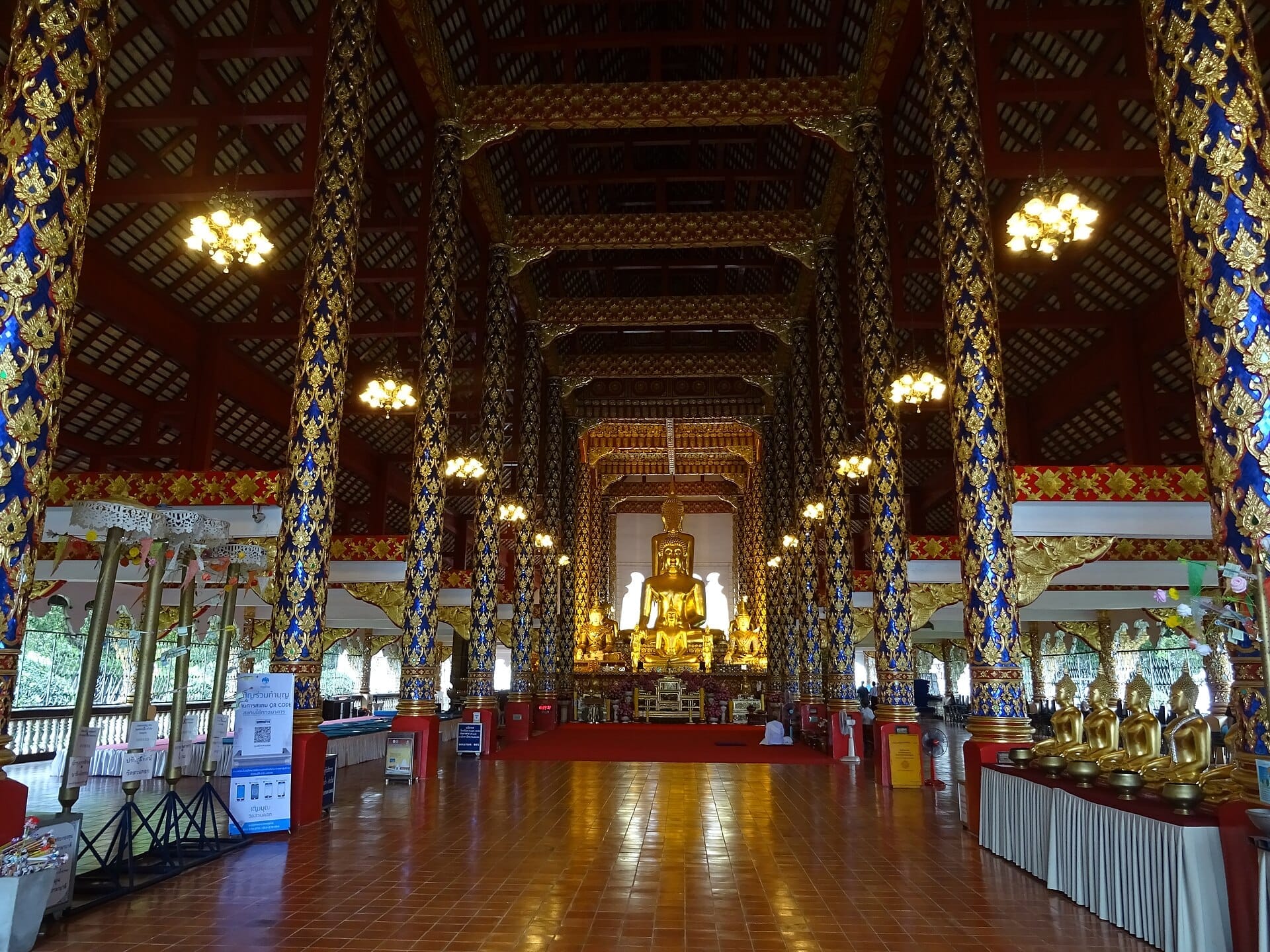
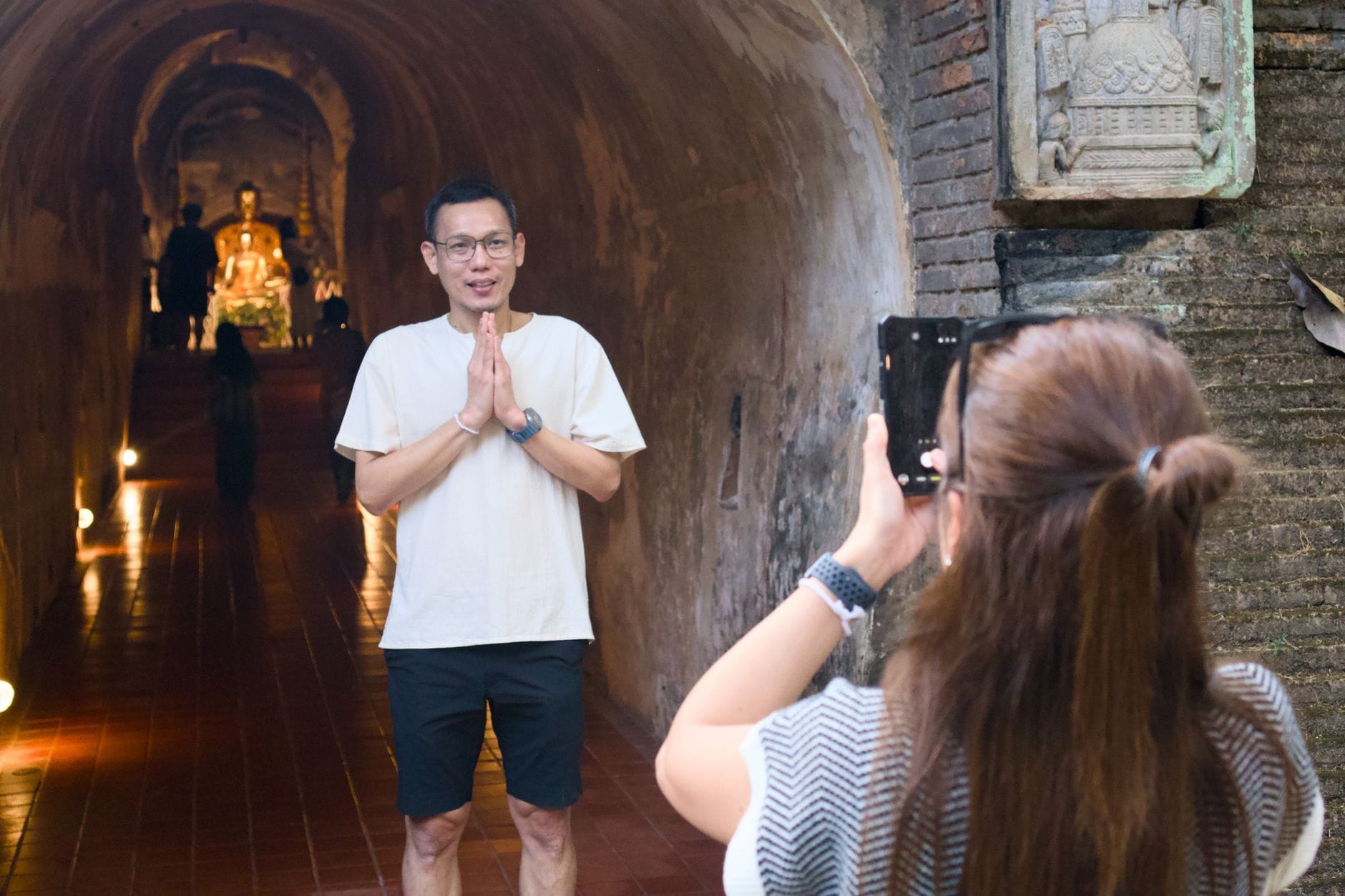
Chiang Mai's Old City is a roughly 1.6-kilometer square of living history, ringed by a restored moat and fragments of 700-year-old walls. It holds the highest concentration of temples in the city, a walkable grid of lanes, and enough street food, guesthouses, and cultural landmarks to fill several days.
The Old City is the geographic and spiritual heart of Chiang Mai, a compact district roughly 1.6 kilometers per side, enclosed by a moat and the remains of Lanna-era walls that have stood since the 13th century. More than just a historic district, it is where the city's Buddhist culture, street-level commerce, and traveler infrastructure converge in a way that feels genuinely lived-in rather than curated. No other neighborhood in Chiang Mai puts ancient temple gates, morning alms-giving, and excellent khao soi within the same five-minute walk.
Orientation
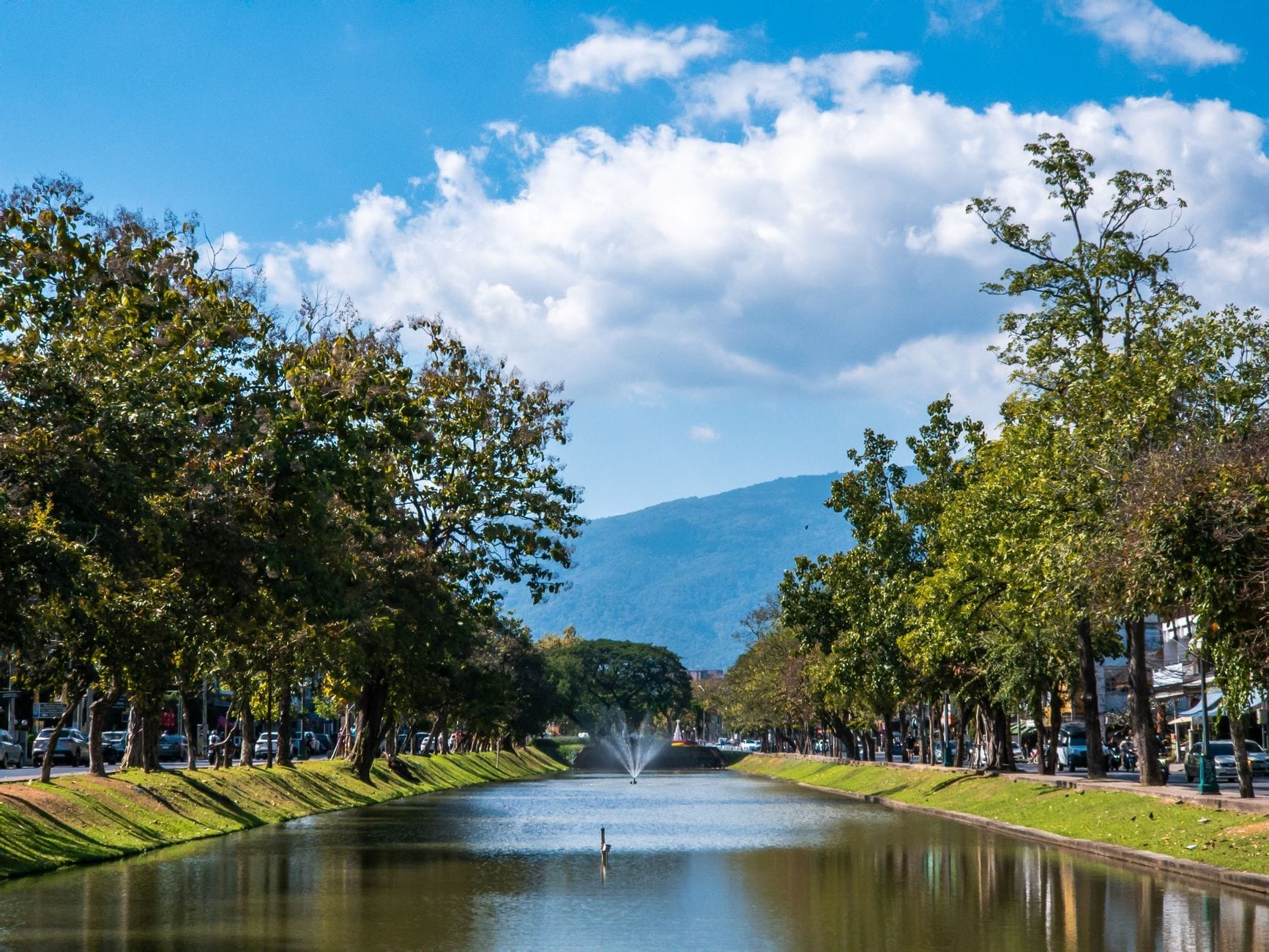
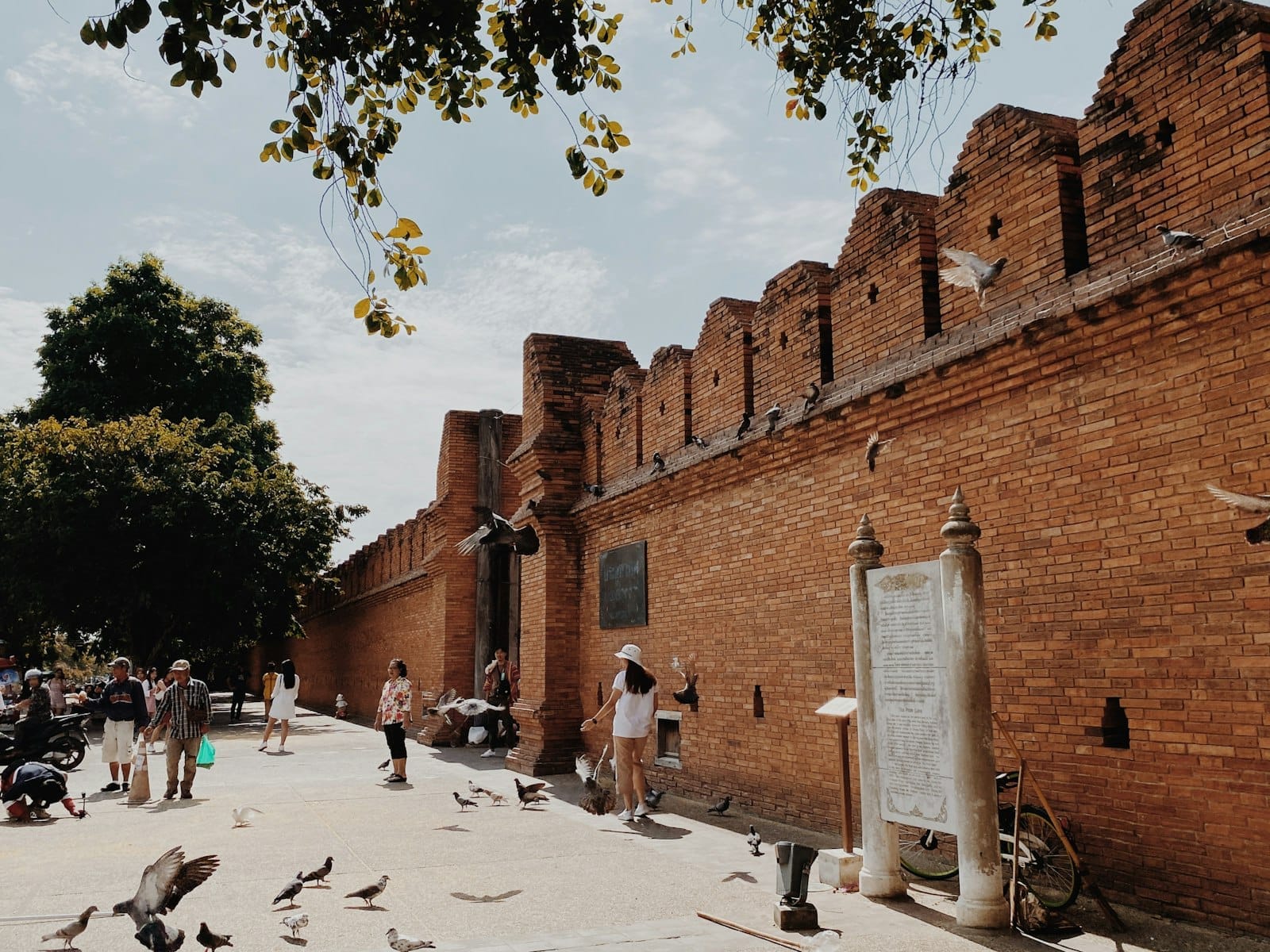
The Old City occupies a near-perfect square in the center of Chiang Mai, measuring roughly 1.6 kilometers on each side. Its boundaries are defined by the moat on all four sides, and the remnants of the original city walls appear at each corner in the form of restored bastions. The main gates are Tha Phae Gate to the east, Suan Dok Gate to the west, Chang Phuak Gate to the north, and Chiang Mai Gate to the south.
East of the moat, Tha Phae Road leads directly toward Tha Phae Gate and continues into the Night Bazaar district along the Ping River. West of the moat, Suthep Road connects to Nimman Road and eventually climbs toward Doi Suthep. Understanding this east-west axis is the quickest way to orient yourself: the Old City sits between the river commerce to the east and the university and cafe culture of Nimmanhaemin to the west.
Inside the walls, the street grid is relatively straightforward. Ratchadamnoen Road runs east-west through the center of the square and is the main artery for the Sunday Walking Street. Phra Pokklao Road runs north-south and intersects Ratchadamnoen at the Three Kings Monument, which functions as the civic and geographic midpoint of the district. Most temples, guesthouses, and restaurants sit within five to ten minutes' walk of this central intersection.
ℹ️ Good to know
The Old City square measures about 1.6 kilometers per side, meaning you can walk from any gate to the center in roughly ten to fifteen minutes. A corner-to-corner walk takes around thirty to thirty-five minutes at a relaxed pace.
Character and Atmosphere
The Old City does not feel frozen in time, but it does feel layered. Ancient temple compounds share walls with guesthouse rooftops. A monk in saffron robes passes a coffee cart. A tuk-tuk navigates around a family on bicycles. The density of history per square meter is unusually high, yet the neighborhood also functions as a working district with schools, government offices, and residential lanes where locals hang laundry and keep spirit houses.
Mornings are the best time to understand what the Old City actually is. By 6:30 a.m., monks from the major temples are making their alms rounds, moving quietly through the streets while residents and a few respectful travelers offer rice and food. The air carries the smell of incense and fresh jasmine garlands from the flower sellers near Wat Chedi Luang. Street food carts materialize at corners, serving joke (rice porridge), fresh-cut fruit, and bags of coffee with condensed milk. The light at this hour is soft and low, cutting long shadows between the teak shophouses.
By midday, the lanes heat up and foot traffic thins. This is when the Old City shows its quieter, residential face. Cats sleep on temple walls. Guesthouses pull their shutters half-closed. Locals duck into noodle shops that rarely see tourists. If you want to explore the major temples without crowds, the early afternoon hours between 1 and 3 p.m. are often surprisingly peaceful.
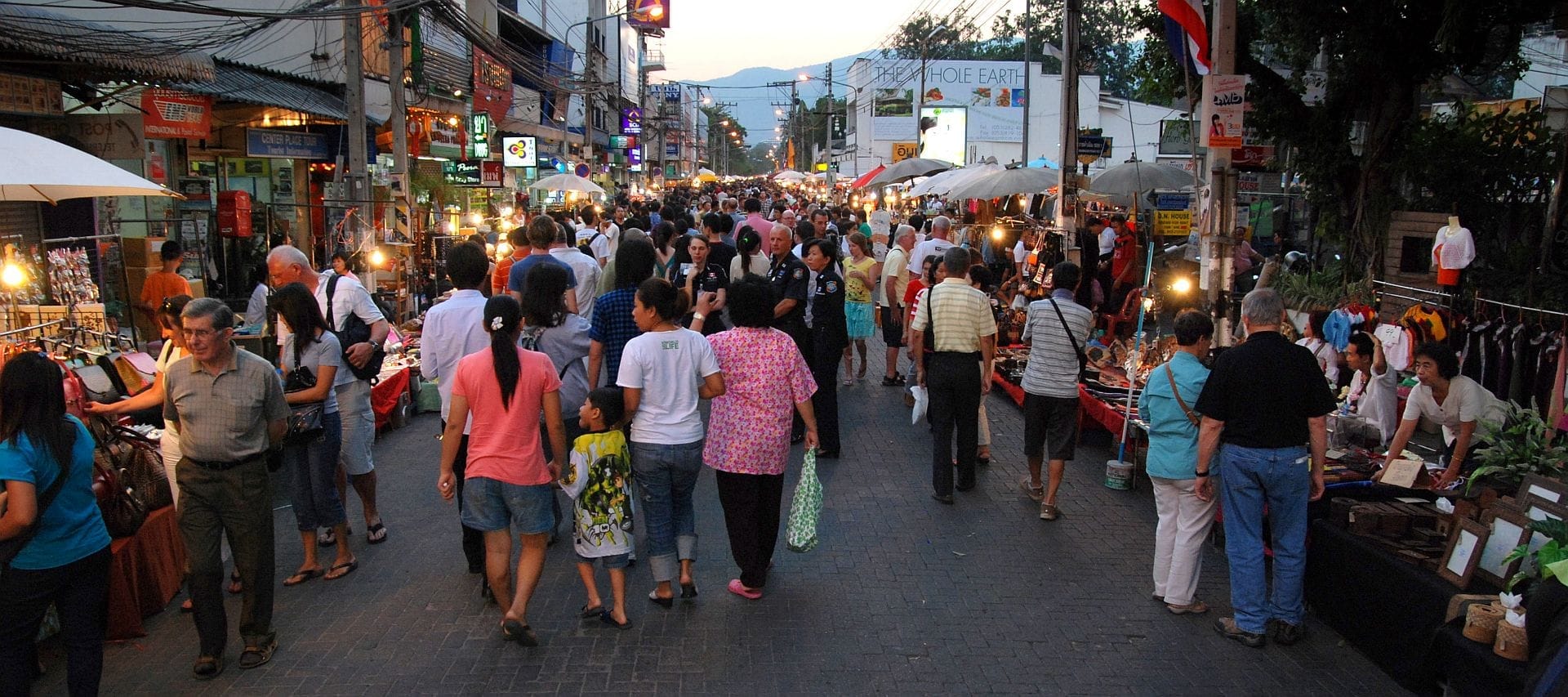
After dark, the character shifts again. On Sunday evenings, Ratchadamnoen Road transforms into the Sunday Walking Street, drawing thousands of visitors and vendors from across the city. On other nights, the area around Tha Phae Gate and the lanes just inside the moat hosts a lower-key mix of bars, small restaurants, and the kind of guesthouse common rooms where travelers compare notes. It is not a party neighborhood by Chiang Mai standards, but it is not quiet either, particularly on weekends.
What to See and Do
The Old City contains dozens of temples within its moat-enclosed square, ranging from elaborately maintained royal foundations to modest neighborhood wats that most visitors walk past without noticing. The major temples are genuinely worth visiting rather than simply checking off.
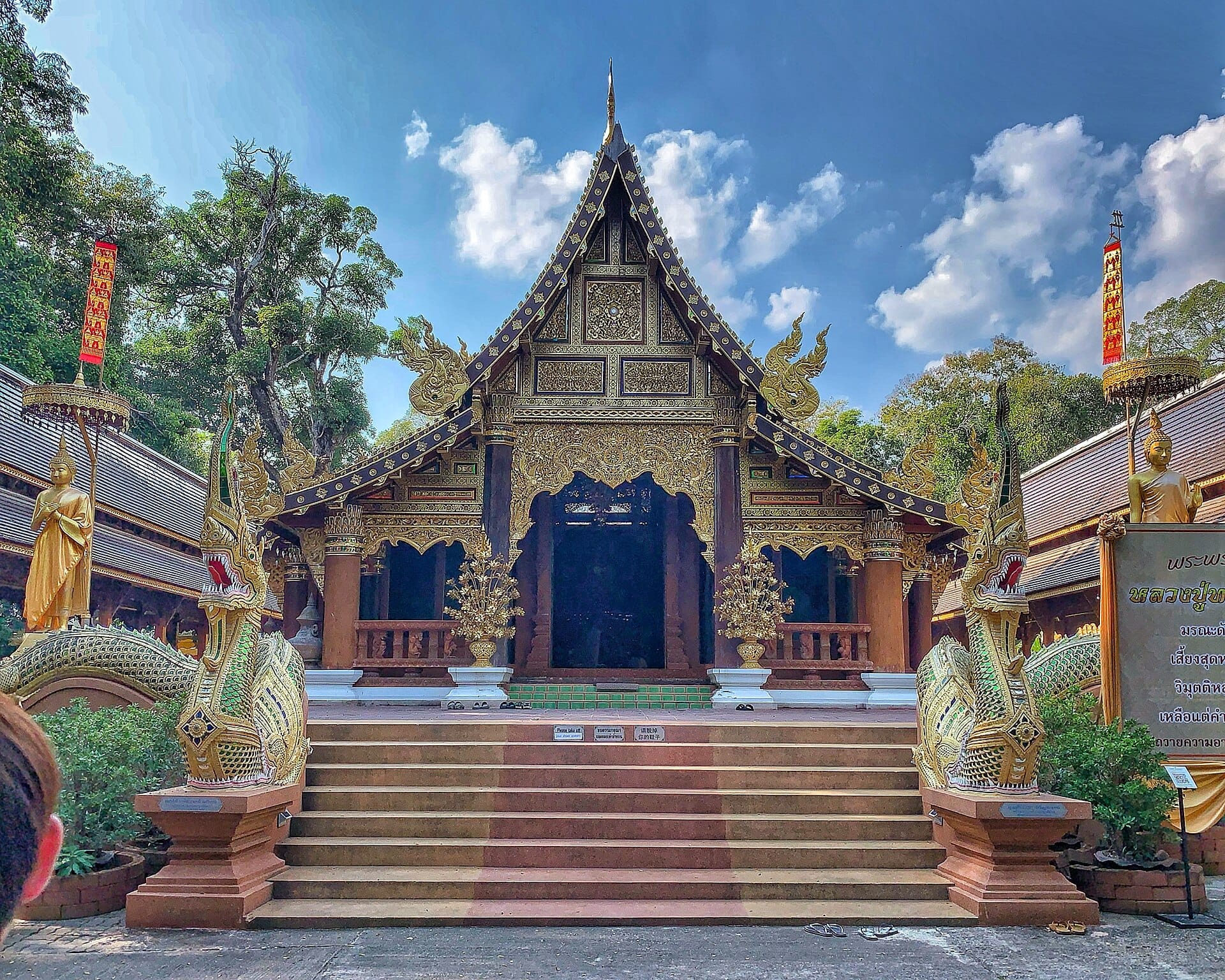
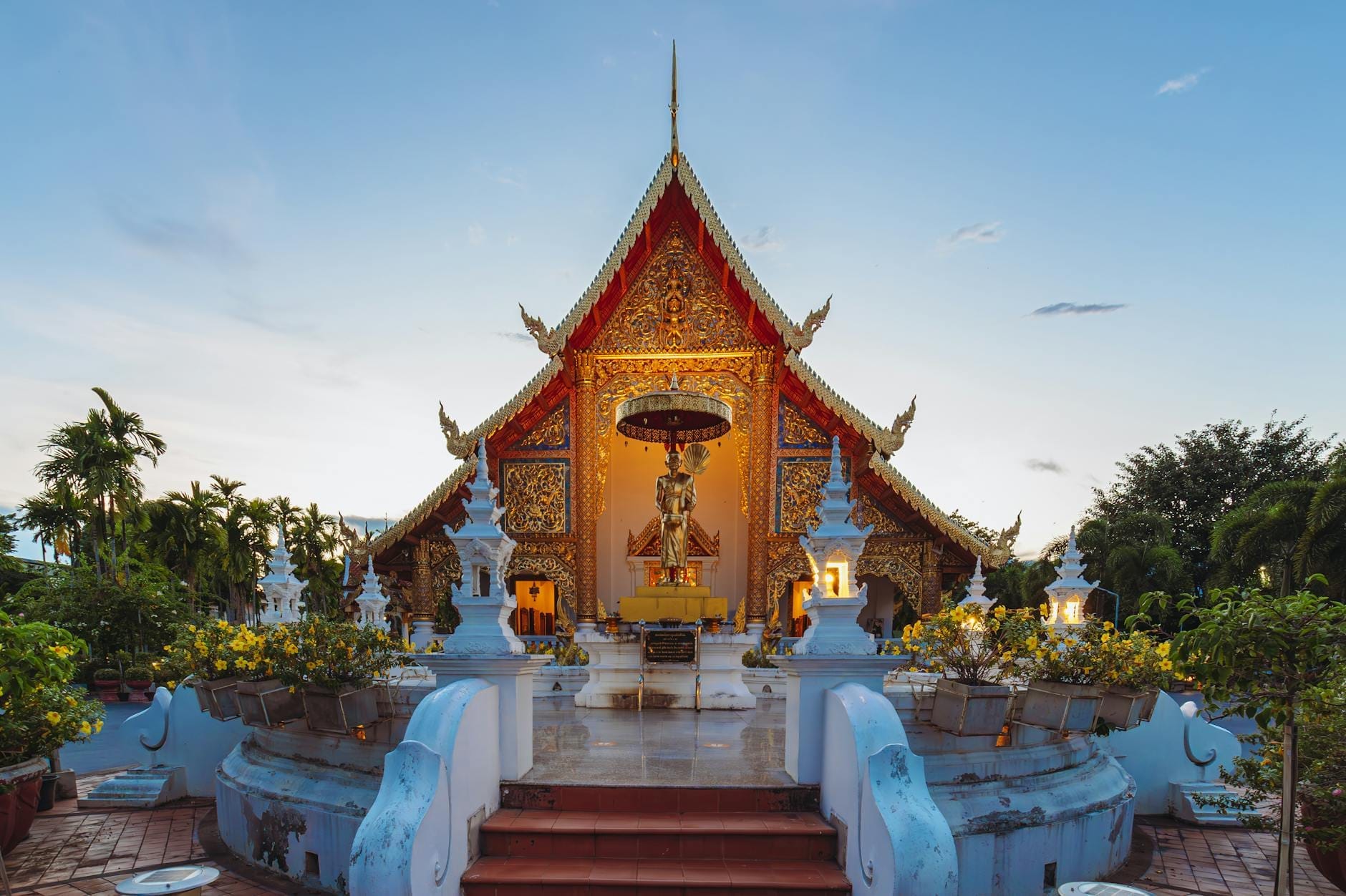
Wat Phra Singh in the western half of the Old City is considered the most important Lanna temple in Chiang Mai. Its main viharn houses the revered Phra Singh Buddha image, and the surrounding complex includes beautifully preserved murals depicting northern Thai life from centuries ago. Entry to the temple grounds is free; a 20 THB donation is requested from foreign visitors to enter Viharn Lai Kham. The grounds are large enough to explore at length.
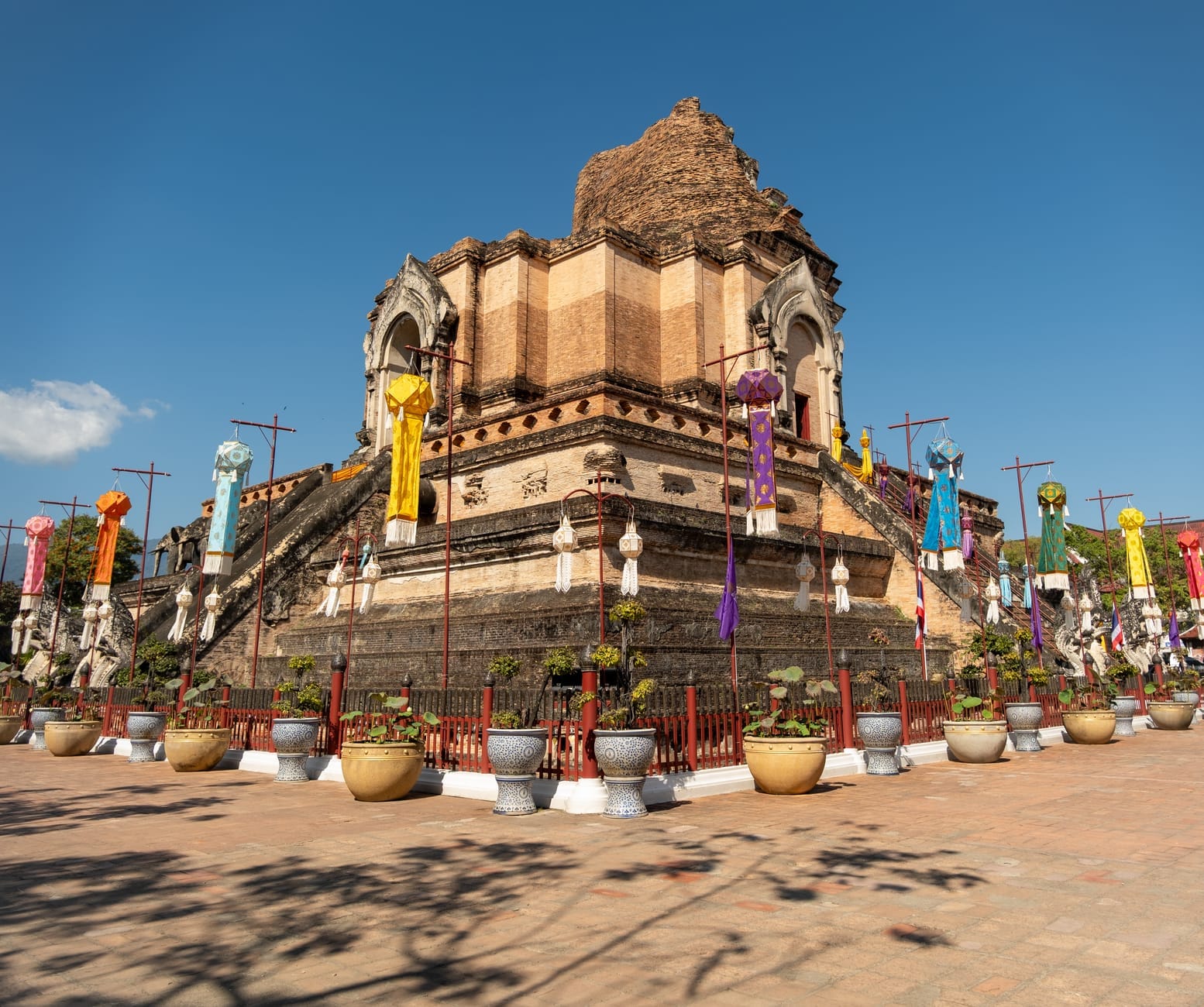
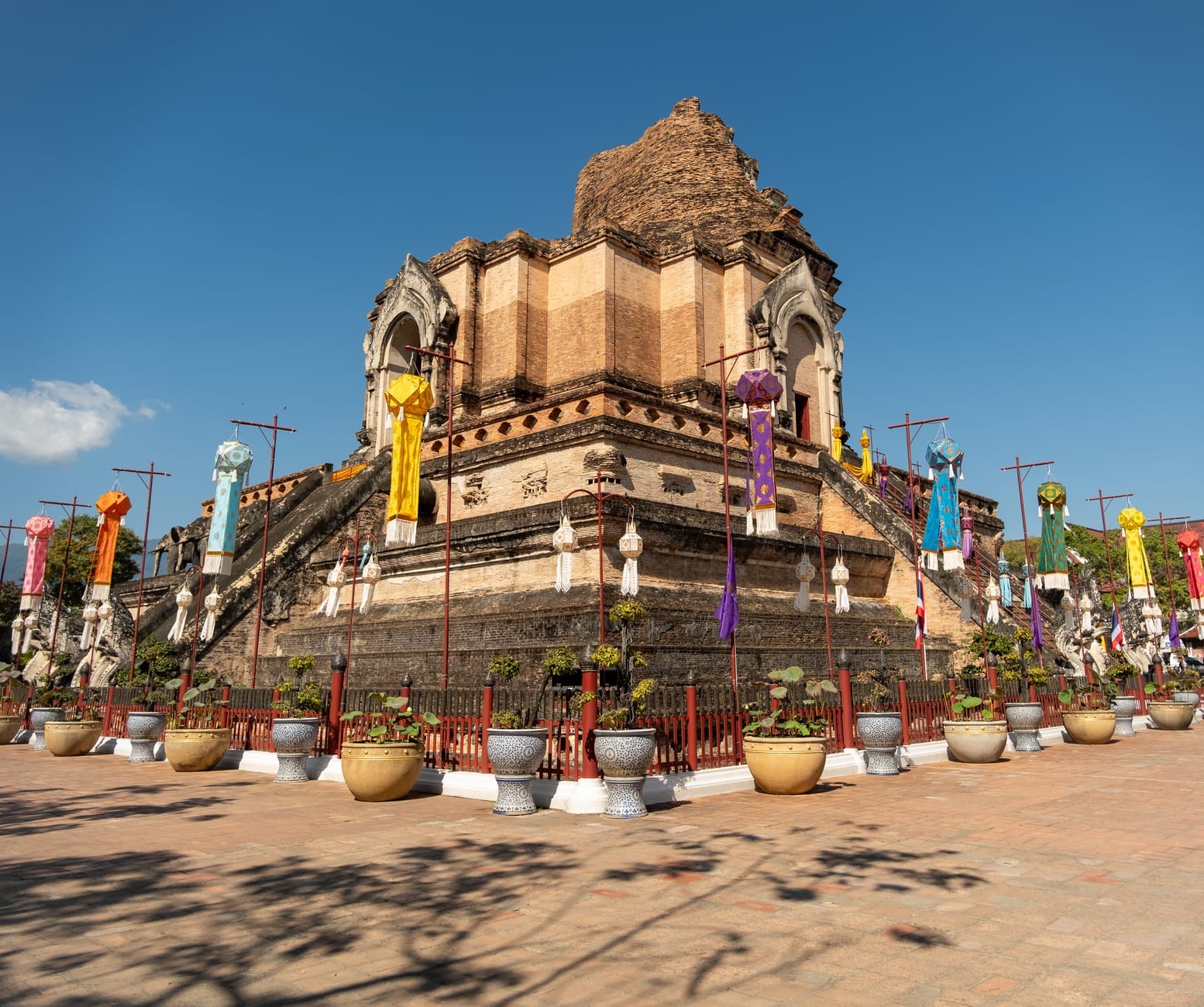
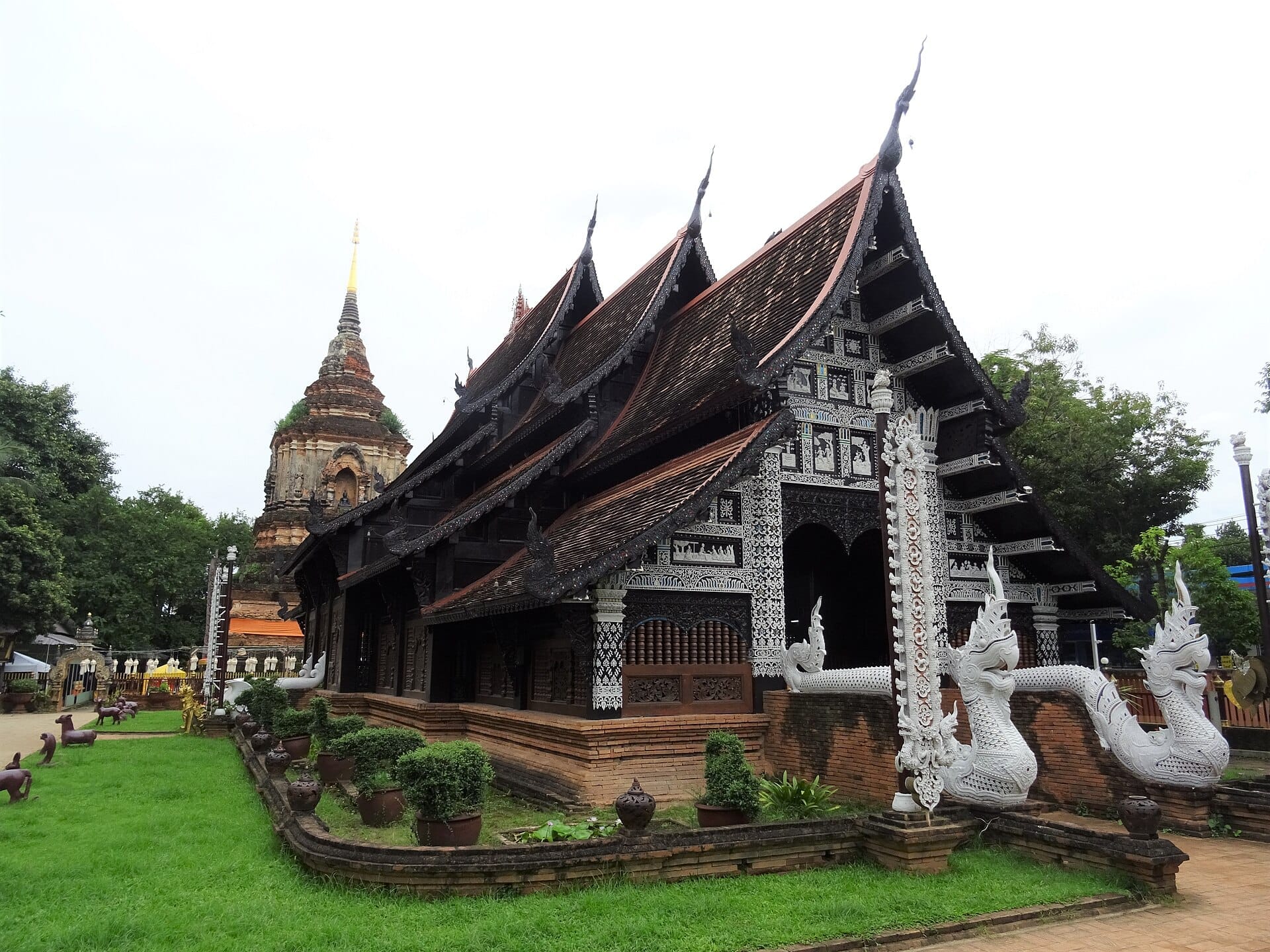
Wat Chedi Luang sits near the center of the Old City and contains the ruined remains of what was once the tallest structure in the Lanna kingdom. The chedi was partially destroyed by an earthquake in the 16th century and has been left in that state, giving it a weathered grandeur unlike the restored temples elsewhere in the city. The complex also houses the city pillar shrine and runs a free monk chat program where visitors can speak with resident monks in English.
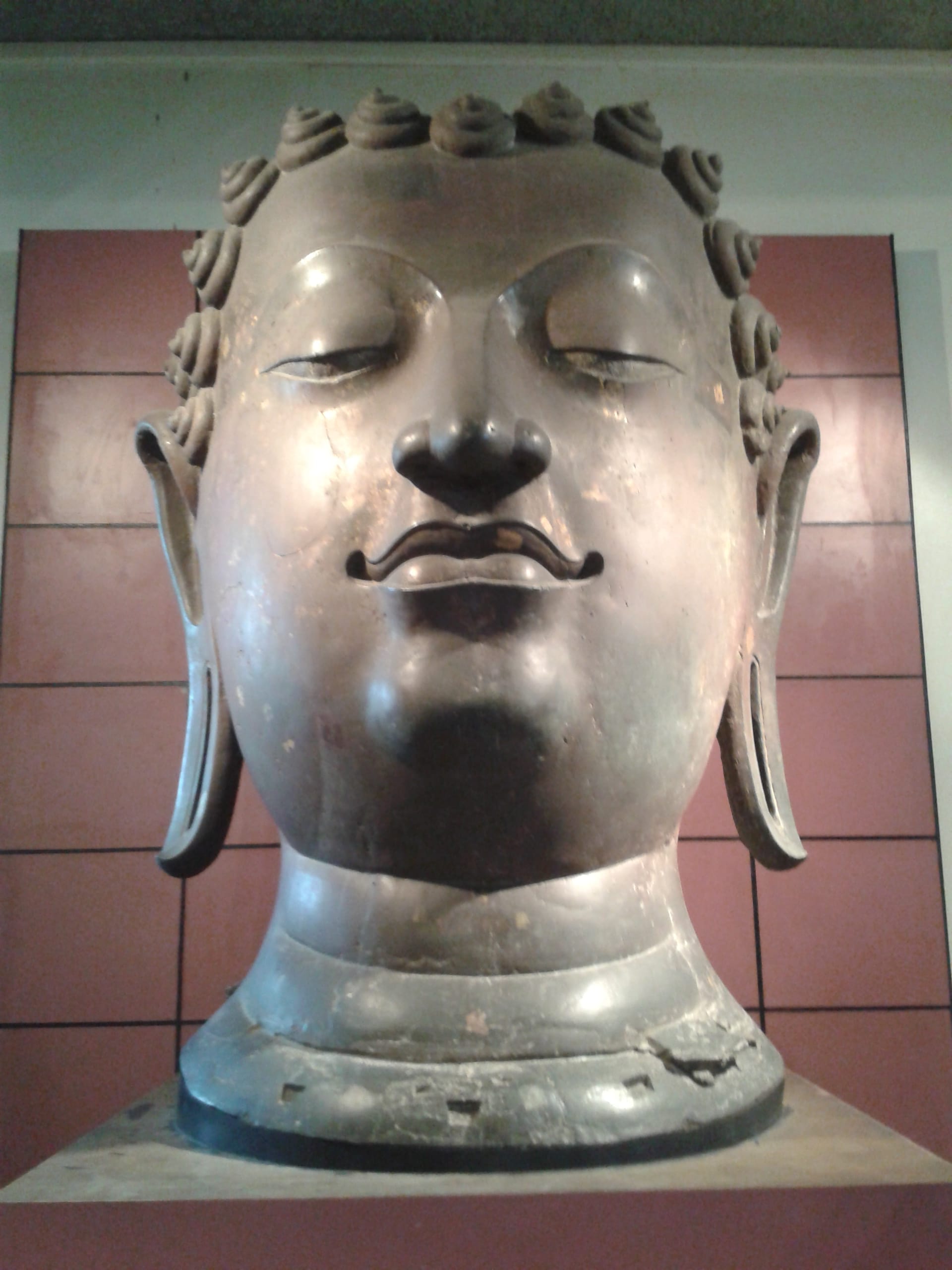
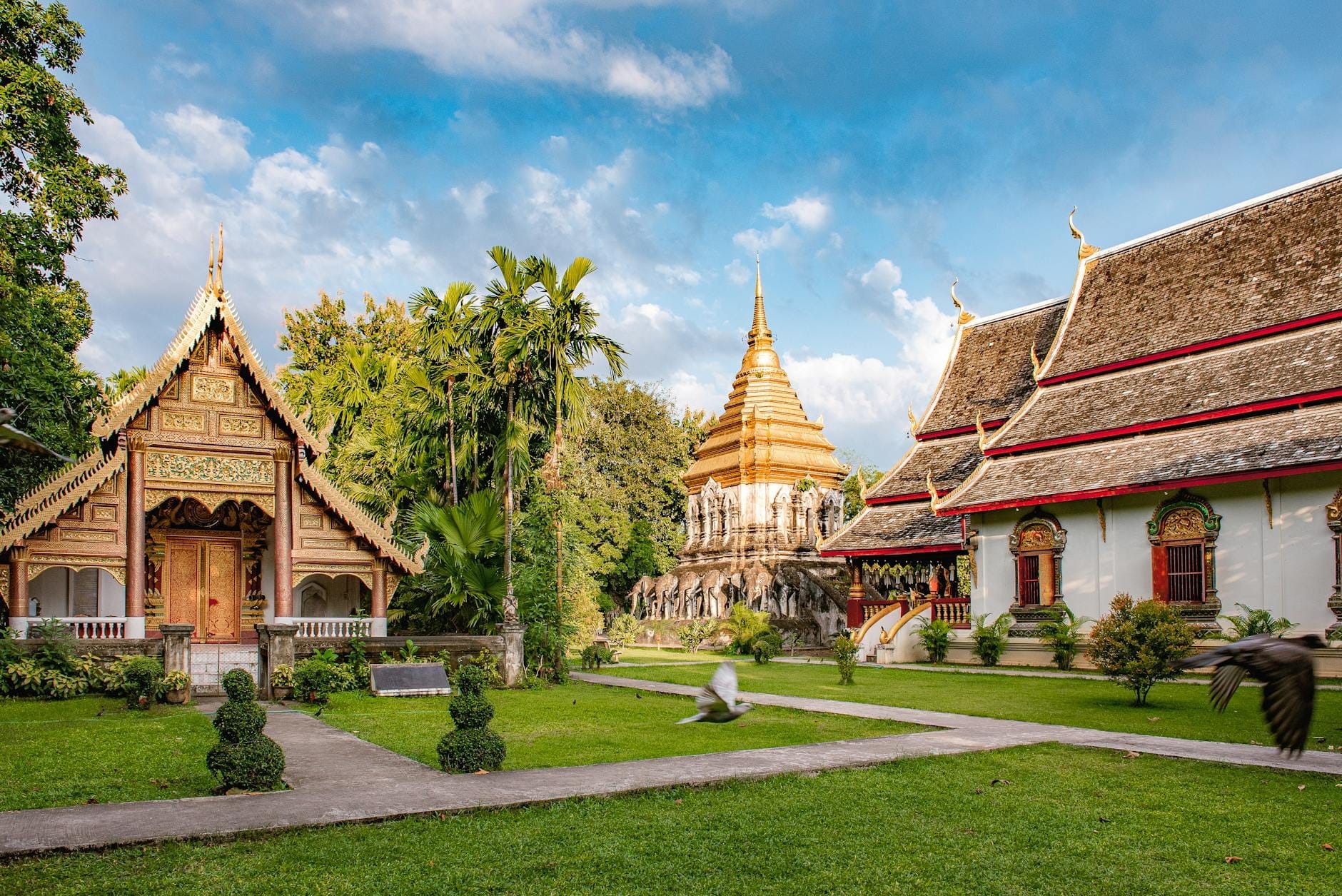
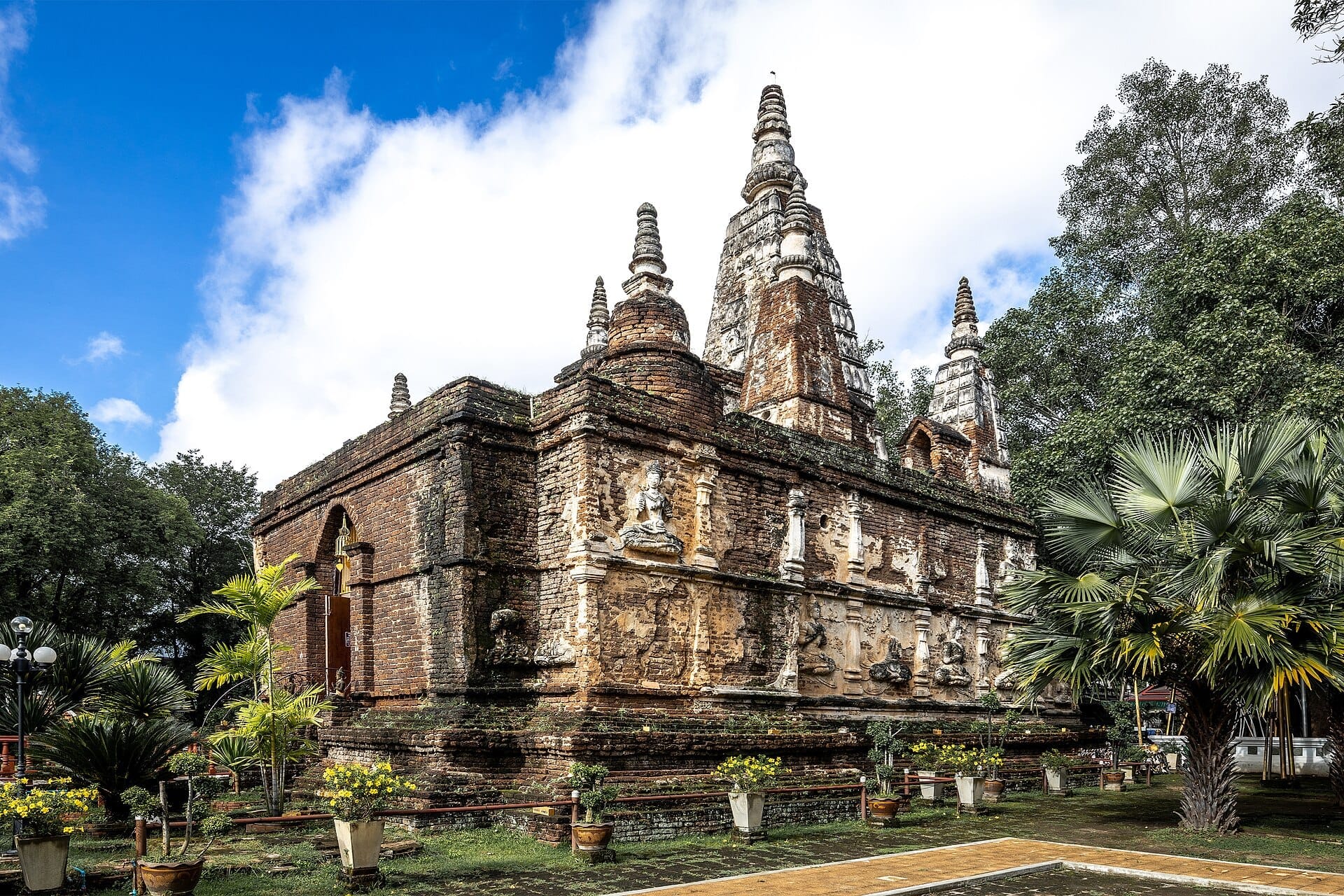
Wat Chiang Man in the northeast corner of the Old City is among the oldest temples in Chiang Mai, traditionally attributed to the time of King Mengrai around 1296 when the city was established. It is smaller and receives fewer visitors than Wat Phra Singh or Wat Chedi Luang, which makes it one of the more contemplative places to visit. The temple houses two important Buddha images, including the Phra Sila bas-relief.
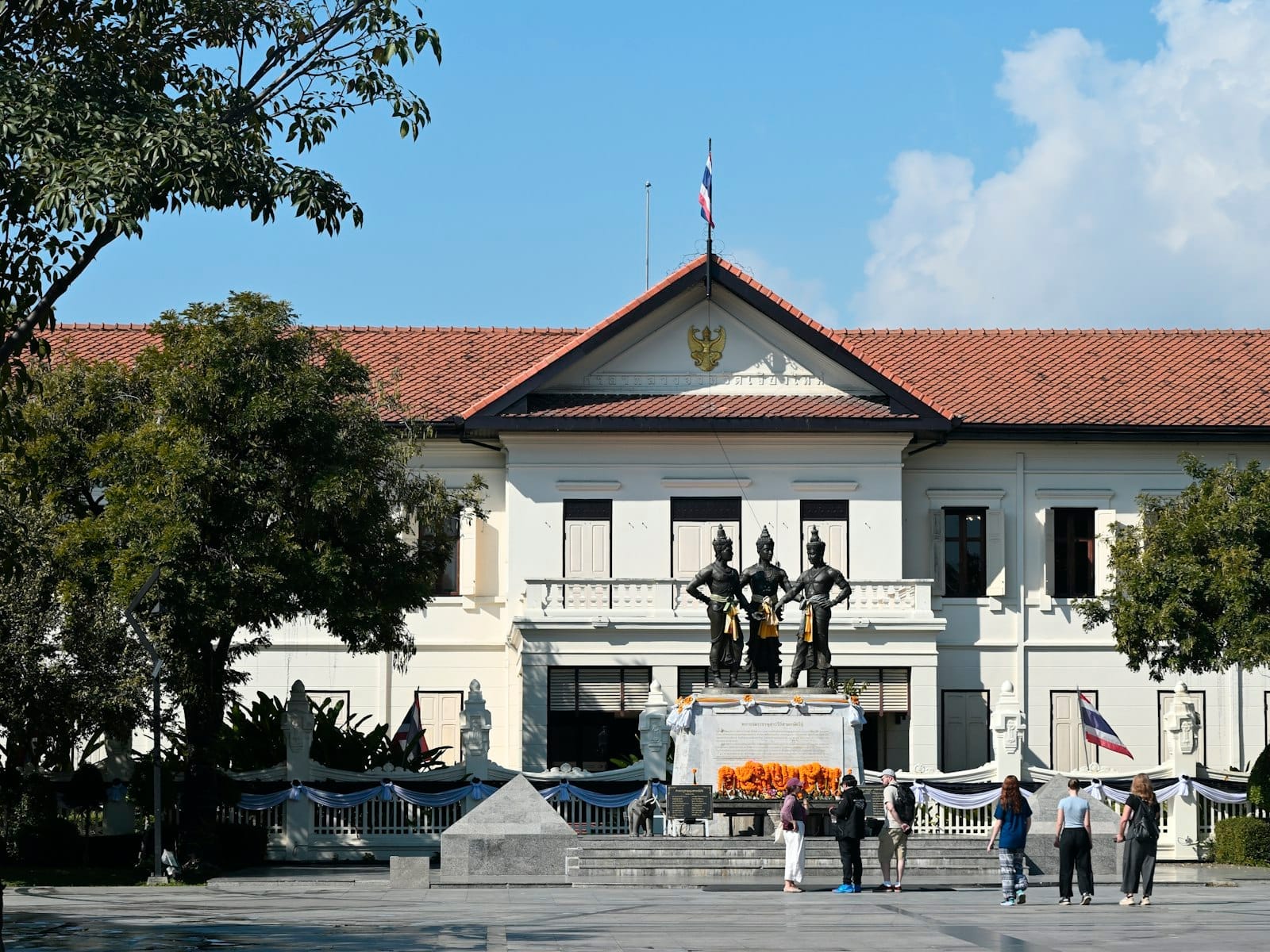
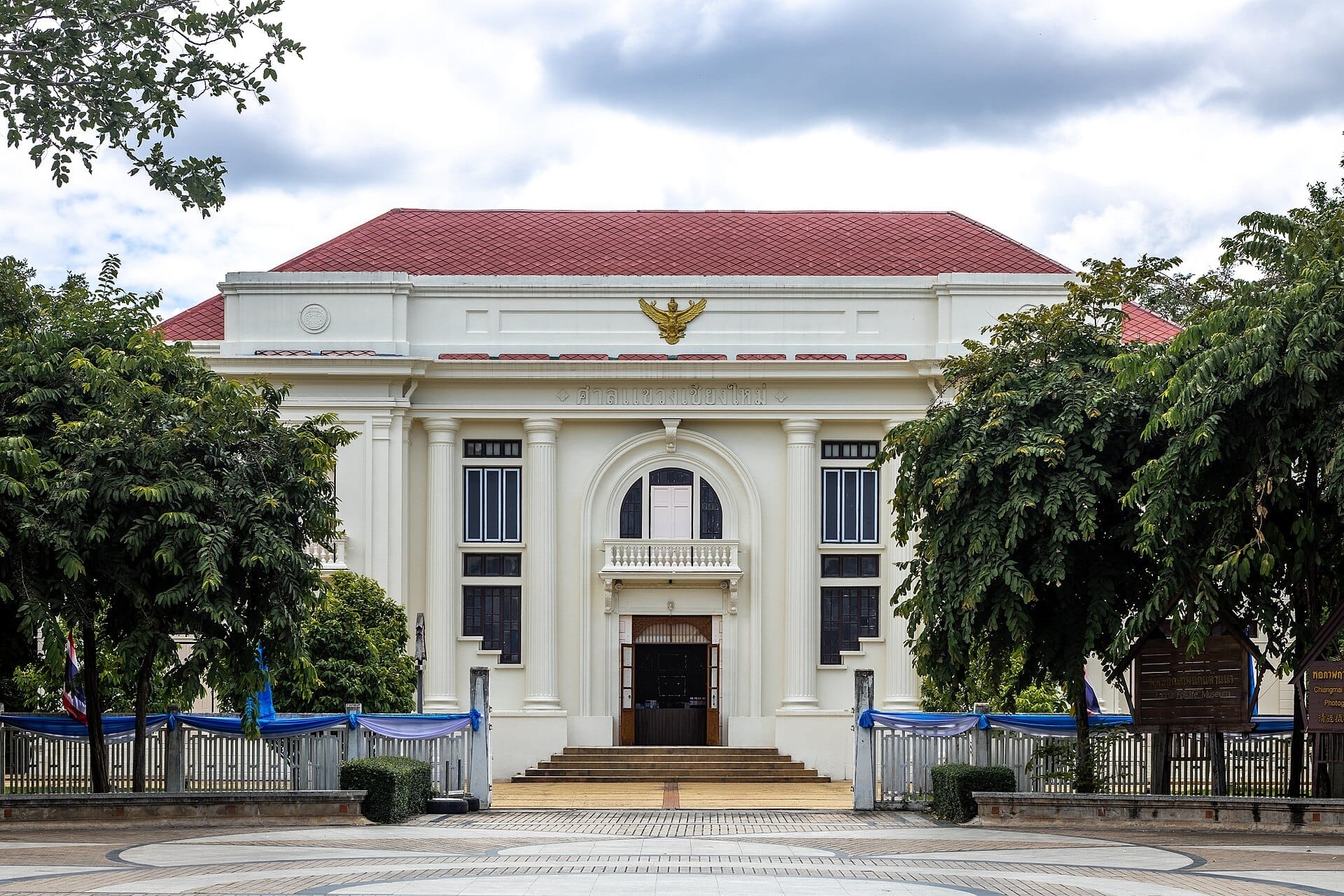
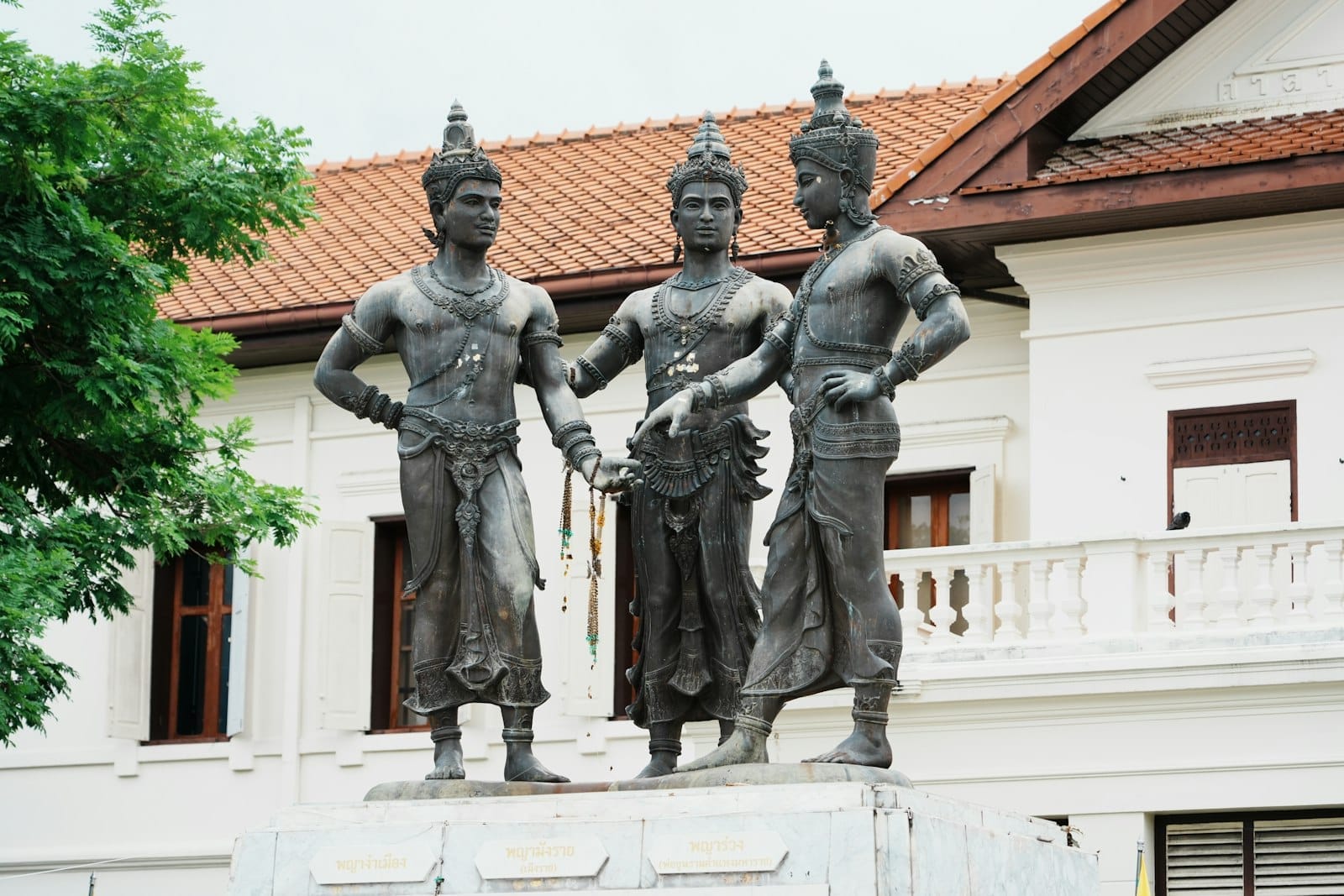
The Three Kings Monument at the intersection of Ratchadamnoen and Phra Pokklao roads is the civic center of the Old City. The bronze statues depict King Mengrai of Lan Na, King Ramkhamhaeng of Sukhothai, and King Ngam Muang of Phayao, and the surrounding plaza is flanked by the Chiang Mai City Arts and Cultural Centre and the Lanna Folklife Museum, both of which provide excellent context for the region's history and are worth at least an hour each.
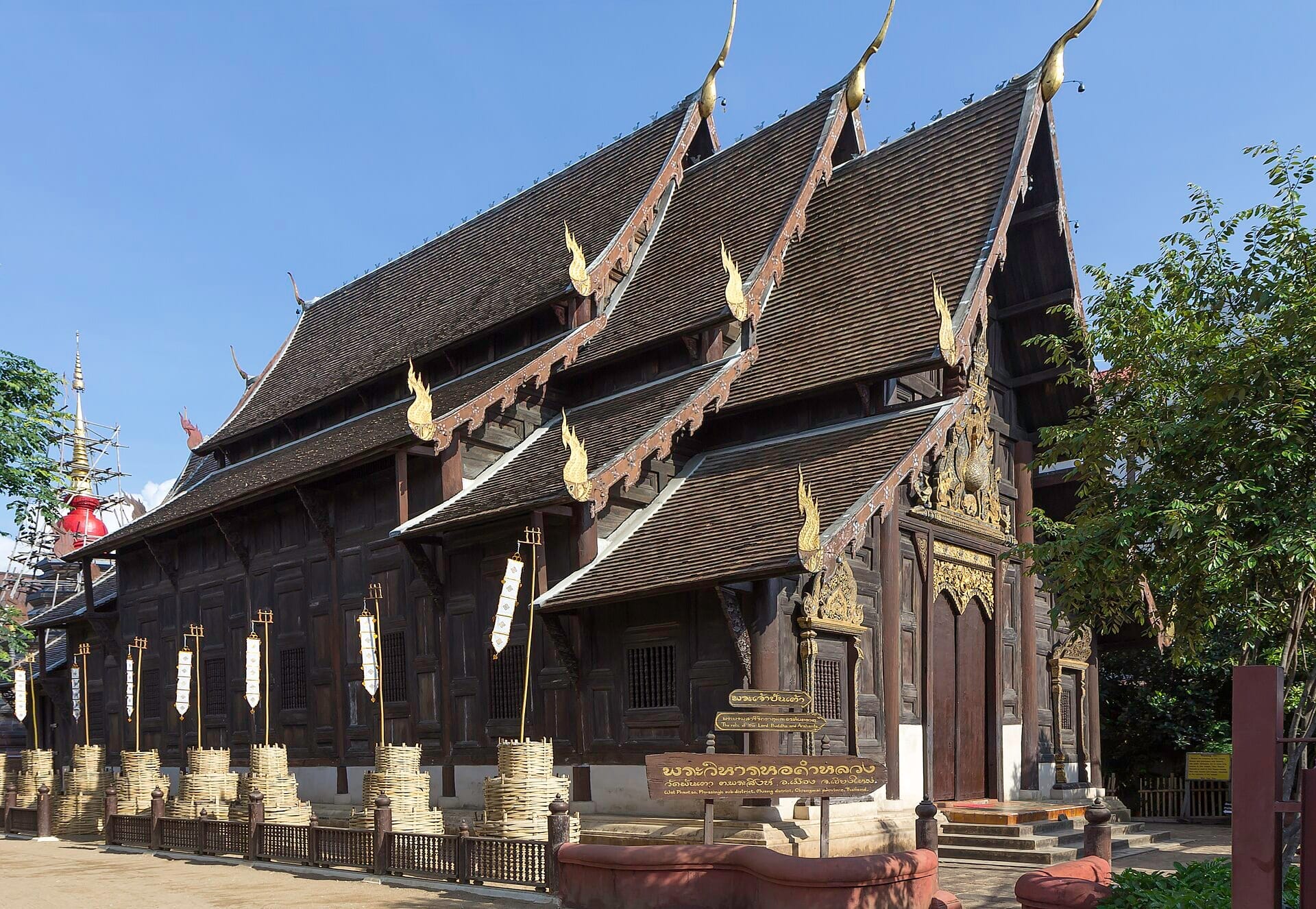
Wat Phan Tao: a teak viharn adjacent to Wat Chedi Luang, rarely crowded, excellent for photography
Wat Lok Moli: just outside the north moat, one of the least-visited significant temples in the city
Chiang Mai City Walls and Moat: the restored corners and gate structures are worth examining up close
Sunday Walking Street: runs along Ratchadamnoen Road every Sunday evening from about 4 p.m.
💡 Local tip
Temple dress rules are enforced at the major sites: shoulders and knees must be covered. Sarongs are available for loan or rent at most temple entrances, but wearing appropriate clothing avoids the hassle and shows respect.
Eating and Drinking
The Old City has one of the highest concentrations of food options in Chiang Mai, ranging from proper northern Thai restaurants to international cafes aimed squarely at long-stay travelers. The quality is uneven, and the tourist-oriented strips near Tha Phae Gate and Moon Muang Road sometimes prioritize convenience over cooking. Wandering a few lanes off the main roads generally rewards you with better food at lower prices.
Northern Thai cuisine is the reason to eat seriously in Chiang Mai, and the Old City has good options for the classics. Khao soi, the coconut curry noodle soup that defines the region, appears on menus throughout the district. Sai oua (northern Thai pork sausage), nam prik noom (green chili dip served with vegetables and pork rinds), and kaeng hang le (Burmese-influenced pork belly curry) are worth seeking at traditional restaurants. For broader context on what to order, the complete guide to Chiang Mai's food scene covers northern Thai specialties in depth.
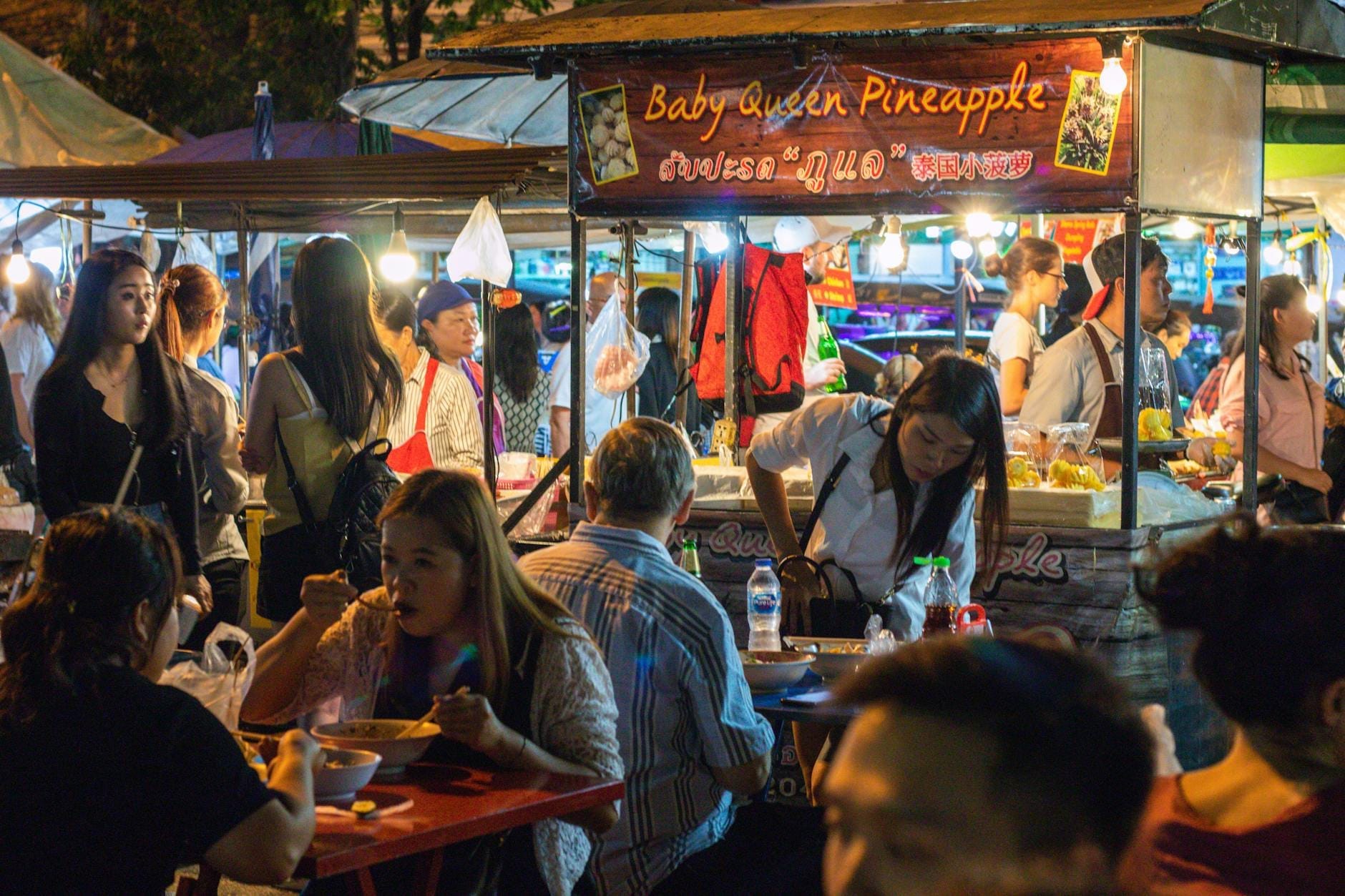
Street food is strongest in the mornings and evenings. The area around Chiang Mai Gate market on the southern edge of the moat is one of the best street food concentrations in the city, popular with locals and attracting relatively few tourists by Old City standards. Vendors here serve everything from pad kra pao to mango sticky rice, with most dishes priced between 40 and 100 baht.
The Old City also has a strong cafe culture, partly driven by the large number of digital nomads and long-term travelers who base themselves here. Independent coffee shops occupy converted teak houses throughout the district. For a broader exploration of Chiang Mai's cafe scene, the Chiang Mai coffee shop guide includes options across the city.
For drinks after dark, the lanes between Moon Muang Road and the eastern moat have the highest concentration of bars: small places with outdoor seating, cheap Leo beer, and music that stays at a volume where conversation is still possible. The area is not rowdy by Thai tourist-town standards, but expect noise until midnight or so on weekends.
Getting There and Around
Chiang Mai International Airport is approximately three kilometers southwest of the Old City. A metered taxi takes about ten to twenty minutes depending on traffic and costs around 150 to 200 baht including the airport surcharge. Grab, the regional ride-hailing app, often quotes similar prices. There is no direct rail or BTS connection to the Old City; Chiang Mai's train station sits about two kilometers east of the moat, accessible by tuk-tuk or Grab for roughly 60 to 80 baht.
Within the Old City, walking is the most practical way to get around. The compact scale means even the farthest corners are reachable on foot in under twenty minutes. Bicycles are available for rent throughout the district, typically for 50 to 80 baht per day, and work well on the quieter interior lanes. For travel to neighborhoods outside the moat, red songthaews (the shared pickup trucks) circulate along the main roads and can be flagged down for short trips. A full breakdown of transport options is in the guide to getting around Chiang Mai.
Tuk-tuks are plentiful near the main gates and at Tha Phae Gate in particular. Fares are negotiated rather than metered; expect to pay 60 to 100 baht for short trips within or just outside the moat. Always agree on the price before getting in. Motorbike taxis in orange vests cluster at the same locations and are faster for solo travel.
⚠️ What to skip
Private cars and motorbikes circulate constantly on the ring road inside the moat. Pedestrian infrastructure on the inner ring road is limited in places. Walk facing traffic where there is no pavement, and treat every intersection with caution, particularly after dark.
Where to Stay
The Old City is the most popular base for first-time visitors to Chiang Mai, and for good reason. Proximity to the major temples, the Sunday Walking Street, and easy access to the rest of the city make it practical. Accommodation ranges from 200-baht dorm beds to boutique hotels in converted Lanna-style teak houses charging upwards of 3,000 baht per night. For a full breakdown of neighborhoods and where to stay in the city, the Chiang Mai accommodation guide covers all the options.
Within the Old City, the quietest accommodation sits in the interior lanes away from Moon Muang Road and the Tha Phae Gate area. The northwest quadrant around Wat Phra Singh and the streets north of Ratchadamnoen Road tend to be calmer at night than the eastern side near the moat. Budget guesthouses concentrate along Moon Muang Road and the small sois just inside the eastern moat; mid-range and boutique hotels are scattered throughout, often in restored historic buildings.
The Old City suits travelers who want to walk to temples in the morning, have food options at every corner, and be within reach of the major sights without needing transport for every trip. It is less suited to travelers who prioritize contemporary dining and nightlife, who want to be near Nimmanhaemin's cafe scene, or who find tourist-facing streets wearing. In that case, the areas just outside the western moat or the Nimman area offer a different rhythm.
Honest Drawbacks
The Old City has the highest tourist concentration of any Chiang Mai neighborhood. On Sunday evenings when the Walking Street is running, Ratchadamnoen Road is essentially a slow-moving crowd from end to end. The streets around Tha Phae Gate can feel over-commercialized, with menus in six languages and tuk-tuk drivers angling for every person who passes. If you are looking for a Chiang Mai that feels disconnected from the tourist circuit, the Old City is not the answer.
Traffic noise on the moat ring road is a real issue for accommodation within fifty meters of it. The inner ring road carries constant motorcycle and tuk-tuk traffic until well past midnight, and guesthouses on or near Moon Muang Road reflect that. Book accommodation on interior lanes or check reviews specifically for noise if that matters to you.
Between roughly February and April, smoke from agricultural burning in the surrounding hills can make air quality in the Old City genuinely unpleasant, with fine-particle levels sometimes reaching hazardous levels. This is a citywide issue rather than specific to the Old City, but it is worth factoring into travel timing. The Chiang Mai burning season guide explains what to expect and when the risk is highest.
TL;DR
The Old City is Chiang Mai's most walkable and historically significant neighborhood, with more than thirty temples within a moat-enclosed square measuring roughly 1.6 kilometers per side.
Best suited to first-time visitors, history-focused travelers, temple enthusiasts, and anyone who wants to walk everywhere without needing transport.
Food ranges from excellent local street food near Chiang Mai Gate to international cafes throughout the district; quality drops on the most tourist-heavy streets near Tha Phae Gate.
Expect noise, crowds on Sunday evenings, and tourist-facing commerce on the main streets; the interior lanes and northwest quadrant are significantly calmer.
Accommodation covers every budget, but choose carefully based on location within the square: interior lanes are quieter than moat-side roads.
Chiang Mai's seasons are dramatically different from each other, and picking the wrong month can mean smoky skies, flash floods, or paying double for accommodation. This guide breaks down every month honestly so you can match your trip to your priorities.
Everything you need to know about arriving at Chiang Mai International Airport: how the terminal works, which transport options are worth it, what to avoid, and how to reach any part of the city without overpaying.
Chiang Mai is northern Thailand's cultural capital, and its museums, galleries, and creative spaces go far deeper than temple-hopping. This guide covers the best places to engage with Lanna heritage, contemporary Thai art, traditional crafts, and living creative communities across the city.
Every year between February and April, Chiang Mai experiences its burning season — a period of agricultural fires and forest burning that pushes air quality to some of the worst levels of any city on earth. This guide explains what causes it, how bad it actually gets, and how to make smart decisions about when and how to visit.
Chiang Mai has quietly become one of Southeast Asia's most serious coffee cities, with a culture built on locally grown northern Thai beans, skilled baristas, and atmospheric settings. This guide covers the best neighborhoods, markets, and spots to anchor your coffee crawl across the city.
Chiang Mai's Flower Festival is one of northern Thailand's most photogenic annual events, drawing thousands of visitors to watch elaborate floral floats parade through the Old City. This guide covers exact timing, the best viewing spots, what else is on during the weekend, and how to make the most of your visit.
Chiang Mai rewards couples with an unusual mix of intimacy and adventure: ancient temple grounds at dusk, private cooking classes, ethical elephant encounters, and rooftop dinners above a moat-ringed Old City. This guide covers the most genuinely romantic experiences, honest about what lives up to the hype and what to skip.
Chiang Mai has been a digital nomad hub for over a decade, and for good reason. This guide covers everything you need to know: where to work, where to live, what it costs, how to handle visas, and what the city gets right — and wrong — for remote workers.
Chiang Mai rewards those who look beyond the well-worn circuit. From jungle temples and sticky waterfalls to artist villages and lakeside retreats, these are the places locals love and guidebooks overlook.
Three days is enough to cover Chiang Mai's essential temples, markets, and surroundings without rushing — if you plan smart. This itinerary balances the Old City's cultural core with the hills above the city and the region's famous ethical elephant experiences, built around how the city actually flows.
Chiang Mai's luxury scene is quietly exceptional, offering boutique jungle retreats, Lanna-inspired wellness resorts, and private cultural experiences that rival anything in Southeast Asia. This guide covers where to stay, where to be pampered, and how to spend big in the north's most sophisticated city.
Managing money in Chiang Mai is straightforward once you know the rules. This guide covers ATM fees, the best places to exchange currency, where cards are accepted, and practical tips to keep more baht in your pocket.
Chiang Mai comes alive after dark, and its night markets are where the city's soul truly shows. From sprawling walking streets inside the ancient Old City to intimate local food stalls outside the north gate, this guide covers every market worth your evening.
Chiang Mai is one of Southeast Asia's best-value cities, but knowing where to spend and where to save makes a real difference. This guide breaks down accommodation, food, transport, and activities with honest price ranges so you can build a realistic daily budget.
Chiang Mai is northern Thailand's cultural capital, a city where ancient temples sit beside specialty coffee roasters and jungle trekking routes begin just minutes from the city center. This guide covers everything: neighborhoods, food, temples, day trips, costs, and when to visit.
Chiang Mai punches well above its weight as a green city. Forested mountains ring the urban core, a university lake doubles as a public park, and within an hour's drive you reach botanical gardens, national park waterfalls, and misty highland viewpoints. This guide covers the best outdoor spaces in and around the city.
Chiang Mai rewards photographers at every turn, from ancient Lanna temples glowing at dusk to cloud-draped highland peaks and atmospheric night markets. This guide covers the 22 best photography spots in the city and surroundings, with practical advice on timing, light, and what to look for.
Chiang Mai is one of Southeast Asia's safest cities for tourists, but that doesn't mean risk-free. This guide covers real threats, common scams targeting visitors, transport dangers, and practical safety advice so you can travel with confidence.
Chiang Mai is northern Thailand's craft capital, where centuries of Lanna artisan tradition meet a thriving contemporary creative scene. From sprawling night markets and village workshops to boutique lifestyle malls and organic farmers' markets, this guide covers the best places to shop for everything from silverwork and teak carvings to handmade ceramics and street food.
Chiang Mai transforms every April into the epicenter of Thailand's New Year water festival. This guide covers the best locations, what to expect each day, practical logistics, and honest advice on making the most of the chaos without ruining your camera or your patience.
Chiang Mai is one of Southeast Asia's great wellness destinations, combining centuries-old Thai massage traditions with modern spa culture and natural hot springs. This guide covers the best places to unwind, from post-hike soaks to full-day retreat experiences.
Chiang Mai has more temples per square kilometer than almost anywhere in Southeast Asia, with over 300 wats ranging from grand royal foundations to intimate forest retreats. This guide covers the essential and the unexpected, from the gilded chedi of Doi Suthep to a silver-clad masterpiece in the silversmith district.
Chiang Rai sits about 200 km north of Chiang Mai and offers a completely different atmosphere: smaller, quieter, and packed with remarkable temples and border-region culture. This guide covers every transport option, the best things to do, and whether a day trip is actually enough.
Pai is a small mountain town about 130 km north of Chiang Mai, but the winding road and cool highland air make it feel worlds apart. This guide covers every transport option, what to realistically expect, and where to spend your time once you arrive.
Chiang Mai is the undisputed trekking capital of Thailand. Whether you want a half-day trail near the city or a three-day trek through remote hill-tribe villages, this guide breaks down the best routes, honest operator advice, and everything you need to plan a safe, rewarding trek.
Bangkok and Chiang Mai are both iconic Thailand destinations, but they offer radically different experiences. This guide breaks down the key differences across cost, culture, food, temples, nature, and travel logistics so you can make the right call for your trip.
Chiang Mai's weather shapes everything about your trip, from which temples you visit to whether you pack an umbrella or a sweater. This guide breaks down every season, month by month, so you can plan with confidence and avoid costly surprises.
Chiang Mai rewards families who plan well. From ethical elephant sanctuaries and sticky waterfalls to hands-on cooking classes and walkable night markets, this guide covers the best family activities in Chiang Mai with honest takes on what works for different ages, budgets, and energy levels.
Chiang Mai is one of the best cities in Asia to learn Thai cooking. From dawn market tours to afternoon classes in family gardens, these are the cooking experiences worth building your trip around.
Chiang Mai sits at the center of one of Thailand's most diverse regions. Within a few hours in any direction, you can reach jungle waterfalls, royal mountain temples, hill tribe villages, and some of Asia's most respected wildlife sanctuaries. These are the day trips that make the most of your time.
Doi Inthanon is Thailand's highest peak, and it's one of the most rewarding day trips from Chiang Mai. This guide covers every decision you'll need to make: how to get there, what to prioritize, how much to budget, and what most visitors miss.
Chiang Mai is the center of elephant tourism in Thailand, but not all experiences are equal. This guide focuses on the one verified ethical sanctuary in the available attractions list, plus the best complementary nature, wildlife, and eco-experiences to build a responsible, rewarding trip around it.
Navigating Chiang Mai is easier than most travelers expect, but knowing which transport option fits each situation saves time and money. This guide covers every meaningful way to get around, with real cost ranges, practical tips, and honest warnings.
Chiang Mai is one of Thailand's best cities to train or watch Muay Thai. This guide covers the top gyms, what training actually costs, how to spot authentic fights, and everything a first-timer needs to know before stepping into the ring.
Chiang Mai is the gateway, but northern Thailand's real depth lies beyond its city limits. This guide covers the essential destinations, practical logistics, and honest advice for exploring the mountains, hill tribes, temples, and towns that make this region one of Southeast Asia's most rewarding corners.
Chiang Mai rewards travelers who go beyond the obvious. This guide covers the best things to do in Chiang Mai across culture, food, nature, and nightlife — with honest rankings, practical logistics, and local knowledge to help you spend your time well.
Northern Thai cuisine is one of the most distinct regional food cultures in Southeast Asia, and Chiang Mai is its capital. This guide covers the essential dishes you need to eat, where to find them, what they cost, and how to avoid the tourist traps.
Chiang Mai's food scene runs deeper than most visitors expect. This guide breaks down the best places to eat by neighborhood, budget, and cuisine — from local market stalls serving 40-baht bowls of khao soi to upscale Lanna dining experiences worth planning your evening around.
Choosing where to stay in Chiang Mai shapes your entire trip. This guide covers every major neighborhood, who each area suits best, honest drawbacks, and specific hotel recommendations across all budgets.
Yi Peng is one of the most spectacular festivals in Southeast Asia, filling Chiang Mai's night sky with thousands of floating lanterns. This guide covers when to go, where to watch, how to get tickets, and the practical details that make the difference between a magical night and a frustrating one.