Chiang Mai to Pai: How to Get There and What to Do
Pai is a small mountain town about 130 km north of Chiang Mai, but the winding road and cool highland air make it feel worlds apart. This guide covers every transport option, what to realistically expect, and where to spend your time once you arrive.
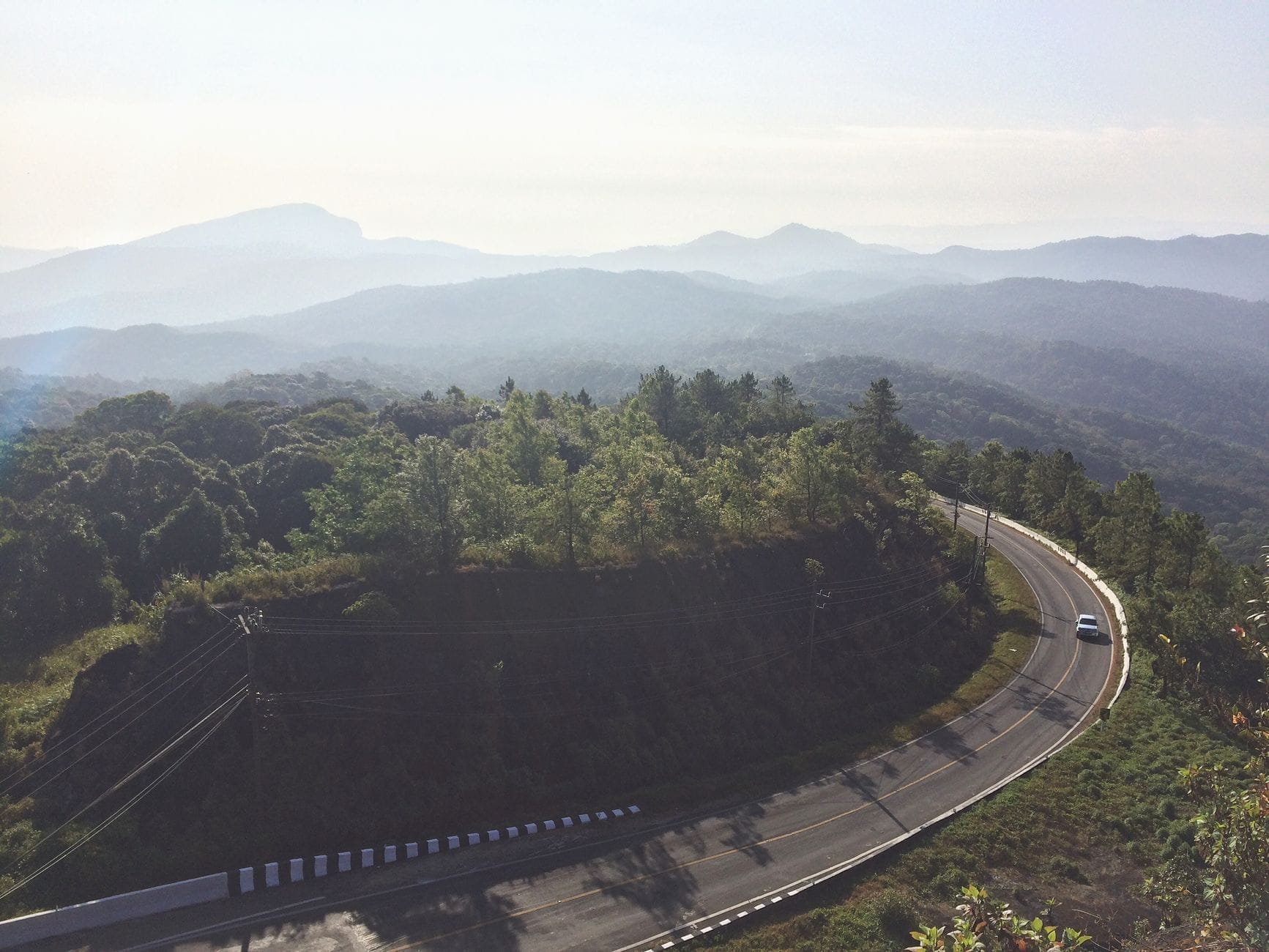
Tickets & tours
Live prices and dates from our booking partner. If you book, we may earn a commission at no extra cost to you.
TL;DR
- Pai is roughly 130 km from Chiang Mai but takes 3-4 hours by road due to 762 curves on the mountain highway.
- Minivan from Chiang Mai Arcade Bus Terminal is the most popular option, costing around 150 THB and departing several times daily.
- Renting a motorbike or scooter gives the most freedom but demands road confidence, as the mountain bends are genuinely challenging.
- Pai's peak season runs November to February, when the weather is cool and dry. See the best time to visit Chiang Mai for regional seasonal context.
- Avoid Pai during Thai public holidays if you dislike crowds, when accommodation prices double and the walking street gets congested.
The Road to Pai: Understanding the Route
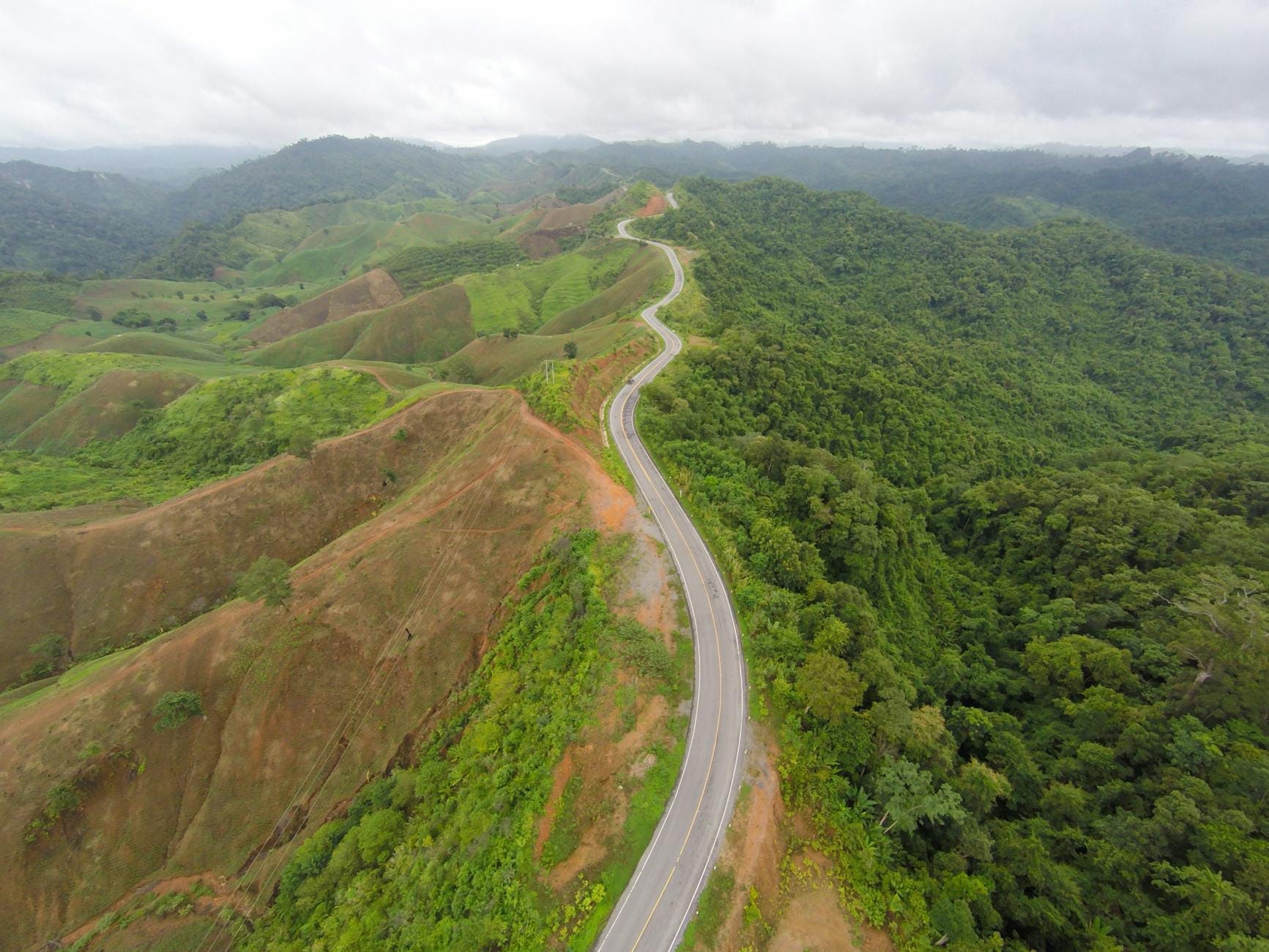
Highway 1095 connects Chiang Mai to Pai through some of northern Thailand's most dramatic terrain. The road climbs into the mountains shortly after leaving Mae Rim and doesn't stop twisting until you drop into the Pai valley. The 762 curves are not a marketing gimmick, they are a genuine characteristic of the route that affects every transport decision you make. Buses slow to a crawl on the bends. Passengers in minivans frequently experience motion sickness. Motorcyclists need to manage their own pace carefully on blind corners.
The drive from Chiang Mai takes roughly 3 to 4 hours depending on your mode of transport and stops along the way. At around the halfway point, the village of Soppong (also called Pang Mapha) offers a useful rest stop and is worth noting as a destination in its own right if you want to break the journey over two days.
⚠️ What to skip
Motion sickness is common on this route. If you're prone to it, sit in the front seat of the minivan if possible, take medication before departure, avoid eating a large meal beforehand, and keep a window cracked. Drivers are generally understanding about brief stops if you signal the need.
Transport Options: Minivan, Bus, Motorbike, or Private Car
There is no train to Pai and no direct flight from Chiang Mai. Your realistic options are minivan, public bus, private car transfer, or riding your own vehicle. Each has a distinct profile of cost, comfort, and flexibility.
- Minivan (most popular) Departs from Chiang Mai Arcade Bus Terminal (Kaset Road) and from numerous guesthouses and tour agents in the Old City and Nimman areas. Fares run around 150-180 THB. Journey time is 3 to 3.5 hours. Vans seat 10-12 passengers and drop off at Pai Bus Station or sometimes directly at your accommodation. Multiple daily departures between 8am and 5pm.
- Public Bus The orange Prempracha Transport bus departs Arcade Terminal and costs around 80-100 THB. It takes 3.5 to 4 hours and is significantly less comfortable than the minivan, but genuinely cheaper and air-conditioned. Better for those who aren't in a hurry and want local color.
- Rented Motorbike or Scooter Freedom comes at the cost of effort. You can rent a 125cc scooter in Chiang Mai for around 200-300 THB per day, but you need confidence on mountain roads. The route is genuinely beautiful and self-paced, but accidents on this road are common among unpracticed riders. Do not attempt it on an automatic scooter if you have zero mountain driving experience.
- Private Car or Minibus Transfer Bookable through hotels, Grab, or agencies. Expect to pay 1,200-2,500 THB for a private vehicle. Offers door-to-door service, a fixed departure time, and the ability to stop at Mae Sa Waterfall or Sticky Waterfall en route. Best value when shared between 3-4 people.
✨ Pro tip
Book minivan tickets the day before, not the morning of. During high season (November to February) and on Thai public holidays, vans fill quickly. Guesthouse reception desks throughout the Old City and Nimman can book tickets directly and will often arrange your pickup.
If you're riding a motorbike from Chiang Mai, consider spending a night in the Mae Rim area before tackling the mountain section. The first stretch of Highway 1095 is fast and flat, making it easier to reach Mae Rim before dusk and continue to Pai fresh the next morning.
What to Do in Pai: The Honest Version
Pai has a well-earned reputation as a place travelers get stuck in longer than planned. The valley is genuinely beautiful, the pace is slow, and the combination of hot springs, waterfalls, viewpoints, and cheap food is compelling. But it's also popular enough that parts of the Walking Street have become repetitive souvenir territory, and some 'attractions' closer to town are overpriced for what they deliver.
The best things about Pai are mostly free or very cheap: riding through rice fields in the morning mist, watching the valley from the Pai Canyon at sunset, and sitting at a cafe above the river with nothing scheduled. If you approach Pai as a relaxation destination rather than a checklist destination, you will enjoy it more.
- Pai Canyon (Kong Lan) A narrow ridge of eroded earth with dramatic drops on both sides, roughly 8 km from town. Free to enter. Go at sunset when the light is warm and the heat has dropped. Early morning is peaceful and misty. The walk is easy but the narrow paths require some head for heights.
- Tha Pai Hot Springs A developed park (entry around 200 THB) with natural mineral pools and a stream you can float in. Located about 7 km from town. Better than the overcrowded riverside pools closer to the center. Go in the morning before tour groups arrive.
- Mor Paeng Waterfall A tiered waterfall about 8 km northwest of town. Free to visit. The lower sections have natural rock slides you can use during the wet season. Much less commercialized than the facilities at the hot springs.
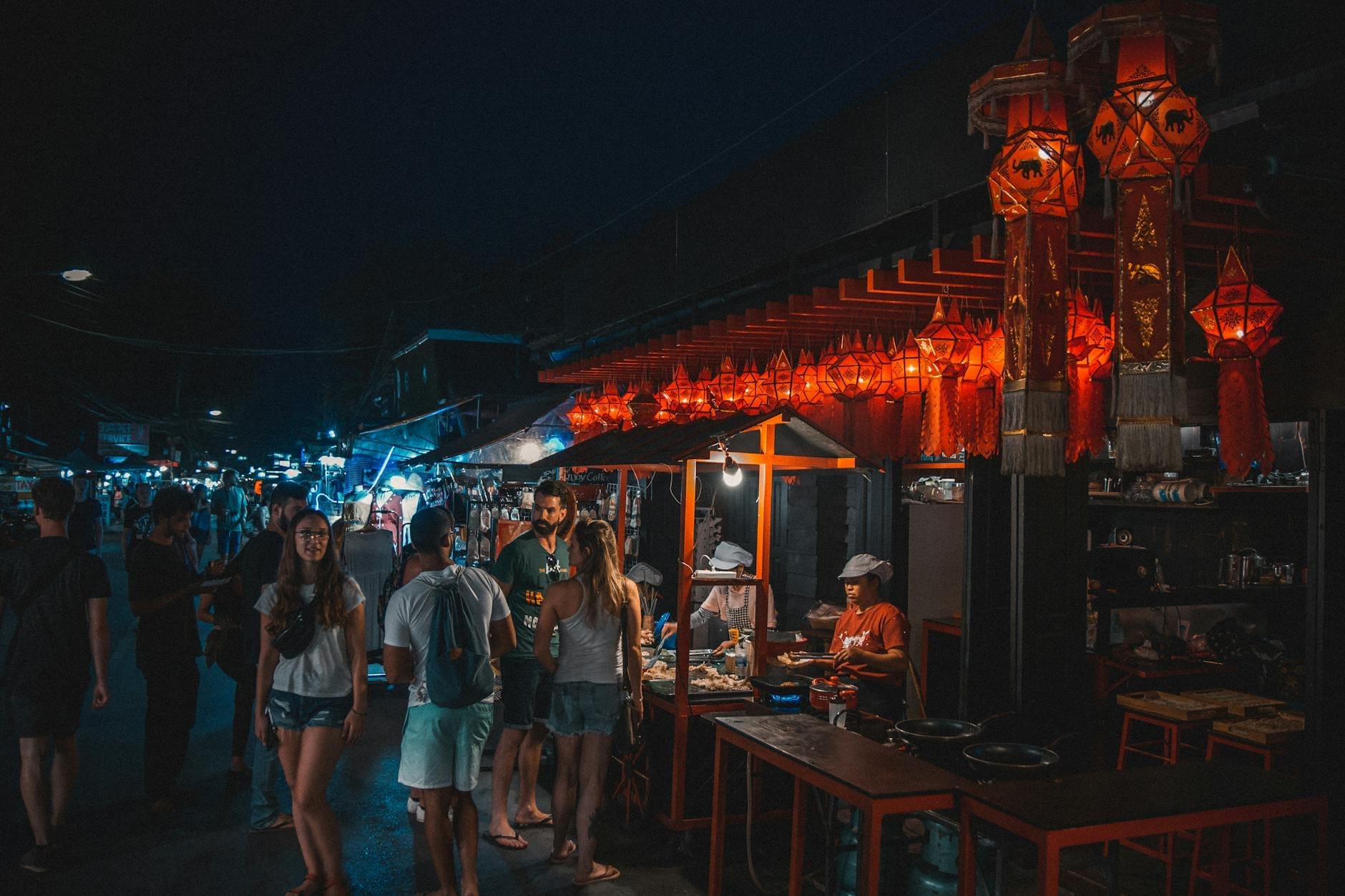
- Pai Walking Street Runs nightly along the main road through town. Best on weekends when more vendors are out. Good for cheap food, smoothies, and people-watching, but the souvenir stalls are largely interchangeable. Arrive before 8pm for the best food selection.
- Yun Lai Viewpoint The classic valley-view sunrise spot. Located above the Chinese Yunnan village of Santichon, a few kilometers from town. Arrive before 7am in cool season to see the cloud sea below the ridgeline. The viewpoint itself gets crowded; hiring a motorbike and finding your own ridge road is more rewarding.
💡 Local tip
Rent a bicycle or motorbike in Pai itself rather than riding all the way from Chiang Mai. Most guesthouses can arrange rentals for 100-200 THB per day. The roads around the valley are gentle and ideal for cycling, in contrast to the mountain highway you took to get there.
Where to Stay and Eat in Pai
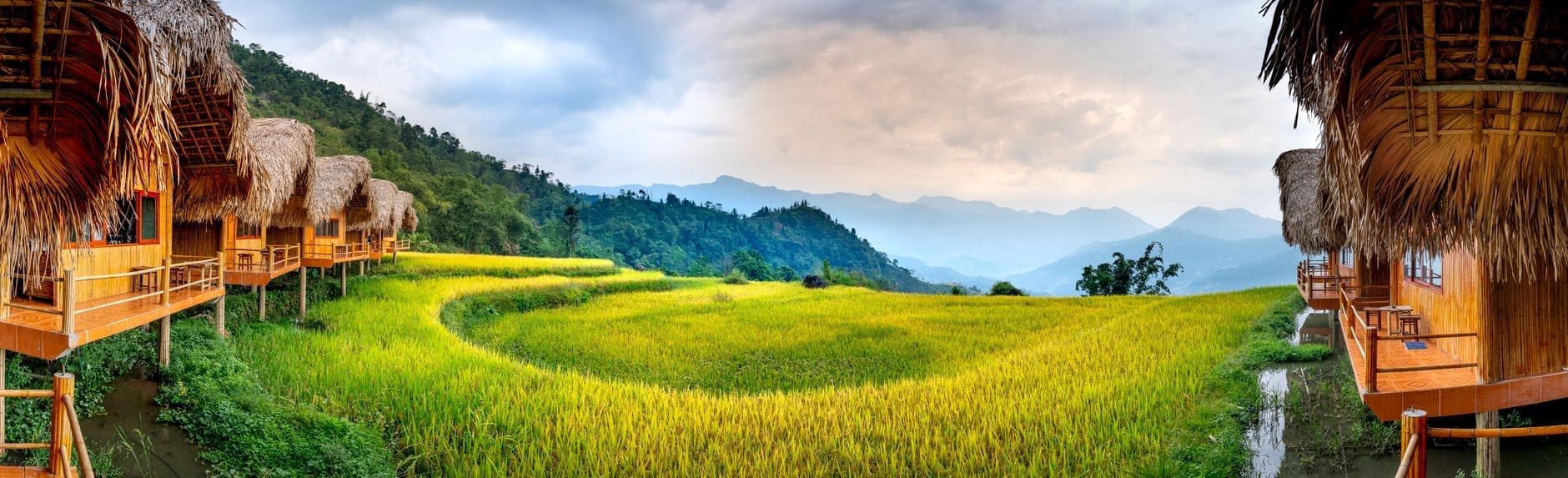
Pai's accommodation ranges from bamboo bungalows at 200 THB per night to boutique resorts along the river at 2,000-4,000 THB. The sweet spot for most independent travelers is a guesthouse or small resort outside the center, where you get more space, quiet, and sometimes rice field views for around 400-800 THB per night. Book ahead for December and January when the town fills with Thai domestic tourists and younger travelers from Bangkok.
Food in Pai is reliably good across all price points. The Walking Street offers cheap pad thai, mango sticky rice, and local sai oua sausages. For proper sit-down meals, look for the northern Thai places one or two blocks off the main strip. If you want a broader frame for northern Thai food culture before your trip, the what to eat in Chiang Mai guide provides context for the same regional dishes you'll encounter in Pai.
When to Visit and What to Expect
November to February is cool season in the mountains around Pai. Daytime temperatures are often warm and nights can be cool, sometimes lower. Packing a light layer is essential even if you've come from a hot Chiang Mai. This is also peak season, so expect full guesthouses, higher prices, and a lively Walking Street atmosphere.
The wet season runs roughly June to October. The roads can be muddy, some waterfall access becomes restricted, and the cloud cover is persistent. However, the valley is extraordinarily green, prices are at their lowest, and you'll share the town with far fewer visitors. The road itself can be slippery for motorbikes after rain, so factor that into timing if you're riding.
March and April bring the dry season heat and, in some years, haze from agricultural burning across northern Thailand. The air quality issue that affects Chiang Mai extends to the mountains around Pai. If smoke and haze concern you, check forecasts before committing. The Chiang Mai burning season guide explains the timing and severity of this annual pattern.
ℹ️ Good to know
Pai is a small town. There are ATMs (typically Bangkok Bank and Krungsri) but they run out of cash during peak holidays. Bring enough baht from Chiang Mai to cover your stay, especially over Songkran or New Year.
Making the Most of the Journey: Stops Along the Way
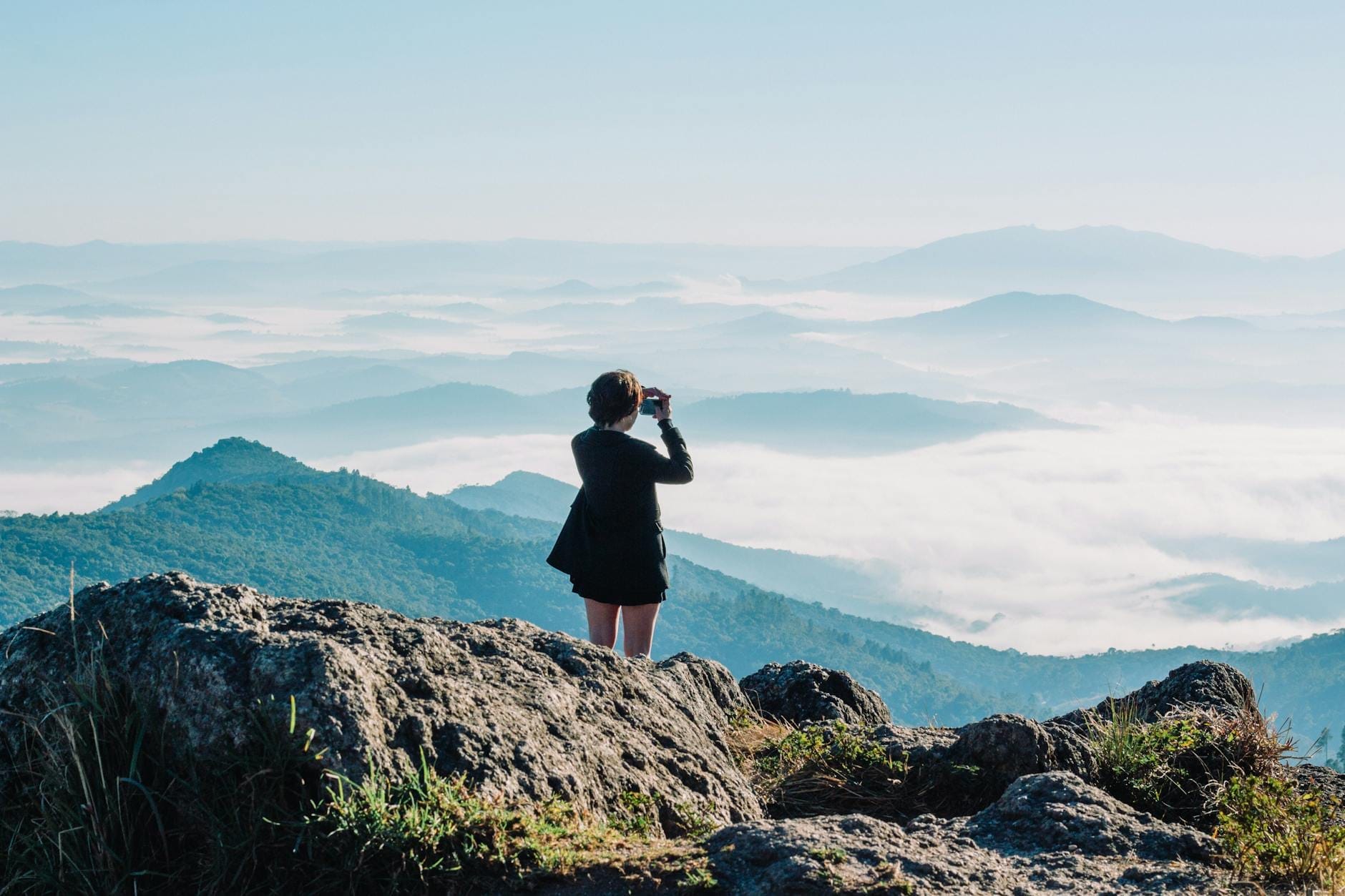
If you have your own transport, Highway 1095 rewards those who stop. The Mae Sa Waterfall is located just north of Chiang Mai and worth a brief visit early in the drive. About 60 km into the journey, the Huai Nam Dang National Park offers mountain views over a sea of clouds on clear mornings.
For those considering side trips once in Pai, Chiang Dao is worth noting as a separate destination entirely. It sits on the road between Chiang Mai and Pai and is better visited on its own. The Chiang Dao area has the cave complex, jungle trekking, and a cooler pace than Pai's café scene, making it a better choice for travelers who want fewer tourists.
If your northern Thailand itinerary extends beyond Pai, consider that the route onward to Mae Hong Son continues on Highway 1095. This completes a full loop back to Chiang Mai via the southern Mae Sariang route and is one of the great motorcycle circuits in Southeast Asia. The northern Thailand travel guide covers the broader circuit in detail.
FAQ
How long does it take to get from Chiang Mai to Pai?
By minivan or private car, the journey takes roughly 3 to 3.5 hours. Public buses take 3.5 to 4 hours. By motorbike, most riders take 3.5 to 5 hours including stops. The 762-curve mountain road is the main factor, not the distance (135 km).
How much does the Chiang Mai to Pai minivan cost?
Minivan tickets cost around 150-180 THB per person. You can book through guesthouses, tour agents in the Old City or Nimman, or directly at Chiang Mai Arcade Bus Terminal. Prices are generally consistent across booking channels.
Is it safe to ride a motorbike from Chiang Mai to Pai?
The route is doable for experienced riders but not recommended for beginners or those who have never ridden on mountain roads. The 762 curves include blind bends and sections that become slippery in rain. If you want the motorbike experience without the full risk, rent one in Pai and explore the valley from there.
How many days should I spend in Pai?
Two to three days is enough to see the main attractions comfortably. Many travelers extend to five or seven days because the pace is appealing. One day is not enough unless you're purely passing through on a longer loop.
Is Pai worth visiting, or is it overhyped?
Pai is worth the trip if you want scenery, a slow pace, and affordable food and accommodation. It is overrated if you're expecting untouched wilderness or an 'off the beaten path' experience, since it's firmly on the backpacker and Thai domestic tourist circuit. Set realistic expectations and it delivers consistently.
Tickets & tours
Live prices and dates from our booking partner. If you book, we may earn a commission at no extra cost to you.
Planning a trip? Discover personalized activities with the Nomado app.