Chiang Mai Burning Season: What to Know Before You Visit
Every year between February and April, Chiang Mai experiences its burning season — a period of agricultural fires and forest burning that pushes air quality to some of the worst levels of any city on earth. This guide explains what causes it, how bad it actually gets, and how to make smart decisions about when and how to visit.
Tickets & tours
Live prices and dates from our booking partner. If you book, we may earn a commission at no extra cost to you.
TL;DR
- The burning season runs roughly from mid-January through mid-April, peaking in March.
- Air quality during peak burning can reach AQI levels above 300 — classified as 'Hazardous' — making it genuinely risky for people with respiratory conditions.
- If you have flexibility, the best time to visit Chiang Mai is November through January, when skies are clear and temperatures are comfortable.
- If you must visit during burning season, pack N95 masks, monitor IQAir.com daily, and book accommodation in areas with good air filtration.
- Many locals and long-term residents leave the city in March — take that as a serious signal about the severity.
What Causes the Burning Season
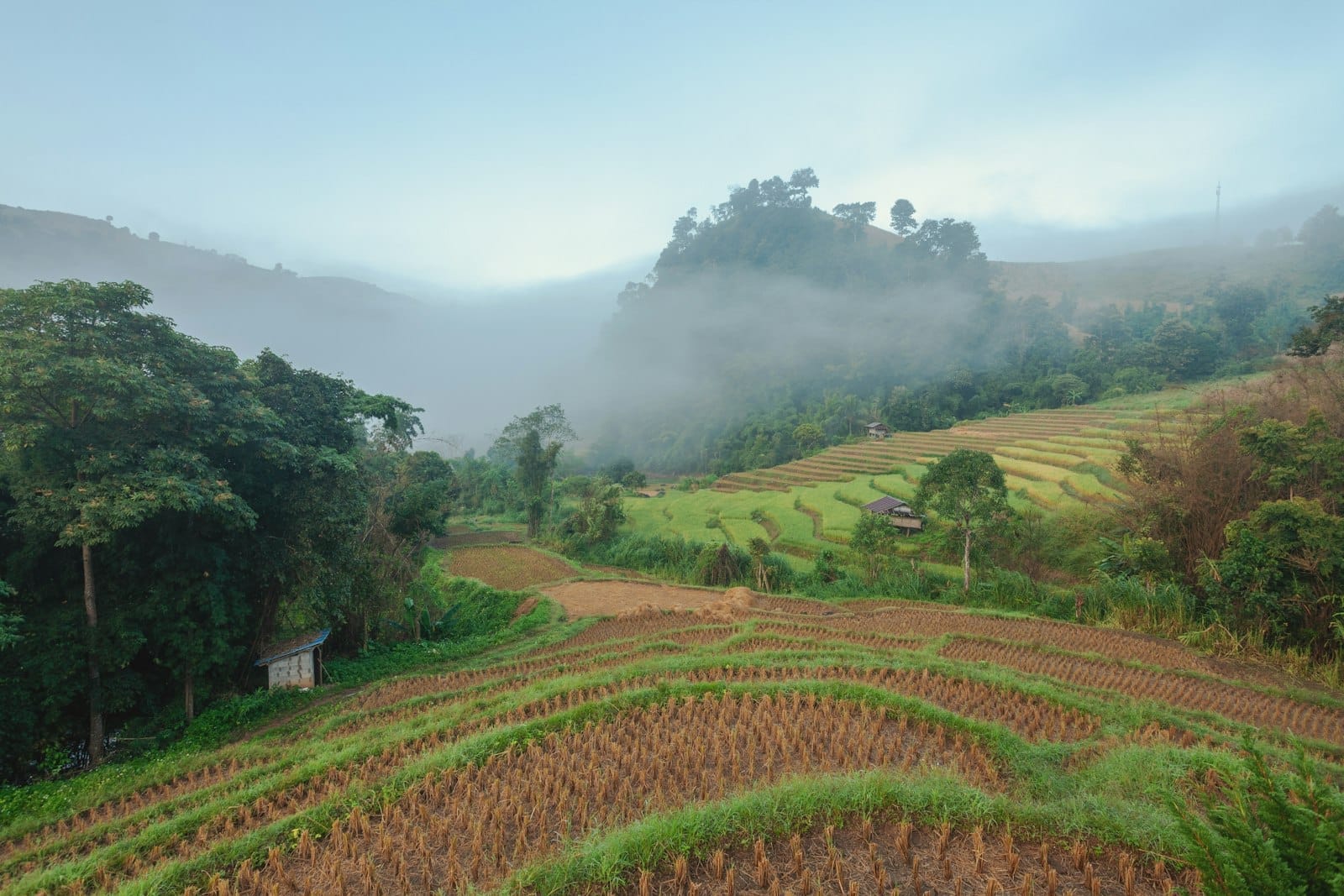
Chiang Mai's burning season is not a single event but the cumulative result of multiple overlapping fire sources across northern Thailand and neighboring Myanmar and Laos. The dominant cause is agricultural burning: farmers in the surrounding highlands clear crop residue, prepare fields for the next planting cycle, and burn forest understory to encourage new growth for foraging and livestock. This practice, deeply embedded in regional agricultural tradition, happens across millions of acres simultaneously when the dry season peaks.
Geography makes Chiang Mai particularly vulnerable. The city sits in a basin surrounded by mountains, and during the dry season, wind patterns shift to trap smoke rather than disperse it. Hot, stagnant air compounds the problem. On the worst days, the mountains that make Chiang Mai scenically distinctive become invisible behind a brown haze. This is not a brief smoke event that clears in a few days. It can persist for weeks at a time.
ℹ️ Good to know
The burning season is not unique to Chiang Mai — it affects the entire northern Thailand region including Chiang Rai, Pai, and Mae Hong Son. However, Chiang Mai's basin geography concentrates the smoke, often making it the worst-affected major city in the region.
When It Happens and How Bad It Gets
The burning season typically begins building in late January, intensifies through February, and reaches its worst point between late February and late March. April usually brings some relief as rains begin to return, though early April can still see significant smoke. The window shifts slightly year to year depending on rainfall patterns and regional fire management policies.
The Air Quality Index (AQI) is the standard measure. An AQI above 150 is considered 'Unhealthy' for sensitive groups and then for all groups as levels rise, above 200 is 'Very Unhealthy', and above 300 is 'Hazardous'. During peak burning years, Chiang Mai has recorded AQI readings above 400 — levels that place it among the most polluted cities on earth for those periods. In milder years, the city may sit in the 100-200 range for most of February and March, which is still uncomfortable for extended outdoor activity. In severe years, children are kept home from school, outdoor events are cancelled, and hospitals see spikes in respiratory admissions.
- Late January Smoke begins accumulating. AQI may hover in the 'Moderate' to 'Unhealthy for Sensitive Groups' range. Most visitors will not notice significant impact.
- February Conditions worsen noticeably. Haze becomes visible on many days. Outdoor sightseeing becomes less pleasant and outdoor exercise is not advisable.
- March (peak) The worst month in most years. Multiple days with AQI above 200 are common. Masks are essential outdoors. Photography of landscapes is heavily compromised.
- Early April Conditions often remain poor through Songkran (Thai New Year, mid-April). The water festival's outdoor nature is ironic given the air quality.
- Mid-to-late April First rains arrive and dramatically clear the air within days. The improvement can be near-instant once the wet season begins.
⚠️ What to skip
People with asthma, COPD, cardiovascular conditions, or compromised immune systems should seriously reconsider travel to Chiang Mai during February and March. Even healthy adults may develop persistent coughs, eye irritation, and fatigue after several days of exposure to severely elevated particulate matter.
The Impact on Travel and What You'll Actually Experience
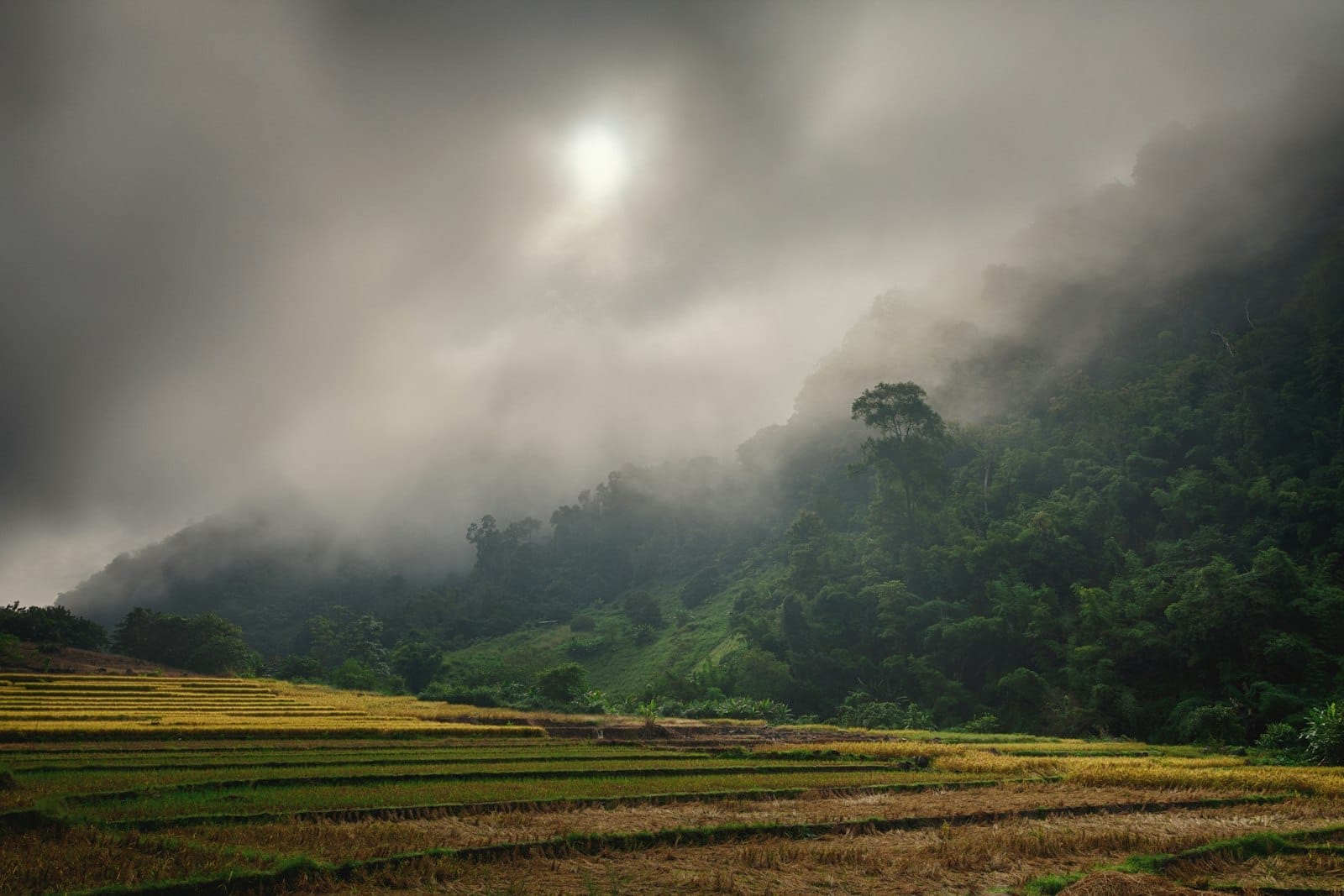
The practical effects on travel are significant. Photography in Chiang Mai suffers dramatically — mountain views disappear, sunsets turn an eerie orange, and landscape shots from Doi Suthep or the city walls look flat and murky. Outdoor activities like trekking, cycling, and long walks become unpleasant at best and harmful at worst.
Day trips outside the city are affected too. The hike to Kew Mae Pan Nature Trail and visits to Doi Inthanon National Park involve significant outdoor time and elevated exertion, both of which increase pollutant intake. Some visitors report their entire trip being marred by headaches, sore throats, and general lethargy — symptoms that disappear immediately upon leaving the province.
Indoor experiences hold up much better. Cooking classes, temple visits (short duration outdoors), museum visits, massage and spa sessions, the café scene, and the night markets are all still viable, though even night market browsing for two hours in heavy smoke is not trivial exposure. Budget travellers who rely on open-air accommodation like guesthouses with no air filtration will feel the effects more acutely than those staying in well-sealed hotels.
How to Protect Yourself If You're Visiting During Burning Season
The single most important piece of gear is an N95 or KN95 mask. Surgical masks and cloth masks filter particles poorly and offer minimal protection against the fine particulate matter (PM2.5) that dominates smoke pollution. N95s are widely available at pharmacies throughout Chiang Mai (look for Boots, Watsons, or local pharmacies near Nimman or the Old City) for around 20-60 THB per mask. Wear one whenever AQI exceeds 150 outdoors.
- Download IQAir or AirVisual app before you arrive — these give real-time AQI readings specific to Chiang Mai monitoring stations.
- Book accommodation with sealed windows and air conditioning, ideally with an air purifier. Ask hotels directly if their rooms have HEPA filtration.
- Plan outdoor activities for early morning (before 9 AM) when air is often marginally better before the day's heat builds.
- Avoid strenuous outdoor exercise entirely on days above AQI 150.
- Drink extra water — dry smoke conditions cause dehydration faster than you'd expect.
- If you wear contact lenses, switch to glasses during heavy smoke days to reduce eye irritation.
- Keep antihistamines and basic cold medication on hand — pharmacies are abundant and inexpensive, but it's easier to have them ready.
✨ Pro tip
Higher-end hotels in Chiang Mai increasingly advertise air purifiers as an amenity specifically because of burning season. If you're booking between February and April, filter your search for properties with air purification, or email the hotel directly to confirm before booking. A purifier running overnight can meaningfully reduce indoor PM2.5 exposure even if the hotel seal isn't perfect.
Planning Around It: When to Go Instead
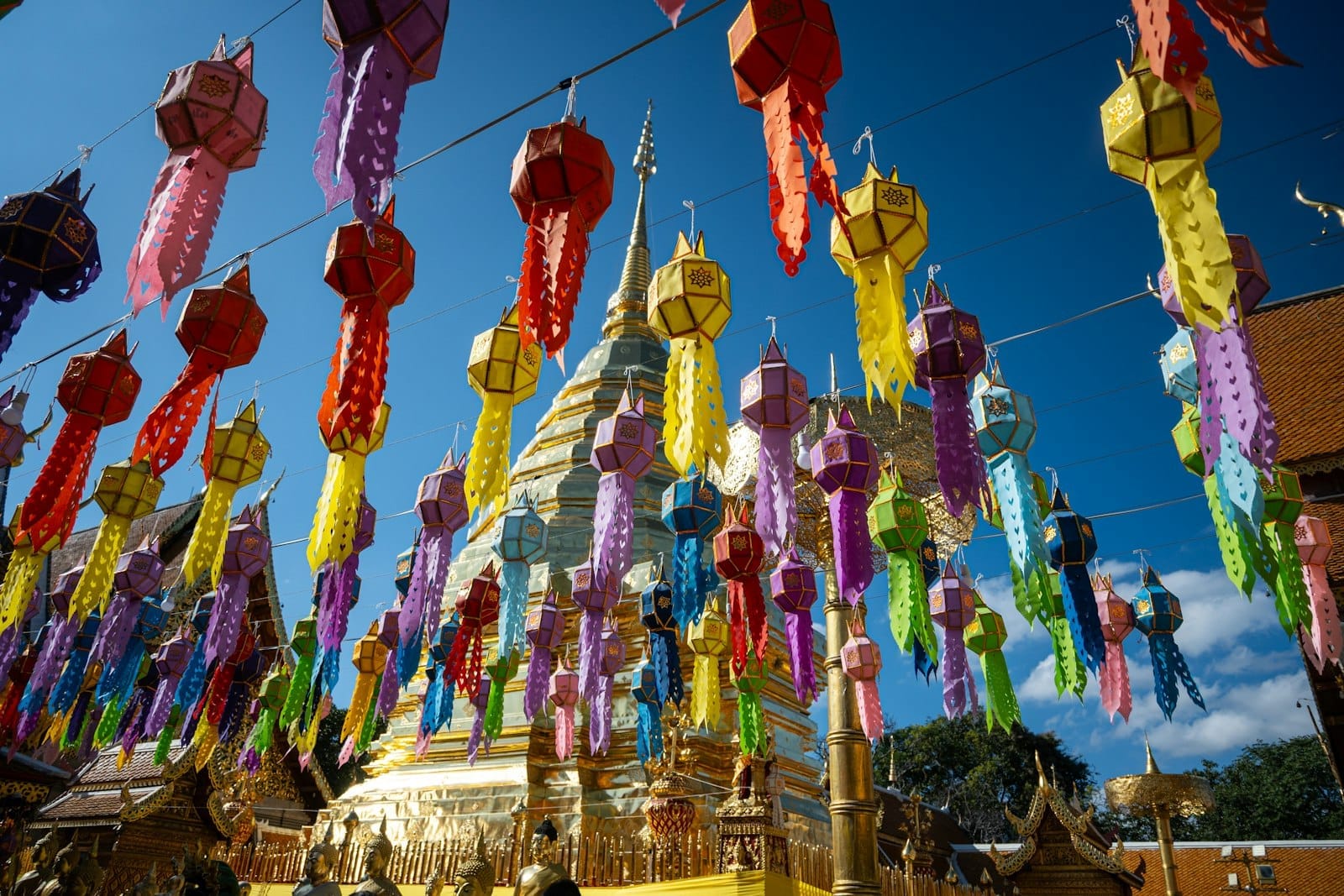
The cleanest, most comfortable time to visit Chiang Mai is November through January. Skies are clear, temperatures are cooler (around 18-28°C), and the landscape is at its best. November brings the Yi Peng Lantern Festival, one of the most visually spectacular events in Southeast Asia, and the air is clean enough that the lanterns actually rise clearly against dark skies. This window is the consensus best season for most travellers.
If you're committed to visiting in February, consider that the city's famous Chiang Mai Flower Festival takes place in early February, usually during the first weekend. This is one of the few occasions that draws visitors specifically to this period. Air quality in early February is often still manageable, and the festival itself is outdoors and worth experiencing if conditions cooperate. Check the AQI forecast in the week before you arrive.
Late April through October is the rainy season. The rains eliminate smoke almost entirely, and the city turns green. Waterfalls are at full flow, the surrounding mountains look lush, and tourist crowds thin out considerably. If you're planning trekking in Chiang Mai, the shoulder periods of late April-May and September-October offer good conditions. The tradeoff is occasional heavy afternoon rain that can disrupt plans — but that's a much more manageable problem than a week of AQI 350.
💡 Local tip
Chiang Mai's burning season has become a genuine deterrent for repeat visitors and long-term residents. If you're a digital nomad considering a two or three month base here, plan to arrive in October or November and depart before February. The city is exceptional for eight months of the year.
Honest Perspective: Should You Still Go?
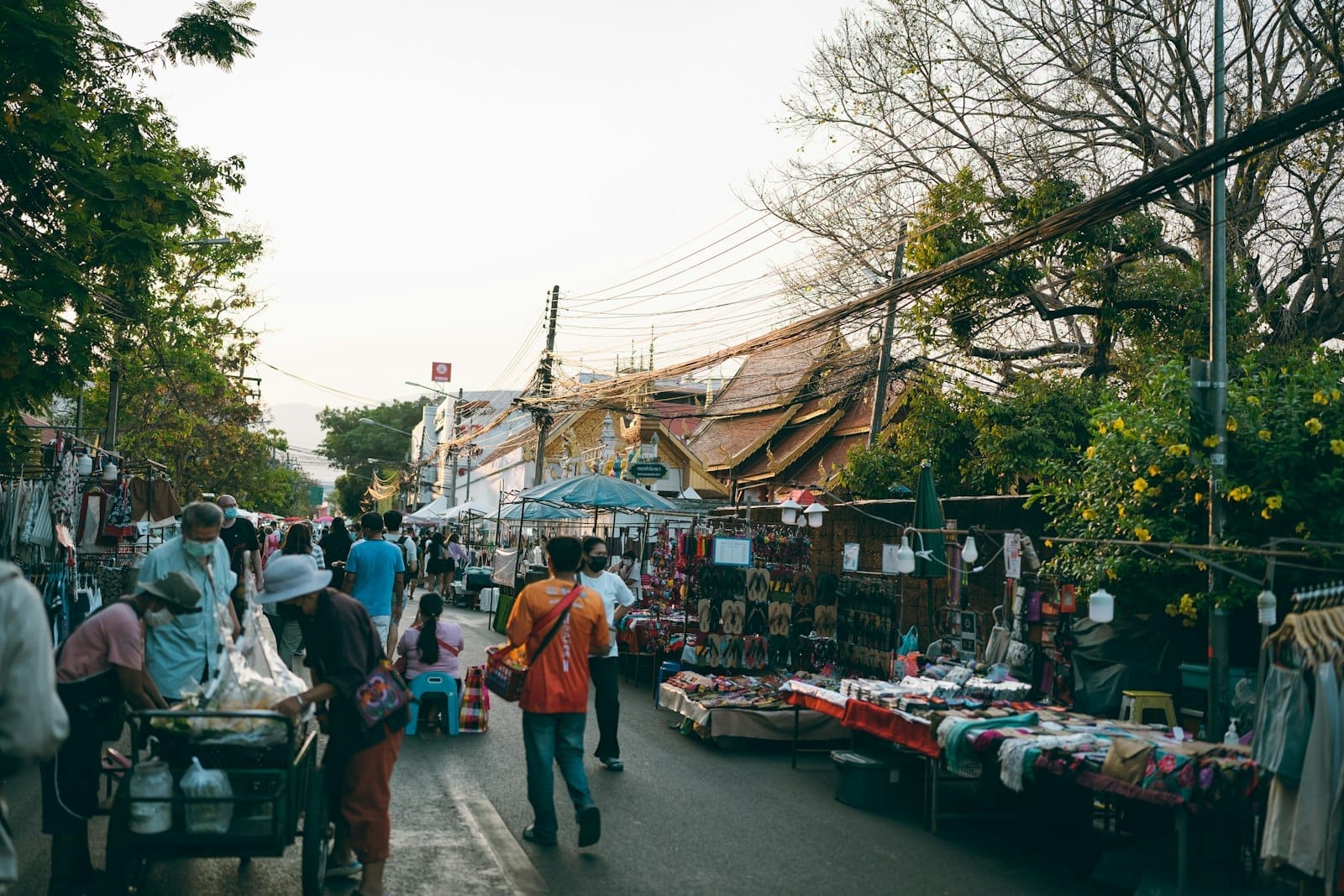
The answer depends entirely on your health situation, your tolerance for compromised outdoor experiences, and your flexibility. For healthy adults on a short trip who plan to spend most of their time indoors — at cooking schools, temples, cafés, markets, and spas — a February or March visit is manageable with precautions. You will not get the Chiang Mai that photos promise. The mountains will be grey. The air will smell faintly of smoke. But the food, the culture, the people, and the night markets are all still there.
For families with young children, this is a different calculation. Children's respiratory systems are more vulnerable to PM2.5 exposure, and a week of elevated particulate matter in a toddler's lungs is not trivial. If you're visiting Chiang Mai with kids, avoid February and March without question. For anyone with existing respiratory or cardiovascular conditions, the same advice applies firmly: choose a different window.
The burning season is also worth understanding as a regional issue rather than a simple tourist inconvenience. Local communities, farmers, and residents breathe this air every year. It affects public health, school attendance, and daily economic activity across millions of people. Awareness of this broader context — and supporting tourism operators and conservation organisations working on sustainable land management in northern Thailand — matters beyond your own travel planning.
FAQ
When exactly is burning season in Chiang Mai?
Burning season typically runs from late January through mid-April, with the peak usually occurring in February and March. The exact timing and severity varies year to year depending on rainfall patterns. Some years peak in late February, others in mid-March. Monitor IQAir.com in the weeks before your trip to get a real-time picture.
How bad is the air quality in Chiang Mai during burning season?
It varies year to year. In moderate years, AQI sits in the 100-200 range for much of February and March — 'Unhealthy' by international standards. In severe years, Chiang Mai has recorded AQI readings above 400, placing it among the most polluted cities on earth during those periods. Checking a real-time AQI app when planning is essential.
What mask should I wear during Chiang Mai burning season?
N95 or KN95 masks are the standard recommendation. They filter fine particulate matter (PM2.5) which is the primary health hazard from wildfire and agricultural smoke. Surgical masks and cloth masks offer minimal protection against PM2.5 particles. N95s are readily available at pharmacies across Chiang Mai for around 30-60 THB each.
Is it safe to visit Chiang Mai during burning season?
For healthy adults taking precautions, a short visit is manageable. For people with asthma, respiratory conditions, cardiovascular issues, young children, or pregnant women, the risk is serious enough that visiting in February-March is not recommended. Even healthy visitors may experience coughing, eye irritation, and fatigue during severe smoke periods.
Does burning season affect places outside Chiang Mai city?
Yes. The entire northern Thailand region is affected — Chiang Rai, Pai, Mae Hong Son, and surrounding national parks all experience smoke. Chiang Mai city tends to be worse than higher-altitude areas on some days due to its basin geography trapping smoke, but outdoor activities anywhere in the north are impacted during peak burning months.
Tickets & tours
Live prices and dates from our booking partner. If you book, we may earn a commission at no extra cost to you.
Planning a trip? Discover personalized activities with the Nomado app.