Yi Peng Lantern Festival Chiang Mai: The Complete Guide
Yi Peng is one of the most spectacular festivals in Southeast Asia, filling Chiang Mai's night sky with thousands of floating lanterns. This guide covers when to go, where to watch, how to get tickets, and the practical details that make the difference between a magical night and a frustrating one.
Tickets & tours
Live prices and dates from our booking partner. If you book, we may earn a commission at no extra cost to you.
TL;DR
- Yi Peng falls on the full moon of the second month of the Lanna lunar calendar, typically in November alongside the national Loy Krathong holiday.
- The most famous mass lantern release is organized by the World Fellowship of Buddhists near Maejo University, about 15 km north of the city, and requires advance tickets that sell out weeks before the event.
- Free celebrations happen throughout Chiang Mai's Old City, along the Ping River, and at temples across the city, no ticket required.
- Book accommodation at least 2-3 months ahead — November is peak season and hotels in Chiang Mai fill up fast during Yi Peng.
- Paper lanterns (khom loi) are technically restricted in some zones due to aviation safety rules — check current regulations before releasing one on your own.
What Is Yi Peng and Why It Happens in Chiang Mai
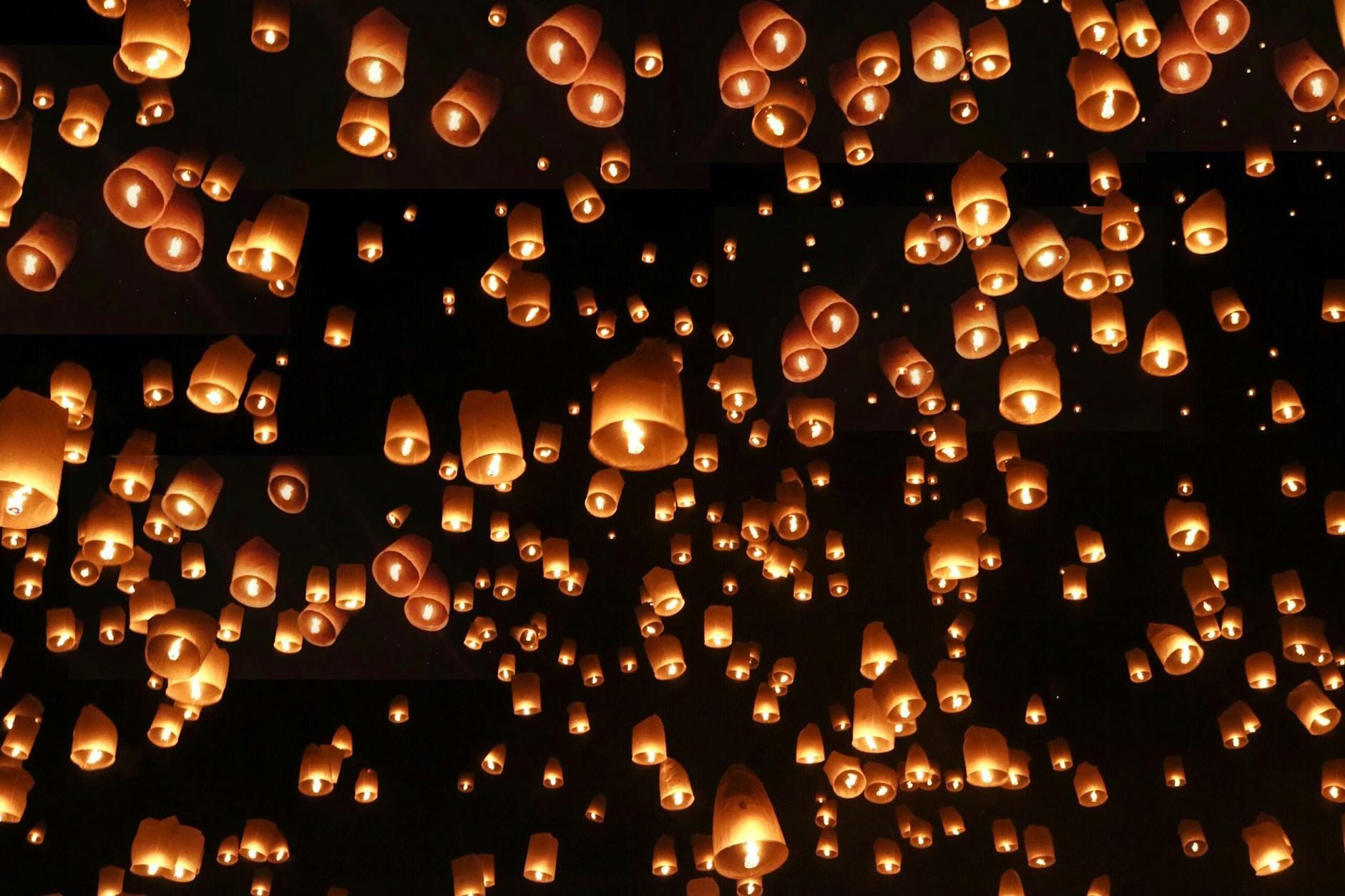
Yi Peng (ยี่เป็ง) is a Lanna festival rooted in the ancient culture of Northern Thailand. The name translates roughly to 'second month full moon' in the Lanna calendar, and the tradition predates the modern Thai state. It has been celebrated in Chiang Mai and the surrounding Lanna region for centuries, tied to Buddhist merit-making and the symbolic release of bad luck, sins, and worries as the lantern floats skyward.
While Bangkok celebrates Loy Krathong primarily by floating krathong (decorated baskets) on water, Chiang Mai doubles down with the aerial dimension of Yi Peng. The two festivals share a date but feel entirely different. In Chiang Mai, both traditions merge: people float krathong on the Ping River and send khom loi (sky lanterns) into the air on the same evening, creating a celebration that covers both earth and sky.
ℹ️ Good to know
Yi Peng is not a single event with one organizer. It's a multi-day festival spread across the city, with events at temples, along the river, in the Old City, and at separately organized mass release ceremonies. Don't plan your trip around just one venue.
When Does Yi Peng Take Place
The festival centers on the full moon night of the second Lanna lunar month, which falls in November on the Gregorian calendar. The exact date shifts each year. In recent years, the main evening has fallen anywhere between late October and mid-November. Large commercial mass release ceremonies now typically run across two evenings around the full moon night rather than being focused specifically on Maejo. The surrounding days see temple events, lantern decorations, and street markets picking up from roughly three days before the full moon.
- 2025 Full moon falls on 5 November. Main Maejo release expected around 5-6 November.
- 2026 Full moon falls on 24 November. Dates shift annually — verify with the World Fellowship of Buddhists website closer to the time.
- Best days to be in Chiang Mai Arrive at least two days before the full moon to catch temple decorations, market stalls, and the building atmosphere.
⚠️ What to skip
November is peak tourist season in Chiang Mai. Flight prices and hotel rates spike sharply in the two weeks around Yi Peng. Book flights at least 6-8 weeks out and accommodation 2-3 months ahead if your dates are fixed.
The Maejo Mass Lantern Release: What to Know Before You Buy Tickets
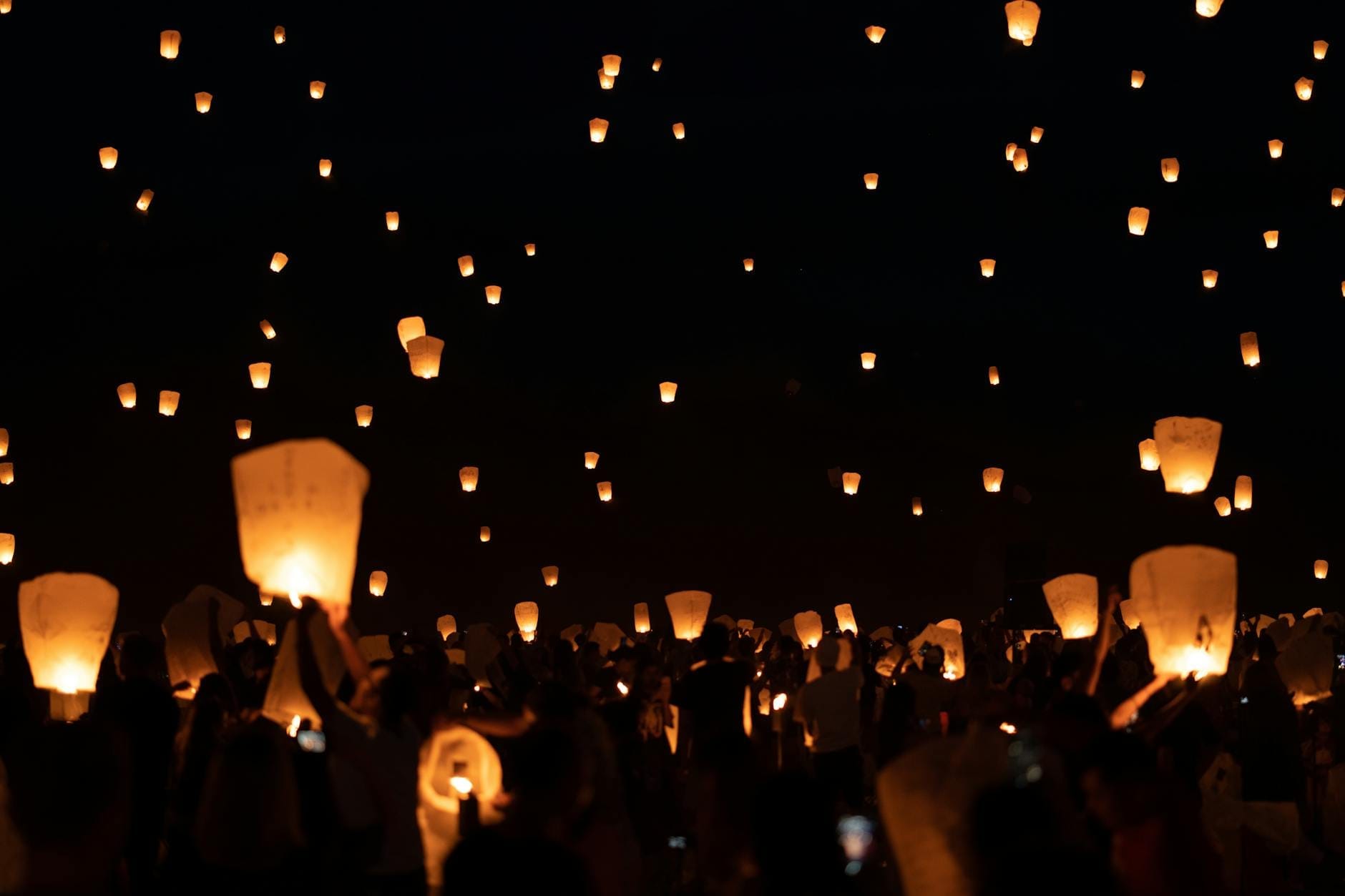
Today, the largest coordinated mass releases around Yi Peng are run by private organizers at venues outside central Chiang Mai, such as the CAD Khomloy Sky Lantern Festival site in Mae On District, over 30 km from the Old City. This is the event that produced the iconic photographs you've seen: thousands of lanterns rising in near-perfect unison against a dark sky, the glow reflecting off thousands of upturned faces. It is genuinely breathtaking. It is also a highly structured, ticketed, and logistically demanding event.
Tickets for major commercial sky-lantern events now typically cost several thousand baht per person, often in the 4,900–15,000 THB range depending on the seating category and package. Higher tiers usually include priority seating, a khom loi lantern included in the price, and sometimes a small gift set. Lower-tier tickets place you further from the central field. The ceremony includes Buddhist prayers, monks chanting, and a countdown before the main release. The full event runs approximately 2-3 hours. Tickets often go on sale several months before the event and routinely sell out.
✨ Pro tip
Buy Maejo tickets directly from the official WFB website or authorized resellers. Third-party sellers on travel forums sometimes charge double. Be especially cautious of 'guaranteed ticket' offers on social media — scams appear every year around Yi Peng.
Getting to and from Maejo is the biggest practical challenge. Songthaew (shared red pickup trucks) and organized shuttle buses run from central Chiang Mai on the event nights, but post-release traffic is severe. Expect 90 minutes to 2 hours to get back into the city after the release. Ride-hailing apps like Grab can be difficult to use near major lantern venues during peak times due to congestion and demand, and independent drivers charge premium rates. The most stress-free option is booking a private transfer through your hotel in advance, or joining a tour package that includes transportation.
Free Yi Peng Celebrations Across Chiang Mai
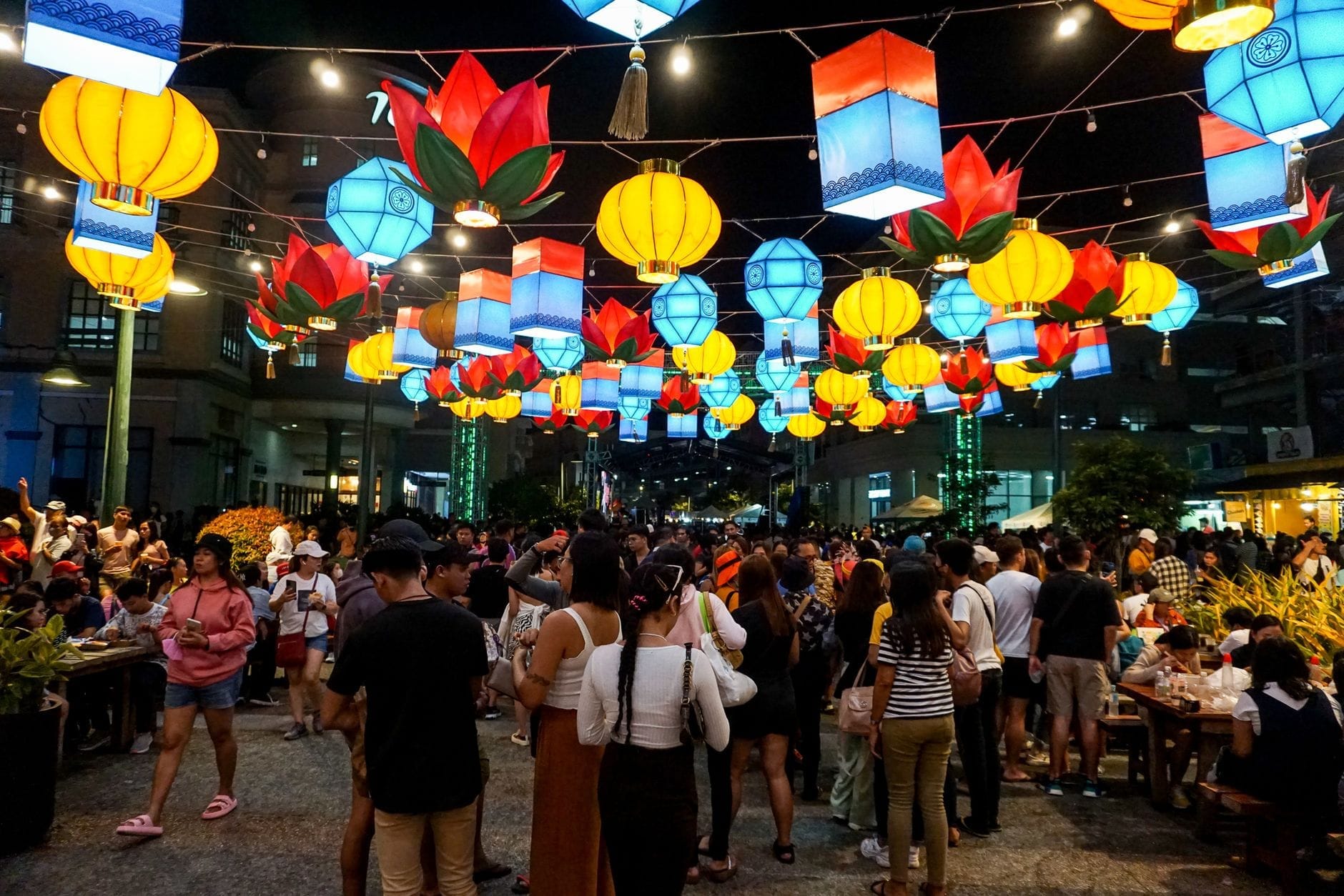
The Maejo ceremony gets all the press, but the free celebrations in the city are genuinely excellent, especially for anyone who values atmosphere over spectacle. The Old City fills with decorations, lantern stalls, and street food vendors from about three days before the full moon. The moat is lit with floating krathong, and locals and tourists alike send lanterns up from the streets and courtyards.
The Ping River is the other major free venue. The stretch between Nawarat Bridge and the Iron Bridge is lined with people floating krathong, and sky lanterns rise constantly throughout the night. It's less organized than Maejo but often more emotionally resonant, because you're sharing the moment with local families rather than a crowd of international tourists.
- Wat Phra Singh and Wat Chedi Luang host their own lantern ceremonies with monks — quieter and more spiritually grounded than the mass events
- The Saturday Walking Street on Wualai Road transforms during Yi Peng week with special lantern vendors and decorations
- Nimman Road area sees young locals gathering informally to release lanterns throughout the full moon evening
- Many guesthouses and boutique hotels in the Old City organize rooftop releases for guests — ask when booking
Photography at Yi Peng: How to Get the Shot
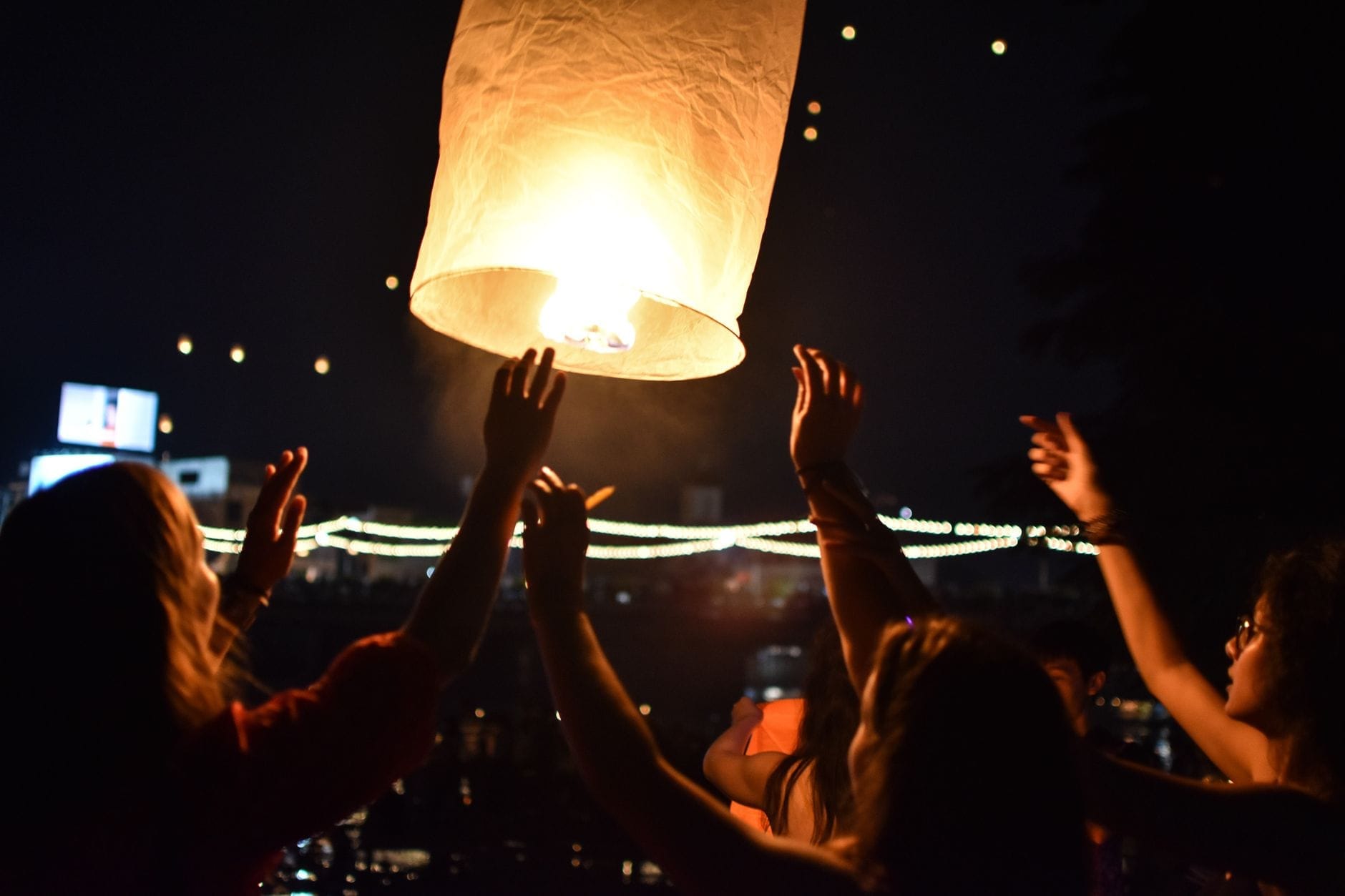
Yi Peng is one of the most photographed events in Thailand, and with good reason. The challenge is capturing something that isn't just another copy of the same shot. Chiang Mai's photography sceneriverfront and city photography is competitive during Yi Peng, and the best positions at Maejo are taken by photographers with tripods 90 minutes before the release.
For the Maejo ceremony, bring a tripod, a wide-angle lens, and arrive very early. The ascent phase (the first 60-90 seconds after the synchronized release) is your window. Exposure times of 8-15 seconds at f/5.6 to f/8 work well for capturing lantern trails against a dark sky. In the city, the river scenes offer more compositional variety: lanterns reflected in water, monks in orange robes, and the human scale of the festival that gets lost in the wide-open Maejo field.
💡 Local tip
Smoke from thousands of lanterns drifts back down after the main release at Maejo. Protect your camera gear with a lens cloth handy, and check that your front element is clean before shooting the ascent phase.
Practical Advice: What to Wear, Bring, and Avoid
November evenings in Chiang Mai are considerably cooler than the rest of the year, especially after dark. Temperatures can drop below 20°C after midnight at higher elevations, and even in the city, 20–22°C evenings are common. Bring a light jacket or layer. Check the weather patterns for November before packing.
- Wear dark or natural colors Lantern soot and ash falls during and after large releases. White clothing will show damage.
- Bring cash Many vendors and transport options at Maejo and along the river don't accept cards.
- Eat before you go to Maejo Food stalls at the venue are limited and the queues are long. Pre-event meals in the city are a better option.
- Arrange return transport in advance Post-event transport from Maejo is chaotic. Book a private driver or a tour that includes a return shuttle.
- Check aviation restrictions Releasing khom loi near Chiang Mai International Airport is prohibited. The restriction zone changes slightly year to year — check with local authorities or your accommodation.
If you're visiting Chiang Mai specifically for Yi Peng, it's worth building in extra days to explore the city properly. The 3-day Chiang Mai itinerary pairs well with a Yi Peng visit: temples, markets, day trips, and the festival itself fill a 5-day trip comfortably.
FAQ
Do I need a ticket to see Yi Peng lanterns in Chiang Mai?
No. The city-wide celebrations are free. Tickets are only required for large organized mass-release events at dedicated venues outside the city run by private organizers. You can see lanterns across the Old City, along the Ping River, and near most major temples without paying anything.
How far in advance should I book for Yi Peng?
Book accommodation 2-3 months ahead. Maejo tickets typically go on sale 4-6 weeks before the event and sell out quickly. Flights should be booked 6-8 weeks out at minimum, as November is high season in Chiang Mai.
Is Yi Peng safe for children and families?
The city celebrations are family-friendly, and the atmosphere is warm and communal. The Maejo mass release involves large crowds, long waits, and post-event transport chaos, which can be exhausting for young children. For families, watching from the riverfront or Old City is often a better experience.
Can tourists release a sky lantern at Yi Peng?
Yes, but only within officially permitted areas; in recent years, sky lanterns have been strictly prohibited within Chiang Mai city limits, with releases allowed only in designated zones outside the city. However, releasing lanterns near the airport or in zones with flight paths is prohibited. Always check current restrictions with your accommodation, as the rules are enforced differently each year.
What is the difference between Yi Peng and Loy Krathong?
Loy Krathong is a national Thai festival celebrated by floating decorated baskets (krathong) on water. Yi Peng is a Lanna tradition specific to Northern Thailand, centered on releasing sky lanterns. In Chiang Mai, both usually happen simultaneously on the same full moon night, making the city's celebration uniquely layered compared to anywhere else in Thailand.
Tickets & tours
Live prices and dates from our booking partner. If you book, we may earn a commission at no extra cost to you.
Planning a trip? Discover personalized activities with the Nomado app.