3 Days in Chiang Mai: The Perfect Itinerary
Three days is enough to cover Chiang Mai's essential temples, markets, and surroundings without rushing — if you plan smart. This itinerary balances the Old City's cultural core with the hills above the city and the region's famous ethical elephant experiences, built around how the city actually flows.
Tickets & tours
Live prices and dates from our booking partner. If you book, we may earn a commission at no extra cost to you.
TL;DR
- Day 1 focuses on the Old City: temples, the moat, walking streets, and the local food scene.
- Day 2 heads uphill to Doi Suthep and, if time allows, Wat Pha Lat — a jungle temple most visitors miss entirely.
- Day 3 is best spent at an ethical elephant sanctuary or on a half-day Doi Inthanon trip.
- Book elephant sanctuary visits at least 3-5 days in advance — popular programs fill fast.
- Avoid this itinerary during the burning season (roughly February to April) without reading the air quality situation first.
Before You Arrive: Logistics Worth Sorting in Advance
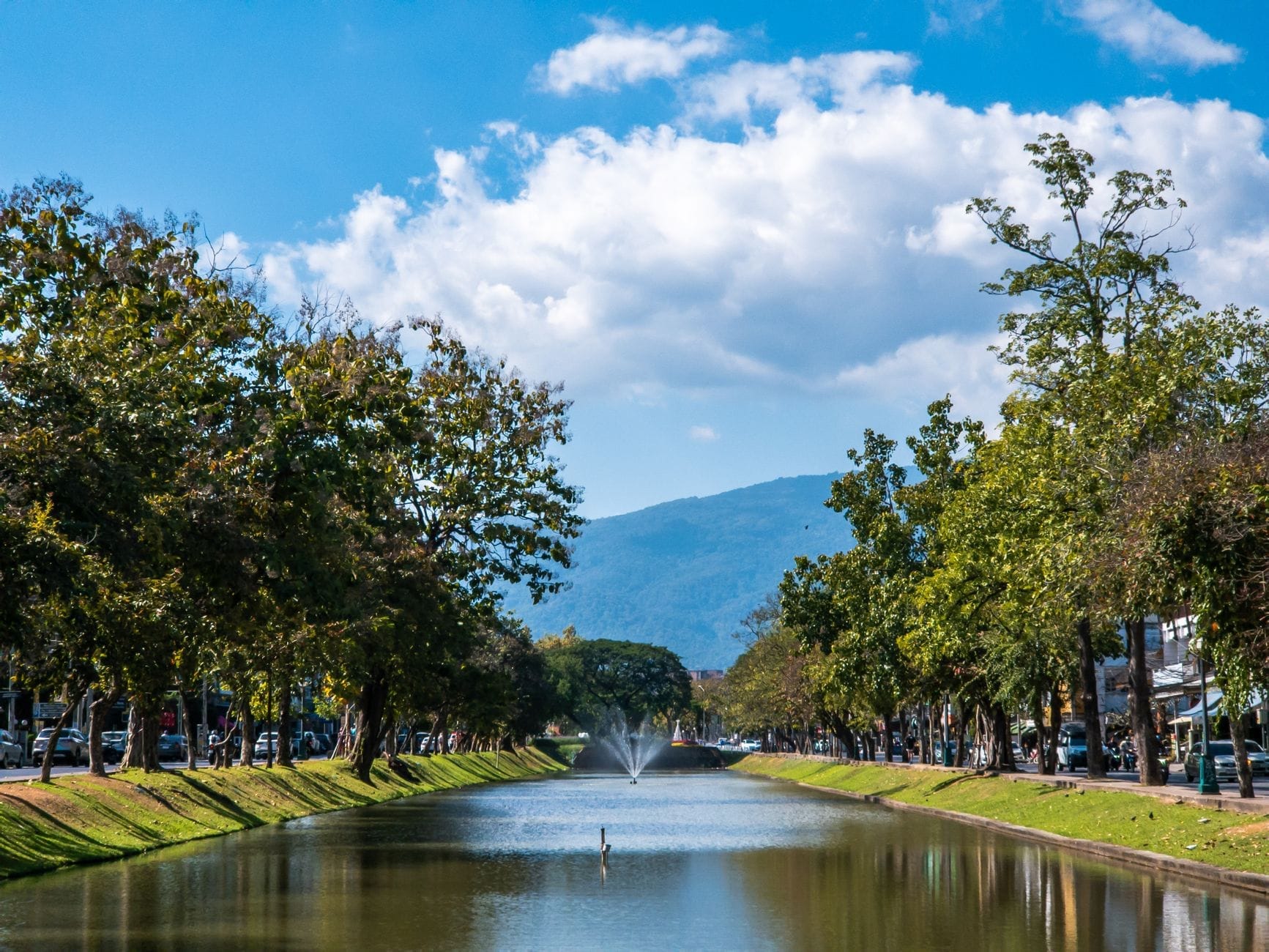
Chiang Mai is compact compared to Bangkok, but it rewards a little pre-trip planning. The city has two distinct zones you'll move between: the square Old City moat area, and the wider Nimman-Riverside corridor to the west and south. Getting between them on foot is possible but takes 20-30 minutes, so most visitors use red songthaew trucks (shared taxis, around 40-60 THB per person) or Grab, Thailand's dominant ride-hailing app. Read up on getting around Chiang Mai before you land — it'll save you from overpaying on your first day.
Accommodation matters more here than in most Thai cities because location affects your whole experience. Staying inside or near the Old City puts you walking distance from the main temples and the Sunday and Saturday walking streets. Nimman suits digital nomads and cafe-hoppers better. For a full breakdown of neighborhoods and price tiers, the where to stay in Chiang Mai guide covers the trade-offs honestly.
⚠️ What to skip
Chiang Mai's burning season typically runs February through mid-April. Air quality (AQI) can reach hazardous levels during this window, making outdoor temple walks and hillside hikes genuinely unpleasant or medically inadvisable. Check real-time AQI at iqair.com before finalizing your dates.
Day 1: The Old City and Its Temples
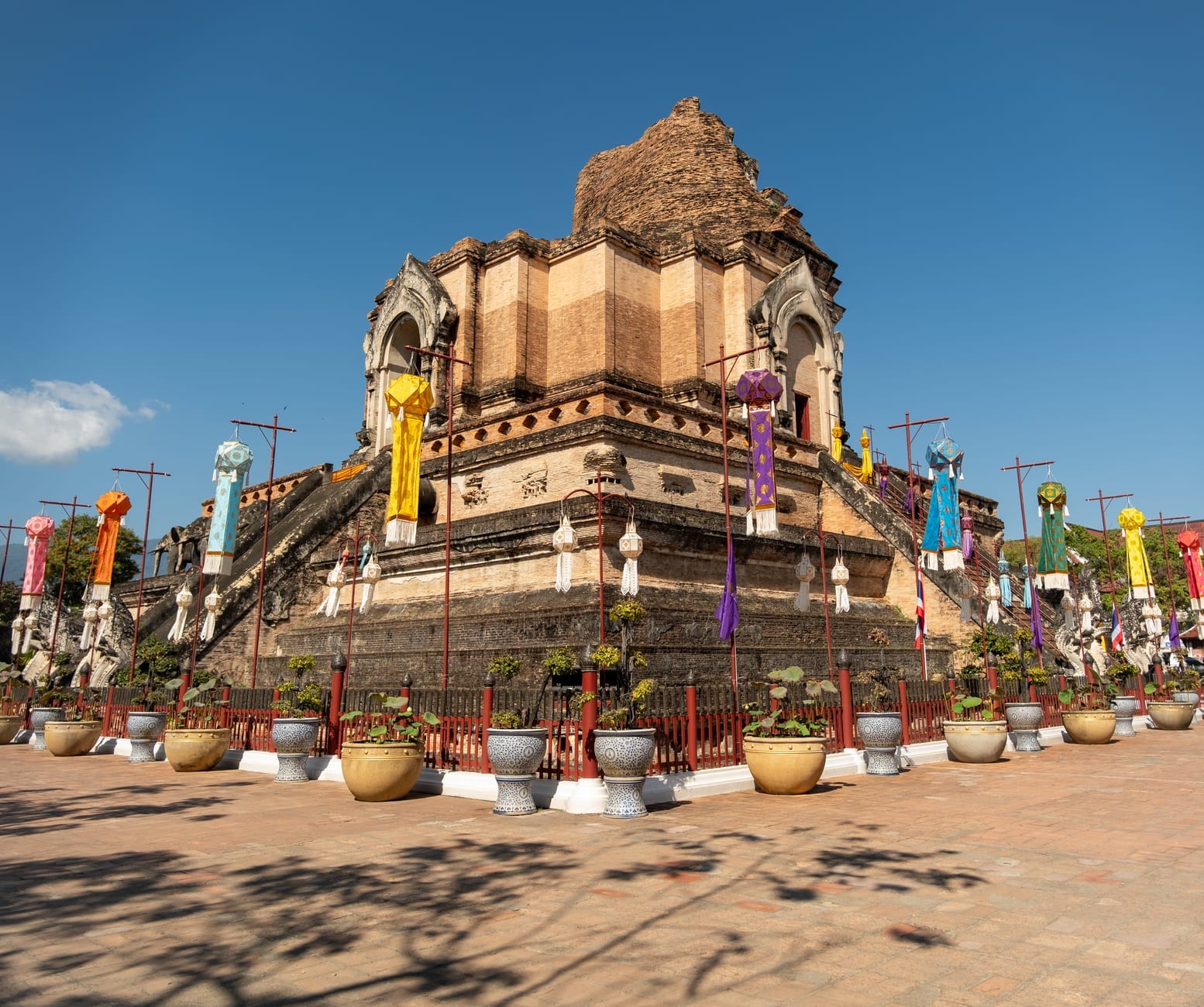
Start early — before 9am if you can. The Old City's major temples are at their best in the morning light and before tour groups descend. Begin at Wat Phra Singh, the Old City's grandest temple complex, then walk 10 minutes east to Wat Chedi Luang, where you'll find Chiang Mai's most dramatic ruin: a 15th-century chedi that was partially destroyed by an earthquake in the 16th century. Both have entry fees (40-50 THB each). Dress codes apply — shoulders and knees covered. Sarongs are available at the entrance if you forget.
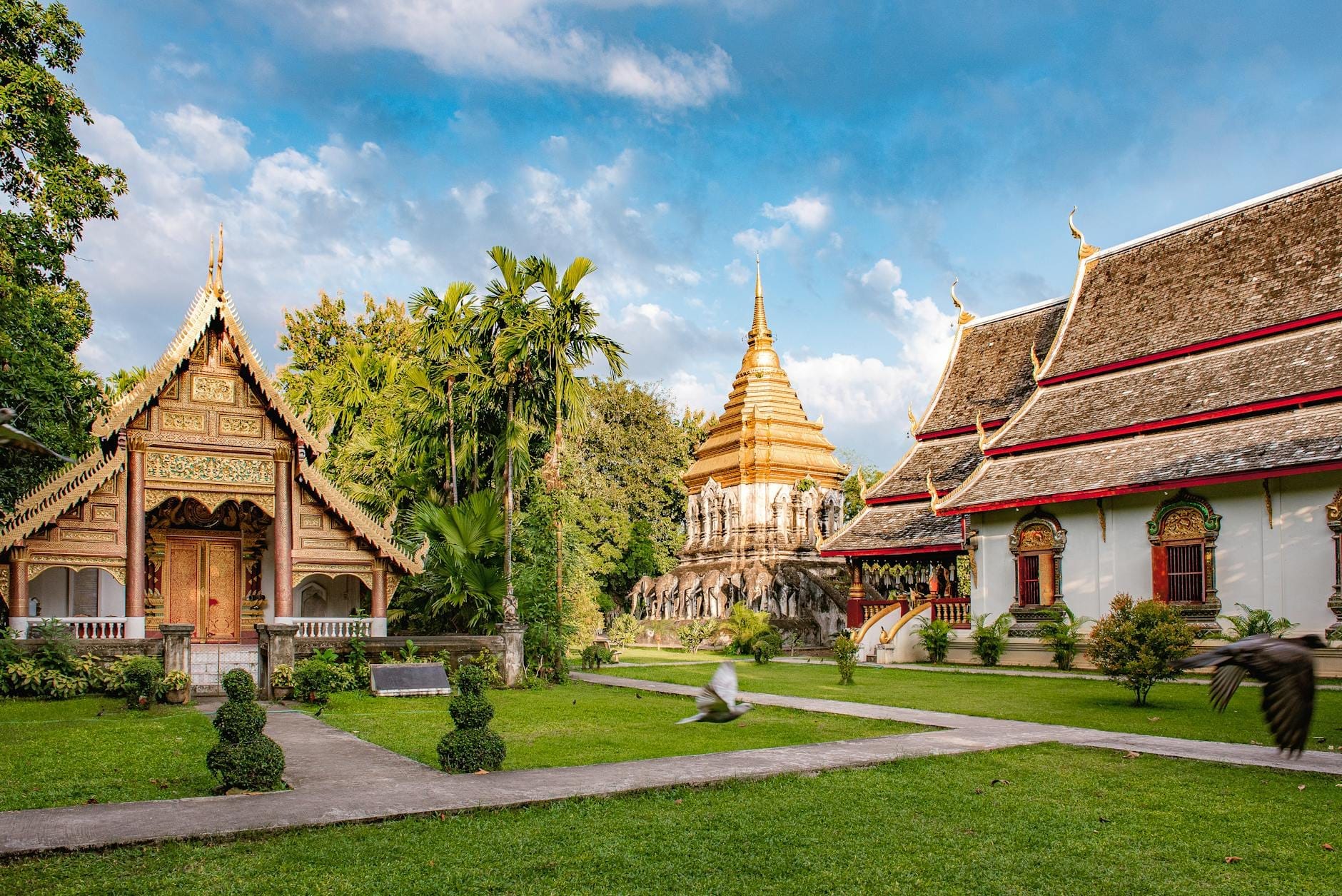
From Wat Chedi Luang, it's a short walk to Wat Chiang Man, the oldest temple in the city, founded around 1296. It's smaller and less visited than the other two, which is exactly why it's worth including. By mid-morning, circle back through the Old City streets toward Tha Phae Gate for lunch. The area around the gate has dozens of small restaurants serving khao soi (Northern Thai curry noodle soup) for 60-100 THB. This is the dish Chiang Mai is most known for — try it here rather than in tourist-facing restaurants on Nimman.
💡 Local tip
Temple-hop between 7:30am and 10:30am. By 11am, tour buses start arriving and the experience changes significantly. If you're visiting on a Sunday, plan your afternoon around the Sunday Walking Street on Ratchadamnoen Road — it opens around 4pm and runs until 10pm.
The afternoon on Day 1 is for the Three Kings Monument area and the cultural museums around it. The Lanna Folklife Museum is one of the better small museums in Northern Thailand, with well-presented exhibits on the Lanna Kingdom that ruled this region before it was absorbed into Siam. Entry is around 90 THB. The adjacent Chiang Mai City Arts and Cultural Centre is worth pairing with it.
Evening on Day 1 is for the night market or walking street, depending on which day you arrive. The Saturday Walking Street on Wualai Road and the Sunday Walking Street on Ratchadamnoen Road are the best options for food, local crafts, and atmosphere. If it's a weeknight, head to the Chiang Mai Night Bazaar area near Chang Klan Road instead — less artisan, more commercial, but still lively. Finish the night with dinner along the riverside if you want something quieter.
Day 2: Doi Suthep and the Hills Above the City
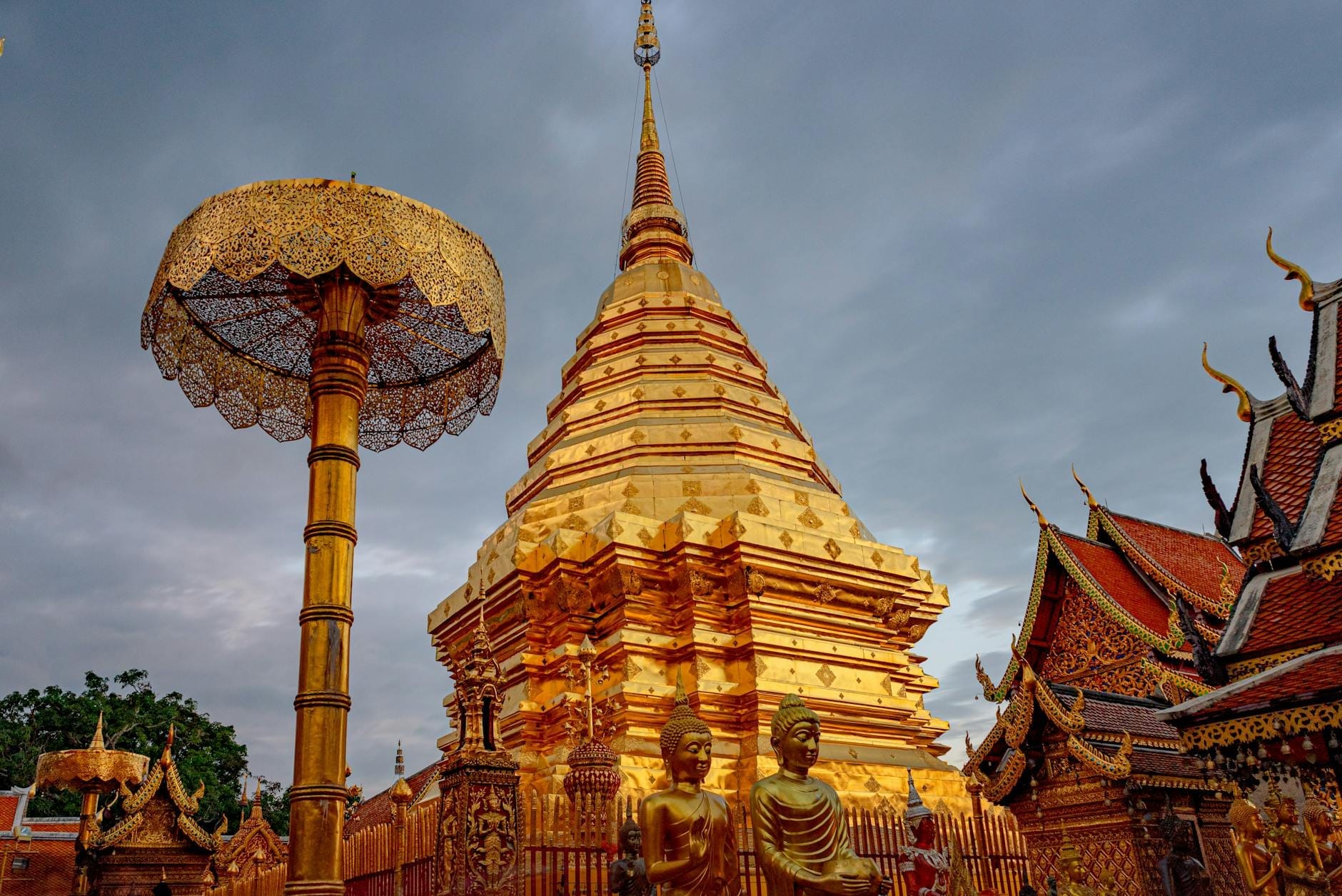
Doi Suthep is the mountain that defines Chiang Mai's skyline, and Wat Phra That Doi Suthep at its peak is the temple most visitors associate with the city. The temple sits at around 1,080 meters and requires climbing 309 steps (or taking the funicular for 50 THB). Entry to the temple is 30 THB. Go before 9am to avoid the worst crowds — the mountain road gets congested by mid-morning, especially on weekends.
On the way up the mountain, ask your songthaew or Grab driver to stop at Wat Pha Lat. This temple is built into the jungle at around 600 meters — streams run through the grounds, there are small shrines built around natural rock formations, and it sees a fraction of Doi Suthep's traffic. It's a 15-20 minute stop that most itineraries skip entirely, and it's more atmospheric than the main temple for many visitors.
After Doi Suthep, the question is whether to continue further up the mountain to Phu Ping Palace (Bhuphing Palace) — the royal winter residence. It's open to the public on certain days when the royal family isn't in residence (usually November to February, roughly 8:30am to 3:30pm, around 50 THB). The gardens are manicured and worth seeing in the cool season. During hot or rainy season, most people skip it.
✨ Pro tip
Rent a scooter for Day 2 if you're comfortable riding one. A rental costs 150-250 THB per day at most Old City shops. The Doi Suthep road is wide enough for confident beginners, and having your own wheels means you can stop at Wat Pha Lat without coordinating a driver. International driving permits are technically required but rarely checked.
Return to the city by early afternoon and spend the late afternoon at one of Chiang Mai's better coffee shops or at the Nimman Road area. Chiang Mai has a serious specialty coffee culture, built partly on the fact that Northern Thailand produces some of the best arabica in Southeast Asia. The Chiang Mai coffee shop scene rewards exploration — Nimman and the lanes around One Nimman have the highest concentration of good options.
Day 3: Elephant Sanctuary or Doi Inthanon
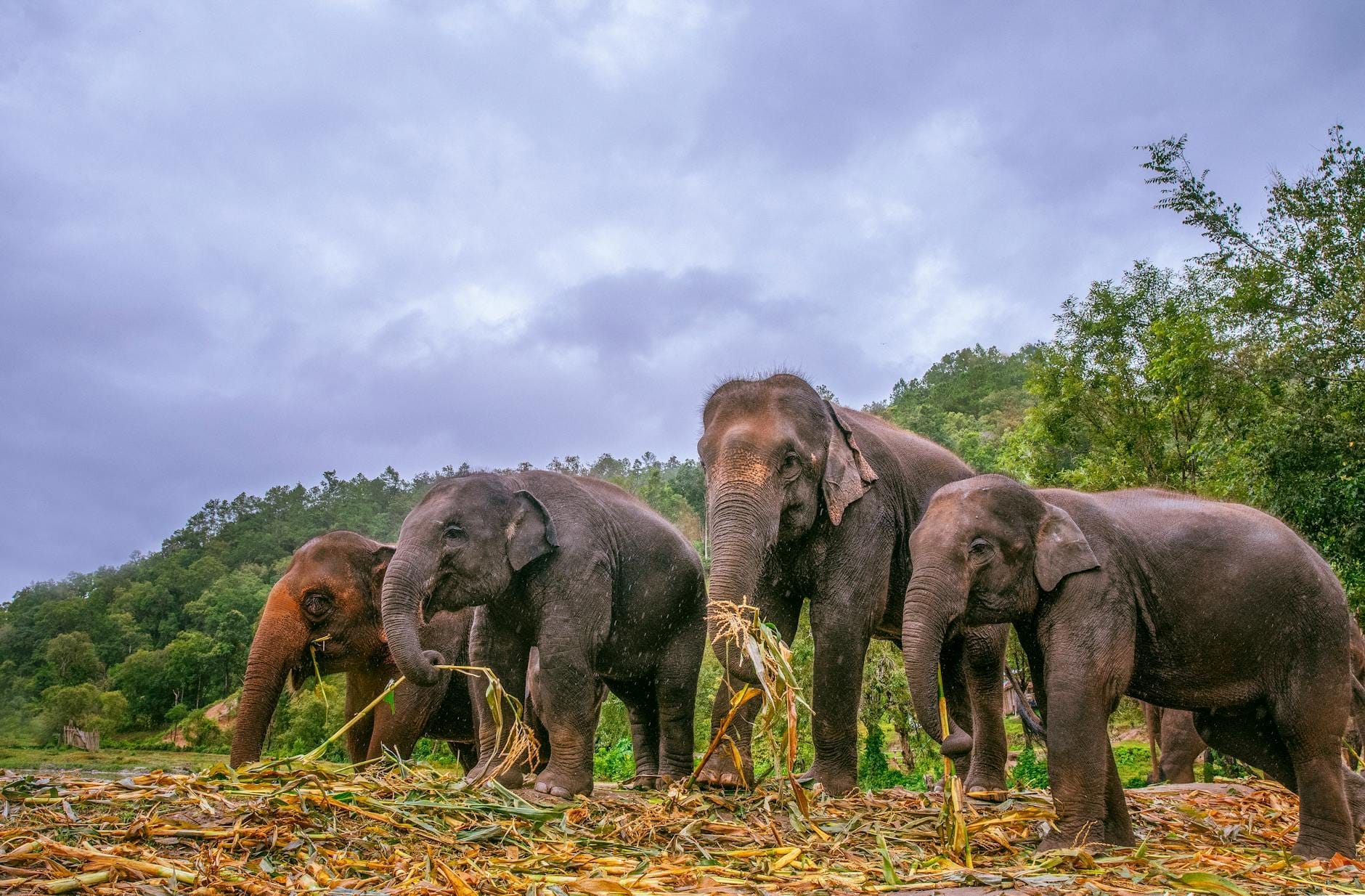
Day 3 is a decision point. If you haven't booked an elephant experience yet, do it now for your next visit — and read the elephant sanctuaries guide carefully before choosing. The ethical distinction between sanctuaries that allow riding and those that don't is significant, and the better operations (Elephant Nature Park, Elephant Jungle Sanctuary, and a handful of others) fill up days in advance. Full-day programs typically run 1,500-3,000 THB and include transport, meals, and time in the water with the elephants.
The alternative for Day 3 is a day trip to Doi Inthanon National Park, about 80km southwest of the city. This is Thailand's highest peak (2,565m), and the park contains the famous Royal Twin Pagodas, several waterfalls including Wachirathan Waterfall, and the summit itself. The Doi Inthanon day trip guide has the full logistics — it's a full day that requires an early start, ideally by 7am to get the most out of it.
- Elephant Nature Park The most well-known ethical operation near Chiang Mai. No riding, bathing with elephants, good food. Full-day runs around 2,500-3,000 THB. Book 5-7 days in advance in high season.
- Doi Inthanon National Park Best for nature lovers and photographers. Entrance fee 300 THB for foreigners, plus 30-50 THB per vehicle. Best visited November through February when the weather is clear and cool.
- Chiang Rai Day Trip Viable from Chiang Mai in a long day (3 hours each way by bus or minivan). Better done overnight. If you have only 3 days in Chiang Mai, prioritize the city first.
- Handicraft Villages Circuit Bo Sang umbrella village and San Kamphaeng hot springs make a good half-day east of the city. Lower commitment than a full national park day.
Food: What to Eat and When
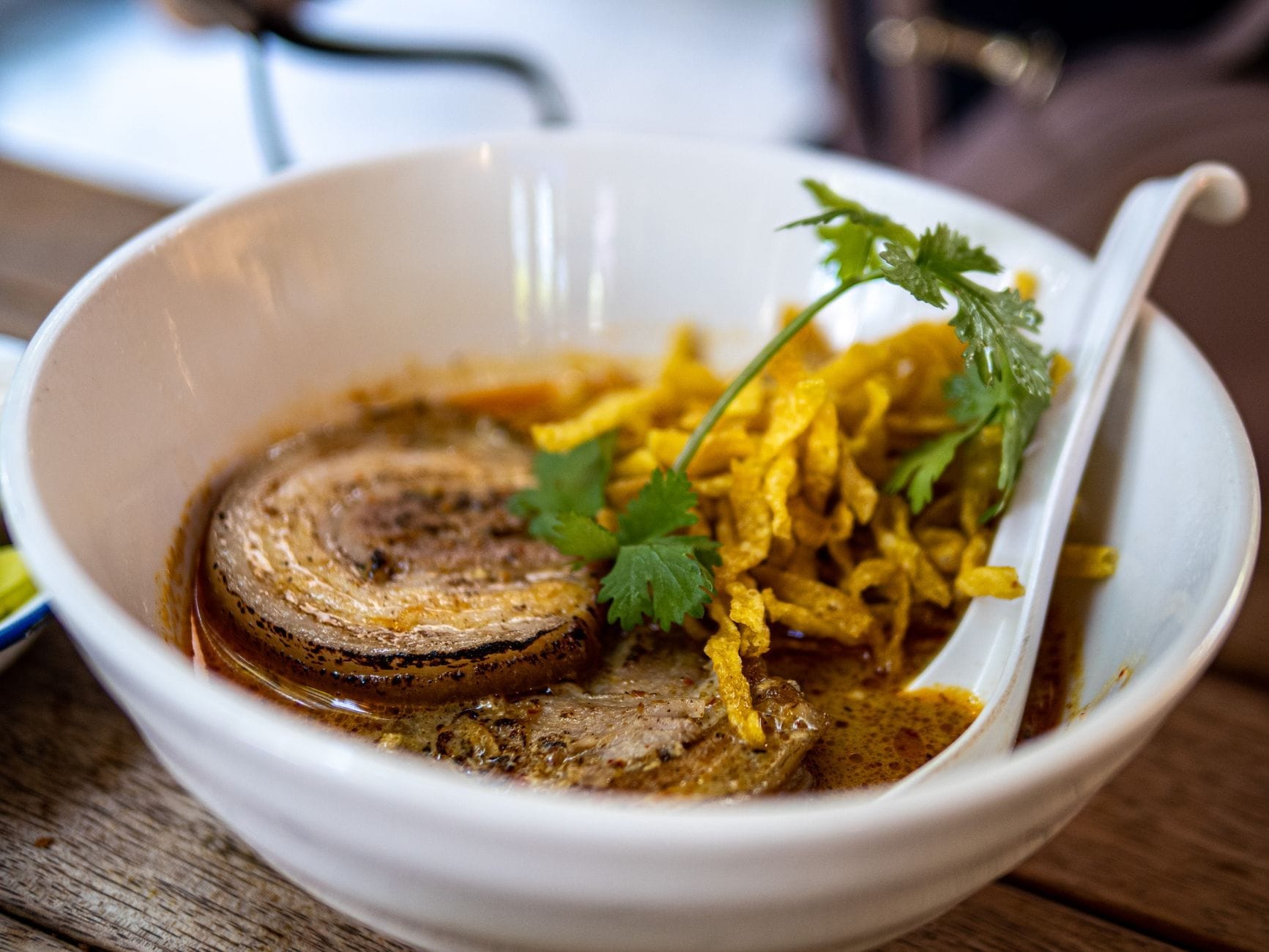
Chiang Mai's food culture is distinct from Central Thai cuisine, and the difference is worth understanding before you eat your way through the city. The full breakdown is in the what to eat in Chiang Mai guide, but the short version: Northern Thai food is earthier, less sweet, and more herb-forward than what you'd find in Bangkok. The signature dishes are khao soi (yellow curry noodle soup), sai oua (herbed pork sausage), larb moo (pork salad with fresh herbs), and nam prik noom (roasted green chili dip served with vegetables and fried pork rinds).
For a practical food strategy across 3 days: eat breakfast at Warorot Market or Tha Phae Gate area on Day 1 for street-level local food (50-80 THB for a full meal). Use the walking street evenings for snacking rather than full meals — the food is affordable but the queue-based format works better for grazing. On Day 3, many elephant sanctuary programs include a Thai lunch in the forest, which is often genuinely excellent.
- Khao Soi: The essential Northern Thai noodle dish. Order it with chicken or beef. Most bowls cost 60-80 THB at local shops.
- Sai Oua: Grilled Lanna-style sausage sold by weight at markets. Eat it on its own or with sticky rice.
- Mango Sticky Rice: Available year-round but best from April to June during mango season. Around 50-80 THB at good stalls.
- Warorot Market: Best covered market for local produce, snacks, and Thai sweets. Open daily, most active in the morning.
- Chang Phuak Night Market: Smaller, more local-feeling than the main walking streets. Good for grilled meats and noodle soups on weekday evenings.
Honest Notes: What to Skip and What's Overrated
The Chiang Mai Night Safari is heavily marketed but rarely matches expectations. It's expensive (from around 600–800 THB for adults), the animals are largely nocturnal exotics in large enclosures viewed from a tram, and the overall experience feels closer to a theme park than a wildlife encounter. Skip it unless you're traveling with young children who specifically want it.
The zip-line operations in the Mae Rim valley (Flight of the Gibbon is the largest) are genuinely fun for the right person, but they take 4-6 hours and require booking a day ahead. They don't fit neatly into a 3-day itinerary unless you swap out Day 3's main event. If an adrenaline experience is your priority, build a day around it rather than trying to combine it with anything else.
Elephant riding, regardless of the operator's marketing language, involves training methods that animal welfare organizations consistently flag as harmful. The city's reputation for ethical tourism has grown precisely because better options exist. The Elephant Nature Park and similar no-riding sanctuaries offer a genuinely moving experience without the ethical compromise. It's not a minor distinction.
ℹ️ Good to know
Three days is tight for Chiang Mai. If you can extend to 4 or 5 days, add a half-day at Doi Suthep's Kew Mae Pan Nature Trail (seasonal, October to February), a morning at Baan Kang Wat artisan village on Sundays, or a full day trip to Chiang Dao Cave and the valley north of the city. The city consistently rewards more time than most travelers give it.
FAQ
Is 3 days enough for Chiang Mai?
Three days covers the essential Old City temples, one significant day trip (Doi Suthep or an elephant sanctuary), and enough time to eat your way through the local food scene. You won't cover everything — notable gaps include Doi Inthanon, Chiang Rai, and the slower cultural experiences like cooking classes or meditation retreats. But 3 days gives you a solid, satisfying introduction to the city without rushing.
What is the best time of year to visit Chiang Mai?
November through February is the clear peak season: cool temperatures (15-25°C in the city, cooler in the hills), clean air, and both Yi Peng and Loi Krathong festivals in November. March and April bring the burning season with serious air quality issues. May through October is the rainy season — the city is greener and less crowded, but day trips can be affected by afternoon downpours. October is a good shoulder month with lighter rains and manageable crowds.
How do I get from Chiang Mai Airport to the Old City?
The airport is about 4km from the Old City. A metered taxi costs around 100-150 THB, a Grab ride is similar or slightly cheaper. Red songthaews (shared trucks) are available for 40-60 THB if you're not in a hurry. There's no direct rail or BTS connection to the airport, unlike Bangkok. The journey takes 10-20 minutes depending on traffic.
How much does 3 days in Chiang Mai cost on average?
Budget travelers can manage on 800-1,200 THB per day (around USD 23-35) including a guesthouse, street food, and local transport — before any major paid activities. Add 300-500 THB for temple and museum entries spread across the trip. An ethical elephant sanctuary day costs 1,500-3,000 THB on top of that. Mid-range travelers spending on nicer accommodation and restaurants should budget 2,500-4,000 THB per day.
Do I need to book anything in advance for a 3-day Chiang Mai trip?
Book your elephant sanctuary visit at least 3-5 days ahead, and up to a week in advance during peak season (December-January). If you're visiting during the Yi Peng lantern festival in November, accommodation books out months in advance. For everything else — temples, markets, restaurants, and most day trips — advance booking isn't necessary, though a few popular cooking classes fill quickly on weekends.
Tickets & tours
Live prices and dates from our booking partner. If you book, we may earn a commission at no extra cost to you.
Planning a trip? Discover personalized activities with the Nomado app.