Getting Around Chiang Mai: The Complete Transport Guide
Navigating Chiang Mai is easier than most travelers expect, but knowing which transport option fits each situation saves time and money. This guide covers every meaningful way to get around, with real cost ranges, practical tips, and honest warnings.
Tickets & tours
Live prices and dates from our booking partner. If you book, we may earn a commission at no extra cost to you.
TL;DR
- Red songthaews (shared pickup trucks) are the backbone of local transport and rarely cost more than 40-60 THB per person for in-city trips.
- Grab is the most reliable, transparent-priced option for tourists, especially after dark or when you have luggage.
- Renting a scooter unlocks the best day trips, including Doi Suthep and the mountain roads north of the city, but requires a valid international driving permit.
- Tuk-tuks are largely a tourist price trap in Chiang Mai. Use them for the experience, not efficiency.
- If you are arriving by air, read the Chiang Mai airport guide before you land to avoid overpriced taxis at the terminal.
Understanding Chiang Mai's Layout Before You Move
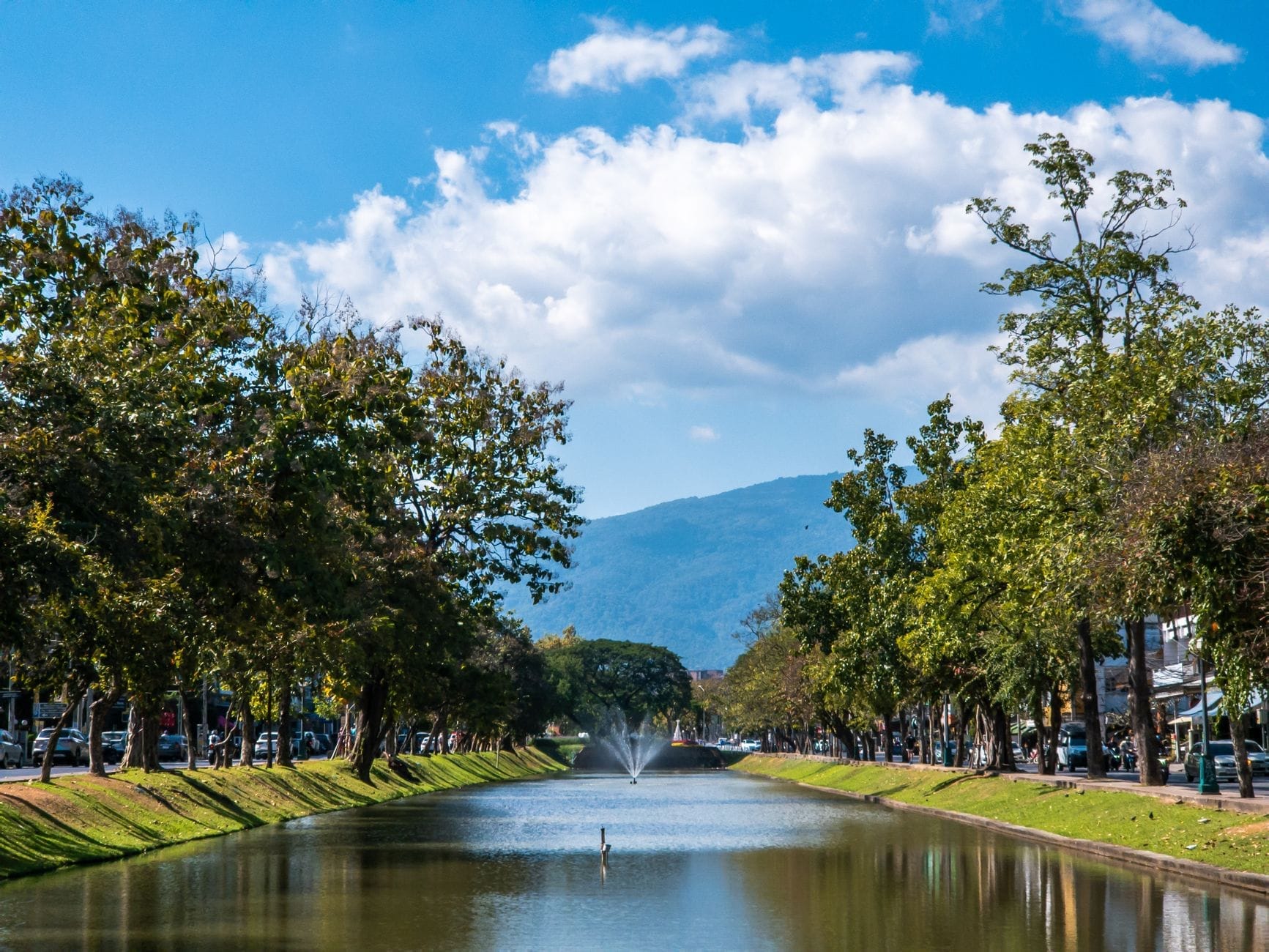
Chiang Mai is a compact city, which works in your favor. The historic Old City sits inside a square moat, roughly 1.5 km per side, and most major temples, markets, and guesthouses cluster within a 5 km radius of that center. The Nimman area (Nimmanhaemin Road) sits about 2 km west of the moat, and the Night Bazaar district sits 1 km east of it on the Ping River side.
This density means that for much of your daily movement, you are looking at trips of 2-5 km, which keeps transport costs low and travel times short when traffic cooperates. The main congestion points are Tha Phae Road, the Superhighway ring road, and the Nimmanhaemin intersection during evening rush (roughly 5-7 pm). Plan around those windows if you can.
Songthaews: The Red Trucks That Run the City
The red songthaew is the most practical way to get around Chiang Mai for short to medium trips. These are converted pickup trucks with two bench seats in the covered bed, operating as a hybrid between a shared taxi and a bus. There are no fixed routes. You flag one down, tell the driver your destination, negotiate a price, and either share the ride with others heading the same direction or pay a bit more to go direct.
Standard fares for in-city trips within the Old City moat or to Nimman run 40-60 THB per person when shared, or around 100-150 THB for a private charter on a short route. Always agree on the fare before getting in. The driver will often circle a few blocks picking up additional passengers unless you have paid for a charter. Longer routes, such as to Hang Dong or the handicraft village strip along Route 1006, can run 80-120 THB per person or 200-300 THB as a private trip.
💡 Local tip
If a songthaew driver quotes you 200 THB for a short trip inside the moat, walk away and flag another. Overcharging tourists is common near the Night Bazaar and Tha Phae Gate, especially after 8 pm. The right price for most moat-area trips is under 60 THB per person.
Note that songthaews are not the same as the yellow, blue, or white shared trucks serving specific outer-city routes. Those operate more like fixed-route minibuses to suburbs and neighboring districts. For most tourist purposes, the red songthaews around the moat and Nimman are the ones you will encounter daily.
Grab and Ride-Hailing Apps: The Transparent Alternative
Grab operates reliably in Chiang Mai and is the single best option for travelers who want fixed prices, no negotiation, and a clear record of their trip. The app shows the fare upfront, drivers follow a confirmed route, and you can pay by card or cash. GrabCar (private sedan) is the most common option. Prices are moderate: expect 60-120 THB for most in-city rides, and 150-250 THB to reach outer neighborhoods like Mae Rim or the airport from the city center.
The main drawback is availability. During peak hours, the Sunday Walking Street, or the Yi Peng lantern festival period, wait times can stretch to 15-20 minutes. Grab also operates GrabBike (motorcycle taxi), which is faster in traffic and costs around 40-80 THB for short trips. This is a good option if you are traveling solo and light.
⚠️ What to skip
A local app called InDriver also operates in Chiang Mai and allows fare bidding. While it can be cheaper than Grab, driver reliability and app support are less consistent. Stick to Grab unless you are comfortable troubleshooting in Thai.
Scooter and Motorbike Rentals: Freedom at a Price
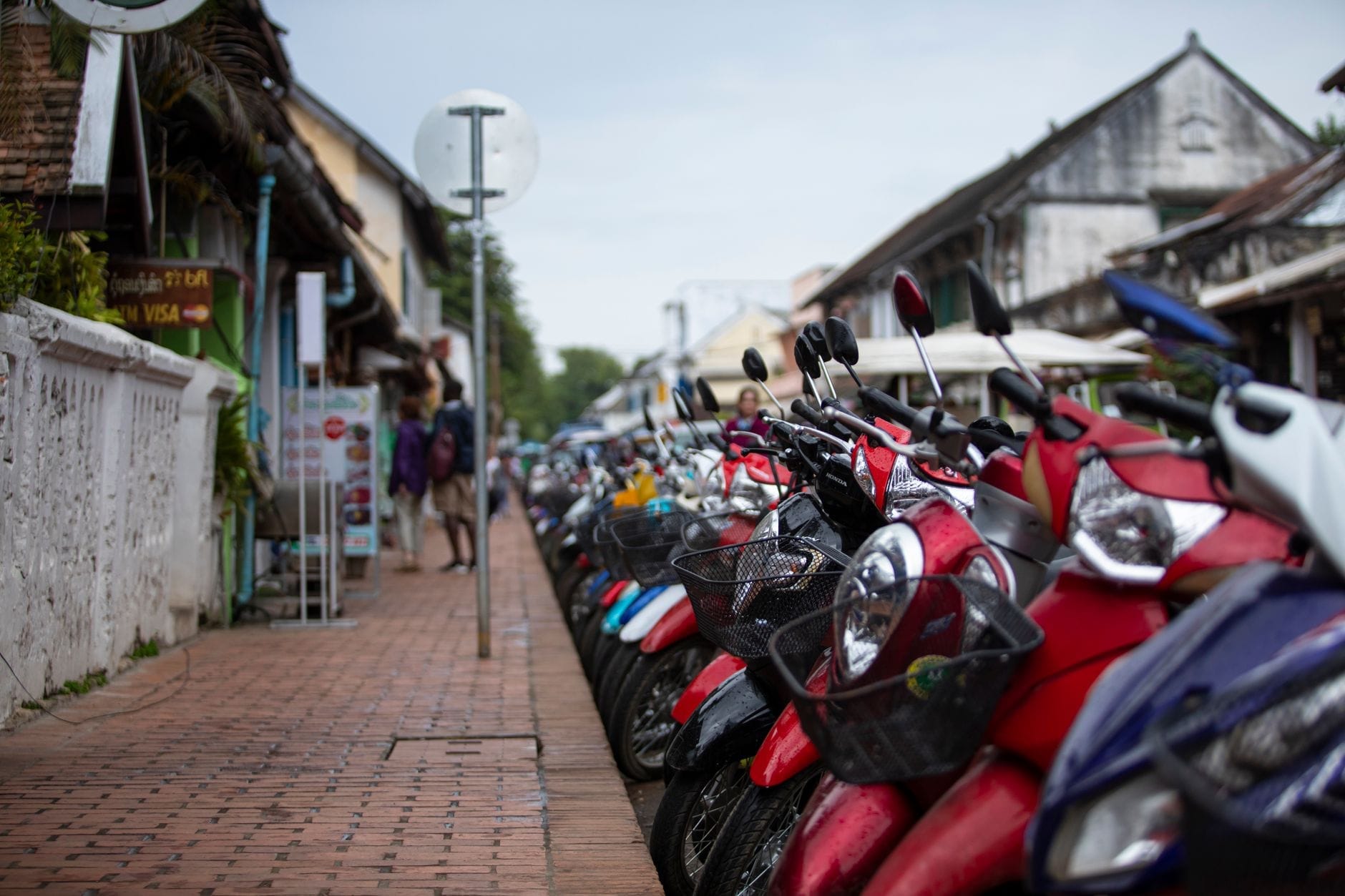
Renting a scooter is the most efficient way to explore beyond the city center, particularly for day trips to Mae Sa Waterfall, the Doi Suthep area, or the lakeside at Huay Tung Tao. Rental shops near the Old City and on Nimman Road charge 150-250 THB per day for a standard 125cc automatic scooter. A manual 250cc bike runs 300-500 THB per day.
What the rental shops will not always tell you: you are legally required to hold a valid motorcycle license or international driving permit endorsed for motorcycles. Police checkpoints are common on the road to Doi Suthep and in the Old City. A fine for riding without a license runs 500 THB on the spot, but the bigger risk is your travel insurance being voided if you are in an accident without the proper license. This is not a hypothetical concern. Road conditions on mountain routes involve hairpin turns and loose gravel patches that punish inexperienced riders.
- Best rental area Around Moon Muang Road and Kotchasarn Road near the Old City moat, where competition keeps prices honest and shops are easy to walk between.
- What to inspect before renting Photograph every existing scratch and dent before you leave the shop. Some operators will attempt to charge for pre-existing damage on return.
- Fuel Most 125cc scooters run on 91 or 95 octane, available at PTT and Shell stations throughout the city for around 40-45 THB per liter. A full tank lasts most day trips.
- Helmet quality Shops provide helmets, but quality varies. If you are doing significant mountain riding, consider buying a better helmet at one of the motor shops near Kad Suan Kaew.
✨ Pro tip
For day trips to Doi Inthanon National Park, the distance from central Chiang Mai is about 90 km. A scooter is technically possible but tiring. Renting a larger motorbike (250-400cc) or booking an organized tour makes more sense for that specific route.
Tuk-Tuks, Bicycle Rentals, and Other Options
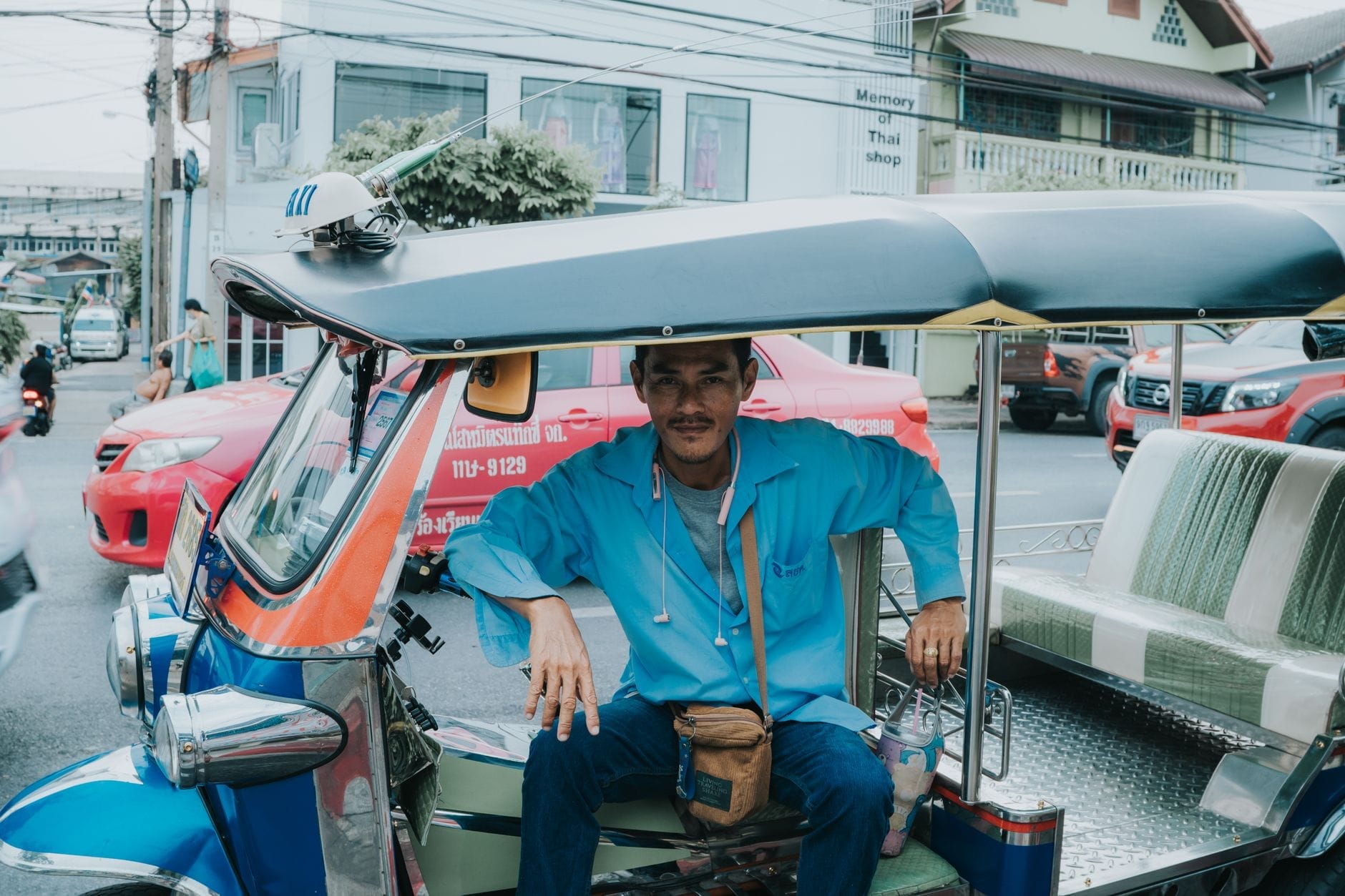
Tuk-tuks in Chiang Mai are three-wheeled motorized vehicles, similar to those in Bangkok but slightly different in design. They are atmospheric and fun for a short ride, but they are not a cost-effective transport choice. Drivers near tourist areas routinely quote 150-300 THB for trips that a songthaew would cover for 50 THB. The tuk-tuk experience is worth having once, but do not rely on them as a daily option.
Bicycle rentals are genuinely useful within the Old City. The moat area is flat, the traffic inside the walls moves slowly, and distances between temples like Wat Phra Singh, Wat Chedi Luang, and Wat Chiang Man are short. Rental shops near the moat charge 50-80 THB per day for basic bicycles. Electric bicycles are increasingly available at 150-200 THB per day and make the modest hills toward Nimman or the university area more manageable.
For longer distances, chartered taxis (non-metered private cars) can be booked through guesthouses, tour desks, or directly through drivers who park near the Tha Phae Gate and the Night Bazaar. Rates for a full-day charter covering multiple destinations typically run 1,200-1,800 THB depending on distance, and are worth considering for groups of three or four splitting the cost.
- Public buses (RTC city buses) exist but run infrequently, cover limited routes, and are not practical for tourist movement.
- The Chiang Mai Smart Bus (a pink electric bus) operated a limited loop route near the Old City, though service reliability has been inconsistent since launch.
- Motorcycle taxis (men in orange or green vests near busy intersections) are fast and cheap for short hops, around 20-40 THB, but safety standards vary significantly.
- Walking remains underrated inside the Old City moat, where most distances are under 15 minutes on foot and traffic noise is lower than in the commercial areas east of the moat.
Transport by Situation: Which Option to Use When
Matching the right transport option to the specific situation prevents both overspending and frustration. Here is a practical breakdown by common scenarios:
- Airport to Old City or Nimman Grab is the cleanest option at 150-200 THB. Official airport taxis charge a flat 150 THB meter fare plus 50 THB airport surcharge. Avoid touts inside arrivals quoting flat rates of 300+ THB.
- Exploring temples in the Old City Walk or rent a bicycle. Traffic inside the moat is light during the morning, and most sites are within a 20-minute walk of each other.
- Old City to Nimman for dinner Songthaew (50-60 THB shared) or Grab (60-80 THB). Walking takes about 25-30 minutes and is pleasant in the evening.
- Day trip to Doi Suthep Red songthaew from the Chiang Mai University gate area (around 50-80 THB per person, waits for a full load), or rent a scooter for flexibility.
- Night market visits Grab or songthaew to get there; Grab to get back late at night when songthaews are scarcer and more expensive.
- Multi-stop day around the city Rent a scooter for full flexibility, or charter a songthaew or private driver for the day.
If you are planning longer day trips outside the city, the transport equation changes considerably. Routes like Doi Inthanon or the scenic road to Pai are best handled with a private rental vehicle, an organized tour, or a chartered driver. Public transport to these destinations is either extremely slow or nonexistent.
ℹ️ Good to know
Chiang Mai does not have metered taxis cruising the streets the way Bangkok does. Almost every taxi-style trip requires either pre-negotiation or a ride-hailing app. This is not a problem once you know it, but it catches many first-time visitors off guard at the airport and in busy tourist areas.
FAQ
Is Grab available and reliable in Chiang Mai?
Yes. Grab operates well in Chiang Mai, particularly in the city center, Nimman, and the Old City area. Availability drops slightly in outer neighborhoods and during major events like Yi Peng or Songkran. Prices are shown upfront in the app and are generally fair for the distance.
How much does a songthaew cost in Chiang Mai?
For shared rides within the central city area (Old City to Nimman, for example), expect to pay 40-60 THB per person. Private charters for short trips run 100-150 THB. Always agree on the price before getting in, and be skeptical of any quote above 100 THB for a short in-city trip.
Do I need an international driving permit to rent a scooter in Chiang Mai?
Legally, yes. You need a valid motorcycle license or an international driving permit endorsed for motorcycles. Police conduct regular checks on popular tourist routes, particularly the road to Doi Suthep. Riding without proper documentation also typically voids travel insurance coverage in the event of an accident.
What is the cheapest way to get from Chiang Mai Airport to the city?
The official airport taxi booked at the airport counter costs around 150–200 THB total to most central destinations, depending on any airport surcharge applied. Grab is comparable at 150-200 THB and avoids any negotiation. Avoid the tout taxis inside arrivals quoting flat rates of 300-400 THB. There is no public bus or rail link between the airport and the city center.
Can I walk around Chiang Mai, or is it too spread out?
The Old City moat area is very walkable, and most temples, guesthouses, and restaurants there are within a 15-20 minute walk of each other. Getting from the Old City to Nimman or the Night Bazaar on foot takes 25-35 minutes and is manageable in the evening. For anything further, use a songthaew, Grab, or a rented vehicle.
Tickets & tours
Live prices and dates from our booking partner. If you book, we may earn a commission at no extra cost to you.
Planning a trip? Discover personalized activities with the Nomado app.