Nimmanhaemin Road and its surrounding sois form Chiang Mai's most design-conscious neighborhood, where third-wave coffee shops sit beside independent art galleries and late-night ramen counters. It draws a young Thai crowd, digital nomads, and travelers who want modern comfort close to the city's cultural core.
Nimman is where Chiang Mai's creative class actually lives. Centered on Nimmanhaemin Road and the grid of numbered sois running off it, this is the city's most self-consciously modern neighborhood: coffee-obsessed, design-forward, and comfortable in a way the Old City simply isn't.
Orientation
Nimmanhaemin Road runs roughly north to south, starting near the Huay Kaew intersection in the north and tapering into the quieter streets near Suthep Road in the south. The neighborhood sits immediately west of the Old City moat, separated from it by the Superhighway (Route 11) and Huay Kaew Road to the north and roughly bounded by Siri Mangkalajarn Road to the west. Chiang Mai University's western campus edge and the green corridor of Doi Suthep form a backdrop to the southwest, giving the area a leafy, cooler feel than the more exposed city center.
The numbered sois off Nimmanhaemin are key to understanding the layout. Even-numbered sois (2, 4, 6, 8) branch to the east toward the university area; odd-numbered sois (1, 3, 5, 7, 9, 11, 13, 17) branch west. Soi 11 and Soi 13 are among the most developed for food and nightlife. The action is densest in the middle section of the road, between sois 1 and 13, where most cafés, boutiques, and restaurants cluster.
Nimman is about 1.5 to 2 kilometers from the heart of the Old City, or roughly a 10-minute songthaew ride from Tha Phae Gate. It feels like a different city: quieter streets, better sidewalks, and fewer tuk-tuks prowling for tourists. The neighborhood connects naturally southward into the Suthep Road area and the approaches to Wat Phra That Doi Suthep.
Character & Atmosphere
At 7am, the sois nearest Chiang Mai University are already moving. Street vendors sell jok (rice porridge) and fresh-pressed sugarcane juice to students. The main road is quiet enough that you can hear birds in the trees overhead. This is the best time to walk the full length of Nimmanhaemin before the traffic thickens.
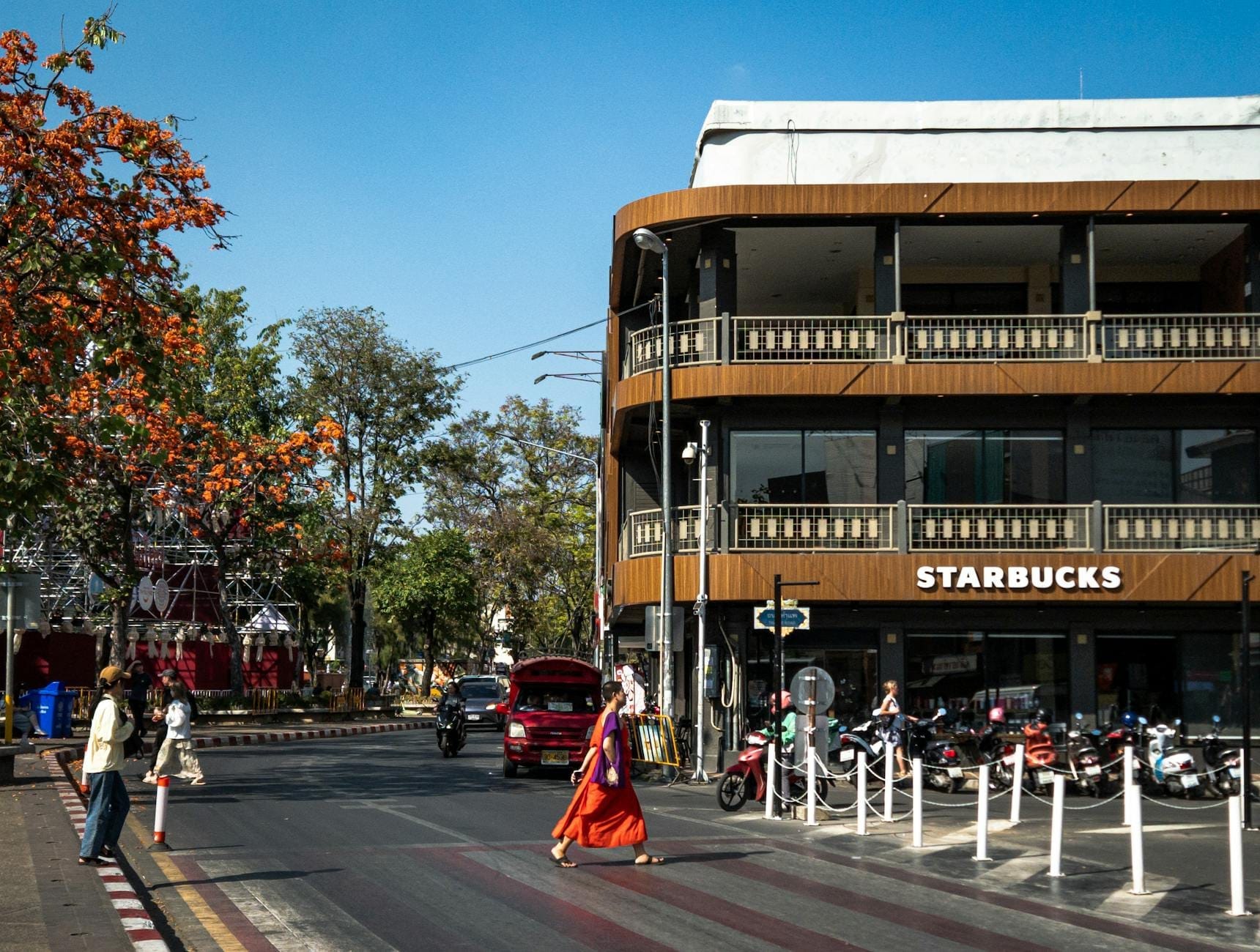
By mid-morning, the coffee shops open in earnest. Nimman has more specialty cafés per block than almost anywhere in Southeast Asia, and that is not an exaggeration. Many occupy buildings with floor-to-ceiling glass, indoor gardens, or rooftop terraces. The crowd skews young and Thai, with a steady layer of laptops and camera bags. By noon, queues form at the more Instagram-recognizable spots. The afternoon light turns golden and hazy, filtering through street trees and falling across the art murals that appear on quiet soi walls.
After dark, the lower section of Nimmanhaemin Road gets considerably louder. Live music drifts out of bars near soi 9 and 11, and the pedestrian density on the main road rivals the Old City. The crowd shifts from students to a mix of expats, tourists, and young professionals. One Nimman plaza lights up and draws a consistent crowd to its outdoor beer gardens and food stalls. It rarely tips into rowdy territory, but light sleepers staying near the main road should know that weekends stay active past midnight.
ℹ️ Good to know
Nimman has two distinct personalities: the northern half (above soi 7) is calmer and more residential, while the southern stretch down to soi 17 is denser with restaurants and bars. If you want quiet, book accommodation on the upper sois.
What to See & Do
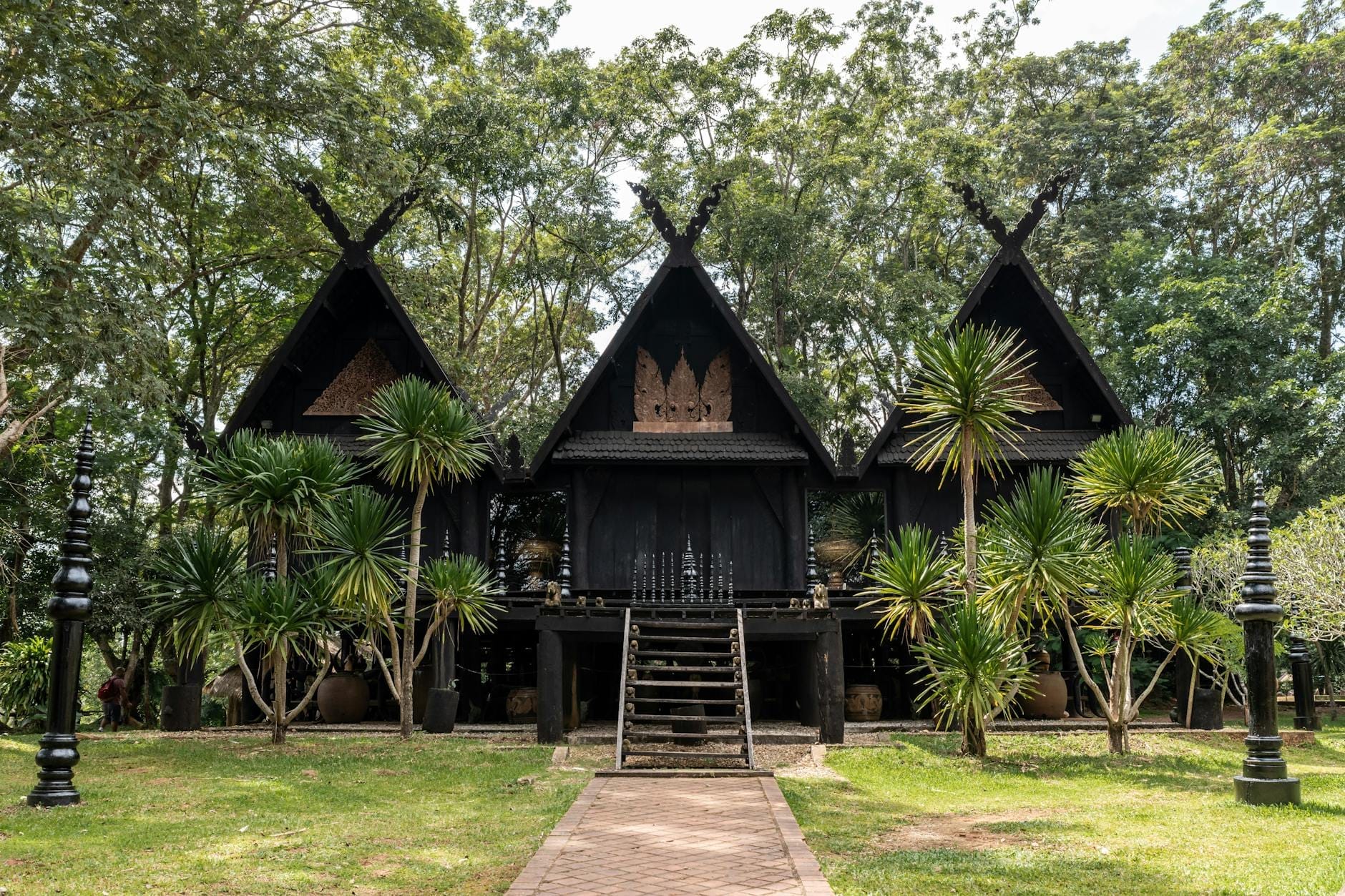
The spine of the neighborhood is Nimmanhaemin Road itself, best experienced on foot during the morning or late afternoon. The street has evolved from a residential road lined with professors' houses into one of the city's most recognizable commercial strips, and remnants of that older identity survive in the wooden shophouses and garden walls that still appear between the modern storefronts.
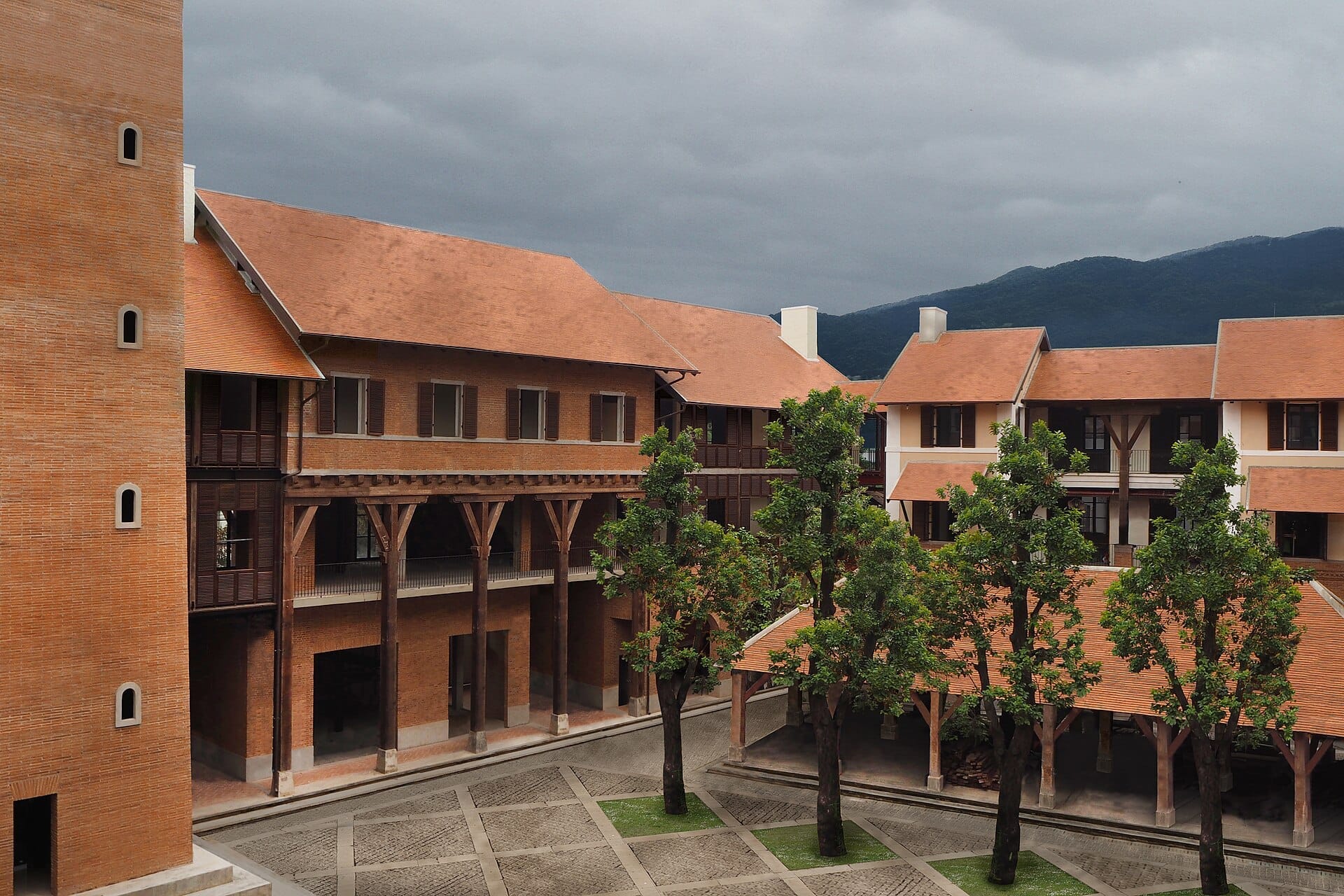
At the northern end of the strip, One Nimman is an open-air lifestyle mall that anchors the intersection with Huay Kaew Road. It houses international brands alongside Thai designers, several restaurants, and a weekend market atmosphere that fills the central courtyard on Friday and Saturday evenings. It is not a traditional cultural attraction, but it is an accurate portrait of modern upper-middle-class Chiang Mai life.
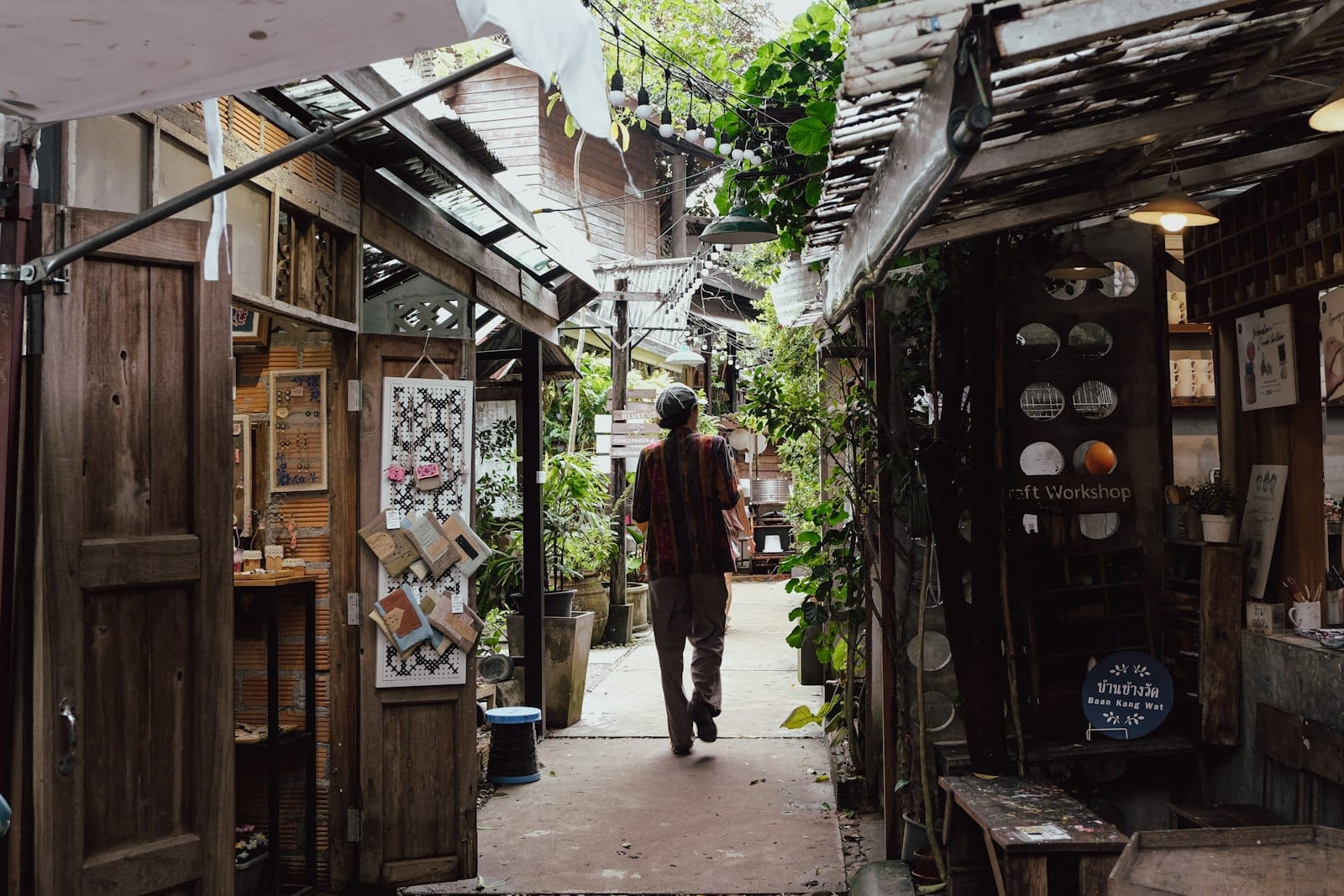
The MAIIAM Contemporary Art Museum and Maya shopping mall occupy the northern approach, while the deeper cultural sites are a short songthaew ride away. The neighborhood rewards slow walking: duck into sois, look for gallery spaces announcing temporary exhibitions, and check the small art supply shops and ceramics studios that have been quietly operating in the same locations for decades. The creative scene here is less performative than the Old City's gallery row and more likely to yield a genuine conversation with an artist.
Walk the full length of Nimmanhaemin Road early morning for the least traffic and best light
Browse the independent boutiques on sois 1, 9, and 13 for Thai-designed clothing and homewares
Look for rotating gallery shows in shopfront spaces throughout the sois
Visit the MAYA shopping mall for air-conditioned respite and a good rooftop cinema
Join a Thai cooking class — several reputable schools operate from the edges of this neighborhood
Nimman also makes an efficient base for reaching Chiang Mai's broader cultural circuit. The Wat Suan Dok temple complex, one of the city's most historically significant and considerably less crowded than the Old City wats, sits just five minutes south by bicycle or songthaew. The monk chat program there is among the most accessible in the region.
Eating & Drinking
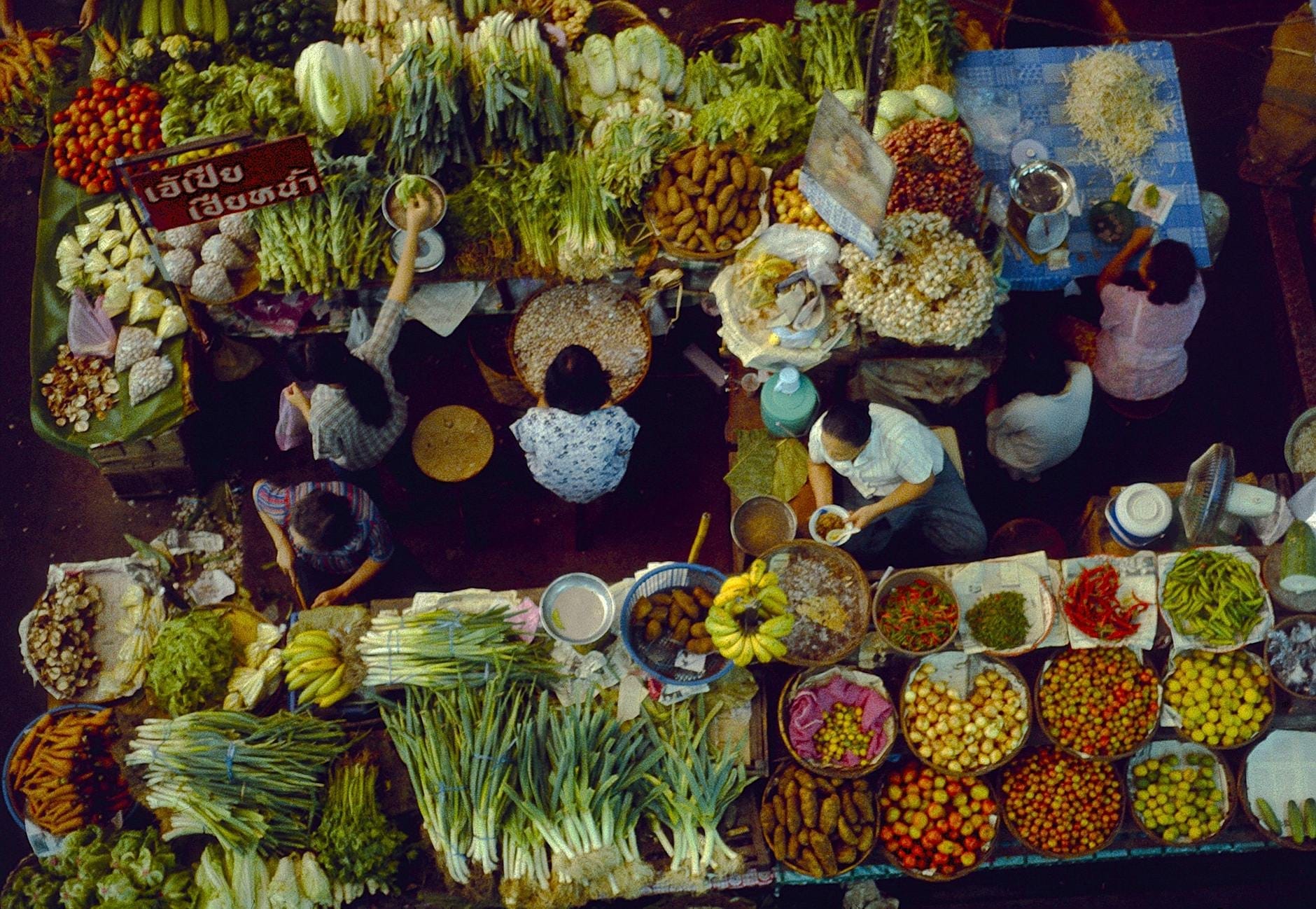
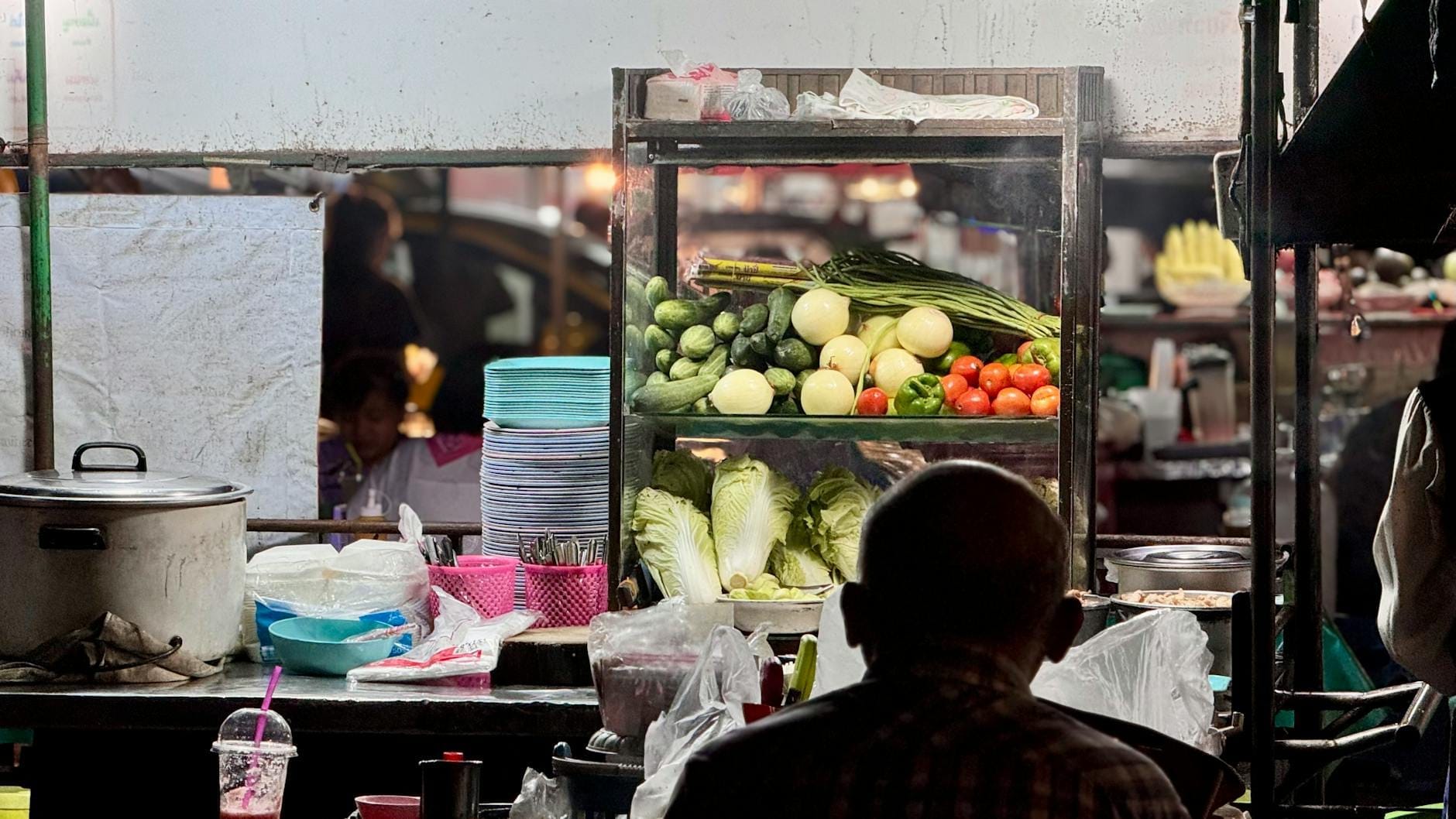
Food in Nimman covers more ground than the coffee-shop reputation suggests. The street food layer operates all day: grilled pork skewers and mango sticky rice from cart vendors on the main road, noodle shops on the lower sois, and a rotating cast of market stalls that appears each evening near the university gate. Prices at street level are comparable to anywhere in the city, typically around 40 to 70 baht for a full meal.
The sit-down restaurant scene ranges from Japanese ramen counters and Korean barbecue to serious northern Thai cooking, with khao soi appearing on nearly every menu in the area. For a broader survey of Chiang Mai's food landscape, the guide to what to eat in Chiang Mai covers the full picture. Within Nimman, the sois between 7 and 13 offer the densest concentration of quality options across price points.
Coffee culture is the neighborhood's defining contribution to the city's identity. Chiang Mai has one of the strongest specialty coffee scenes in Southeast Asia, and Nimman is the epicenter. For context on which cafés are worth the detour, the Chiang Mai coffee shops guide maps the standout roasters and brewing styles across the city.
Bar options are clustered primarily in the soi 9 to 13 corridor after dark. Live music venues occupy narrow shophouses, with performances usually starting around 8pm. The overall vibe trends toward craft beer, cocktails with Thai herbs, and background indie music rather than club-style nightlife. There is no dominant club scene in Nimman; the neighborhood goes loud between 9pm and midnight and then quiets significantly.
💡 Local tip
For the best street food in the immediate area, walk toward the Chiang Mai University main gate on Suthep Road in the early evening. The vendor strip there caters almost entirely to students, which means generous portions and very low prices.
Getting There & Around
Red songthaews (shared pickup trucks) run between the Old City and Nimman regularly throughout the day, with the journey from the Tha Phae Gate area taking around 10 minutes depending on traffic. The typical fare is around 30 baht per person for a shared ride. For full details on navigating the city, the getting around Chiang Mai guide covers all options including Grab, songthaew, and bicycle.
Within the neighborhood, walking is practical for most of the Nimmanhaemin strip and the immediately adjacent sois. The sidewalks are wider and better maintained here than in most of Chiang Mai, though they still require attention: parked motorcycles block sections of pavement routinely, and some sois have no footpath at all. A bicycle or scooter rental dramatically expands the accessible range, particularly for reaching the university campus area and Suthep Road.
Grab (the regional ride-hailing app) works reliably in Nimman and is usually the fastest option for reaching the Old City, the Night Bazaar area to the east, or Chiang Mai International Airport, which sits roughly 10 to 20 minutes south by road depending on traffic. Metered taxis are less common but do exist; avoid tuk-tuk quotes for longer distances as they often significantly exceed Grab rates.
⚠️ What to skip
Parking and traffic on Nimmanhaemin Road itself become genuinely difficult on weekend evenings. If you are arriving by private car or scooter, aim for the sois off the main road rather than trying to park on the strip itself.
Where to Stay
Nimman has Chiang Mai's strongest concentration of design hotels and boutique guesthouses aimed at travelers who prioritize comfort and aesthetics over historical atmosphere. The properties range from sleek minimalist rooms in converted shophouses to full-service hotels with rooftop pools. Prices generally run higher than the Old City guesthouse market, but the trade-off is more reliable air conditioning, better Wi-Fi infrastructure, and easier access to the neighborhood's restaurants and cafés.
For digital nomads and longer-stay travelers, Nimman is arguably the best base in the city. The density of co-working cafés, the relative quiet of the upper sois during working hours, and the walkable restaurant options make it functional in a way that the Old City, with its tourist-oriented infrastructure, often is not. The Chiang Mai for digital nomads guide explores this in more depth.
Couples looking for a romantic base will find Nimman's evening atmosphere and dining options genuinely appealing, though the Old City has stronger historical character. Families with children generally find the Old City or Riverside areas more practical. For a full comparison of neighborhoods by traveler type, the where to stay in Chiang Mai guide breaks down all the main options.
For the quietest experience, choose accommodation on the sois north of soi 7, particularly soi 1 through 5. These streets are residential enough to feel genuinely calm after 10pm. Sois 9 through 13 are for travelers who want to be central to the action and are comfortable with ambient noise on weekends.
Honest Drawbacks
Nimman's polish comes with trade-offs. The neighborhood has been heavily commercialized over the past decade, and some of what made it distinctive — the independent studios, the low-rent creative spaces, the rough edges — has been priced out or smoothed over. Some sois that once had character now have chain coffee shops and nearly identical boutiques stocking the same Thai-branded merchandise.
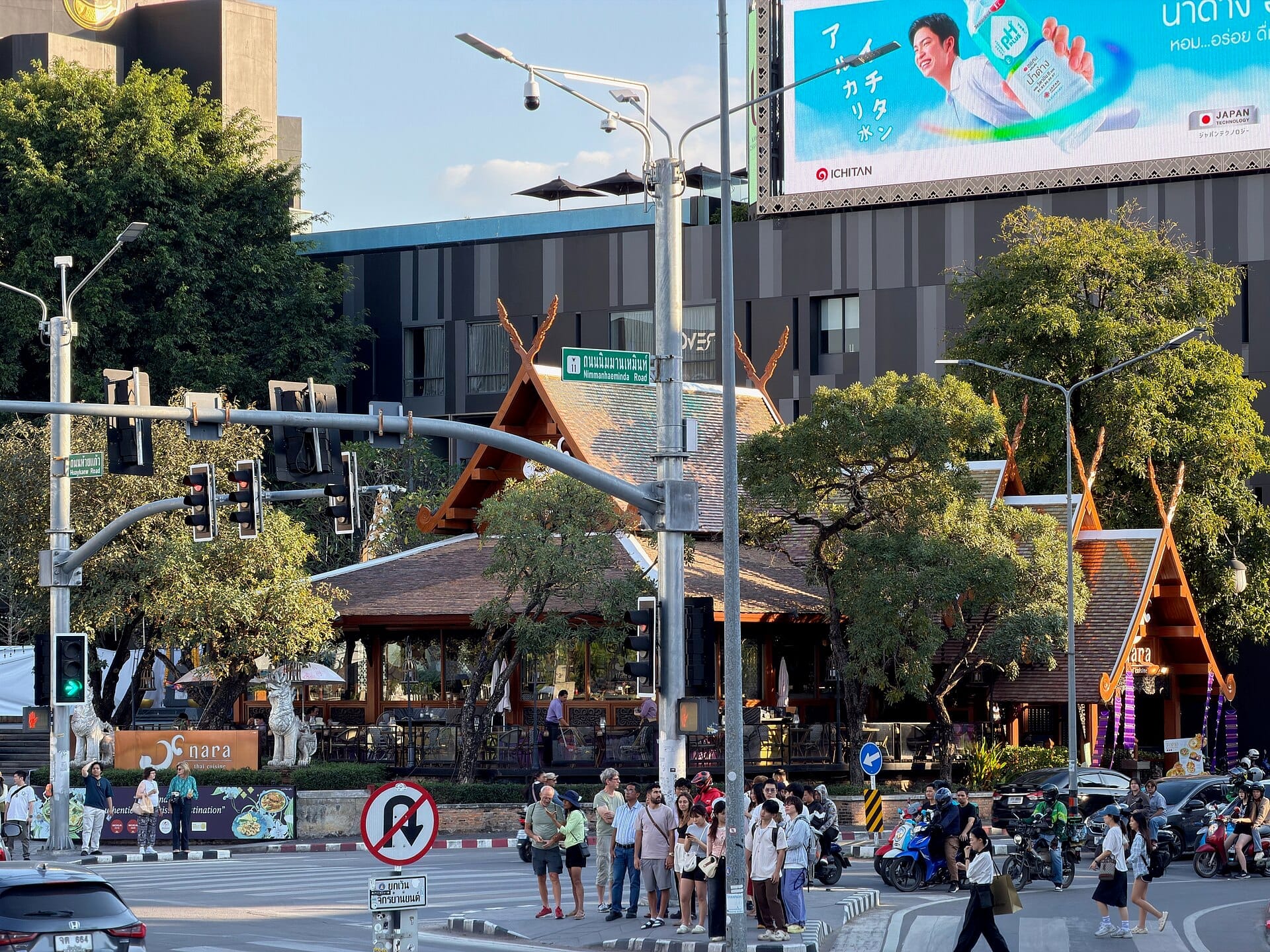
The traffic situation on the main road is a genuine issue, not just an inconvenience. Nimmanhaemin Road carries significant vehicle volume throughout the day, and the intersection at Huay Kaew can be difficult to cross on foot. Visitors expecting a European-style pedestrian street will need to recalibrate. The neighborhood rewards those who leave the main road and explore the sois, where the character is more intact.
If you came to Chiang Mai primarily for temples, traditional markets, and northern Thai street culture, Nimman may feel like a distraction rather than a destination. It is most rewarding as a base or as a deliberate change of pace from the Old City rather than as a cultural attraction in its own right.
TL;DR
Nimman is Chiang Mai's modern creative district: walkable, coffee-saturated, and design-conscious, centered on Nimmanhaemin Road west of the Old City.
Best for digital nomads, design-minded travelers, and anyone who wants a comfortable, well-serviced base with strong food and café options.
The upper sois (1 to 7) are calm and residential; the lower sois (9 to 13) are livelier and better for nightlife access.
Honest drawback: heavy commercialization has flattened some of the neighborhood's original character, and main-road traffic is a daily reality.
Not the right choice for travelers who prioritize traditional Thai atmosphere or want to be inside the historical Old City.
Chiang Mai's seasons are dramatically different from each other, and picking the wrong month can mean smoky skies, flash floods, or paying double for accommodation. This guide breaks down every month honestly so you can match your trip to your priorities.
Everything you need to know about arriving at Chiang Mai International Airport: how the terminal works, which transport options are worth it, what to avoid, and how to reach any part of the city without overpaying.
Chiang Mai is northern Thailand's cultural capital, and its museums, galleries, and creative spaces go far deeper than temple-hopping. This guide covers the best places to engage with Lanna heritage, contemporary Thai art, traditional crafts, and living creative communities across the city.
Every year between February and April, Chiang Mai experiences its burning season — a period of agricultural fires and forest burning that pushes air quality to some of the worst levels of any city on earth. This guide explains what causes it, how bad it actually gets, and how to make smart decisions about when and how to visit.
Chiang Mai has quietly become one of Southeast Asia's most serious coffee cities, with a culture built on locally grown northern Thai beans, skilled baristas, and atmospheric settings. This guide covers the best neighborhoods, markets, and spots to anchor your coffee crawl across the city.
Chiang Mai's Flower Festival is one of northern Thailand's most photogenic annual events, drawing thousands of visitors to watch elaborate floral floats parade through the Old City. This guide covers exact timing, the best viewing spots, what else is on during the weekend, and how to make the most of your visit.
Chiang Mai rewards couples with an unusual mix of intimacy and adventure: ancient temple grounds at dusk, private cooking classes, ethical elephant encounters, and rooftop dinners above a moat-ringed Old City. This guide covers the most genuinely romantic experiences, honest about what lives up to the hype and what to skip.
Chiang Mai has been a digital nomad hub for over a decade, and for good reason. This guide covers everything you need to know: where to work, where to live, what it costs, how to handle visas, and what the city gets right — and wrong — for remote workers.
Chiang Mai rewards those who look beyond the well-worn circuit. From jungle temples and sticky waterfalls to artist villages and lakeside retreats, these are the places locals love and guidebooks overlook.
Three days is enough to cover Chiang Mai's essential temples, markets, and surroundings without rushing — if you plan smart. This itinerary balances the Old City's cultural core with the hills above the city and the region's famous ethical elephant experiences, built around how the city actually flows.
Chiang Mai's luxury scene is quietly exceptional, offering boutique jungle retreats, Lanna-inspired wellness resorts, and private cultural experiences that rival anything in Southeast Asia. This guide covers where to stay, where to be pampered, and how to spend big in the north's most sophisticated city.
Managing money in Chiang Mai is straightforward once you know the rules. This guide covers ATM fees, the best places to exchange currency, where cards are accepted, and practical tips to keep more baht in your pocket.
Chiang Mai comes alive after dark, and its night markets are where the city's soul truly shows. From sprawling walking streets inside the ancient Old City to intimate local food stalls outside the north gate, this guide covers every market worth your evening.
Chiang Mai is one of Southeast Asia's best-value cities, but knowing where to spend and where to save makes a real difference. This guide breaks down accommodation, food, transport, and activities with honest price ranges so you can build a realistic daily budget.
Chiang Mai is northern Thailand's cultural capital, a city where ancient temples sit beside specialty coffee roasters and jungle trekking routes begin just minutes from the city center. This guide covers everything: neighborhoods, food, temples, day trips, costs, and when to visit.
Chiang Mai punches well above its weight as a green city. Forested mountains ring the urban core, a university lake doubles as a public park, and within an hour's drive you reach botanical gardens, national park waterfalls, and misty highland viewpoints. This guide covers the best outdoor spaces in and around the city.
Chiang Mai rewards photographers at every turn, from ancient Lanna temples glowing at dusk to cloud-draped highland peaks and atmospheric night markets. This guide covers the 22 best photography spots in the city and surroundings, with practical advice on timing, light, and what to look for.
Chiang Mai is one of Southeast Asia's safest cities for tourists, but that doesn't mean risk-free. This guide covers real threats, common scams targeting visitors, transport dangers, and practical safety advice so you can travel with confidence.
Chiang Mai is northern Thailand's craft capital, where centuries of Lanna artisan tradition meet a thriving contemporary creative scene. From sprawling night markets and village workshops to boutique lifestyle malls and organic farmers' markets, this guide covers the best places to shop for everything from silverwork and teak carvings to handmade ceramics and street food.
Chiang Mai transforms every April into the epicenter of Thailand's New Year water festival. This guide covers the best locations, what to expect each day, practical logistics, and honest advice on making the most of the chaos without ruining your camera or your patience.
Chiang Mai is one of Southeast Asia's great wellness destinations, combining centuries-old Thai massage traditions with modern spa culture and natural hot springs. This guide covers the best places to unwind, from post-hike soaks to full-day retreat experiences.
Chiang Mai has more temples per square kilometer than almost anywhere in Southeast Asia, with over 300 wats ranging from grand royal foundations to intimate forest retreats. This guide covers the essential and the unexpected, from the gilded chedi of Doi Suthep to a silver-clad masterpiece in the silversmith district.
Chiang Rai sits about 200 km north of Chiang Mai and offers a completely different atmosphere: smaller, quieter, and packed with remarkable temples and border-region culture. This guide covers every transport option, the best things to do, and whether a day trip is actually enough.
Pai is a small mountain town about 130 km north of Chiang Mai, but the winding road and cool highland air make it feel worlds apart. This guide covers every transport option, what to realistically expect, and where to spend your time once you arrive.
Chiang Mai is the undisputed trekking capital of Thailand. Whether you want a half-day trail near the city or a three-day trek through remote hill-tribe villages, this guide breaks down the best routes, honest operator advice, and everything you need to plan a safe, rewarding trek.
Bangkok and Chiang Mai are both iconic Thailand destinations, but they offer radically different experiences. This guide breaks down the key differences across cost, culture, food, temples, nature, and travel logistics so you can make the right call for your trip.
Chiang Mai's weather shapes everything about your trip, from which temples you visit to whether you pack an umbrella or a sweater. This guide breaks down every season, month by month, so you can plan with confidence and avoid costly surprises.
Chiang Mai rewards families who plan well. From ethical elephant sanctuaries and sticky waterfalls to hands-on cooking classes and walkable night markets, this guide covers the best family activities in Chiang Mai with honest takes on what works for different ages, budgets, and energy levels.
Chiang Mai is one of the best cities in Asia to learn Thai cooking. From dawn market tours to afternoon classes in family gardens, these are the cooking experiences worth building your trip around.
Chiang Mai sits at the center of one of Thailand's most diverse regions. Within a few hours in any direction, you can reach jungle waterfalls, royal mountain temples, hill tribe villages, and some of Asia's most respected wildlife sanctuaries. These are the day trips that make the most of your time.
Doi Inthanon is Thailand's highest peak, and it's one of the most rewarding day trips from Chiang Mai. This guide covers every decision you'll need to make: how to get there, what to prioritize, how much to budget, and what most visitors miss.
Chiang Mai is the center of elephant tourism in Thailand, but not all experiences are equal. This guide focuses on the one verified ethical sanctuary in the available attractions list, plus the best complementary nature, wildlife, and eco-experiences to build a responsible, rewarding trip around it.
Navigating Chiang Mai is easier than most travelers expect, but knowing which transport option fits each situation saves time and money. This guide covers every meaningful way to get around, with real cost ranges, practical tips, and honest warnings.
Chiang Mai is one of Thailand's best cities to train or watch Muay Thai. This guide covers the top gyms, what training actually costs, how to spot authentic fights, and everything a first-timer needs to know before stepping into the ring.
Chiang Mai is the gateway, but northern Thailand's real depth lies beyond its city limits. This guide covers the essential destinations, practical logistics, and honest advice for exploring the mountains, hill tribes, temples, and towns that make this region one of Southeast Asia's most rewarding corners.
Chiang Mai rewards travelers who go beyond the obvious. This guide covers the best things to do in Chiang Mai across culture, food, nature, and nightlife — with honest rankings, practical logistics, and local knowledge to help you spend your time well.
Northern Thai cuisine is one of the most distinct regional food cultures in Southeast Asia, and Chiang Mai is its capital. This guide covers the essential dishes you need to eat, where to find them, what they cost, and how to avoid the tourist traps.
Chiang Mai's food scene runs deeper than most visitors expect. This guide breaks down the best places to eat by neighborhood, budget, and cuisine — from local market stalls serving 40-baht bowls of khao soi to upscale Lanna dining experiences worth planning your evening around.
Choosing where to stay in Chiang Mai shapes your entire trip. This guide covers every major neighborhood, who each area suits best, honest drawbacks, and specific hotel recommendations across all budgets.
Yi Peng is one of the most spectacular festivals in Southeast Asia, filling Chiang Mai's night sky with thousands of floating lanterns. This guide covers when to go, where to watch, how to get tickets, and the practical details that make the difference between a magical night and a frustrating one.