Chiang Mai vs Bangkok: Which Thai City Should You Visit?
Bangkok and Chiang Mai are both iconic Thailand destinations, but they offer radically different experiences. This guide breaks down the key differences across cost, culture, food, temples, nature, and travel logistics so you can make the right call for your trip.
Tickets & tours
Live prices and dates from our booking partner. If you book, we may earn a commission at no extra cost to you.
TL;DR
- Bangkok wins on variety, nightlife, international food, and transport connections — it's the better gateway city.
- Chiang Mai wins on affordability, slower pace, nature access, and immersive cultural experiences like cooking classes and elephant sanctuaries.
- Chiang Mai's temples rival Bangkok's in significance but have far fewer crowds — see our Chiang Mai temples guide for the essential list.
- If you have 10+ days in Thailand, visit both: 3-4 days in Bangkok, then fly or bus to Chiang Mai for the rest.
- Budget travelers consistently stretch money further in Chiang Mai — check our Chiang Mai budget guide for exact numbers.
The Core Difference: What Each City Actually Feels Like
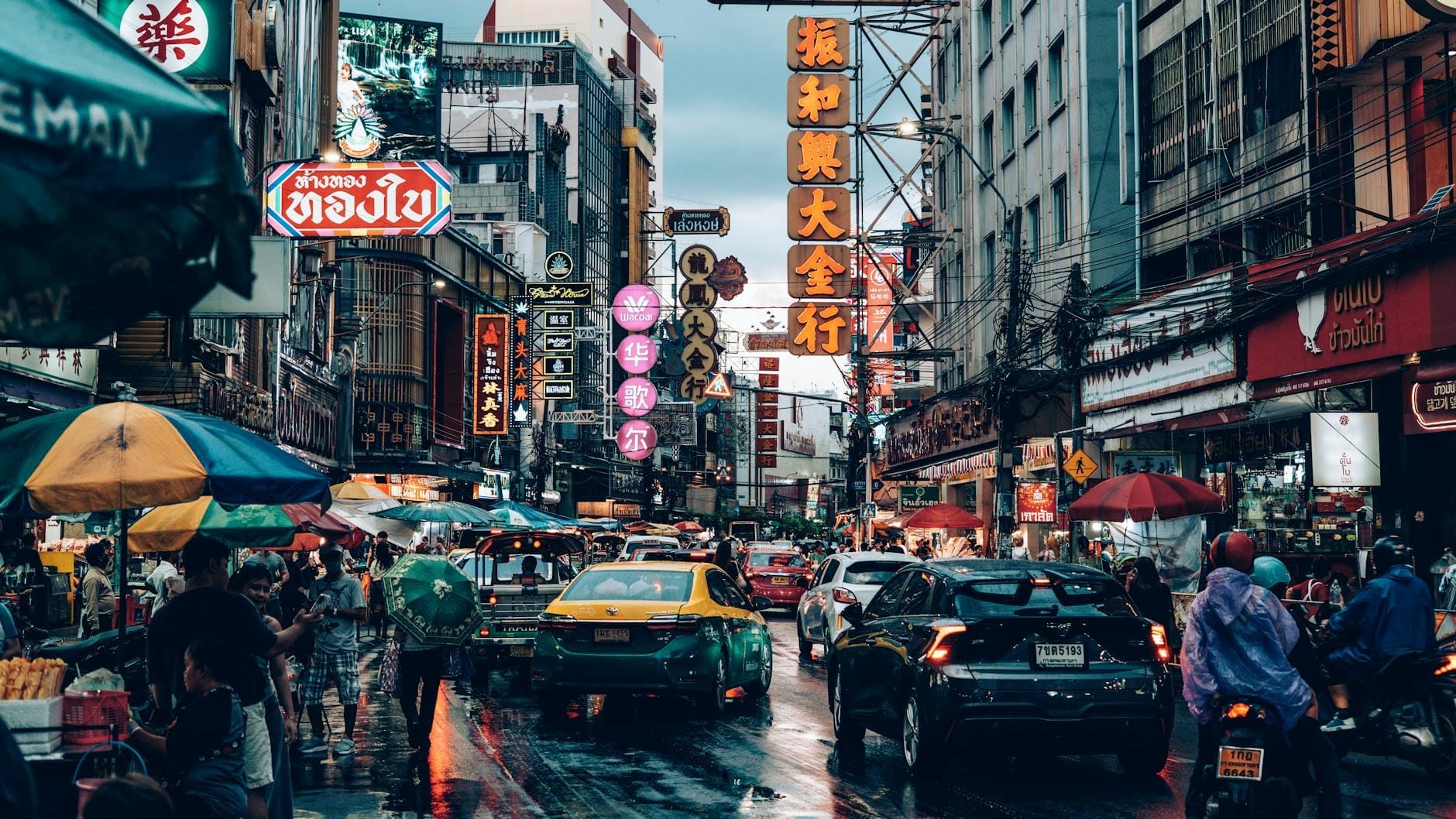
Bangkok is a megacity of 10+ million people that never quite stops. The scale is overwhelming in the best possible way: elevated rail lines cutting through skyscrapers, night markets squeezed between luxury malls, tuk-tuks weaving past Ferraris. First-time visitors often spend two full days just orienting themselves. The energy is undeniable, but so is the noise, heat, and sensory overload. Bangkok demands your attention.
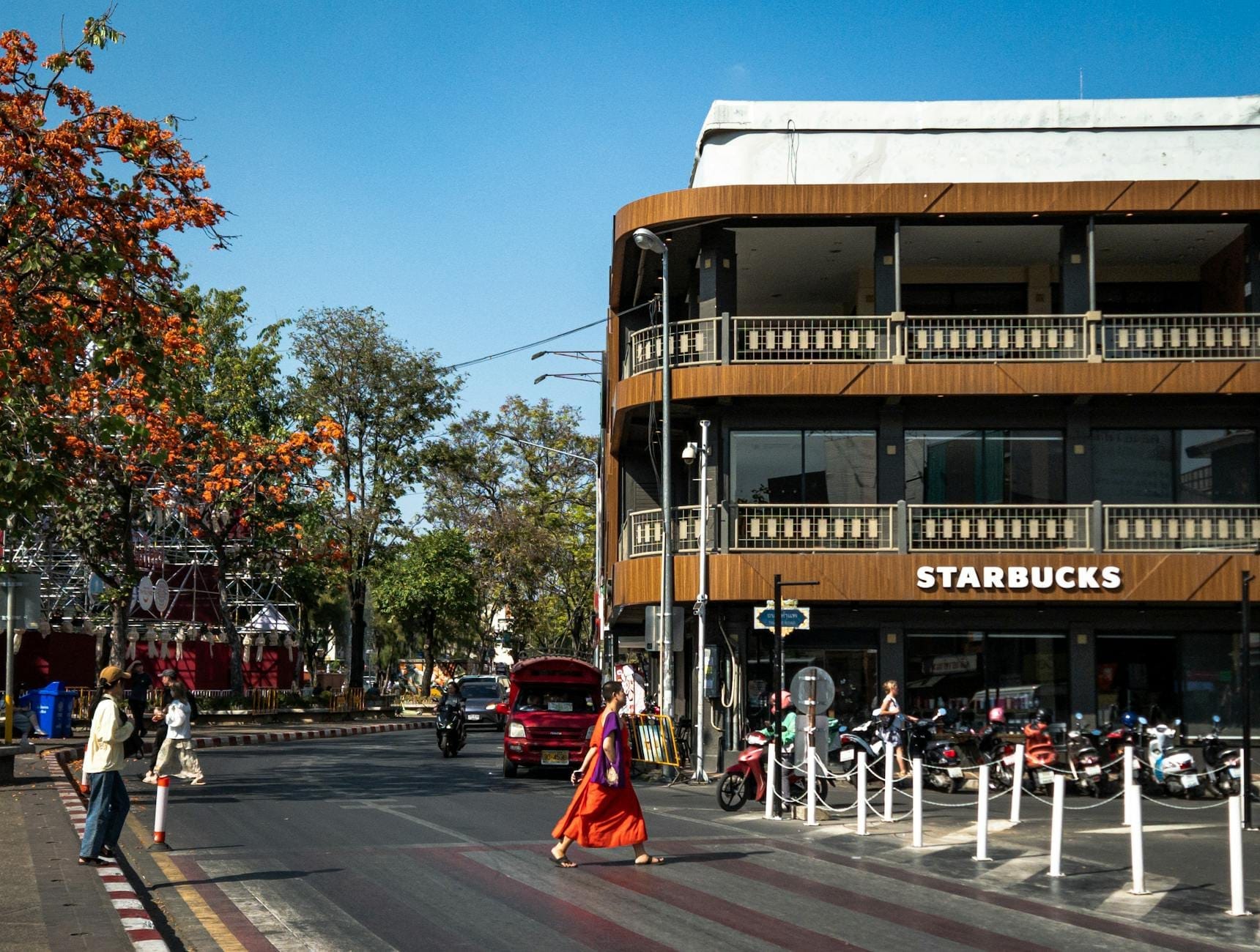
Chiang Mai, by contrast, is a city of around 1 million people in the mountainous north, where the pace genuinely slows down. The Old City is compact enough to walk across in 20 minutes. Street food vendors pack up by 10 pm. Coffee shop culture is serious. Monks collect alms at dawn in near-silence. It's not sleepy exactly, but it operates on a fundamentally different frequency than the capital. Most visitors describe feeling noticeably more relaxed within 24 hours of arriving.
ℹ️ Good to know
Neither city is objectively better. Bangkok suits travelers who want maximum variety and urban intensity. Chiang Mai suits those who want depth, culture, and access to northern Thailand's nature and hill tribe communities. Many Thailand itineraries include both.
Cost Comparison: Day-to-Day Spending
Chiang Mai is consistently cheaper than Bangkok across nearly every spending category. Street food meals run 50-80 THB (around $1.50-2.50 USD) at Chiang Mai's local markets. A good private room in a guesthouse or mid-range hotel in the Old City costs 500-1,200 THB per night. Renting a scooter for a day runs about 150-250 THB. Massage sessions at reputable shops start around 200-300 THB per hour.
Bangkok has budget options too, but the price ceiling is much higher and the averages reflect it. Accommodation in central Bangkok neighborhoods like Sukhumvit or Silom runs 800-2,000 THB for a basic room. Getting around by BTS Skytrain or taxi adds up, especially when distances between attractions are longer. That said, Bangkok's street food can be just as cheap as Chiang Mai's at the local level — it's hotels and transport where the gap widens most.
- Accommodation Chiang Mai wins clearly. Quality guesthouses in the Old City cost 30-50% less than comparable Bangkok options in tourist areas.
- Street food Roughly equal at the lowest end, though Chiang Mai's night markets tend to be less tourist-priced than Bangkok's famous Khao San Road area.
- Transport Chiang Mai wins for short trips — scooters and songthaews (red shared trucks) are cheap. Bangkok's BTS/MRT system is efficient but costs add up across a multi-day stay.
- Tours and experiences Chiang Mai wins. Elephant sanctuary visits, cooking classes, and trekking are all significantly cheaper here than equivalent experiences sold out of Bangkok.
- Nightlife and dining Bangkok wins on options but loses on wallet-friendliness. Rooftop bars and fine dining in Bangkok are genuine splurges.
Temples and Culture: More Than Just Tourism
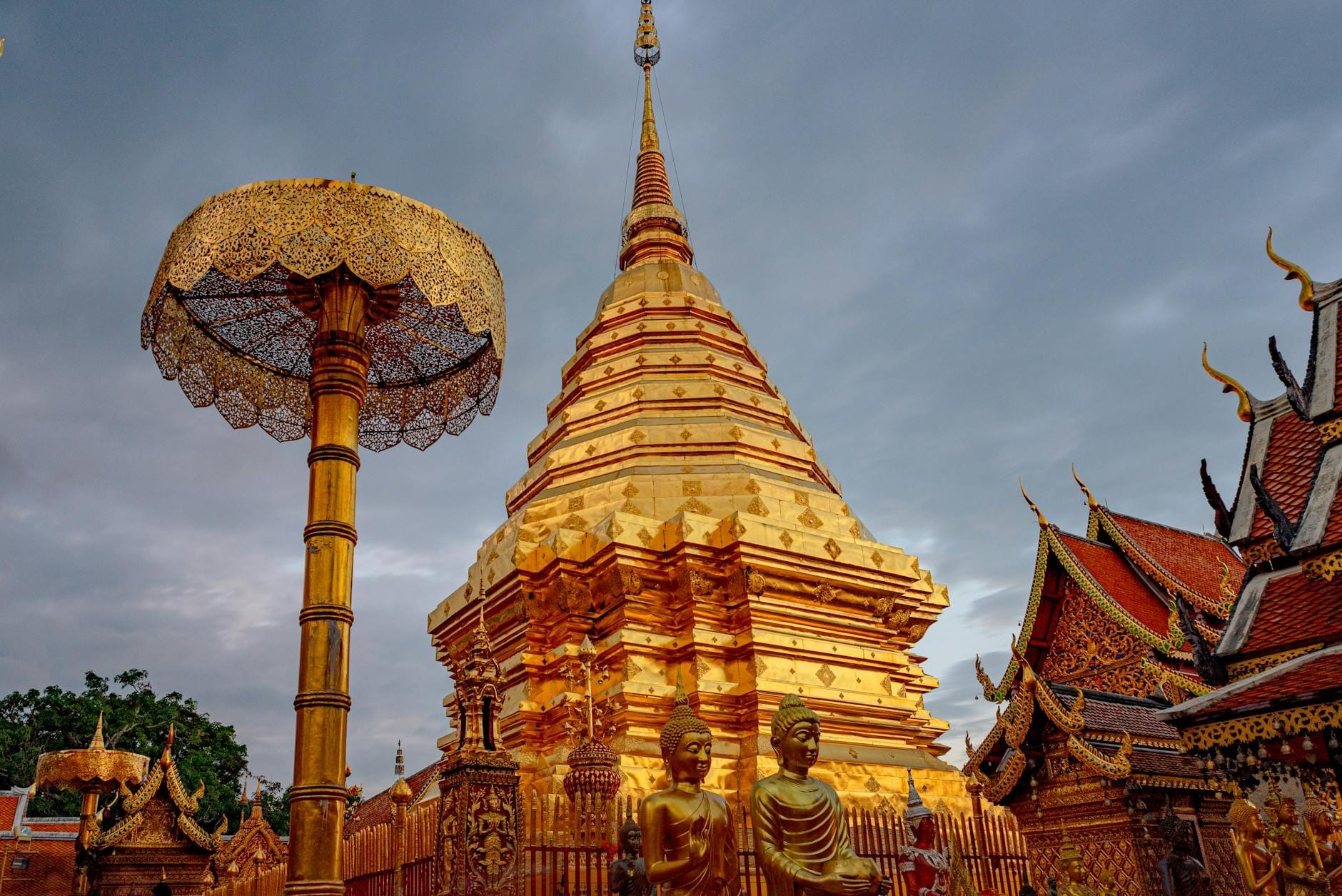
Bangkok's temples are world-famous for good reason. Wat Pho, Wat Arun, and the Grand Palace are genuinely spectacular — and genuinely crowded. Expect tour groups, selfie sticks, and entrance fees of 100-300 THB per site. The temples are still worth visiting, but you're experiencing them alongside thousands of others. Chiang Mai's temple scene is less hyped internationally but arguably more rewarding for anyone interested in Lanna (northern Thai) culture and history. Wat Phra Singh and Wat Chedi Luang sit inside the Old City moat and draw a fraction of the tourist numbers despite being just as architecturally significant.
Chiang Mai's temple experience extends well beyond the Old City. Wat Phra That Doi Suthep sits at 1,073 meters on Doi Suthep mountain and overlooks the entire city. Wat Umong is a forest monastery with tunnel shrines dating back to the 14th century. These aren't just photo opportunities — they're working religious sites where you can observe daily monastic life with minimal intrusion.
💡 Local tip
For a genuine cultural experience at Chiang Mai temples, arrive before 8 am on any day. The morning merit-making rituals, chanting, and monk activity happen early and are largely over by 9 am once the day-trippers arrive.
Food: Different Cuisines, Different Experiences
Both cities are outstanding food destinations, but they serve fundamentally different cuisines. Bangkok is where you eat Central Thai food: pad thai, tom yum, massaman curry, papaya salad, and virtually every international cuisine you can imagine. The city's food scene ranges from Michelin-starred restaurants to legendary 40-year-old street stalls. For sheer variety and quality ceiling, Bangkok is hard to match.
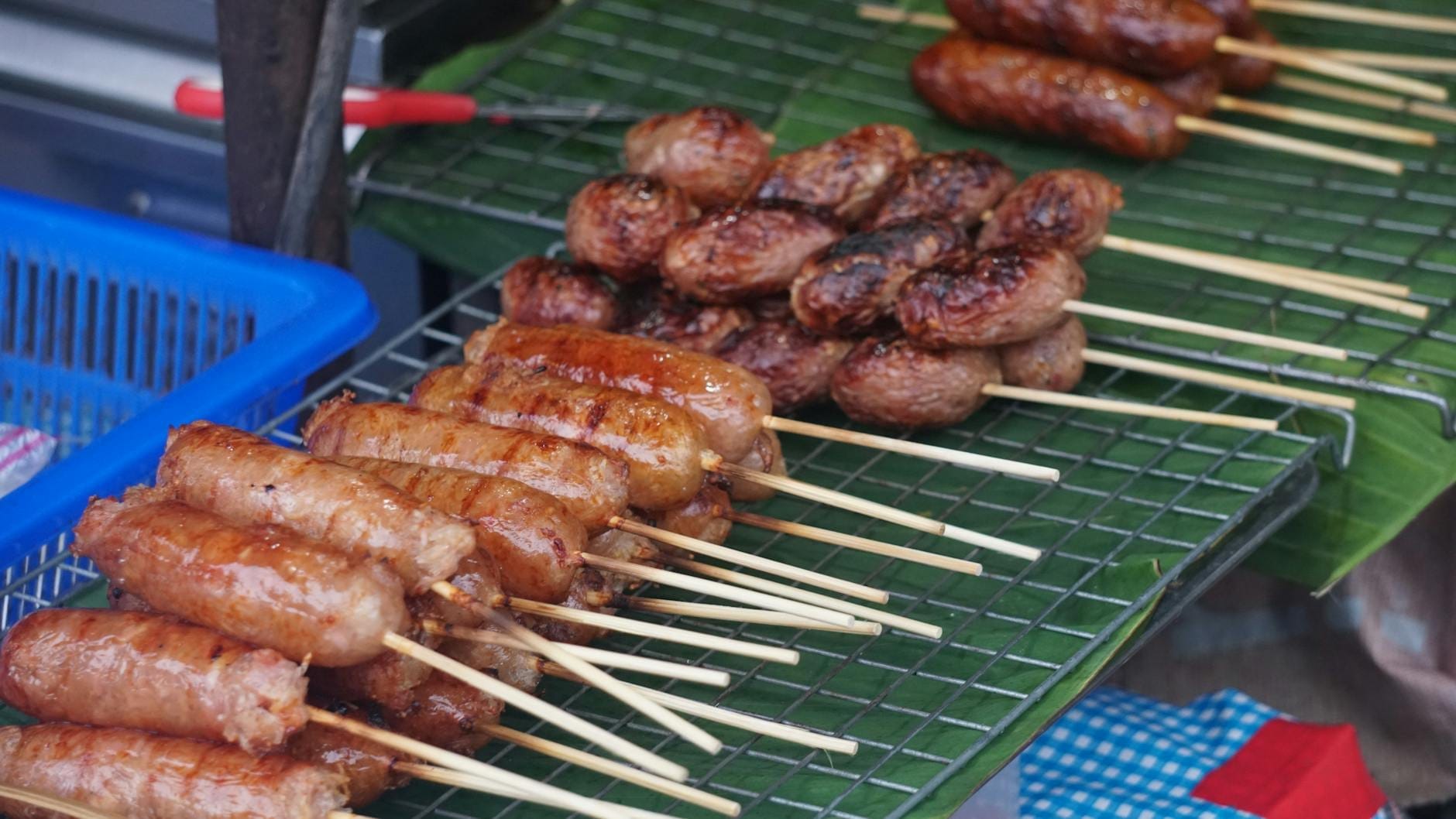
Chiang Mai is the capital of northern Thai (Lanna) cuisine, which is noticeably different from what most foreigners associate with Thai food. Key dishes include khao soi (egg noodles in a curry-coconut broth), sai oua (spiced northern sausage), nam prik noom (green chili dip), and larb moo (minced pork salad). These dishes are found across Thailand, but they taste different here — and they're far cheaper. Chiang Mai is also a serious hub for Thai cooking classes, which are typically better value and more intimate than their Bangkok equivalents.
Chiang Mai's night markets also deserve mention. The Sunday Walking Street on Ratchadamnoen Road and the Saturday Walking Street on Wua Lai Road both combine street food with artisan crafts in a way that Bangkok's Chatuchak Weekend Market doesn't quite replicate. For a deeper look at Chiang Mai's food scene, the northern Thai food guide covers the essential dishes and where to find them.
Nature Access and Day Trips
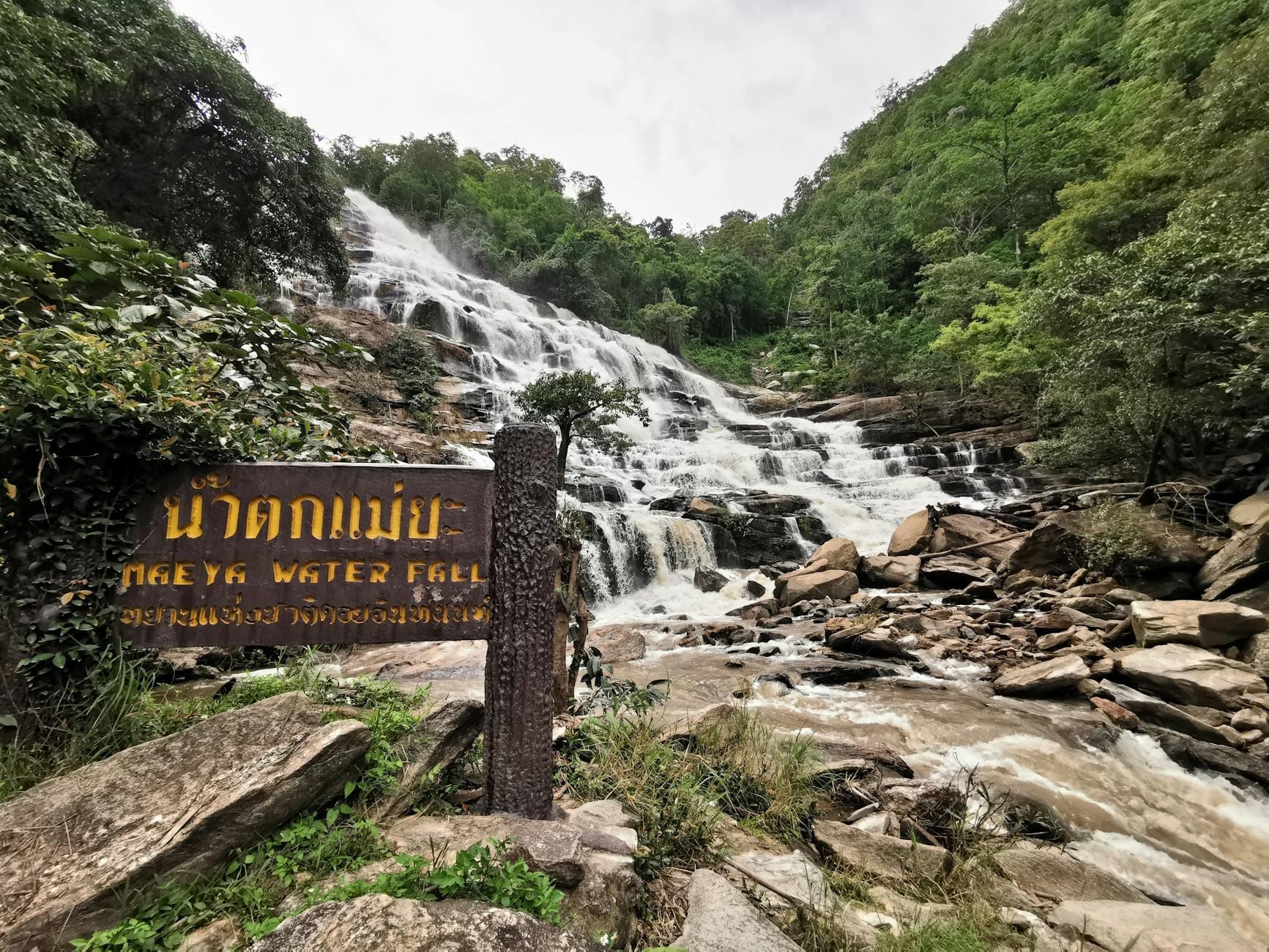
This is where Chiang Mai wins comprehensively. Bangkok is surrounded by urban sprawl, traffic, and flat delta land. Getting to genuine nature from Bangkok requires significant travel time: Khao Yai National Park is 2.5 hours away; the Gulf of Thailand beaches are 2+ hours by road. Day trips are possible but tiring.
Chiang Mai sits at roughly 300 meters elevation and is ringed by mountains. Within 30-90 minutes of the city center, you have access to Thailand's highest peak (Doi Inthanon), a dozen waterfalls, elephant sanctuaries, trekking routes through hill tribe villages, hot springs, bamboo forests, and remote reservoirs. The day trips from Chiang Mai options are genuinely exceptional and suit a wide range of interests and fitness levels.
- Doi Inthanon National Park: Thailand's highest mountain, royal twin pagodas, and Kew Mae Pan nature trail — all within about 2 hours of the city
- Ethical elephant sanctuaries: 30-60 minutes outside Chiang Mai, including well-regarded sanctuaries that operate without riding or performance
- Sticky Waterfall (Bua Tong): a limestone cascade 1 hour north where you can walk up the falls barefoot
- Chiang Dao: a dramatic limestone karst mountain with caves and trekking, about 90 minutes north of the city
- Mae Kampong: a mountain village with organic tea gardens and homestays, 1 hour east of Chiang Mai
Who Should Choose Which City
Bangkok is the right call if your priority is variety: world-class museums, cutting-edge restaurants, serious nightlife, ambitious shopping malls, and an overwhelming sense that something interesting is always happening nearby. First-time visitors to Southeast Asia who want to see 'classic Thailand' through the lens of temples, palaces, and street food should start in Bangkok. It's also the better choice for travelers with only 3-4 days in Thailand, since the BTS system makes major attractions genuinely accessible.
Chiang Mai makes more sense if you want to slow down, engage with local culture, get outdoors, or work remotely for an extended stretch. It's arguably the best long-stay destination in Southeast Asia for digital nomads, thanks to reliable internet, serious coffee culture, and a monthly cost of living well below Bangkok. It's also a better base for anyone focused on wellness — the city has a deep tradition of meditation retreats, yoga studios, herbal medicine, and therapeutic massage that Bangkok doesn't match in quality or authenticity. For couples, the Chiang Mai couples experience is genuinely different from anywhere else in Thailand.
⚠️ What to skip
Chiang Mai has a serious air quality problem from late January through April due to agricultural burning. Known as burning season, it can produce hazardous AQI levels above 200 on bad days, making outdoor activities genuinely unpleasant or risky. If you're visiting during this window, factor this in. Bangkok has pollution too, but not at these seasonal extremes.
For most travelers with 2+ weeks in Thailand, the honest answer is: visit both. Fly into Bangkok, spend 3-4 days there, then take a 1-hour domestic flight or 11-13 hour overnight train to Chiang Mai. The flight costs as little as 800-1,500 THB booked in advance on budget carriers. Once you've done both, the contrast makes each city more vivid. For timing advice across the year, the best time to visit Chiang Mai guide covers seasonal factors in detail.
FAQ
Is Chiang Mai cheaper than Bangkok?
Yes, consistently. Accommodation, transport, and tours cost noticeably less in Chiang Mai. A comfortable budget of 1,000-1,500 THB per day ($28-42 USD) covers food, transport, and accommodation in Chiang Mai. In Bangkok, the same lifestyle costs closer to 1,500-2,500 THB depending on neighborhood and travel style.
How do I get from Bangkok to Chiang Mai?
The fastest option is a 1-hour domestic flight, available from Don Mueang (DMK) airport on budget carriers like AirAsia, Nok Air, and Thai Lion Air for 800-2,500 THB depending on how far in advance you book. The overnight train takes 11-13 hours but is comfortable in sleeper class (around 800-1,500 THB) and saves a night's accommodation. Buses are cheapest but take about 10-12 hours.
Which city is better for families with children?
Bangkok has more child-friendly attractions in terms of scale: malls, theme parks, zoos, and the like. Chiang Mai is better for children who enjoy the outdoors — elephant sanctuaries, waterfall hiking, and mountain villages are genuinely exciting for kids. Chiang Mai's slower pace and walkable Old City also make logistics easier for families with young children.
Can I visit both Bangkok and Chiang Mai in one week?
Technically yes, but it's rushed. Three days in Bangkok and four in Chiang Mai works if you travel by plane and prioritize ruthlessly. A week split between the two won't give you enough time to go deep in either city. If you only have 7 days total, most experienced travelers recommend picking one city and doing it properly.
Which city has better temples?
Bangkok's temples — Wat Pho, Wat Arun, the Grand Palace complex — are larger and more ornate by design. Chiang Mai's temples are fewer in scale but higher in quality of experience, with far fewer tourists and a more authentic atmosphere. Chiang Mai is particularly strong if you're interested in Lanna-era Buddhist art and architecture, which is distinct from the Central Thai style dominant in Bangkok.
Tickets & tours
Live prices and dates from our booking partner. If you book, we may earn a commission at no extra cost to you.
Planning a trip? Discover personalized activities with the Nomado app.