Best Time to Visit Chiang Mai: A Complete Month-by-Month Guide
Chiang Mai's seasons are dramatically different from each other, and picking the wrong month can mean smoky skies, flash floods, or paying double for accommodation. This guide breaks down every month honestly so you can match your trip to your priorities.
Tickets & tours
Live prices and dates from our booking partner. If you book, we may earn a commission at no extra cost to you.
TL;DR
- November to February is the peak season: cool, dry, and perfect for trekking, temples, and festivals.
- March and April bring serious smoke from agricultural burning, with air quality often reaching hazardous levels.
- May to October is the rainy season, but also the cheapest, greenest, and least crowded period. See the rainy season guide before you dismiss it.
- Yi Peng (November) and Songkran (April) are the two standout festivals, but both require advance booking months ahead.
- Chiang Mai is a year-round destination, but no month is without a trade-off.
Understanding Chiang Mai's Three Seasons
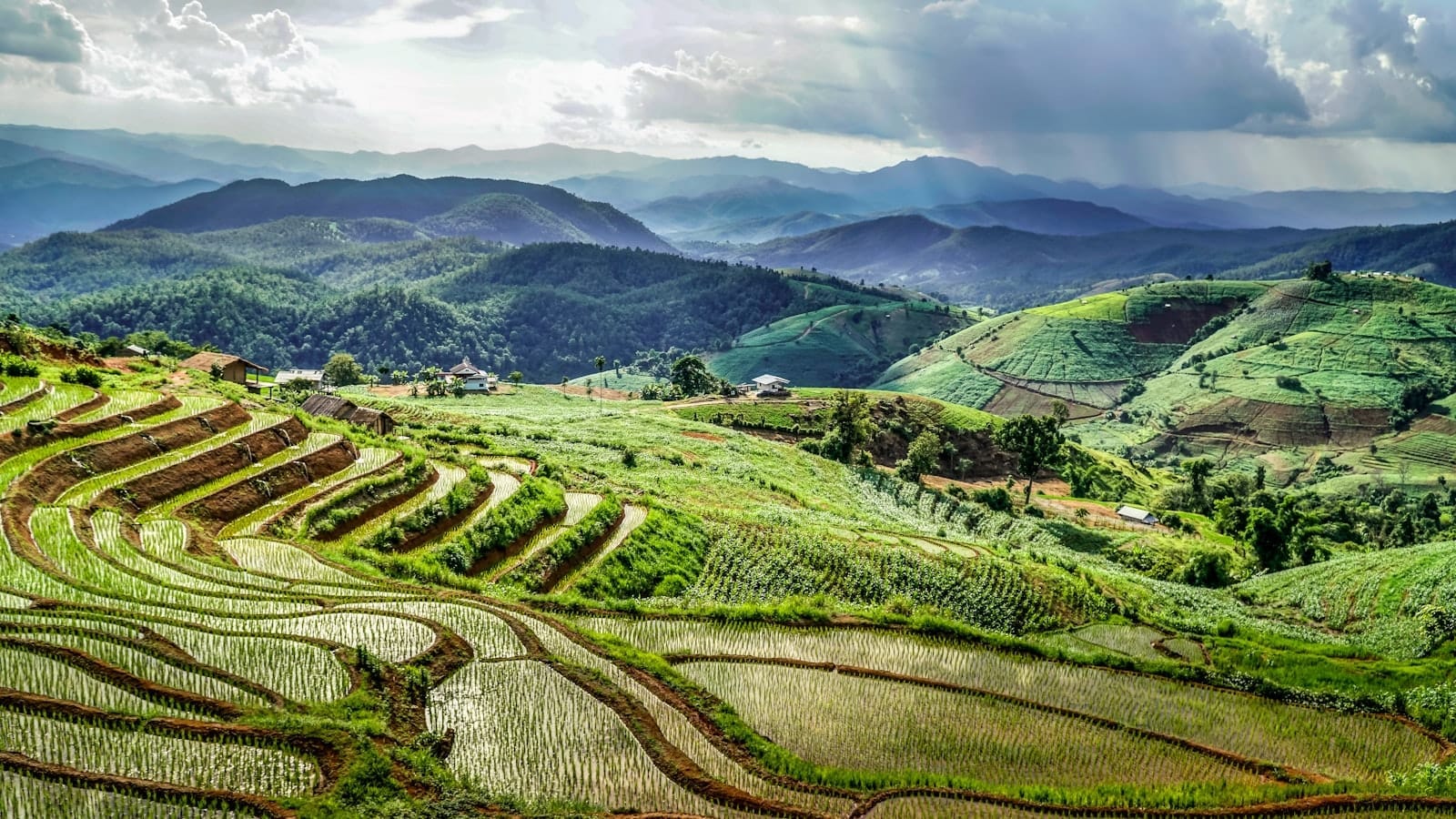
Chiang Mai operates on three distinct seasons, not two. The cool season runs from November through February, the hot and smoky season from March through April, and the rainy (or green) season from May through October. Each one shapes your experience in ways that go far beyond just the weather. Prices, crowds, road conditions, air quality, and even which activities are available all shift significantly across these windows.
The city sits at around 300 meters elevation in a valley surrounded by mountains, which gives it noticeably cooler temperatures than Bangkok, especially at night during winter. The surrounding highlands, including Doi Inthanon at 2,565 meters, can occasionally fall below freezing in December and January. This geography is one of Chiang Mai's biggest draws for Thai and foreign travelers alike during the cool months.
⚠️ What to skip
Do not underestimate the burning season. March and April see farmers burning fields and forests across Northern Thailand. The AQI (Air Quality Index) regularly exceeds 200 in bad years, reaching levels classified as 'Very Unhealthy' or 'Hazardous.' People with respiratory conditions, young children, and anyone sensitive to air pollution should avoid this period.
Month-by-Month Breakdown
Here is what to realistically expect each month in Chiang Mai. For a full seasonal picture alongside packing advice and activity planning, the Chiang Mai weather and rainy season guide goes deeper on climate specifics.
- November The single best month to visit. Temperatures sit around 18-28°C, the rains have stopped, and the landscape is still green from the wet season. Yi Peng Lantern Festival typically falls in November, turning the city into one of the most photogenic places in Southeast Asia. Accommodation books out weeks in advance during festival dates, so plan early.
- December Peak season in full swing. Nights can drop to 12-15°C in the city and colder in the hills. Christmas and New Year bring a surge of Western tourists and Thai domestic travelers. Prices for guesthouses and hotels rise 30-50% above shoulder season rates. Still, the weather is near-perfect for outdoor activities.
- January The coolest month of the year. Mornings can feel genuinely cold, particularly if you're on a motorbike heading up to Doi Suthep or trekking in the highlands. Crowds remain high but slightly below December's peak. A great month for trekking, cycling, and cultural exploration.
- February Still solidly cool and dry. The Chiang Mai Flower Festival happens in early February, centered at Suan Buak Hat Park, featuring elaborate floral floats and competitions. This is also when smoke starts appearing on the horizon as burning season begins to ramp up in rural areas. Air quality is usually still acceptable through most of February.
- March The turning point. Temperatures climb toward 35-38°C and smoke becomes a serious issue by mid-month. Some years are worse than others depending on rainfall and wind patterns, but statistically March is when air quality degrades significantly. Not recommended unless your itinerary keeps you indoors or at low altitudes with good filtration.
- April Songkran (Thai New Year) falls April 13-15 and transforms Chiang Mai into the country's biggest water fight, lasting up to a week. It's genuinely fun but also chaotic. Smoke often peaks in early April before the first rains begin to clear the air. If you visit for Songkran, protect electronics, expect flooded streets, and budget for higher accommodation costs.
- May The rainy season begins. Showers are typically short and afternoon-heavy rather than all-day events. The smoke clears almost overnight once the rains arrive. Prices drop 20-40%, crowds thin considerably, and waterfalls like Wachirathan start running properly. A genuinely underrated month.
- June & July Steady rainy season. Rain comes in episodes, not continuously, meaning mornings are often clear enough for temple visits, markets, and half-day activities. Humidity is high, around 80-85%. The countryside is lush and photogenic. These months attract digital nomads and long-stay visitors more than short-term tourists.
- August Typically the wettest month. Flash flooding in the old city moat area occasionally occurs after heavy rain events. The Doi Inthanon summit often sits in cloud for days at a time. That said, budget travelers and slow travelers find August genuinely excellent value, with some guesthouses cutting rates to their lowest of the year.
- September & October Rain begins to ease by late September. Rivers are full, waterfalls are roaring, and the mountains are green. October marks the end of Buddhist Lent (Ok Phansa), a culturally rich period with temple ceremonies. Crowds start to rebuild in October as cooler weather becomes more consistent.
Festival Timing: Plan Around These Dates
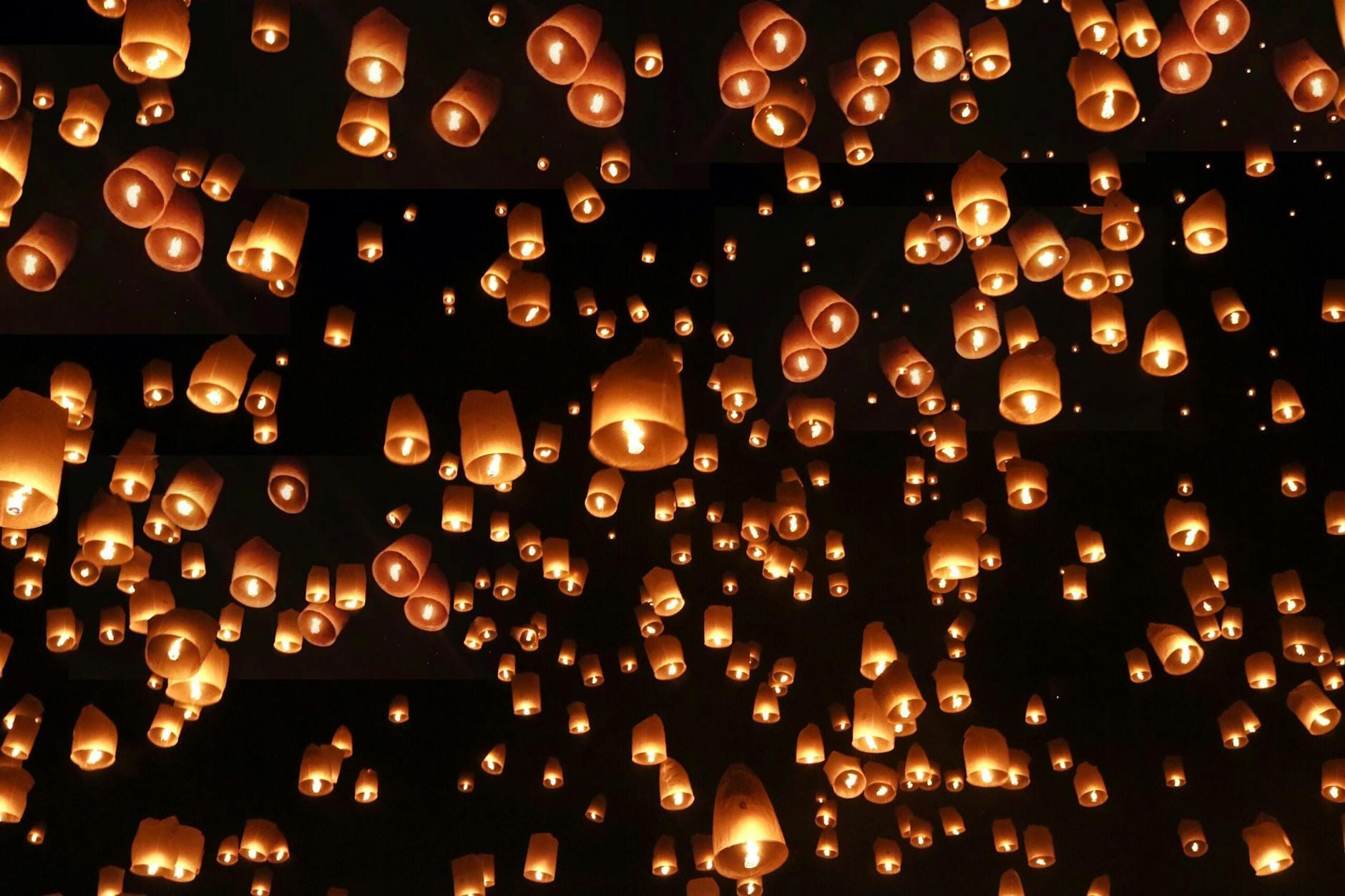
Chiang Mai's two most celebrated festivals are worth planning an entire trip around. Yi Peng Lantern Festival, held on the full moon of the second lunar month (usually November), sees thousands of paper lanterns released into the sky. For logistics, ticketing options, and photography spots, read the dedicated Yi Peng festival guide.
Songkran in April is the other calendar anchor. Chiang Mai's version is the most intense in Thailand. The main action happens around the city walls and moat, where water fights run for up to a week. It's a legitimate cultural celebration, not just a tourist spectacle, but it does require accepting that you will get soaked whenever you step outside and that normal city life largely shuts down. Full details are covered in the Chiang Mai Songkran guide.
February's Chiang Mai Flower Festival is smaller and more local in character. It draws Thai visitors more than international crowds, which makes it a pleasant contrast to the major winter festivals. The flower festival guide covers venue details, parade routes, and timing.
✨ Pro tip
For Yi Peng, book accommodation at least 2-3 months in advance. The official lantern release events organized around the festival sell ticketed spots, and prices for central guesthouses routinely double or triple in the days surrounding the full moon. If budget is a concern, staying 4-5 km outside the old city can save significantly.
Best Time for Specific Activities
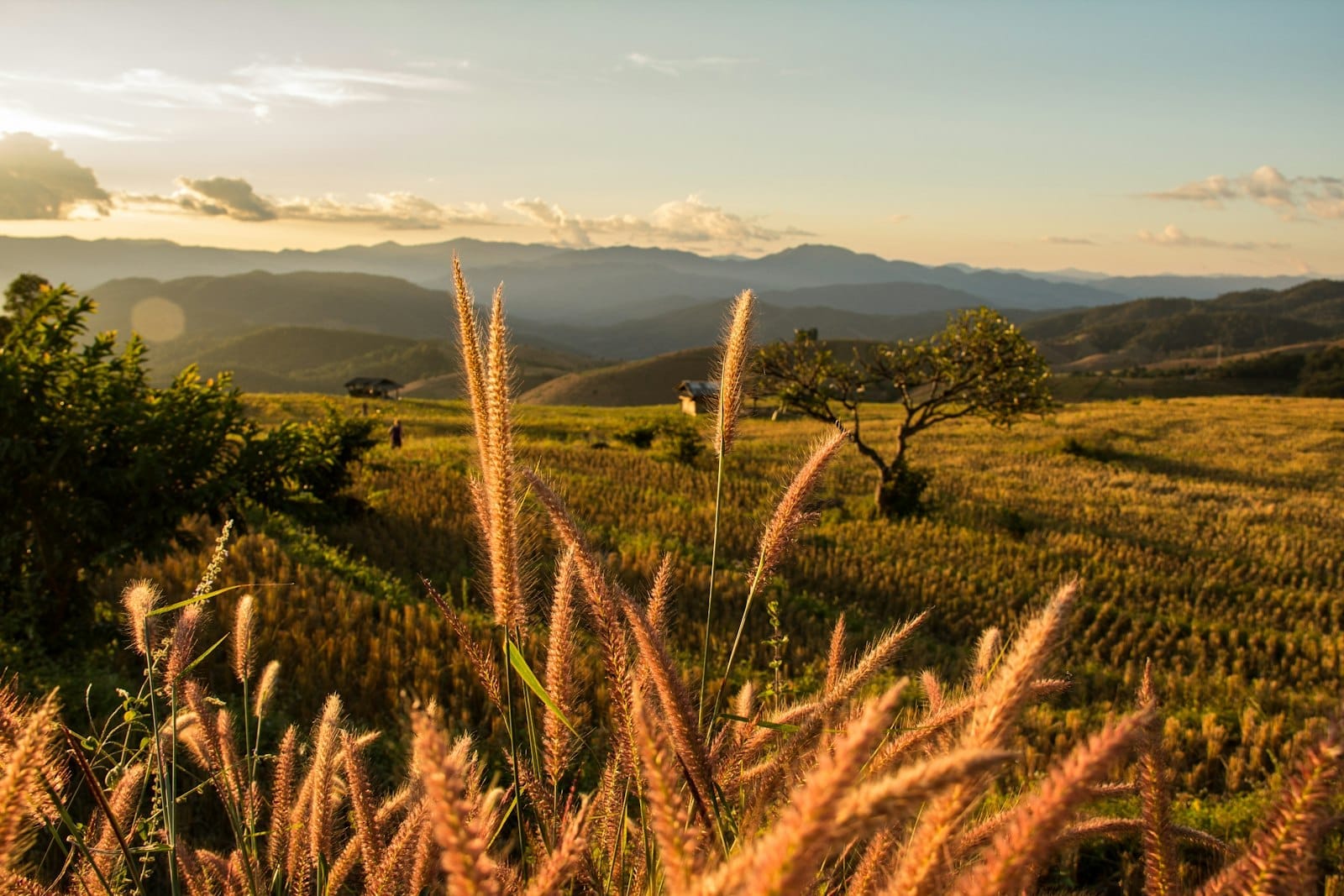
The right month depends heavily on what you plan to do. Trekking in the highlands is best from November through January, when trails are dry and temperatures are comfortable. Doing it during peak rainy season is possible but trails get muddy and leeches become a real consideration. The Chiang Mai trekking guide details route options by season.
- Temple and cultural touring November through February. Cool temperatures make walking between sites like Wat Phra Singh, Wat Chedi Luang, and Wat Phra That Doi Suthep genuinely pleasant. Avoid March-April when heat makes extended outdoor sightseeing uncomfortable.
- Waterfalls and nature August through October for maximum flow. Wachirathan and Mae Sa waterfalls are best in the late rainy season. By December, many secondary falls have reduced significantly.
- Elephant sanctuaries Open year-round. The rainy season months (June-September) often have smaller group sizes, meaning a more personal experience. November-February means larger tour groups.
- Photography November is ideal: post-rain greenery, golden-hour haze from lingering low-level smoke, festival lanterns. May also produces excellent light after the first rains clear the dust.
- Budget travel May through September, excluding Songkran. Accommodation rates drop significantly, domestic flights are cheaper, and restaurant queues disappear. Trade-off is afternoon rain and humidity.
Crowds, Costs, and Practical Timing Advice
Chiang Mai's accommodation market is genuinely seasonal. During peak months (December-January and Yi Peng), budget guesthouses in the old city fill weeks ahead. Quality mid-range hotels along the Nimman road and riverside areas hold inventory longer but still see meaningful price jumps. The shoulder months of May and October often offer the best balance: decent weather, significantly reduced prices, and manageable crowds.
If you're considering a longer stay or working remotely during your visit, the rainy season is where Chiang Mai earns its reputation as one of Southeast Asia's top digital nomad cities. The digital nomad guide to Chiang Mai covers coworking options, long-stay accommodation, and the neighborhoods that work best for extended visits.
For families traveling with children, November through January is the clear recommendation. The cool, dry weather suits kids far better than the heat or rains of other seasons. The guide to Chiang Mai with kids pairs well with this timing overview.
💡 Local tip
If you want warm-season savings without the worst air quality, target late April after Songkran, once the first rains have arrived. Prices are still lower, the smoke has usually cleared, temperatures are starting to moderate, and the city is quieter than at any other point in the year.
The Burning Season: What Travelers Often Miss
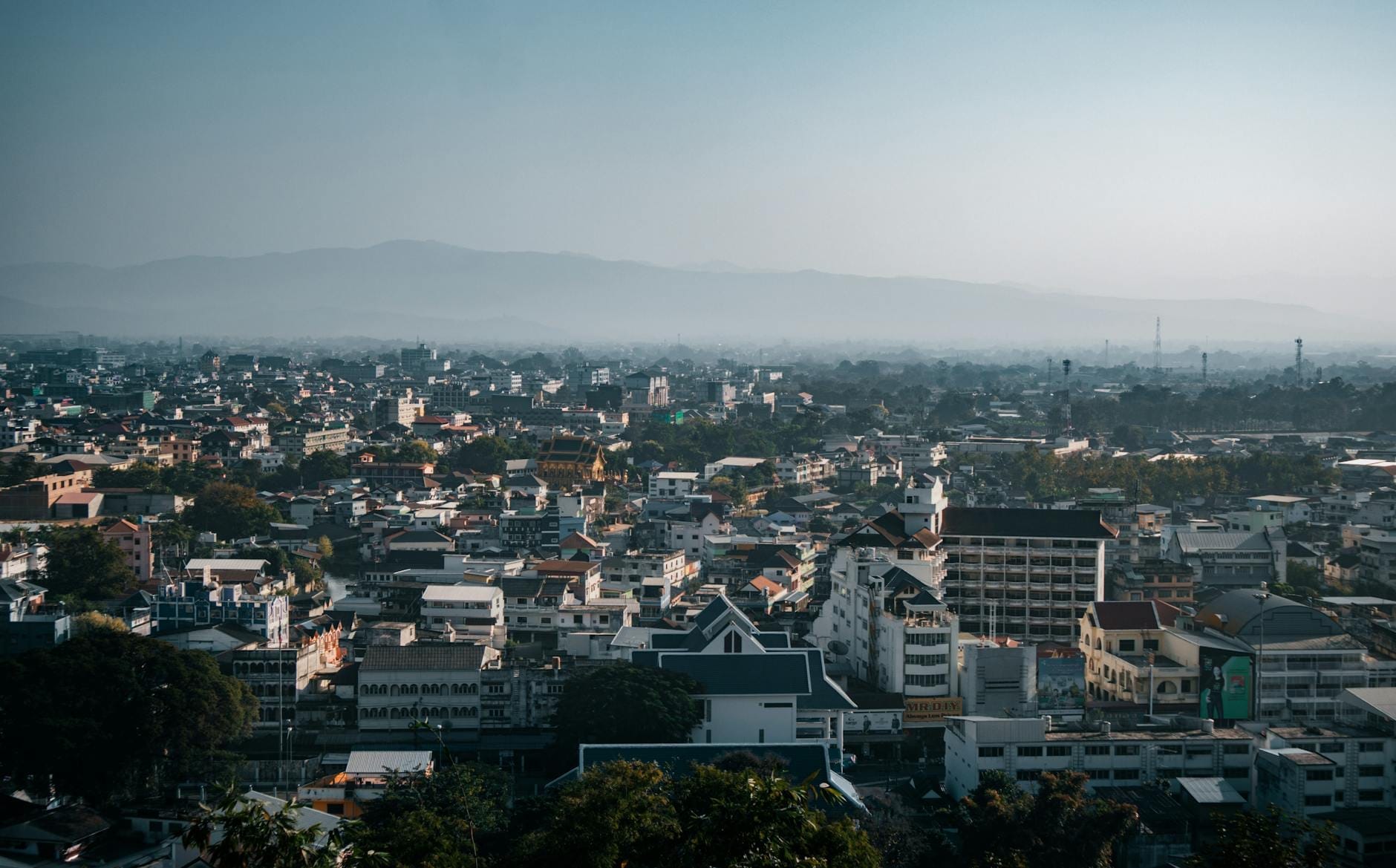
March and April deserve more coverage than most travel guides give them. The Chiang Mai burning season guide covers the full picture, but here is the short version: agricultural burning across Northern Thailand, combined with geographic factors that trap smoke in the Chiang Mai valley, creates an air quality crisis that lasts from roughly late February through mid-April in bad years.
This is not a light inconvenience. In peak burning years, visibility drops to a few hundred meters, eyes sting, and outdoor exercise is not advisable. The Thai government has introduced burning bans, but enforcement is inconsistent. Travelers who arrived expecting the lush mountain scenery from tourism photos are often shocked by the grey, hazy reality during this period. If you must travel in March, stay indoors during peak pollution hours, use a quality N95 or KN95 mask, and check the AQI on apps like AirVisual before planning outdoor activities.
FAQ
What is the best month to visit Chiang Mai overall?
November is the consensus top pick. The cool season is beginning, the rains have just ended so the landscape is still green, prices are slightly below December peak, and Yi Peng Lantern Festival often falls in November. If you miss November, January is an excellent second choice with reliable weather and fewer crowds than December.
Is Chiang Mai worth visiting during the rainy season?
Yes, for the right traveler. Rain in Chiang Mai is rarely all-day: it typically arrives in short afternoon or evening bursts. The benefits are real: cheaper accommodation (often 30-40% less), far fewer tourists, lush green scenery, waterfalls at full flow, and a more authentic day-to-day atmosphere. May and October are the best rainy-season entry points as they sit at the edges of the wet period.
How bad is the smoke in Chiang Mai and when does it peak?
The smoke from agricultural burning typically peaks between mid-February and mid-April, with March usually the worst month. In bad years, the Air Quality Index exceeds 200 (Very Unhealthy) for extended periods. The severity varies year to year based on rainfall patterns and how strictly burning bans are enforced. Travelers with asthma, young children, or respiratory sensitivities should avoid this window entirely.
How far in advance should I book for Yi Peng Lantern Festival?
At least 2-3 months in advance for accommodation, and as early as possible for official lantern release event tickets, which sell out. The festival date changes each year based on the lunar calendar, so check the confirmed date for your travel year. Staying outside the old city during festival week is a legitimate cost-saving strategy.
Is Chiang Mai expensive during peak season?
Relative to the rest of the year, yes. December and January see accommodation prices rise 30-50% above shoulder rates in popular areas like the old city and Nimman. Flights from Bangkok also cost more during Thai school holidays. That said, Chiang Mai remains significantly more affordable than most European or North American cities even at peak. Budget travelers can still find dorm beds and street food at accessible prices year-round.
Tickets & tours
Live prices and dates from our booking partner. If you book, we may earn a commission at no extra cost to you.
Planning a trip? Discover personalized activities with the Nomado app.