Songkran in Chiang Mai: Thailand's Wildest Water Festival
Chiang Mai transforms every April into the epicenter of Thailand's New Year water festival. This guide covers the best locations, what to expect each day, practical logistics, and honest advice on making the most of the chaos without ruining your camera or your patience.
Tickets & tours
Live prices and dates from our booking partner. If you book, we may earn a commission at no extra cost to you.
TL;DR
- Songkran in Chiang Mai runs April 13-15, with celebrations often extending to April 17-18 in the city center and Moat area.
- The moat surrounding Chiang Mai's Old City is the main battleground: expect continuous water fights from morning until late evening.
- Protect electronics obsessively: waterproof pouches are essential, and even 'waterproof' phones get damaged in sustained soaking.
- The festival is genuinely exhilarating but also genuinely exhausting — three full days of being soaked to the bone in 40°C heat.
- Book accommodation at least 2-3 months in advance; see the Chiang Mai accommodation guide for neighborhood breakdowns.
What Songkran Actually Is (Beyond the Water Fight)
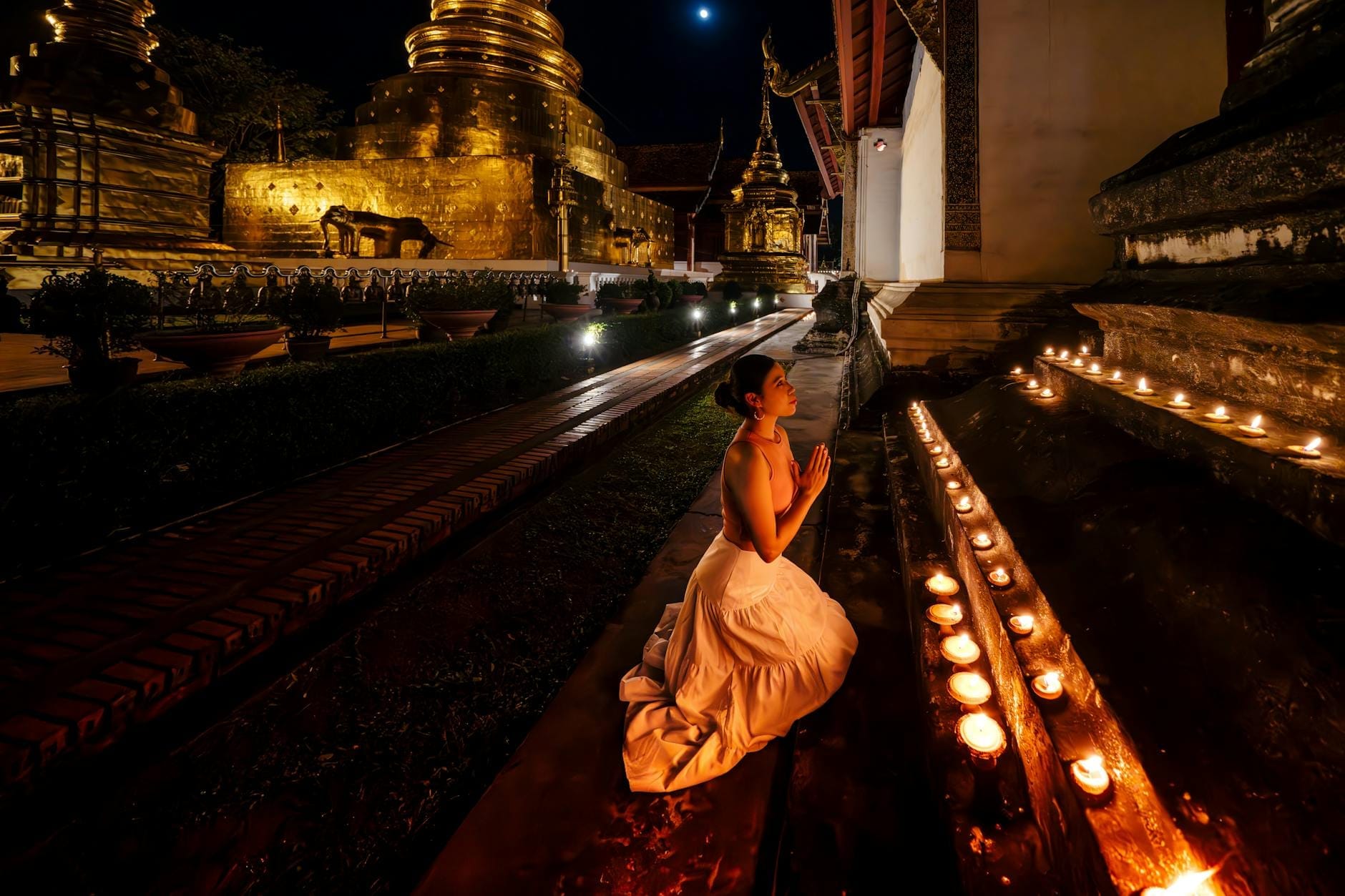
Songkran is the Thai New Year, rooted in the ancient Theravada Buddhist solar calendar. The word derives from Sanskrit and refers to the sun's movement into Aries. Originally, water was poured gently over elders' hands and Buddha statues as a gesture of respect and purification. In Chiang Mai, that tradition still exists alongside the water warfare, which makes the city's celebration richer than Bangkok's purely commercial version.
Chiang Mai celebrates Songkran longer and with more cultural substance than anywhere else in Thailand. The city was historically the capital of the Lanna Kingdom, and it maintains distinct Northern Thai customs during the festival period. You'll find Wat Phra Singh hosting the ceremonial procession of the Phra Buddha Sihing statue — one of the most revered images in Northern Thailand — which is paraded through the streets so residents can pour scented water over it for merit and blessing.
ℹ️ Good to know
The Lanna New Year (Pi Mai Mueang) technically follows slightly different dates from the national Songkran calendar. In Chiang Mai, you'll see signage and events using both terms interchangeably. The cultural content — temple ceremonies, sand stupas, candle offerings — is distinctly Northern Thai.
Dates and Duration: How Long Does It Last?
The official national Songkran holiday is April 13-15. April 13 (Maha Songkran Day) marks the end of the old year; April 14 is Wan Nao, a transitional day; April 15 is Wan Thaloeng Sok, observed as Thai New Year's Day proper. In Chiang Mai, the celebration reliably stretches beyond this, with the area around the Old City moat staying active through April 17 or even April 18 in high-energy years. Local businesses and residents participate far beyond the official government dates.
- April 13 Maha Songkran: the festival kicks off in full force. Water fights begin early morning and run past midnight around the moat.
- April 14 Wan Nao: traditionally a day for cleaning homes and preparing offerings. In practice, the water fights continue at full intensity.
- April 15 Thai New Year's Day: temple ceremonies are most prominent today, especially the Phra Buddha Sihing procession at Wat Phra Singh.
- April 16-18 Unofficial extension: the Old City moat area and Tha Phae Gate zone stay active, though with reduced intensity. Good for those who want the experience without the peak-day crush.
💡 Local tip
If you want to experience both the cultural ceremonies and the water fights, plan arrival for April 12-13 and departure no earlier than April 16. Arriving a day early lets you explore temples and markets before the crowds make navigation difficult.
Where the Action Happens: A Location Guide
Chiang Mai's Songkran has distinct zones, each with a different atmosphere. Knowing which area suits your energy level prevents both disappointment and overwhelm.
The Old City moat road (the road running alongside the square moat) is the undisputed center of the water fight. The road becomes a slow procession of pickup trucks packed with people, barrels of water, and giant water guns. Spectators and participants line both sides of the road. The most intense stretch is along the northern and eastern moat sections, particularly near Tha Phae Gate, where the crowd density peaks from around 11am to 6pm on April 13 and 14.
- Old City Moat Road Maximum intensity. Continuous soaking, shoulder-to-shoulder crowds, pickup trucks, and stages with DJs in the evenings. Best for full immersion.
- Tha Phae Gate Plaza The symbolic heart of the celebration. Cultural performances, sand stupas built by locals, and the most photographed Songkran backdrop in Chiang Mai.
- Nimman Road A younger, more curated scene with bars, music, and foam parties. Popular with expats and younger Thai urbanites. Less chaotic than the moat.
- Chang Phuak Gate Area Slightly less intense than the eastern moat, but still active. Pickup trucks roll through steadily from noon onwards.
- Wat Phra Singh For the cultural side: merit-making ceremonies, offering flowers, and watching the procession. Subdued water activity immediately around the temple grounds.
Practical Logistics: Getting There, Getting Around, Staying Dry-ish
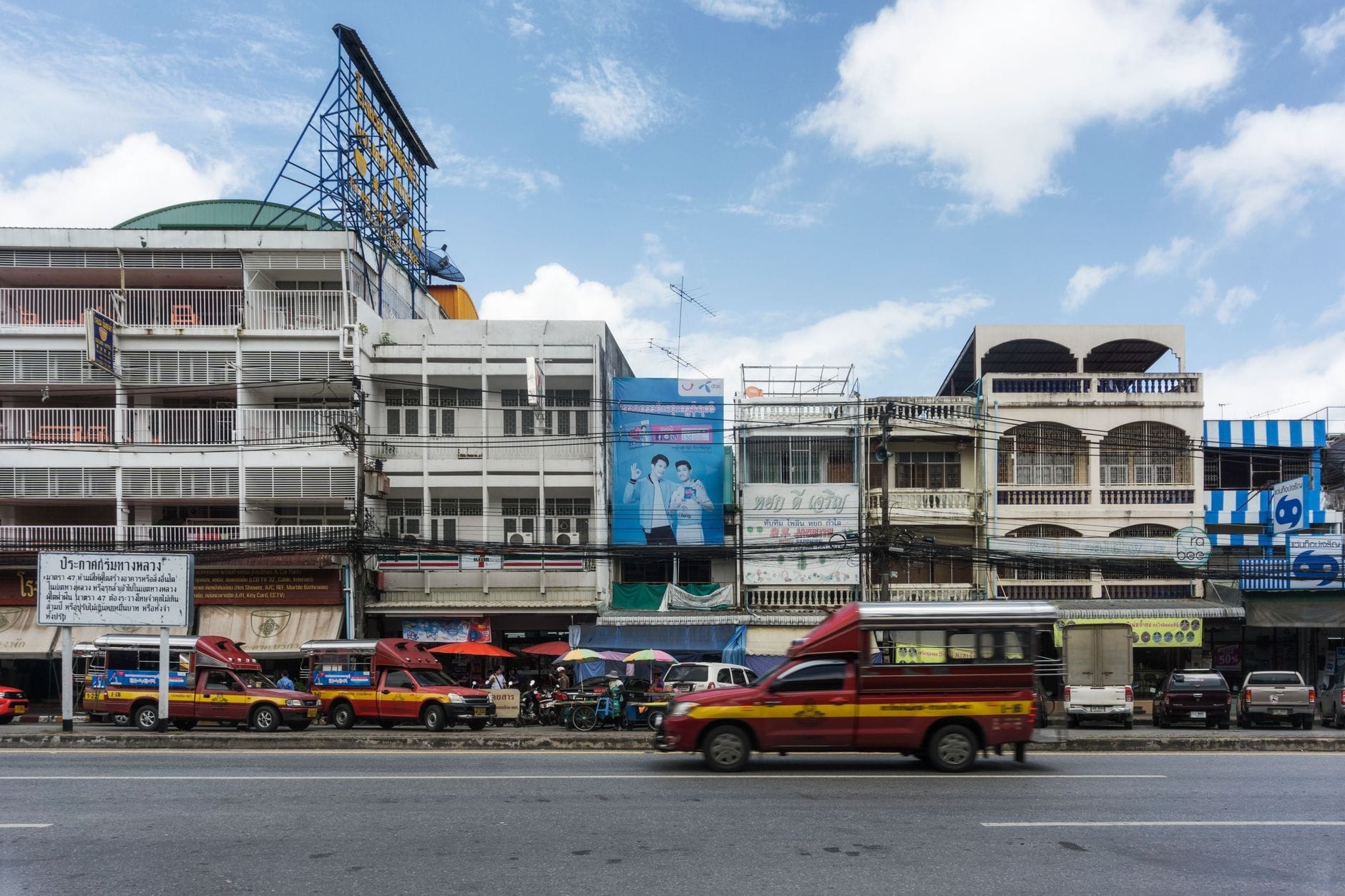
Transport during Songkran requires planning. Getting around Chiang Mai is already a patchwork of songthaews, ride-hail apps, and rental scooters. During Songkran, expect scooter rental prices to spike 30-50%, Grab and bolt app pricing to surge dramatically, and many drivers to simply refuse trips into the moat area during peak hours.
The most reliable approach: stay within walking distance of the Old City, or accept that you will be cycling or walking through the water fight to reach it. If you rent a scooter, expect it to be soaked and potentially splashed with soapy or dirty moat water. Keep the key fob in a waterproof bag. Parking near the moat becomes impossible from 10am onwards on peak days; motorbike lots on Ratchamankha Road and Moon Muang Road fill up by 9:30am.
⚠️ What to skip
Do not bring anything to Songkran that you cannot afford to lose or soak completely. Phones go in waterproof pouches, cash goes in a ziplock inside a waterproof bag, and cameras either stay home or travel in dry bags with serious seals. Even 'waterproof' rating on phones doesn't account for hours of submersion and repeated splashing.
For accommodation, the Old City itself offers the most convenient access to the main celebrations. Guesthouses and small hotels on Moon Muang Road, Ratchadamnoen Road, and the sois off the moat road put you inside the action. Nimman (Nimmanhaemin Road area) is 10-15 minutes by songthaew from the moat zone and offers a quieter base with its own scaled-down celebrations. Riverside properties are peaceful at night but require a journey into the fray.
What to Wear, Pack, and Absolutely Leave Behind
Clothing choices during Songkran matter more than most travelers expect. The obvious rule is waterproof everything, but the cultural dimension also applies: while the festival is energetic and informal, visiting temples during Songkran still requires covered shoulders and knees. Carry a dry sarong or change of clothes in a dry bag if you plan to mix temple visits with water fighting.
- Quick-dry synthetic clothing over cotton: cotton stays wet and heavy for hours
- Waterproof sandals or water shoes, not your good sneakers
- Waterproof phone pouch on a lanyard worn under your shirt
- Sunscreen applied before you leave accommodation (reapplication is difficult when wet)
- Small dry bag for cash, cards, and a paper map if needed
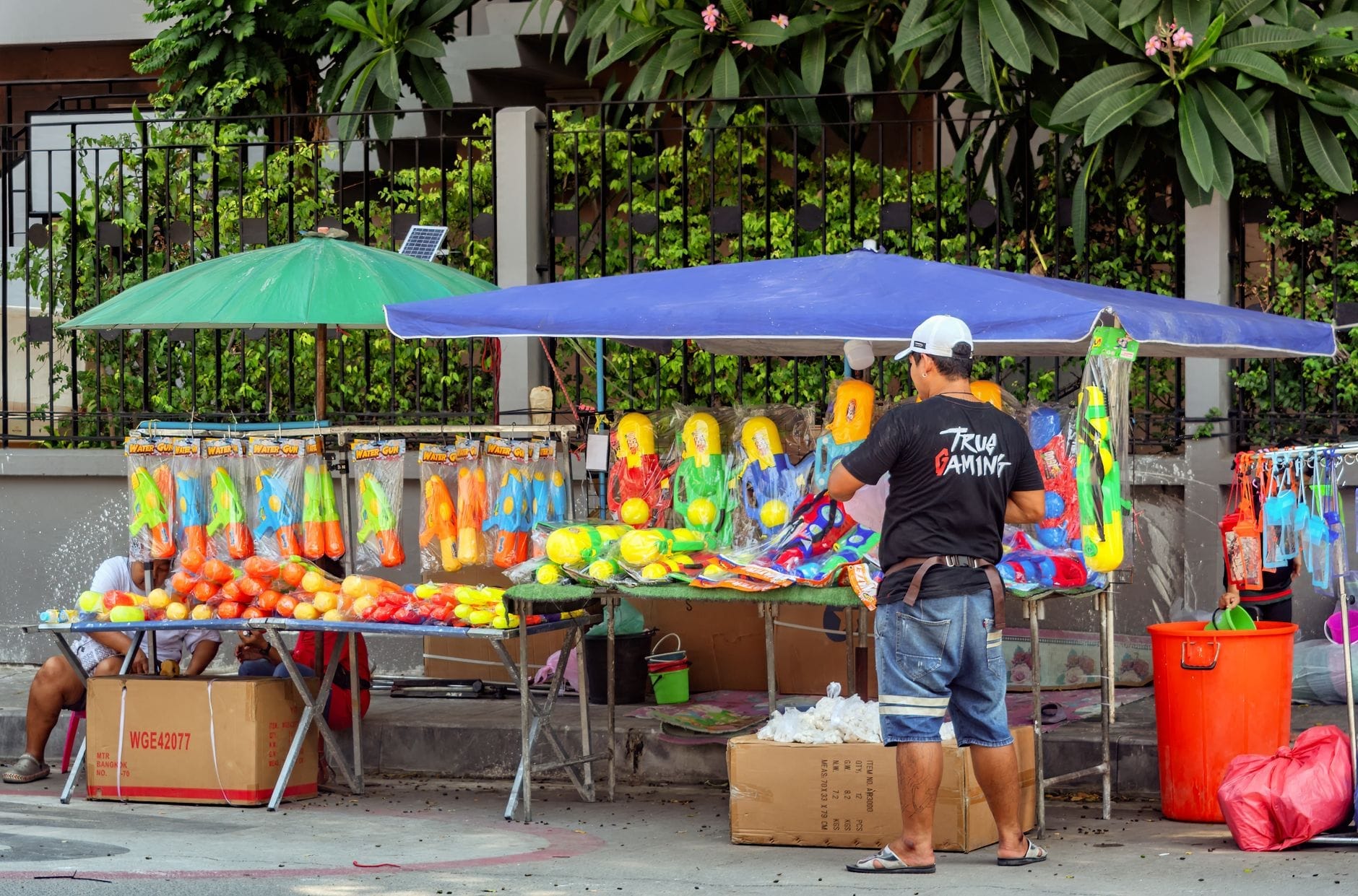
- A water gun if you want to participate actively: purchased cheaply at any 7-Eleven or market stall for 50-300 THB depending on size
Cultural Ceremonies Worth Prioritizing
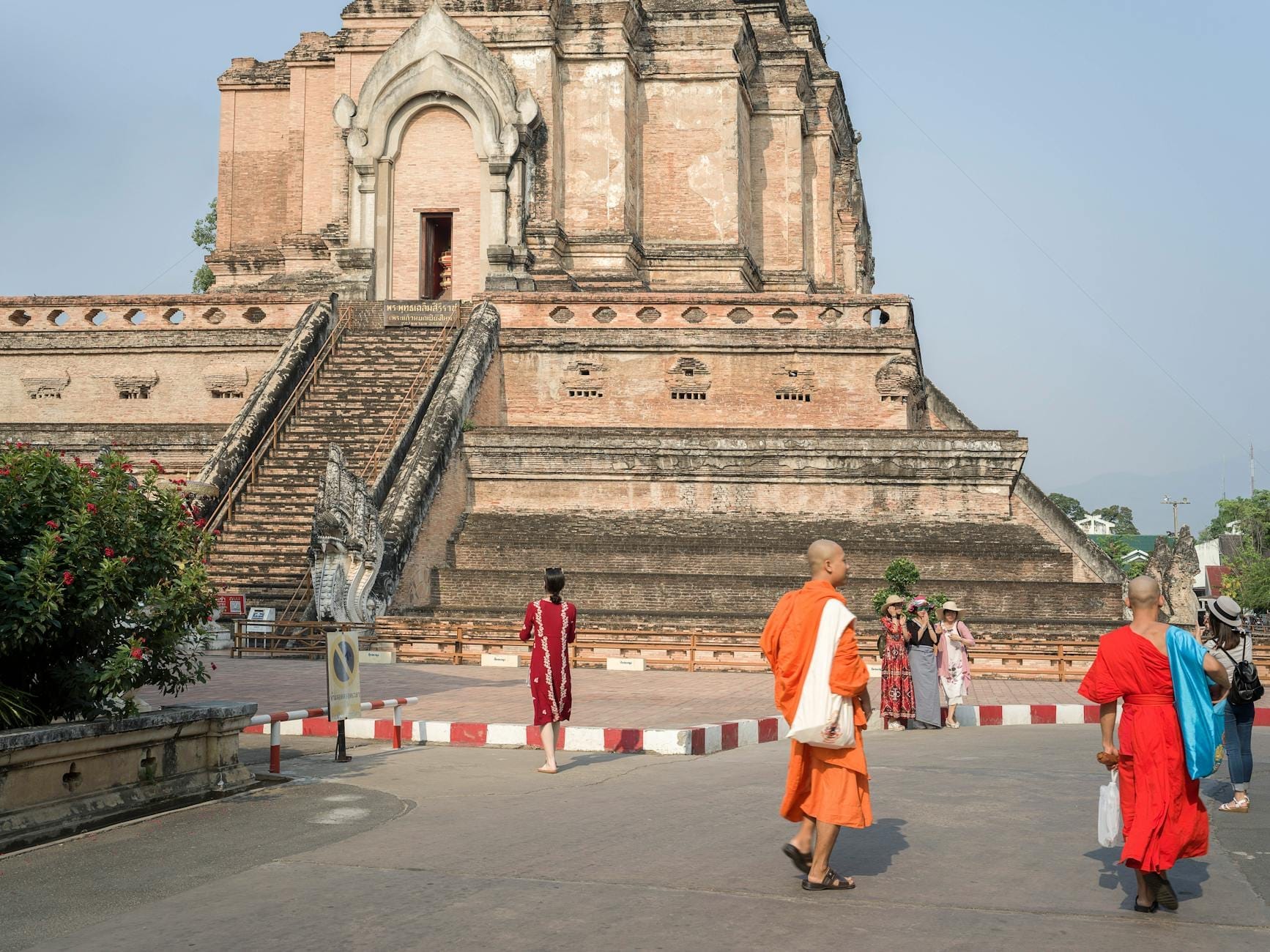
Songkran in Chiang Mai isn't only about water battles. The ceremonial dimension is genuinely moving if you seek it out. The Rod Nam Dam Hua ceremony involves younger people pouring scented water over the hands of elders and monks as a mark of respect. This takes place in temples across the city and in family homes. Visiting Wat Chedi Luang or Wat Phra Singh on the morning of April 13 or 15 gives access to these ceremonies alongside local residents rather than tourist crowds.
Sand stupas (phra chedi sai) are constructed in temple courtyards by worshippers who bring sand to the temple to replace what has been carried out on people's feet throughout the year. Each grain of sand returned is considered a unit of merit. Watching families build and decorate these small sand towers is one of the quieter, more authentic experiences Songkran offers.
For a broader sense of Chiang Mai's Buddhist heritage and how it shapes festivals like Songkran, the Chiang Mai temples guide provides context on the city's major wat and their distinct roles in Lanna religious life.
✨ Pro tip
The early morning of April 15 (New Year's Day proper) at Wat Phra Singh is significantly less crowded than the preceding two days. Arrive by 7am to witness almsgiving and the beginning of the Phra Buddha Sihing procession preparation without fighting through tourist crowds.
Honest Assessment: Is Songkran in Chiang Mai Right for You?
Songkran in Chiang Mai is extraordinary if you want it. The combination of ancient Lanna ceremony, spontaneous community celebration, and three days of sustained outdoor party is rare anywhere in the world. But it's also genuinely demanding. The heat is serious: April is Chiang Mai's hottest month, regularly hitting 38-40°C, and standing in the sun while water fights rage around you leads to dehydration faster than most travelers anticipate.
It's worth noting that April also coincides with the tail end of Chiang Mai's burning season, when agricultural burning creates air quality problems. Some years, the haze clears significantly by mid-April; other years it lingers. Check air quality forecasts (AQI) before finalizing travel plans. The burning season guide explains the timing and health implications in detail.
For families with young children, Songkran can work but requires route planning to avoid the most intense moat zones. For photographers, the festival offers incredible imagery but demands serious waterproofing investment. For those who dislike crowds, noise, or unexpected soaking, these five days are the worst possible time to visit Chiang Mai. For everyone else, it's the best.
FAQ
When exactly is Songkran in Chiang Mai?
The official national dates are April 13-15 every year. In Chiang Mai, the celebration typically extends to April 17-18 in the Old City moat area. Some years, satellite events begin April 12. Hotel prices and road closures follow the extended schedule, so plan around April 12-18 at minimum.
Is Songkran safe in Chiang Mai?
The water fighting itself is generally safe, though pickpocketing increases significantly in dense crowd areas. The main risks are dehydration from heat, sunburn, and traffic accidents involving wet roads and impaired drivers on evenings. Stay hydrated, use waterproof sunscreen, and avoid riding motorbikes after dark during the festival period.
Can you avoid the water fights if you just want the cultural experience?
Yes, though it requires deliberate routing. Temple ceremonies at Wat Phra Singh, Wat Chedi Luang, and Wat Suan Dok operate normally, and the immediate surroundings see more gentle water pouring than full soaking. Avoid the moat road and Tha Phae Gate area entirely if you don't want to participate in water fights. Morning visits to temples (before 9am) are the driest option.
How far in advance should I book accommodation for Songkran?
At minimum 2-3 months ahead for decent options; 4-6 months for specific properties in the Old City or Nimman. Prices roughly double or triple compared to non-festival periods. Budget guesthouses on Moon Muang Road and Ratchadamnoen Road sell out first. Mid-range and luxury properties on the riverside are slightly easier to secure but require longer travel times to the main celebrations.
What's the best water gun to buy for Songkran?
Small pistol-style guns (50-100 THB) are easy to carry but require constant refilling. Mid-size backpack-style guns with a reservoir (200-400 THB) are the practical sweet spot. The large bazookas seen on pickup trucks are for truck-based water fighting, not walking around. Buy at 7-Eleven, Lotus's, or any street stall in the Old City from April 11 onward — supply is plentiful.
Tickets & tours
Live prices and dates from our booking partner. If you book, we may earn a commission at no extra cost to you.
Planning a trip? Discover personalized activities with the Nomado app.