Best Temples in Chiang Mai: A Complete Guide to the City's Sacred Sites
Chiang Mai has more temples per square kilometer than almost anywhere in Southeast Asia, with over 300 wats ranging from grand royal foundations to intimate forest retreats. This guide covers the essential and the unexpected, from the gilded chedi of Doi Suthep to a silver-clad masterpiece in the silversmith district.
Tickets & tours
Live prices and dates from our booking partner. If you book, we may earn a commission at no extra cost to you.
Chiang Mai was the capital of the Lanna kingdom for five centuries, and its temples reflect that deep, distinct heritage. Lanna Buddhist art differs visibly from Bangkok's central Thai style: look for tiered rooflines, elephant-buttressed chedis, elaborate teak wood craftsmanship, and a quieter, more forested setting. The Old City alone contains dozens of working temples within its ancient moat, while others are scattered across the surrounding mountains and valleys. Whether you have two days or two weeks, the temples here reward slow, attentive visits. For help structuring your time, see our Chiang Mai 3-day itinerary. Dress modestly at all sites: covered shoulders and knees are required, and shoes must be removed before entering any viharn or bot.
💡 Local tip
Many temples are free or charge a small fee (20-50 THB). Wat Phra That Doi Suthep currently charges 30 THB for foreigners to access the upper terrace. Go early on weekdays to avoid tour groups.
The Big Four: Old City Temples Everyone Should See
The Old City's most important temples form the spiritual core of Chiang Mai and are best explored on foot or by bicycle. The photography guide has useful tips on the best light and angles at each. Give yourself at least half a day to cover these four properly without rushing.
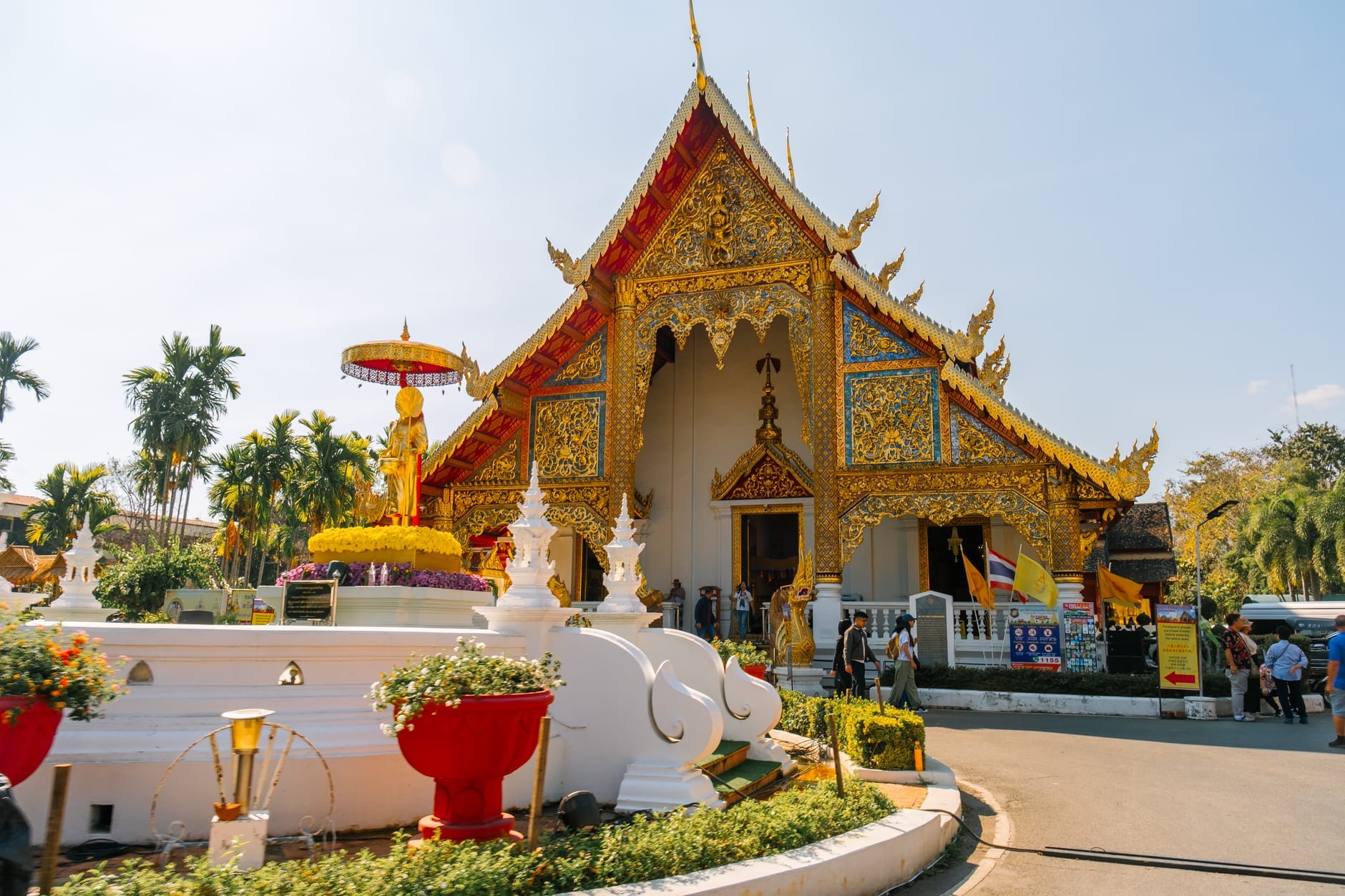
1. Marvel at Lanna Architecture at Wat Phra Singh
The undisputed centerpiece of the Old City, Wat Phra Singh houses the venerated Phra Singh Buddha in a viharn decorated with superb Lanna murals. The proportions, detail, and manicured grounds are the benchmark against which all other Old City temples are measured.
Explore1. Marvel at Lanna Architecture at Wat Phra Singh
The undisputed centerpiece of the Old City, Wat Phra Singh houses the venerated Phra Singh Buddha in a viharn decorated with superb Lanna murals. The proportions, detail, and manicured grounds are the benchmark against which all other Old City temples are measured.
Explore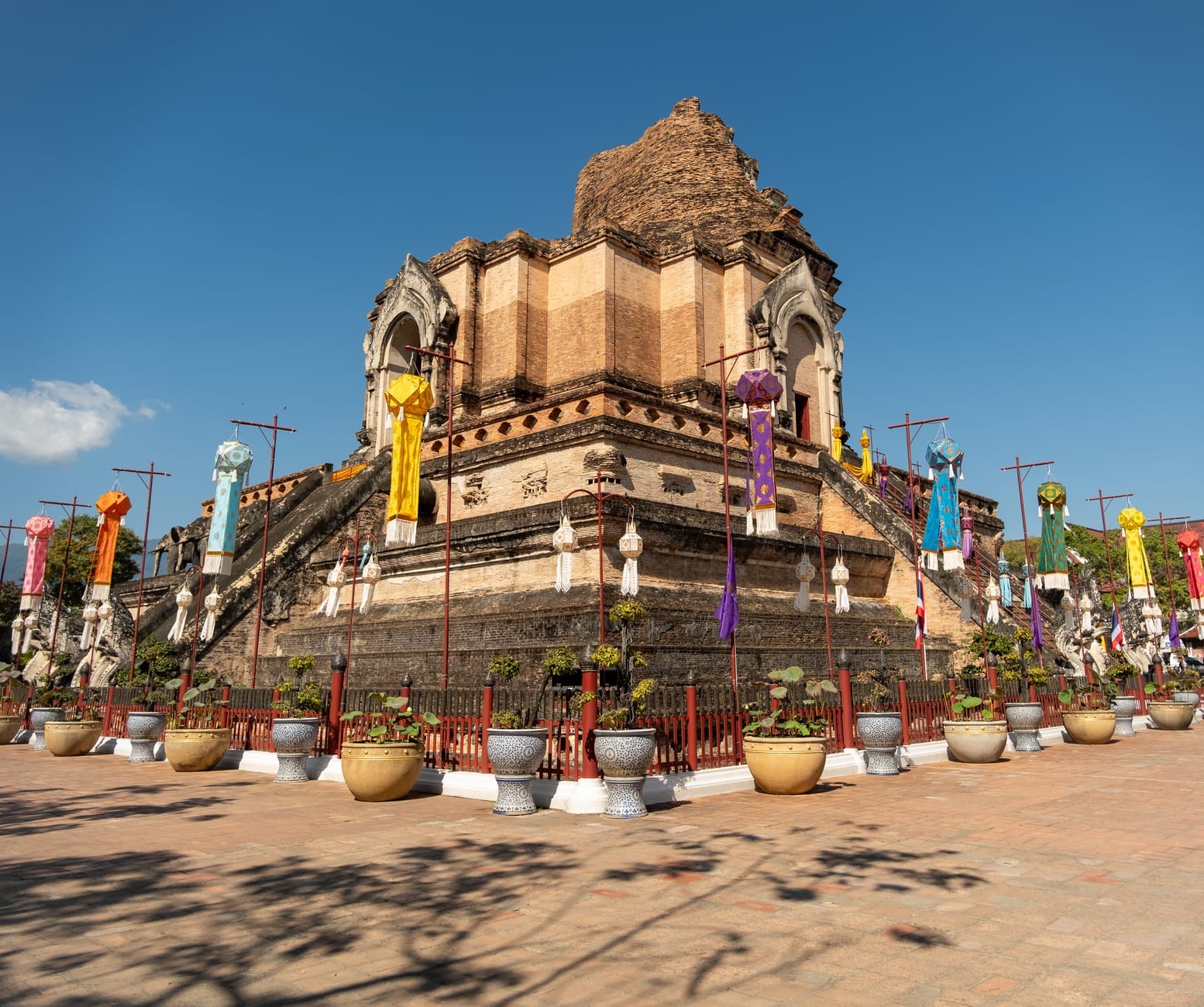
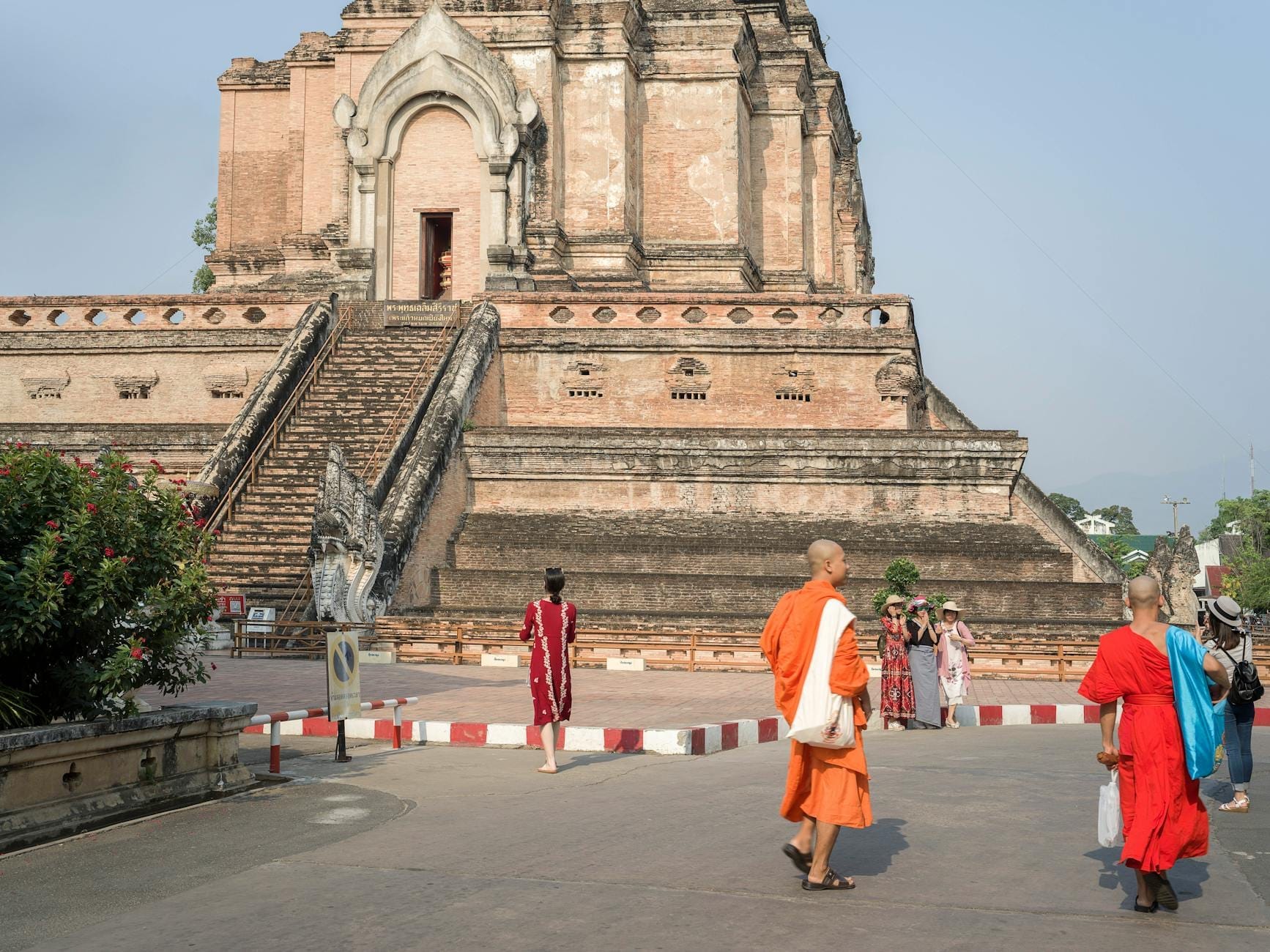
2. Stand Before the Ruined Giant at Wat Chedi Luang
This 15th-century chedi once stood 82m tall, the highest structure in the Lanna kingdom, before an earthquake reduced it to its current dramatic form. Evening monk chats here are genuinely engaging, and the city pillar shrine in the grounds adds a layer of living ritual.
Explore2. Stand Before the Ruined Giant at Wat Chedi Luang
This 15th-century chedi once stood 82m tall, the highest structure in the Lanna kingdom, before an earthquake reduced it to its current dramatic form. Evening monk chats here are genuinely engaging, and the city pillar shrine in the grounds adds a layer of living ritual.
Explore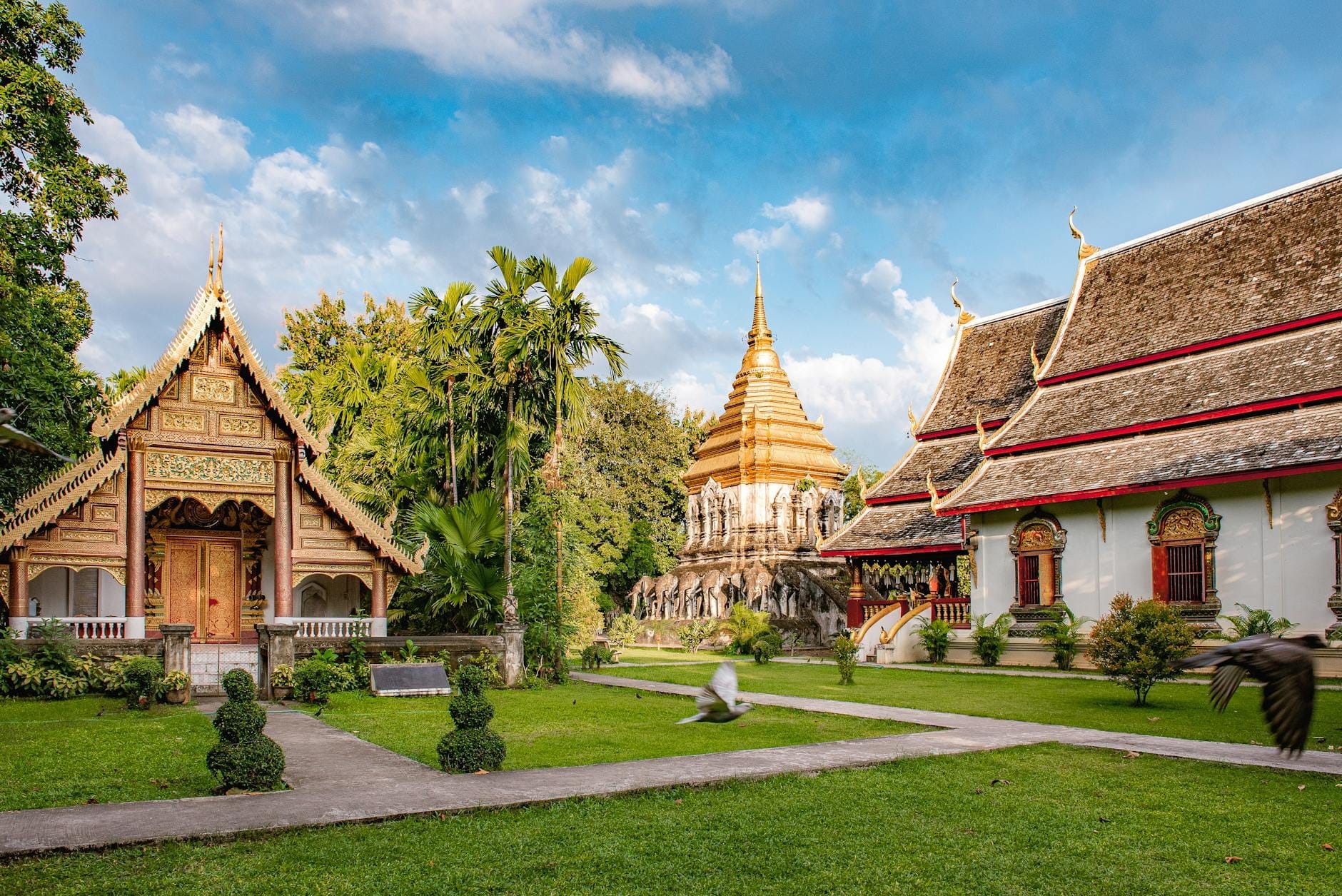
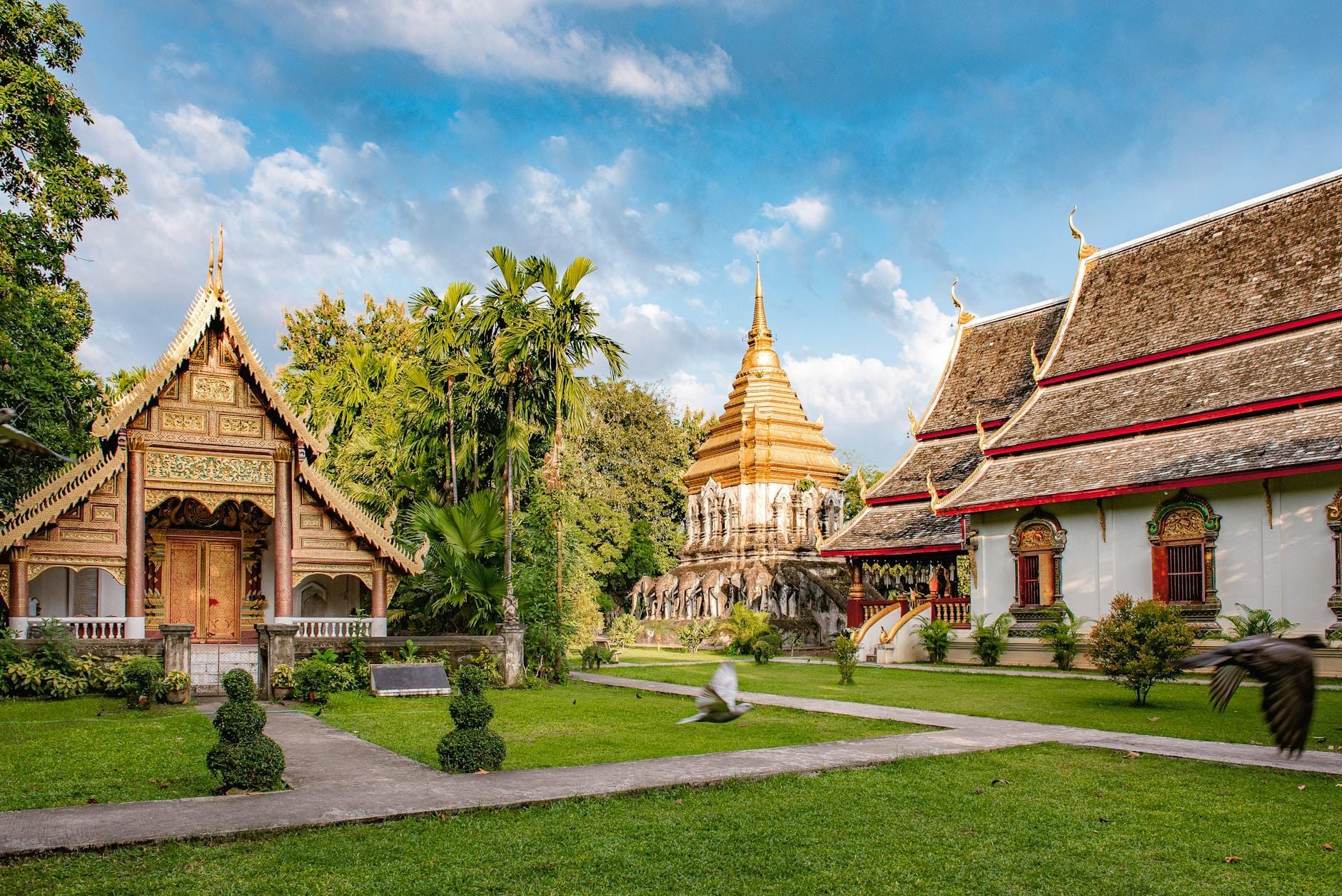
3. Visit Chiang Mai's Oldest Temple at Wat Chiang Man
Founded in 1296 by King Mengrai himself, this is the city's first temple and still feels ancient. Two sacred Buddha images are housed here, including the crystal Phra Sae Tang Khamani, and the elephant-buttressed chedi is one of the most distinctive in northern Thailand.
Explore3. Visit Chiang Mai's Oldest Temple at Wat Chiang Man
Founded in 1296 by King Mengrai himself, this is the city's first temple and still feels ancient. Two sacred Buddha images are housed here, including the crystal Phra Sae Tang Khamani, and the elephant-buttressed chedi is one of the most distinctive in northern Thailand.
Explore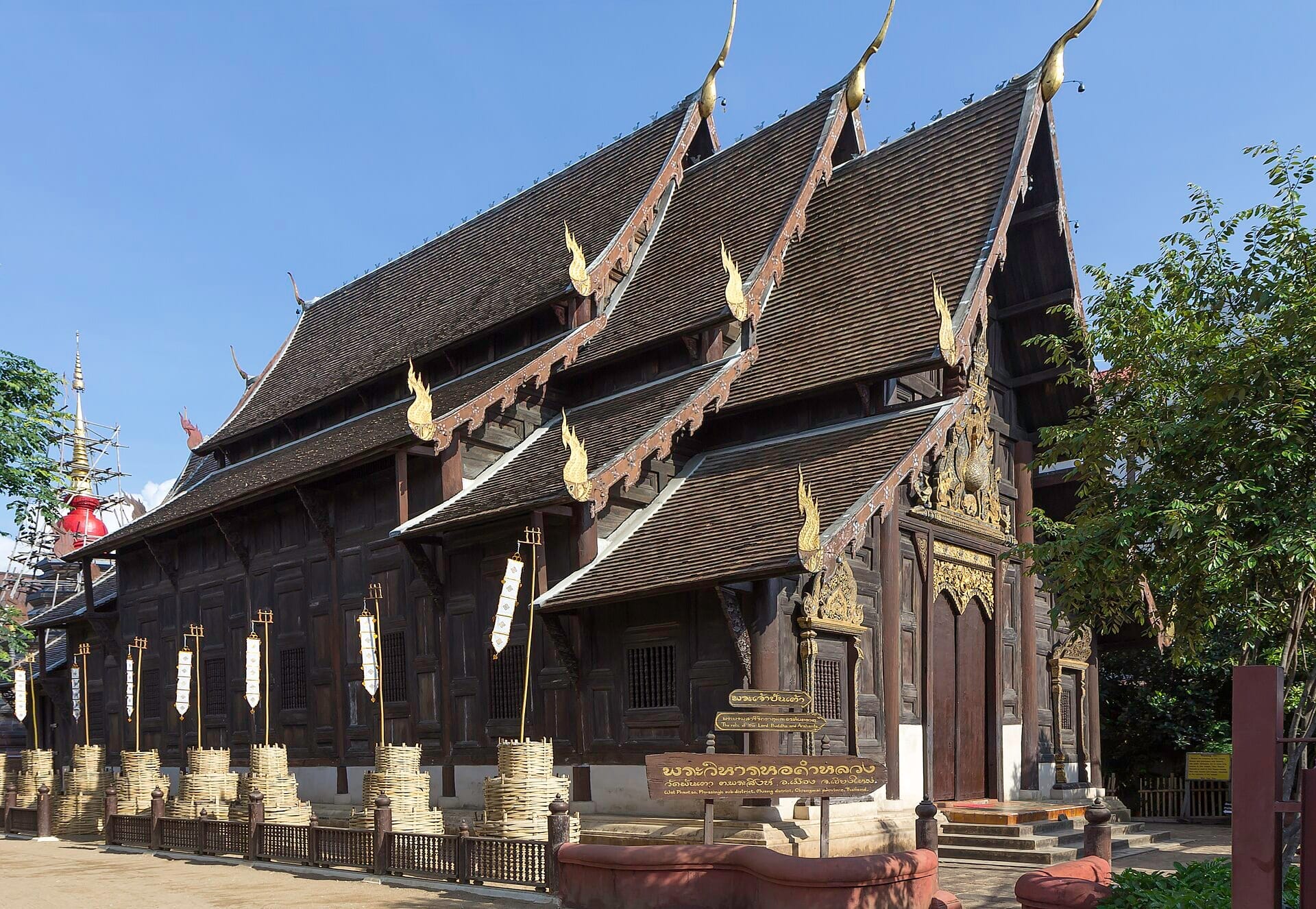
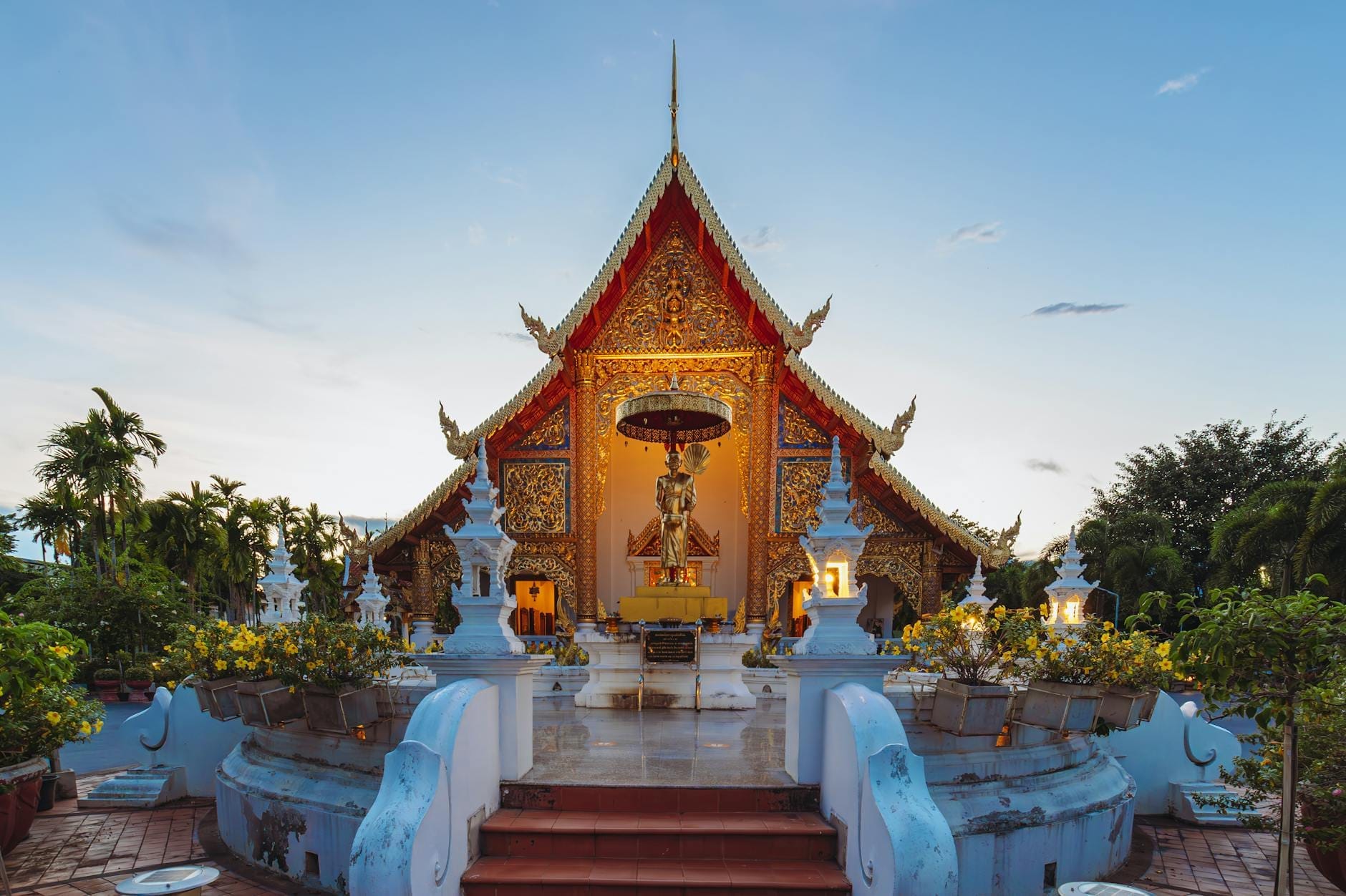
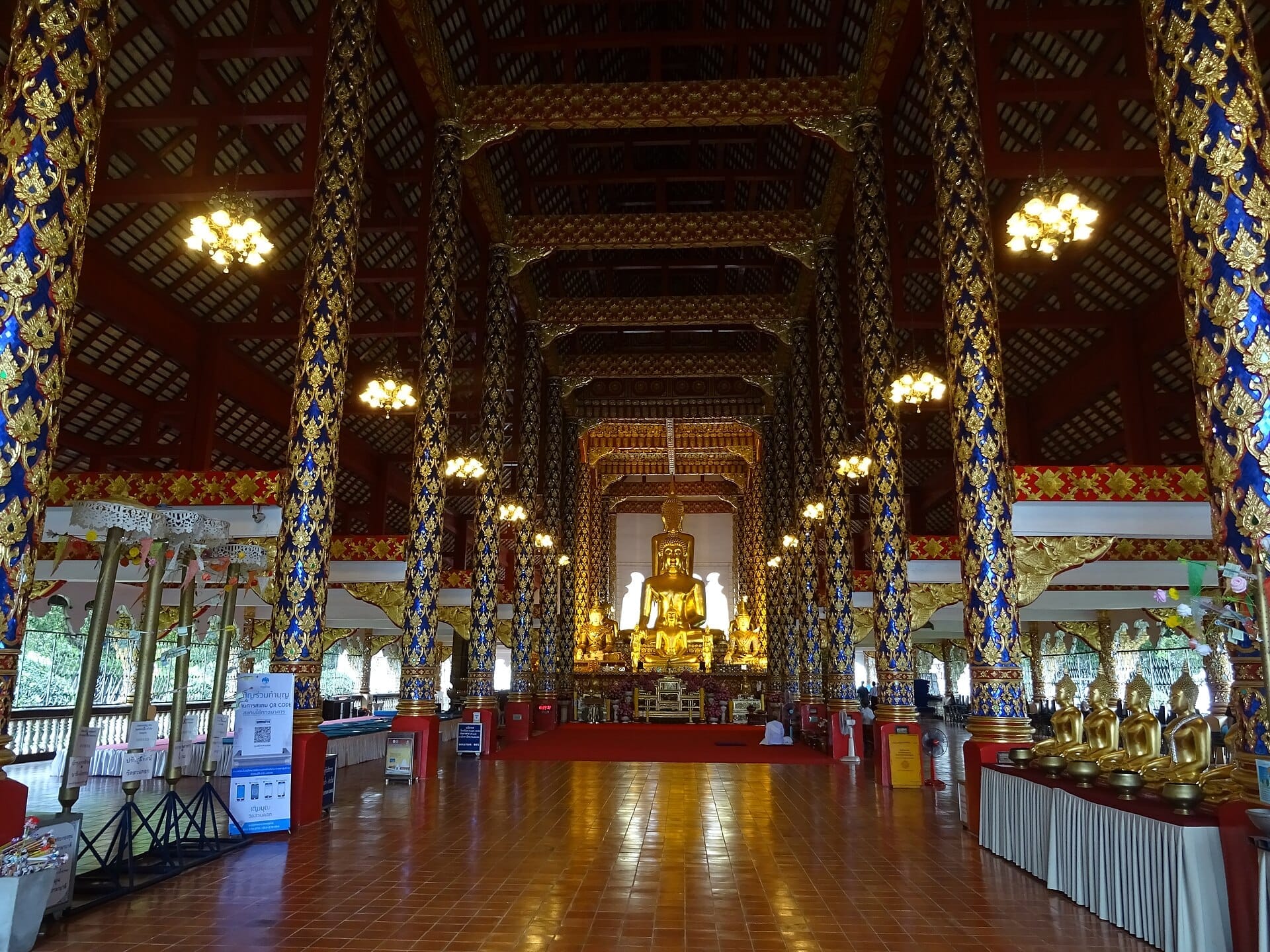
4. Step Inside the Golden Teak Viharn of Wat Phan Tao
Directly beside Wat Chedi Luang but far less crowded, Wat Phan Tao's entire viharn is built from massive panels of golden teak wood. At dusk, the interior glows warmly and monks chant in the candlelit hall. It's among the most photogenic temple interiors in the city.
Explore4. Step Inside the Golden Teak Viharn of Wat Phan Tao
Directly beside Wat Chedi Luang but far less crowded, Wat Phan Tao's entire viharn is built from massive panels of golden teak wood. At dusk, the interior glows warmly and monks chant in the candlelit hall. It's among the most photogenic temple interiors in the city.
ExploreHilltop and Forest Temples: Sacred Sites in Nature
Some of Chiang Mai's most powerful temple experiences are found outside the city walls, in forest clearings and on mountain slopes. The Doi Suthep area is home to three very different sacred sites that can be combined into a single half-day excursion. The contrast between the iconic hilltop chedi, the hidden jungle temple below it, and the meditative tunnel complex on the city's edge is striking.
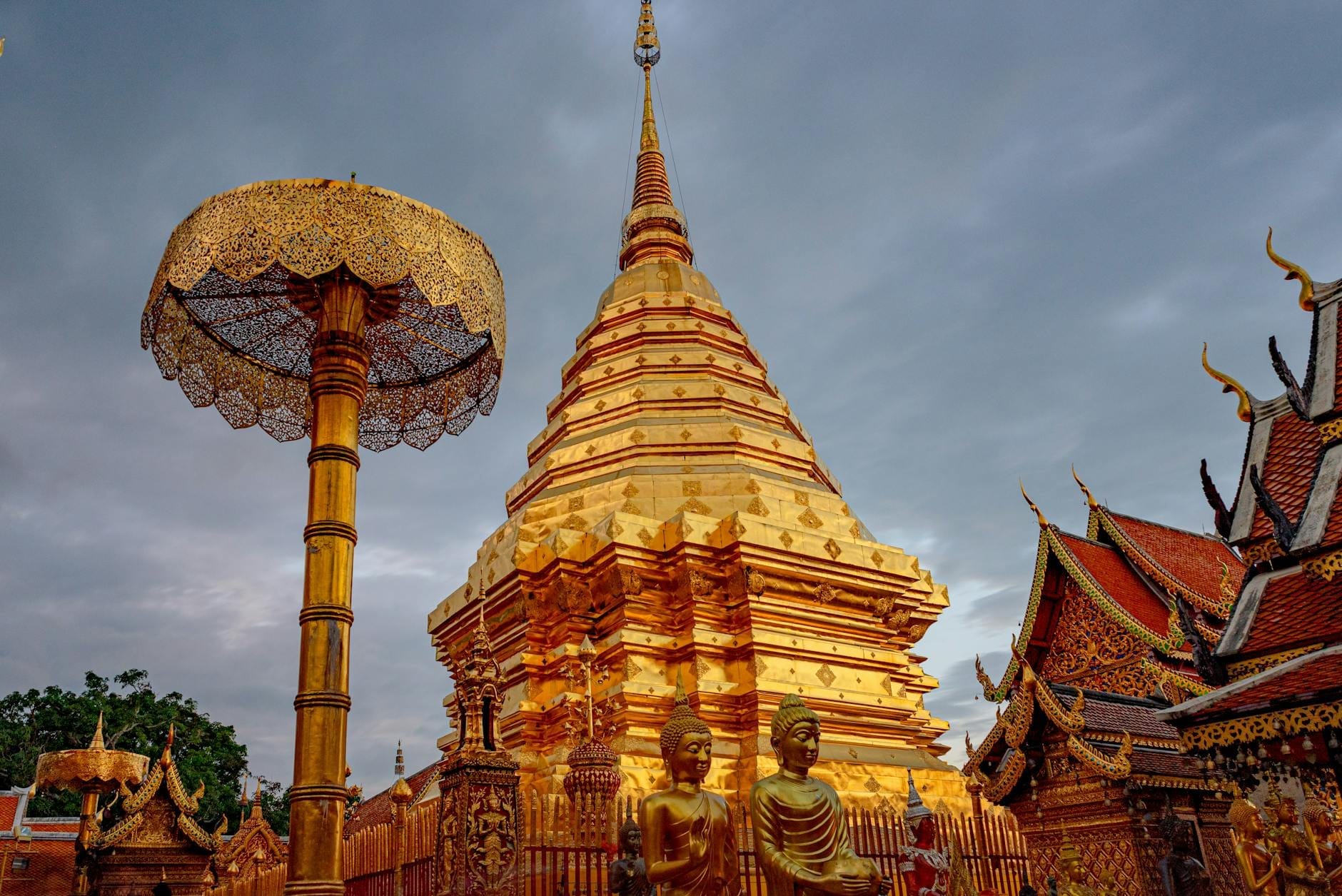
5. Climb to Chiang Mai's Most Sacred Temple at Doi Suthep
At 1,073m, this gilded chedi is visible from the city below and sacred to every northern Thai Buddhist. The 306-step naga staircase, mountain mist, and panoramic city views combine to make this the single most iconic temple experience in Chiang Mai. Go before 8am to beat the crowds.
Explore5. Climb to Chiang Mai's Most Sacred Temple at Doi Suthep
At 1,073m, this gilded chedi is visible from the city below and sacred to every northern Thai Buddhist. The 306-step naga staircase, mountain mist, and panoramic city views combine to make this the single most iconic temple experience in Chiang Mai. Go before 8am to beat the crowds.
Explore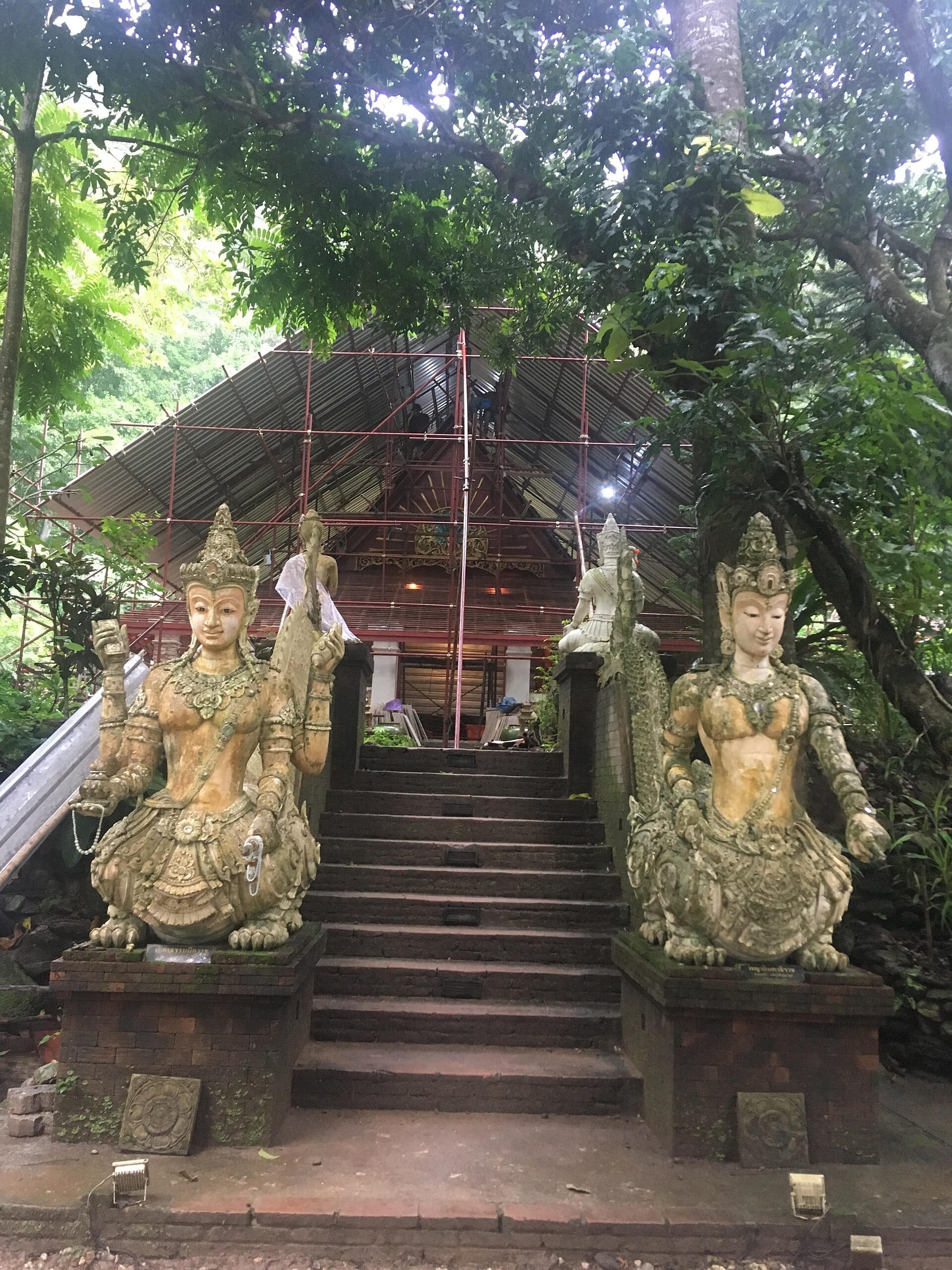
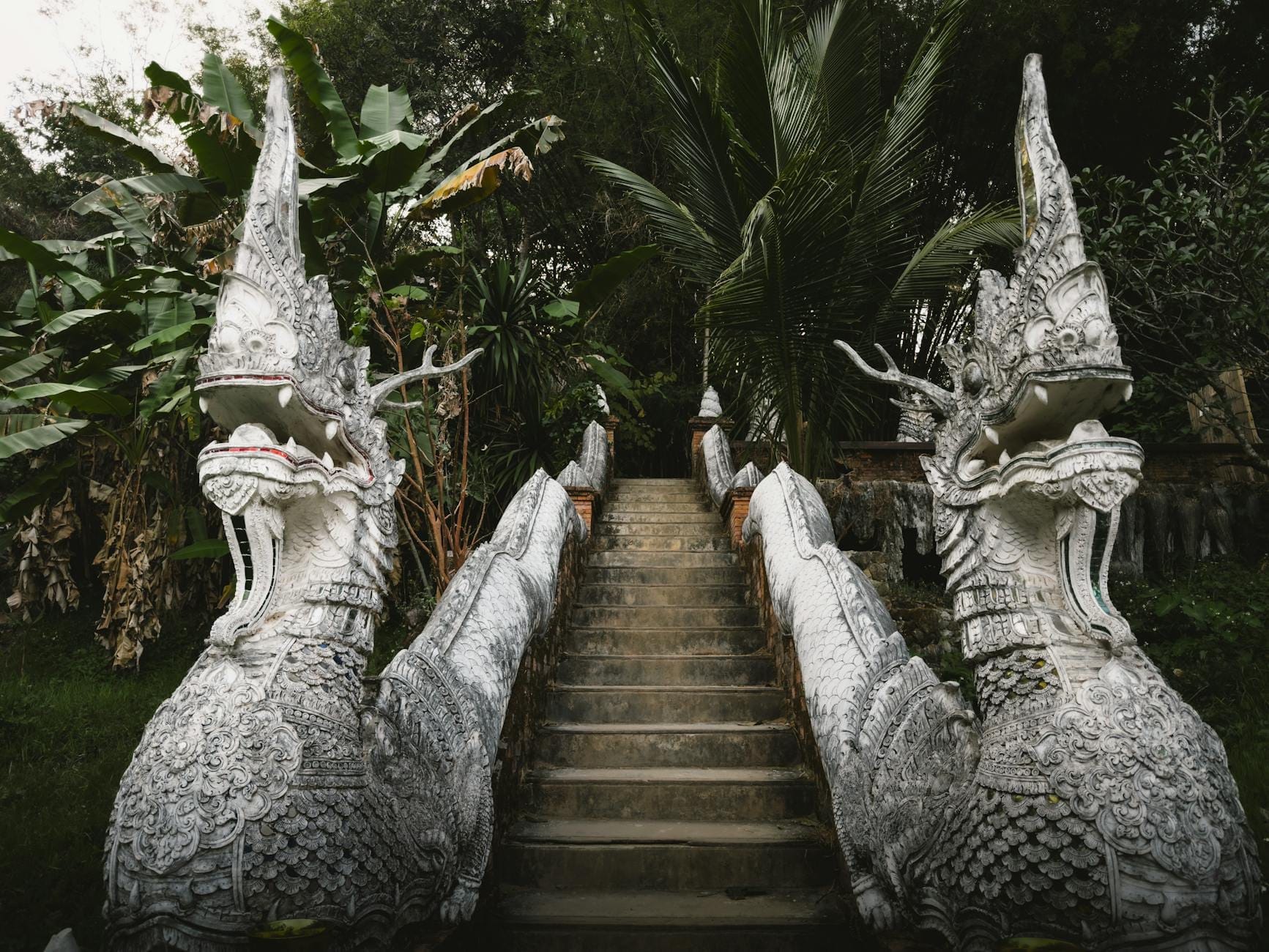
6. Discover the Hidden Jungle Temple at Wat Pha Lat
Reached by the forested Monk's Trail below Doi Suthep, Wat Pha Lat sits beside a stream with mossy chedis, Buddha images draped in tree roots, and a small waterfall. Most visitors drive past it on the way to Doi Suthep. The 30-minute hike up from the city is the best approach.
Explore6. Discover the Hidden Jungle Temple at Wat Pha Lat
Reached by the forested Monk's Trail below Doi Suthep, Wat Pha Lat sits beside a stream with mossy chedis, Buddha images draped in tree roots, and a small waterfall. Most visitors drive past it on the way to Doi Suthep. The 30-minute hike up from the city is the best approach.
Explore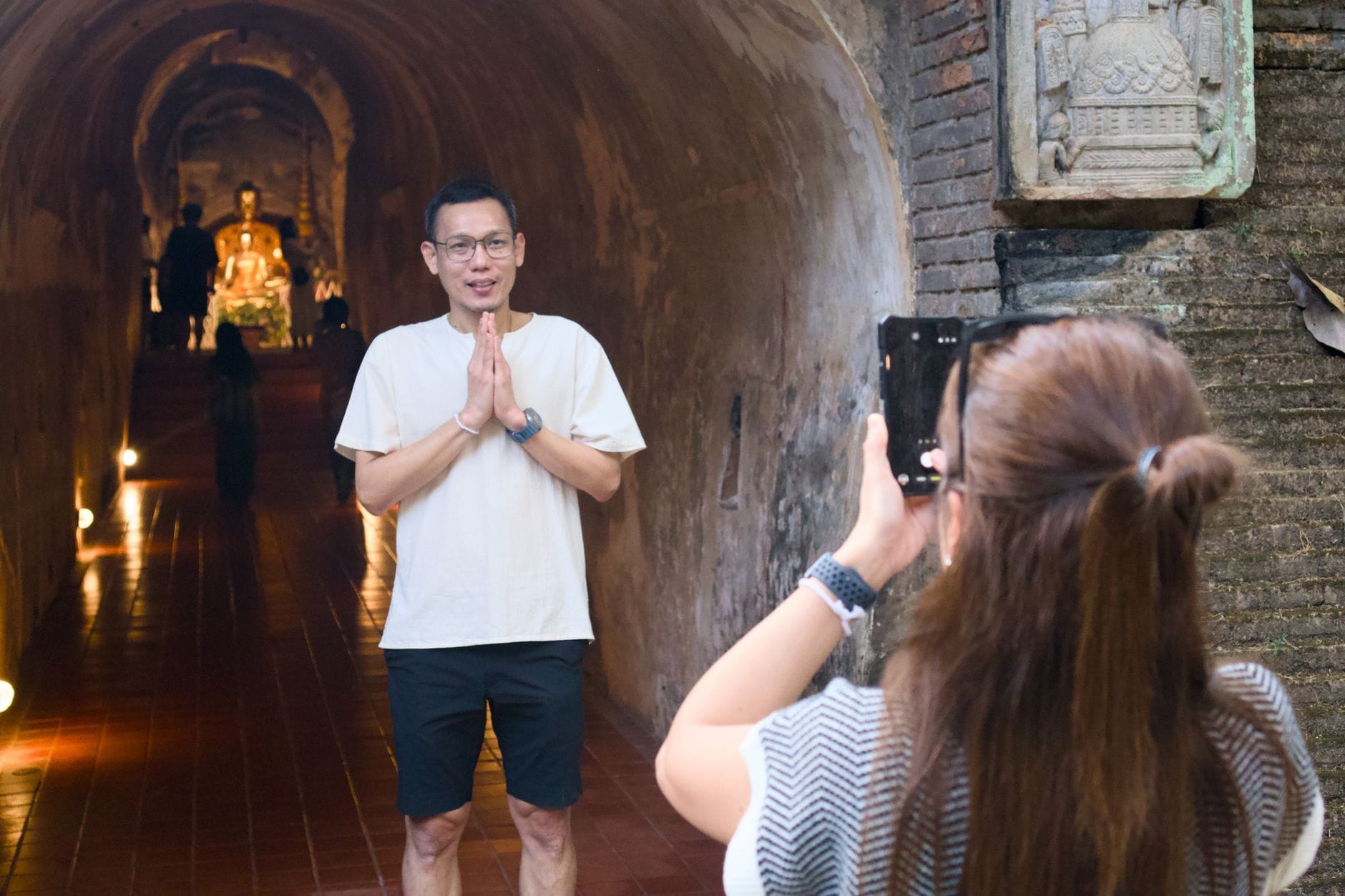
7. Explore the Ancient Brick Tunnels of Wat Umong
Built in the 14th century, Wat Umong is defined by its network of brick tunnels filled with Buddha images and flickering offerings. The surrounding forest grounds are home to free-roaming deer and rabbits, and the atmosphere is genuinely meditative. Best explored on a quiet weekday afternoon.
Explore7. Explore the Ancient Brick Tunnels of Wat Umong
Built in the 14th century, Wat Umong is defined by its network of brick tunnels filled with Buddha images and flickering offerings. The surrounding forest grounds are home to free-roaming deer and rabbits, and the atmosphere is genuinely meditative. Best explored on a quiet weekday afternoon.
Explore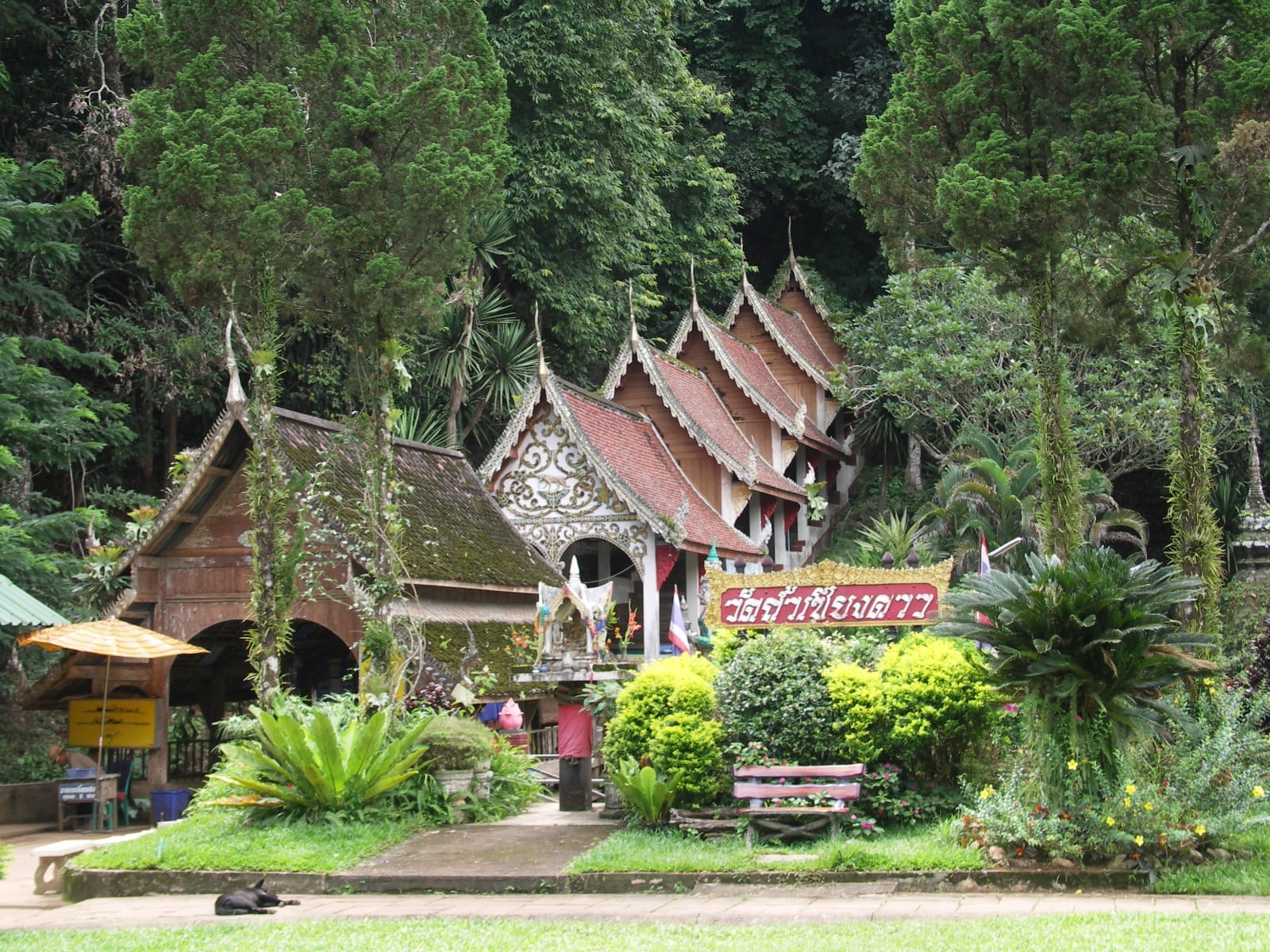
8. Enter the Sacred Cave Shrines at Chiang Dao
The entrance chambers of Tham Chiang Dao are a functioning Buddhist shrine, with golden Buddhas set dramatically among stalactites. Deeper guided sections by oil lantern reveal vast caverns and underground streams. It's a 75km drive north but one of the most atmospheric temple experiences in the region.
Explore8. Enter the Sacred Cave Shrines at Chiang Dao
The entrance chambers of Tham Chiang Dao are a functioning Buddhist shrine, with golden Buddhas set dramatically among stalactites. Deeper guided sections by oil lantern reveal vast caverns and underground streams. It's a 75km drive north but one of the most atmospheric temple experiences in the region.
ExploreArchitectural Gems: Temples Worth Seeking Out
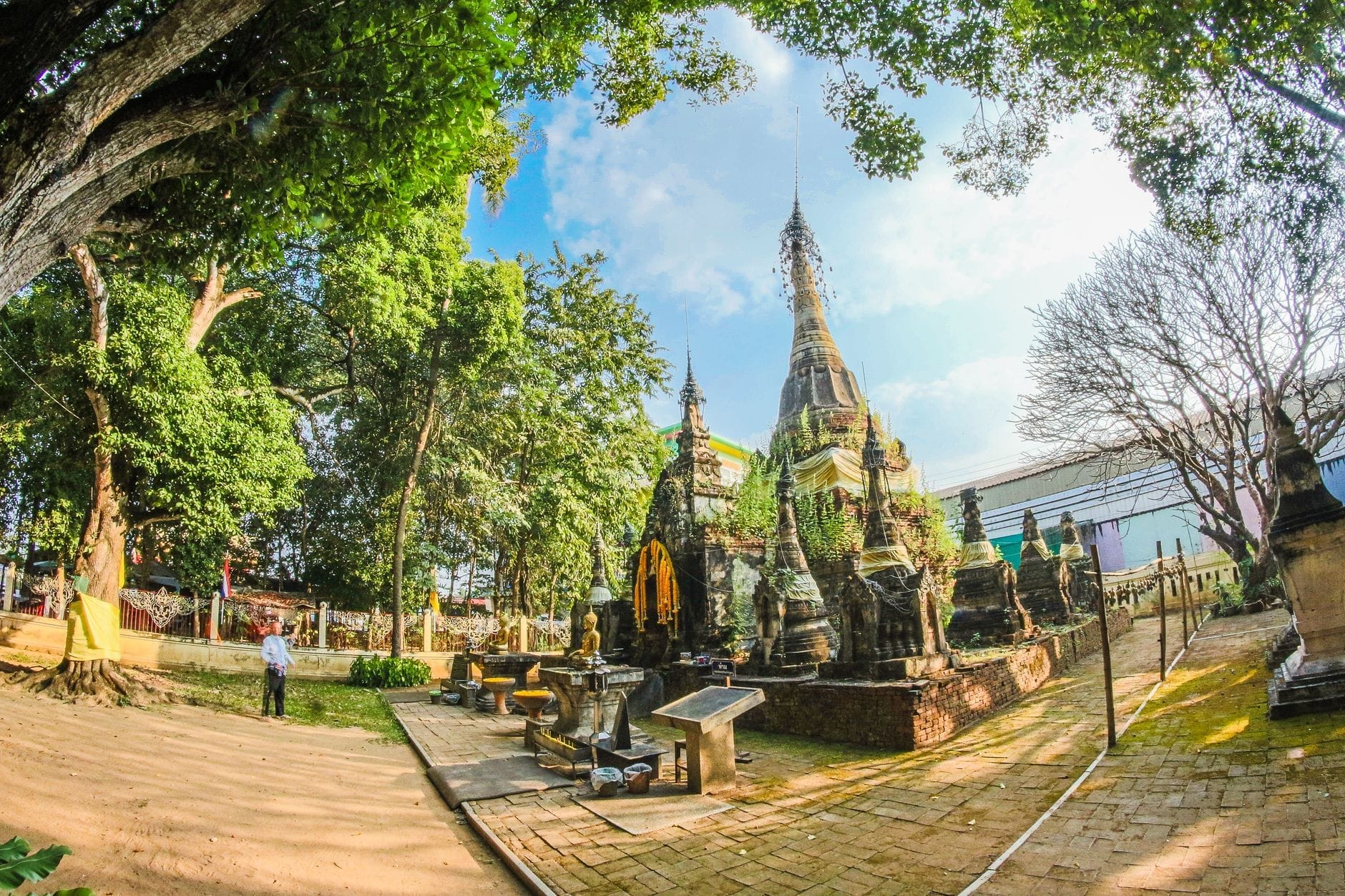
Beyond the most famous names, Chiang Mai has several temples whose architecture or setting make them worth a deliberate detour. These tend to be quieter, and you'll often have them largely to yourself. They pair well with the hidden gems guide for a more off-the-beaten-path day.
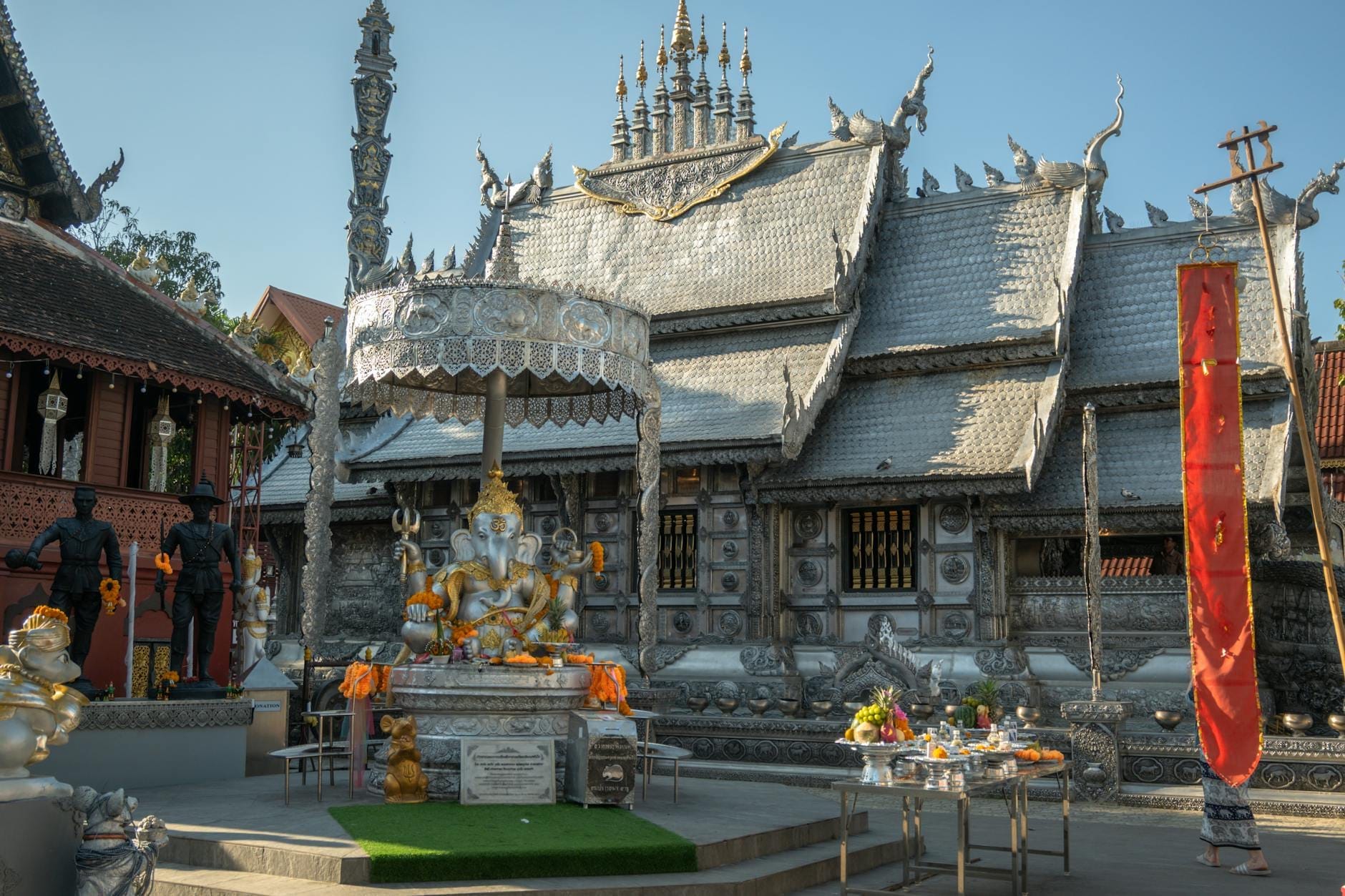
9. See the Extraordinary Silver Craftsmanship at Wat Sri Suphan
Every surface of this temple in the Wualai silversmith district is covered in intricate silver and mirrored metalwork, still being added to by local artisans. The ubosot is off-limits to women, but the exterior alone justifies the visit. Come on Saturday evening when the walking street market surrounds it.
Explore9. See the Extraordinary Silver Craftsmanship at Wat Sri Suphan
Every surface of this temple in the Wualai silversmith district is covered in intricate silver and mirrored metalwork, still being added to by local artisans. The ubosot is off-limits to women, but the exterior alone justifies the visit. Come on Saturday evening when the walking street market surrounds it.
Explore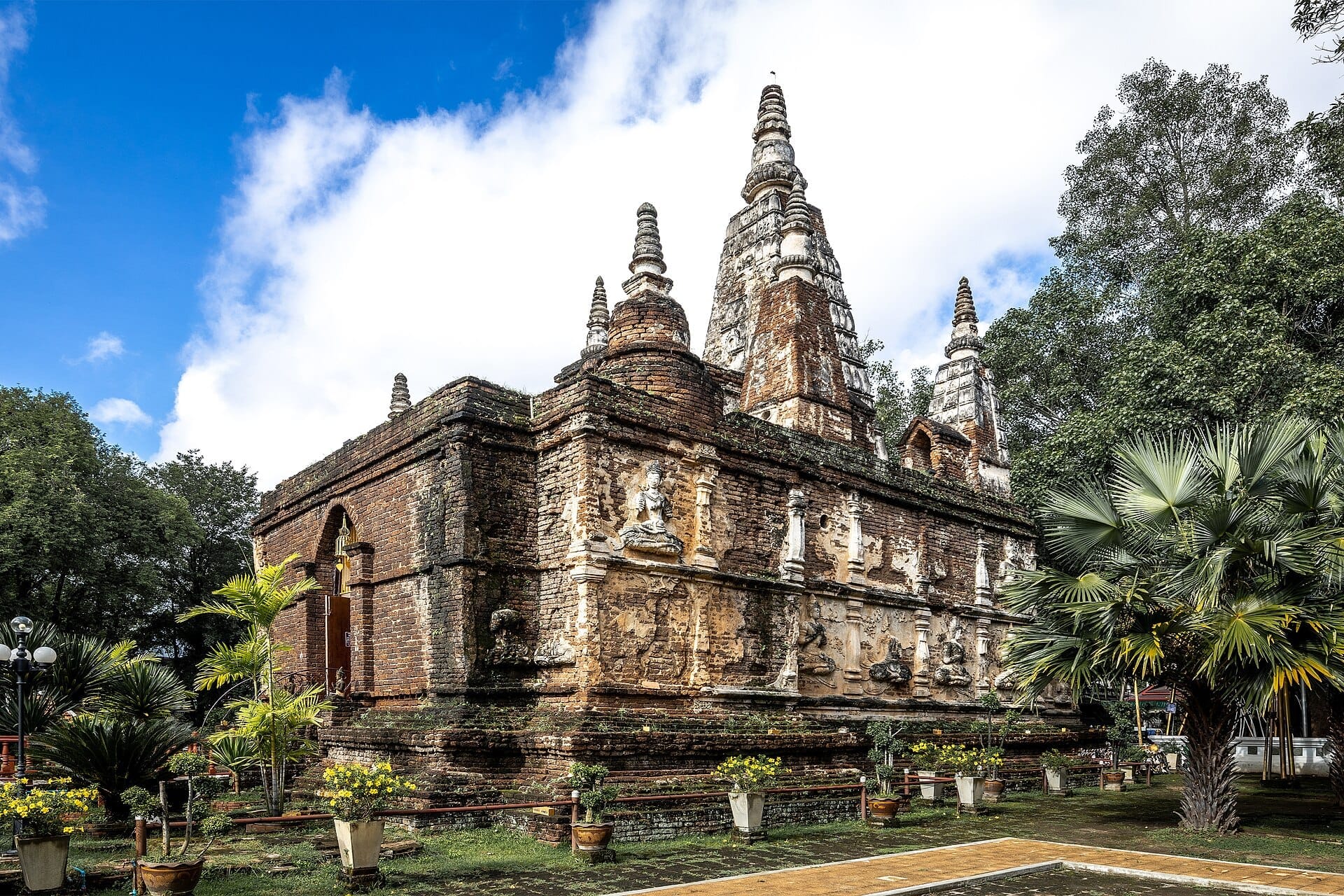
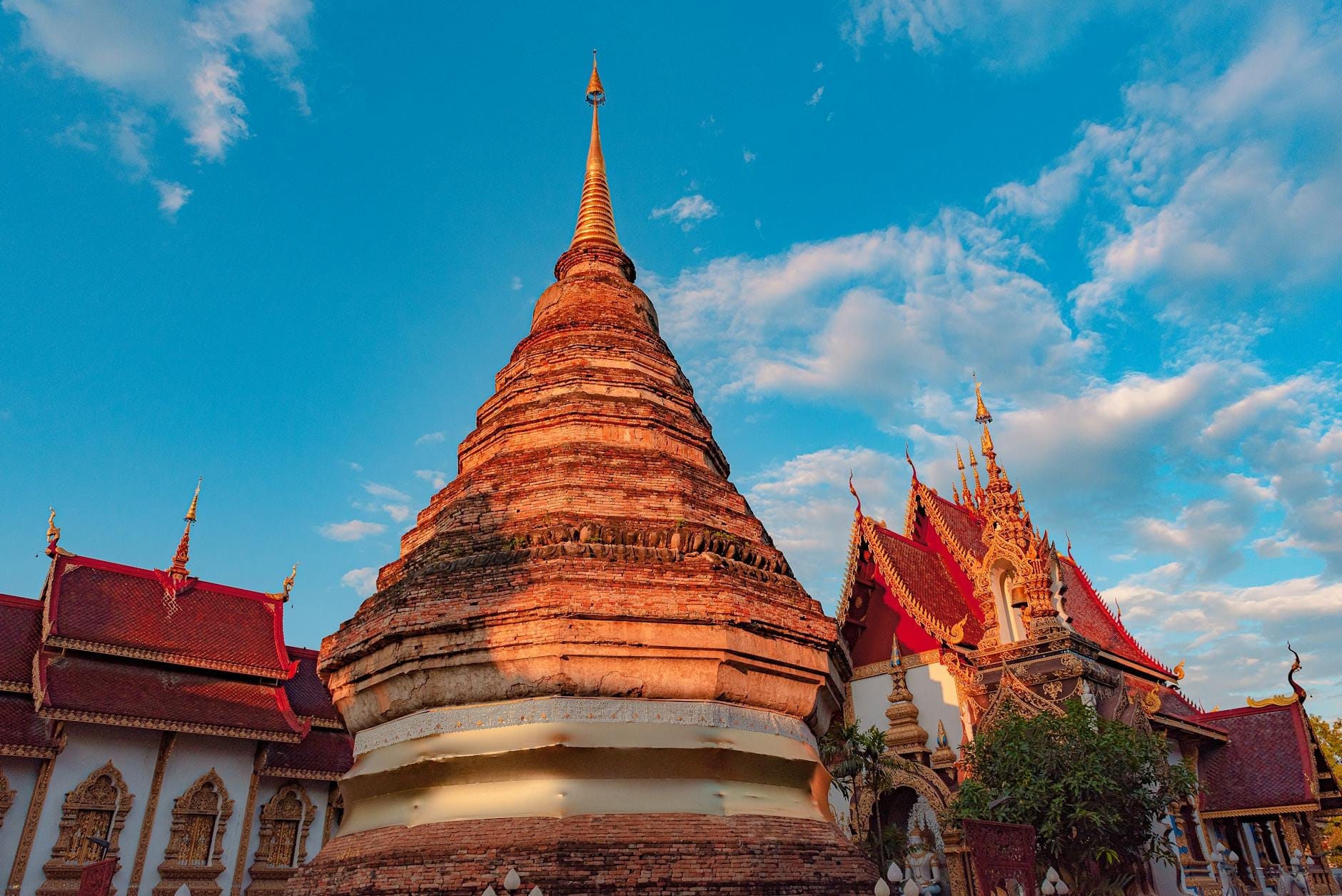
10. Find the India-Inspired Chedi at Wat Jed Yod
The seven-spired rectangular chedi here is directly modeled on the Mahabodhi Temple in Bodh Gaya, built in 1455 for the World Buddhist Council. It's one of the most architecturally unusual temples in Thailand, and the shady, uncrowded grounds make it a peaceful stop near the National Museum.
Explore10. Find the India-Inspired Chedi at Wat Jed Yod
The seven-spired rectangular chedi here is directly modeled on the Mahabodhi Temple in Bodh Gaya, built in 1455 for the World Buddhist Council. It's one of the most architecturally unusual temples in Thailand, and the shady, uncrowded grounds make it a peaceful stop near the National Museum.
Explore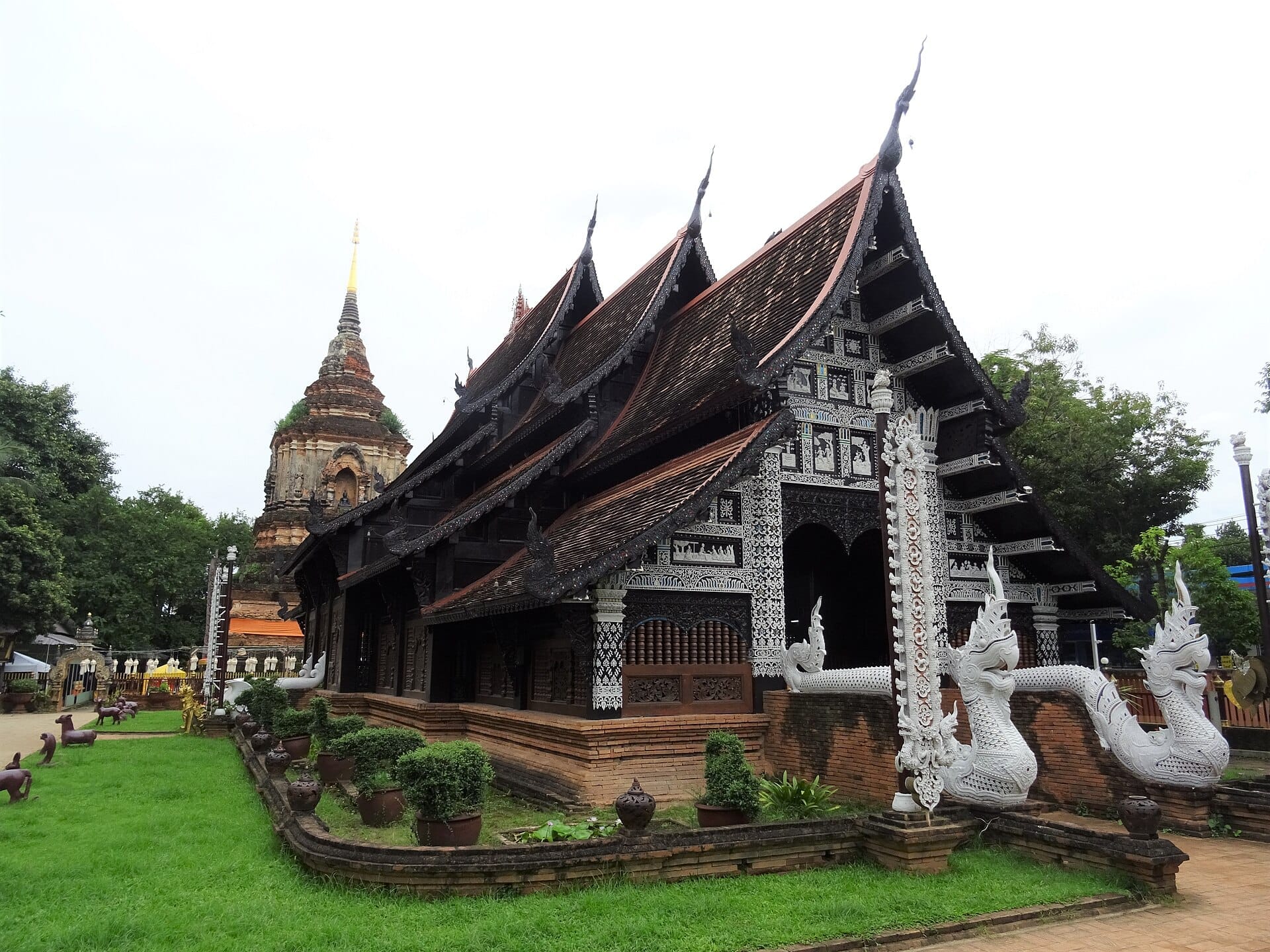
11. Find Quiet Elegance at the Undervisited Wat Lok Moli
Just outside the north moat, Wat Lok Moli has one of the most beautifully proportioned Lanna chedis in the city, set in serene grounds with almost no tourist traffic. Temple enthusiasts consistently rate it among their favorites precisely because it rewards the small effort required to find it.
Explore11. Find Quiet Elegance at the Undervisited Wat Lok Moli
Just outside the north moat, Wat Lok Moli has one of the most beautifully proportioned Lanna chedis in the city, set in serene grounds with almost no tourist traffic. Temple enthusiasts consistently rate it among their favorites precisely because it rewards the small effort required to find it.
Explore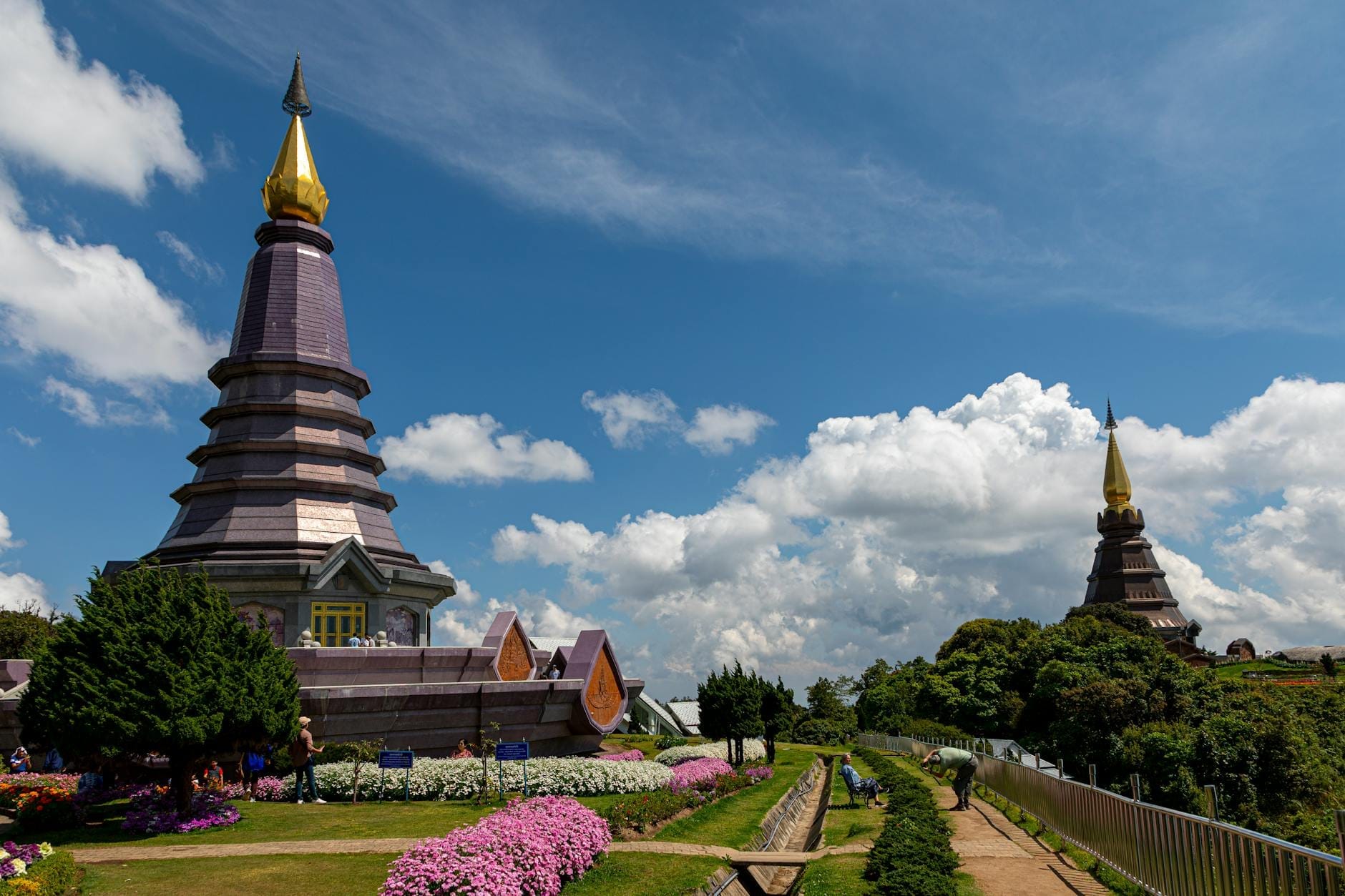
12. See the Royal Twin Chedis Above the Clouds at Doi Inthanon
Built to honor the King and Queen of Thailand, these two chedis sit at 2,200m elevation surrounded by manicured gardens and mountain mist. The combination of regal Buddhist architecture and highland scenery is unlike anything in the lowland city. The 90-minute drive is well worth it.
Explore12. See the Royal Twin Chedis Above the Clouds at Doi Inthanon
Built to honor the King and Queen of Thailand, these two chedis sit at 2,200m elevation surrounded by manicured gardens and mountain mist. The combination of regal Buddhist architecture and highland scenery is unlike anything in the lowland city. The 90-minute drive is well worth it.
ExploreSerene Temples for Meditation and Reflection
Several Chiang Mai temples have active meditation programs or a particularly contemplative atmosphere, making them ideal for travelers seeking more than sightseeing. For those wanting a deeper practice, our Chiang Mai overview guide covers the spiritual culture of the city in broader context.
13. Join a Monk Chat at the Photogenic Wat Suan Dok
The cluster of white royal chedis against a blue sky is one of Chiang Mai's most reproduced images, especially at sunset. The Monday, Wednesday, and Friday evening Monk Chat program lets visitors have genuine conversations with novice monks. The temple grounds are unusually open and spacious.
Explore13. Join a Monk Chat at the Photogenic Wat Suan Dok
The cluster of white royal chedis against a blue sky is one of Chiang Mai's most reproduced images, especially at sunset. The Monday, Wednesday, and Friday evening Monk Chat program lets visitors have genuine conversations with novice monks. The temple grounds are unusually open and spacious.
Explore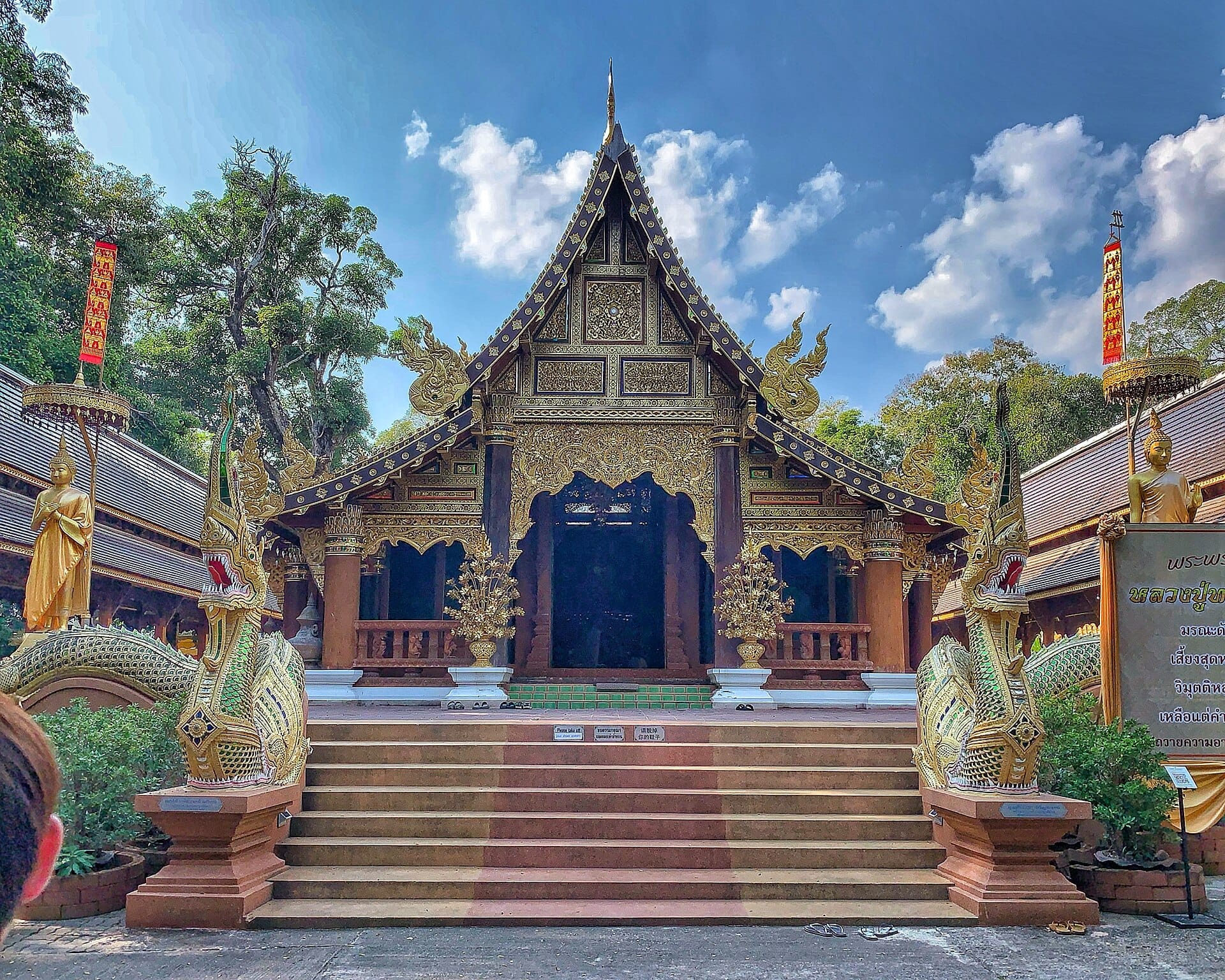
14. Commit to Practice at Wat Ram Poeng Meditation Centre
This is not a casual visit: Wat Ram Poeng runs structured Vipassana retreats of 10 to 26 days for serious practitioners. It's Thailand's most respected center of this kind and has transformed many visitors' understanding of meditation. Advance registration is required, and the course demands full commitment.
Explore14. Commit to Practice at Wat Ram Poeng Meditation Centre
This is not a casual visit: Wat Ram Poeng runs structured Vipassana retreats of 10 to 26 days for serious practitioners. It's Thailand's most respected center of this kind and has transformed many visitors' understanding of meditation. Advance registration is required, and the course demands full commitment.
ExploreContext and Culture: Making the Most of Your Temple Visits
Understanding a little Lanna history transforms temple visits from architecture tours into encounters with a living tradition. The Old City museums on Three Kings Monument square are the best preparation, and the Sunday Walking Street that fills Ratchadamnoen Road each week passes directly in front of several major temples, making for a natural combination of culture and atmosphere.
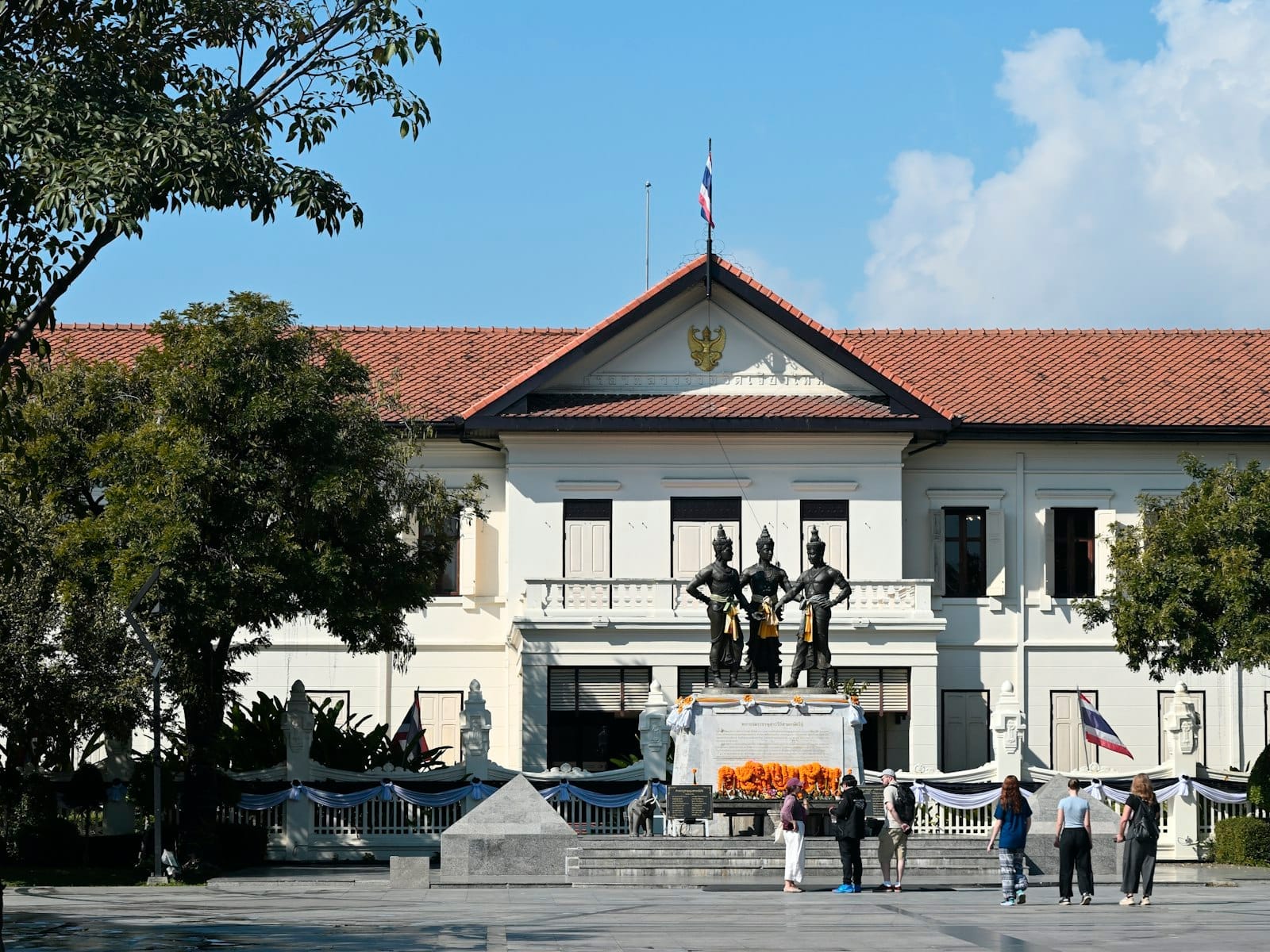
15. Ground Your Temple Visits with History at the Cultural Centre
Before hitting the temples, spend an hour in this beautifully restored colonial building learning the arc of Lanna history from 1296 to the present. The exhibits on religious architecture and the role of temples in Lanna society give every subsequent temple visit meaningful context.
Explore15. Ground Your Temple Visits with History at the Cultural Centre
Before hitting the temples, spend an hour in this beautifully restored colonial building learning the arc of Lanna history from 1296 to the present. The exhibits on religious architecture and the role of temples in Lanna society give every subsequent temple visit meaningful context.
Explore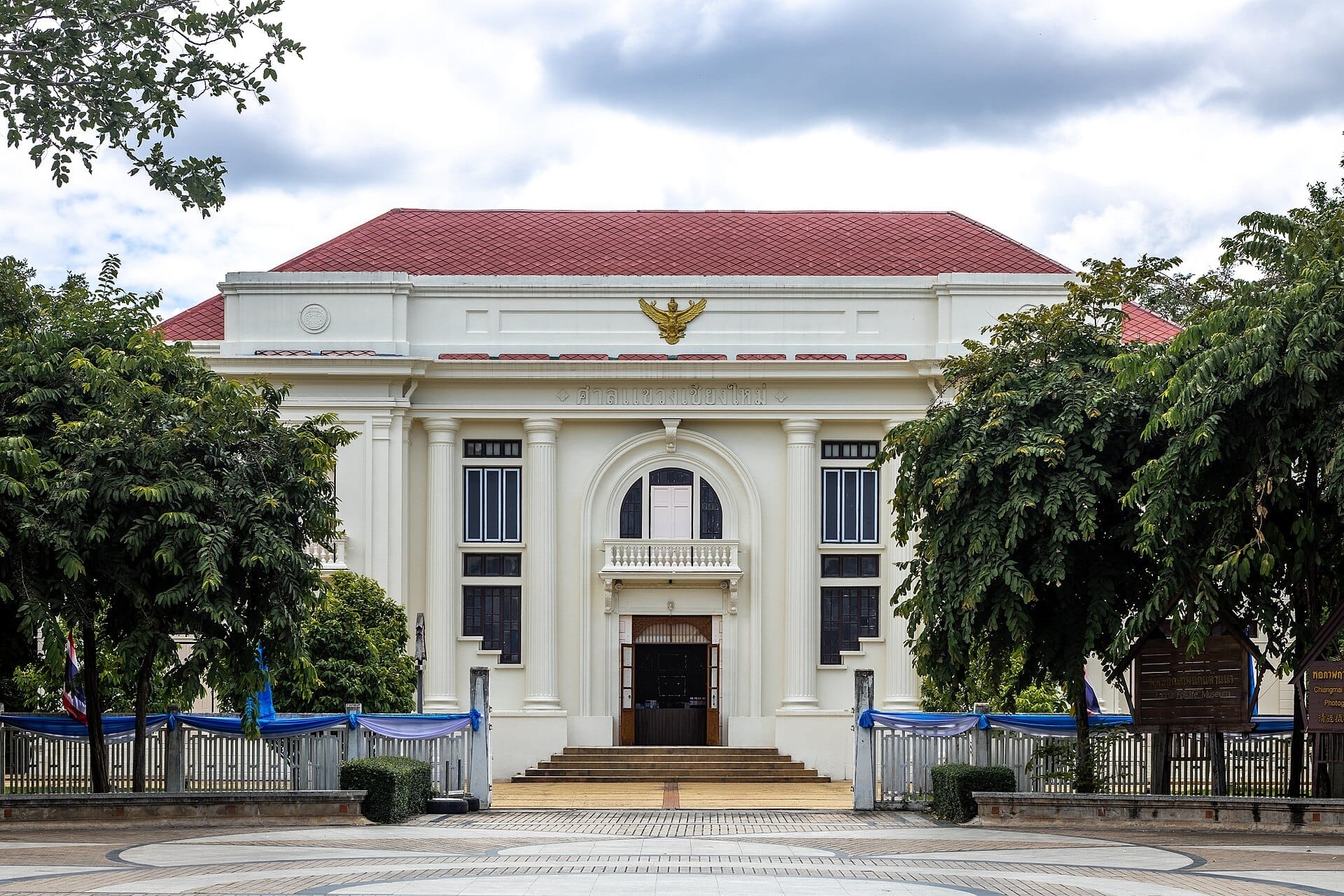
16. Understand Temple Rituals Through the Lanna Folklife Museum
The dioramas and artifacts here show how religious life permeated every aspect of Lanna domestic culture, from birth rituals to merit-making. It's directly next to the Cultural Centre and takes about 45 minutes. The combination of both museums is the best possible introduction to the temple circuit.
Explore16. Understand Temple Rituals Through the Lanna Folklife Museum
The dioramas and artifacts here show how religious life permeated every aspect of Lanna domestic culture, from birth rituals to merit-making. It's directly next to the Cultural Centre and takes about 45 minutes. The combination of both museums is the best possible introduction to the temple circuit.
Explore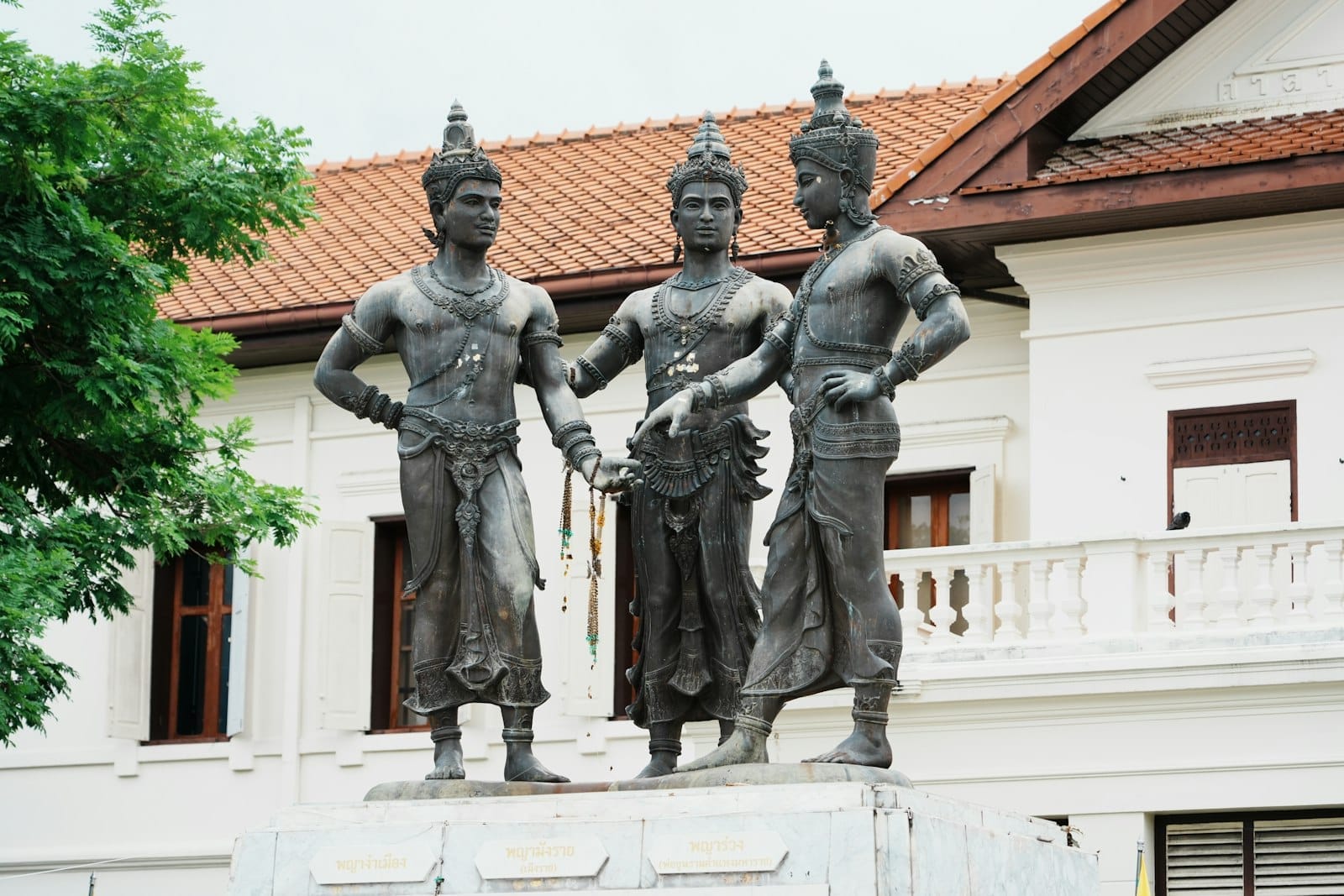
17. Start Your Old City Temple Walk at the Three Kings Monument
The bronze statue of Chiang Mai's three founding kings is the natural starting point for any Old City temple walk: Wat Phra Singh is 300m west, Wat Chedi Luang is 400m south, and both museums flank the square. It's the symbolic and geographic heart of the historic district.
Explore17. Start Your Old City Temple Walk at the Three Kings Monument
The bronze statue of Chiang Mai's three founding kings is the natural starting point for any Old City temple walk: Wat Phra Singh is 300m west, Wat Chedi Luang is 400m south, and both museums flank the square. It's the symbolic and geographic heart of the historic district.
Explore✨ Pro tip
The Sunday Walking Street closes Ratchadamnoen Road, putting you right in front of Wat Phra Singh and close to Wat Chedi Luang. Arrive by 5pm to walk the temples before the market gets crowded, then stay for dinner.
FAQ
How many temples can I realistically visit in one day in Chiang Mai?
Four to six is a comfortable pace for a full day. The Old City's main temples (Wat Phra Singh, Wat Chedi Luang, Wat Chiang Man, Wat Phan Tao) can be covered in a half-day on foot. Add Wat Suan Dok and Wat Umong in the afternoon. Save Doi Suthep and the forest temples for a separate half-day excursion.
What should I wear to visit temples in Chiang Mai?
Covered shoulders and knees are required at all temples without exception. Lightweight long trousers or a sarong, plus a short-sleeved shirt, works in the heat. Some popular temples like Wat Phra Singh rent sarongs at the entrance if you forget. Remove shoes before entering any building.
Is Wat Phra That Doi Suthep worth the trip if I only have limited time?
Yes, it's the single most important temple in Chiang Mai and the view over the city from the upper terrace is genuinely spectacular. The drive takes 30 minutes from the Old City. Go early on a weekday morning (before 9am) and you'll have the golden chedi largely to yourself before tour groups arrive.
Are the temples in Chiang Mai free to enter?
Most are free or charge a nominal 20-50 THB fee. Wat Phra That Doi Suthep currently charges 30 THB for foreign visitors to access the upper terrace. The Doi Inthanon Royal Twin Pagodas require a national park entry fee (300 THB for foreigners). Always carry small cash as card payments are rarely accepted.
What is the best time of year to visit Chiang Mai's temples?
November to February is ideal: cool temperatures, clear skies, and good light for photography. The Yi Peng lantern festival in November sees Wat Phra Singh and Wat Chedi Luang illuminated in spectacular fashion. Avoid March and April when smoke from burning season reduces visibility and makes outdoor walking uncomfortable.
Tickets & tours
Live prices and dates from our booking partner. If you book, we may earn a commission at no extra cost to you.
Planning a trip? Discover personalized activities with the Nomado app.