Chiang Dao Cave (Tham Chiang Dao): Inside One of Thailand's Most Atmospheric Cave Systems
Tham Chiang Dao is a vast limestone cave complex near the base of Doi Chiang Dao mountain, roughly 70km north of Chiang Mai. Some sections are lit and walkable independently; others require a local guide with a lantern. The experience blends natural geology with active Buddhist devotion in a way few caves in Southeast Asia manage.
Quick Facts
- Location
- Chiang Dao District, Chiang Mai Province — approx. 70km north of Chiang Mai city
- Getting There
- Minivan or bus from Chang Phuak Bus Terminal to Chiang Dao town, then songthaew or motorbike taxi to the cave (~6km)
- Time Needed
- 2–4 hours depending on sections visited
- Cost
- Small entrance fee for the illuminated section (typically under 40 THB); guided candlelit tours charged separately per guide
- Best for
- Geology enthusiasts, Buddhist culture seekers, day-trippers wanting nature beyond temples
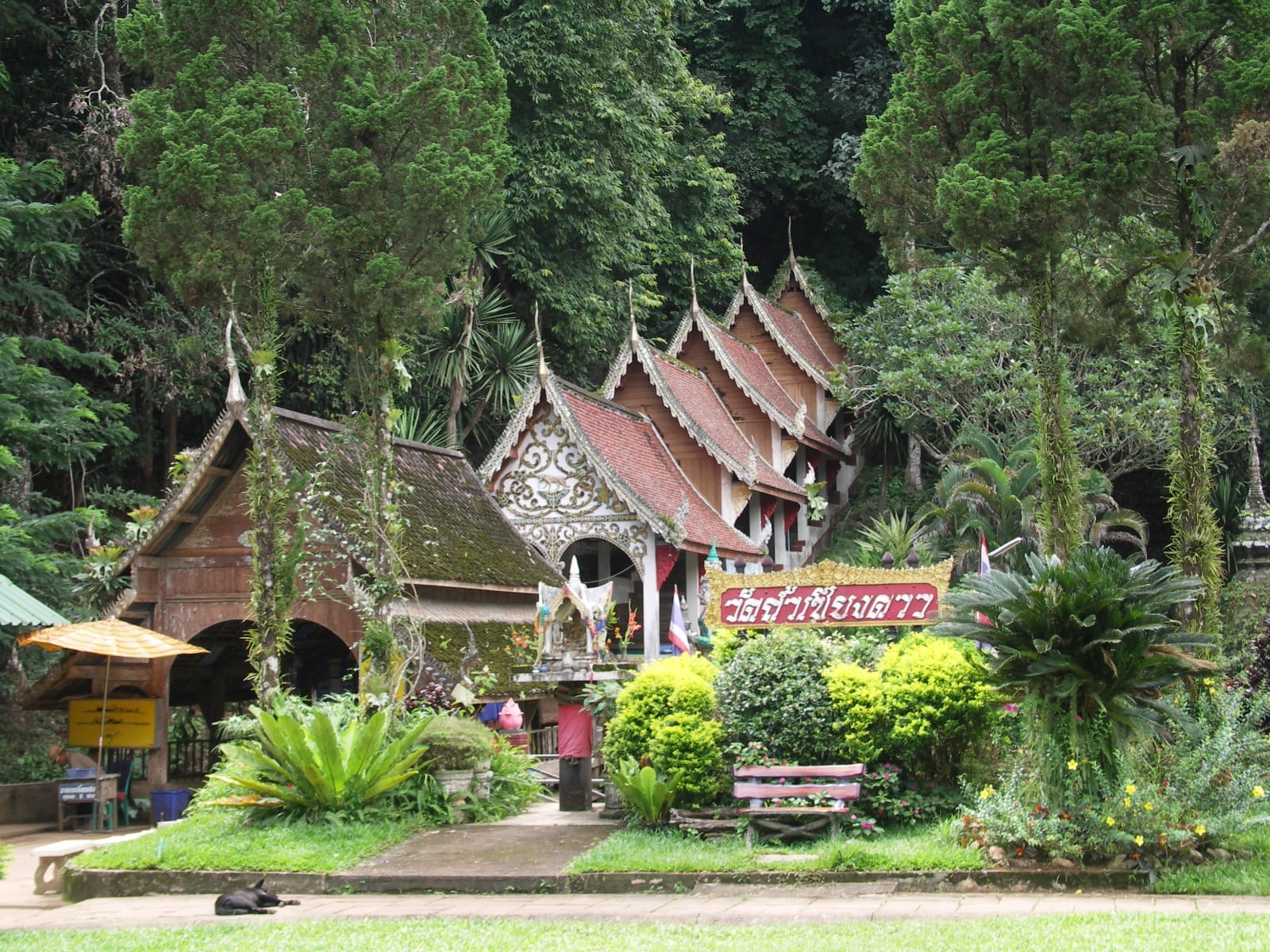
What Chiang Dao Cave Actually Is
Tham Chiang Dao is not a single tunnel you walk through and exit in ten minutes. It is a sprawling limestone karst cave system that extends deep into Doi Chiang Dao mountain, with local estimates placing the total length at around 10–14 kilometers, though only a fraction of that is accessible to visitors. The accessible portions divide into two distinct experiences: a wide, electrically lit main corridor suitable for independent exploration, and a series of darker, narrower chambers that require a hired guide carrying a kerosene lantern.
The cave holds genuine religious significance. Inside, you will find Buddha images, spirit houses, and an active shrine that monks tend. This is not decorative. Locals and Thai pilgrims visit specifically to pay respects, and the atmosphere reflects that. The smell of incense mingles with the cool mineral air that flows from deeper sections of the system.
ℹ️ Good to know
The cave sits within a wildlife sanctuary on the slopes of Doi Chiang Dao, a mountain considered sacred by the Shan people. The cultural weight of the site extends well beyond its geological interest.
The Two Cave Experiences: Lit and Unlit Sections
The illuminated section runs for several hundred meters and is wide enough that two groups can pass each other comfortably. The ceiling rises dramatically in the first large chamber, and the lighting — while functional rather than theatrical — is sufficient to see the scale of the formations. Stalactites hang in dense clusters above the path, and some formations near the shrine area have been given names and explanatory signs in Thai and basic English.
Beyond the lit section, guides wait near a gated opening to lead visitors into the unlit chambers. These guides carry kerosene lanterns rather than electric torches, which produces a warm, flickering light that moves with the air currents. The effect is genuinely dramatic in the narrower passages, where the lantern creates long shadows on the cave walls. This section requires crouching in places and some comfort with enclosed spaces. It is not suitable for visitors with claustrophobia or significant mobility limitations.
Guides at the unlit section are generally local men who know the cave well and have memorized which formations have names or stories. Communication can be limited if your Thai is minimal, but the experience is still worthwhile for the spatial journey alone. Agree on a price before entering — standard rates are posted near the entrance area, and tipping is customary for good guidance.
💡 Local tip
Bring a small personal flashlight regardless of which section you visit. The lit section has occasional dark corners near the shrine, and it is useful if you want to look up at ceiling formations in detail.
Tickets & tours
Live prices and dates from our booking partner. If you book, we may earn a commission at no extra cost to you.
Chiang Mai - Chiang Dao Cave and 5 Hill Tribe villages
From 42 €Instant confirmationFree cancellationArt in Paradise Chiang Mai 3D Art Museum entrance tickets
From 8 €Instant confirmationFree cancellationChiang Mai temples and night market tuk-tuk tour
From 23 €Instant confirmationFree cancellationGolden Triangle and White Temple guided tour from Chiang Mai
From 79 €Instant confirmationFree cancellation
How the Visit Changes by Time of Day
Morning visits — arriving before 9am — offer the cave at its quietest. The air inside maintains a steady cool temperature year-round, but the exterior approach through the forested grounds feels particularly serene before tour groups arrive. You can hear the sounds of the surrounding forest, and the shrine area often has monks or early devotees present for merit-making.
By late morning and early afternoon, organized day trips from Chiang Mai arrive in larger numbers. The lit section can feel congested during these hours, with groups waiting to photograph the same formations. The cave itself does not become unpleasant, but the contemplative quality diminishes. If you are visiting as part of a wider Chiang Dao day trip, consider starting at the cave first and moving to other sites — such as the viewpoints around the mountain — afterward.
The cave generally closes around 5pm; arriving by 3pm gives comfortable margin in case of any seasonal or operational changes. The grounds outside include a small pond and shaded walkways that are pleasant at any hour, with resident monks moving between buildings in the complex near the cave entrance.
Getting There from Chiang Mai
The most straightforward approach from Chiang Mai is the minivan service from Chang Phuak Bus Terminal (also called the North Gate Bus Terminal) to Chiang Dao town. Departures run throughout the morning, and the journey takes roughly 1.5 hours depending on traffic. From Chiang Dao town, the cave is approximately 5–6km further, reachable by songthaew or motorbike taxi. If you prefer to self-drive, the route follows Highway 107 north, and the cave turnoff is clearly signed. For detailed transport options across the region, the getting around Chiang Mai guide covers the major options from the city.
Many visitors combine the cave with the broader district of Chiang Dao, which offers guesthouses, a small market strip, and access to the mountain trails. Staying overnight in Chiang Dao allows a morning visit to the cave before day-trippers arrive, which is the single best way to see it at its best.
⚠️ What to skip
Motorbike rental from Chiang Dao town to the cave is possible and scenic, but the road has some uneven sections near the end. Rental scooters with limited clearance may struggle if roads are wet after rain.
What to Wear and Bring
The cave interior maintains a temperature noticeably cooler than the outside air, especially in the deeper sections. In the hot season (March to May), this feels like a relief. In the cool season (November to February), it can feel cold if you are wearing only a light shirt. A thin layer is worth carrying.
Footwear matters here more than at most cave sites. The path in the lit section is paved but can be slick where water seeps through the ceiling onto the walkway. The unlit section has uneven natural rock flooring in places. Closed shoes with grip are strongly preferable to sandals, particularly for the guided section.
The site is an active place of worship, so dress modestly: shoulders and knees covered. This is standard for temple sites across northern Thailand, and the combination of cave and shrine means the expectation applies here too.
Photography Inside Tham Chiang Dao
The lit section is photographable with a standard smartphone, though results improve significantly with a camera that handles low light well. The shrine area and the larger stalactite formations near the entrance chamber offer the most compositionally interesting shots. In the unlit section, the kerosene lantern creates a warm glow that photographs well on phones with night mode, but the movement of the lantern means sharp images require patience. For broader photography guidance in Chiang Mai, the Chiang Mai photography guide covers locations and techniques across the region.
Flash photography near the shrine area is worth avoiding out of respect, even if it is not explicitly prohibited. Local worshippers and monks are present, and the atmosphere they contribute to the site is part of what makes it worthwhile.
Honest Assessment: Is It Worth the Trip?
Tham Chiang Dao is genuinely impressive in scale, and the combination of active religious use and natural geology is unusual enough to warrant the journey. That said, it rewards visitors who approach it with some patience and curiosity. If you visit only the lit section and spend twenty minutes, the experience is fine but not revelatory. The guided unlit section is where the cave distinguishes itself from the many smaller cave temples scattered across northern Thailand.
Visitors expecting polished infrastructure, explanatory displays in English, or theatrical lighting effects will be underwhelmed. The site is straightforward and un-commercialized by the standards of major tourist caves in Southeast Asia. That quality is part of its appeal, but it does mean the experience depends partly on your own curiosity and willingness to engage.
Those who prefer their nature experiences with more amenities might find more to enjoy at sites like the Queen Sirikit Botanic Garden or the waterfalls within Doi Inthanon National Park. But for travelers willing to engage with a place on its own terms, the cave is a strong choice.
Insider Tips
- Arrive around 7–8am when the grounds open to have the shrine area and first chambers to yourself before organized tours from Chiang Mai arrive.
- The guide fee for the unlit section is negotiable to a degree, but don't push too hard — these are local livelihoods, and the knowledge they carry is genuine.
- The grounds outside the cave include a monk's residence and a small pond where you can sit quietly before or after. Most visitors rush past this area on the way in and out.
- If you are combining this with a visit to the mountain area, note that Doi Chiang Dao itself requires a park permit and a local guide for summit trails — ask at the cave entrance for current trail access information.
- In the rainy season (June to October), water levels inside some of the deeper unlit chambers rise and access may be restricted. Confirm access when you arrive rather than assuming all sections are open.
Who Is Chiang Dao Cave (Tham Chiang Dao) For?
- Travelers who enjoy geology and natural formations without heavy tourist infrastructure
- Anyone making a day trip or overnight stay in the Chiang Dao area
- Buddhist culture enthusiasts interested in sites of active devotion rather than heritage-listed showpieces
- Photographers looking for low-light interior environments and candlelit subjects
- Visitors who find major city temples crowded and want a more contemplative experience
Nearby Attractions
Other things to see while in Chiang Dao:
- Doi Ang Khang Royal Agricultural Station
Doi Ang Khang Royal Agricultural Station sits at roughly 1,400 metres on a ridge that edges the Myanmar border, where the air carries a genuine chill and the hillsides bloom with temperate flowers rarely seen elsewhere in Thailand. It is part royal garden, part agricultural research centre, and part window into the hill tribe communities that have called this plateau home for generations.
- Mae Ngat Dam (Houseboat Area)
Mae Ngat Dam sits roughly 50–60 kilometres north of Chiang Mai in Mae Taeng District, forming a wide reservoir ringed by forested mountains. The attraction here is not the dam itself but the cluster of bamboo houseboats moored on the water, where visitors can sleep overnight, kayak at dawn, and eat fresh fish in near-total silence.
Planning a trip? Discover personalized activities with the Nomado app.