Best Photography Spots in Chiang Mai: 22 Stunning Locations to Shoot
Chiang Mai rewards photographers at every turn, from ancient Lanna temples glowing at dusk to cloud-draped highland peaks and atmospheric night markets. This guide covers the 22 best photography spots in the city and surroundings, with practical advice on timing, light, and what to look for.
Tickets & tours
Live prices and dates from our booking partner. If you book, we may earn a commission at no extra cost to you.
Chiang Mai is one of the most photogenic cities in Southeast Asia, and the variety is what sets it apart. You can shoot a gilded chedi wreathed in morning incense smoke, then drive 90 minutes to the summit of Doi Inthanon for cloud forest landscapes that look nothing like Thailand. The Old City alone offers weeks of material: temples, moat reflections, street markets, teak architecture. For a broader orientation on timing your visit around festivals and seasonal light, see our best time to visit Chiang Mai guide. The spots below are organized by type of shot, so you can plan your shoots around your interests and the time you have.
Temples and Sacred Spaces
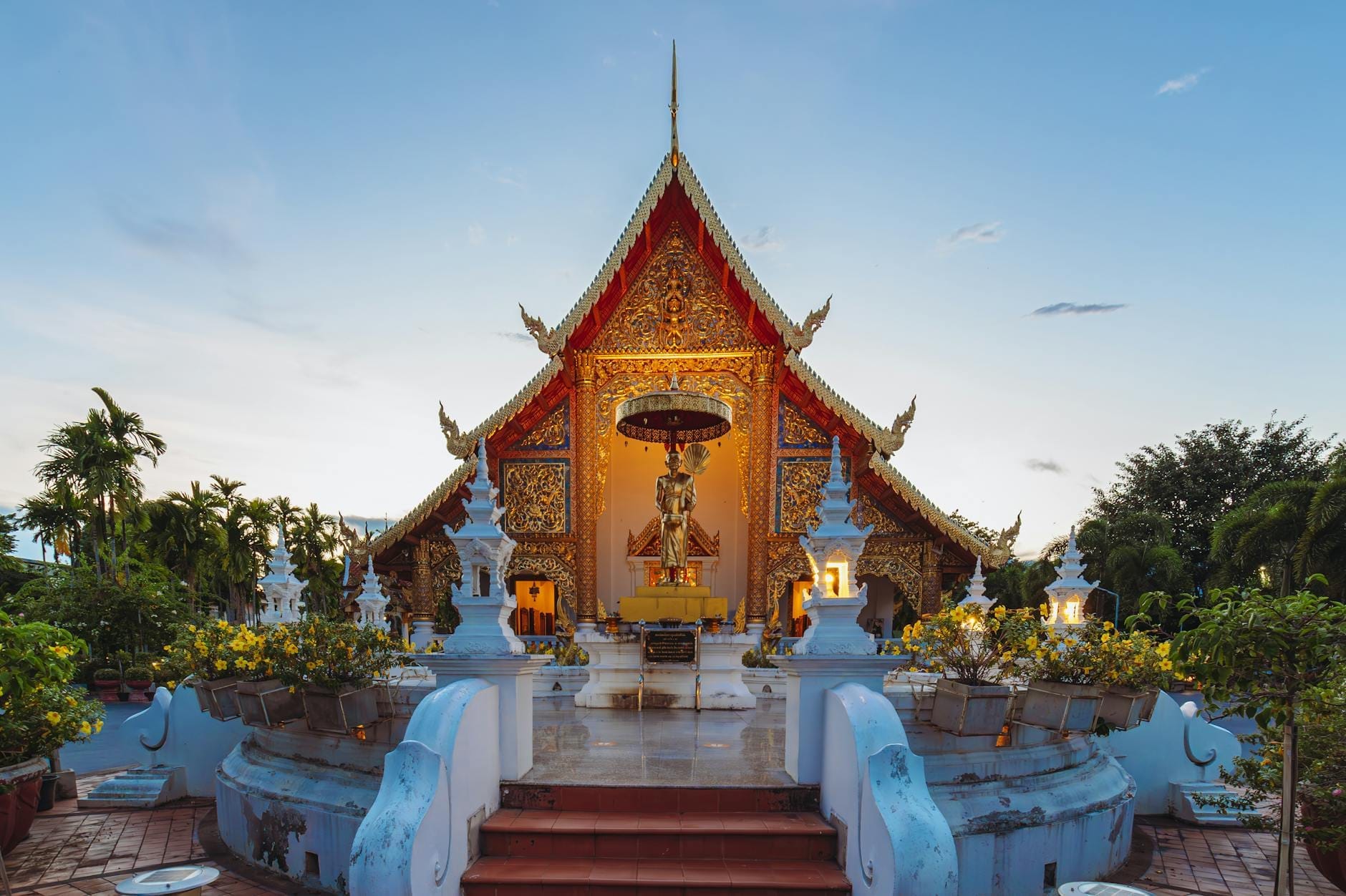
Chiang Mai's temples are its photographic heart. The Lanna style, distinct from central Thai architecture, means tiered rooflines, carved teak, and gilded chedis that photograph differently from anything in Bangkok. For a deeper primer before you start shooting, our Chiang Mai temples guide covers history and logistics for every major site.
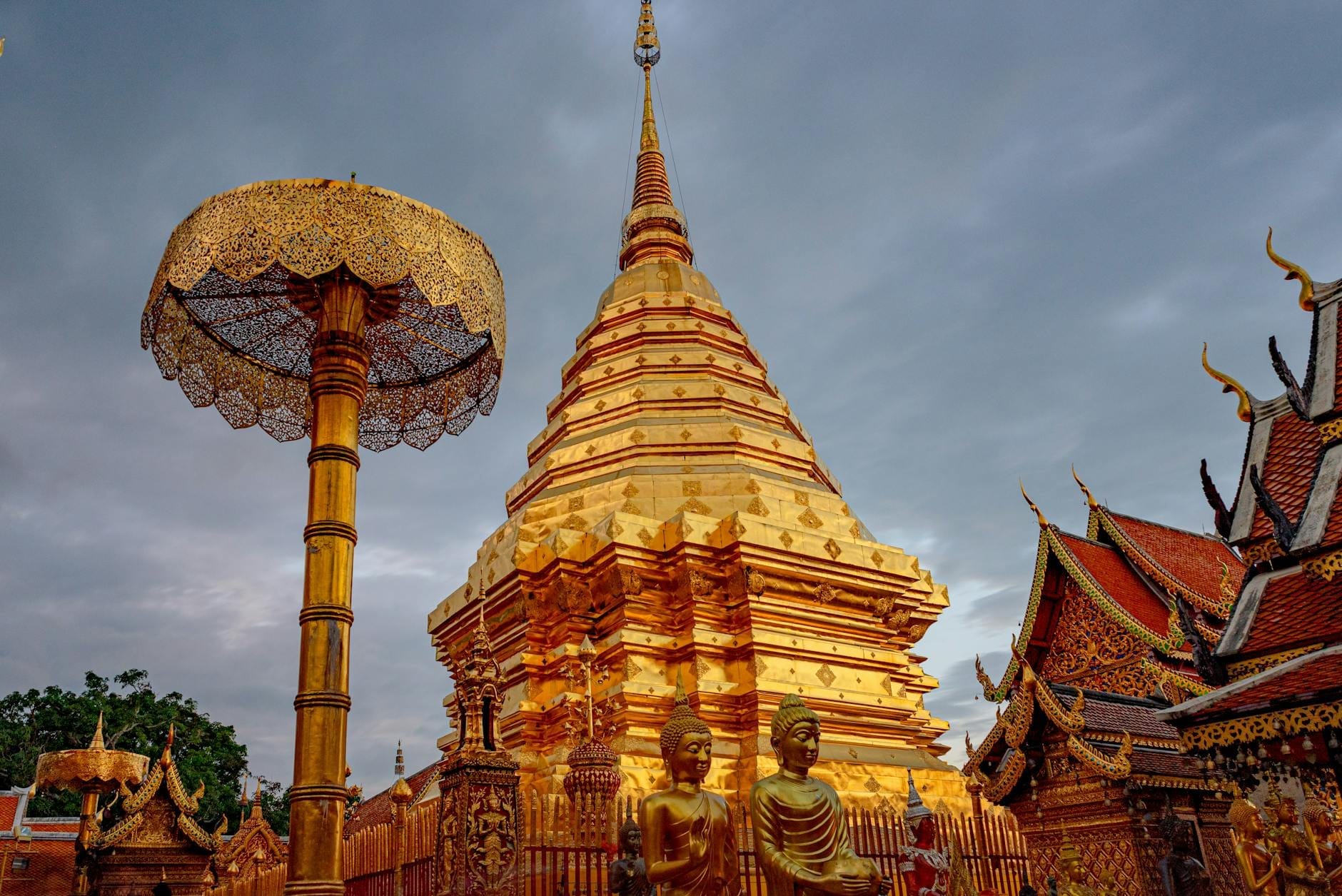
1. Shoot the Golden Chedi at Doi Suthep at Sunrise
Arrive by 7am before tour groups arrive. The gilded chedi catches the early light beautifully, and mist often lingers in the valley below. The naga staircase leading up to the temple makes a strong foreground element for wide shots.
Explore1. Shoot the Golden Chedi at Doi Suthep at Sunrise
Arrive by 7am before tour groups arrive. The gilded chedi catches the early light beautifully, and mist often lingers in the valley below. The naga staircase leading up to the temple makes a strong foreground element for wide shots.
Explore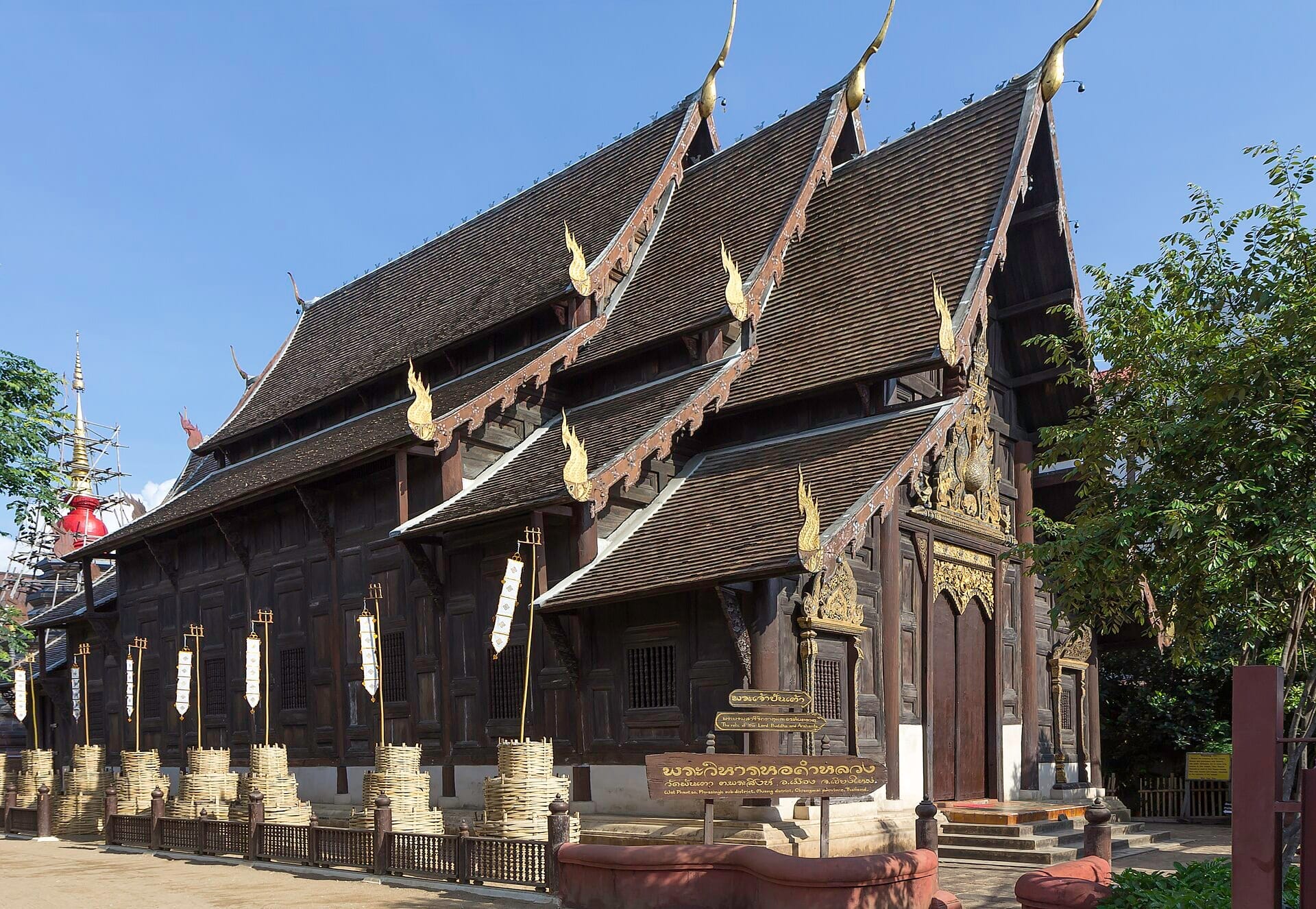
2. Capture the Teak Viharn of Wat Phan Tao at Dusk
The golden teak facade glows amber at dusk when the interior light spills out through carved screens. Shoot from the courtyard at blue hour for a shot that balances the warm interior with a cooling sky. Candles during festivals elevate this further.
Explore2. Capture the Teak Viharn of Wat Phan Tao at Dusk
The golden teak facade glows amber at dusk when the interior light spills out through carved screens. Shoot from the courtyard at blue hour for a shot that balances the warm interior with a cooling sky. Candles during festivals elevate this further.
Explore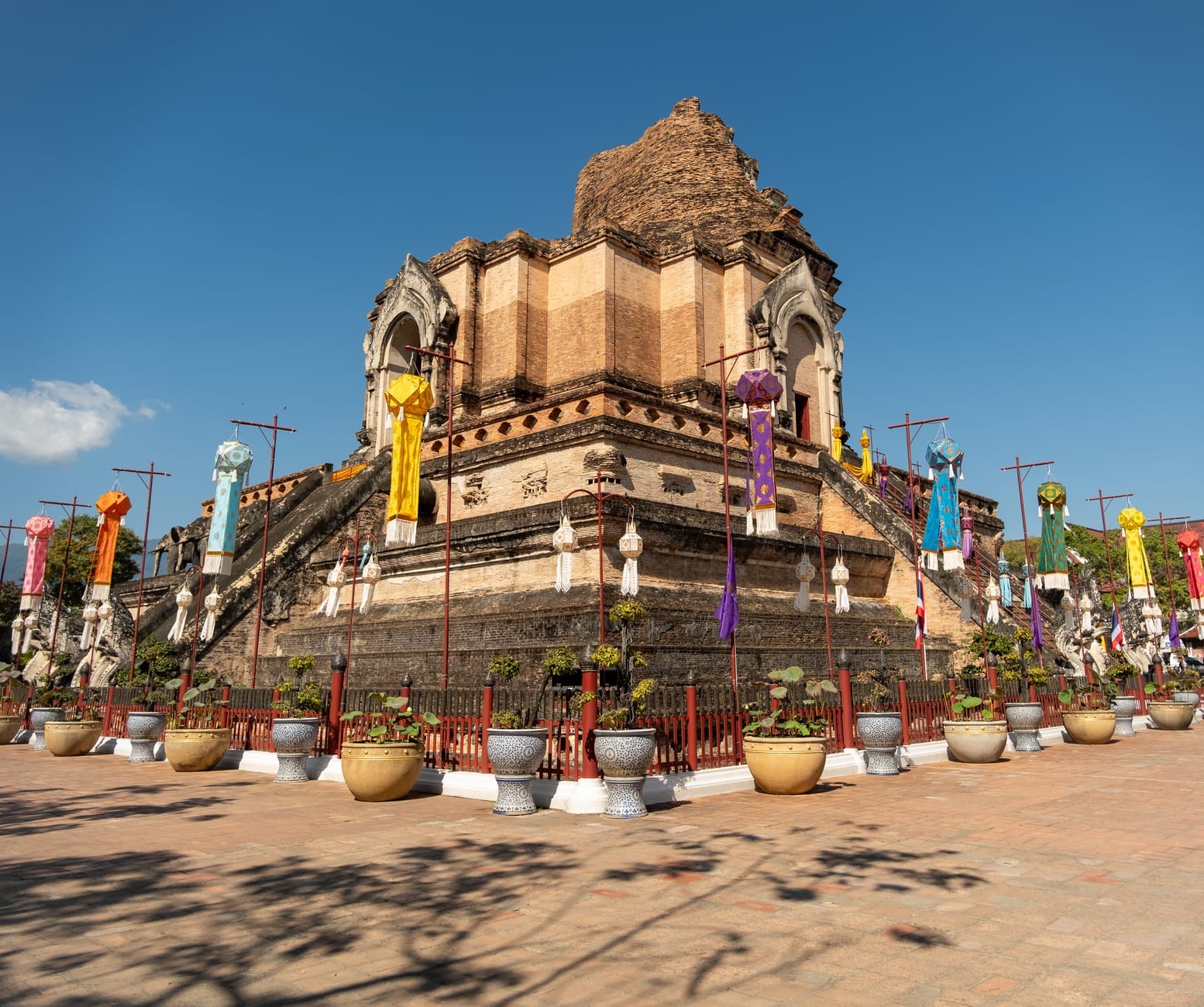
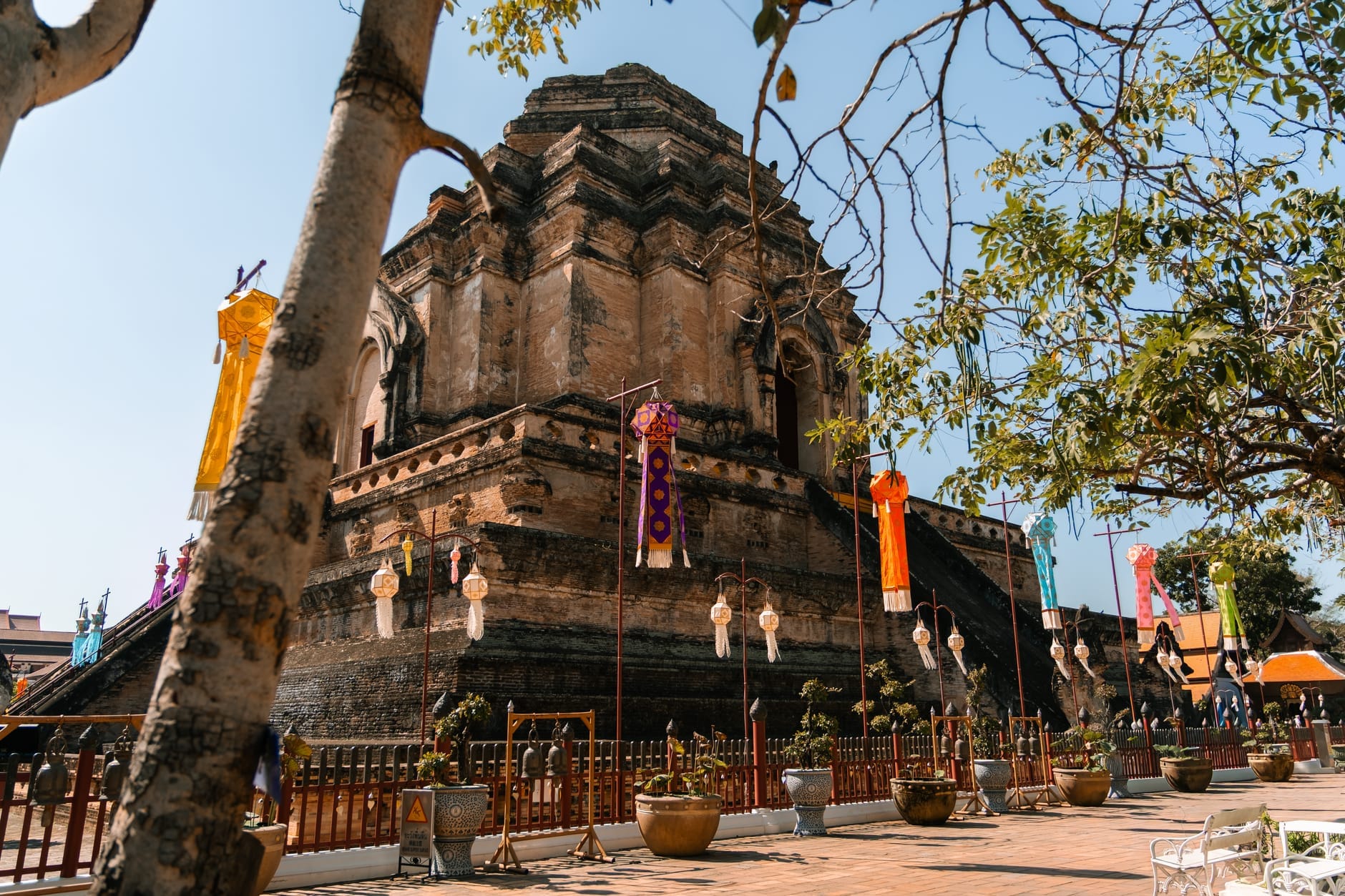
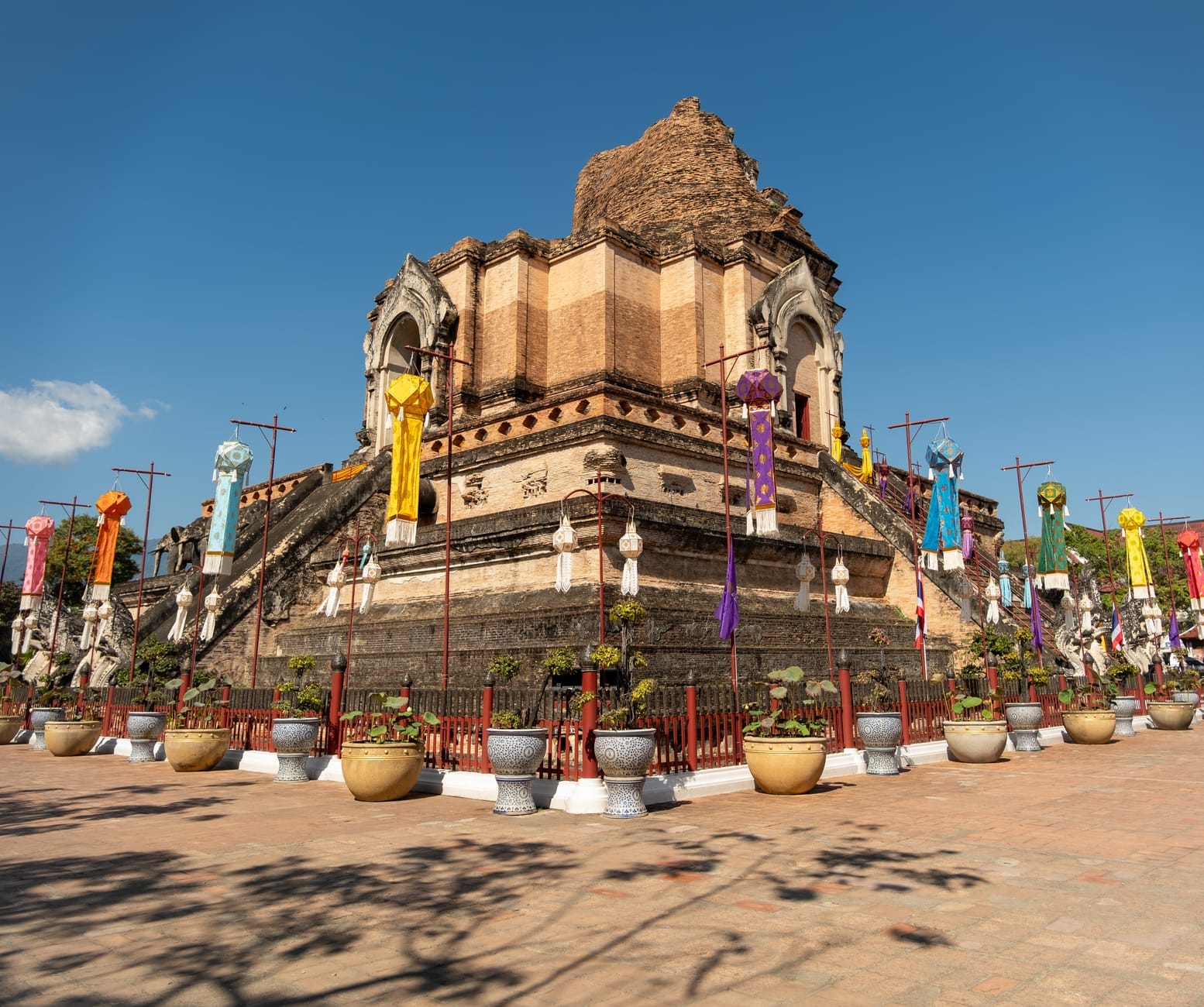
3. Frame the Ruined Chedi of Wat Chedi Luang
The partially collapsed 15th-century chedi is a dramatic subject in any light. Shoot from the eastern entrance to get the full height, or use the flanking nagas as framing elements. Late afternoon sun rakes across the brick texture best.
Explore3. Frame the Ruined Chedi of Wat Chedi Luang
The partially collapsed 15th-century chedi is a dramatic subject in any light. Shoot from the eastern entrance to get the full height, or use the flanking nagas as framing elements. Late afternoon sun rakes across the brick texture best.
Explore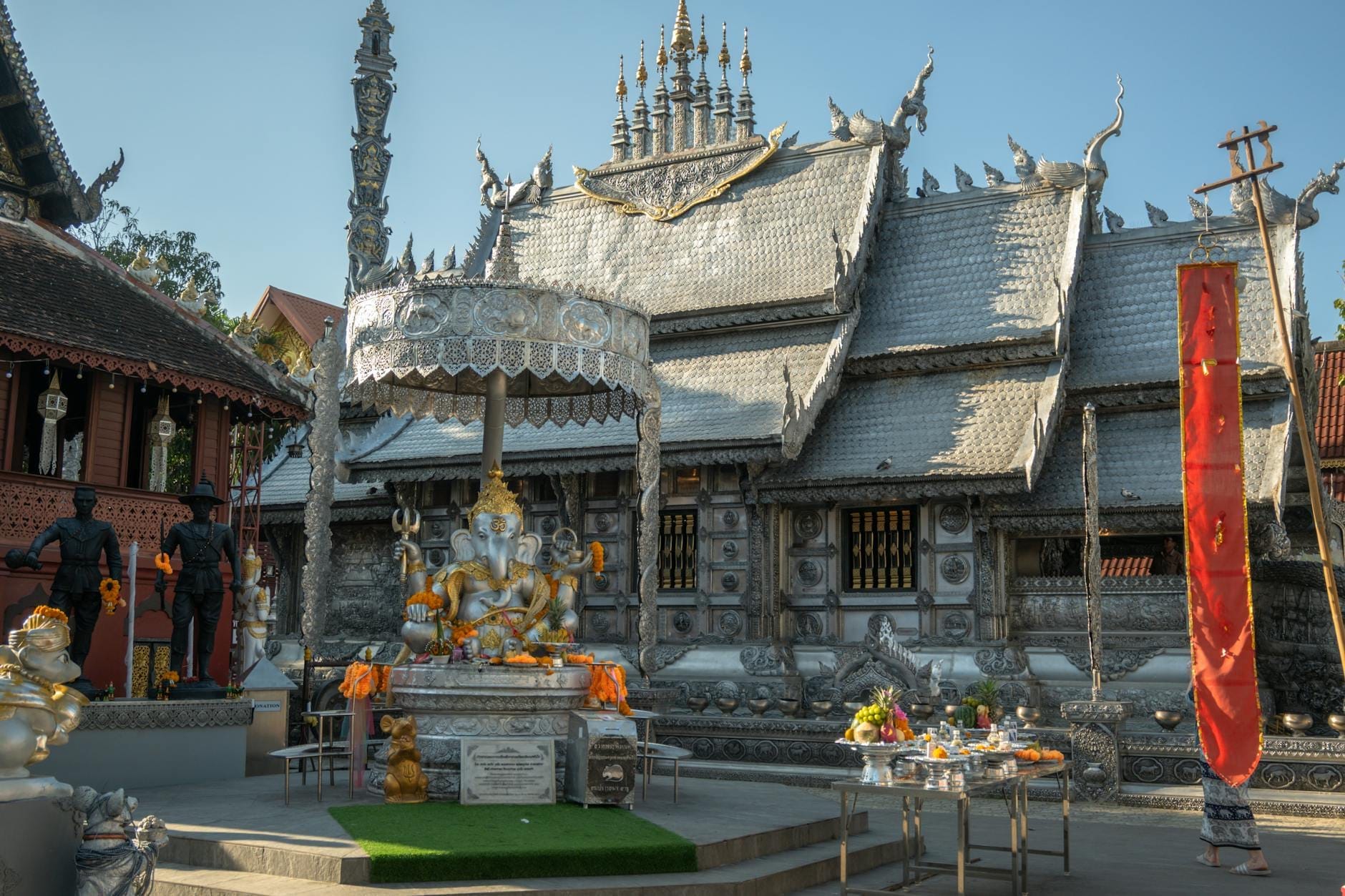
4. Photograph the All-Silver Wat Sri Suphan Interior
The silver-clad ubosot is unlike anything else in Thailand. Men can enter the ordination hall; photography is permitted. Shoot the mirrored ceiling reflections and the intricate repoussé panels close up. Visit after 6pm on weekends for the best light and fewer crowds.
Explore4. Photograph the All-Silver Wat Sri Suphan Interior
The silver-clad ubosot is unlike anything else in Thailand. Men can enter the ordination hall; photography is permitted. Shoot the mirrored ceiling reflections and the intricate repoussé panels close up. Visit after 6pm on weekends for the best light and fewer crowds.
Explore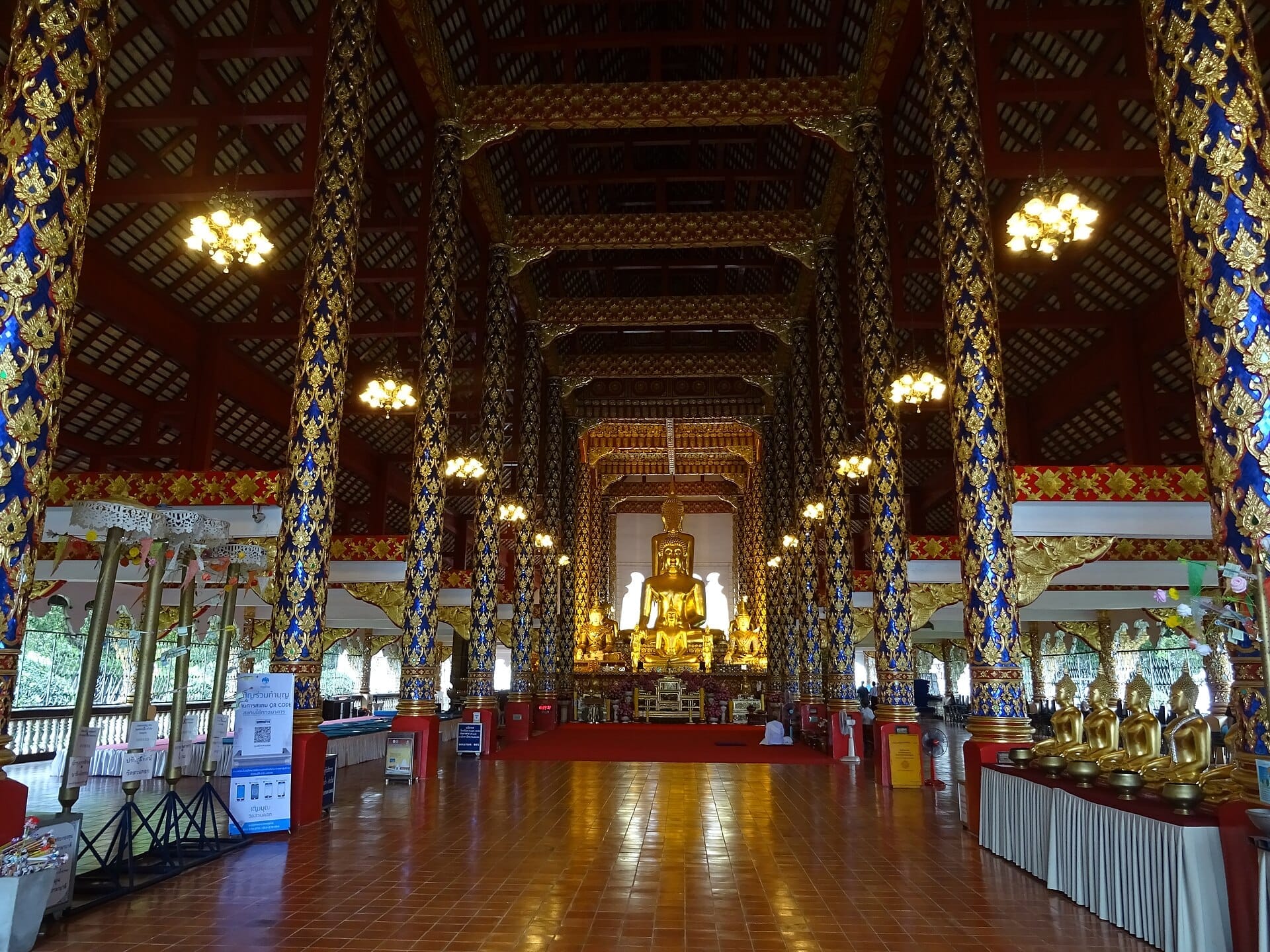
5. Shoot the White Royal Chedis at Wat Suan Dok
The cluster of white chedis against a blue sky is one of Chiang Mai's most iconic compositions. Shoot mid-morning before the sky goes flat, or at golden hour when the large central chedi turns cream-gold. The contrast between white and gilt is striking.
Explore5. Shoot the White Royal Chedis at Wat Suan Dok
The cluster of white chedis against a blue sky is one of Chiang Mai's most iconic compositions. Shoot mid-morning before the sky goes flat, or at golden hour when the large central chedi turns cream-gold. The contrast between white and gilt is striking.
Explore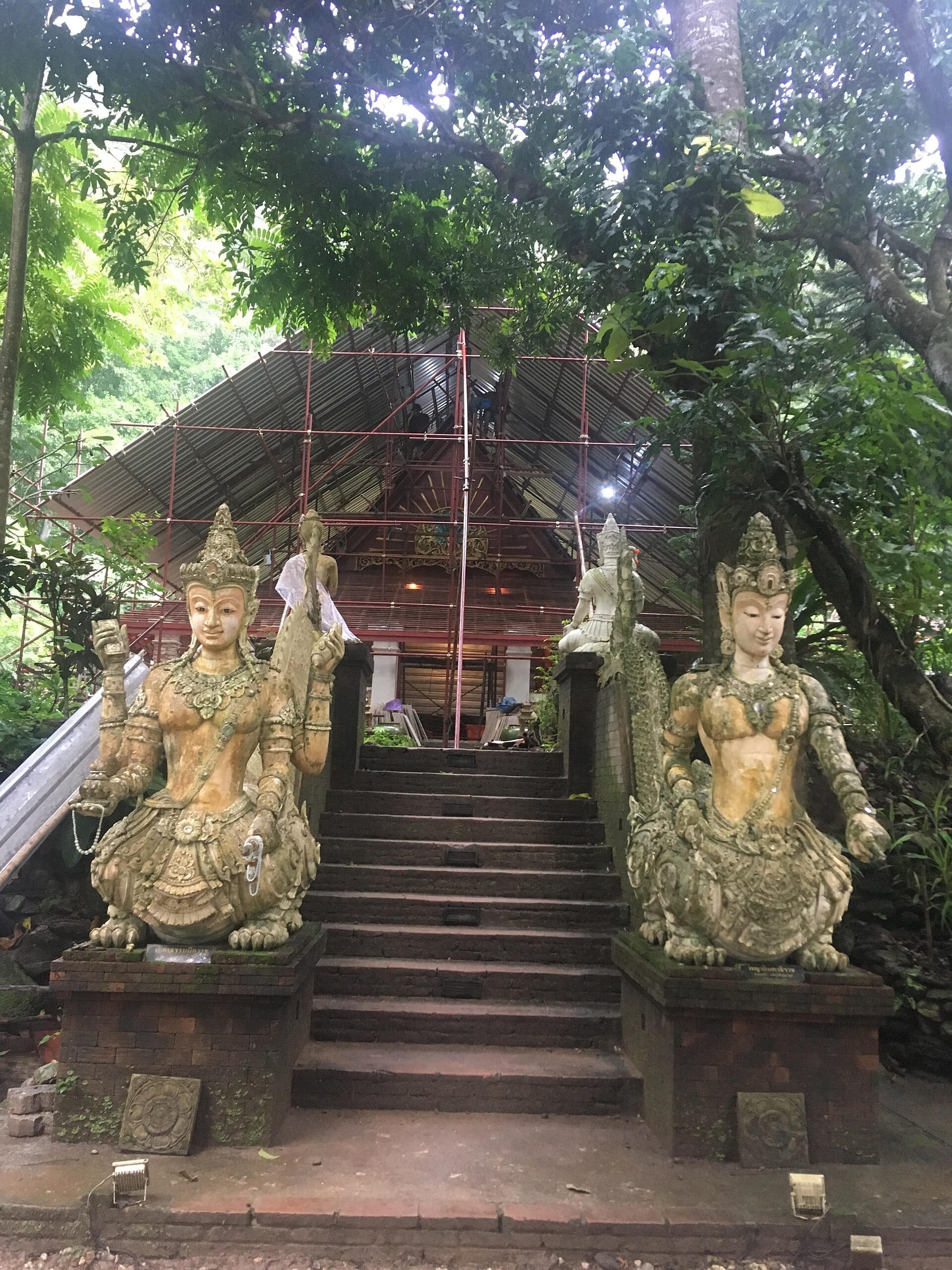
6. Find Hidden Compositions at Wat Pha Lat Jungle Temple
Reached via a forest trail, this mossy jungle temple has a waterfall, Buddha images among the roots, and crumbling chedis draped in greenery. Morning light filters through the canopy in shafts. The 40-minute hike from the base keeps crowds minimal.
Explore6. Find Hidden Compositions at Wat Pha Lat Jungle Temple
Reached via a forest trail, this mossy jungle temple has a waterfall, Buddha images among the roots, and crumbling chedis draped in greenery. Morning light filters through the canopy in shafts. The 40-minute hike from the base keeps crowds minimal.
Explore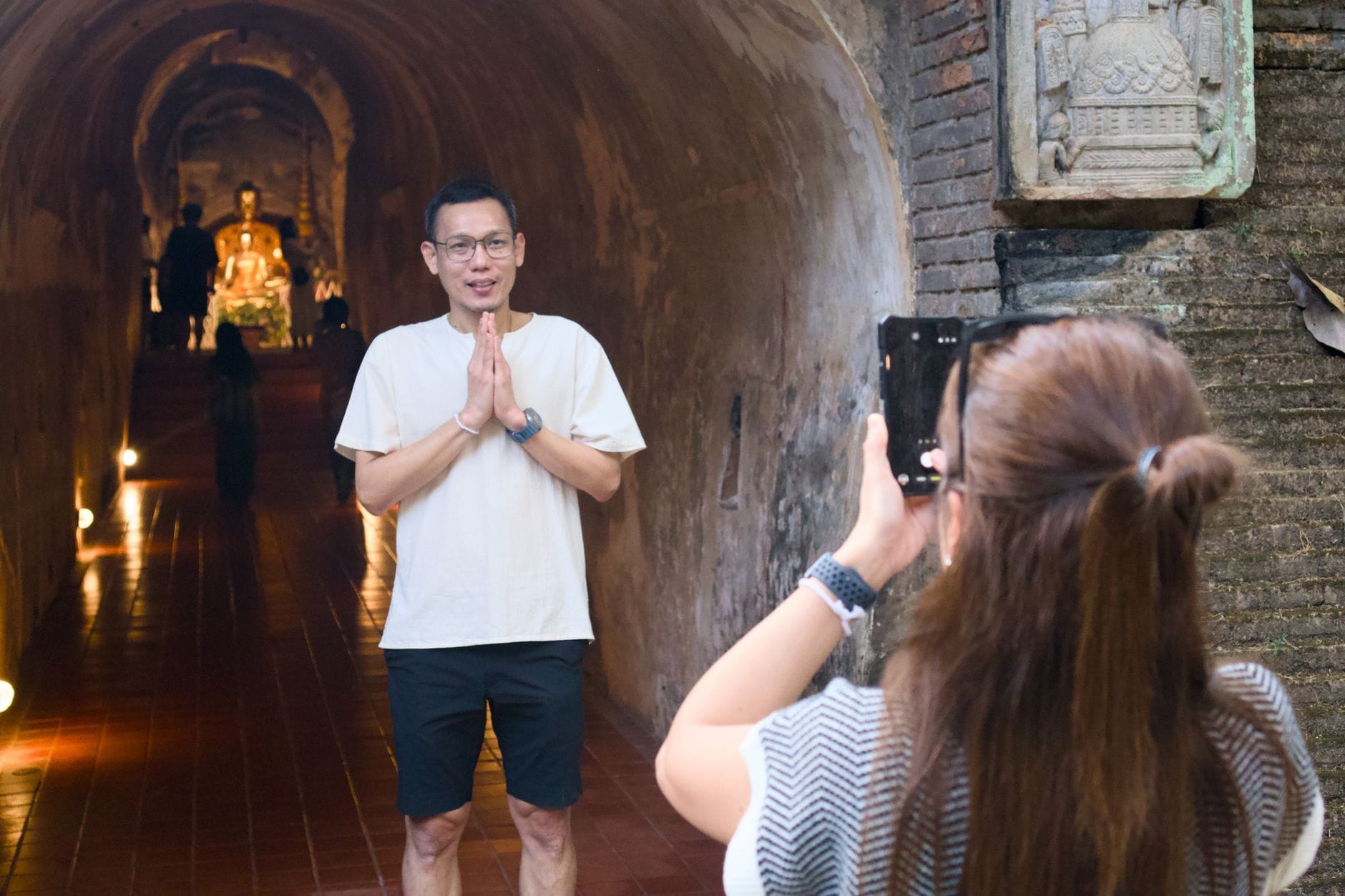
7. Explore the Atmospheric Tunnels of Wat Umong
The brick tunnel network is dimly lit and filled with small Buddha images, making for moody low-light compositions. A wide-angle lens works well in the tunnels. The forest grounds have peacocks, a pond, and a ruined chedi that rewards slower exploration.
Explore7. Explore the Atmospheric Tunnels of Wat Umong
The brick tunnel network is dimly lit and filled with small Buddha images, making for moody low-light compositions. A wide-angle lens works well in the tunnels. The forest grounds have peacocks, a pond, and a ruined chedi that rewards slower exploration.
Explore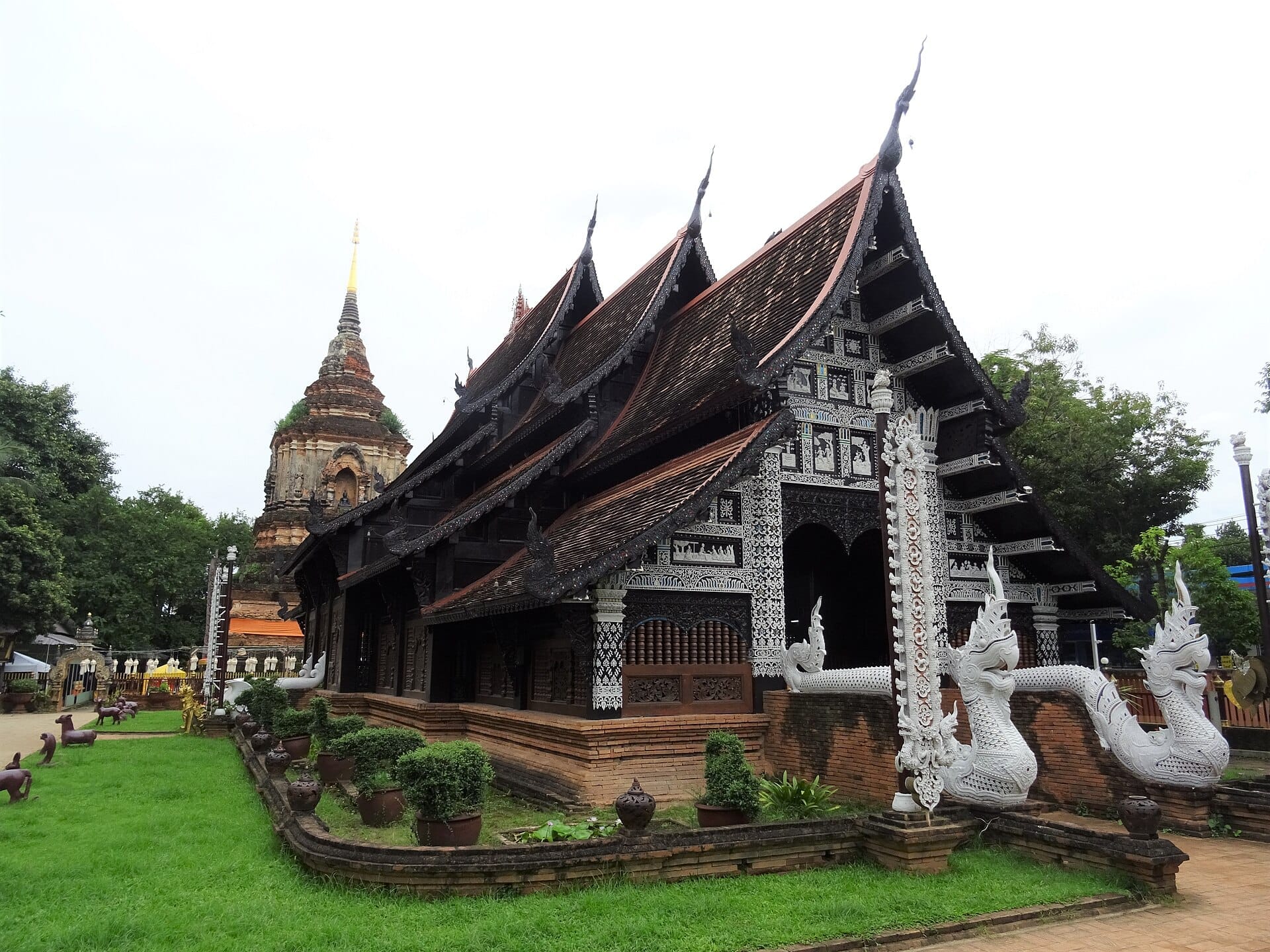
8. Shoot the Uncrowded Lanna Chedi at Wat Lok Moli
One of the most elegantly proportioned chedis in the city, and rarely visited by tourists. The surrounding grounds are quiet and the light is clean in the morning. A great option when you want a temple shot without other photographers in frame.
Explore8. Shoot the Uncrowded Lanna Chedi at Wat Lok Moli
One of the most elegantly proportioned chedis in the city, and rarely visited by tourists. The surrounding grounds are quiet and the light is clean in the morning. A great option when you want a temple shot without other photographers in frame.
ExploreMountain Viewpoints and Highland Landscapes
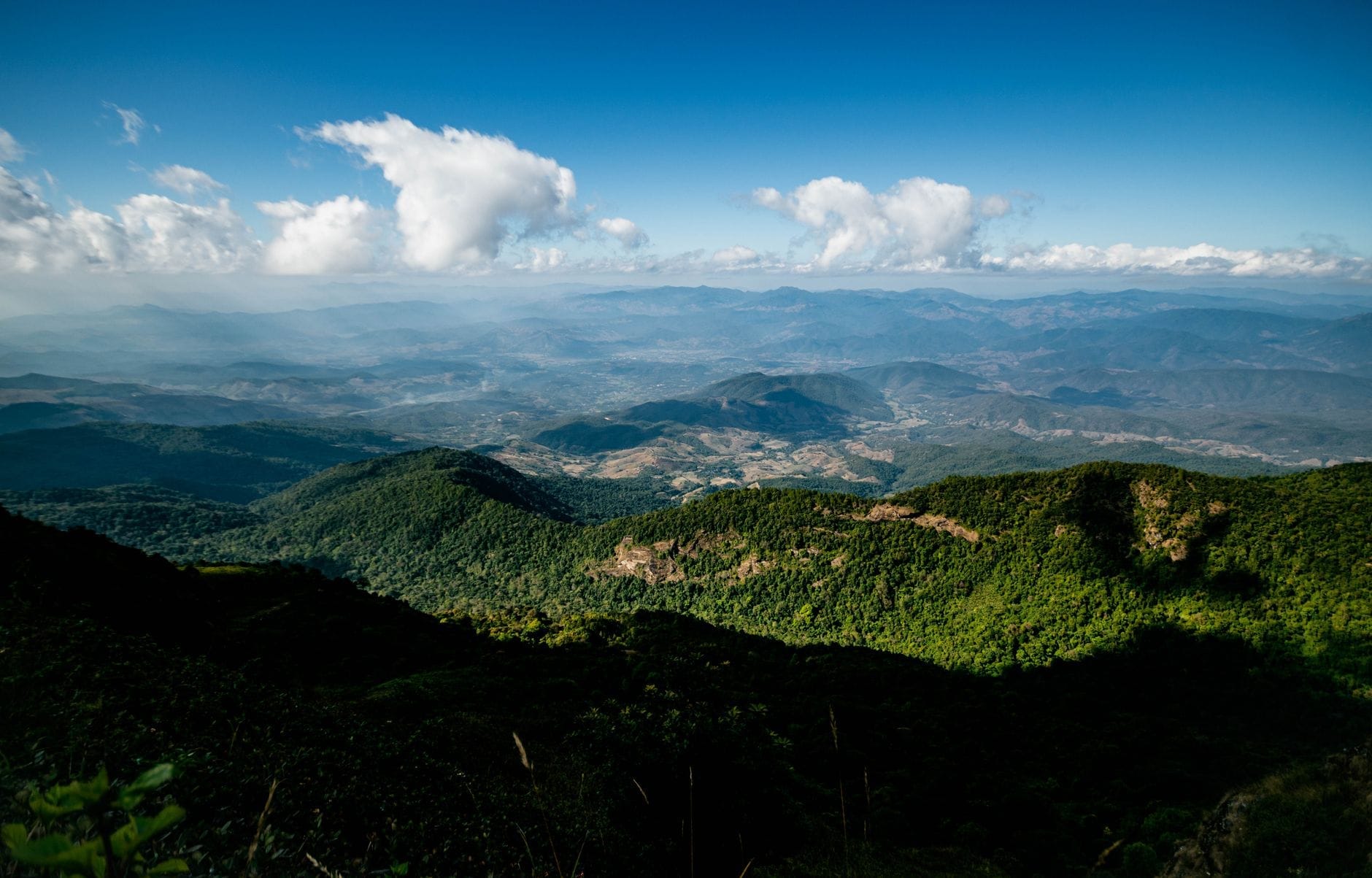
The mountains surrounding Chiang Mai offer a completely different photographic palette from the city: mist, cloud forest, flower fields, and highland valleys. Most of these spots are day trips, so plan your day trips from Chiang Mai carefully to catch the best morning light.
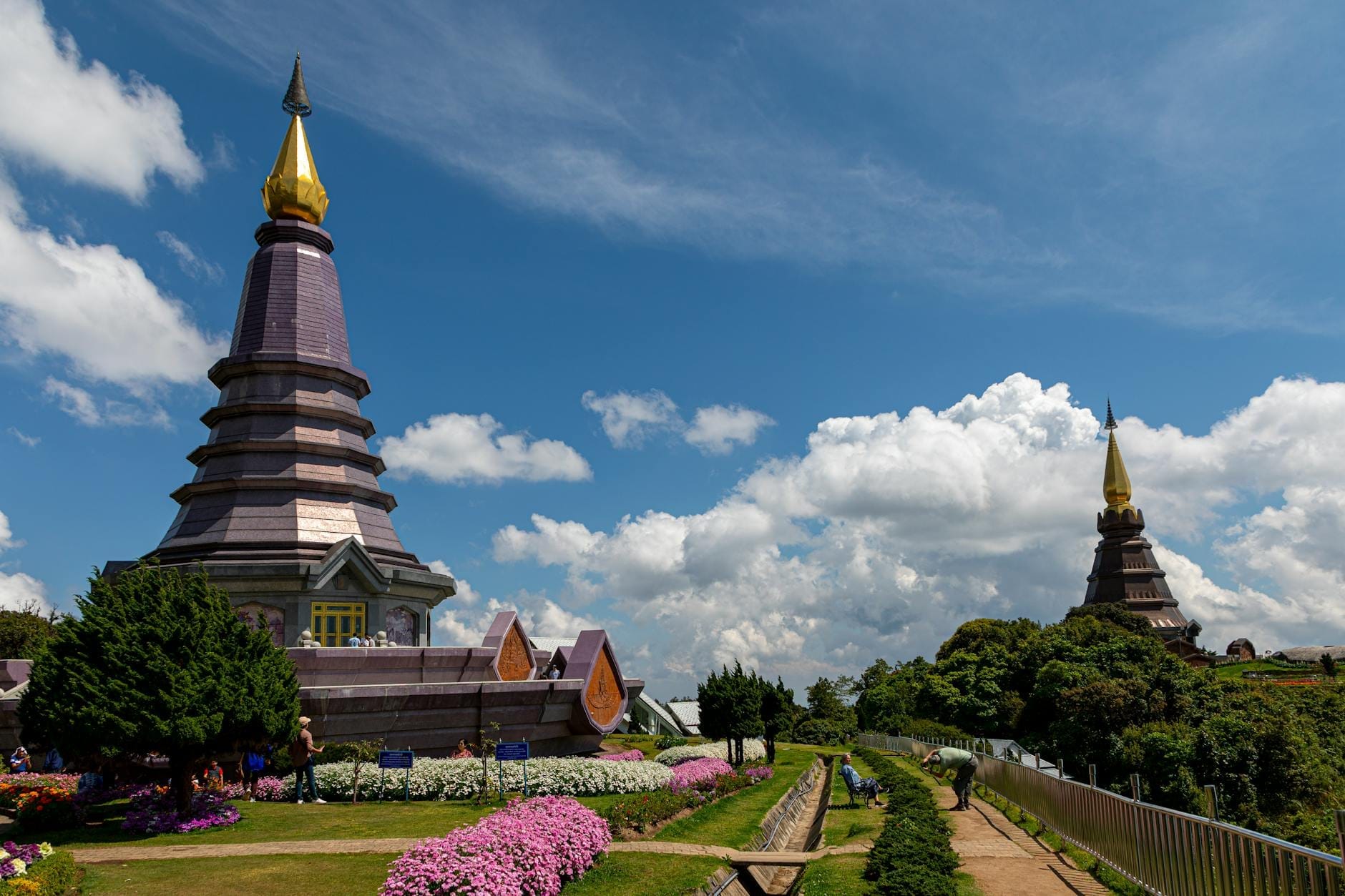
9. Photograph the Twin Pagodas Surrounded by Mountain Gardens
Set at 2,200m, the two chedis rise from manicured gardens that bloom with dahlias and marigolds. Morning mist frequently drifts through the garden beds. A telephoto lens compresses the pagodas against forested ridgelines for striking landscape compositions.
Explore9. Photograph the Twin Pagodas Surrounded by Mountain Gardens
Set at 2,200m, the two chedis rise from manicured gardens that bloom with dahlias and marigolds. Morning mist frequently drifts through the garden beds. A telephoto lens compresses the pagodas against forested ridgelines for striking landscape compositions.
Explore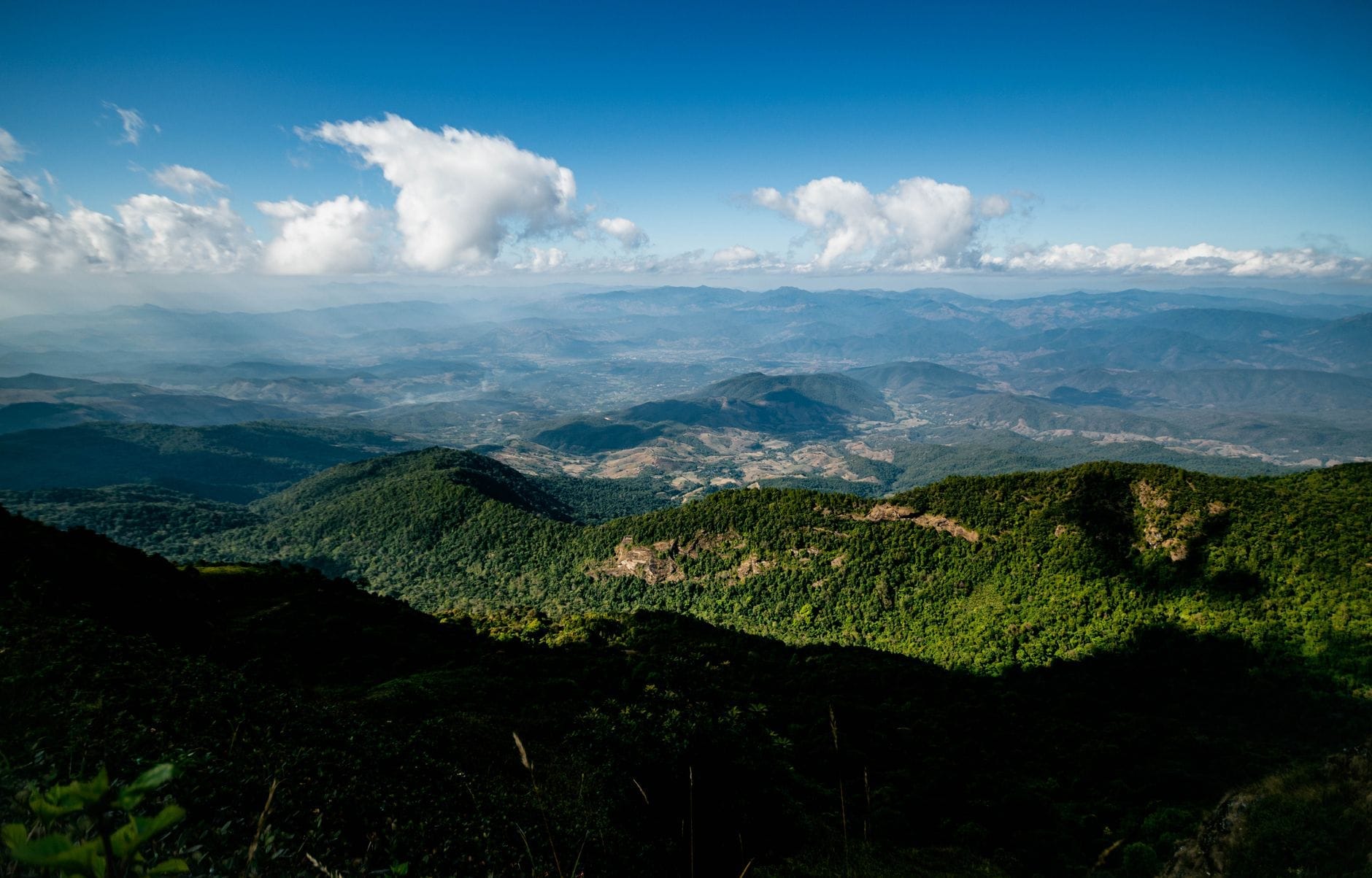
10. Capture Cloud Forest at Thailand's Highest Point
The summit is wrapped in cloud forest with thick moss, ferns, and epiphytes. Overcast days actually work in your favor here, keeping the light soft. The chedi containing the royal ashes sits in an otherworldly setting that looks nothing like lowland Thailand.
Explore10. Capture Cloud Forest at Thailand's Highest Point
The summit is wrapped in cloud forest with thick moss, ferns, and epiphytes. Overcast days actually work in your favor here, keeping the light soft. The chedi containing the royal ashes sits in an otherworldly setting that looks nothing like lowland Thailand.
Explore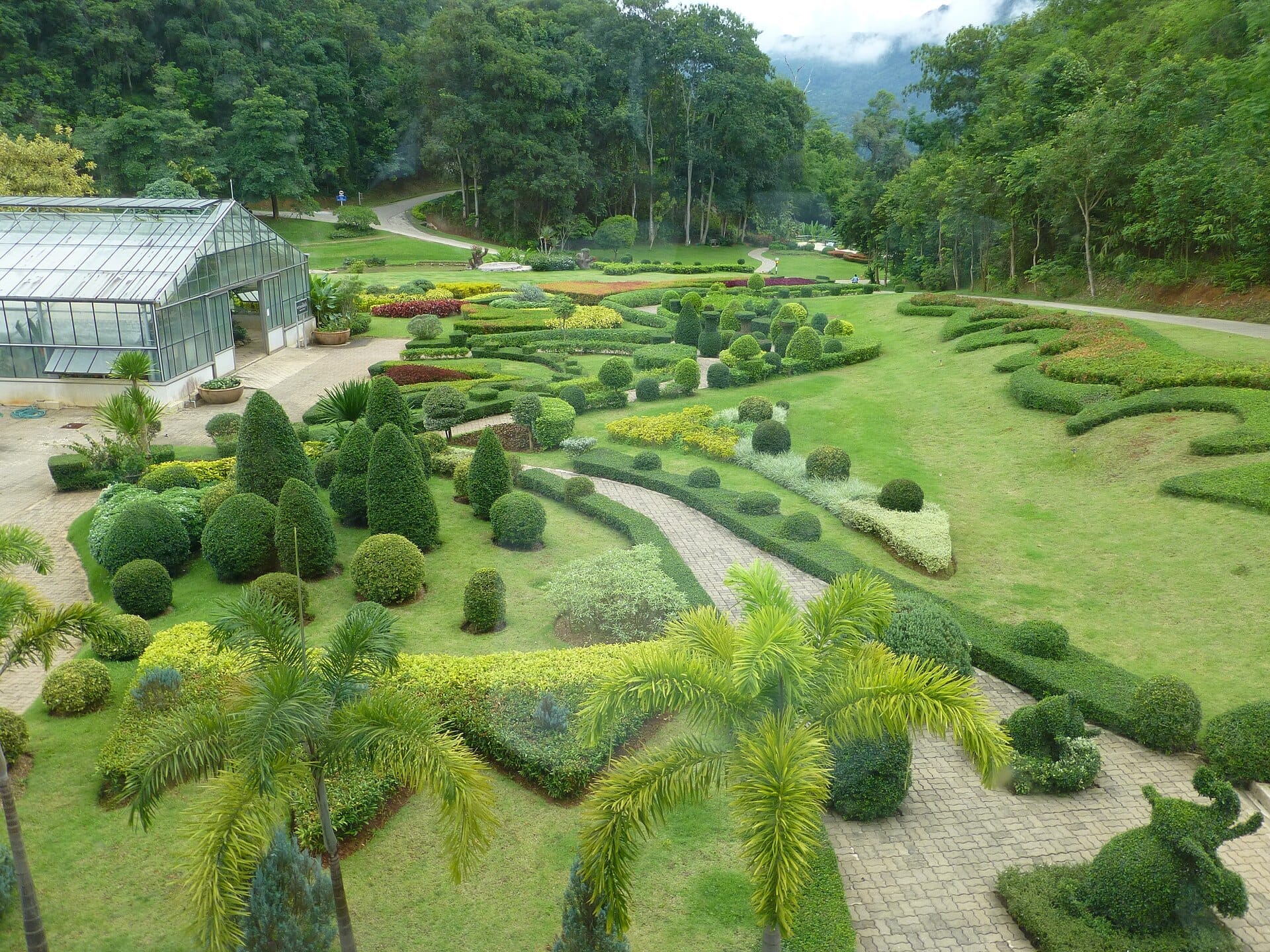
11. Shoot the Sea of Mist at Mon Cham at Dawn
Arrive before 7am between November and February for the best sea-of-mist views across the valley below. The hillside strawberry and flower gardens add foreground color. Bring a tripod for long-exposure mist shots as the sun rises over the ridgeline.
Explore11. Shoot the Sea of Mist at Mon Cham at Dawn
Arrive before 7am between November and February for the best sea-of-mist views across the valley below. The hillside strawberry and flower gardens add foreground color. Bring a tripod for long-exposure mist shots as the sun rises over the ridgeline.
Explore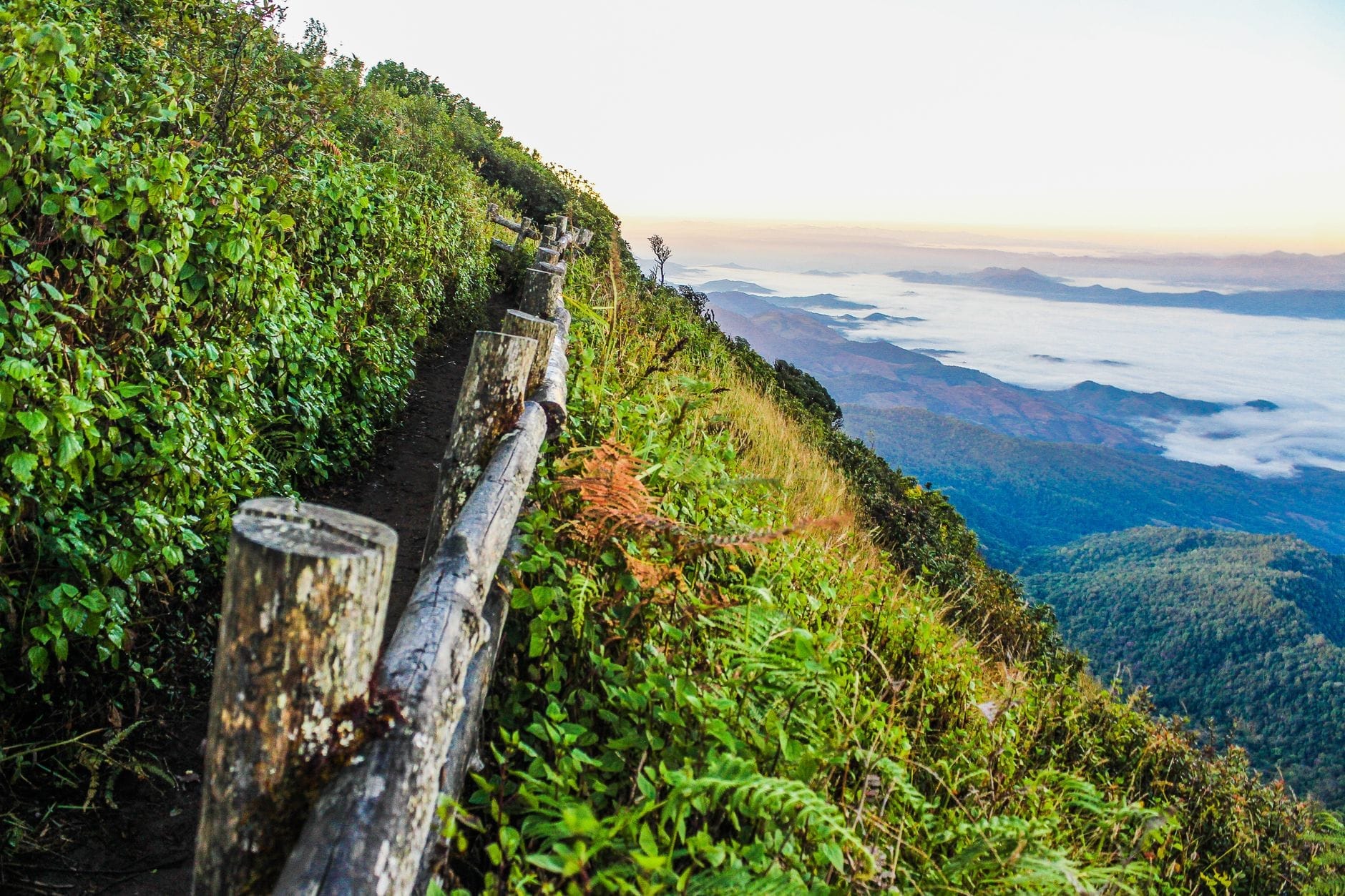
12. Hike Kew Mae Pan for Panoramic Highland Photography
This 3km trail near Doi Inthanon's summit passes through montane grassland with unobstructed ridge views. The light is best in the first hour after sunrise. Orchids and highland wildflowers along the trail add macro subjects between the wide landscape shots.
Explore12. Hike Kew Mae Pan for Panoramic Highland Photography
This 3km trail near Doi Inthanon's summit passes through montane grassland with unobstructed ridge views. The light is best in the first hour after sunrise. Orchids and highland wildflowers along the trail add macro subjects between the wide landscape shots.
Explore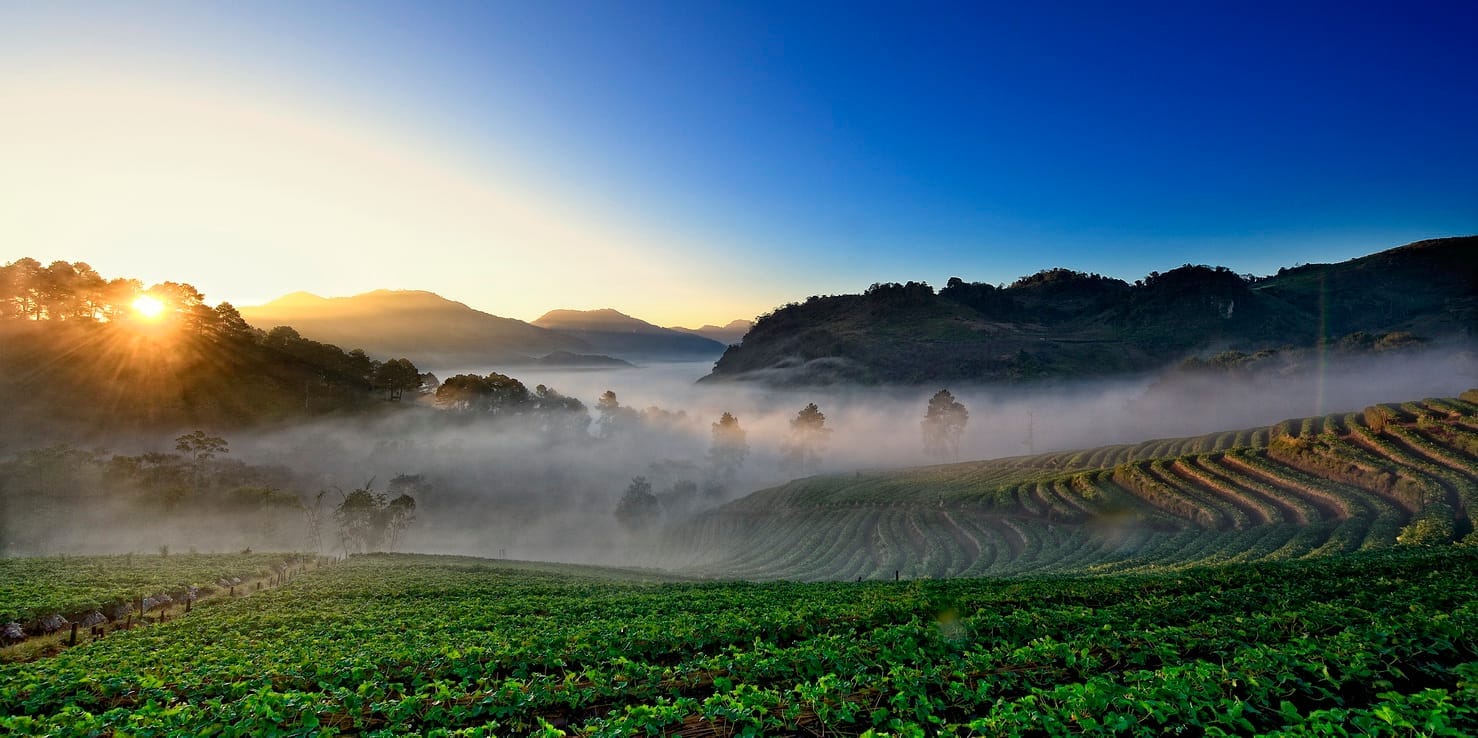
13. Photograph Flower Fields and Misty Peaks at Doi Ang Khang
Thailand's highest agricultural station grows temperate flowers, fruit orchards, and vegetable terraces that look startlingly European. The morning mist clears by 9am, leaving clear views toward the Myanmar border. Best visited November to February when flowers peak.
Explore13. Photograph Flower Fields and Misty Peaks at Doi Ang Khang
Thailand's highest agricultural station grows temperate flowers, fruit orchards, and vegetable terraces that look startlingly European. The morning mist clears by 9am, leaving clear views toward the Myanmar border. Best visited November to February when flowers peak.
ExploreOld City Streets and Landmark Architecture
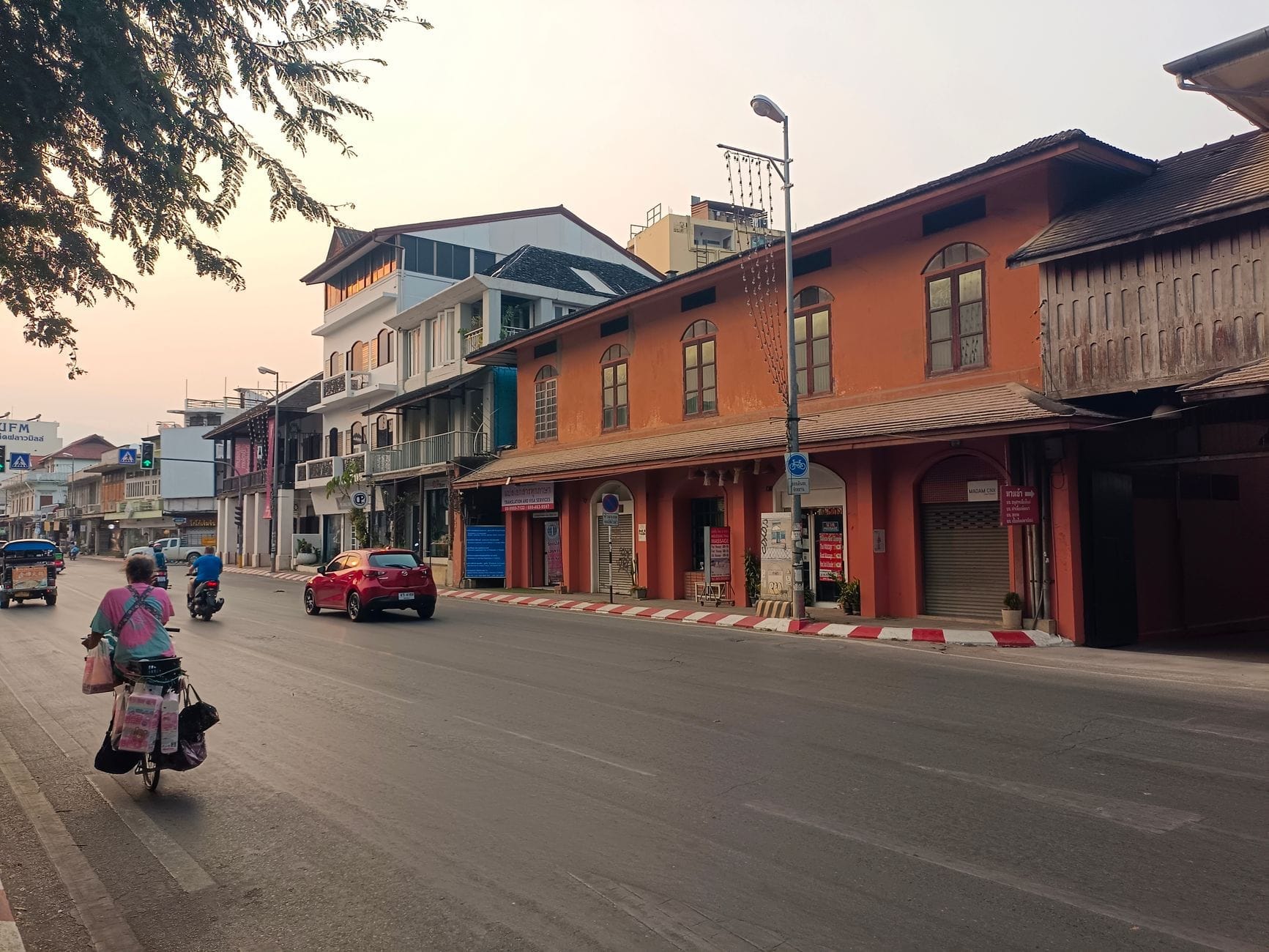
The Old City's square moat, historic gates, and colonial-era buildings form a compact photography circuit you can cover on foot or by bicycle. Early morning, when the streets are quiet, is the best time to shoot architecture without parked motorbikes cluttering your frames. Our 3-day Chiang Mai itinerary can help you structure your shooting days efficiently.
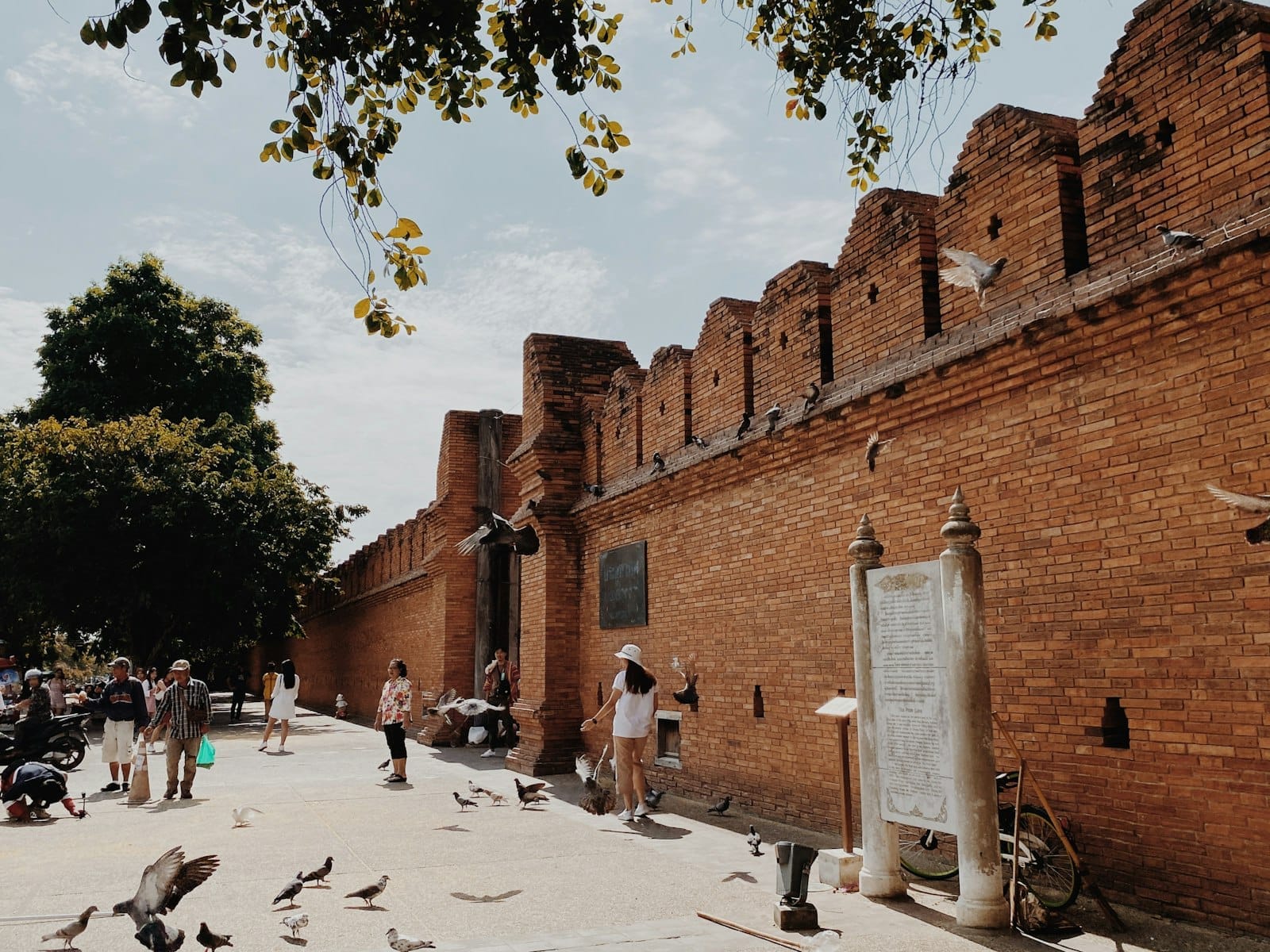
14. Frame Chiang Mai's Most Iconic Gate at Tha Phae
The best angles are from street level looking west through the gate at dawn, when the sky is pink and the street is empty. The moat reflections on the south side add a second compositional option. During festivals, flowers and decorations transform the scene entirely.
Explore14. Frame Chiang Mai's Most Iconic Gate at Tha Phae
The best angles are from street level looking west through the gate at dawn, when the sky is pink and the street is empty. The moat reflections on the south side add a second compositional option. During festivals, flowers and decorations transform the scene entirely.
Explore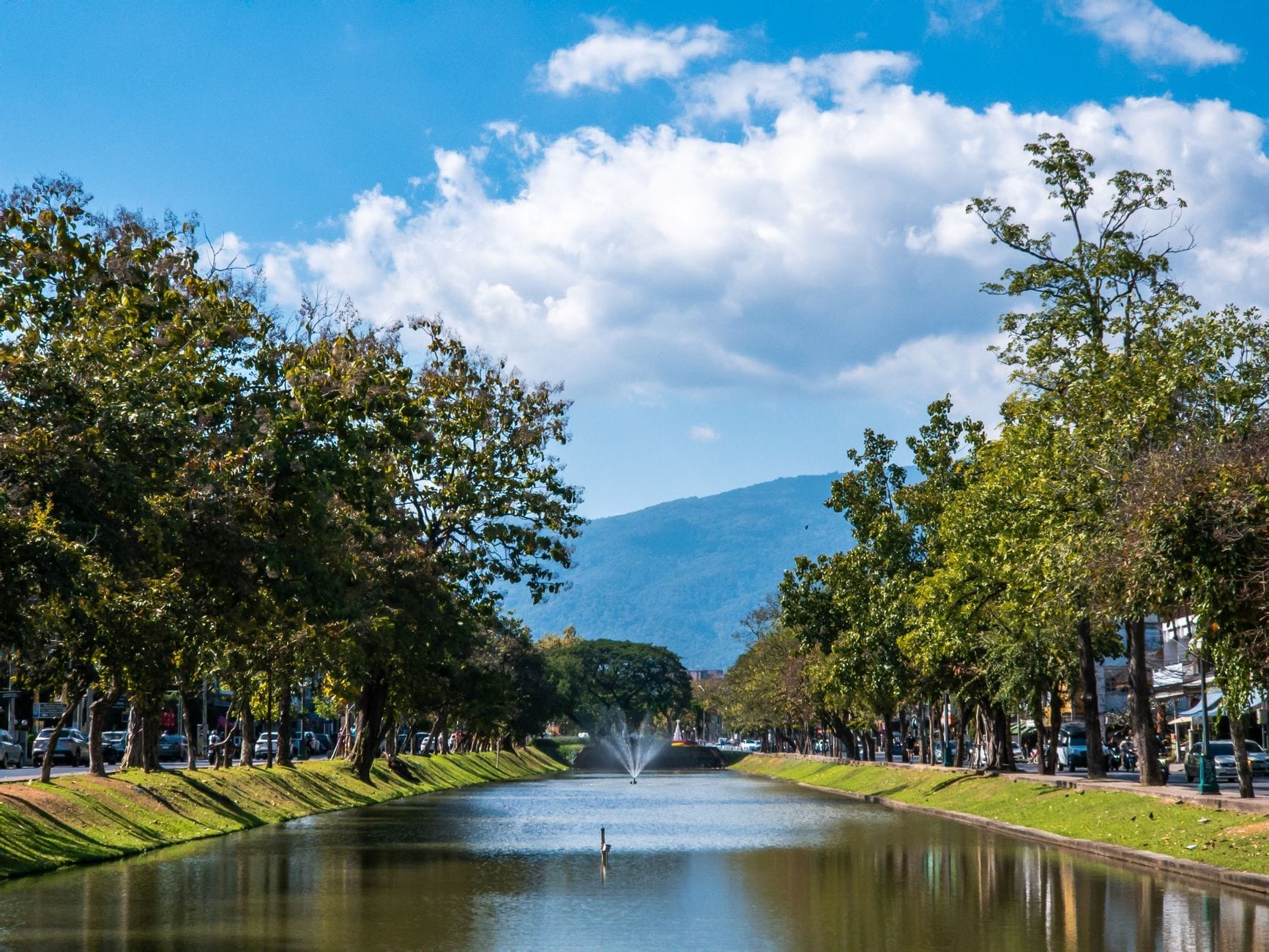
15. Walk and Shoot the Moat Reflections at Blue Hour
The moat reflects the illuminated corner bastions and streetlights beautifully at blue hour. The southeast corner near Tha Phae and the northwest corner near Chang Phuak gate offer the cleanest reflections. Bring a tripod for sharp long exposures after dark.
Explore15. Walk and Shoot the Moat Reflections at Blue Hour
The moat reflects the illuminated corner bastions and streetlights beautifully at blue hour. The southeast corner near Tha Phae and the northwest corner near Chang Phuak gate offer the cleanest reflections. Bring a tripod for sharp long exposures after dark.
Explore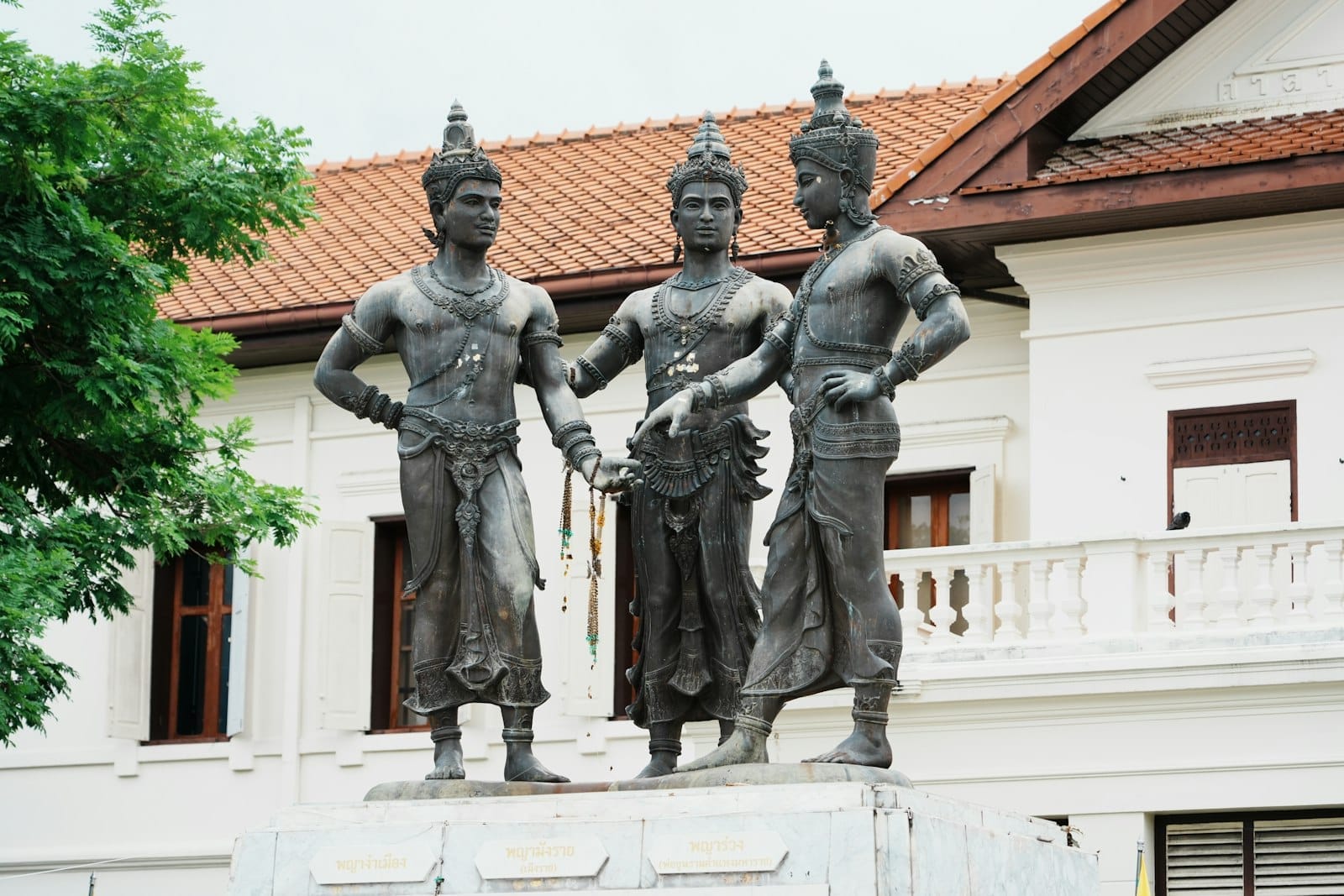
16. Shoot the Bronze Three Kings Against Cultural Museum Facades
The monument sits in a plaza flanked by two beautifully restored colonial buildings. Shoot from the south side to include the Chiang Mai City Arts Centre facade as backdrop. The late-afternoon angle catches the bronze figures with warm directional light.
Explore16. Shoot the Bronze Three Kings Against Cultural Museum Facades
The monument sits in a plaza flanked by two beautifully restored colonial buildings. Shoot from the south side to include the Chiang Mai City Arts Centre facade as backdrop. The late-afternoon angle catches the bronze figures with warm directional light.
Explore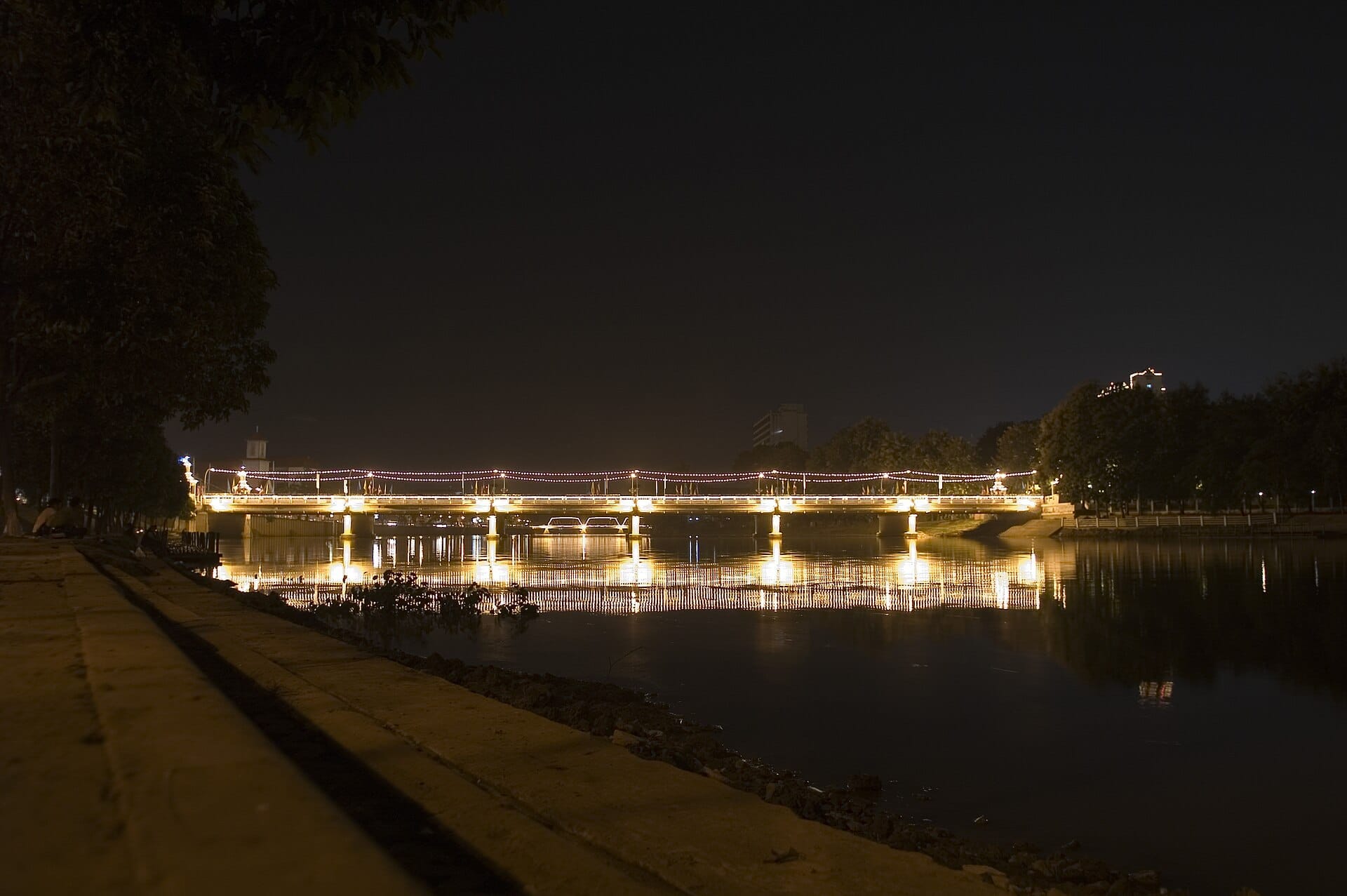
17. Shoot the Ping River from Nawarat Bridge at Night
The bridge itself is photogenic, but the real shot is looking upriver from the banks at dusk when the bridge lights and riverside temples reflect in the slow-moving water. During Loi Krathong, the river fills with floating krathong for exceptional long-exposure work.
Explore17. Shoot the Ping River from Nawarat Bridge at Night
The bridge itself is photogenic, but the real shot is looking upriver from the banks at dusk when the bridge lights and riverside temples reflect in the slow-moving water. During Loi Krathong, the river fills with floating krathong for exceptional long-exposure work.
ExploreNature, Waterfalls, and Outdoor Landscapes
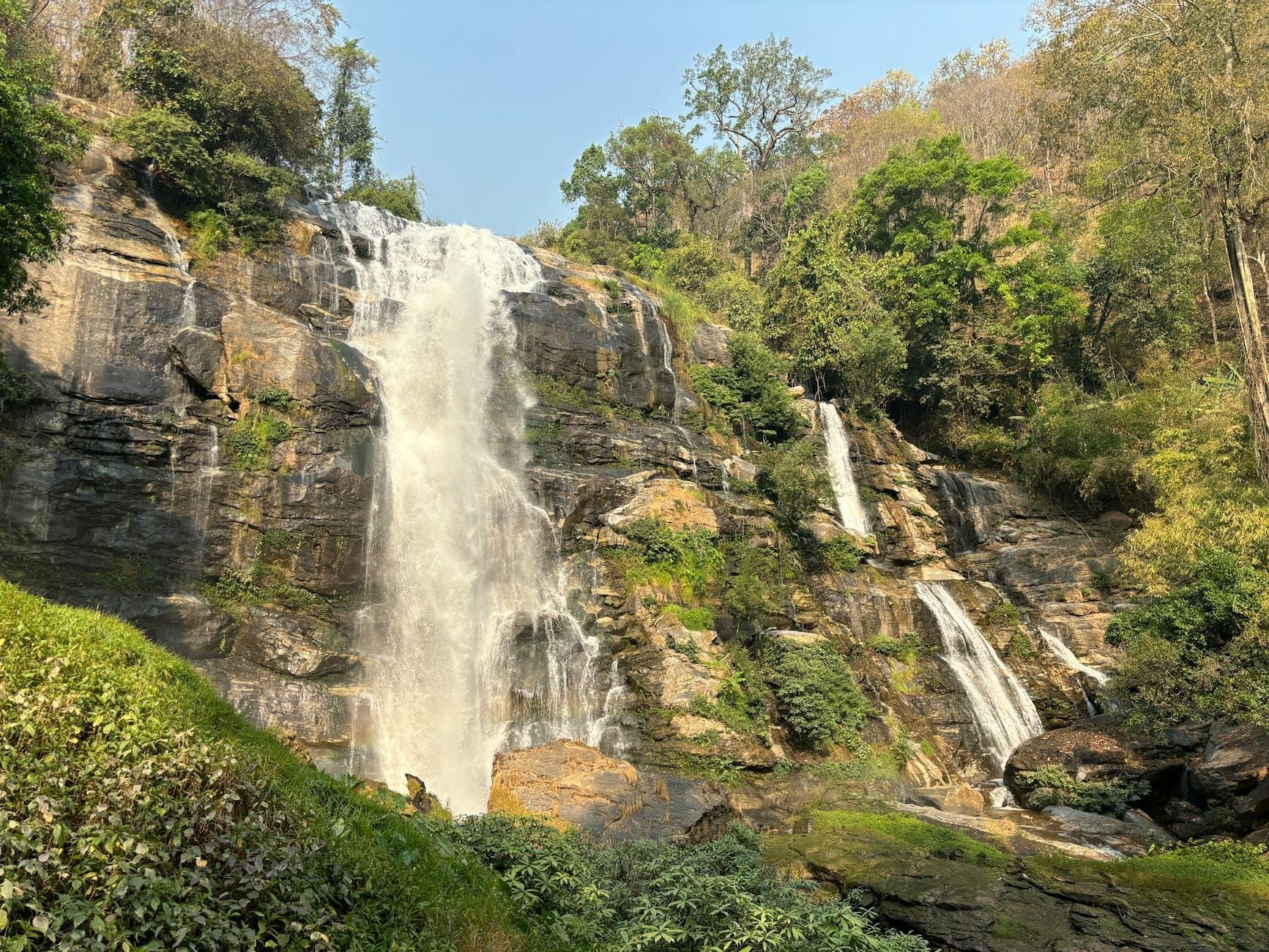
18. Photograph Doi Inthanon's Most Powerful Waterfall
The wide curtain of water and the mist cloud it generates make Wachirathan a technically interesting shoot. Use a neutral density filter for silky water at 1/4 second, or a fast shutter to freeze individual droplets. The surrounding forest frames the falls naturally.
Explore18. Photograph Doi Inthanon's Most Powerful Waterfall
The wide curtain of water and the mist cloud it generates make Wachirathan a technically interesting shoot. Use a neutral density filter for silky water at 1/4 second, or a fast shutter to freeze individual droplets. The surrounding forest frames the falls naturally.
Explore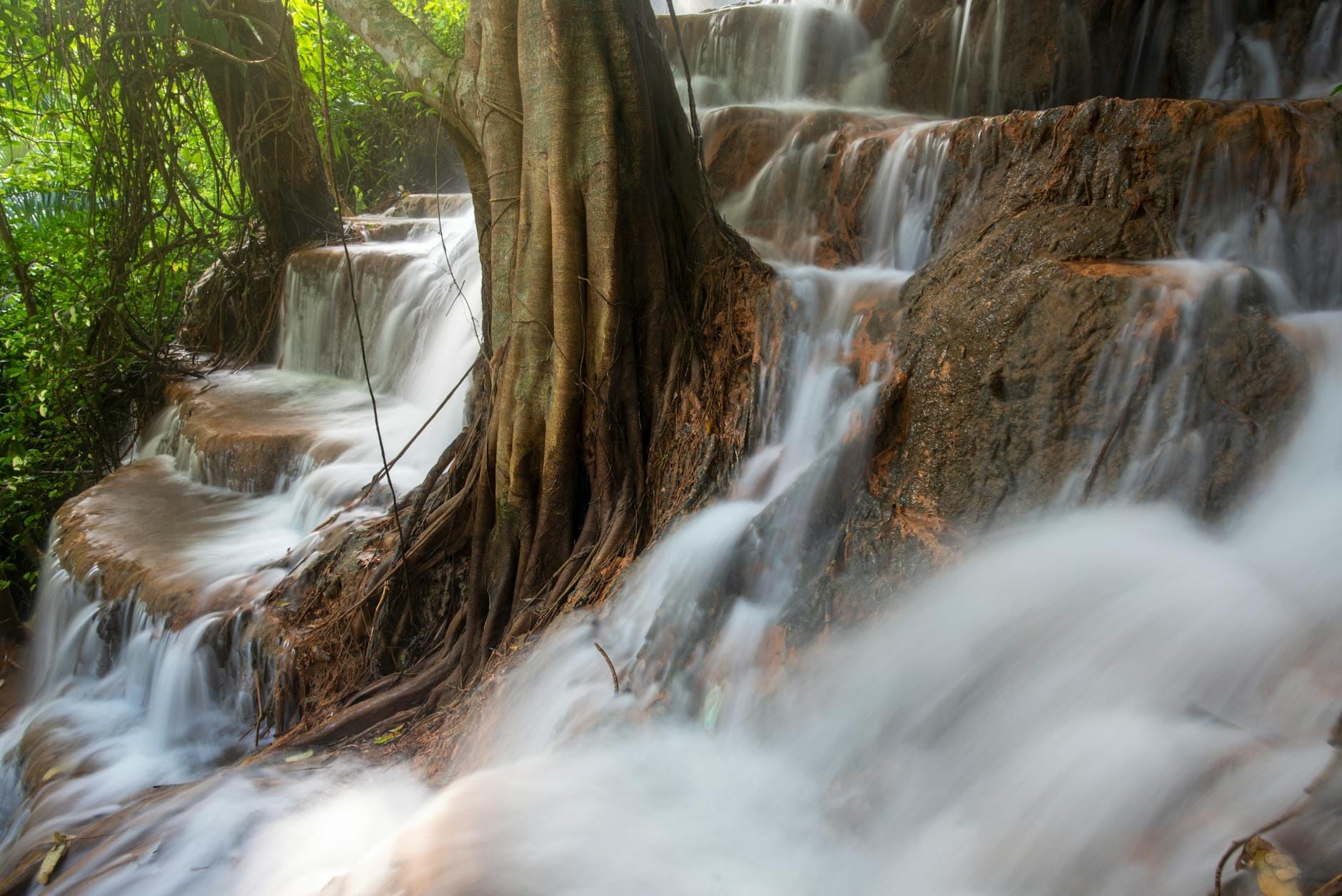
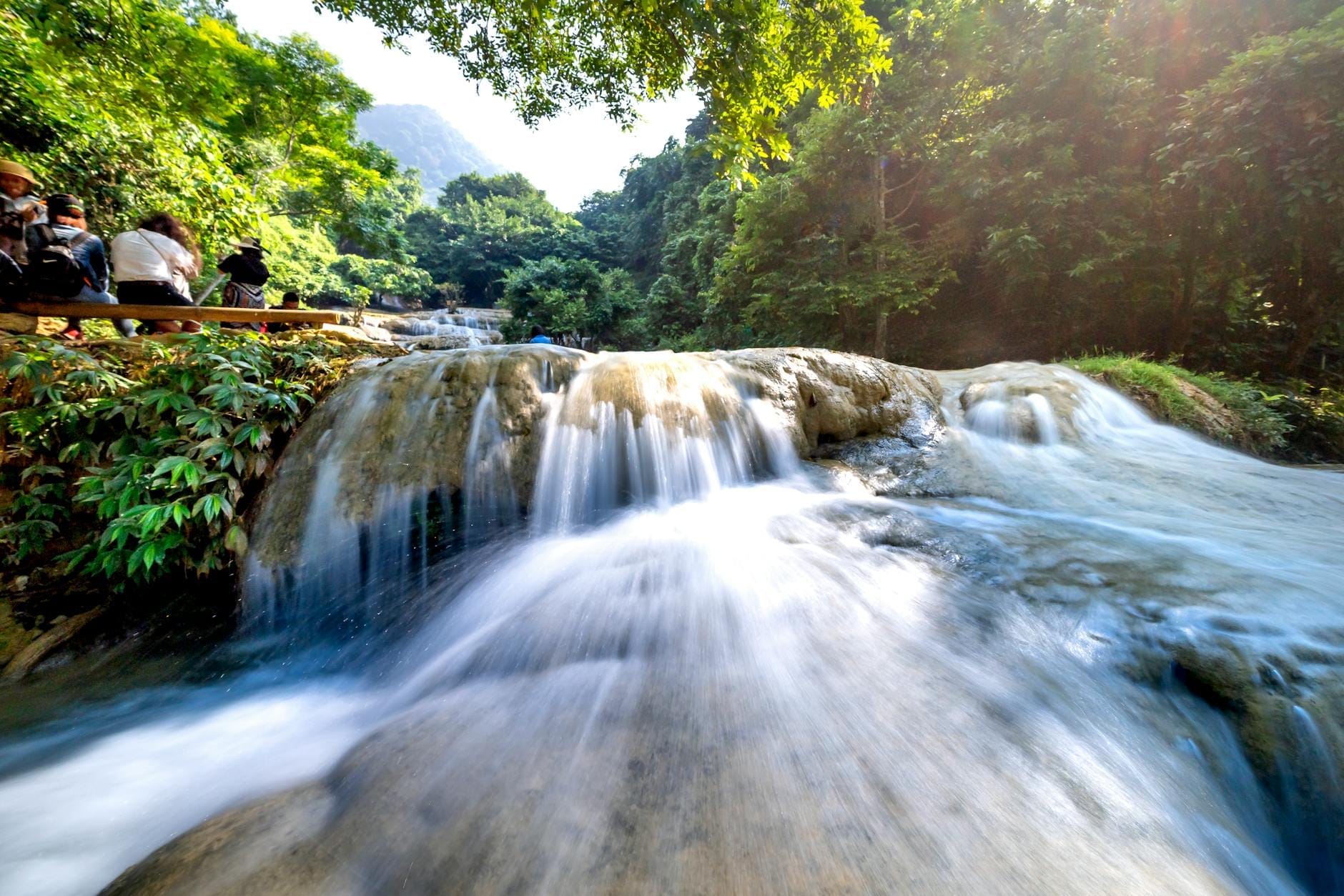
19. Capture Bua Tong's Walkable White Cascade
The pale calcium-coated limestone and crystal-clear water create a bright, high-key photographic subject unlike any other waterfall in Thailand. Shoot people walking up the cascade to show the scale and the remarkable grip of the surface. Go on a weekday for cleaner frames.
Explore19. Capture Bua Tong's Walkable White Cascade
The pale calcium-coated limestone and crystal-clear water create a bright, high-key photographic subject unlike any other waterfall in Thailand. Shoot people walking up the cascade to show the scale and the remarkable grip of the surface. Go on a weekday for cleaner frames.
Explore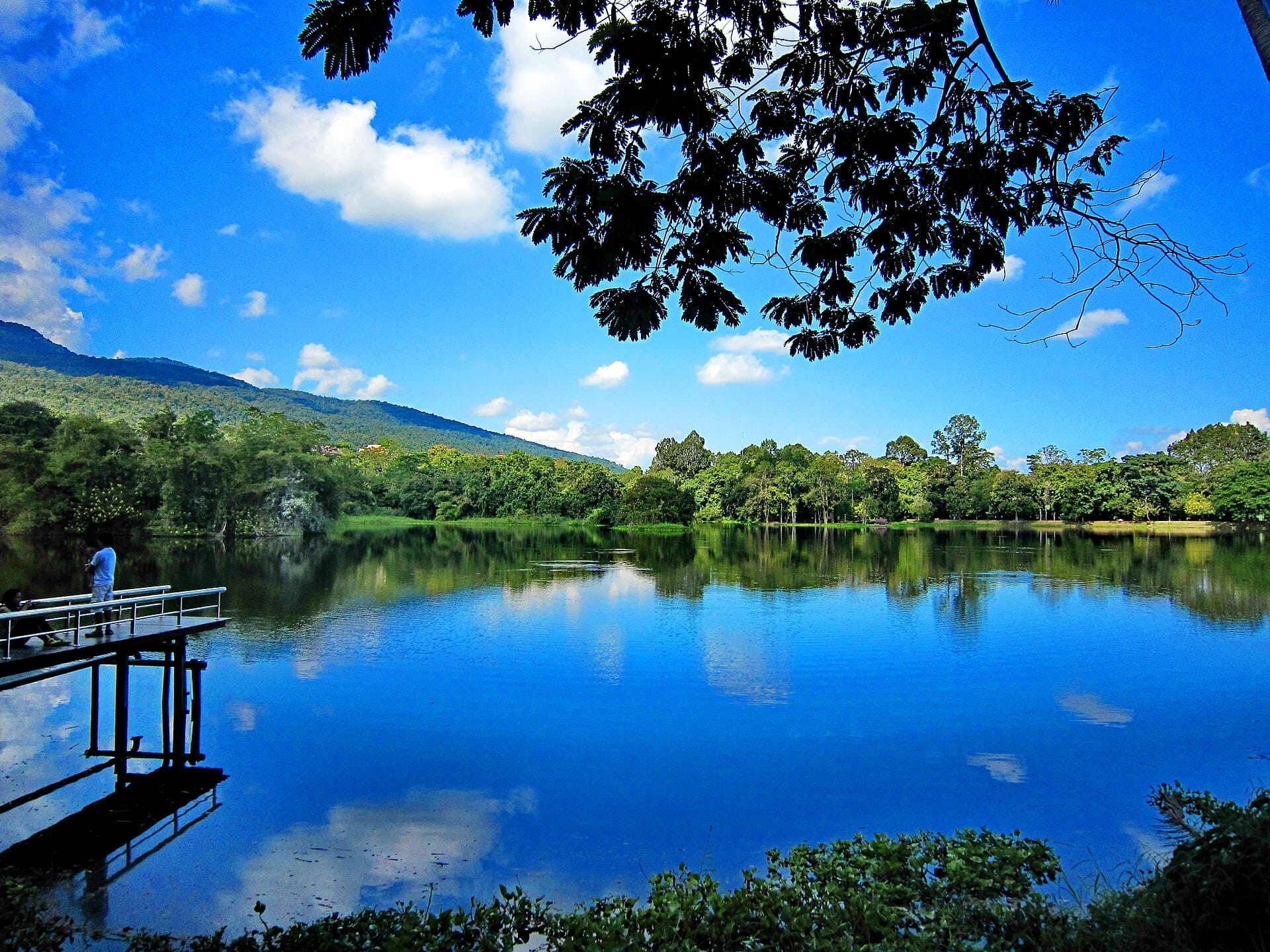
20. Shoot the CMU Lake with Doi Suthep as a Backdrop
The reservoir with Doi Suthep mountain reflected in its surface is one of the most peaceful compositions near the city center. Early morning light and minimal foot traffic make this ideal before 7am. The forested hillside behind the lake stays green year-round.
Explore20. Shoot the CMU Lake with Doi Suthep as a Backdrop
The reservoir with Doi Suthep mountain reflected in its surface is one of the most peaceful compositions near the city center. Early morning light and minimal foot traffic make this ideal before 7am. The forested hillside behind the lake stays green year-round.
Explore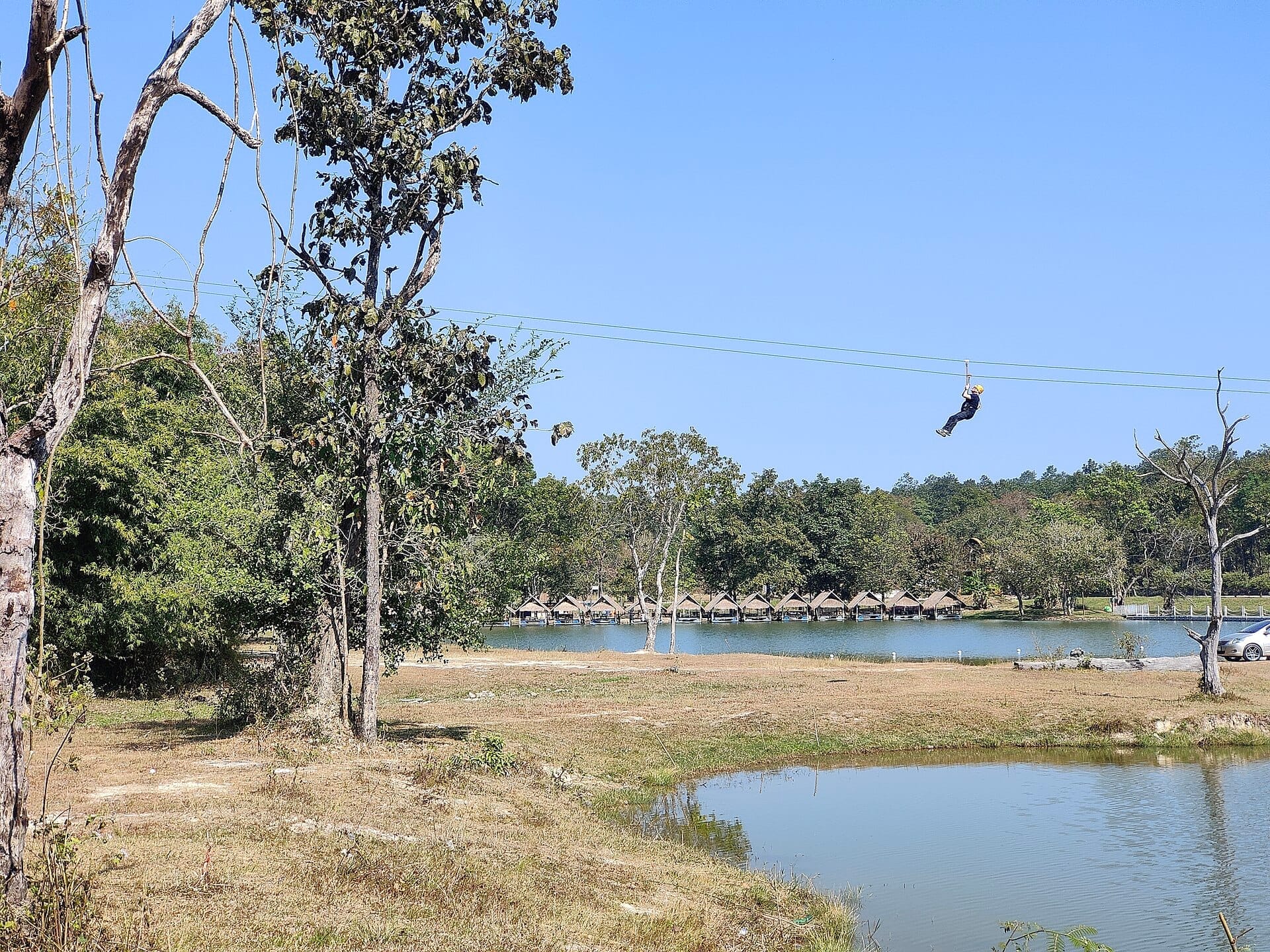
21. Frame Huay Tung Tao Reservoir Against Doi Suthep Ridgeline
The wide, calm reservoir with the Doi Suthep massif behind it is a classic landscape composition. Shoot from the eastern bank at golden hour for the best light on the mountain face. The bamboo huts along the shore add local color and human scale.
Explore21. Frame Huay Tung Tao Reservoir Against Doi Suthep Ridgeline
The wide, calm reservoir with the Doi Suthep massif behind it is a classic landscape composition. Shoot from the eastern bank at golden hour for the best light on the mountain face. The bamboo huts along the shore add local color and human scale.
Explore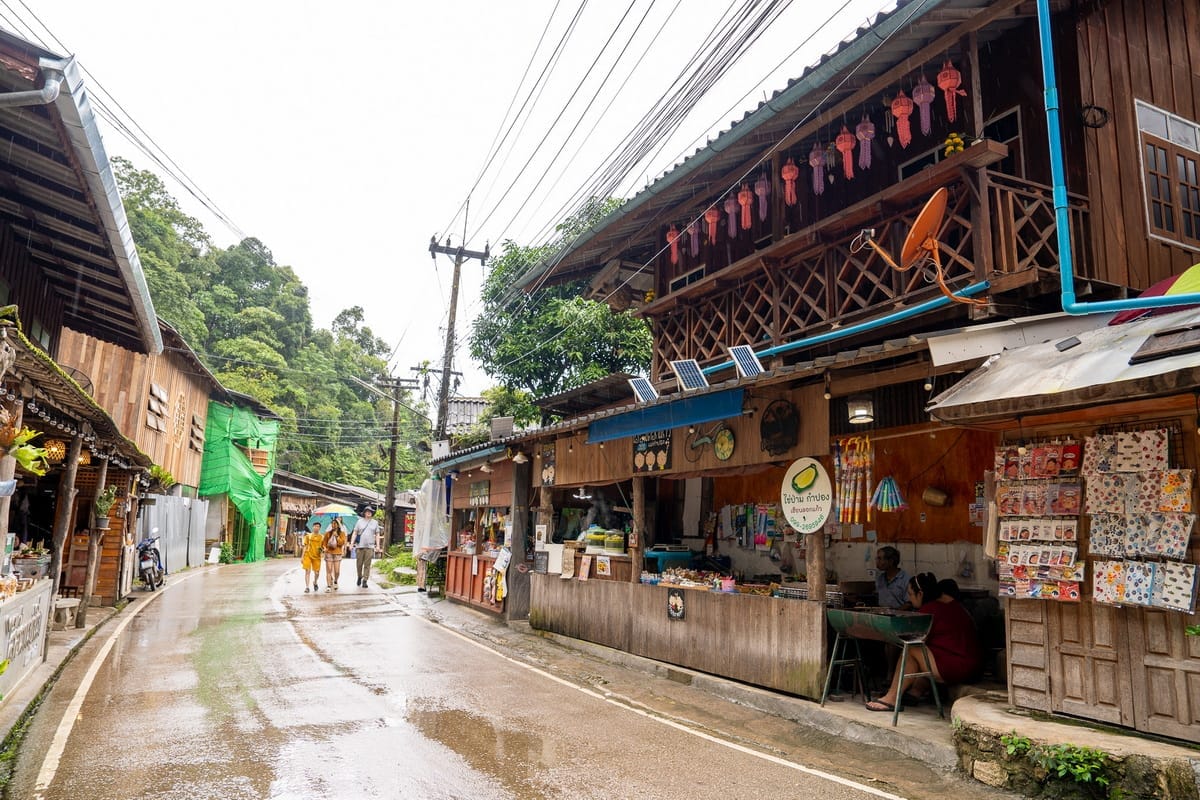
22. Photograph Mae Kampong Village's Stream-Side Wooden Houses
The wooden houses built on stilts over the stream, surrounded by forest, are the defining image of this eco-village. Morning mist lingers until around 9am in the valley. The tea gardens on the upper slopes add a terraced-agriculture element to your portfolio.
Explore22. Photograph Mae Kampong Village's Stream-Side Wooden Houses
The wooden houses built on stilts over the stream, surrounded by forest, are the defining image of this eco-village. Morning mist lingers until around 9am in the valley. The tea gardens on the upper slopes add a terraced-agriculture element to your portfolio.
ExploreMarkets, Creative Districts, and Street Photography
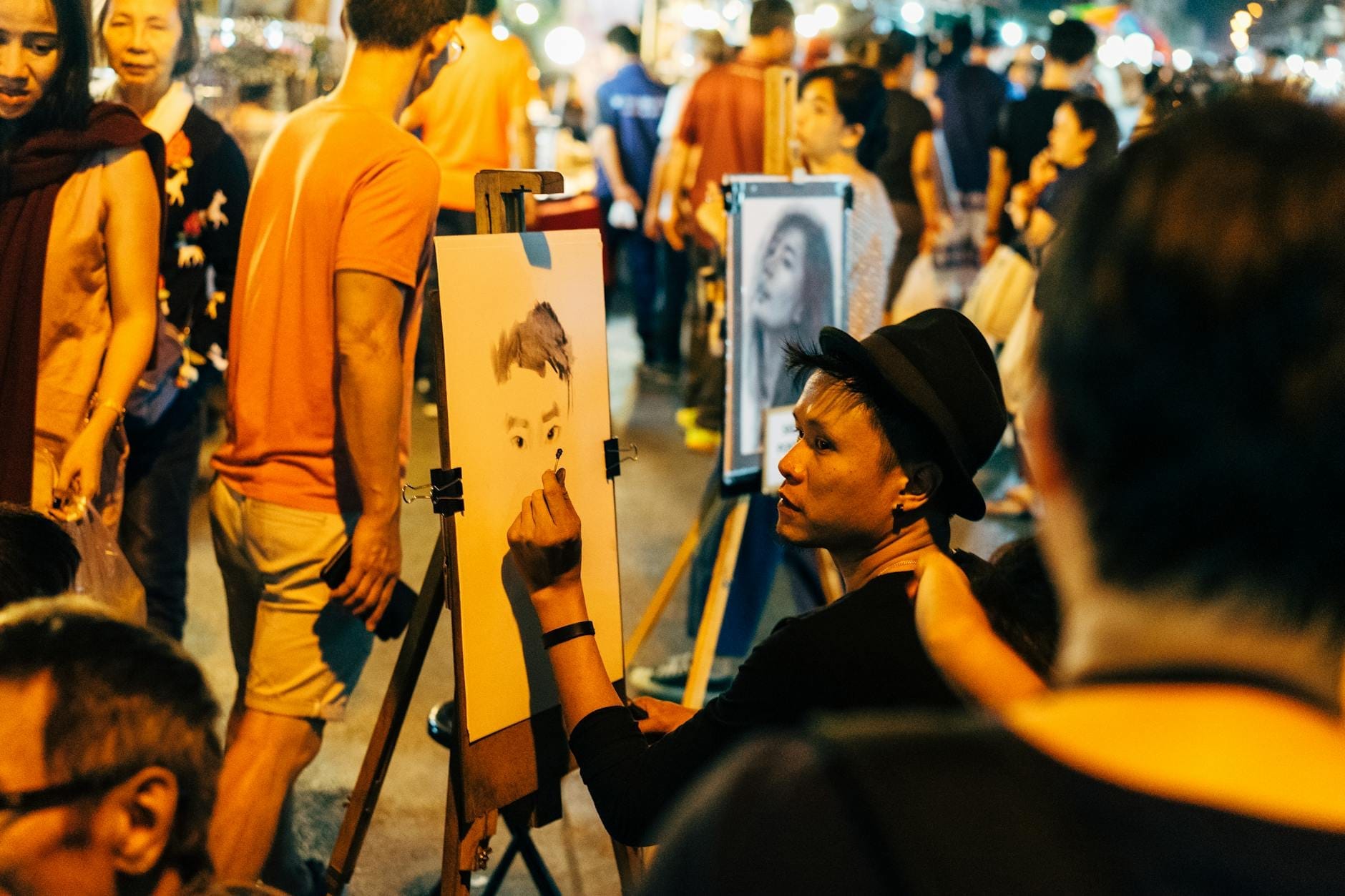
Street and market photography in Chiang Mai rewards patience and good timing. The markets covered below each have a distinct visual character. For a fuller overview of what to expect at each market, our Chiang Mai night markets guide breaks down the atmosphere, timing, and vendor types in detail. The creative district around Nimman also offers strong material for architecture and lifestyle photography.
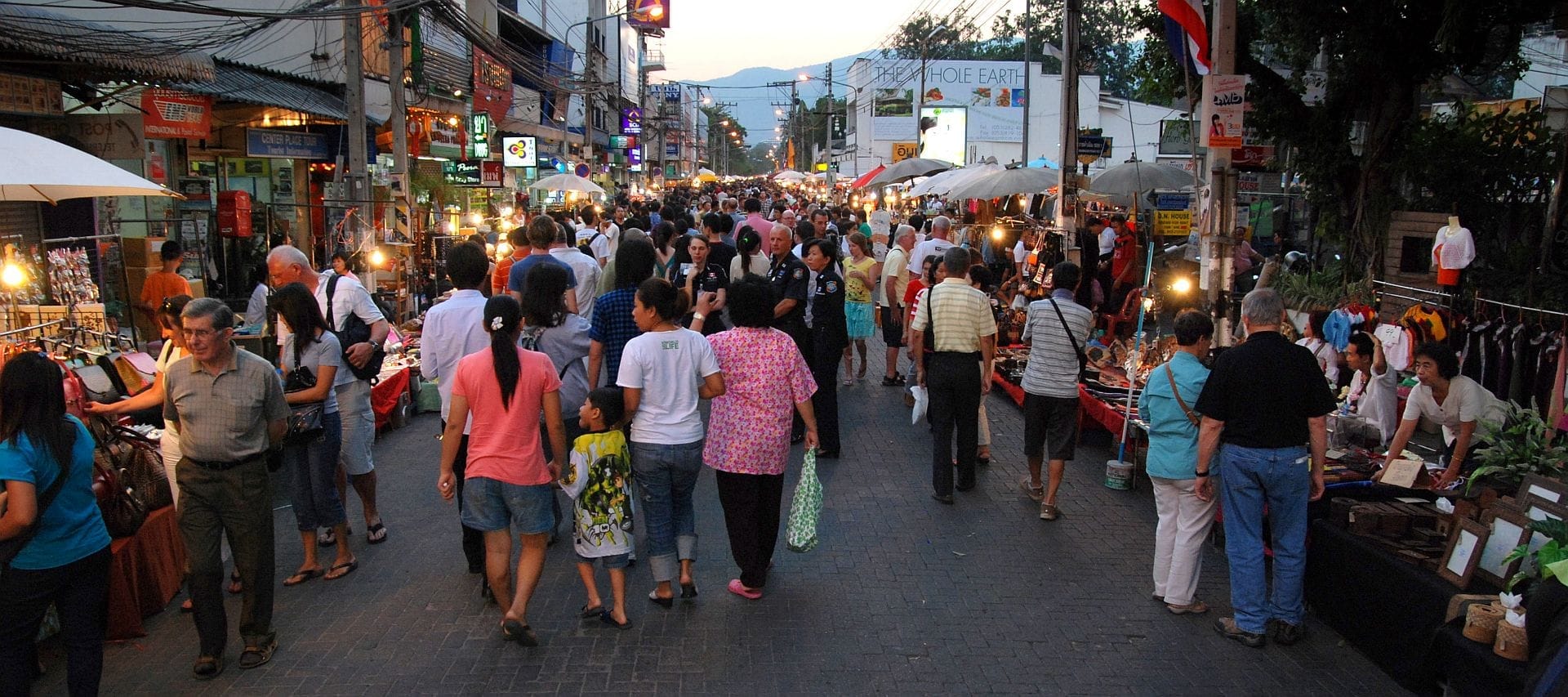
23. Shoot the Old City's Sunday Walking Street After Dark
By 7pm the street is densely packed with vendors, lanterns, and movement. A 35mm lens at f/1.8 handles the low light well. Focus on vendor faces, hands at work, and the crowd-filled street receding into the temple distance for layered compositions.
Explore23. Shoot the Old City's Sunday Walking Street After Dark
By 7pm the street is densely packed with vendors, lanterns, and movement. A 35mm lens at f/1.8 handles the low light well. Focus on vendor faces, hands at work, and the crowd-filled street receding into the temple distance for layered compositions.
Explore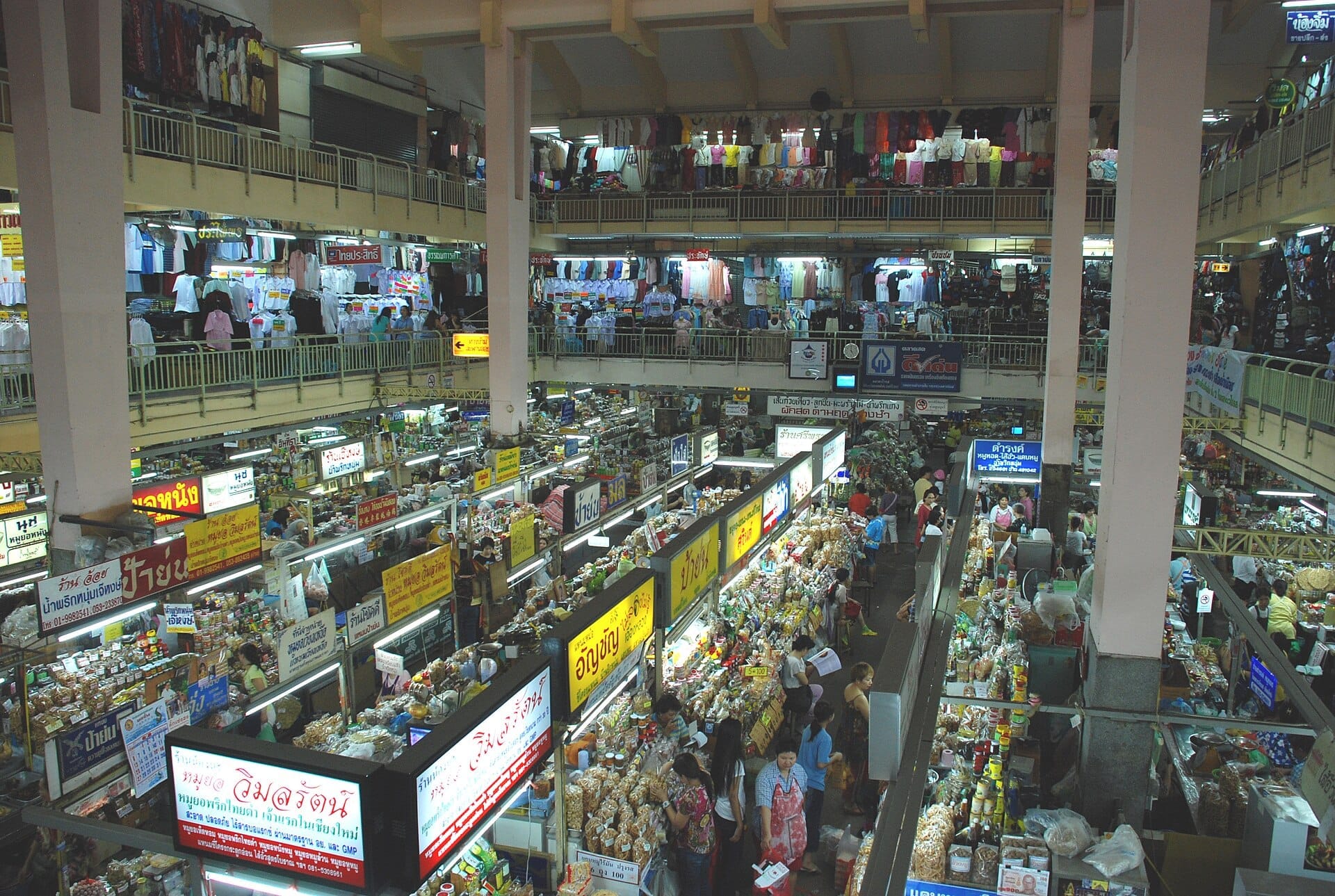
24. Shoot Authentic Market Life at Warorot Kad Luang
The multi-story covered market is at its most photogenic in the early morning when vendors arrange towering piles of dried chilies, flowers, and northern Thai produce. The light shafts through skylights between 7 and 9am. This is the city's best market for documentary-style photography.
Explore24. Shoot Authentic Market Life at Warorot Kad Luang
The multi-story covered market is at its most photogenic in the early morning when vendors arrange towering piles of dried chilies, flowers, and northern Thai produce. The light shafts through skylights between 7 and 9am. This is the city's best market for documentary-style photography.
Explore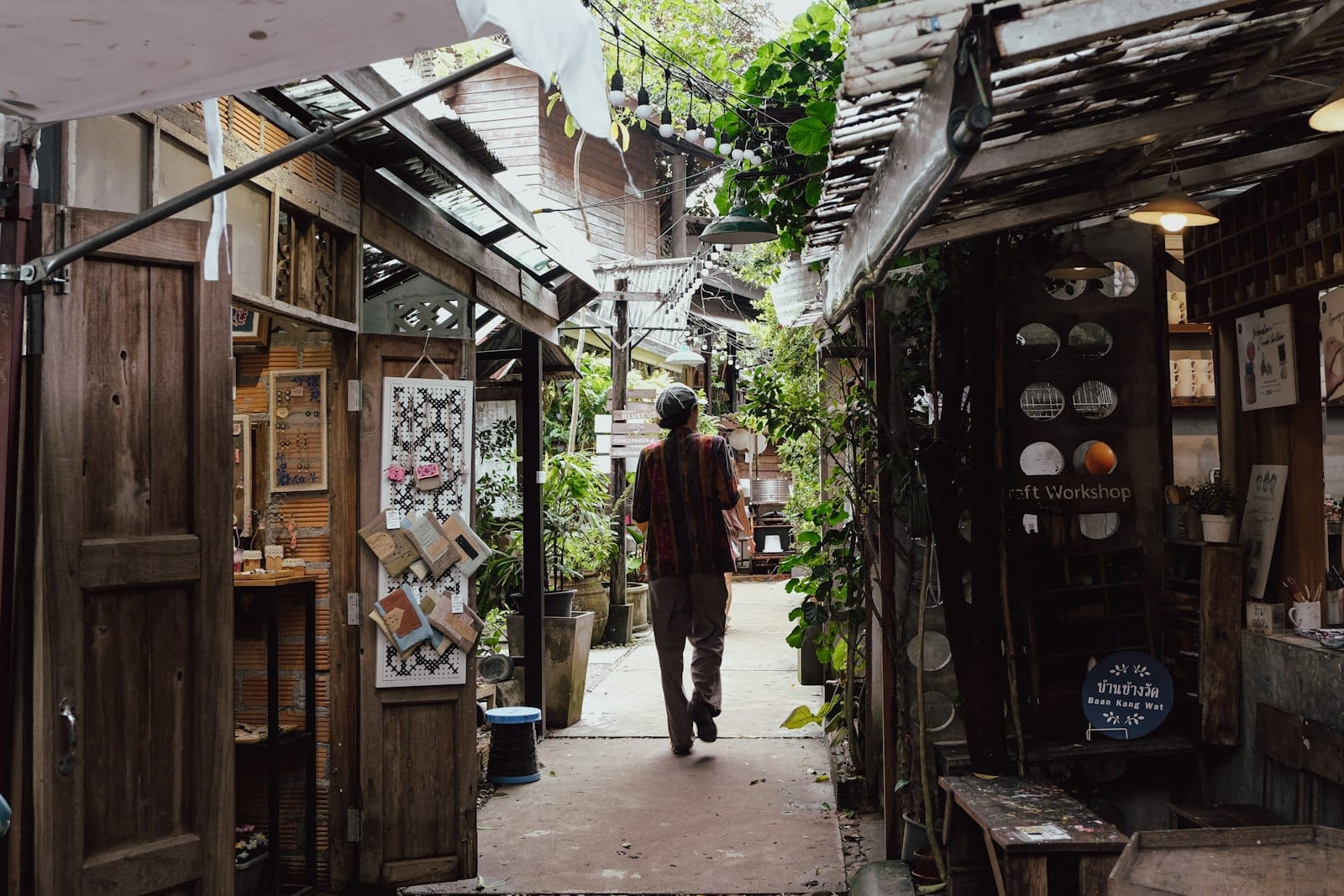
25. Photograph the Artist Village at Baan Kang Wat
The cluster of dark-wood studios and garden paths near Wat Umong photographs like a film set. Morning light through the trees, handmade ceramics on open shelves, and artisans at work all make strong subjects. The weekend market adds portrait opportunities with makers.
Explore25. Photograph the Artist Village at Baan Kang Wat
The cluster of dark-wood studios and garden paths near Wat Umong photographs like a film set. Morning light through the trees, handmade ceramics on open shelves, and artisans at work all make strong subjects. The weekend market adds portrait opportunities with makers.
Explore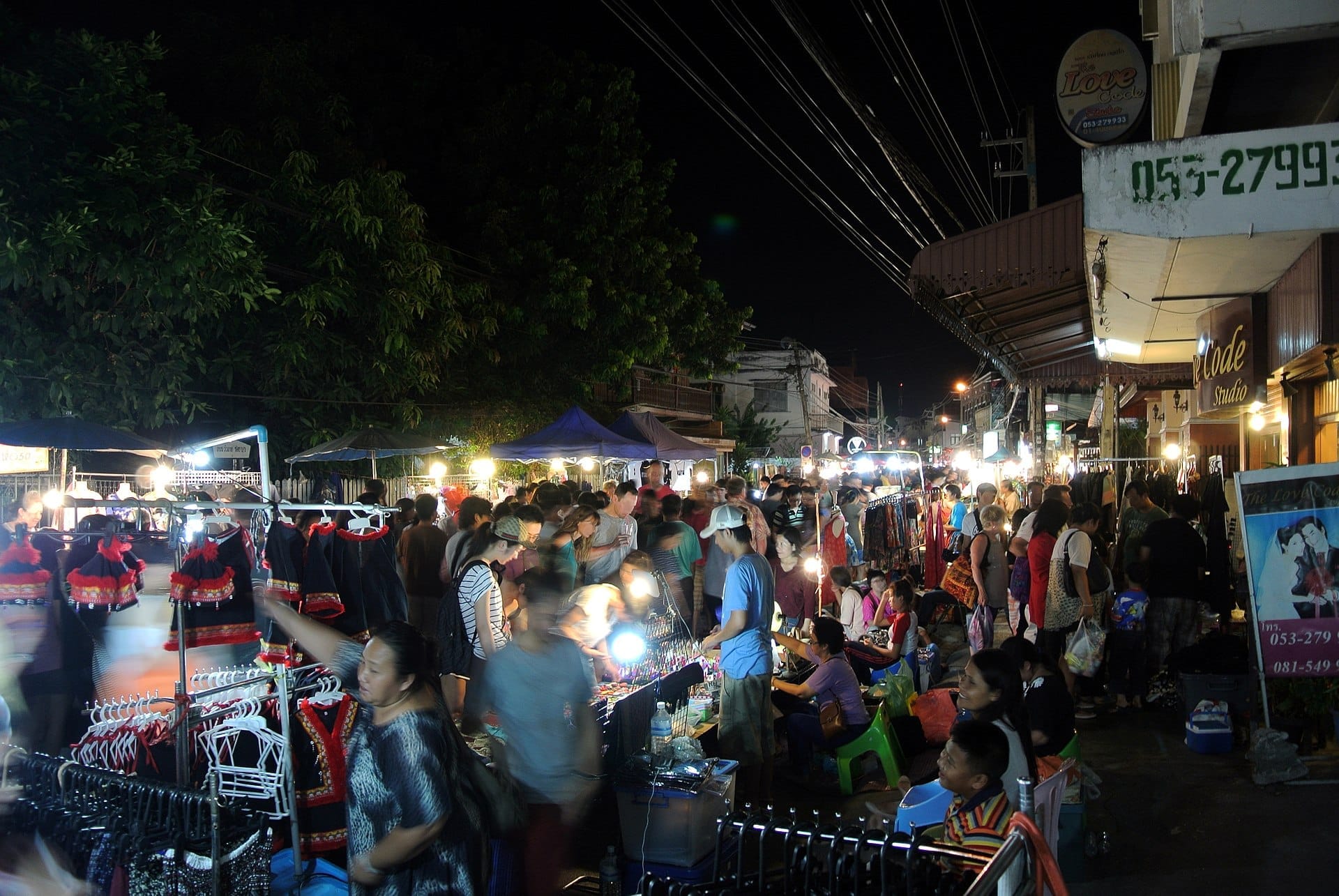
26. Explore the Silversmith District on Saturday Walking Street
Wua Lai Road has a denser, more artisan-focused character than the Sunday market. The silver workshops lining the street are open while the market runs. Shoot the contrast between working craftspeople and the evening crowd for layered street photography.
Explore26. Explore the Silversmith District on Saturday Walking Street
Wua Lai Road has a denser, more artisan-focused character than the Sunday market. The silver workshops lining the street are open while the market runs. Shoot the contrast between working craftspeople and the evening crowd for layered street photography.
ExploreArchitecture, Art, and Designed Spaces
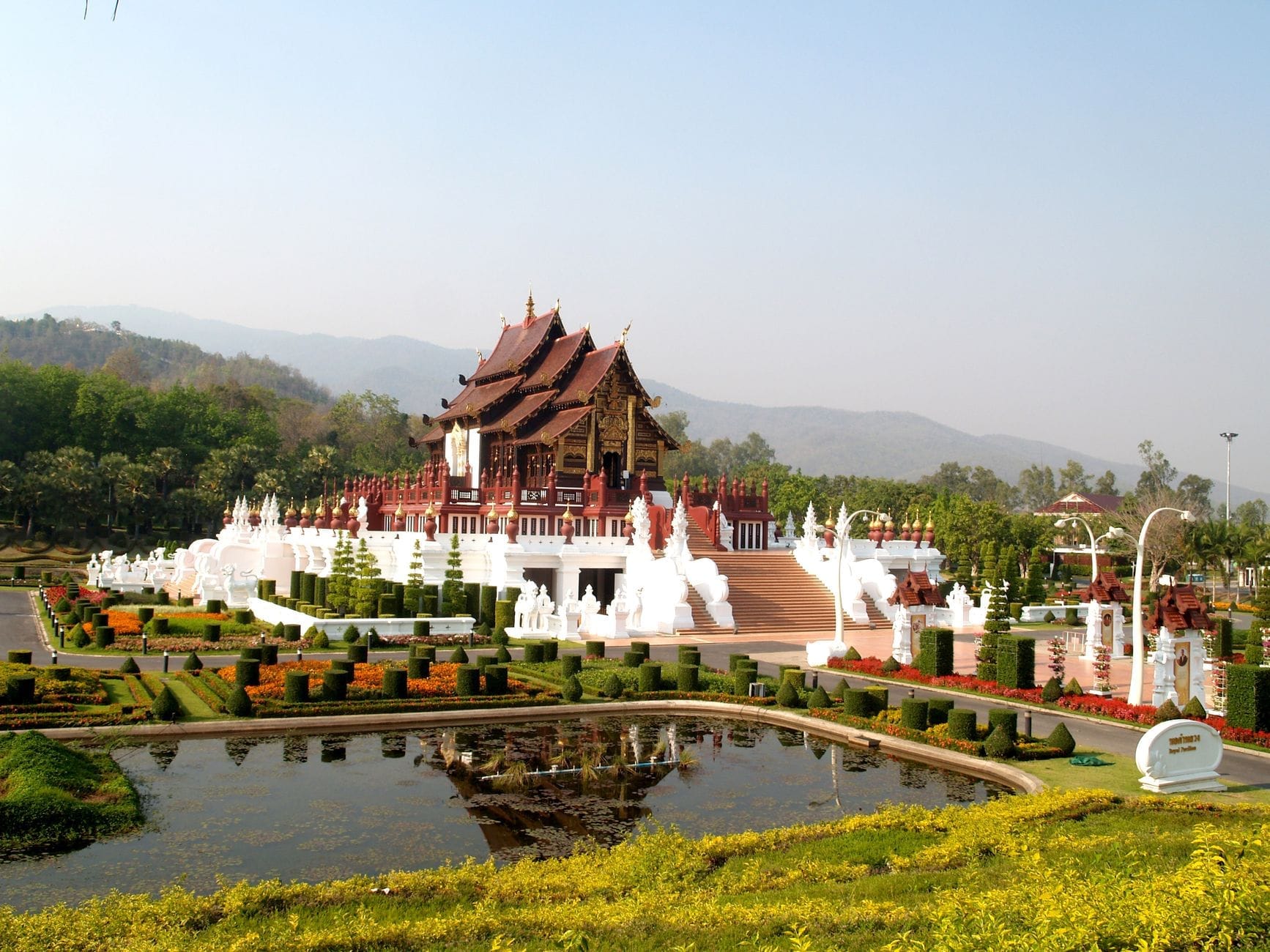
27. Photograph the Royal Rose Gardens at Bhuphing Palace
The formal gardens are planted with roses, dahlias, and tropical flowers maintained to exhibition standard. Shoot in the morning before the tour bus crowds arrive. The manicured hedges and flower beds create leading lines that work well with a telephoto lens from elevated paths.
Explore27. Photograph the Royal Rose Gardens at Bhuphing Palace
The formal gardens are planted with roses, dahlias, and tropical flowers maintained to exhibition standard. Shoot in the morning before the tour bus crowds arrive. The manicured hedges and flower beds create leading lines that work well with a telephoto lens from elevated paths.
Explore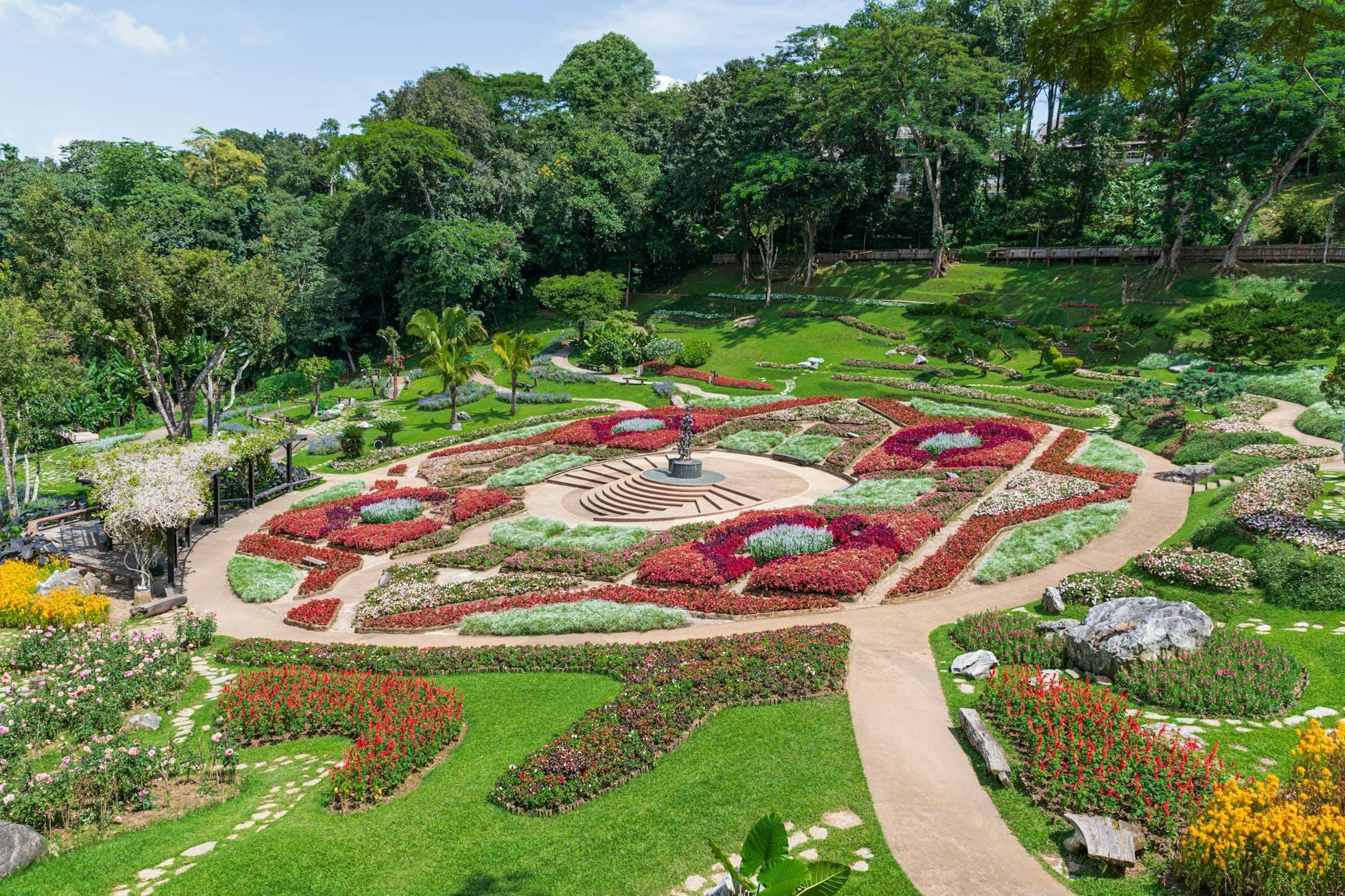
28. Shoot Inside the Glasshouses at Queen Sirikit Botanic Garden
The glasshouse complex contains tropical, arid, and temperate collections in separate climate-controlled structures. The metal and glass architecture creates strong graphic shapes, while condensation on the glass adds texture. The canopy walkway delivers elevated forest photography.
Explore28. Shoot Inside the Glasshouses at Queen Sirikit Botanic Garden
The glasshouse complex contains tropical, arid, and temperate collections in separate climate-controlled structures. The metal and glass architecture creates strong graphic shapes, while condensation on the glass adds texture. The canopy walkway delivers elevated forest photography.
Explore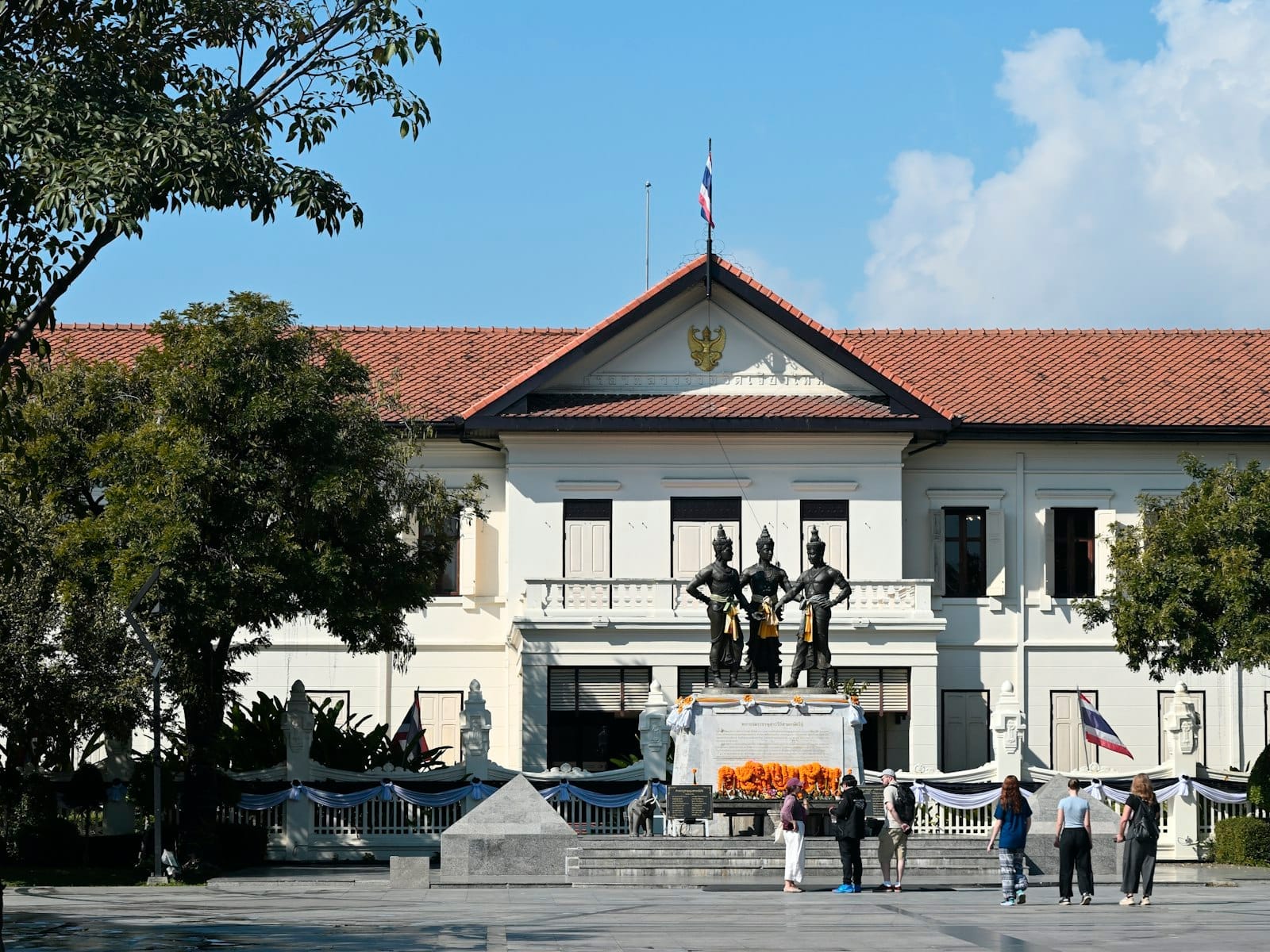
29. Shoot the Colonial Facade of Chiang Mai Arts and Cultural Centre
The restored 1920s building is one of the most architecturally interesting in the city, with wide colonnaded verandas and symmetrical proportions. Shoot from across the Three Kings plaza using the monument as foreground interest. The interior courtyards are also photogenic.
Explore29. Shoot the Colonial Facade of Chiang Mai Arts and Cultural Centre
The restored 1920s building is one of the most architecturally interesting in the city, with wide colonnaded verandas and symmetrical proportions. Shoot from across the Three Kings plaza using the monument as foreground interest. The interior courtyards are also photogenic.
Explore✨ Pro tip
The single best investment for Chiang Mai photography is hiring a songthaew for a full day (around 800-1,200 baht). You can move between Doi Suthep, Wat Pha Lat, and the city without logistics delays, letting you chase light rather than waiting for transport.
FAQ
What is the best time of day to photograph temples in Chiang Mai?
Early morning between 6:30 and 9am gives you the cleanest light, long shadows for depth, and minimal tourist crowds. Many temples open by 6am. Dusk (5:30 to 7pm) is second best, especially for temples like Wat Phan Tao that are lit from inside. Midday harsh sun is the hardest light to work with.
What is the best season for photography in Chiang Mai?
November to February is the prime season: cool temperatures, clear skies, lush greenery from the rains, and excellent light. The Loi Krathong and Yi Peng lantern festivals in November offer extraordinary photography. March to May brings haze and smoke from burning season, which limits landscape shots but creates moody, diffused light for temple and portrait work.
Are there any restrictions on photography at Chiang Mai temples?
Most temples allow photography of the exterior and grounds freely. Photography inside the ordination halls (ubosot) is restricted at some temples, particularly during active ceremonies. Always check for signs or ask a monk. Wat Sri Suphan has specific rules about where women can enter, which also affects photography access.
What camera gear works best for Chiang Mai photography?
A versatile zoom (24-70mm equivalent) covers temples, markets, and street work. A fast prime (35mm or 50mm at f/1.8) handles the low light of evening markets and temple interiors. A tripod or gorilla pod is useful for blue-hour moat shots and waterfall long exposures. For Doi Inthanon landscapes, a wide-angle and a telephoto for compressing the twin pagodas against ridgelines are both worth carrying.
Can I get good sunrise shots from Doi Suthep without staying overnight?
Yes. The drive from the Old City to Wat Phra That Doi Suthep takes about 25-30 minutes. Leave by 5:30am to arrive before sunrise. The temple opens at 6am, but you can photograph the mountain and valley from the parking area earlier. Songthaews to Doi Suthep typically start running around 7am, so for sunrise you will need your own transport or a private taxi booked the evening before.
Tickets & tours
Live prices and dates from our booking partner. If you book, we may earn a commission at no extra cost to you.
Planning a trip? Discover personalized activities with the Nomado app.