The Doi Inthanon National Park area sits roughly 70 kilometres southwest of Chiang Mai city and contains Thailand's highest peak at 2,565 metres. The zone stretches from the market town of Chom Thong at its base to cloud-draped summit trails, encompassing waterfalls, Karen and Hmong villages, and the iconic Royal Twin Pagodas. It is less a neighbourhood in the urban sense and more a distinct highland region that functions as the city's most dramatic natural escape.
Doi Inthanon is the roof of Thailand, a sprawling national park that rises from lowland rice plains to misty montane forest within a single morning's drive from Chiang Mai. The air here is noticeably cooler, the light softer, and the pace of life governed by cloud cover and altitude rather than traffic and tourism schedules.
Orientation
The Doi Inthanon National Park area begins in earnest at the district town of Chom Thong, which sits on Route 108 approximately 70 kilometres south of Chiang Mai city centre. From Chom Thong, Route 1009 branches west and climbs steadily for another 48 kilometres to the summit plateau, giving the park road a total length that makes it one of the longest continuous ascents in Thailand.
Most visitors think of the area as a single destination, but it is better understood as a vertical landscape divided into three broad zones. The lower section, from Chom Thong up to roughly 1,000 metres, contains working Karen villages, rice terraces, and the lower waterfalls. The mid-section between 1,000 and 1,800 metres passes through dense national park forest and provides access to the Royal Twin Pagodas, bird-watching trails, and the park headquarters visitor centre. The upper zone, from 1,800 metres to the summit at 2,565 metres, is cool enough year-round to feel like a different country entirely, with temperatures sometimes dropping below 5°C in December and January.
The national park is formally administered from its headquarters checkpoint on Route 1009, where entry fees are collected. The surrounding district includes several villages that sit just outside or along the edges of the protected zone. Chom Thong itself has fuel stations, a morning market, a hospital, and the significant Wat Phra That Si Chom Thong, which many visitors miss entirely by rushing straight to the park gate.
ℹ️ Good to know
Entry to Doi Inthanon National Park costs 300 THB for international adults and 150 THB for children. Thai nationals pay a lower rate. The fee is collected at the main checkpoint on Route 1009, roughly 8 kilometres from Chom Thong.
Character & Atmosphere
Dawn in the Doi Inthanon area arrives with a particular quality of light. At lower elevations near Chom Thong, the morning market fills with hill-tribe women carrying produce, and the smell of rice porridge and charcoal smoke drifts across the main road. By 7am the road up the mountain is already carrying a stream of motorbikes, pickup trucks converted for tour groups, and rental cars with fogged windows.
As elevation increases, the forest closes in. The road narrows and the canopy overhead shifts from open secondary growth to proper montane forest, where oak, chestnut, and wild rhododendron replace the teak and bamboo of the lower slopes. By mid-morning, especially between November and February, clouds begin to pour over the ridgelines and the air smells of damp moss and cold stone. The Royal Twin Pagoda complex receives its peak crowds from roughly 9am to 11am and again between 1pm and 3pm; arriving at either end of those windows makes a measurable difference.
The summit area itself is spare and almost meditative on weekdays. There is a small shrine, a weather station, and the base of a forest trail that passes through moss-draped trees that look nothing like anything else in northern Thailand. On weekends and Thai public holidays the summit carpark fills quickly, and the atmosphere shifts toward something closer to a popular viewpoint than a mountain wilderness. Weekday mornings in the cool season, particularly from late November through January, offer the best combination of clear visibility and manageable crowds.
The villages along the park road operate on a quiet agricultural rhythm that continues regardless of tourist traffic. Hmong villages sell strawberries, chrysanthemums, and cabbage at roadside stalls. Karen weavers work in open storefronts near the base of the mountain. The contrast between these daily patterns and the steady convoy of tour vans is worth paying attention to.
What to See & Do
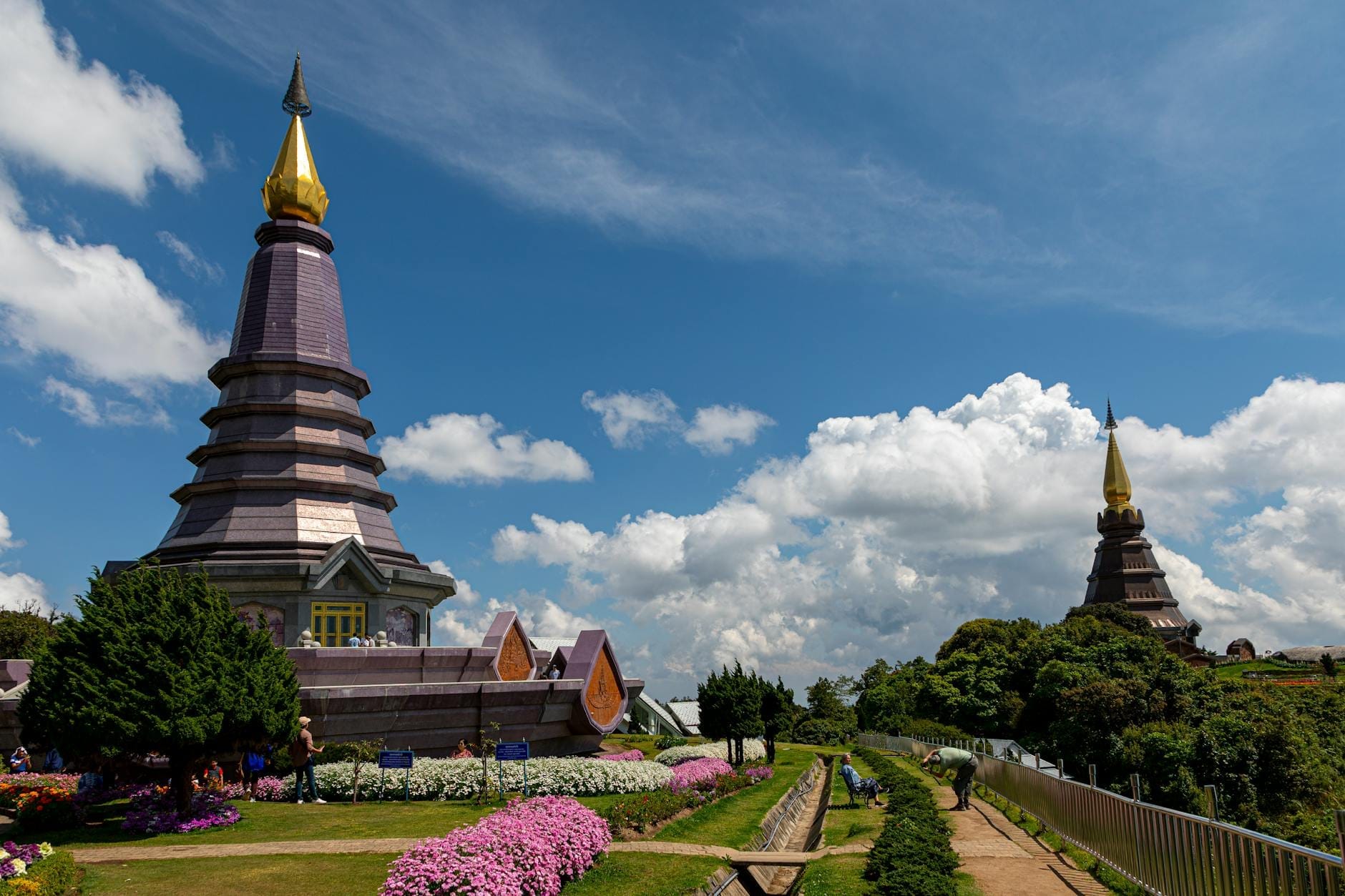
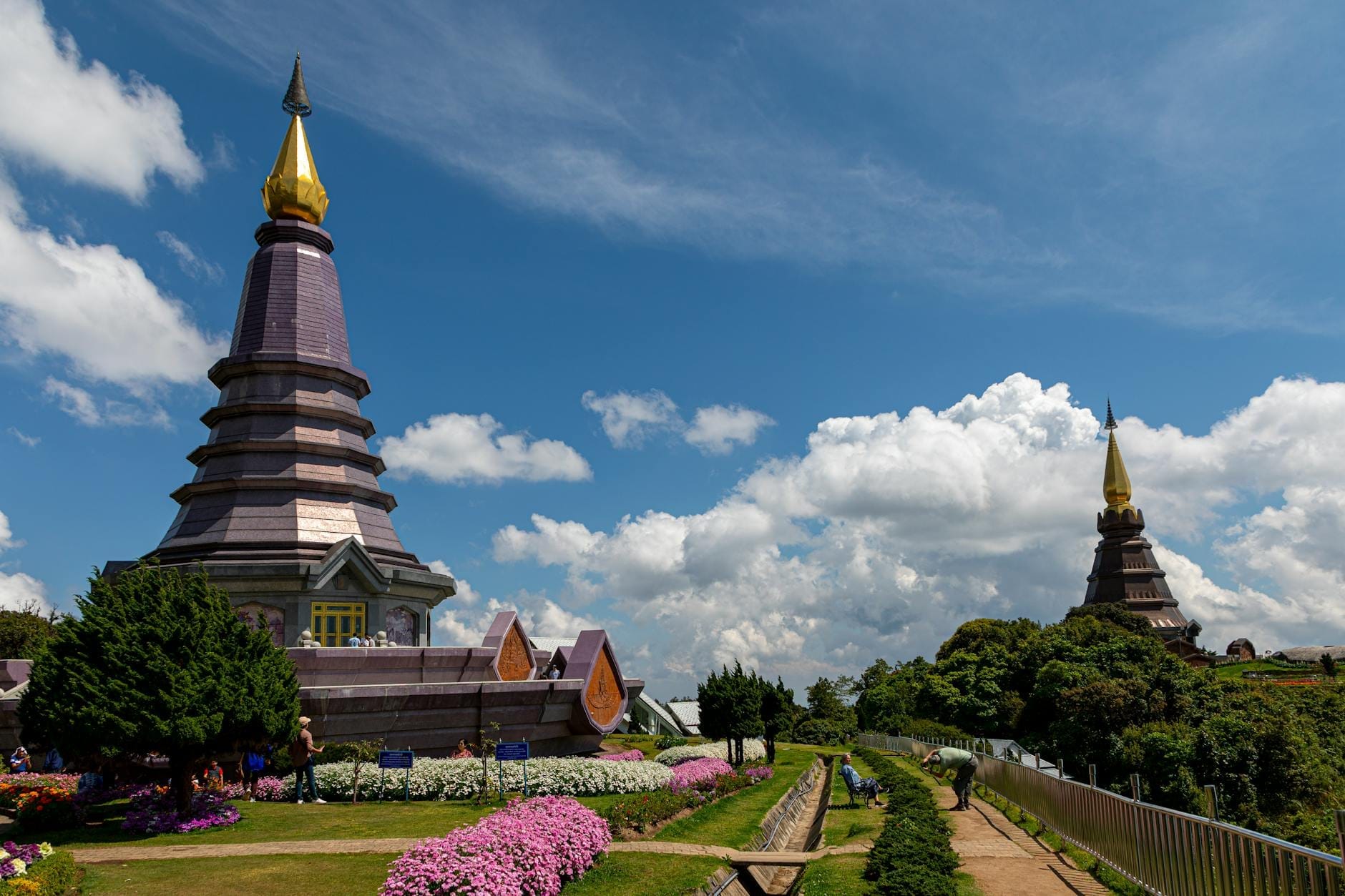
The Royal Twin Pagodas, known as Naphamethanidon and Naphaphonphumisiri, are the most photogenic structures in the park. Built in the 1980s to honour King Bhumibol and Queen Sirikit, they sit on a ridge at around 2,200 metres surrounded by sculpted gardens filled with plants that thrive in cool highland conditions: ferns, bromeliads, and flowers that read as almost alpine. The pagodas are visually striking against the green canopy, particularly in low mist.
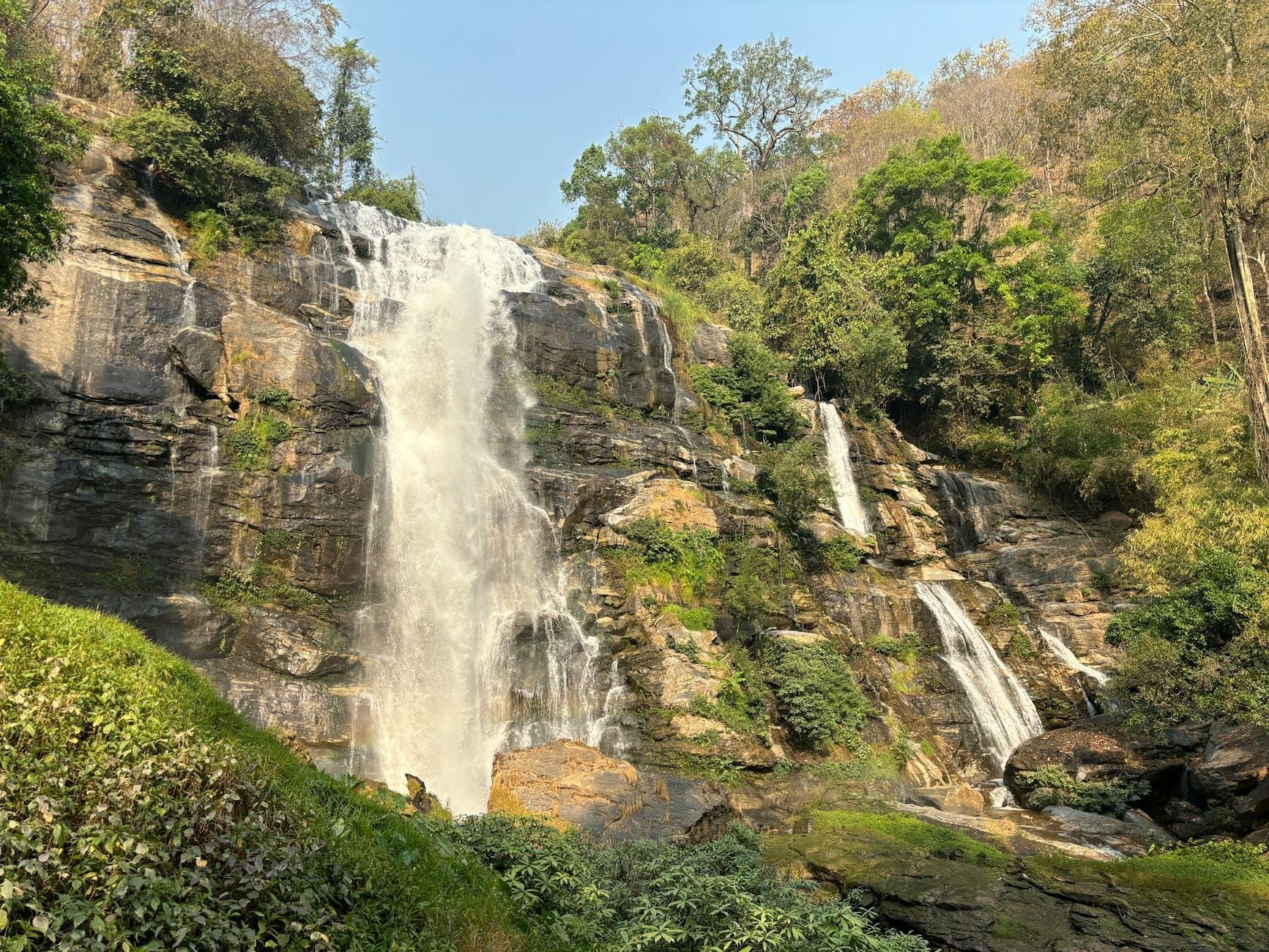
The park contains several major waterfalls, and the two most visited are Wachirathan and Mae Klang. Wachirathan Waterfall drops roughly 80 metres in a single vertical curtain and is most powerful during and just after the rainy season from July through October. Mae Klang, closer to the park entrance, is broader and more accessible, with picnic areas and easy walking paths that make it suitable for families. Both are worth the short walks from the main road.
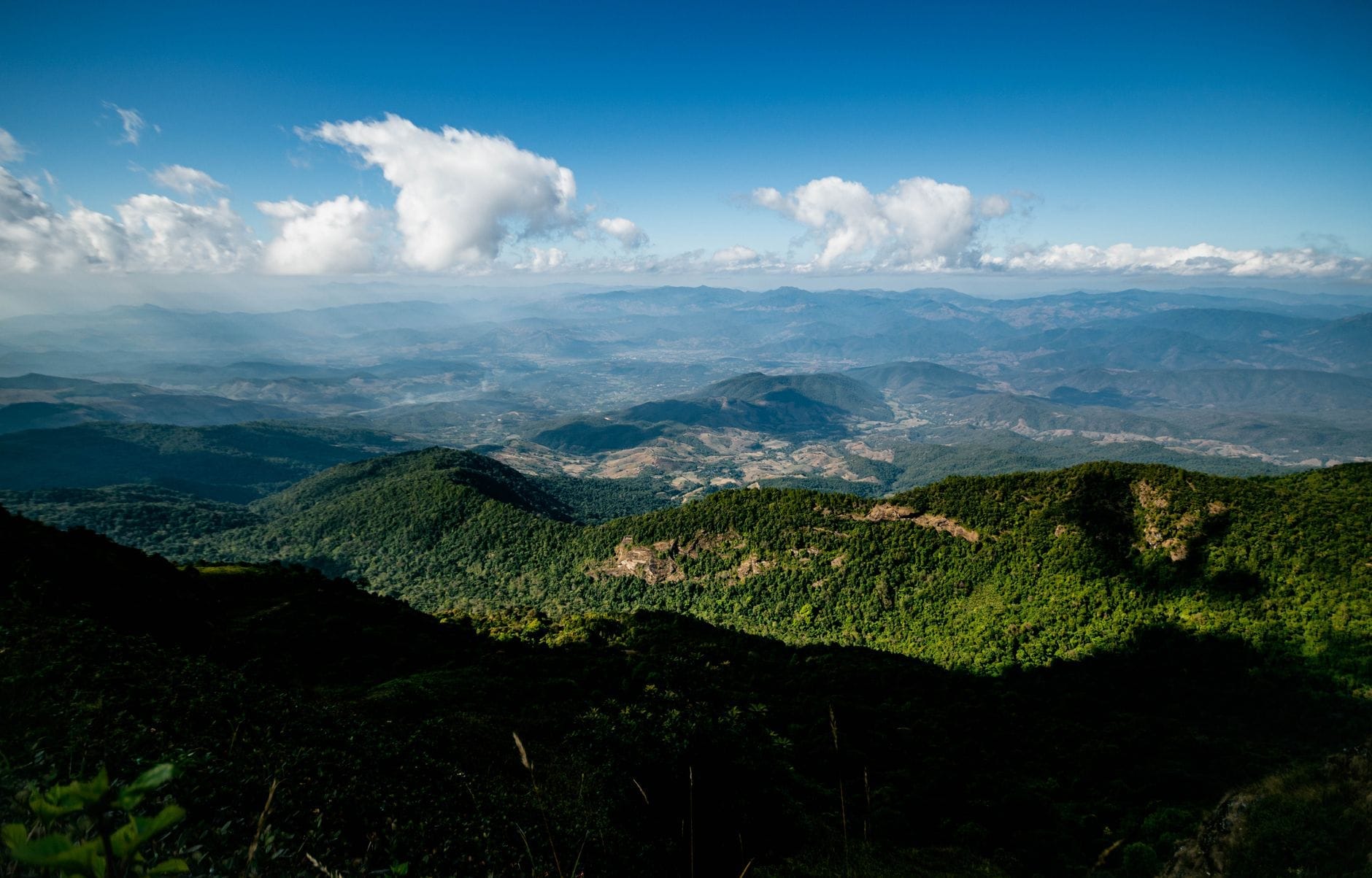
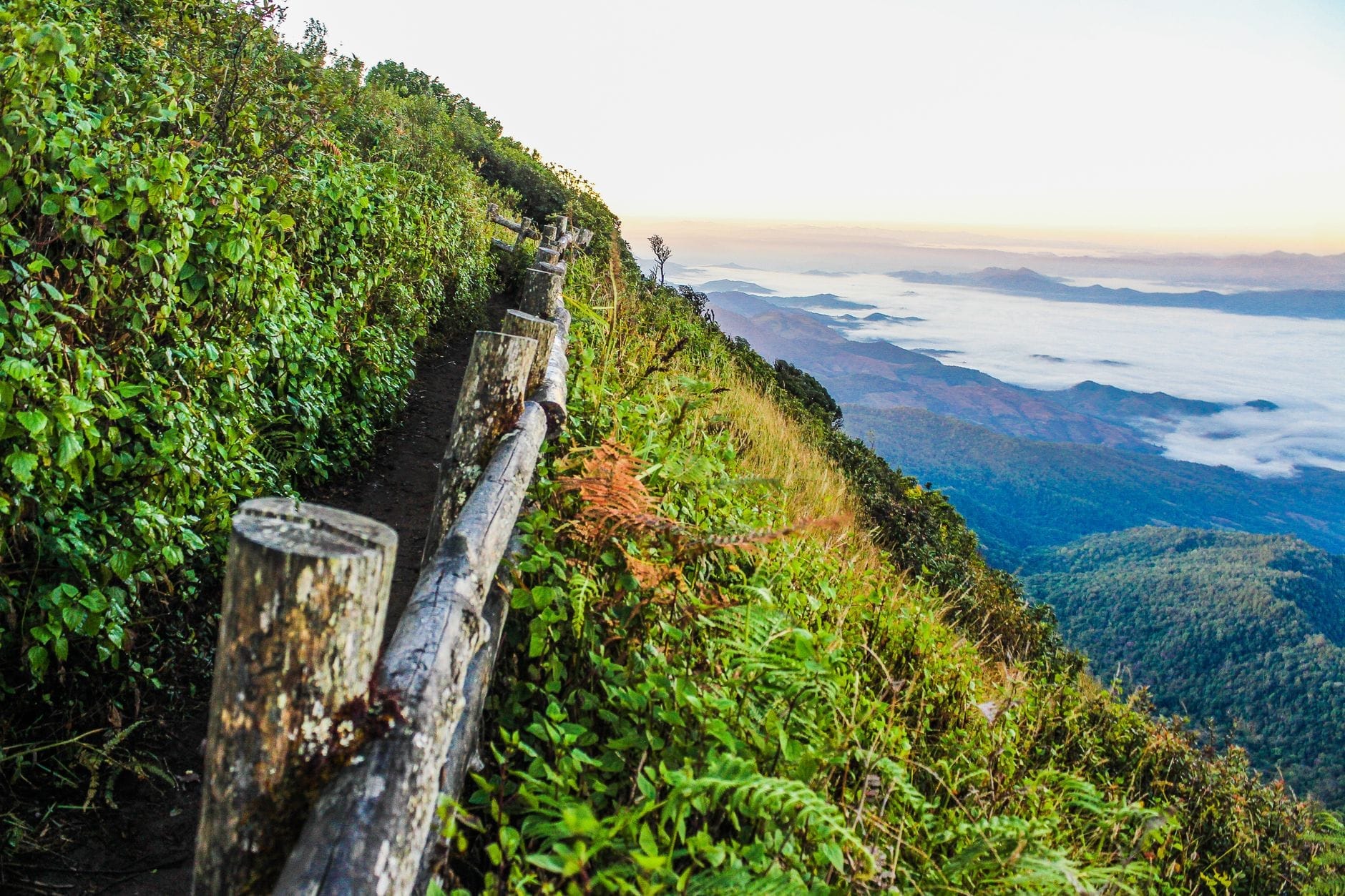
The Kew Mae Pan Nature Trail is a 3-kilometre loop near the summit that is widely considered the best walking experience in the park. Open only during the dry season from November through May, it traverses an exposed ridgeline with panoramic views over the surrounding highlands when the cloud clears. The trail is straightforward but requires a park ranger guide, who can be hired at the trailhead. Morning starts increase the chance of clear views before cloud builds.
Summit viewpoint and weather station: the highest accessible point in Thailand, with a short forest walk
Royal Twin Pagodas gardens: detailed Buddhist iconography combined with highland horticulture
Wachirathan Waterfall: most dramatic in the wet season, accessible year-round
Kew Mae Pan Nature Trail: highland ridge walk, dry season only, guide required
Mae Klang Waterfall: easy access, good for families and short visits
Doi Pui Hmong village: just outside the national park boundary, accessible independently
Ang Kaew Reservoir area at Chiang Mai University for a warm-up before the mountain drive
Bird-watching in the park is serious business. The upper forests of Doi Inthanon harbour species that exist nowhere else at lower elevations in Thailand, including the green-tailed sunbird and several flycatcher species. The area around the Royal Twin Pagodas and along the Kew Mae Pan trail is most productive. For a broader picture of the region's natural landscapes, the Queen Sirikit Botanic Garden near Mae Rim provides complementary context for the highland plant communities you will see inside the park.
Eating & Drinking
The Doi Inthanon area is not a food destination in the way that Nimman or the Old City are. Options inside the park itself are limited to a cafeteria near the park headquarters and a handful of stalls near the major waterfalls and the Royal Twin Pagodas. The cafeteria is functional rather than memorable, with rice dishes, noodle soups, and packaged snacks. Prices are higher than in town, as they should be given the logistics of supply at altitude.
Chom Thong is where you actually eat well. The town's morning market is active from around 5am to 9am and sells sticky rice, grilled meats, fresh fruit, and local snacks at prices that reflect a working agricultural town rather than a tourist circuit. If you leave Chiang Mai early enough, stopping for breakfast in Chom Thong before the park entrance adds both flavour and authenticity to the day. Several small restaurants around the town centre serve khao man gai, kao tom, and northern Thai curries through the lunch hour.
At higher elevations, Hmong roadside stalls are the best option. These sell roasted corn, grilled sausages, strawberry jam, fresh strawberries in season (December through February), and hot drinks including thai coffee and instant cocoa. They are informal, priced very cheaply, and the strawberries in particular are excellent during peak season. Buying from these stalls is also one of the more direct economic exchanges available to visitors in the area.
💡 Local tip
Pack your own food for a full day in the park. A thermos of hot coffee, sandwiches, or takeaway from Chom Thong market will be better quality and significantly cheaper than anything available at park cafeterias. There are picnic tables at several waterfall areas.
Getting There & Around
The most common approach is by private vehicle or hired transport from Chiang Mai. Driving yourself gives maximum flexibility: from the Chiang Mai Ring Road, take Route 108 south through Hang Dong and Chom Thong, then turn right onto Route 1009 at the Chom Thong junction. The total drive from the centre of Chiang Mai to the park gate takes approximately 1.5 hours in normal traffic. From the park gate to the summit is another 48 kilometres of mountain road requiring roughly 1 to 1.5 additional hours depending on stops.
For those without their own transport, the most practical option is a full-day tour or a shared songthaew from Chom Thong. Minivans and private cars can be chartered from guesthouses throughout Chiang Mai. For independent travellers on a budget, a songthaew runs from Chom Thong town up the mountain road, but schedules are irregular and you will likely need to negotiate. Renting a motorbike in Chiang Mai for the full day works well for confident riders who are comfortable with mountain gradients. See the guide to getting around Chiang Mai for motorbike rental logistics and road condition advice.
Once inside the park, the main Route 1009 is the primary artery. All major attractions are either directly on this road or reached via short signed turn-offs. There is no internal shuttle system or public transport within the park itself, which means those without a vehicle are dependent on the tour group transport that brought them or must hitch short distances between stops. For this reason, having your own wheels for the day is strongly recommended.
⚠️ What to skip
The road to the summit is steep in sections and has sharp hairpin bends. Overtaking trucks on blind corners is common. Allow extra time, drive cautiously after dark, and be aware that morning fog between November and February can reduce visibility significantly on the upper stretches of Route 1009.
Organised day trips from Chiang Mai are widely available and handle all transport logistics. If you prefer to combine Doi Inthanon with nearby attractions, the Doi Inthanon day trip guide covers itinerary options, timing, and what to combine for a full day out of the city.
Where to Stay
Most visitors treat Doi Inthanon as a day trip from Chiang Mai, and the logistics strongly support that approach. The drive is long enough to warrant an early start, but returning the same evening is entirely feasible. That said, staying overnight in the area transforms the experience considerably: you get access to the mountain before the tour convoys arrive in the morning, and the late afternoon light on the upper forest is unlike anything you will see mid-day.
The national park itself operates a campsite and a small number of bungalows near the headquarters, bookable through the national park reservation system. Standards are basic but the setting is genuine highland forest. The campsite requires your own gear or rented blankets, and nights in the cool season require proper layers. Private resorts and guesthouses exist in small numbers around Chom Thong and on the lower slopes, typically marketing themselves to Thai tourists seeking cooler air during hot season.
For those who want the experience of highland accommodation without committing to the mountain itself, resorts in the Mae Rim and Mae Sa valley area offer highland settings within 30 to 45 minutes of Chiang Mai city. For a full breakdown of accommodation choices across different zones around Chiang Mai, the where to stay in Chiang Mai guide provides neighbourhood-by-neighbourhood comparisons.
Practical Notes & Timing
The best time to visit Doi Inthanon is from November through February, when the cool season brings clear skies, manageable temperatures, strawberry season, and the best visibility from the summit and the Kew Mae Pan ridge. The rainy season from June through October brings the most powerful waterfall flows and the deepest green in the forest, but the summit is frequently obscured and the trails can be slippery. March through May is hot at lower elevations and can be hazy due to agricultural burning across the region. The burning season guide explains how regional smoke affects visibility and air quality across northern Thailand, including at altitude.
Bring layers regardless of when you visit. Even in April, the summit area can be 15 to 20 degrees cooler than Chiang Mai city, and cloud and wind can drop temperatures quickly. Comfortable walking shoes with some grip are essential if you plan to do the Kew Mae Pan trail or explore around the waterfalls.
Photography in the park rewards patience and early starts. Mist in the valley below the summit, the reflections in the pagoda ponds, and the waterfall spray in morning light are all worth planning around. The Chiang Mai photography guide includes tips on highland shooting conditions specific to the cool season.
ℹ️ Good to know
The Royal Twin Pagodas are occasionally closed for royal ceremonies or maintenance. Check current park status before making the drive up. The summit area and some trails may also be restricted during periods of extreme fire risk in the dry season.
TL;DR
Doi Inthanon National Park is Thailand's highest point and the most dramatic natural day trip from Chiang Mai, combining waterfalls, highland forest, royal pagodas, and summit views in a single long day.
Best visited in the cool season from November through February for clear skies, low crowds on weekdays, and the highland strawberry harvest at Hmong roadside stalls.
Requires your own transport or a booked tour: there is no reliable public transit beyond Chom Thong, and the park road stretches 48 kilometres from gate to summit.
Not ideal for budget travellers relying on public transport, visitors with very limited time, or those sensitive to altitude-related cold and winding mountain roads.
The Kew Mae Pan nature trail and the Royal Twin Pagodas are the standout experiences; combine them with an early morning market breakfast in Chom Thong for the most rounded visit.
Top Attractions in Doi Inthanon National Park Area
Chiang Mai's seasons are dramatically different from each other, and picking the wrong month can mean smoky skies, flash floods, or paying double for accommodation. This guide breaks down every month honestly so you can match your trip to your priorities.
Everything you need to know about arriving at Chiang Mai International Airport: how the terminal works, which transport options are worth it, what to avoid, and how to reach any part of the city without overpaying.
Chiang Mai is northern Thailand's cultural capital, and its museums, galleries, and creative spaces go far deeper than temple-hopping. This guide covers the best places to engage with Lanna heritage, contemporary Thai art, traditional crafts, and living creative communities across the city.
Every year between February and April, Chiang Mai experiences its burning season — a period of agricultural fires and forest burning that pushes air quality to some of the worst levels of any city on earth. This guide explains what causes it, how bad it actually gets, and how to make smart decisions about when and how to visit.
Chiang Mai has quietly become one of Southeast Asia's most serious coffee cities, with a culture built on locally grown northern Thai beans, skilled baristas, and atmospheric settings. This guide covers the best neighborhoods, markets, and spots to anchor your coffee crawl across the city.
Chiang Mai's Flower Festival is one of northern Thailand's most photogenic annual events, drawing thousands of visitors to watch elaborate floral floats parade through the Old City. This guide covers exact timing, the best viewing spots, what else is on during the weekend, and how to make the most of your visit.
Chiang Mai rewards couples with an unusual mix of intimacy and adventure: ancient temple grounds at dusk, private cooking classes, ethical elephant encounters, and rooftop dinners above a moat-ringed Old City. This guide covers the most genuinely romantic experiences, honest about what lives up to the hype and what to skip.
Chiang Mai has been a digital nomad hub for over a decade, and for good reason. This guide covers everything you need to know: where to work, where to live, what it costs, how to handle visas, and what the city gets right — and wrong — for remote workers.
Chiang Mai rewards those who look beyond the well-worn circuit. From jungle temples and sticky waterfalls to artist villages and lakeside retreats, these are the places locals love and guidebooks overlook.
Three days is enough to cover Chiang Mai's essential temples, markets, and surroundings without rushing — if you plan smart. This itinerary balances the Old City's cultural core with the hills above the city and the region's famous ethical elephant experiences, built around how the city actually flows.
Chiang Mai's luxury scene is quietly exceptional, offering boutique jungle retreats, Lanna-inspired wellness resorts, and private cultural experiences that rival anything in Southeast Asia. This guide covers where to stay, where to be pampered, and how to spend big in the north's most sophisticated city.
Managing money in Chiang Mai is straightforward once you know the rules. This guide covers ATM fees, the best places to exchange currency, where cards are accepted, and practical tips to keep more baht in your pocket.
Chiang Mai comes alive after dark, and its night markets are where the city's soul truly shows. From sprawling walking streets inside the ancient Old City to intimate local food stalls outside the north gate, this guide covers every market worth your evening.
Chiang Mai is one of Southeast Asia's best-value cities, but knowing where to spend and where to save makes a real difference. This guide breaks down accommodation, food, transport, and activities with honest price ranges so you can build a realistic daily budget.
Chiang Mai is northern Thailand's cultural capital, a city where ancient temples sit beside specialty coffee roasters and jungle trekking routes begin just minutes from the city center. This guide covers everything: neighborhoods, food, temples, day trips, costs, and when to visit.
Chiang Mai punches well above its weight as a green city. Forested mountains ring the urban core, a university lake doubles as a public park, and within an hour's drive you reach botanical gardens, national park waterfalls, and misty highland viewpoints. This guide covers the best outdoor spaces in and around the city.
Chiang Mai rewards photographers at every turn, from ancient Lanna temples glowing at dusk to cloud-draped highland peaks and atmospheric night markets. This guide covers the 22 best photography spots in the city and surroundings, with practical advice on timing, light, and what to look for.
Chiang Mai is one of Southeast Asia's safest cities for tourists, but that doesn't mean risk-free. This guide covers real threats, common scams targeting visitors, transport dangers, and practical safety advice so you can travel with confidence.
Chiang Mai is northern Thailand's craft capital, where centuries of Lanna artisan tradition meet a thriving contemporary creative scene. From sprawling night markets and village workshops to boutique lifestyle malls and organic farmers' markets, this guide covers the best places to shop for everything from silverwork and teak carvings to handmade ceramics and street food.
Chiang Mai transforms every April into the epicenter of Thailand's New Year water festival. This guide covers the best locations, what to expect each day, practical logistics, and honest advice on making the most of the chaos without ruining your camera or your patience.
Chiang Mai is one of Southeast Asia's great wellness destinations, combining centuries-old Thai massage traditions with modern spa culture and natural hot springs. This guide covers the best places to unwind, from post-hike soaks to full-day retreat experiences.
Chiang Mai has more temples per square kilometer than almost anywhere in Southeast Asia, with over 300 wats ranging from grand royal foundations to intimate forest retreats. This guide covers the essential and the unexpected, from the gilded chedi of Doi Suthep to a silver-clad masterpiece in the silversmith district.
Chiang Rai sits about 200 km north of Chiang Mai and offers a completely different atmosphere: smaller, quieter, and packed with remarkable temples and border-region culture. This guide covers every transport option, the best things to do, and whether a day trip is actually enough.
Pai is a small mountain town about 130 km north of Chiang Mai, but the winding road and cool highland air make it feel worlds apart. This guide covers every transport option, what to realistically expect, and where to spend your time once you arrive.
Chiang Mai is the undisputed trekking capital of Thailand. Whether you want a half-day trail near the city or a three-day trek through remote hill-tribe villages, this guide breaks down the best routes, honest operator advice, and everything you need to plan a safe, rewarding trek.
Bangkok and Chiang Mai are both iconic Thailand destinations, but they offer radically different experiences. This guide breaks down the key differences across cost, culture, food, temples, nature, and travel logistics so you can make the right call for your trip.
Chiang Mai's weather shapes everything about your trip, from which temples you visit to whether you pack an umbrella or a sweater. This guide breaks down every season, month by month, so you can plan with confidence and avoid costly surprises.
Chiang Mai rewards families who plan well. From ethical elephant sanctuaries and sticky waterfalls to hands-on cooking classes and walkable night markets, this guide covers the best family activities in Chiang Mai with honest takes on what works for different ages, budgets, and energy levels.
Chiang Mai is one of the best cities in Asia to learn Thai cooking. From dawn market tours to afternoon classes in family gardens, these are the cooking experiences worth building your trip around.
Chiang Mai sits at the center of one of Thailand's most diverse regions. Within a few hours in any direction, you can reach jungle waterfalls, royal mountain temples, hill tribe villages, and some of Asia's most respected wildlife sanctuaries. These are the day trips that make the most of your time.
Doi Inthanon is Thailand's highest peak, and it's one of the most rewarding day trips from Chiang Mai. This guide covers every decision you'll need to make: how to get there, what to prioritize, how much to budget, and what most visitors miss.
Chiang Mai is the center of elephant tourism in Thailand, but not all experiences are equal. This guide focuses on the one verified ethical sanctuary in the available attractions list, plus the best complementary nature, wildlife, and eco-experiences to build a responsible, rewarding trip around it.
Navigating Chiang Mai is easier than most travelers expect, but knowing which transport option fits each situation saves time and money. This guide covers every meaningful way to get around, with real cost ranges, practical tips, and honest warnings.
Chiang Mai is one of Thailand's best cities to train or watch Muay Thai. This guide covers the top gyms, what training actually costs, how to spot authentic fights, and everything a first-timer needs to know before stepping into the ring.
Chiang Mai is the gateway, but northern Thailand's real depth lies beyond its city limits. This guide covers the essential destinations, practical logistics, and honest advice for exploring the mountains, hill tribes, temples, and towns that make this region one of Southeast Asia's most rewarding corners.
Chiang Mai rewards travelers who go beyond the obvious. This guide covers the best things to do in Chiang Mai across culture, food, nature, and nightlife — with honest rankings, practical logistics, and local knowledge to help you spend your time well.
Northern Thai cuisine is one of the most distinct regional food cultures in Southeast Asia, and Chiang Mai is its capital. This guide covers the essential dishes you need to eat, where to find them, what they cost, and how to avoid the tourist traps.
Chiang Mai's food scene runs deeper than most visitors expect. This guide breaks down the best places to eat by neighborhood, budget, and cuisine — from local market stalls serving 40-baht bowls of khao soi to upscale Lanna dining experiences worth planning your evening around.
Choosing where to stay in Chiang Mai shapes your entire trip. This guide covers every major neighborhood, who each area suits best, honest drawbacks, and specific hotel recommendations across all budgets.
Yi Peng is one of the most spectacular festivals in Southeast Asia, filling Chiang Mai's night sky with thousands of floating lanterns. This guide covers when to go, where to watch, how to get tickets, and the practical details that make the difference between a magical night and a frustrating one.