Muay Thai in Chiang Mai: Gyms, Training and Shows
Chiang Mai is one of Thailand's best cities to train or watch Muay Thai. This guide covers the top gyms, what training actually costs, how to spot authentic fights, and everything a first-timer needs to know before stepping into the ring.
Tickets & tours
Live prices and dates from our booking partner. If you book, we may earn a commission at no extra cost to you.
TL;DR
- Chiang Mai has 15+ active Muay Thai gyms, ranging from serious fight camps to casual tourist drop-in classes.
- Drop-in sessions cost around 300-500 THB; weekly packages start around 2,500-4,000 THB for serious training.
- Live fights happen at Kalare Night Bazaar and Thaphae Boxing Stadium most evenings — skip the overpriced tourist shows in favor of real bouts at local stadiums. See our guide to things to do in Chiang Mai for other active pursuits.
- Most gyms welcome complete beginners; you don't need gear on arrival — gloves and wraps are available to borrow or buy at the gym.
- If you're in Chiang Mai for a week or more, combine training with trekking in the surrounding hills for a genuinely active trip.
Why Chiang Mai for Muay Thai?
Muay Thai in Chiang Mai occupies a different space than Bangkok. The capital has larger, more commercialized stadiums and a faster-paced fight circuit. Chiang Mai is smaller and more accessible, which means gym owners often have time to actually coach beginners rather than delegating them to assistants. The city has produced professional fighters, and several gyms here run full training camps that feed into regional Thai boxing competitions.
The other practical advantage: cost. Training in Chiang Mai is noticeably cheaper than Bangkok or the southern islands. Monthly packages at serious camps run 8,000-15,000 THB, compared to 15,000-25,000 THB for equivalent quality in Phuket or Koh Samui. For travelers who are also watching their baht elsewhere, pairing training with a stay in Nimman or the Old City keeps daily costs very manageable.
ℹ️ Good to know
Chiang Mai's cooler northern climate (especially November to February) makes afternoon training sessions far more bearable than in the south. Morning sessions in the hills can be genuinely cold from December to January — bring a light layer for warm-ups.
Best Muay Thai Gyms in Chiang Mai
The gyms below represent the strongest options across different training goals: serious fight preparation, structured fitness programs, and casual drop-in classes for tourists passing through. This is not an exhaustive list, but these consistently come up in credible recommendations from fighters and coaches.
- Santai Muay Thai One of the most respected camps in northern Thailand. Trains competitive fighters alongside beginners in separate sessions. Strong coaching staff with English communication. Located north of the Old City, about 10-15 minutes by songthaew. Monthly packages available.
- Lanna Muay Thai Long-established gym with a reputation for producing real fighters. Less tourist-oriented than some newer facilities, which is a feature, not a bug. Accommodations on-site or nearby can be arranged. Good fit for anyone training more than one week.
- Charn Chai Muay Thai Smaller camp with a hands-on coaching style. Popular with digital nomads and longer-stay travelers who want consistent training without a full fight-camp atmosphere. Flexible scheduling and competitive daily rates.
- Sit Thailand Muay Thai Affordable and accessible for beginners. Drop-in friendly and centrally located. Coaches are patient with first-timers but the facility is no-frills. If you want air conditioning and modern equipment, this isn't the right gym.
- Horizon Muay Thai Higher-end facility with modern equipment and air-conditioned training spaces. More expensive than average (drop-ins around 500-600 THB) but appeals to travelers who want comfort alongside credible instruction.
💡 Local tip
Always visit a gym in person before committing to a weekly or monthly package. Check the cleanliness of the equipment, observe an actual session, and talk to other trainees. Most legitimate gyms welcome walk-ins for a look around. If a gym is evasive about this, that's a red flag.
Training Costs and What to Expect
Pricing varies based on gym tier, session length, and whether accommodation is bundled. Here is a realistic breakdown of current rates in Chiang Mai.
- Drop-in single session 300-600 THB (roughly $8-17 USD). Usually 90-120 minutes. Includes pad work with a trainer for part of the session.
- One-week package 2,500-5,000 THB for 5-6 sessions. Better value than drop-ins and allows you to build on technique.
- Monthly package (training only) 8,000-15,000 THB at a credible gym. Expect two sessions per day at fight camps, one per day at fitness-focused gyms.
- Monthly package with accommodation 15,000-25,000 THB all-in at full-service camps. Accommodation quality varies widely.
A typical beginner session covers stance, footwork, and the three foundational strikes: the jab-cross combination, the teep (front kick), and the roundhouse kick. Most gyms run morning sessions from around 7:30-9:30am and afternoon sessions from 4:00-6:00pm. The midday heat, even in Chiang Mai, makes training outside these windows uncomfortable for most people. Gear rental is standard at most gyms: gloves and hand wraps are included or cost 50-100 THB extra. Bring your own mouthguard if you plan on sparring.
⚠️ What to skip
Avoid gyms that promise to 'make you a fighter in a week' or heavily market fight opportunities to tourists after minimal training. Real sparring requires building a base over weeks, not days. Gyms that rush this process prioritize revenue over your safety.
Watching Muay Thai: Real Fights vs. Tourist Shows
This is where the honest advice diverges from most tourist guides. Chiang Mai has two distinct Muay Thai viewing experiences: live competitive bouts and staged tourist shows. They are not the same, and confusing the two leads to disappointment.
The Kalare Night Bazaar hosts Muay Thai performances most evenings starting around 9:00pm. These are choreographed shows with costumed fighters, theatrical lighting, and commentary in English. They are entertaining as spectacle, but the fighting is not competitive. Fighters are not going at full intensity. Tickets run around 400-600 THB and include a drink. If you have an hour to fill and want a visual introduction to Muay Thai movements, this is fine. Just know what you're watching.
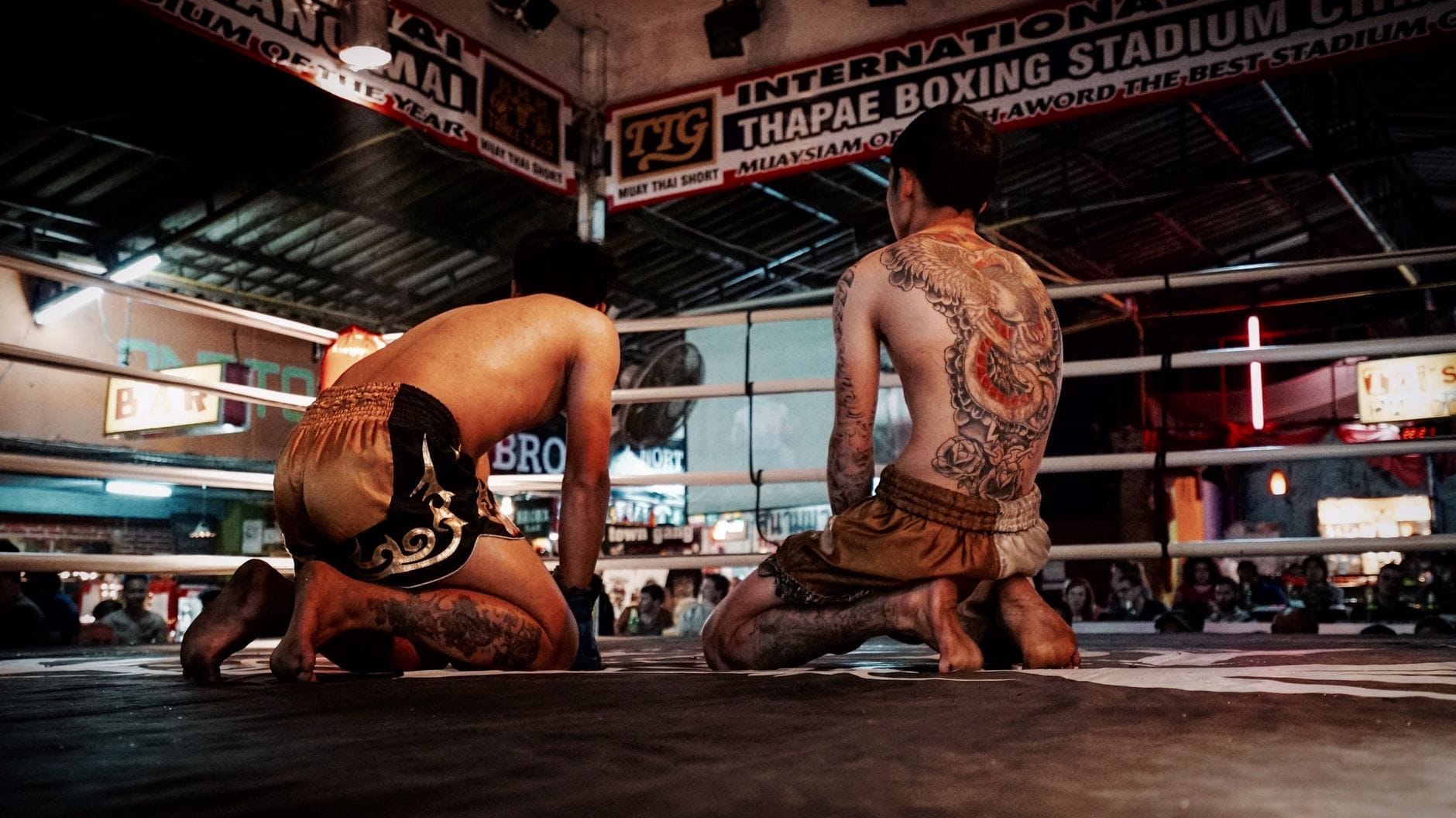
For real fights, Thaphae Boxing Stadium (also called Kalare Boxing Stadium depending on the night) and Kawila Boxing Stadium host genuine competitive bouts on a rotating schedule, usually on Tuesdays, Fridays, and some Saturdays. Ticket prices range from 400 THB (ringside bleachers) to around 1,500 THB for ringside seats. Fights start around 8:00-9:00pm and run 5-8 bouts of 5 rounds each. The atmosphere is authentic: betting, commentary in Thai, and crowd energy that a tourist show cannot replicate. Check current schedules at your gym or guesthouse, as times shift seasonally.
✨ Pro tip
Arrive 30 minutes before the main bouts start to watch the undercard fights, which often feature younger fighters and local trainees. These early bouts are genuinely competitive and give real insight into technique at a developing level. The crowd is smaller and you can move freely.
Practical Tips Before You Train or Watch
Getting to most gyms from the Old City requires a songthaew or motorbike taxi. Fares should be 40-80 THB per trip depending on distance. Some gyms offer free transport for weekly or monthly trainees. If you're training seriously for more than a week, consider staying near your gym rather than commuting daily. This saves time and money over the course of a stay.
- Bring: light training shorts, a t-shirt, flip-flops, water bottle, and 100 THB extra for wraps or a towel rental.
- Avoid eating a full meal within 2 hours of training. The workouts are more intense than most people expect.
- Respect gym etiquette: bow when entering and leaving the ring, address coaches as 'Kru' (teacher), and don't interrupt active pad sessions.
- If you bruise easily or have existing knee or ankle issues, mention it before training. Coaches can modify sessions, but they need to know.
- Photography during training is usually fine, but ask first. Never photograph without permission at real fights — some fighters have privacy concerns around their camps.
Muay Thai pairs well with other physically active pursuits in the region. Day trips from Chiang Mai to Doi Inthanon or Chiang Dao make a natural rest-day option when muscles need recovery. The city also has excellent traditional Thai massage options that are worth scheduling regularly if you're training every day.
Who Should Train Here and Who Might Not Enjoy It
Muay Thai training in Chiang Mai works well for: travelers staying 5 or more days who want a structured physical activity, fitness-focused visitors who find gym workouts boring in isolation, and serious fighters looking to train under experienced Thai coaches at reasonable cost. The city has enough gym variety that both beginners and advanced practitioners can find appropriate training environments.
It is less suitable for: visitors who are here primarily for cultural sightseeing (the temples, markets, and ethical elephant experiences will take priority and training won't fit the schedule), people with existing shoulder, knee, or back injuries who haven't cleared it with a doctor, and anyone expecting a spa-like wellness experience. Muay Thai is a combat sport. Even beginner sessions involve contact, sweat, and effort that catches many people off guard.
The tourist show version at the Night Bazaar, by contrast, is suitable for almost anyone with a passing curiosity and a free evening. It is not a substitute for real Muay Thai, but it is a legitimate entertainment option in its own right.
FAQ
Do I need any experience to train Muay Thai in Chiang Mai?
No prior experience is required at most gyms. Beginners are grouped separately from advanced trainees at reputable camps. The first session focuses on stance, basic footwork, and a few fundamental strikes. Come willing to be corrected repeatedly and comfortable with not knowing what you're doing.
How much does a Muay Thai training session cost in Chiang Mai?
A single drop-in session costs 300-600 THB at most gyms. Weekly packages (5-6 sessions) run 2,500-5,000 THB. Monthly training-only packages range from 8,000-15,000 THB depending on the camp's quality and reputation. These rates are significantly lower than equivalent training in Bangkok or Thailand's southern islands.
Where can I watch real Muay Thai fights in Chiang Mai?
Thaphae Boxing Stadium and Kawila Boxing Stadium host genuine competitive bouts, typically on Tuesdays, Fridays, and some Saturdays, starting around 8:00-9:00pm. Tickets range from 400-1,500 THB. The Kalare Night Bazaar hosts a nightly Muay Thai show that is choreographed for tourists — it's entertainment, not competition.
What should I bring to a Muay Thai gym in Chiang Mai?
Light shorts, a t-shirt, flip-flops (removed at the gym entrance), a water bottle, and 100-150 THB in case you need to rent wraps or a towel. Most gyms supply boxing gloves and pads. Bring your own mouthguard if you plan to spar. Avoid heavy meals for at least two hours before training.
Is Chiang Mai or Bangkok better for Muay Thai training?
It depends on your goals. Bangkok has bigger stadiums, a more intense fight circuit, and a higher density of elite camps. Chiang Mai offers more personalized coaching, a cooler climate for training, lower overall costs, and a more relaxed environment. For most travelers and intermediate fighters, Chiang Mai is the better practical choice. Competitive fighters aiming at the national circuit may eventually need Bangkok.
Tickets & tours
Live prices and dates from our booking partner. If you book, we may earn a commission at no extra cost to you.
Planning a trip? Discover personalized activities with the Nomado app.