Best Things to Do in Chiang Mai: The Definitive 2026 Guide
Chiang Mai rewards travelers who go beyond the obvious. This guide covers the best things to do in Chiang Mai across culture, food, nature, and nightlife — with honest rankings, practical logistics, and local knowledge to help you spend your time well.
Tickets & tours
Live prices and dates from our booking partner. If you book, we may earn a commission at no extra cost to you.
TL;DR
- The best things to do in Chiang Mai span ancient temples in the Old City, ethical elephant experiences, serious cooking classes, Doi Inthanon day trips, and a night market scene with real range.
- Timing matters: November to February is peak season for comfort; avoid March to April for air quality issues during the burning season.
- Budget travelers can cover most top experiences for under 1,000 THB per day; splurge activities like zip-lining or luxury spa days run 2,500-5,000 THB.
- The Old City, Nimman, and Riverside are the three activity hubs — each with a different character. See where to stay in Chiang Mai to position yourself well.
- Skip the Tiger Kingdom and low-welfare elephant camps. There are far better options that don't compromise on ethics.
Temples Worth Your Time (and a Few to Skip)
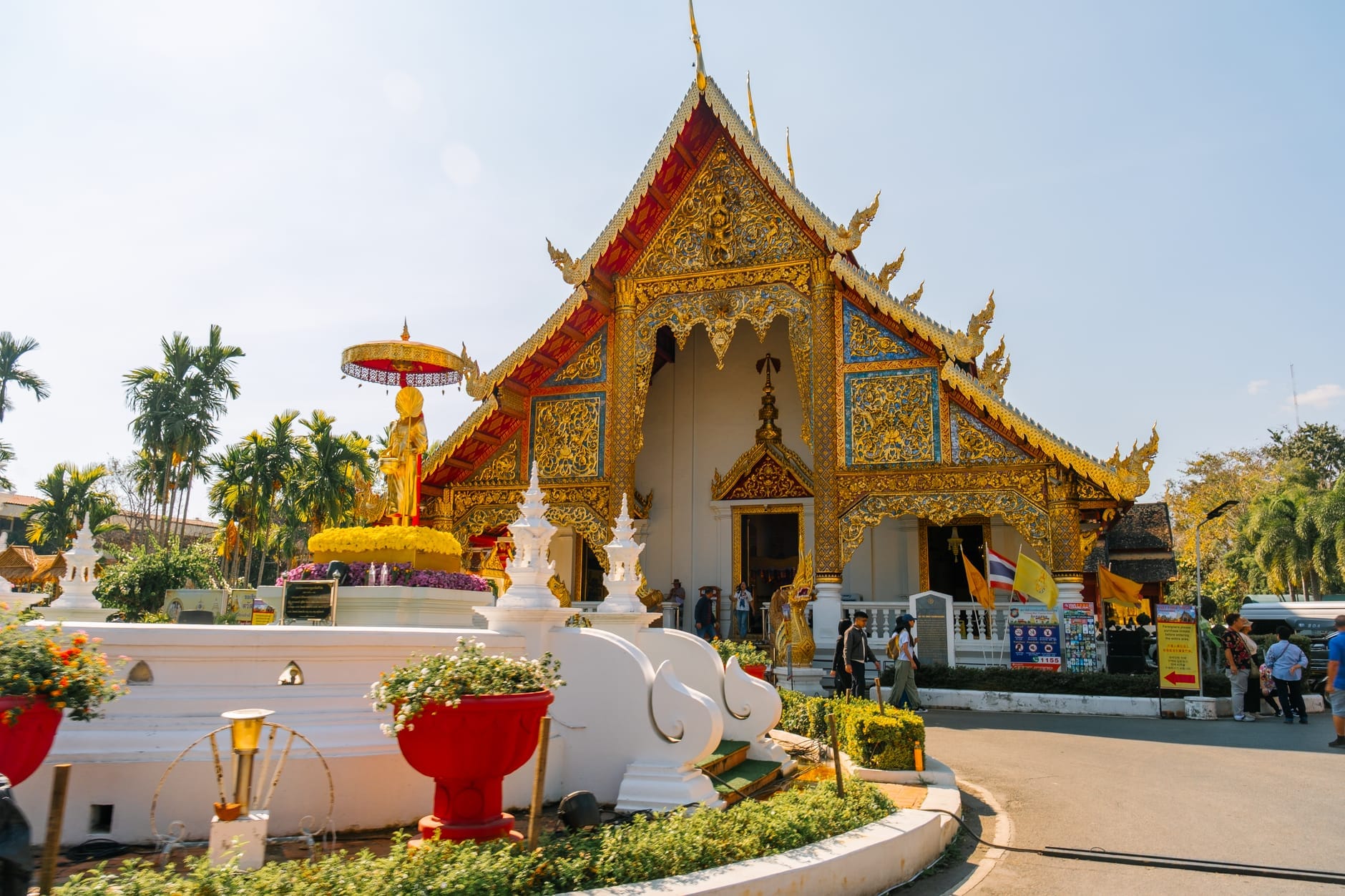
Chiang Mai has over 300 temples, which sounds overwhelming until you realize about a dozen are genuinely worth visiting. The temple circuit in Chiang Mai follows a loose logic: start inside the Old City moat, then work outward toward Doi Suthep.
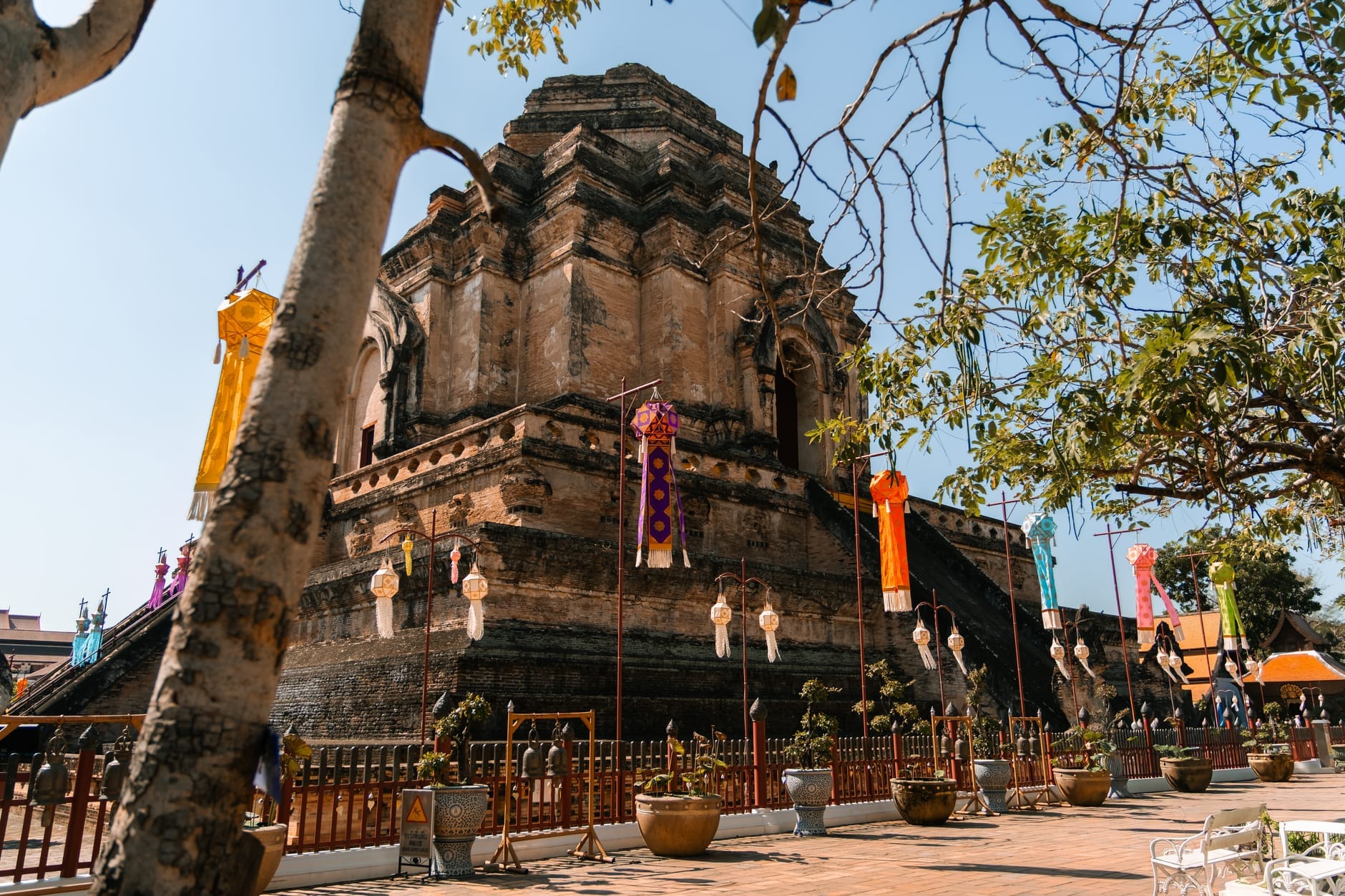
Inside the Old City, Wat Phra Singh is the most photogenic — its Viharn Lai Kham chapel contains some of the finest Lanna-style murals in northern Thailand. Entry is 20 THB. Wat Chedi Luang impresses with its partially ruined 15th-century chedi, and hosts monk chats daily from around 9am-6pm at dedicated tables in the temple grounds, free of charge. Wat Chiang Man is the oldest temple in the city (founded 1296) and usually quiet enough to actually breathe in.
💡 Local tip
Dress code is strictly enforced at all major temples: cover shoulders and knees. Most gates have sarongs available to borrow, but carrying a lightweight scarf is faster and avoids the queue.
Outside the city walls, Wat Phra That Doi Suthep sits about 1,050 meters above sea level on the slopes of Doi Suthep. The 306-step naga staircase is the traditional ascent; a cable car (50 THB) bypasses it. Go before 8am to beat tour groups. The views over Chiang Mai city are best in the cool season when haze is low.
For something less trafficked, Wat Umong is built into a forest with a network of ancient tunnel shrines covered in 700-year-old murals. It sits on the western edge of the city near Chiang Mai University and gets perhaps one-tenth the visitors of Doi Suthep. Wat Pha Lat, on the road up to Doi Suthep, is a jungle-clad temple that most tourists drive straight past. Both are free to enter.
Elephants: How to Do This Right
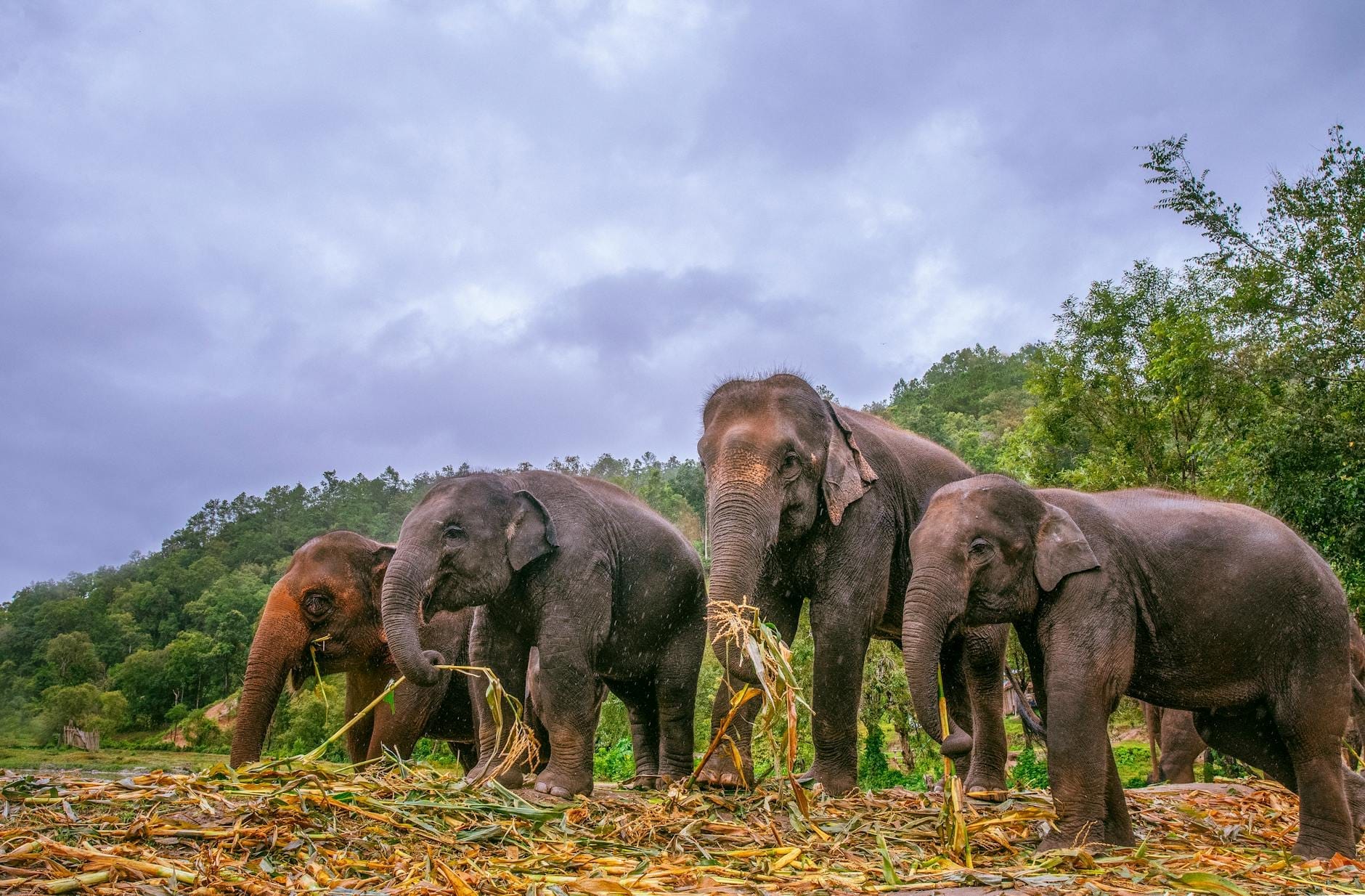
The elephant experience defines many visitors' entire trip to Chiang Mai, and the gap between ethical and exploitative venues is enormous. Ethical elephant sanctuaries near Chiang Mai prioritize observation and feeding over riding. The Elephant Nature Park in Mae Taeng, around 60km north of the city, is the most established — founded by Lek Chailert, it rescues elephants from logging, trekking, and street begging operations.
Day visits to Elephant Nature Park run 2,500-3,500 THB and include transport from Chiang Mai, meals, and 6-7 hours with the herd. Volunteer programs (1-4 weeks) go deeper. Booking months in advance is recommended for November-February visits. Smaller sanctuaries in the Mae Wang and Mae Rim valleys offer more intimate half-day experiences, sometimes with fewer visitors, for 1,500-2,500 THB.
⚠️ What to skip
Avoid any venue that offers elephant riding, elephant painting, or 'elephant shows.' These activities require training methods that cause lasting psychological harm. If you see a bullhook (a steel hook used by mahouts) being used aggressively, walk away.
Food, Markets, and Cooking Classes
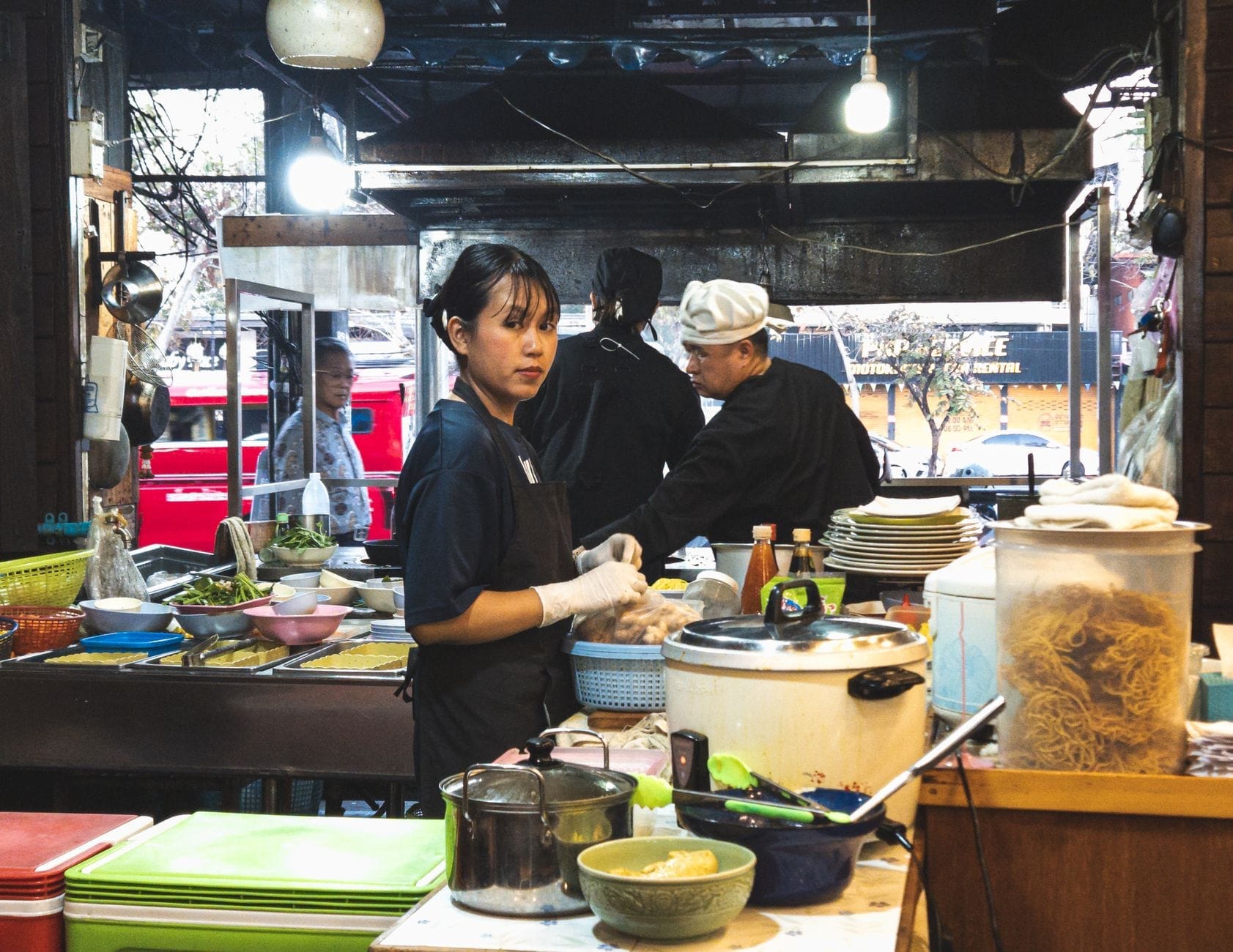
Northern Thai cuisine is distinct from what most visitors know as Thai food. Khao soi — egg noodles in a rich coconut-curry broth, topped with crispy fried noodles — is the dish to benchmark. The food guide to Chiang Mai covers the full canon, from sai ua (herbed pork sausage) to kaeng hang lay (Burmese-influenced pork belly curry).
The night market scene has real range. The Sunday Walking Street along Ratchadamnoen Road is the most atmospheric, closing the road entirely to vehicles and drawing local food vendors alongside craft stalls. The Saturday Walking Street on Wua Lai Road is slightly smaller but less crowded. For a daily fresh market with no tourist performance, Warorot Market near the Ping River is where local families shop — dried goods, fresh produce, flowers, and cheap eats from 6am onwards.
Taking a cooking class is one of the most transferable investments you can make here. A good class includes a morning market visit, instruction on 4-6 dishes, and a recipe booklet to take home. Half-day classes run 800-1,200 THB; full-day classes with deeper technique coverage go up to 2,000 THB. The best cooking classes in Chiang Mai guide ranks the main options by format and value.
Day Trips That Justify the Journey
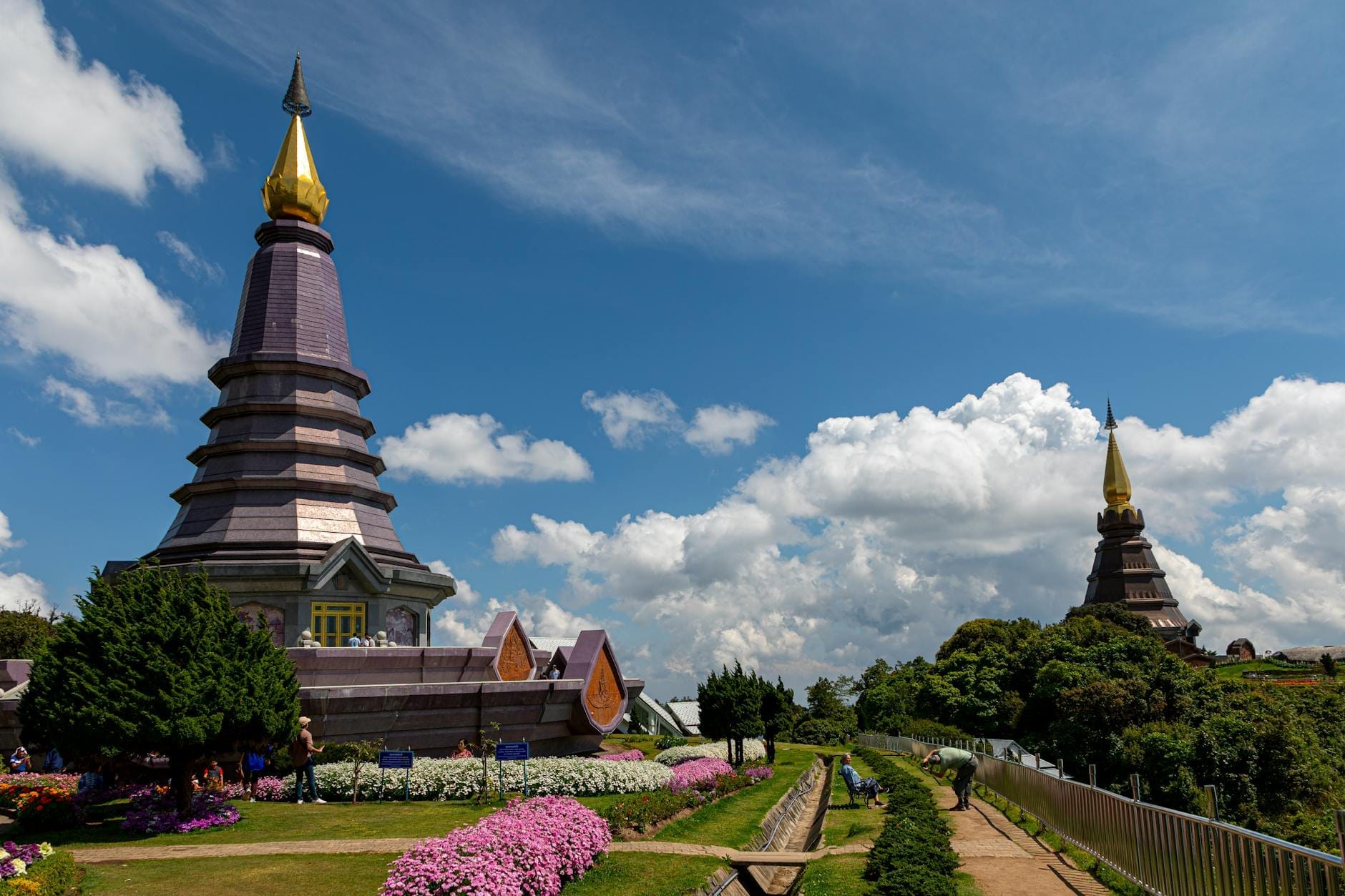
Chiang Mai's location makes it one of the best bases in Southeast Asia for day trips. Doi Inthanon National Park is the flagship: Thailand's highest peak at 2,565 meters, twin royal pagodas at around 2,200 meters, and multiple waterfalls including Wachirathan Waterfall. Budget a full day (7am-5pm) to cover the summit, the Kew Mae Pan nature trail (open November to May only), and the pagodas. Entry is 300 THB for foreign adults and 150 THB for foreign children, plus 30 THB per vehicle.
Closer to the city, the Mae Rim valley northwest of Chiang Mai packs in several experiences within a 30km radius: the Queen Sirikit Botanic Garden, the Mae Sa Waterfall (10 tiers, best in rainy season), and the bizarre but undeniably popular Sticky Waterfall (Bua Tong) where travertine deposits make the rock climbable without slipping.
- Doi Inthanon National Park Full-day trip, 90 minutes from Chiang Mai. Best November-February. Don't miss Kew Mae Pan trail (book in advance during peak season).
- Chiang Dao 2-hour drive north. Combine the cave complex with hiking around Doi Chiang Dao (2,175m) and a stop at one of the laid-back guesthouses for lunch.
- Mae Kampong Village 75km east, a hill community known for locally grown tea and coffee, a waterfall, and homestay culture. Less commercial than most 'village experiences.'
- San Kamphaeng Hot Springs 36km east. Geothermal pools and private spa tubs amid a garden setting. 100-200 THB entry. Good combo with Bo Sang umbrella village on the same road.
Active Pursuits: Trekking, Zip-Lining, and More
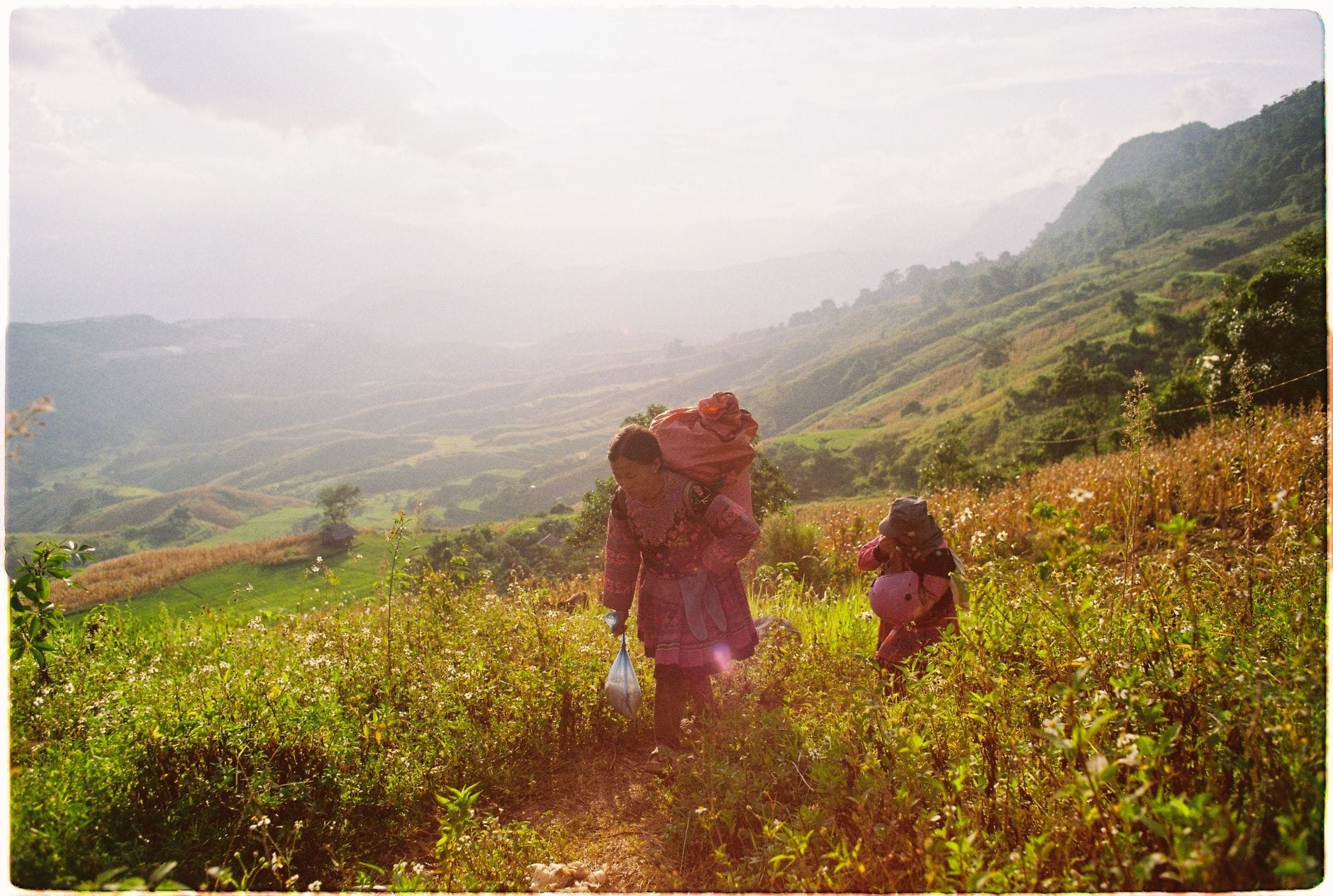
Multi-day trekking into the hills around Chiang Mai remains one of the most authentic ways to experience the region's ethnic minority communities and forest terrain. The Chiang Mai trekking guide covers route options in detail, but the practical summary: 2-3 day treks cost 1,500-3,000 THB through a reputable operator, typically covering Doi Inthanon foothills or the Mae Wang area. Choose operators who pay fair wages to local guides and support community-owned guesthouses.
The Flight of the Gibbon zip-line operation in Mae Kampong offers 3km of cables, sky bridges, and abseiling through forest canopy, with gibbon conservation education built in. It runs around 3,500 THB for the full experience and takes roughly 3 hours. Not cheap, but well-organized. The Grand Canyon water park in the Hang Dong area provides a cheaper thrill: cliff jumping into a flooded quarry for around 50-100 THB entry. It's more local hangout than tourist attraction, which is precisely why it works.
✨ Pro tip
Rent a scooter (150-250 THB per day with a valid motorcycle license) to reach Huay Tung Tao Lake west of the city. Locals spend weekends here in bamboo pavilions over the water, eating grilled fish and drinking Chang. It rarely appears on tourist itineraries and costs almost nothing.
Culture, Arts, and the Old City
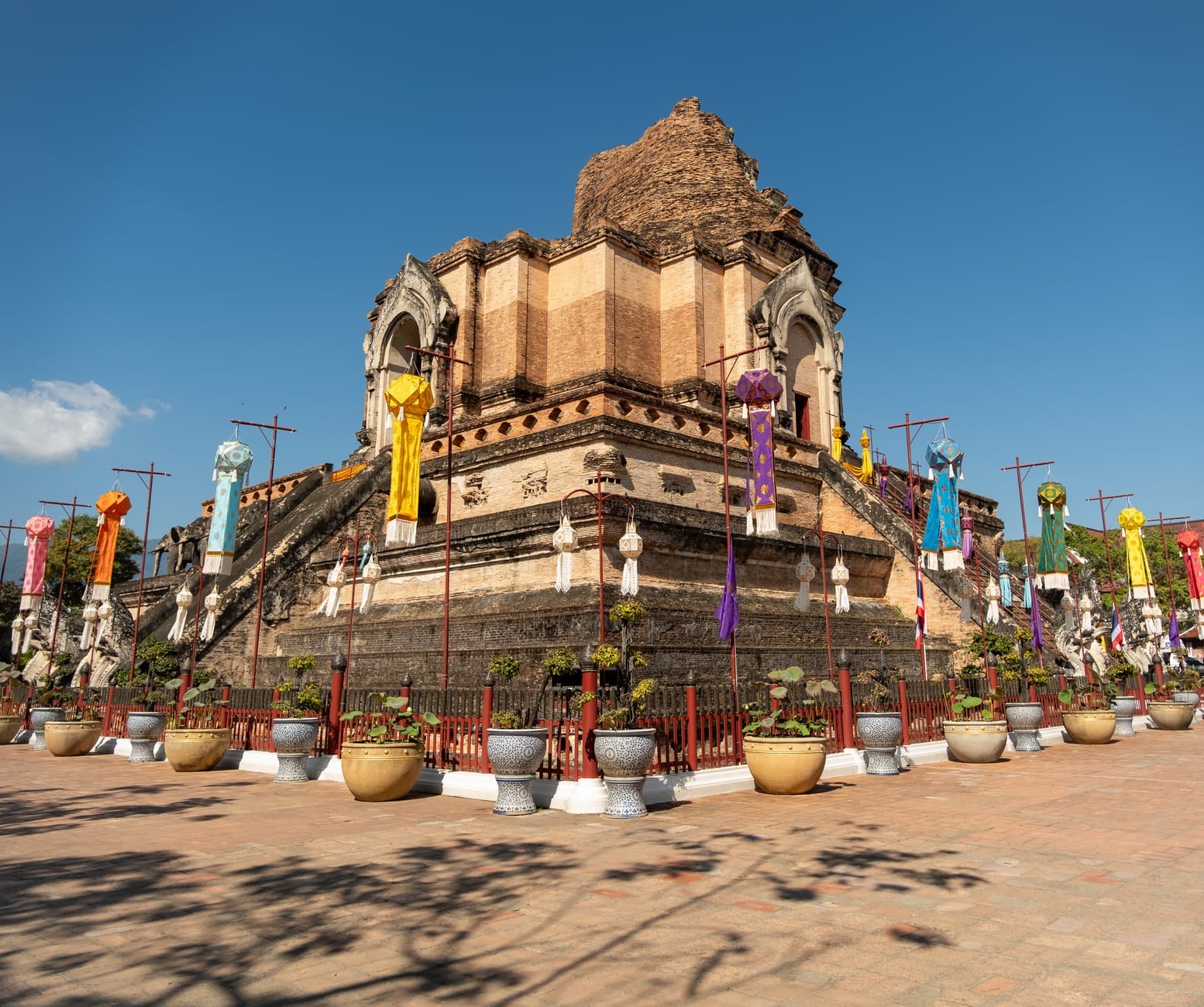
The Old City is a roughly 1.5km square bounded by a moat and partially preserved walls. It's dense with history and easy to cover on foot or by bicycle (rentals 50-80 THB per day from guesthouses). The three-hour walking circuit of the main temples can be done independently with a free map from any guesthouse or the TAT office near Tha Phae Gate.
For cultural depth beyond temples, the Lanna Folklife Museum opposite Wat Chedi Luang is one of the best regional museums in Thailand — well-curated exhibits on Lanna social customs, ceramics, textiles, and spirit worship. Entry is around 90 THB. The Chiang Mai City Arts and Cultural Centre in the Three Kings Monument plaza provides the historical overview and is a logical first stop before visiting individual temples.
- Sunday and Saturday Walking Streets close roads to traffic from 4pm onwards — arrive early for food, stay late for the craft market atmosphere
- Jing Jai Market (Saturday and Sunday mornings) is the best farmers market in the city: organic produce, artisan coffee, and genuinely local food stalls
- Baan Kang Wat near Nimman is an artist village concept worth an hour: independent studios, a weekend market, and coffee inside a leafy compound
- Muay Thai training camps near the Old City offer half-day and full-day sessions from 300-500 THB — a far better use of a morning than most organized tours
- The Ping River at dusk from Nawarat Bridge gives the most photogenic view of the city without paying for a cruise
FAQ
How many days do you need in Chiang Mai?
Three days covers the main temples, one day trip, a cooking class, and the night market scene. Five days allows for an elephant sanctuary visit, a longer trek or zip-line excursion, and a more relaxed pace. A week is ideal for travelers who want to combine city exploration with Doi Inthanon, Chiang Dao, and a proper trekking experience.
Is Chiang Mai worth visiting beyond temples?
Absolutely. Temples are the visual anchor, but the strongest reasons to visit are the food culture, the surrounding nature, ethical wildlife encounters, and the craft scene. Travelers who skip every temple and focus on cooking classes, hill treks, and local markets often report the most satisfying trips.
What is the best time of year to visit Chiang Mai for activities?
November to February is optimal: cool and dry, with good visibility for mountain hikes and motorcycle rides. March and April bring severe smoke from agricultural burning, which grounded air quality readings regularly exceed hazardous levels — outdoor activity becomes uncomfortable and sometimes dangerous. May to October is rainy season, which makes waterfalls spectacular but some mountain trails slippery.
How much does a typical day of activities cost in Chiang Mai?
A budget day (temple visits, street food, local transport) runs 300-600 THB. A mid-range day with a cooking class or day trip is 1,500-2,500 THB. A full-splurge day combining an elephant sanctuary, luxury spa, and restaurant dinner can reach 6,000-8,000 THB. Most travelers land somewhere in the 1,000-2,000 THB range.
Can you do the best Chiang Mai activities independently, or do you need tours?
Most temple visits, market exploration, and Old City sightseeing are entirely self-guided. Day trips to Doi Inthanon are doable by rented scooter or motorbike for confident riders; songthaew shared taxis and minivan tours (200-400 THB) are easier. Elephant sanctuaries almost universally include their own transport from the city. Cooking classes and trekking require booking in advance during peak season.
Tickets & tours
Live prices and dates from our booking partner. If you book, we may earn a commission at no extra cost to you.
Planning a trip? Discover personalized activities with the Nomado app.