Lanna Folklife Museum: The Best Place to Understand Northern Thai Culture
Housed in a beautifully restored colonial-era courthouse in Chiang Mai's Old City, the Lanna Folklife Museum offers one of the clearest windows into northern Thailand's distinct culture, traditions, and belief systems. If you want context before visiting the region's temples and villages, this is where to start.
Quick Facts
- Location
- Phra Pokklao Road, Old City, Chiang Mai (opposite Three Kings Monument)
- Getting There
- 10-minute walk from Tha Phae Gate; accessible by songthaew or tuk-tuk to the Three Kings Monument area
- Time Needed
- 1.5 to 2 hours
- Cost
- 90 THB for adults; 40 THB for children; reduced rates for students
- Best for
- Culture seekers, history enthusiasts, and travelers wanting context before exploring Lanna temples
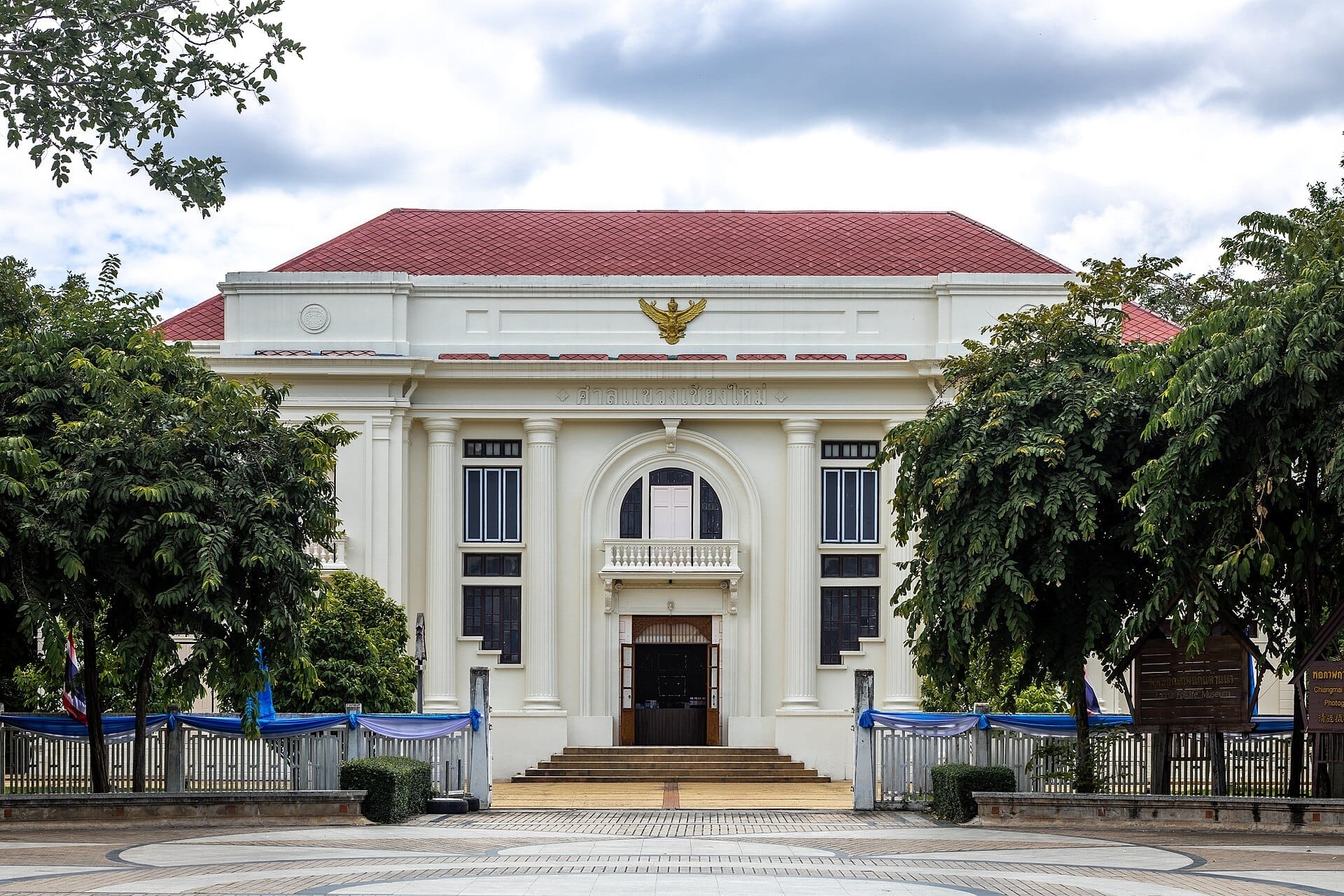
What the Lanna Folklife Museum Actually Is
The Lanna Folklife Museum sits on Phra Pokklao Road, directly across from the Three Kings Monument in the heart of Chiang Mai's Old City. The building itself is worth a moment before you even step inside: it's a stately two-story colonial-era structure that once served as the provincial courthouse, built in 1935 when Siam was integrating northern territories into the central administration. The architecture blends European colonial influence with local proportions, a physical reminder of the political transitions that shaped modern Chiang Mai.
Inside, the museum is dedicated entirely to Lanna culture, the distinct northern Thai civilization that flourished from the 13th century onward under the Mangrai dynasty, centered on Chiang Mai, Chiang Rai, Lamphun, and surrounding areas. Unlike Bangkok's national museums, which treat the north as a regional footnote, the Lanna Folklife Museum gives this culture its own full voice. Exhibits cover cosmology, spirit beliefs, traditional architecture, textiles, ceremonies, and daily life across multiple galleries.
💡 Local tip
Visit in the morning when natural light fills the upper galleries and the Old City streets outside are still cool. Midday heat makes the walk from Tha Phae Gate less comfortable, and afternoon tour groups can crowd the main halls.
The Building: Architecture Worth Examining
Before diving into the collections, take five minutes to walk around the exterior. The courthouse was constructed in a period when Chiang Mai was transitioning from a semi-autonomous Lanna kingdom to a formal Thai province, and the building's European-influenced facade reflects that imposed administrative order. High ceilings, wide verandas, and thick walls were practical design choices for the climate, keeping galleries naturally cool even on warm days.
The restoration is careful without being sterile. Original wooden floors remain in several rooms, and the scale of the interior spaces gives the exhibits room to breathe. Compare this to many underfunded regional museums where artifacts are crammed into poorly lit cases. Here, the curators have clearly thought about visitor flow and legibility.
Tickets & tours
Live prices and dates from our booking partner. If you book, we may earn a commission at no extra cost to you.
Chiang Mai Yee Peng Lanna sky lantern festival experience
From 154 €Instant confirmationDoi Inthanon National Park small group guided tour
From 34 €Instant confirmationFree cancellationHalf-day tour to admire elephants and enjoy Thai nature
From 48 €Instant confirmationFree cancellationChiang Mai - Chiang Dao Cave and 5 Hill Tribe villages
From 42 €Instant confirmationFree cancellation
What You'll Actually See: Gallery by Gallery
The museum organizes its permanent collection into thematic zones rather than a strict chronological path, which rewards slower exploration. The cosmology and spirit belief section is among the most compelling: it unpacks the phi (spirit) world that underlies everyday Lanna life, the role of sacred house spirits, the protective symbols carved into temple gateways, and the layered relationship between Buddhism and older animist traditions. If you've walked through Lanna temples without fully understanding why certain symbols appear repeatedly, this section provides the key.
The textiles and dress gallery displays traditional Lanna weaving patterns with explanations of how fabric color and motif once communicated social status, ethnic identity, and ceremonial purpose. The craftsmanship visible in the museum pieces makes clear why Chiang Mai became the center of northern Thai textile production, a tradition still alive today in workshops around the city.
A reconstructed traditional Lanna house interior shows how space was organized around spiritual and practical priorities: the positioning of sleeping platforms, cooking areas, and spirit shrines was not arbitrary but governed by belief systems explained in adjacent panels. Visitors who later visit artisan communities like Baan Kang Wat or traditional craft villages will notice these spatial patterns echoed in older structures throughout the region.
Ceremonial objects, Buddhist manuscript cabinets, lacquerware, and agricultural tools fill additional rooms. The English-language signage throughout is more detailed than you typically find in Thai regional museums, making independent navigation genuinely accessible without a guide.
How the Experience Changes by Time of Day
Morning visits between 9am and 11am tend to offer the most comfortable experience. The building stays naturally cool in early hours, the upper floor galleries receive warm indirect light through their tall windows, and weekday mornings are often nearly empty. You can spend twenty minutes in a single room without interruption, reading every panel if you choose.
Midday and early afternoon bring school groups and organized tours, particularly on weekdays. This changes the atmosphere considerably: the ground floor halls become noisier, and the flow through popular sections like the spirit belief gallery gets compressed. If you arrive and find the museum crowded, the upper floor rooms on traditional crafts and domestic life tend to remain quieter regardless of group visits.
The museum closes at 4:30pm, so a post-lunch visit is workable but leaves less flexibility. The surrounding Three Kings Monument plaza is a useful orientation point: the outdoor space is pleasant for a few minutes before or after the museum, and it connects logically to the cluster of cultural institutions in this part of the Old City.
Placing This Museum in the Old City's Cultural Circuit
The Lanna Folklife Museum is part of a concentration of cultural institutions near the Three Kings Monument. The Chiang Mai City Arts and Cultural Centre sits within walking distance and complements a visit here. The Chiang Mai National Museum, on the Super Highway near Wat Jed Yod, covers a broader archaeological perspective and is best reached by songthaew or Grab. The City Arts centre covers Chiang Mai's urban history; the Folklife Museum focuses on the living traditions and belief systems that connect to the temples and communities you'll encounter throughout the region.
After visiting, the Old City's temple circuit takes on new depth. The iconography at Wat Chedi Luang and Wat Phra Singh, both a short walk away, makes considerably more sense once you understand the cosmological framework the Folklife Museum explains. Plan this as your first stop in the Old City, not your last.
Practical Notes for Your Visit
The museum is open Wednesday through Sunday and closed on Mondays and Tuesdays. Opening hours are generally 8:30am to 4:30pm, though confirming before a special trip is sensible as hours occasionally shift around public holidays. Admission is 90 THB for adults and 40 THB for children, with discounted rates available for students and combined multi‑museum tickets. There is no audio guide, but the English signage is thorough enough that most visitors won't feel they need one.
Photography is permitted throughout the galleries without flash, which is genuinely useful given how well some of the textile and ceremonial object displays are composed. The light in the upper floor rooms in morning hours photographs well without any additional equipment.
Accessibility is limited by the building's age: the staircase to the upper floor has no lift alternative, which means the full museum experience is not accessible to visitors with significant mobility limitations. Ground floor galleries cover a substantial portion of the collection, but visitors should be aware that upper floor content will be missed.
ℹ️ Good to know
The museum gift shop carries a small selection of books on Lanna history and culture, some of which are difficult to find elsewhere. If you have an ongoing interest in northern Thai art or architecture, it's worth a look before leaving.
Honest Assessment: Is It Worth Your Time?
For travelers who approach Chiang Mai purely as a base for trekking, night markets, and café hopping, the Lanna Folklife Museum may feel like a detour. The exhibits are not interactive or visually dramatic in the way that modern museums aim to be. There are no films, no immersive environments, no digital experiences.
What it does offer is clarity. Northern Thailand has a cultural identity that is distinct from Bangkok and from the Thai central plains, and that distinctness is rarely explained well at the sites themselves. The Folklife Museum is the clearest, most accessible explanation of Lanna culture available in Chiang Mai, presented at a price and pace that suits independent travelers. For anyone planning to spend more than two or three days in the region, the 90-minute investment here returns dividends at every subsequent temple, market, and village visit.
If you're putting together a structured first day in Chiang Mai, check the 3-day Chiang Mai itinerary for a suggested sequence that builds the Lanna Folklife Museum into a logical morning before your first temple walk.
Insider Tips
- Start at the cosmology and spirit belief gallery on your first loop through the museum. Understanding the phi spirit framework makes everything else in the collection, and every Lanna temple you'll visit later, significantly more legible.
- The building's upper floor is often overlooked by visitors who turn back after the main ground floor halls. The domestic life and textile rooms upstairs are among the most detailed in the collection.
- Weekday mornings before 11am are reliably quiet. Saturday and Sunday afternoons bring the highest visitor volume, particularly when tour buses from the Night Bazaar area include this on their Old City route.
- The Three Kings Monument plaza directly opposite the museum is a practical meeting point and orientation marker. It's covered in free city maps in the tourist information booth nearby.
- Pair this museum with the Chiang Mai City Arts and Cultural Centre next door in the same visit. Both can be visited using the same combined multi-museum ticket system and are close enough to cover in a single morning without rushing.
Who Is Lanna Folklife Museum For?
- First-time visitors to Chiang Mai who want cultural context before exploring temples and villages
- Travelers with more than two or three days in the region who want to move beyond surface-level sightseeing
- History and anthropology enthusiasts interested in Lanna civilization and its distinct identity within Thailand
- Photography travelers looking for well-lit, composed interiors with traditional crafts and textiles
- Anyone planning day trips to nearby cultural sites like craft villages or highland communities
Nearby Attractions
Other things to see while in Old City (Chiang Mai Old Town):
- Chang Phuak Night Market (North Gate Food Market)
Chang Phuak Night Market, known to locals as the North Gate Food Market, is a compact open-air street food gathering outside Chiang Mai's ancient city walls. Night after night, it draws a faithful crowd of students, office workers, and savvy travelers in search of authentic northern Thai cooking at prices that haven't caught up with the tourist economy.
- Chiang Mai City Arts and Cultural Centre
Housed in a beautifully restored colonial-era building on the edge of the Old City's Three Kings Monument plaza, the Chiang Mai City Arts and Cultural Centre offers one of the most accessible and well-curated introductions to Lanna history and northern Thai culture. It rewards both first-time visitors and those who want genuine context before exploring the city's temples and neighborhoods.
- Chiang Mai City Walls and Moat
The rectangular moat and surviving brick walls of Chiang Mai's Old City are the physical outline of a 700-year-old Lanna capital. Free to explore at any hour, they offer one of the most atmospheric walks in northern Thailand, framing temples, corner bastions, and four ceremonial gates.
- Chiang Mai National Museum
The Chiang Mai National Museum offers one of the clearest introductions to northern Thailand's Lanna Kingdom, covering 700 years of history through royal artifacts, Buddhist sculpture, ceramics, and ethnographic collections. It's calm, well-organized, and genuinely undervisited compared to the temples nearby.
Planning a trip? Discover personalized activities with the Nomado app.