Chiang Mai National Museum: Lanna History Without the Crowds
The Chiang Mai National Museum offers one of the clearest introductions to northern Thailand's Lanna Kingdom, covering 700 years of history through royal artifacts, Buddhist sculpture, ceramics, and ethnographic collections. It's calm, well-organized, and genuinely undervisited compared to the temples nearby.
Quick Facts
- Location
- Super Highway Road (Route 11), near Wat Jet Yod, Chiang Mai
- Getting There
- Songthaew or red taxi from the Old City (approx. 10 min); limited direct public bus service
- Time Needed
- 1.5 to 2.5 hours
- Cost
- 100 THB for foreign adults; Thai nationals pay less; children under 18 may be free (verify at entrance)
- Best for
- History lovers, first-time visitors wanting Lanna context, museum regulars, quiet afternoon escapes
What the Chiang Mai National Museum Actually Is
The Chiang Mai National Museum sits on Super Highway Road just north of the Old City, a short ride from the moat. Administered by the Fine Arts Department of Thailand, it holds the official national collection for northern Thailand, making it the most authoritative single repository of Lanna cultural history in Chiang Mai. That said, it attracts a fraction of the foot traffic that nearby temples receive on any given day, which is either a drawback or an advantage depending on what you're after.
The museum is housed in a purpose-built structure designed in the Lanna architectural style, with tiered rooflines, decorative gable boards, and warm terracotta tones that echo the region's temple aesthetic. It's not a converted palace or a repurposed ruin; it was built to be a museum. That means good lighting, labeled exhibits, and air conditioning, qualities that matter more than they sound after a morning of temple-hopping. If you're building a sense of northern Thailand's history before exploring the Chiang Mai Old City, an hour here pays dividends for everything you see afterward.
💡 Local tip
Visit the museum before touring the Old City's major temples. Understanding Lanna history and Buddhist iconography first makes the experience at Wat Phra Singh and Wat Chedi Luang significantly richer.
The Lanna Kingdom: Why This History Matters
The Lanna Kingdom was founded in 1296 by King Mengrai, who chose the fertile valley between the Ping River and Doi Suthep as the site for his capital. At its height, Lanna controlled a territory stretching from what is now Yunnan province in China down through northern Thailand and into parts of modern Myanmar and Laos. It was a distinct civilization, not a precursor to Bangkok-era Thailand, and it developed its own script, art forms, religious traditions, and craft industries.
The museum traces this arc over two main floors, beginning with prehistoric artifacts from the region and moving chronologically through the Lanna period, the Burmese occupation that lasted from the late 16th to late 18th century, and the eventual integration of the north into the Thai nation-state in the 19th and 20th centuries. The framing is careful and considered; this is not triumphalist nationalist history but a reasonably nuanced account of how northern Thai identity formed and changed over centuries.
For travelers who've read about Lanna culture but want grounding in the actual timeline and material culture, this is the most coherent place to get it. The Lanna Folklife Museum in the Old City covers daily life and folk traditions with more warmth and interactivity, and the two complement each other well if you have a full day for museum-going.
Tickets & tours
Live prices and dates from our booking partner. If you book, we may earn a commission at no extra cost to you.
Chiang Mai - Chiang Dao Cave and 5 Hill Tribe villages
From 42 €Instant confirmationFree cancellationArt in Paradise Chiang Mai 3D Art Museum entrance tickets
From 8 €Instant confirmationFree cancellationChiang Mai temples and night market tuk-tuk tour
From 23 €Instant confirmationFree cancellationGolden Triangle and White Temple guided tour from Chiang Mai
From 79 €Instant confirmationFree cancellation
What You'll Find Inside: Gallery by Gallery
The ground floor opens with geological and prehistoric context, covering the earliest known settlements in northern Thailand. Neolithic tools, bronze-age artifacts, and early pottery establish that this valley was inhabited and active long before the Lanna Kingdom was formally founded. These rooms feel quieter and more academic than what comes later, but they set the stage.
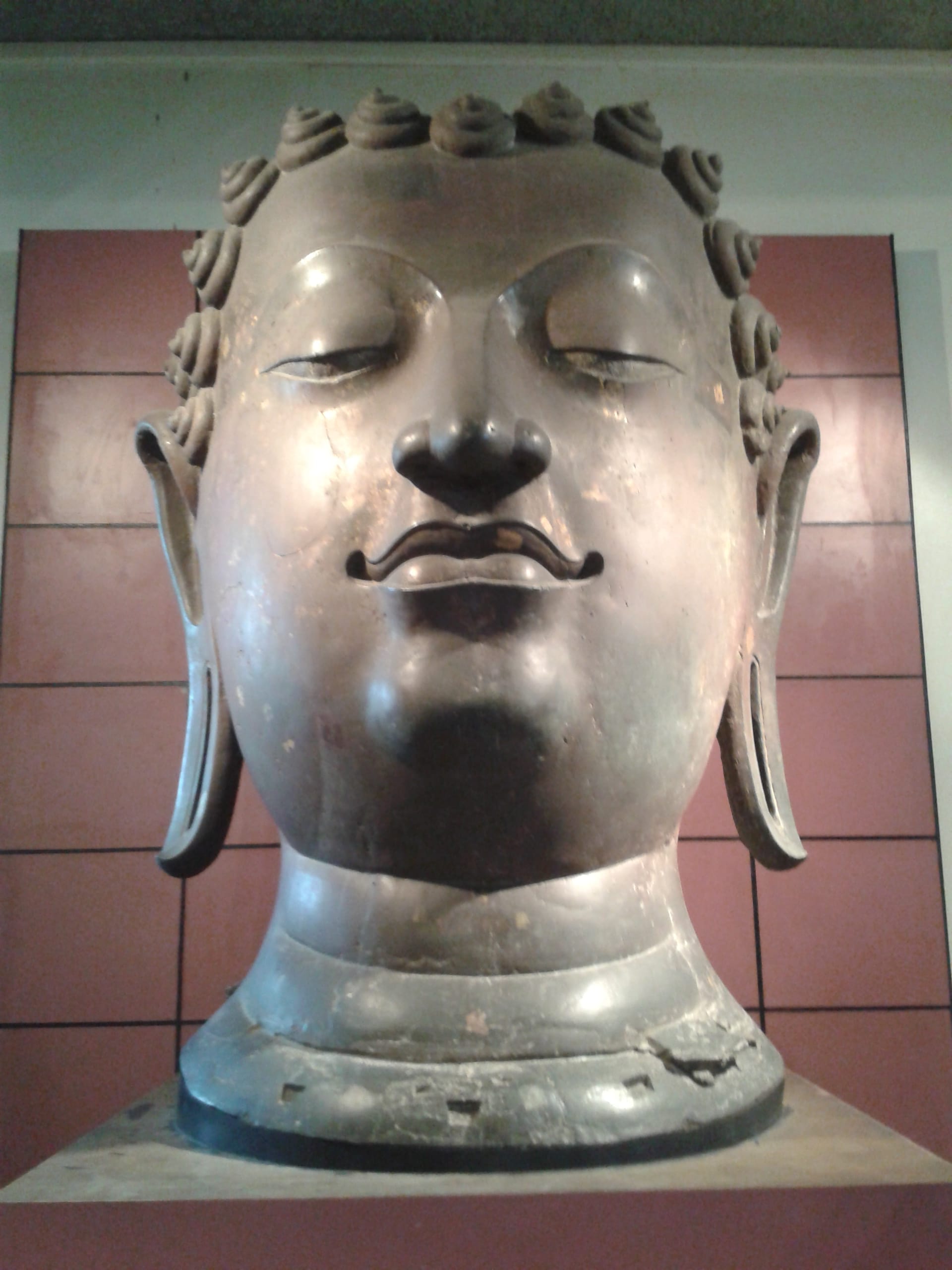
The middle sections devoted to the Lanna Kingdom proper are the strongest part of the museum. Buddha images in Lanna style are displayed here, and it's worth slowing down in this room. Lanna Buddhist sculpture has a distinctive aesthetic: rounded features, flame-shaped hair ornaments called ushnisha, and a particular quality of serene weight that differs from central Thai or Ayutthayan styles. Several large bronze pieces anchor the room, and the labeling in English is adequate if not exhaustive.
Upper-floor galleries cover ceramics, regalia, royal objects, textiles, and weapons. The Lanna ceramics collection is particularly strong. Kilns in the Sankampaeng and Si Satchanalai areas produced distinctive wares exported across Southeast Asia from the 14th to 16th centuries, and the museum holds a representative selection with good contextual explanations. Textile exhibits show the complexity of northern weaving traditions, with intricate cotton and silk pieces illustrating the regional variation that still characterizes highland craft production today.
ℹ️ Good to know
English-language labels are present throughout but vary in depth. Ground floor prehistoric sections are lightly translated; the Lanna Kingdom galleries and ceramics collections have fuller bilingual text.
When to Visit and What the Crowds Look Like
The museum is open Wednesday through Sunday, 9:00am to 4:00pm, and is closed on Mondays and Tuesdays. Confirm current hours before visiting, as Thai national museums occasionally adjust schedules around public holidays and special events.
On most weekday mornings, you'll share the museum with school groups, a handful of serious travelers, and the occasional researcher. Weekday afternoons are the quietest window; arriving between 1:00pm and 3:00pm often means having entire gallery rooms to yourself. Weekend mornings draw more Thai families and domestic tourists, which brings more energy but also more noise in the sculpture halls. There's no single time that's dramatically crowded; this museum never reaches the saturation levels of popular temples on festival days.
The air conditioning is consistent and strong throughout, making this an intelligent choice during the hottest part of the day from March through May, or during a heavy rain in the wet season. If you're navigating Chiang Mai during the burning season, when outdoor air quality degrades sharply, the museum offers a full two hours of clean, cooled air while giving you something genuinely worthwhile to do.
For broader seasonal planning, the best time to visit Chiang Mai guide covers air quality, festivals, and weather patterns that affect how you'll feel about outdoor versus indoor activities.
Getting There and Practical Navigation
The museum sits on the Super Highway (Route 11), which marks the northern boundary of the extended Old City area. It's roughly 2 kilometers from the north moat, close to the Nimman side of town. A red songthaew (shared pickup truck taxi) from the Old City or Nimman will get you there in 10 to 15 minutes depending on traffic. Negotiate the fare before boarding; 60 to 80 THB per person is a reasonable baseline for a private ride from the moat area, though group shared rates will be lower.
The museum shares the northern Super Highway strip with Wat Jed Yod, one of Chiang Mai's more historically significant and architecturally unusual temples, located practically across the road. Combining the two in a single half-day makes obvious sense. Chiang Mai Zoo is also nearby, should you be traveling with children. There is a small parking area if you're arriving by motorbike or private vehicle.
The museum building is multi-floor with ramps and lifts, making it accessible for most mobility needs, though it's worth calling ahead if accessibility is a primary concern. There are restrooms near the entrance, a small gift shop selling books and reproductions, and a quiet outdoor area in front of the building where you can sit after your visit.
⚠️ What to skip
The museum is closed Mondays and Tuesdays. Arriving on these days is a common mistake given the area's other attractions remain open. Double-check before making the trip.
Photography, Gifts, and the Shop Worth Browsing
Photography is generally permitted inside the galleries for personal use, without flash. The ceramic collection and Buddhist sculpture rooms photograph well under the museum's overhead lighting. Tripods are not permitted, but handheld shots with a smartphone or mirrorless camera produce clean results in most rooms. The large bronze Buddha images in the Lanna Kingdom section are the most compelling subjects, especially when the rooms are empty and you can frame them cleanly.
The museum shop near the exit stocks a selection of academic and popular books on Lanna history, northern Thai ceramics, and Buddhist art. Some titles are difficult to find elsewhere in Chiang Mai, making this a legitimate stop for anyone seriously interested in the subject. For broader photography guidance in the city, the Chiang Mai photography guide covers timing, equipment, and location-specific advice.
Who Should Consider Skipping This
If your primary interest in Chiang Mai is outdoor adventure, food markets, or nightlife, the museum will likely feel like an obligation rather than a pleasure. It's intellectually engaging but not sensory or interactive; there are no immersive displays, no hands-on elements, and no audiovisual spectacle. Travelers on a 48-hour visit who are trying to fit in temples, markets, and day trips will probably find better use of two hours elsewhere.
Children under about 10 generally find it difficult to sustain interest here unless they are specifically drawn to artifacts. If you're traveling with young kids, Chiang Mai with kids outlines more interactive alternatives suited to shorter attention spans.
Insider Tips
- The ceramics floor is the most underappreciated section. Lanna stoneware was once exported across maritime Southeast Asia, and the museum holds pieces that would be centerpieces in a ceramics gallery in Bangkok. Most visitors walk through quickly; allocate extra time here if ceramics or trade history interest you.
- The front garden has a small collection of stone boundary markers (sema stones) and architectural fragments displayed outdoors. Easy to miss if you head straight inside, but worth a five-minute look before entering.
- Combine with Wat Jed Yod directly across the Super Highway for a focused half-day on pre-modern Lanna history. The two sites complement each other thematically and geographically better than almost any other pairing in the city.
- If you want an English-language overview before arriving, the Fine Arts Department of Thailand occasionally provides printed gallery guides at the front desk at no extra charge. Ask when you purchase your ticket.
- Morning light falls well on the museum's exterior terrace and entrance facade, making it a decent architectural photograph before the building fills with visitors. The Lanna-style roof detailing rewards a close look.
Who Is Chiang Mai National Museum For?
- First-time visitors to Chiang Mai who want historical context before tackling the temple circuit
- Architecture and Buddhist art enthusiasts interested in Lanna-specific style
- Travelers seeking an indoor, cool, and quiet alternative on hot or smoky days
- History readers and researchers who want to see primary artifacts rather than reconstructions
- Couples or solo travelers who prefer unhurried, contemplative museum visits over crowded sites
Nearby Attractions
Other things to see while in Old City (Chiang Mai Old Town):
- Chang Phuak Night Market (North Gate Food Market)
Chang Phuak Night Market, known to locals as the North Gate Food Market, is a compact open-air street food gathering outside Chiang Mai's ancient city walls. Night after night, it draws a faithful crowd of students, office workers, and savvy travelers in search of authentic northern Thai cooking at prices that haven't caught up with the tourist economy.
- Chiang Mai City Arts and Cultural Centre
Housed in a beautifully restored colonial-era building on the edge of the Old City's Three Kings Monument plaza, the Chiang Mai City Arts and Cultural Centre offers one of the most accessible and well-curated introductions to Lanna history and northern Thai culture. It rewards both first-time visitors and those who want genuine context before exploring the city's temples and neighborhoods.
- Chiang Mai City Walls and Moat
The rectangular moat and surviving brick walls of Chiang Mai's Old City are the physical outline of a 700-year-old Lanna capital. Free to explore at any hour, they offer one of the most atmospheric walks in northern Thailand, framing temples, corner bastions, and four ceremonial gates.
- Lanna Folklife Museum
Housed in a beautifully restored colonial-era courthouse in Chiang Mai's Old City, the Lanna Folklife Museum offers one of the clearest windows into northern Thailand's distinct culture, traditions, and belief systems. If you want context before visiting the region's temples and villages, this is where to start.
Planning a trip? Discover personalized activities with the Nomado app.