Chiang Mai with Kids: The Complete Family Activity Guide
Chiang Mai rewards families who plan well. From ethical elephant sanctuaries and sticky waterfalls to hands-on cooking classes and walkable night markets, this guide covers the best family activities in Chiang Mai with honest takes on what works for different ages, budgets, and energy levels.
Tickets & tours
Live prices and dates from our booking partner. If you book, we may earn a commission at no extra cost to you.
TL;DR
- Ethical elephant sanctuaries like Elephant Nature Park are the single most memorable experience for most families and book out weeks in advance.
- The Old City is compact and walkable, but heat and humidity make morning-only sightseeing the smart play with kids under 10.
- Night markets, especially the Sunday and Saturday Walking Streets, are genuinely fun for children and easy on the wallet.
- Day trips to Sticky Waterfall and Doi Inthanon deliver big adventure without complex logistics.
- November through February is the best window for families: cool, dry, and clear skies for outdoor activities.
Why Chiang Mai Works Well for Families
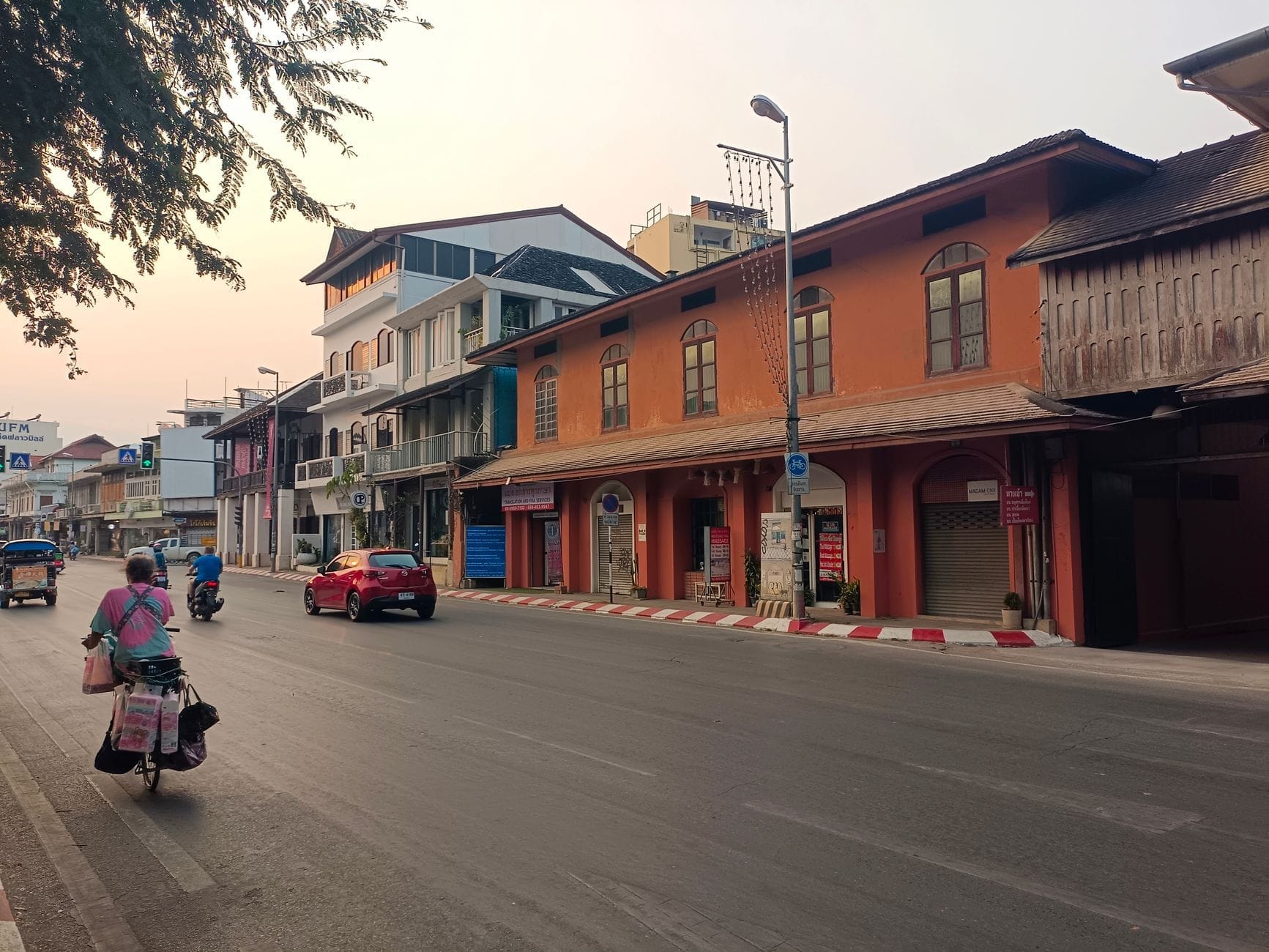
Chiang Mai with kids is significantly easier than Bangkok. The city is smaller, less chaotic, and built around walkable neighborhoods. Traffic is manageable outside rush hour. Songthaews (shared red trucks) and tuk-tuks handle short hops cheaply, and Grab works reliably for families with strollers or luggage. The food culture is adventurous but approachable, with plenty of mild northern Thai dishes alongside the fiery stuff. Locals are genuinely warm toward children, which makes solo navigation with young kids far less stressful than it sounds.
The main thing to plan around is the weather. Peak season (November to February) is ideal: average daytime temperatures are usually in the mid‑20s°C, evenings are cool, and outdoor activities are comfortable all day. The burning season (March to April) brings haze and air quality issues that can be genuinely problematic for children with respiratory sensitivities. Check AQI levels before booking if you're traveling in that window.
⚠️ What to skip
Burning season (roughly mid-February through April) can push AQI above 150 on bad days. If your child has asthma or allergies, either avoid this period entirely or have a flexible itinerary that keeps you indoors when readings spike. Apps like AirVisual give real-time data.
Elephant Sanctuaries: The Must-Plan Experience
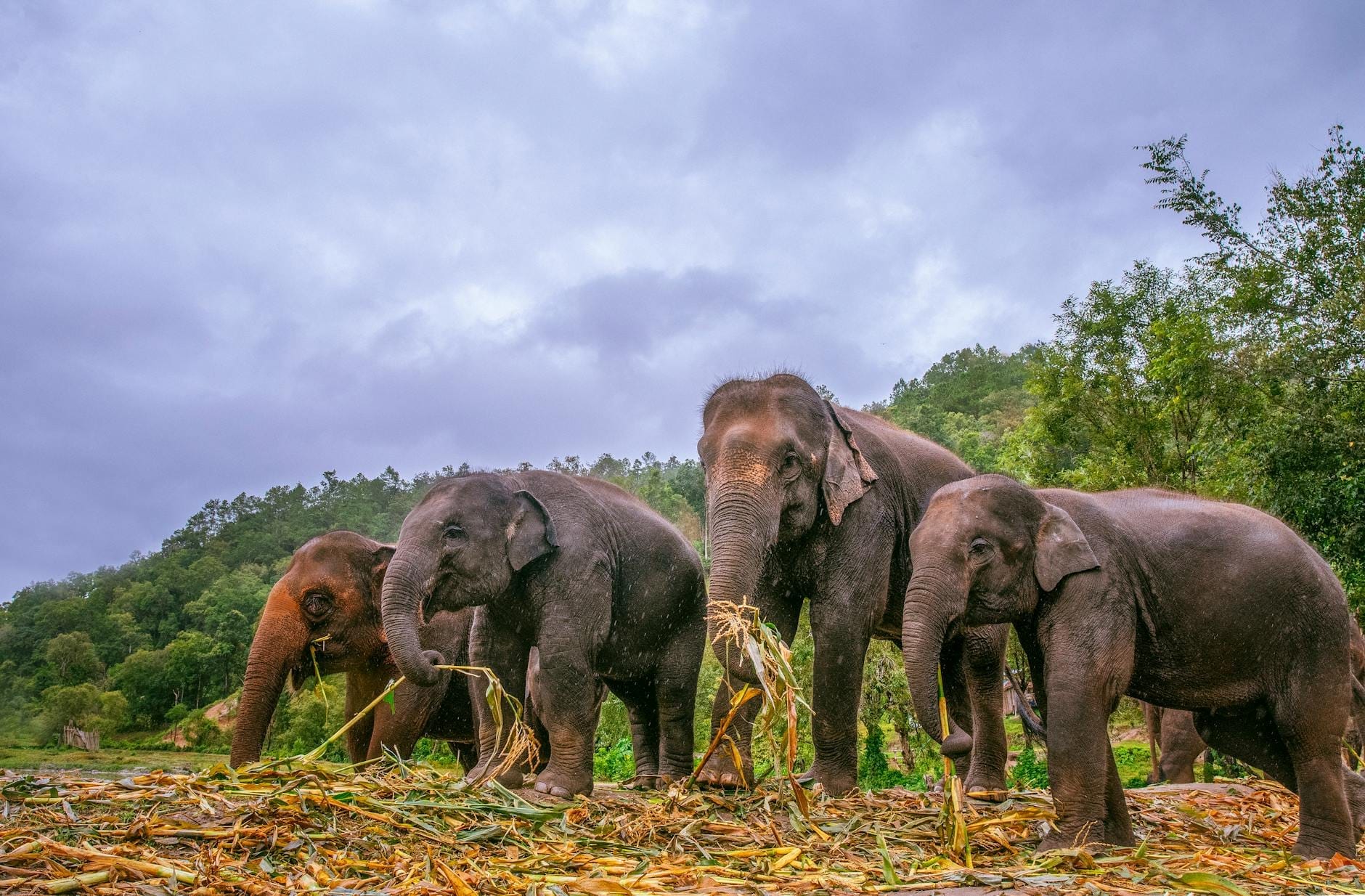
For most families, spending a day with elephants is the trip highlight, and Chiang Mai has become the ethical center of elephant tourism in Southeast Asia. The key word is ethical: sanctuaries that offer riding are not sanctuaries in any meaningful sense. The operations worth your money are rescue-and-rehabilitation facilities where elephants roam freely and interaction is on the animals' terms.
Elephant Nature Park in Mae Taeng (about 60km north of the city) is the benchmark. Day visits run around 2,500-2,800 THB per adult, with reduced rates for children. You walk alongside the herd, feed them, and observe natural behavior. It is slow, educational, and genuinely moving. Book at least two to three weeks ahead in high season. Families with children under five should check age restrictions before booking, as some programs require minimum ages for safety reasons. Smaller operations like Elephant Jungle Sanctuary and Ran-Tong also offer family-appropriate formats, but do thorough research before booking any alternative.
✨ Pro tip
Book the morning slot at elephant sanctuaries. Elephants are most active and social before midday heat kicks in, and you'll finish by early afternoon with time left for a second activity or pool time at your hotel.
Outdoor Adventures Kids Actually Enjoy
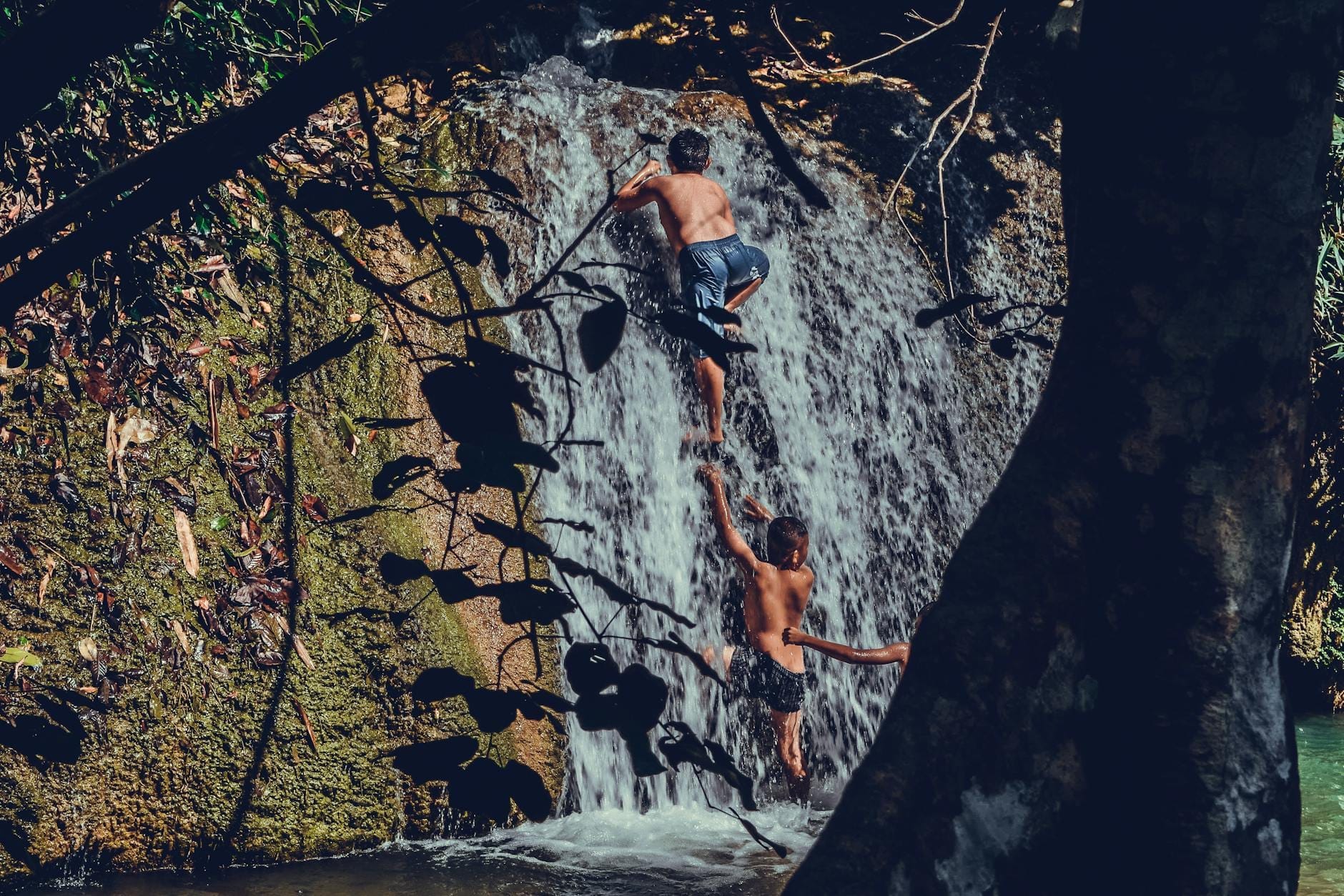
The landscape around Chiang Mai is tailor-made for family adventure. You don't need to go far or spend much to find waterfalls, caves, and jungle trails that leave kids genuinely impressed rather than politely bored.
- Sticky Waterfall (Bua Tong) A calcium-rich waterfall north of the city where the limestone surface creates natural grip, letting visitors walk up the falls. Completely unique, zero entrance fee, and kids aged 5+ love it. About 70km from the city center, best combined with a Chiang Dao loop.
- Mae Sa Waterfall A series of tiered falls inside Mae Sa Valley, around 27km from the city. Multiple levels mean different difficulty options. Entrance is around 100 THB. Combine it with the Queen Sirikit Botanic Garden or Mae Sa Elephant Camp (check ethics carefully) for a full day.
- Doi Inthanon National Park Thailand's highest peak at 2,565m. The Royal Twin Pagodas make an impressive visual payoff, the summit cloud forest is atmospheric even for younger kids, and Wachirathan Waterfall near the entrance is powerful year-round. Budget a full day and go early.
- Flight of the Gibbon Zipline A jungle zipline and tree-platform experience in Mae Kampong. Minimum age is usually 4-5 years and minimum weight applies. Not cheap (around 3,500-4,500 THB per person), but an adrenaline highlight for families with older children. Gibbon rehabilitation is part of the operation.
- Chiang Dao Cave A vast limestone cave system about 72km north of the city. The outer lit sections are accessible to kids, and a guide with lanterns can take adventurous families deeper. Low cost (guide fee around 100-200 THB), genuinely impressive, and unlike anything in most countries.
For families who want a structured outdoor day without complex logistics, a guided Doi Inthanon day trip typically includes transport, park fees, and a guide for around 1,200-1,800 THB per adult. Children under 3 are often free. The convenience is worth it if you don't have a rental car.
Temples, History, and Cultural Experiences for Kids
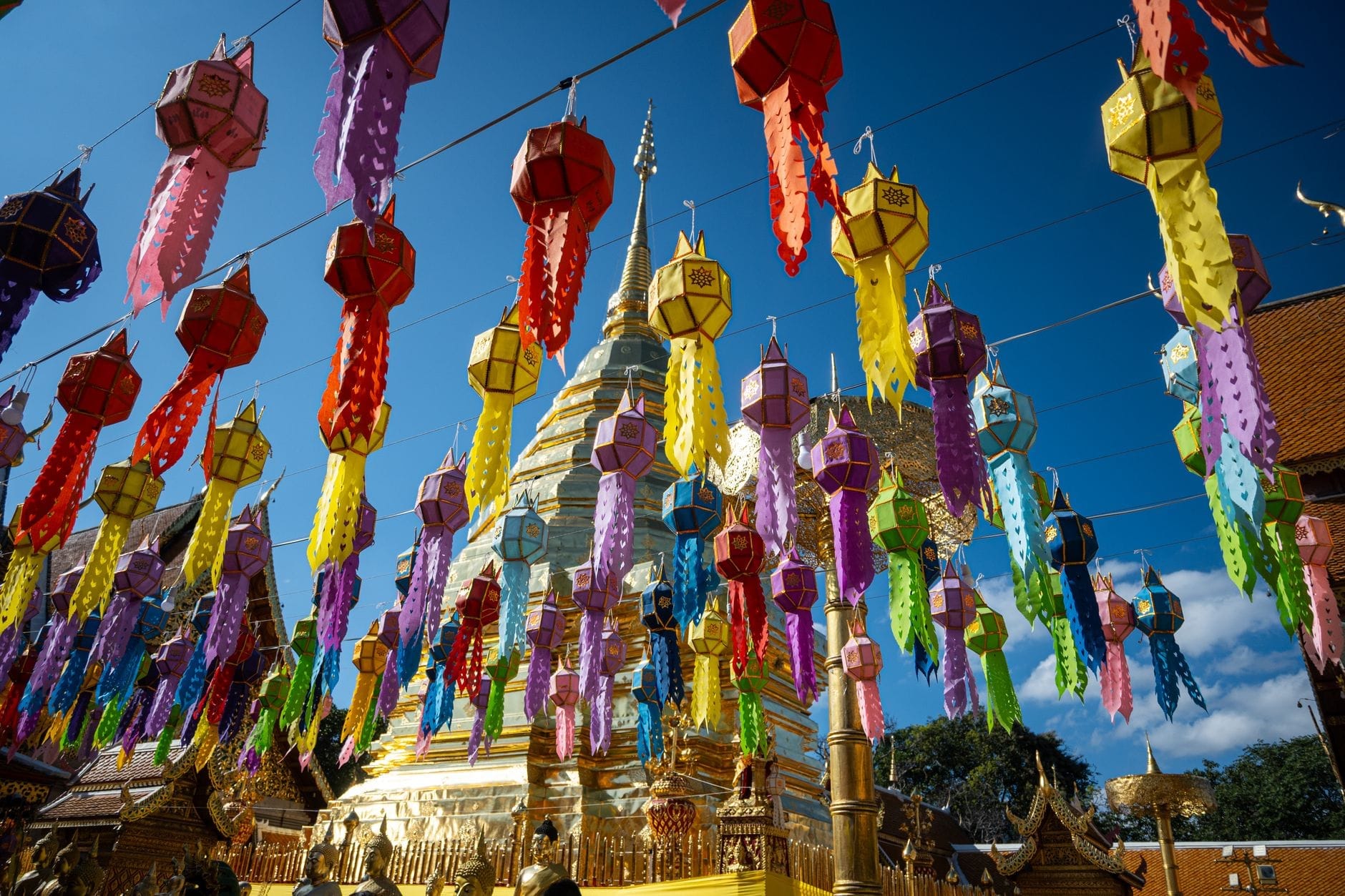
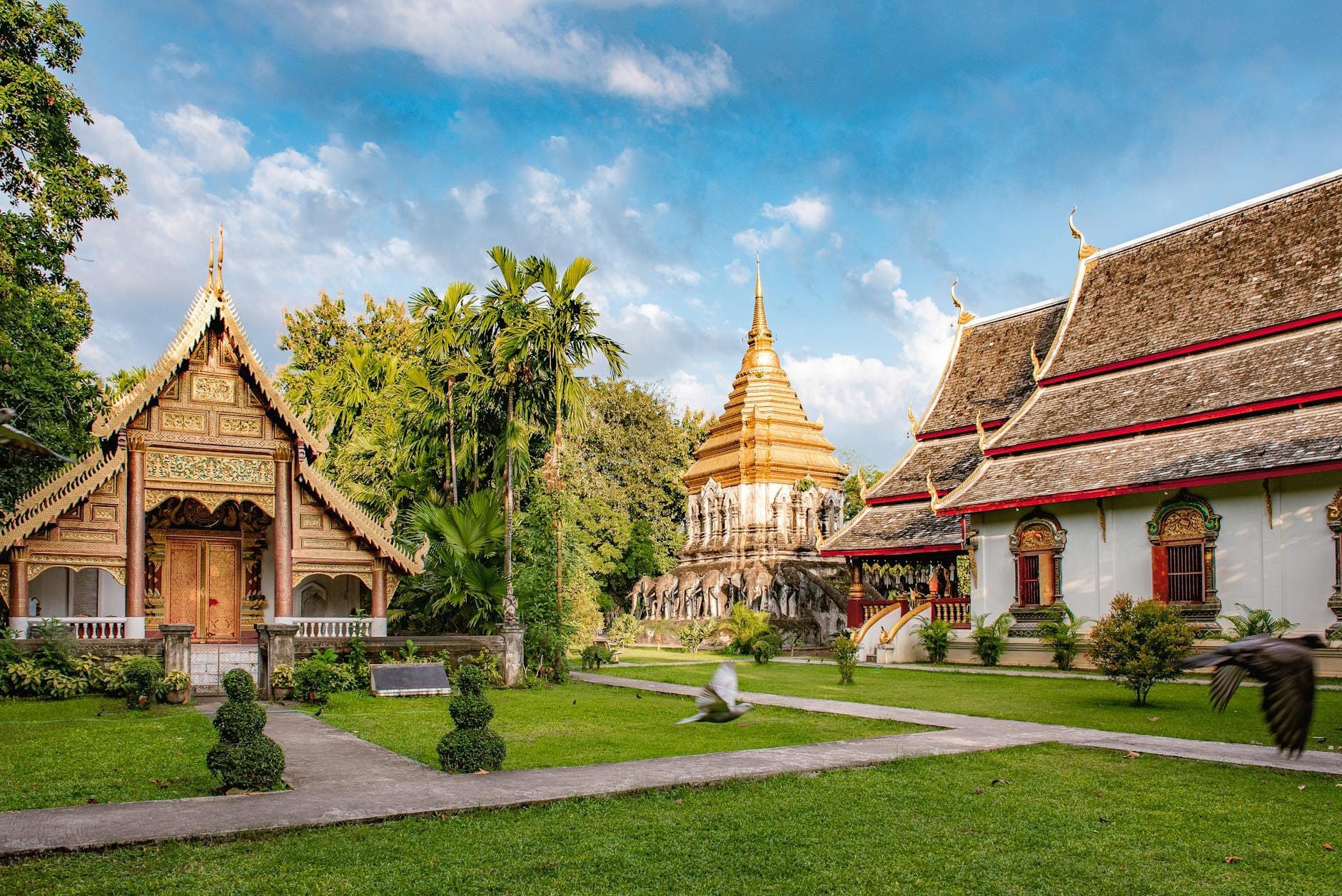
Chiang Mai has over 300 temples, and the honest advice is: pick two or three that have genuine visual impact rather than trying to cover them all. Kids hit cultural fatigue quickly, and there's no award for visiting every wat in the Old City.
Wat Chedi LuangWat Chedi Luang has a partially ruined 14th-century chedi that is impressive in scale and doesn't require much context to appreciate. Wat Phra That Doi Suthep, perched above the city on Doi Suthep mountain, is the one temple that earns genuine 'wow' from children, partly for the 309-step naga staircase and partly for the panoramic city views. Go before 9am to beat tour groups. Dress code is enforced: cover shoulders and knees, and sarongs are available for rent at the entrance.
For hands-on cultural experiences, Thai cooking classes are consistently rated as the best family activity by parents traveling with children aged 7 and up. Most half-day classes include a market visit to source ingredients, then guided cooking of three to five dishes. Children cook alongside parents, eat what they made, and leave with a recipe booklet. Prices range from around 800 to 1,500 THB per person. Several schools offer dedicated family formats with simpler recipes and patient instruction.
The craft villages south of the city are underused family destinations. Bo Sang Umbrella Village lets kids watch artisans paint parasols by hand, and the workshops often invite children to try decorating a small piece themselves. Baan Tawai is primarily a wholesale market but the carving demonstrations are genuinely interesting for older children curious about traditional craft.
💡 Local tip
The Lanna Folklife Museum near the Three Kings Monument is one of the best-value cultural stops in the city: interactive displays, Lanna-era artifacts, and air-conditioning. Entrance is around 90-100 THB for adults. Young children will enjoy the traditional costumes and instrument displays even without reading the text panels.
Night Markets and Food: Eating Out with Children
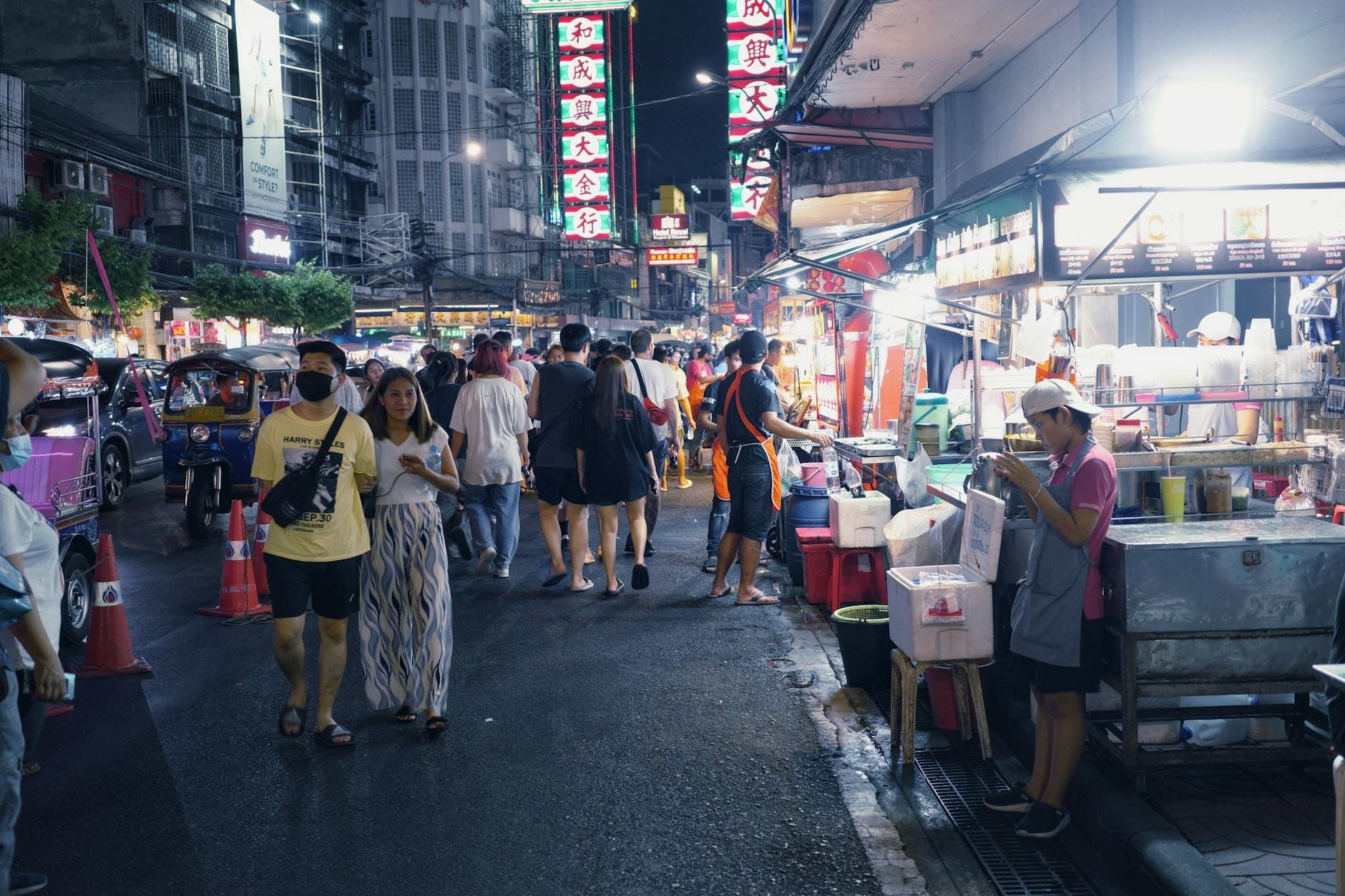
Chiang Mai's night markets are made for families. They're open-air, low-pressure, filled with street food at 30-80 THB per item, and structured around walking and grazing rather than sitting at a table for two hours. Children who can't sit still in restaurants thrive in this format.
- Sunday Walking Street (Ratchadamnoen Road) Runs 4-10pm every Sunday along Ratchadamnoen Road through the Old City. Craft stalls, street food, and traditional performances. Arrive early in the evening if you want to avoid the densest crowds.
- Saturday Walking Street (Wua Lai Road) Runs 4-10pm on Saturdays along Wua Lai Road in the silver-smithing district southwest of the moat. Strong street food scene and artisan stalls focused on silverwork and crafts.
- Jing Jai Market A weekend organic market in the Nimman area (Saturday and Sunday mornings, around 7am-1pm). Fresh fruit, smoothie bowls, local pastries, and artisan goods. Relaxed atmosphere, lots of shade, and excellent for breakfast before a morning activity.
- Chang Phuak (White Elephant Gate) Night Market A local street food market open nightly, famous for the 'cowboy hat lady' who serves a legendary pad kra pao. Small, authentic, and less tourist-heavy than the Night Bazaar. Good for families wanting real Chiang Mai street food without the crowds.
For food guidance beyond markets, the northern Thai food guide covers kid-friendly dishes like khao soi (a mild coconut curry noodle soup), sticky rice, and grilled pork skewers that most children take to immediately. Spice levels are adjustable in most restaurants if you communicate clearly.
Practical Family Logistics: Getting Around and Staying Safe
Renting a car or booking a private driver for the duration of your stay is the single most family-friendly transport decision you can make in Chiang Mai. Day trips to waterfalls, elephant sanctuaries, and mountain temples become much easier without negotiating prices or waiting for pickups. Daily car rental runs around 800-1,500 THB (self-drive) or 1,500-2,500 THB for a driver. Grab is the backup for city trips and works reliably with car seats if you bring your own.
Neighborhoods matter for families. The Old City puts you within walking distance of major temples and the Saturday and Sunday walking streets, but streets can feel slightly chaotic. The Nimman area has better restaurant variety, smoother pavements, and is adjacent to the university, which keeps the atmosphere calm. The Riverside area suits families who want space, garden hotels, and proximity to Mae Ping river cruises without Old City noise. Budget at least 4-5 nights to do the city and one day trip properly.
ℹ️ Good to know
Hospitals in Chiang Mai are genuinely good by regional standards. Chiang Mai Ram Hospital and Maharaj Nakorn Chiang Mai Hospital handle pediatric cases regularly. Travel insurance that covers medical evacuation is still essential, but you're not in a remote location if something goes wrong.
For a structured approach to your days, the 3-day Chiang Mai itinerary can be adapted easily for families by swapping intense walking sections for shorter, activity-based stops. The elephant sanctuary guide goes deeper on how to compare operators and what to expect on the day.
FAQ
What age is appropriate for elephant sanctuary visits in Chiang Mai?
Most reputable sanctuaries accept children from age 3 or 4 upward, though some programs have minimum age or weight requirements for safety. Elephant Nature Park's day visit is suitable for children of most ages. Always confirm directly with the operator before booking. The experience is educational at any age, but older children (7+) tend to engage more meaningfully with the guides' explanations.
Is Chiang Mai safe for families with young children?
Chiang Mai is generally very safe for families. The main practical concerns are traffic (pavements are uneven in some areas and motorbikes are unpredictable), food hygiene at lower-end street stalls, and air quality during burning season (February to April). Stick to reputable street food vendors, carry mosquito repellent with DEET for outdoor areas, and use Grab rather than walking major roads with young children.
What is the best time of year to visit Chiang Mai with kids?
November through February is the clear winner. Temperatures are comfortable (20-28°C), skies are clear, and all outdoor activities are at their best. December and the Yi Peng lantern festival period (usually November) add a spectacular cultural element that children find genuinely magical, though accommodation books out early and prices rise significantly.
Are cooking classes in Chiang Mai worth doing with children?
Yes, and they're often cited as a trip highlight by families. Look for classes that specifically mention family or children's programs, as the instruction pace and recipe complexity are adjusted accordingly. Half-day formats (typically 9am-1pm or 3pm-7pm) work better than full-day sessions for younger children. Expect to pay 800-1,500 THB per person, with some operators charging half-price for children under 12.
Can you do Chiang Mai with kids on a tight budget?
Absolutely. Night market meals cost 30-80 THB per dish, temple entry is free or minimal, and many outdoor attractions like Sticky Waterfall charge no entrance fee. The main expenses are elephant sanctuaries (2,500-3,500 THB per adult) and day trips with private transport. A family of four can have a full, rich day for under 3,000 THB if they skip the premium experiences and lean into street food, markets, and public parks.
Tickets & tours
Live prices and dates from our booking partner. If you book, we may earn a commission at no extra cost to you.
Planning a trip? Discover personalized activities with the Nomado app.