Elephant Nature Park: Chiang Mai's Most Respected Ethical Elephant Sanctuary
Elephant Nature Park in Mae Taeng is widely regarded as the gold standard for ethical elephant tourism in Thailand. Visitors walk alongside rescued elephants, observe natural herd behavior, and support a conservation model that has influenced sanctuaries across Southeast Asia.
Quick Facts
- Location
- Mae Taeng district, approx. 60 km north of Chiang Mai city
- Getting There
- Shuttle included with most bookings; songthaew toward Mae Taeng then local transport, or private taxi/Grab
- Time Needed
- Full day (8–9 hours with transport); half-day visits also available
- Cost
- From approx. 2,500 THB (day visit); prices vary by program — book via official website
- Best for
- Ethical wildlife encounters, conservation-minded travelers, families with older children
- Official website
- www.elephantnaturepark.org
What Makes Elephant Nature Park Different
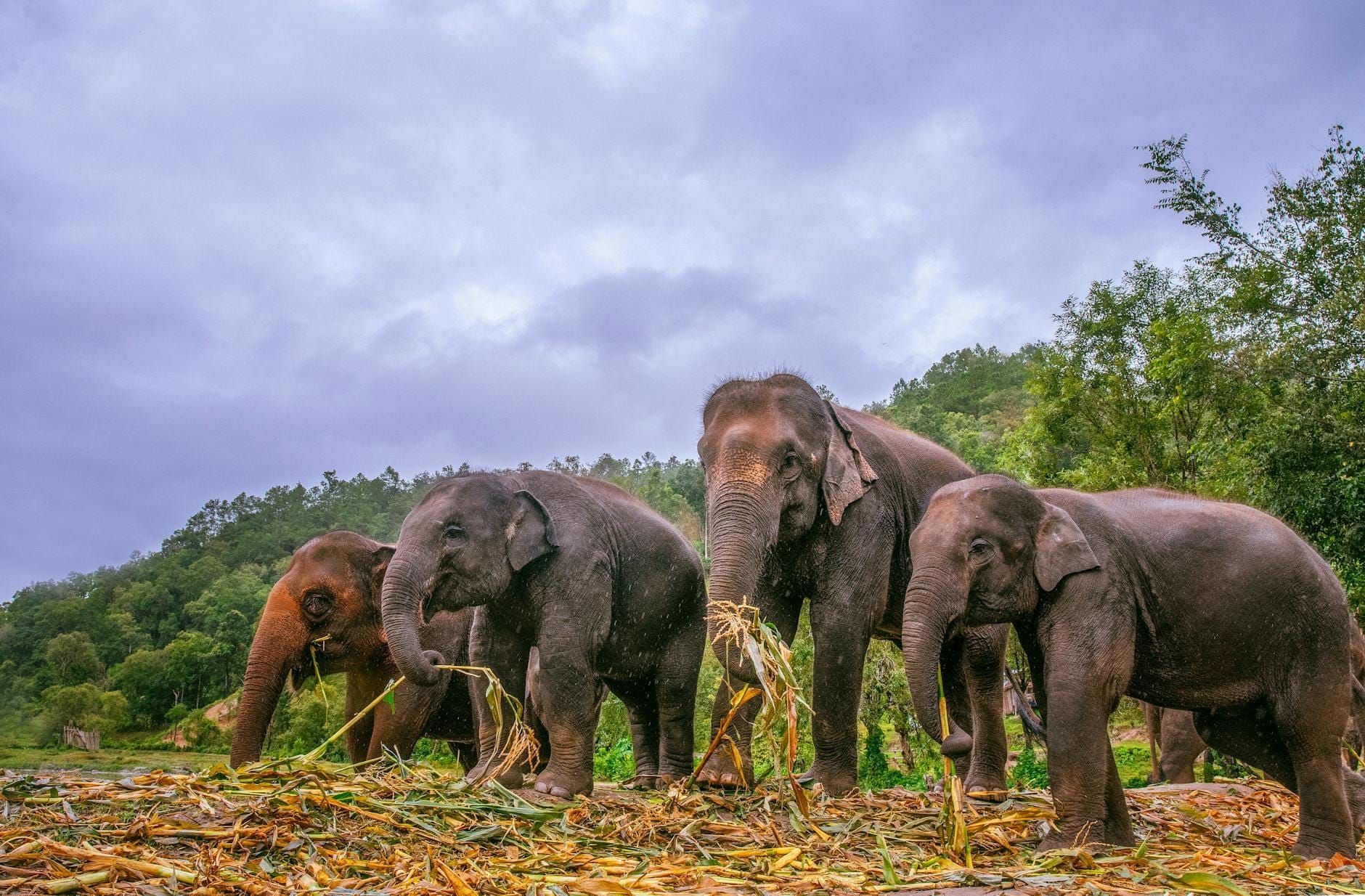
Elephant Nature Park is a rescue and rehabilitation center for Asian elephants, founded by Sangduen 'Lek' Chailert in Mae Taeng District. Unlike attractions where elephants perform tricks or carry tourists on their backs, this park operates on a no-riding, no-performance policy. Every elephant here has a documented rescue story: animals retired from logging operations, removed from street begging circuits, or saved from tourist camps that used outdated and harmful training methods.
The park's approach is now a reference point across the region. If you're researching where your tourism money goes when it comes to elephants, the ethical elephant sanctuary guide for Chiang Mai covers the broader landscape in detail. But Elephant Nature Park is consistently the benchmark against which other operators are measured.
ℹ️ Good to know
Elephant Nature Park does not allow elephant riding. Any operator advertising this as a feature here is misrepresenting the experience. If observing natural elephant behavior is your priority, that's the point.
The Valley Setting and First Impressions
The park sits in a wide river valley flanked by forested hills, roughly 60 kilometers north of Chiang Mai city. The drive up takes about 75 to 90 minutes depending on traffic, passing through the agricultural flatlands of Mae Taeng before climbing into the cooler, greener terrain near the river. On arrival, the scale surprises most visitors: this is not a small enclosure. Elephants roam large areas of open land, and you often hear them before you see them, a low rumble carried on the air or the sudden crack of a tree branch somewhere in the tree line.
Morning light in the valley is soft and diffuse, and early arrivals often catch the herd moving toward the feeding area while the mist is still burning off the hills. By midday, the sun is direct and the heat is real, particularly from March through May. Afternoons see the elephants gravitate toward the river for bathing, which is one of the more photogenic moments of the day.
💡 Local tip
Wear clothes you don't mind getting muddy or splashed. Light, breathable fabrics in natural colors (avoid bright white or patterned clothing near the elephants) work best. Closed shoes or sandals with ankle straps are strongly recommended over flip-flops.
Tickets & tours
Live prices and dates from our booking partner. If you book, we may earn a commission at no extra cost to you.
Half-day tour to admire elephants and enjoy Thai nature
From 48 €Instant confirmationFree cancellationDoi Inthanon National Park small group guided tour
From 34 €Instant confirmationFree cancellationChiang Mai - Chiang Dao Cave and 5 Hill Tribe villages
From 42 €Instant confirmationFree cancellationArt in Paradise Chiang Mai 3D Art Museum entrance tickets
From 8 €Instant confirmationFree cancellation
What a Day Visit Actually Looks Like
Most standard day visits begin with a pickup from a central Chiang Mai location, typically around 8:00 AM, and return by late afternoon. On arrival, a staff member walks the group through the park's history, the elephants' individual backstories, and the behavioral guidelines that keep both visitors and animals safe. The language is direct and educational rather than performative.
Feeding is one of the main structured activities. Visitors hold out baskets of fruit, and elephants approach at their own pace. The animals are not trained to beg or perform for food, and staff are clear about not forcing interaction. You will stand close enough to feel the weight of an elephant's breath and observe the texture of skin that resembles dried riverbed clay, thick, rough-edged, and marked by a lifetime of individual history.
The bathing session at the river is less choreographed than it appears in promotional photography. Elephants wade in on their own schedule, and visitors are encouraged to watch from the bank or to participate in gentle scrubbing if conditions allow. The river here is clean and fast-moving, and the sound of water and elephants together is one of those rare moments where tourist infrastructure and genuine wildlife behavior actually converge.
Lunch is served buffet-style on site and is included in most day programs. The vegetarian spread is substantial and consistently well-reviewed. It is also worth noting that the park is home to dogs and cats rescued from various situations; expect a few animals wandering through the dining area.
The Elephants: Who They Are
The park currently cares for dozens of elephants, each with a named profile and documented history available on the official website and explained by guides on arrival. Some are elderly and move slowly; some arrived as young animals and have grown up within the herd structure the park facilitates. There are elephants with visible injuries from hooks or chains, and watching them navigate the landscape with the full use of their natural social instincts is a significant part of what makes a visit here feel substantively different from other wildlife attractions.
Asian elephants are highly social and emotionally complex animals. The park's model prioritizes herd integrity, which means visitors observe real herd dynamics: alliances between adult females, juvenile play behavior, and the distinct personalities that emerge when animals are no longer under stress. Staff are knowledgeable and patient with questions, and the ratio of guides to visitors is reasonable enough to allow genuine conversation.
Programs, Booking, and Practical Logistics
Elephant Nature Park offers several program types: single-day visits, multi-day volunteer stays and overnight programs, and themed programs focused on specific aspects of conservation work. Overnight and weekly volunteer programs sell out significantly in advance, particularly from November through February. Day visits are more available but also book out weeks ahead during peak season.
⚠️ What to skip
Book directly through the official website at elephantnaturepark.org. Third-party resellers do exist, but booking direct ensures your payment supports the sanctuary rather than an intermediary commission chain. Prices are updated seasonally.
Group sizes are controlled and relatively small compared to mainstream tourist attractions. Transportation from Chiang Mai city is typically included in the standard day program cost, with pickup from your hotel or the park’s office. If you prefer to arrange your own transport, a private taxi or Grab will cost more depending on the vehicle type and distance.
If you're planning a broader trip north of the city, Mae Taeng and Mae Rim both sit on routes that connect to other natural attractions. A visit to Mae Sa Waterfall or the Queen Sirikit Botanic Garden can be combined on the same day if you have your own transport, though the elephant park itself is a full-day commitment.
Photography and Ethics on Site
Photography is permitted throughout the visit. The valley light is best in the first two hours after arrival and again in the late afternoon when shadows lengthen across the landscape. For anyone serious about capturing the park, the broader Chiang Mai photography guide has useful context on light timing throughout the region.
The one consistent challenge for photography here is proximity: the elephants move unpredictably and the background is often busy with other visitors. Patience and a mid-range zoom lens will serve better than trying to get physically close. Wide-angle shots of the full herd near the river tend to produce the most compelling images. Do not use flash near the animals.
Honest Assessment: Limitations to Know
Elephant Nature Park is not a wilderness experience. The animals are habituated to human presence, the infrastructure is visible, and on busy days the visitor numbers can make the feeding areas feel crowded. The experience is managed and educational rather than spontaneous or remote. That is a deliberate and defensible choice given the animals' histories, but travelers expecting untouched nature should recalibrate expectations.
The heat is a genuine physical consideration from March through May. Burning season, which typically peaks in February and March across Northern Thailand, also affects air quality in the valley. Travelers with respiratory sensitivities should check forecasts before booking.
For context on seasonal conditions that could affect outdoor experiences in the region, the Chiang Mai burning season guide gives specific timing and air quality advice.
Children under a certain age (check with the park at time of booking) may not be permitted on all programs due to safety considerations around the animals. This is a practical restriction, not a discouragement: the park is genuinely engaging for older children and teenagers who are capable of following behavioral guidelines quietly.
Insider Tips
- Book at least 3 to 4 weeks in advance for day visits during high season (November to February); the park regularly sells out and does not expand group sizes to accommodate demand.
- Arrive for the morning feeding session rather than arriving at midday: the elephants are most active in the cooler morning hours, and the quality of observation is noticeably higher.
- The park has a small gift shop where purchases directly support operations. Products made by local community members connected to the park's broader outreach programs are clearly labeled.
- Bring cash for the gift shop and any add-on items; card acceptance on-site is limited. The nearest ATM is back in Mae Taeng town, not at the park entrance.
- If you have specific interest in the volunteer programs, contact the park directly rather than going through tour agents. Volunteer coordinators can match skills (veterinary background, languages, practical construction) to specific program needs.
Who Is Elephant Nature Park For?
- Conservation-focused travelers who want to understand ethical wildlife tourism in practice
- Families with children aged 8 and older who can engage with behavioral guidelines around large animals
- Solo travelers seeking a structured but meaningful one-day experience outside the city
- Photographers looking for natural, unposed large-mammal encounters in a managed but visually compelling landscape
- Anyone on an extended stay who wants to contribute meaningfully through a multi-day volunteer program
Nearby Attractions
Other things to see while in Mae Rim Valley:
- Flight of the Gibbon Zipline
Flight of the Gibbon is Chiang Mai's longest-running zipline operation, sending riders through the forest canopy above Mae Kampong in Mae On district on a network of platforms, cables, and sky bridges. It combines genuine treetop thrills with a conservation story centered on gibbon rescue and rehabilitation.
- Mae Kampong Village
Tucked into a forested valley about 50km east of Chiang Mai, Mae Kampong is a highland village famous for its miang fermented tea gardens, gushing waterfall, and stilted wooden guesthouses above a stream. It rewards visitors who linger past the lunch rush with cooler air, birdsong, and a glimpse of genuine Northern Thai community life.
- Mae Sa Waterfall
Mae Sa Waterfall, located in Mae Rim's lush valley about 25–30 km northwest of Chiang Mai, drops through 8–10 distinct tiers across a forested national park. It's one of the most rewarding natural escapes near the city, particularly after the rains fill the cascades to their full volume.
- Mon Cham (Mon Jam)
Perched at roughly 1,400 metres above sea level in the hills above Mae Rim, Mon Cham is a highland agricultural project offering sweeping valley panoramas, terraced strawberry and flower fields, and a genuine taste of northern Thailand's cooler uplands. It makes an excellent half-day trip from the city, especially between November and February.
Planning a trip? Discover personalized activities with the Nomado app.