Best Ethical Elephant Sanctuaries in Chiang Mai (and What to Do Nearby)
Chiang Mai is the center of elephant tourism in Thailand, but not all experiences are equal. This guide focuses on the one verified ethical sanctuary in the available attractions list, plus the best complementary nature, wildlife, and eco-experiences to build a responsible, rewarding trip around it.
Tickets & tours
Live prices and dates from our booking partner. If you book, we may earn a commission at no extra cost to you.
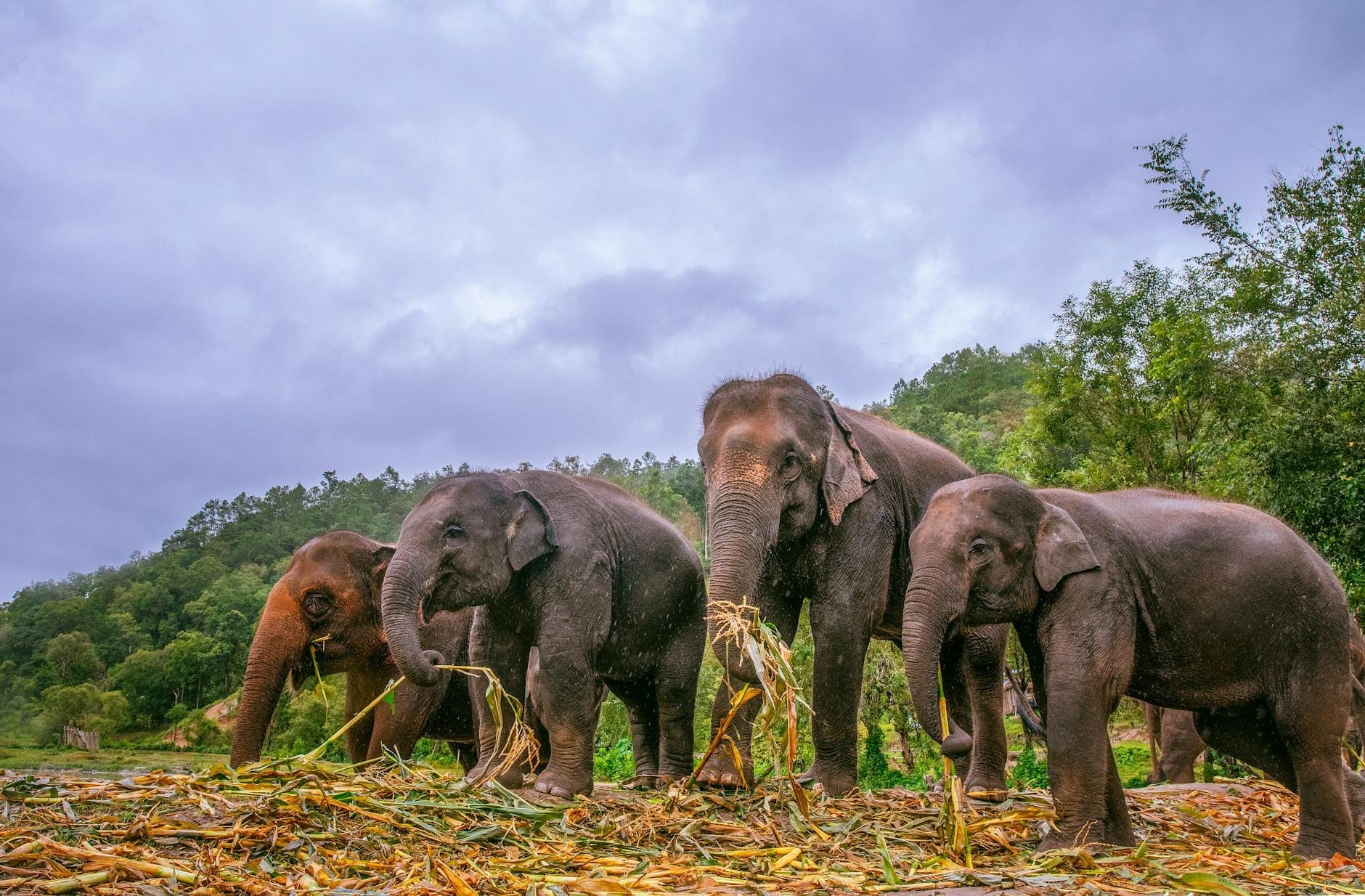
Chiang Mai has long been Thailand's hub for elephant encounters, and the ethical landscape has shifted dramatically over the past decade. Riding is now widely recognized as harmful, and the best sanctuaries focus on observation, feeding, and natural behavior in rescue or rehabilitation settings. If you're planning a trip around responsible wildlife experiences, there's plenty to pair with your sanctuary visit. The Mae Rim valley north of the city is the epicenter of this kind of tourism, and it's also home to some of the region's best nature attractions. For a full picture of how to plan your time, see our 3-day Chiang Mai itinerary.
⚠️ What to skip
Be skeptical of any operator that offers elephant riding, 'painting' performances, or close contact in chains. Genuine sanctuaries let elephants roam freely and do not use bullhooks. Always research an operator independently before booking.
The Ethical Elephant Experience
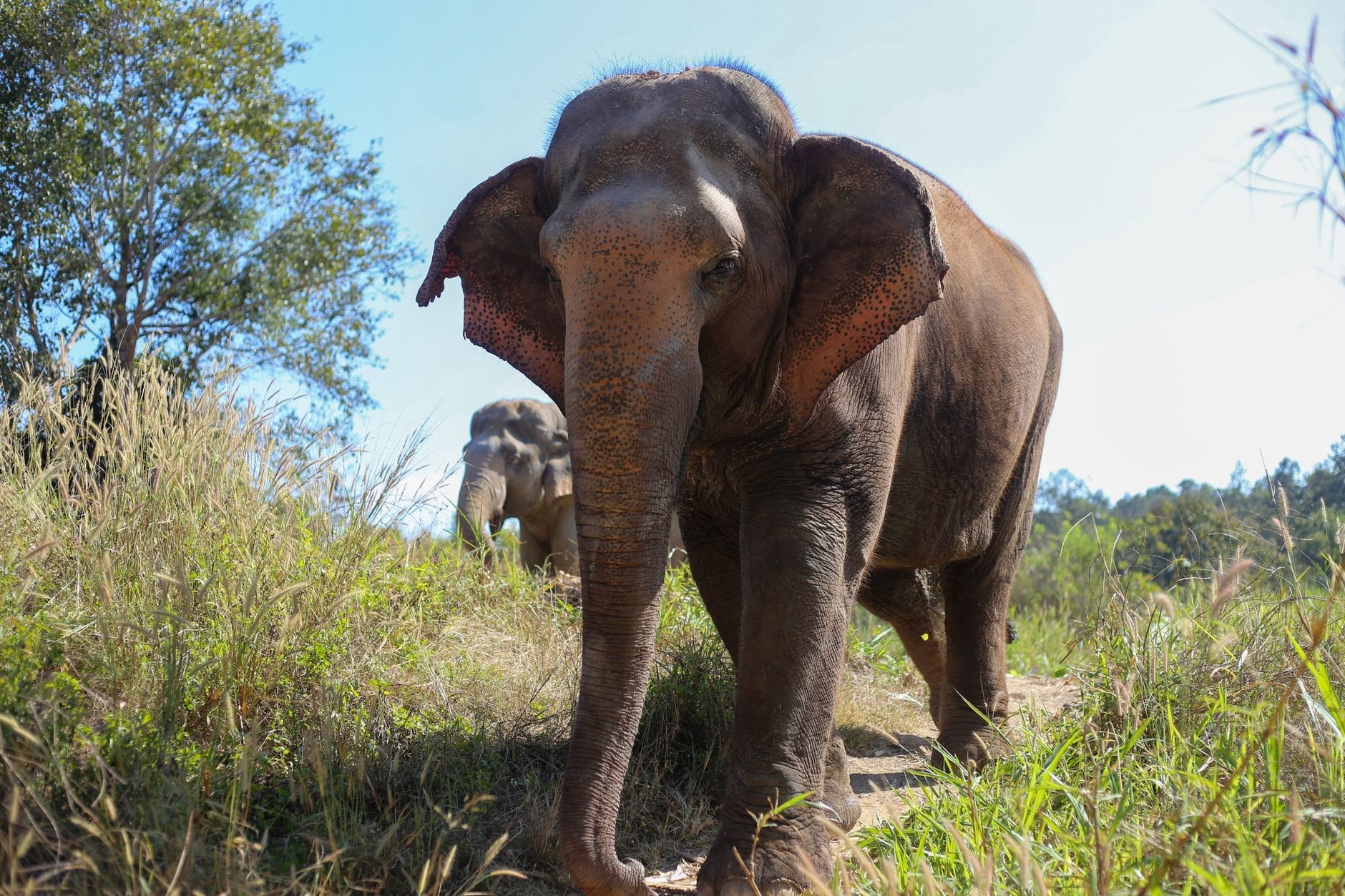
There is one clear benchmark for ethical elephant tourism in Chiang Mai, and it sets the standard that every other operator should be measured against. When researching your visit, also check our hidden gems guide for lesser-known nature experiences that complement a sanctuary day.
1. Spend a Full Day at Elephant Nature Park, Thailand's Gold Standard
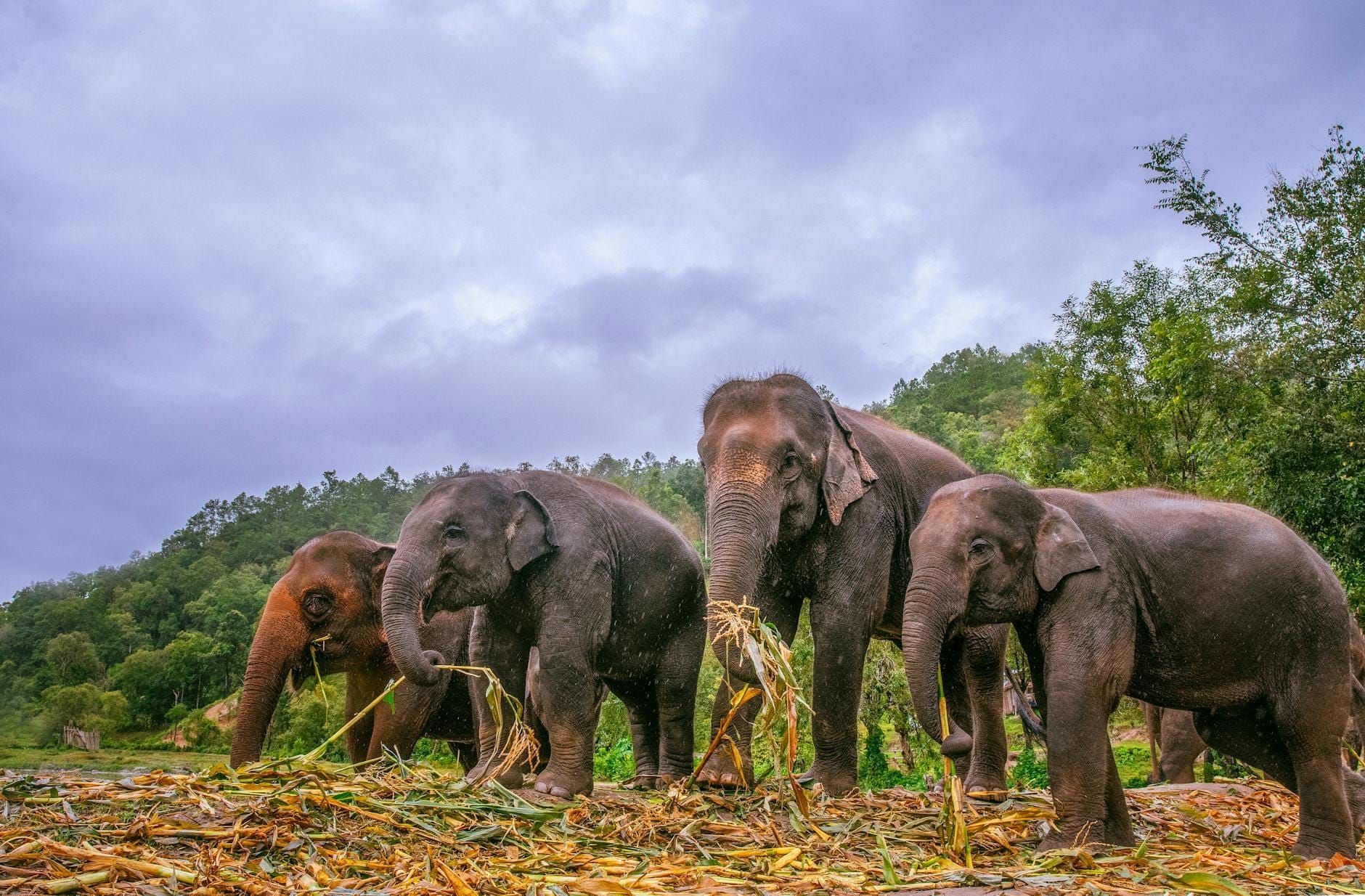
Founded by Lek Chailert, this rescue sanctuary houses 80+ elephants in a river valley in Mae Taeng District. Day visits include feeding, mud baths, and close observation with no riding or performing. Book weeks ahead as spots fill fast.
Explore1. Spend a Full Day at Elephant Nature Park, Thailand's Gold Standard
Founded by Lek Chailert, this rescue sanctuary houses 80+ elephants in a river valley in Mae Taeng District. Day visits include feeding, mud baths, and close observation with no riding or performing. Book weeks ahead as spots fill fast.
Explore✨ Pro tip
Elephant Nature Park offers half-day visits, full-day visits, and overnight stays. If you can commit more time, the multi-day volunteer program gives you a far deeper understanding of each elephant's rescue story and rehabilitation journey.
Wildlife and Nature Experiences Worth Your Time
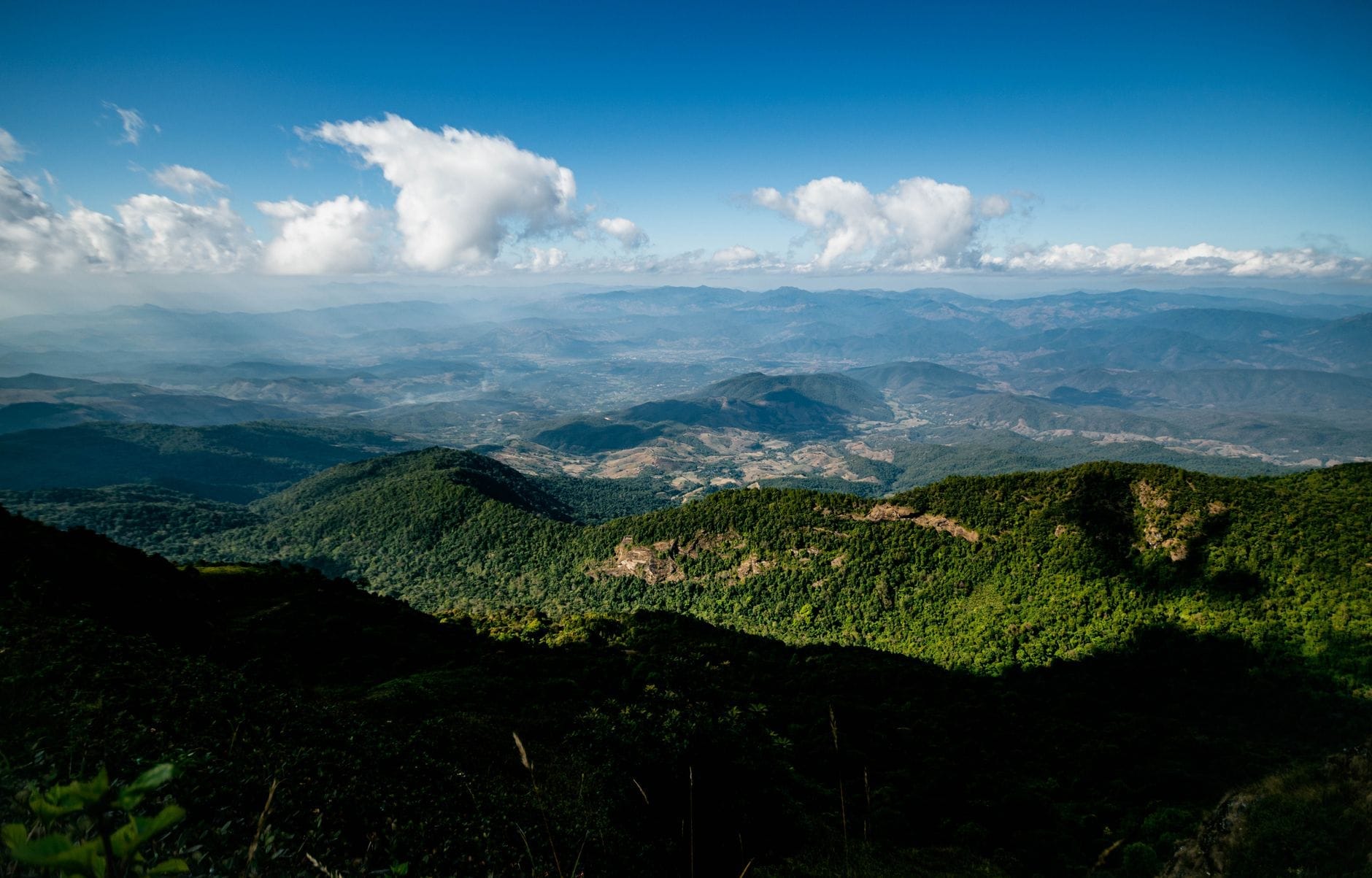
Beyond elephants, the Mae Rim valley and surrounding mountains offer some of the most rewarding nature experiences in northern Thailand. The Mae Rim area alone can easily fill two full days of ethical, nature-focused activity. For trails and trekking further afield, our Chiang Mai trekking guide covers the best routes and operators.
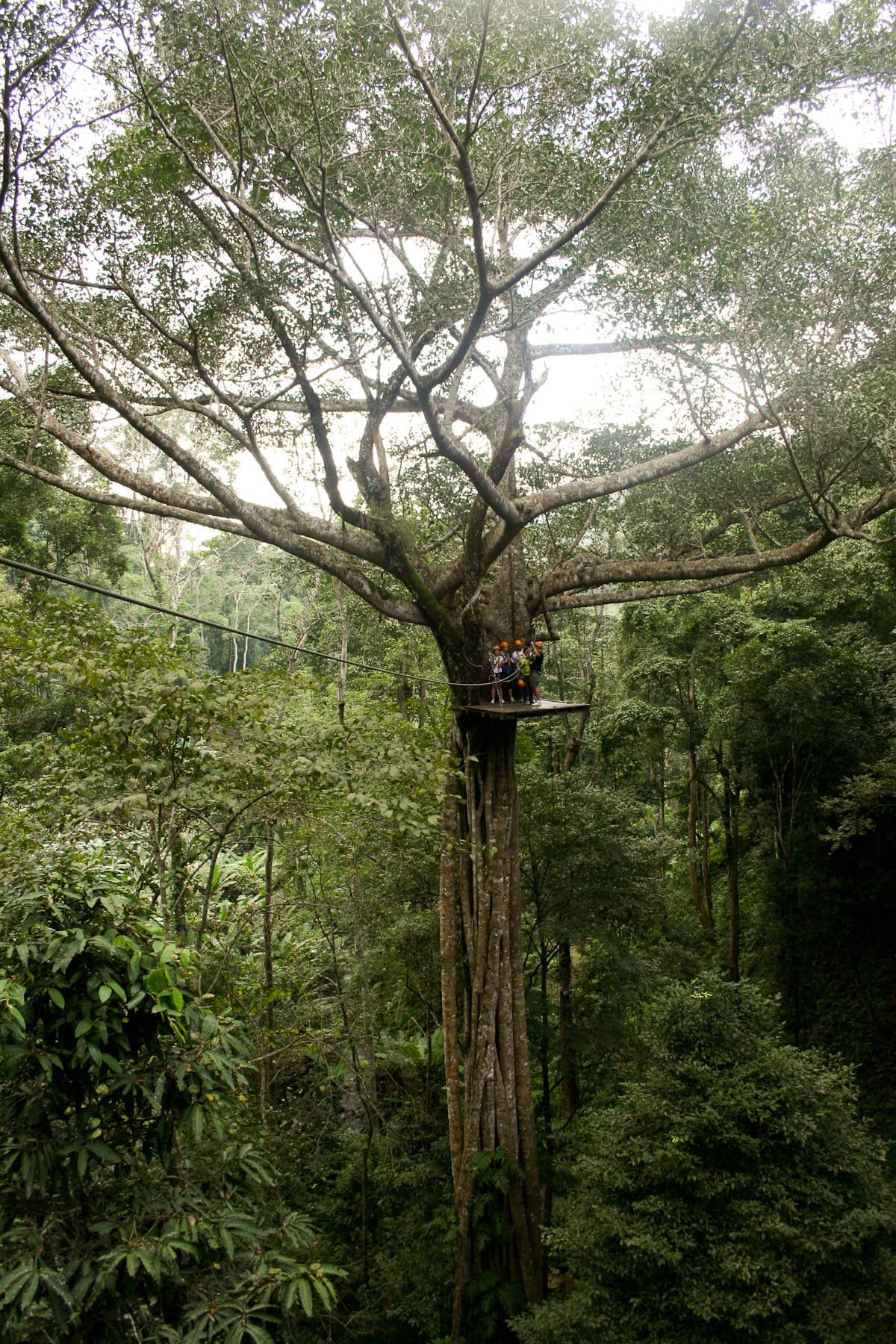
2. Zip Through the Canopy with Flight of the Gibbon's Conservation Focus
This zipline operation near Mae Kampong pairs high-altitude forest canopy runs with a gibbon rehabilitation program. It's one of the few adventure tourism operators in Thailand with a credible wildlife conservation component built into the experience.
Explore2. Zip Through the Canopy with Flight of the Gibbon's Conservation Focus
This zipline operation near Mae Kampong pairs high-altitude forest canopy runs with a gibbon rehabilitation program. It's one of the few adventure tourism operators in Thailand with a credible wildlife conservation component built into the experience.
Explore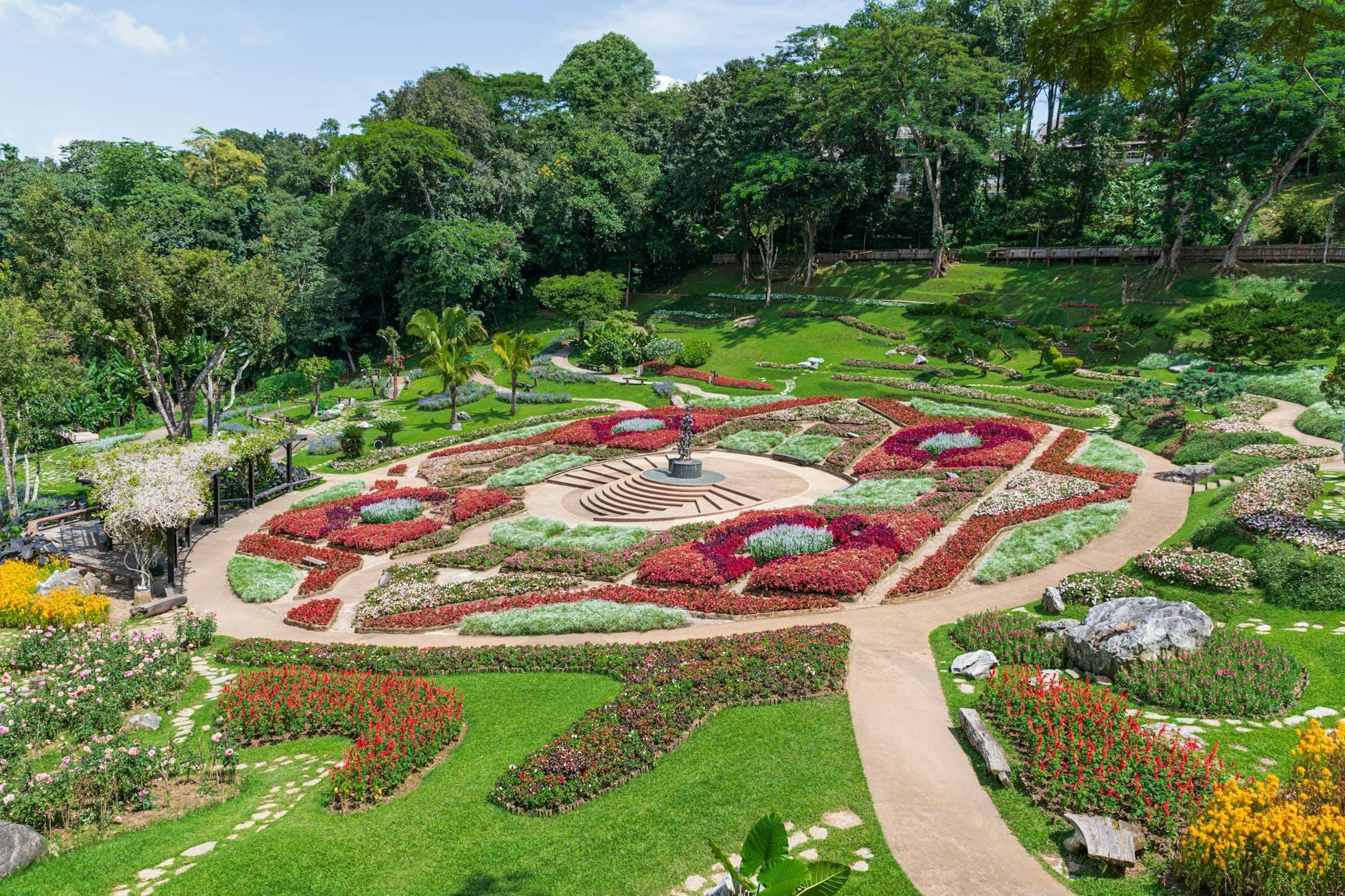
3. Explore One of Southeast Asia's Best Botanic Gardens in Mae Rim
The glasshouse complex here rivals any in Asia, with tropical carnivorous plants, orchids, and temperate species alongside a canopy walkway and outdoor gardens. It's a calm, educational half-day that pairs naturally with a morning sanctuary visit.
Explore3. Explore One of Southeast Asia's Best Botanic Gardens in Mae Rim
The glasshouse complex here rivals any in Asia, with tropical carnivorous plants, orchids, and temperate species alongside a canopy walkway and outdoor gardens. It's a calm, educational half-day that pairs naturally with a morning sanctuary visit.
Explore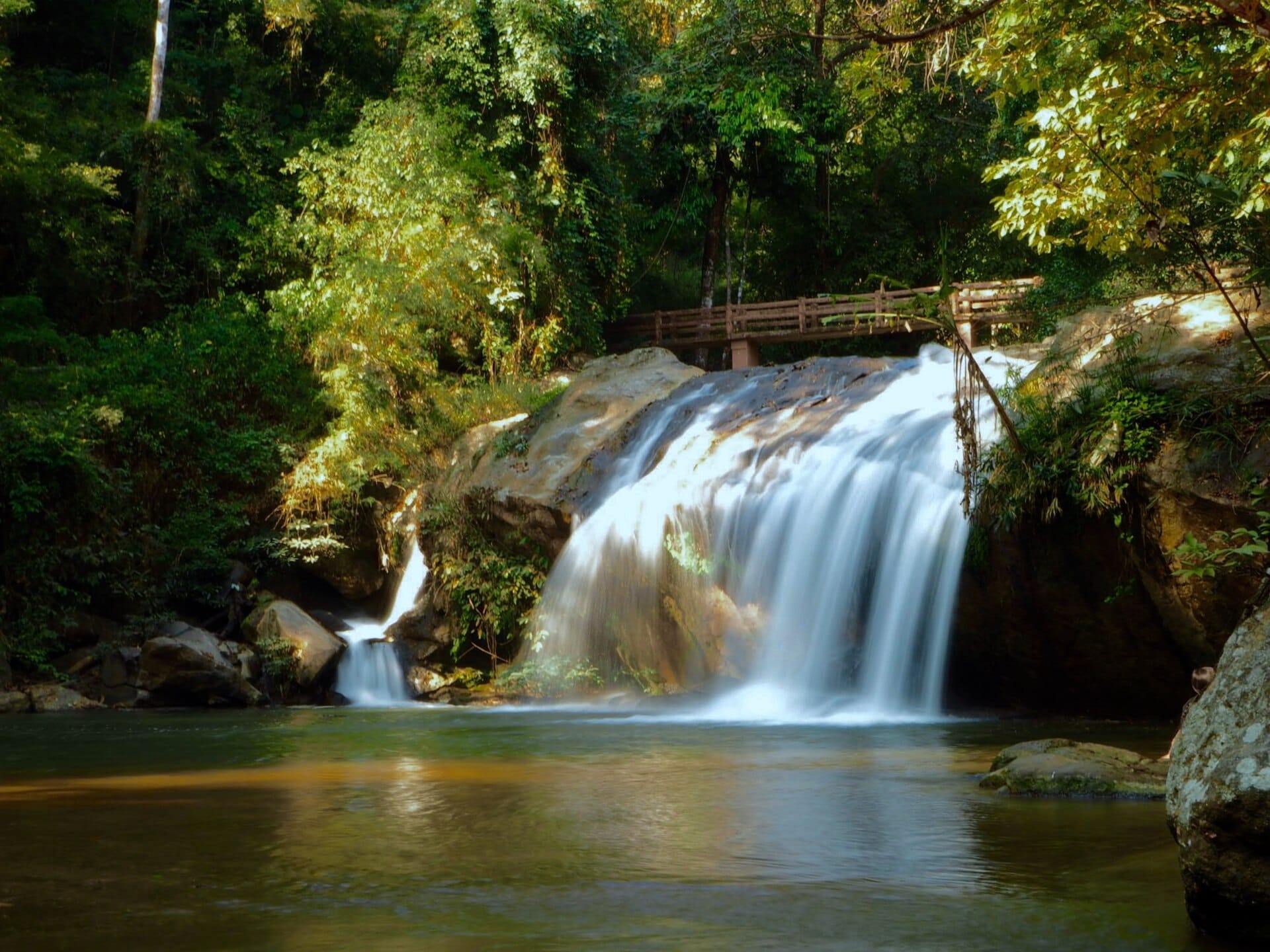
4. Cool Off at Mae Sa Waterfall After a Morning with the Elephants
Ten cascading tiers set inside a national park make this the most accessible waterfall day trip from Chiang Mai. The natural swimming pools at the lower tiers are refreshing after a warm morning outdoors, and the forest setting feels genuinely wild.
Explore4. Cool Off at Mae Sa Waterfall After a Morning with the Elephants
Ten cascading tiers set inside a national park make this the most accessible waterfall day trip from Chiang Mai. The natural swimming pools at the lower tiers are refreshing after a warm morning outdoors, and the forest setting feels genuinely wild.
Explore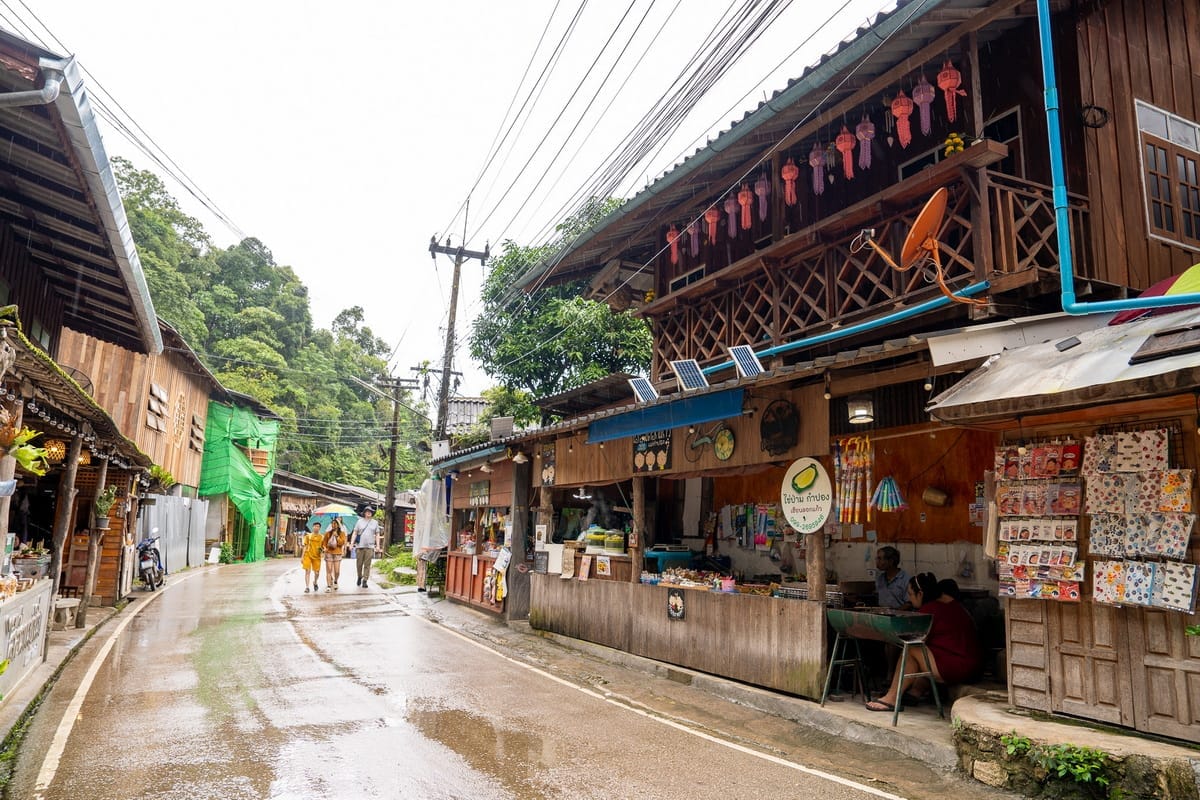
5. Visit Mae Kampong, an Eco-Village That Gets Community Tourism Right
Tea gardens, wooden houses above a stream, waterfalls, and homestays make this forested valley east of the city a model for sustainable tourism. The Giant Chiangmai Treehouse is a highlight. Best visited as a half-day trip or overnight stay.
Explore5. Visit Mae Kampong, an Eco-Village That Gets Community Tourism Right
Tea gardens, wooden houses above a stream, waterfalls, and homestays make this forested valley east of the city a model for sustainable tourism. The Giant Chiangmai Treehouse is a highlight. Best visited as a half-day trip or overnight stay.
Explore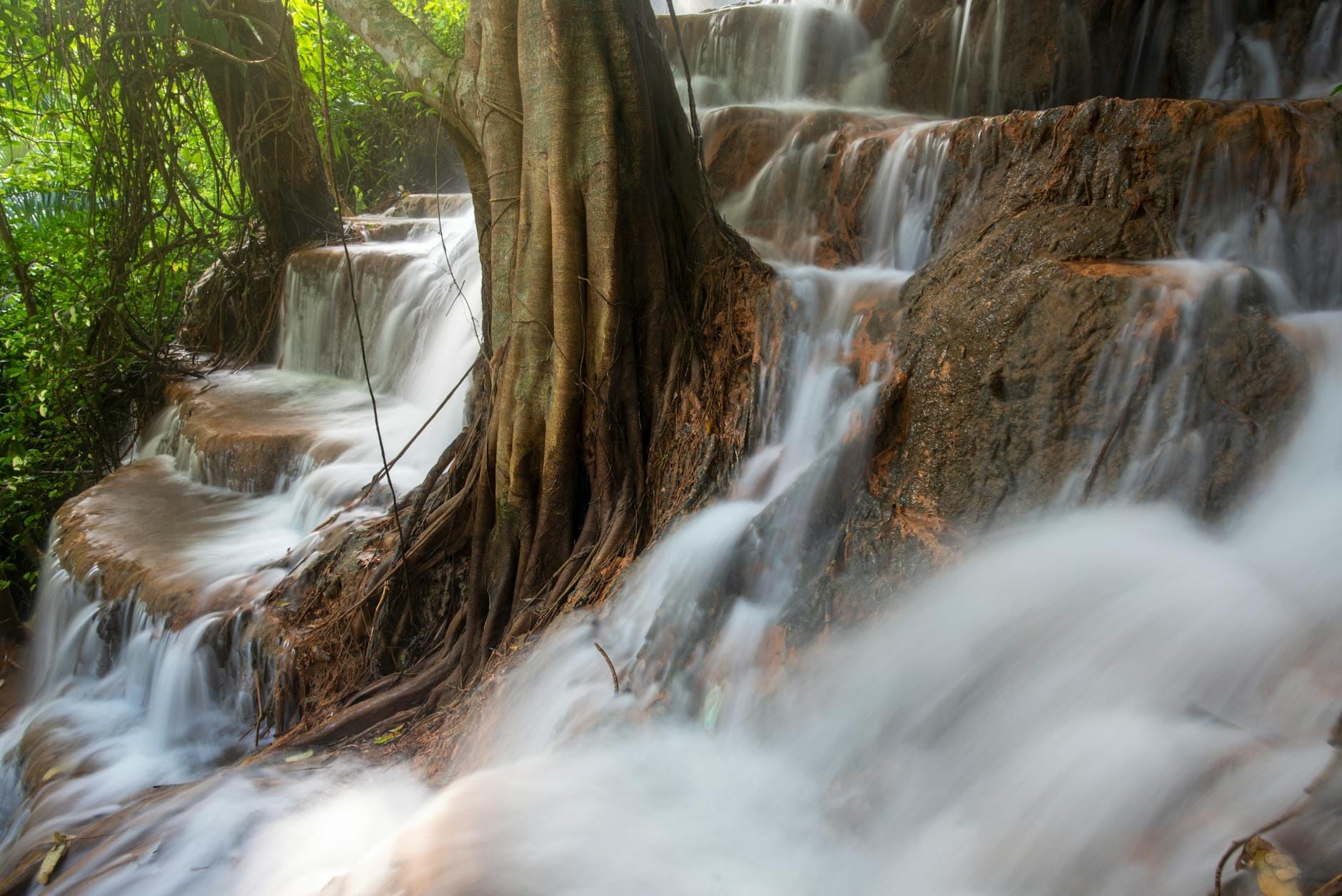
6. Walk Up the Sticky Waterfall, One of Thailand's Wildest Natural Quirks
Calcium-rich limestone makes this waterfall surface so grippy you can walk straight up the cascades barefoot. It's north of Chiang Mai and combines well with a Chiang Dao day trip. Completely crowd-free on weekday mornings.
Explore6. Walk Up the Sticky Waterfall, One of Thailand's Wildest Natural Quirks
Calcium-rich limestone makes this waterfall surface so grippy you can walk straight up the cascades barefoot. It's north of Chiang Mai and combines well with a Chiang Dao day trip. Completely crowd-free on weekday mornings.
Explore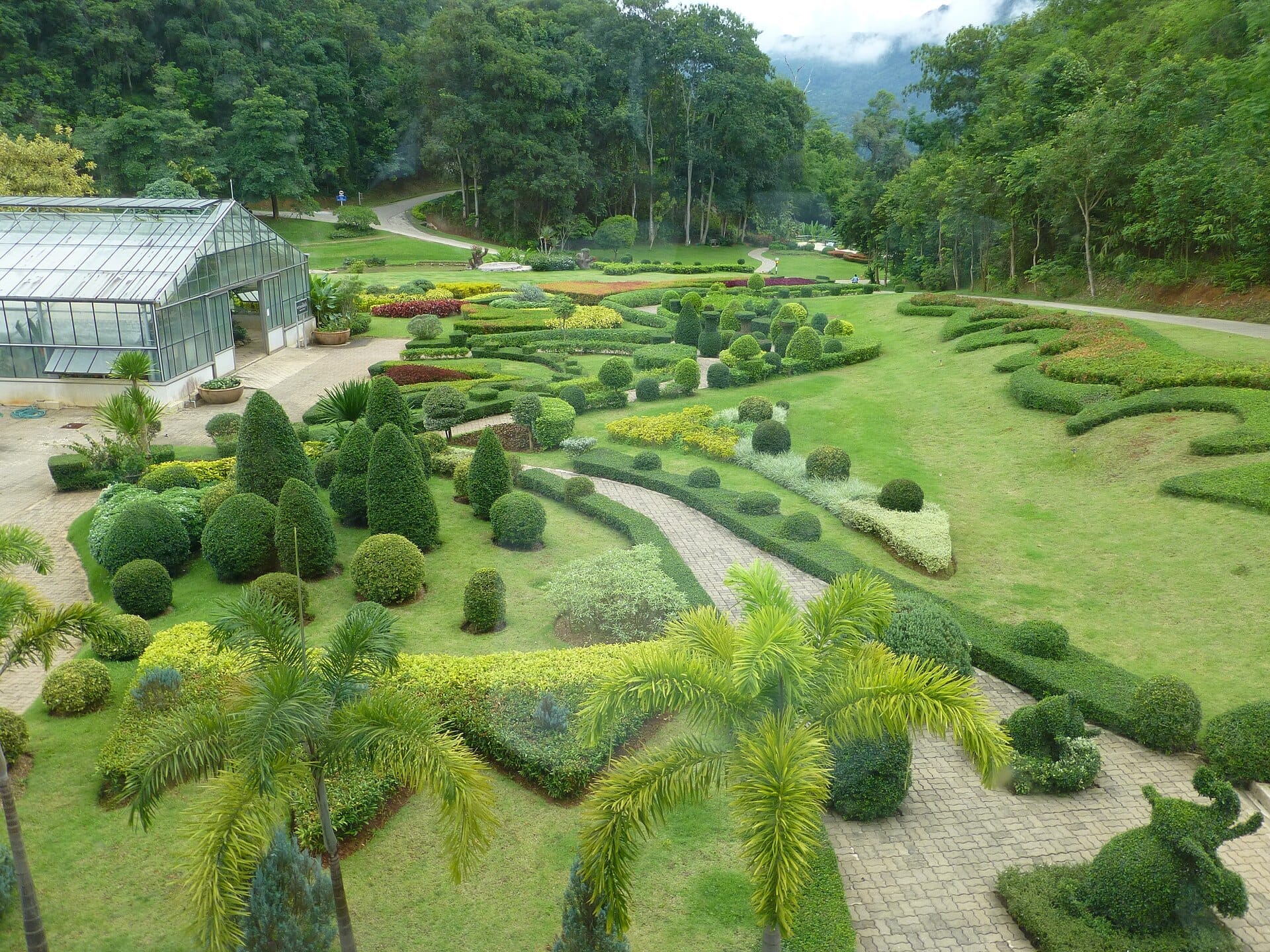
7. Watch the Sea of Mist at Mon Cham at Dawn
This highland agricultural project above Mae Rim produces strawberries and flowers while offering some of the most spectacular morning mist views in northern Thailand. Arrive by 7am for the full effect. The drive up is best done by rented car or scooter.
Explore7. Watch the Sea of Mist at Mon Cham at Dawn
This highland agricultural project above Mae Rim produces strawberries and flowers while offering some of the most spectacular morning mist views in northern Thailand. Arrive by 7am for the full effect. The drive up is best done by rented car or scooter.
ExploreDay Trips to Nature and Hill Tribe Culture
Combine your sanctuary visit with a day trip to the highlands or national parks nearby. The Doi Inthanon day trip guide is the most practical resource for planning a visit to Thailand's highest peak and its surrounding national park.
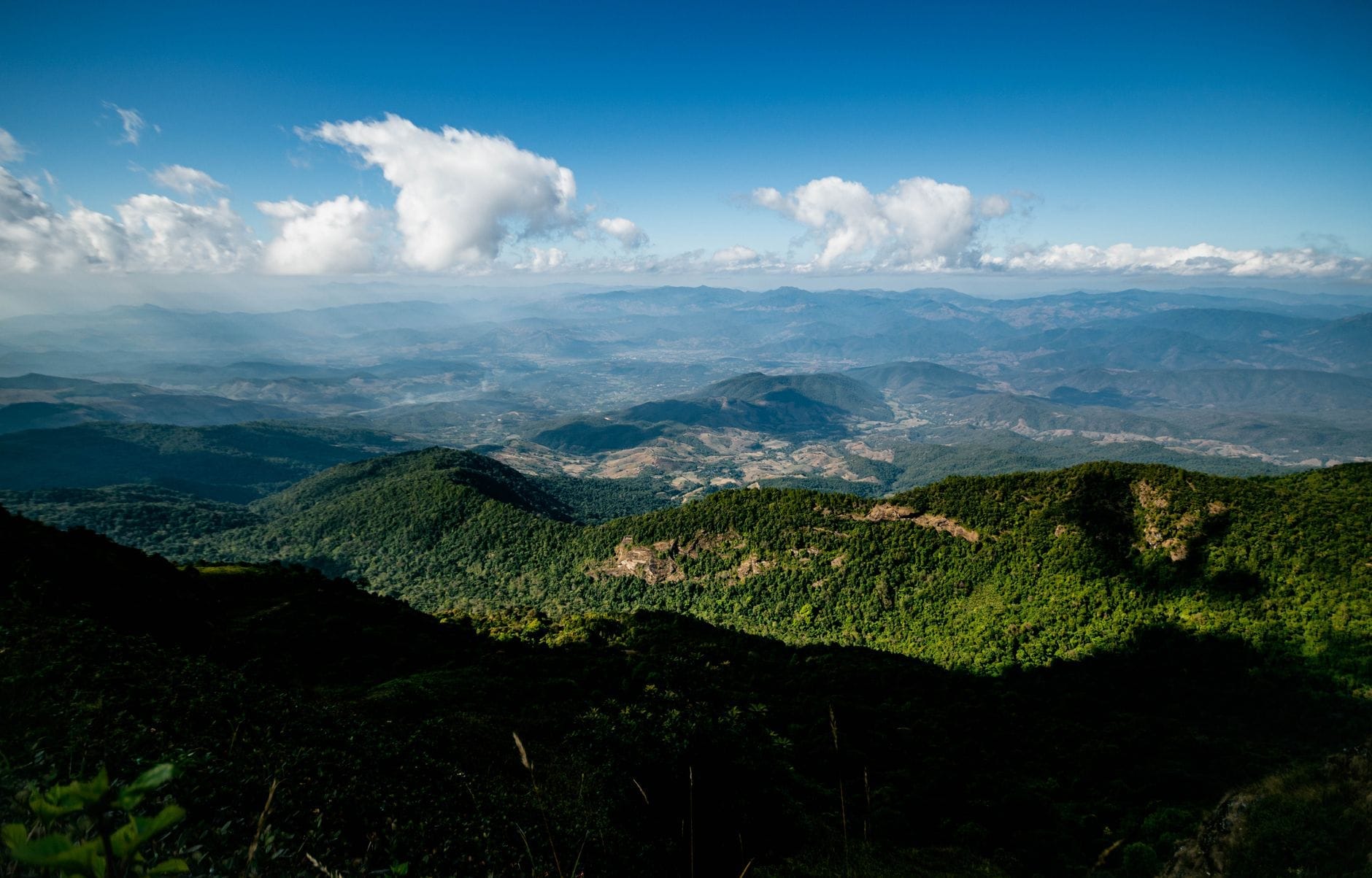
8. Reach the Summit of Thailand at Doi Inthanon's Cloud Forest Peak
At 2,565m, the summit is wrapped in cloud forest and sits at a permanent cool temperature. The atmosphere is completely unlike anything near the lowland city. The chedi containing King Bhumibol's ashes and the birding along the summit road are both exceptional.
Explore8. Reach the Summit of Thailand at Doi Inthanon's Cloud Forest Peak
At 2,565m, the summit is wrapped in cloud forest and sits at a permanent cool temperature. The atmosphere is completely unlike anything near the lowland city. The chedi containing King Bhumibol's ashes and the birding along the summit road are both exceptional.
Explore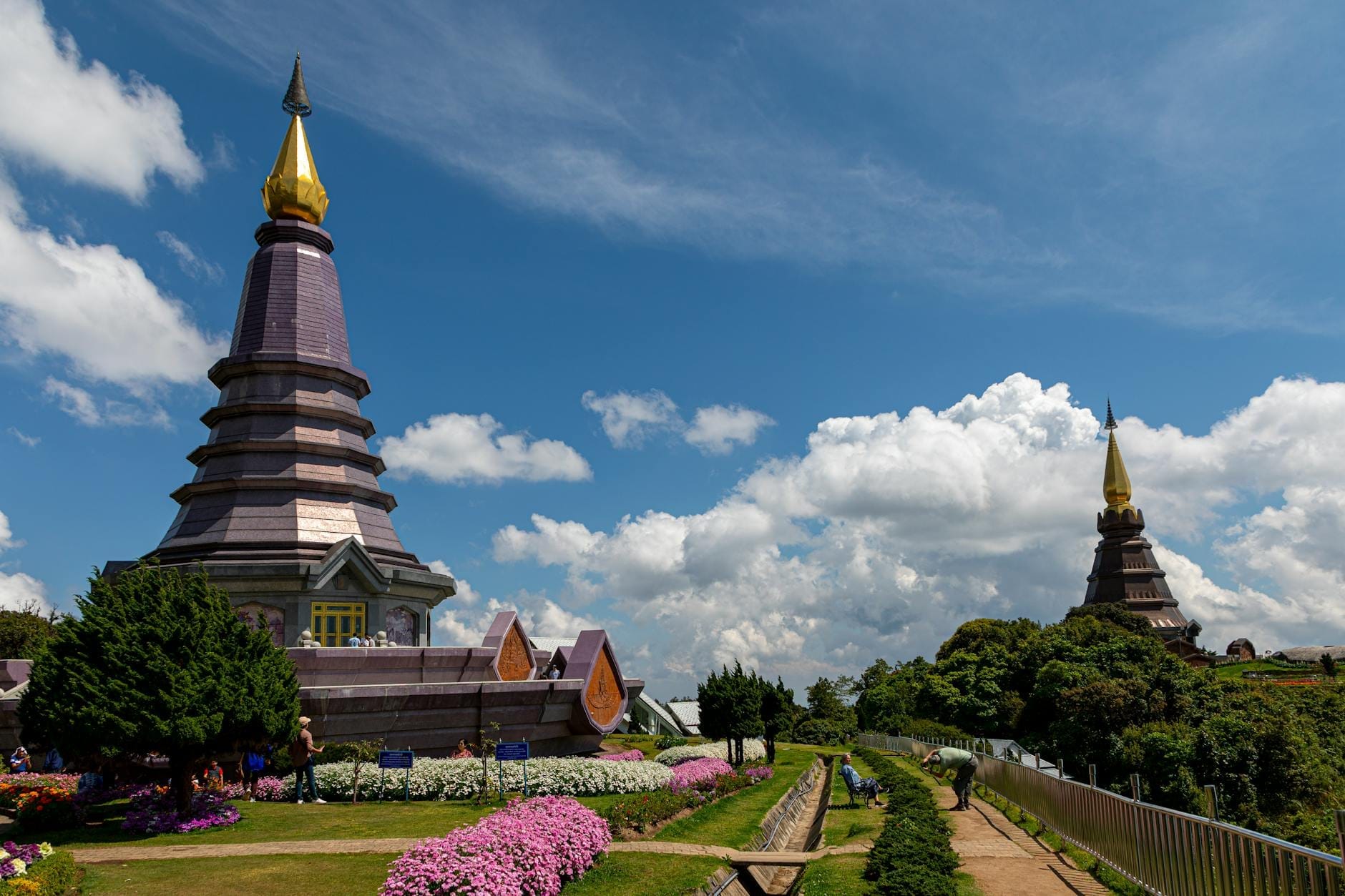
9. Visit the Twin Pagodas in Doi Inthanon's Flower-Filled Highland Gardens
These two chedis built for the Thai royal family sit at 2,200m with manicured gardens, mountain mist, and striking architecture. The surrounding garden walk takes about 45 minutes and is one of the most scenic in Thailand at any elevation.
Explore9. Visit the Twin Pagodas in Doi Inthanon's Flower-Filled Highland Gardens
These two chedis built for the Thai royal family sit at 2,200m with manicured gardens, mountain mist, and striking architecture. The surrounding garden walk takes about 45 minutes and is one of the most scenic in Thailand at any elevation.
Explore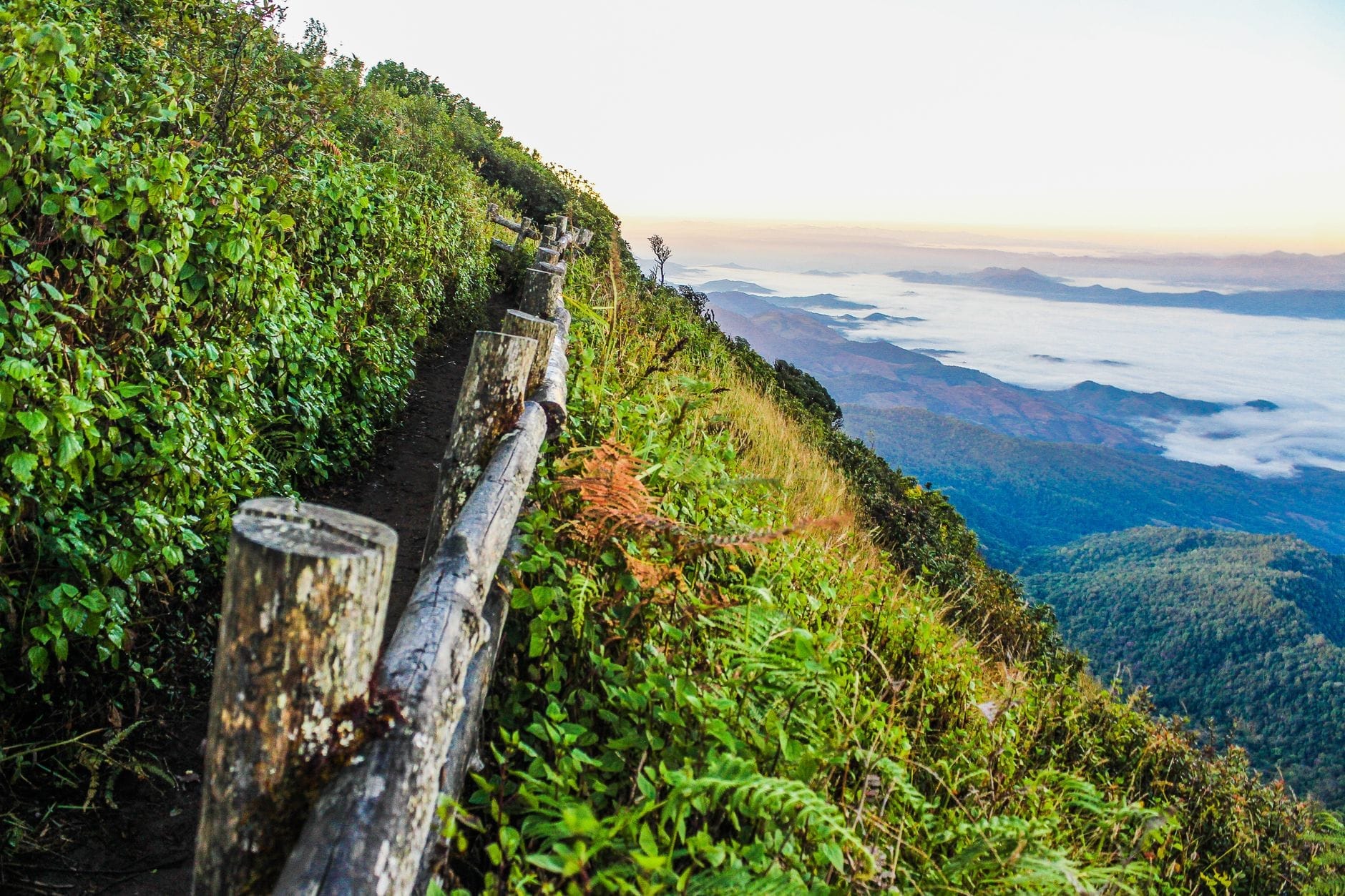
10. Hike the Kew Mae Pan Trail for Rare Highland Ecosystems
This 3km loop near the Doi Inthanon summit passes through dwarf cloud forest, wild orchids, and panoramic ridge viewpoints. A licensed guide is mandatory during certain seasons. It's the most rewarding short hike in any national park near Chiang Mai.
Explore10. Hike the Kew Mae Pan Trail for Rare Highland Ecosystems
This 3km loop near the Doi Inthanon summit passes through dwarf cloud forest, wild orchids, and panoramic ridge viewpoints. A licensed guide is mandatory during certain seasons. It's the most rewarding short hike in any national park near Chiang Mai.
Explore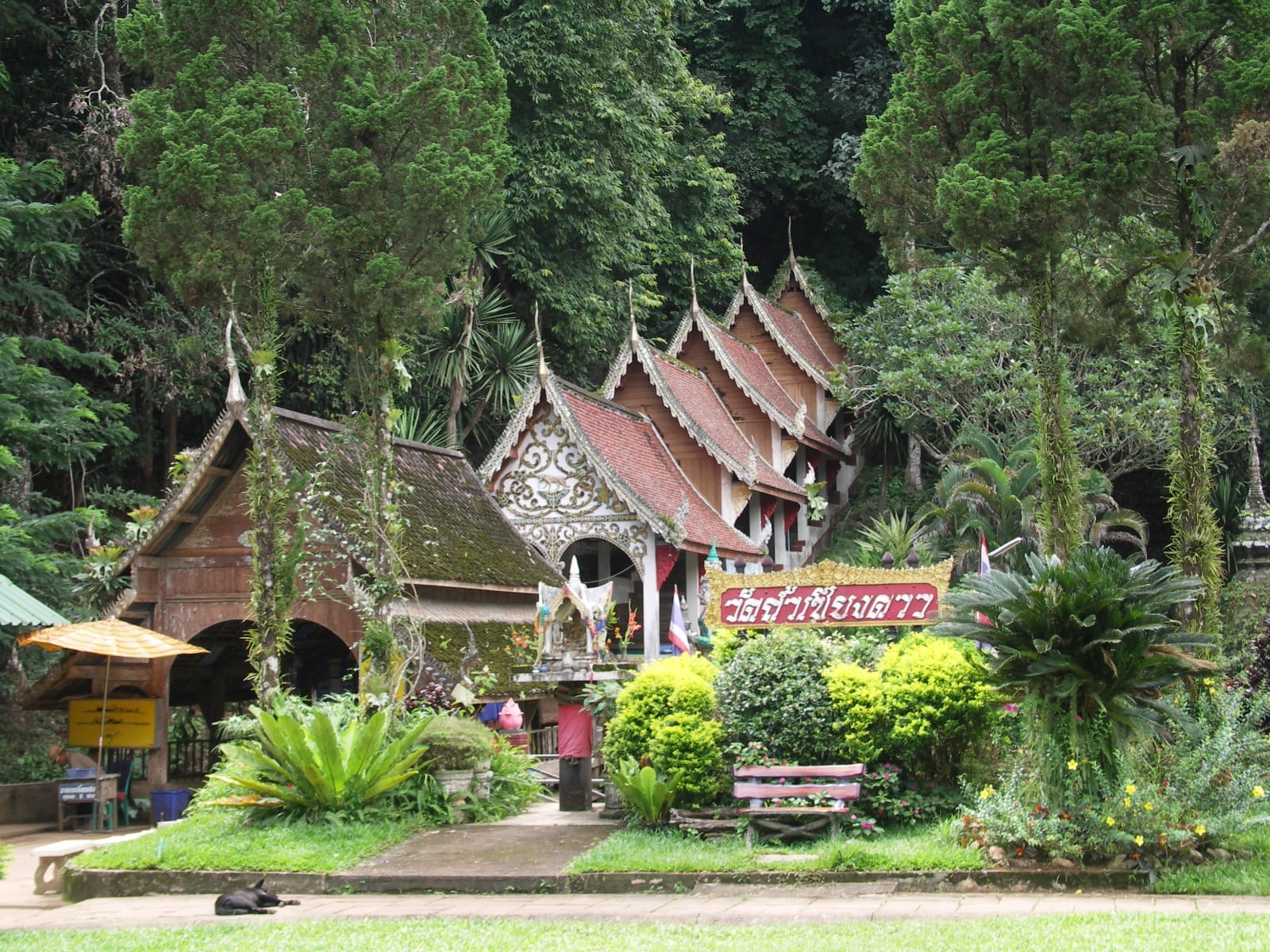
11. Take a Lantern Tour of Chiang Dao's Ancient Limestone Caves
Local guides lead lantern-lit walks through chambers filled with stalactites and Buddha shrines inside this vast cave system north of the city. The atmosphere is genuinely extraordinary. Chiang Dao itself is one of Thailand's most underrated destinations.
Explore11. Take a Lantern Tour of Chiang Dao's Ancient Limestone Caves
Local guides lead lantern-lit walks through chambers filled with stalactites and Buddha shrines inside this vast cave system north of the city. The atmosphere is genuinely extraordinary. Chiang Dao itself is one of Thailand's most underrated destinations.
Explore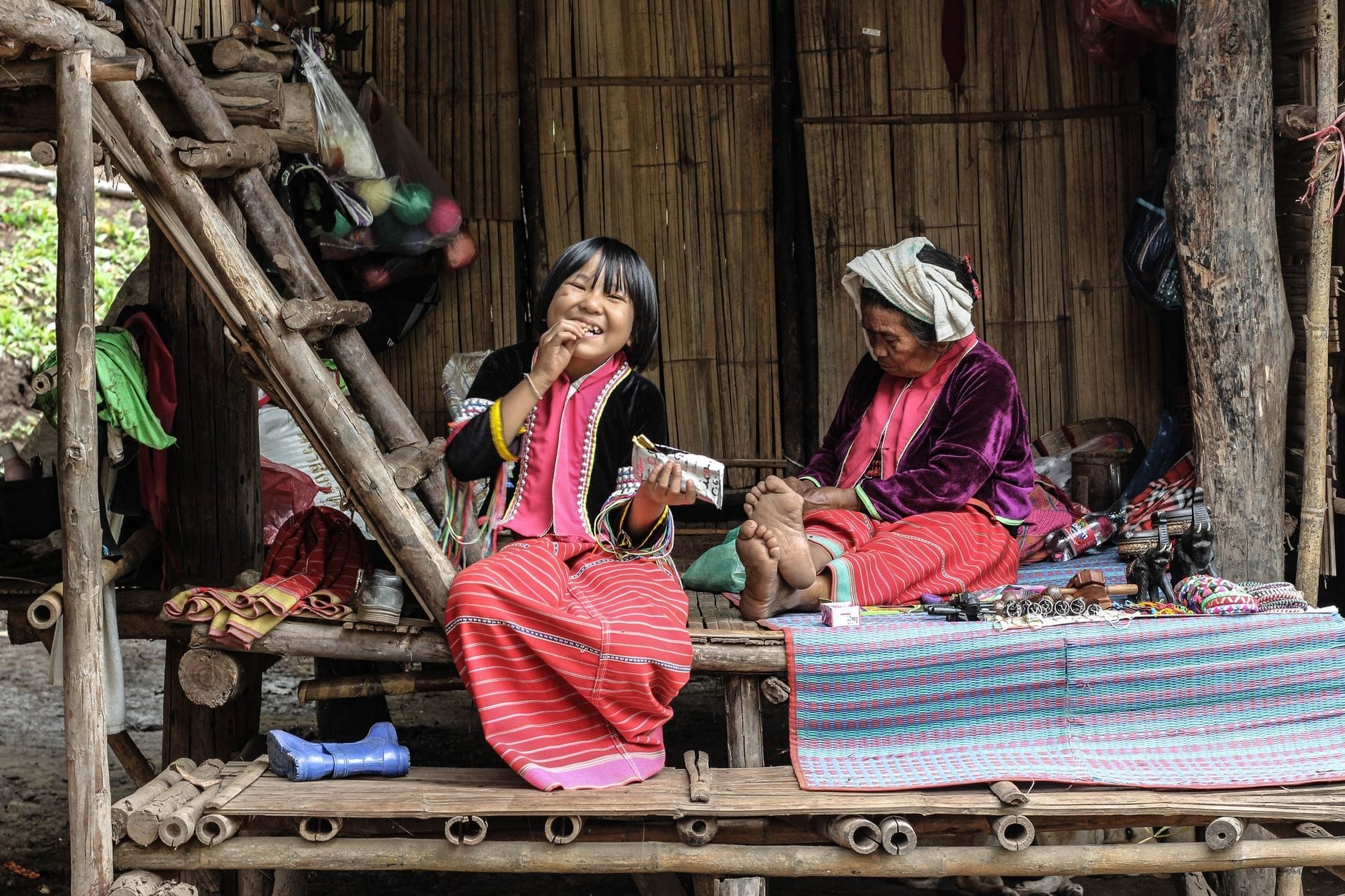
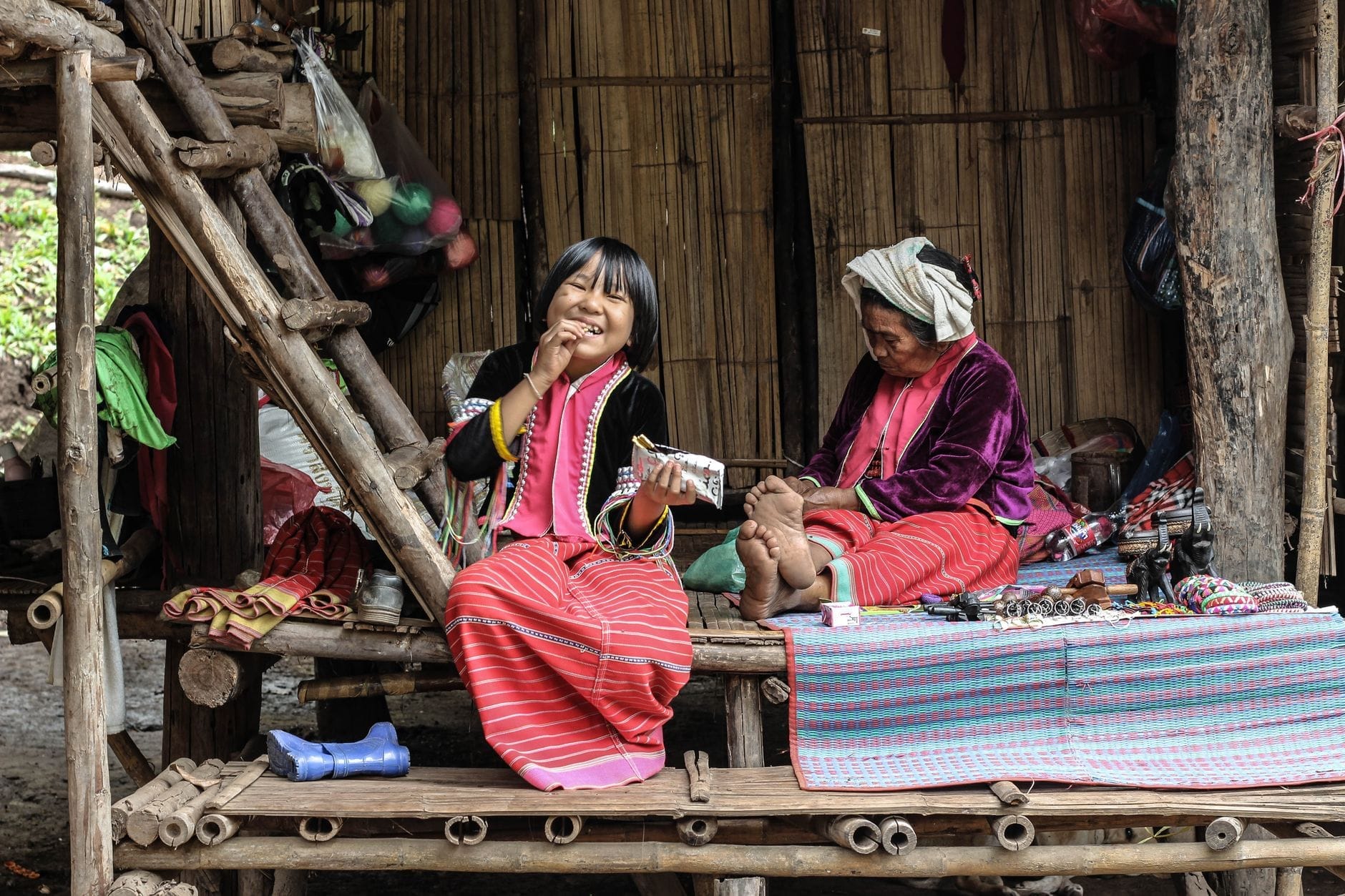
12. Learn About Hmong Culture at Doi Pui Village on Doi Suthep
This Hmong settlement on the national park slopes shows traditional textiles, costumes, and crafts in a genuine community context. It's typically combined with a Doi Suthep temple visit. Ask about the opium museum for a frank look at hill tribe history.
Explore12. Learn About Hmong Culture at Doi Pui Village on Doi Suthep
This Hmong settlement on the national park slopes shows traditional textiles, costumes, and crafts in a genuine community context. It's typically combined with a Doi Suthep temple visit. Ask about the opium museum for a frank look at hill tribe history.
Explore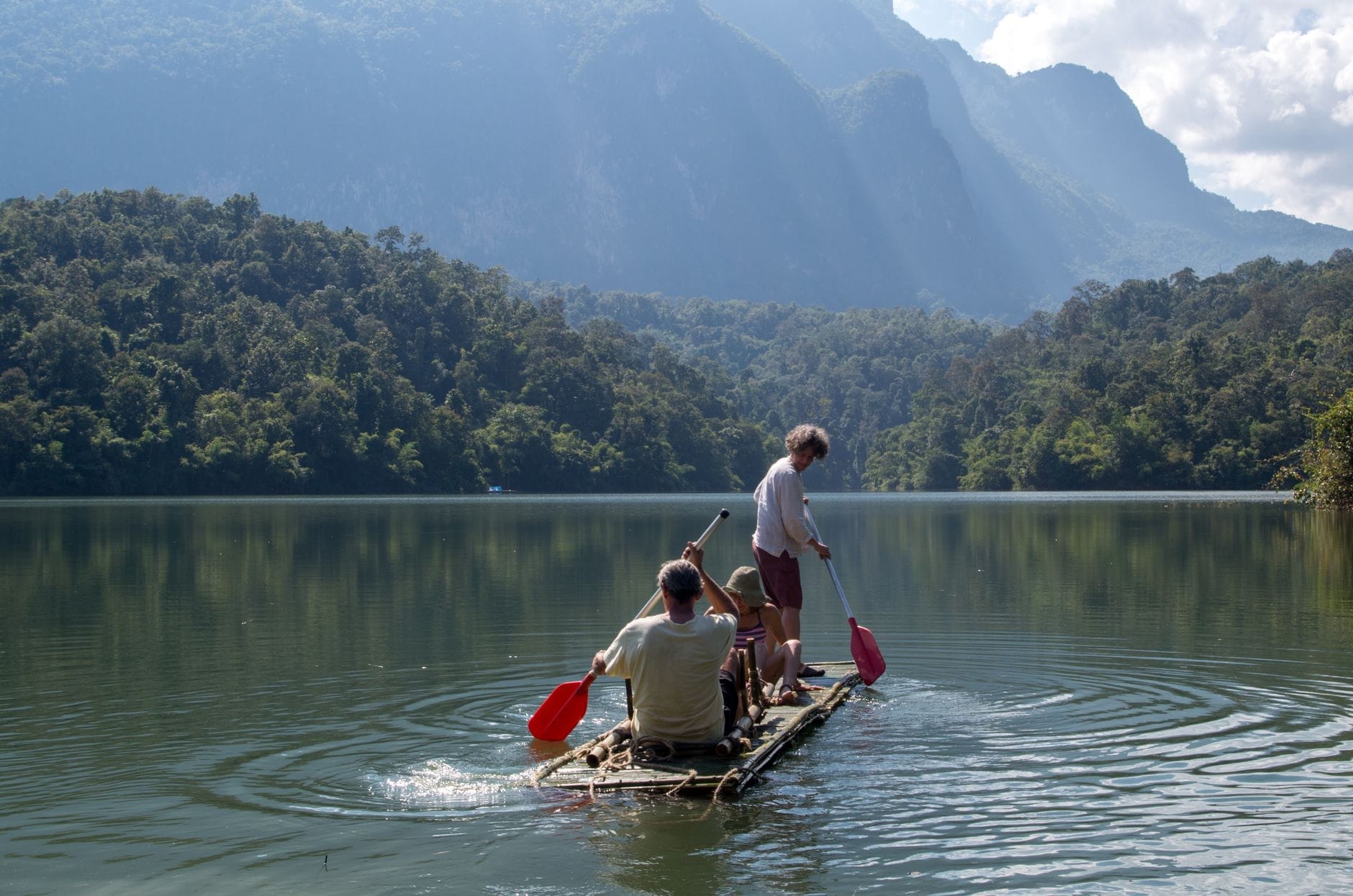
13. Kayak Among Forested Islands at Mae Ngat Dam's Houseboat Reservoir
Overnight houseboat stays and kayaking among half-submerged trees make this reservoir north of Chiang Mai a genuinely different kind of escape. The forested islands and calm water create an almost Jurassic Park atmosphere in the early morning.
Explore13. Kayak Among Forested Islands at Mae Ngat Dam's Houseboat Reservoir
Overnight houseboat stays and kayaking among half-submerged trees make this reservoir north of Chiang Mai a genuinely different kind of escape. The forested islands and calm water create an almost Jurassic Park atmosphere in the early morning.
ExploreResponsible Evening and City Experiences

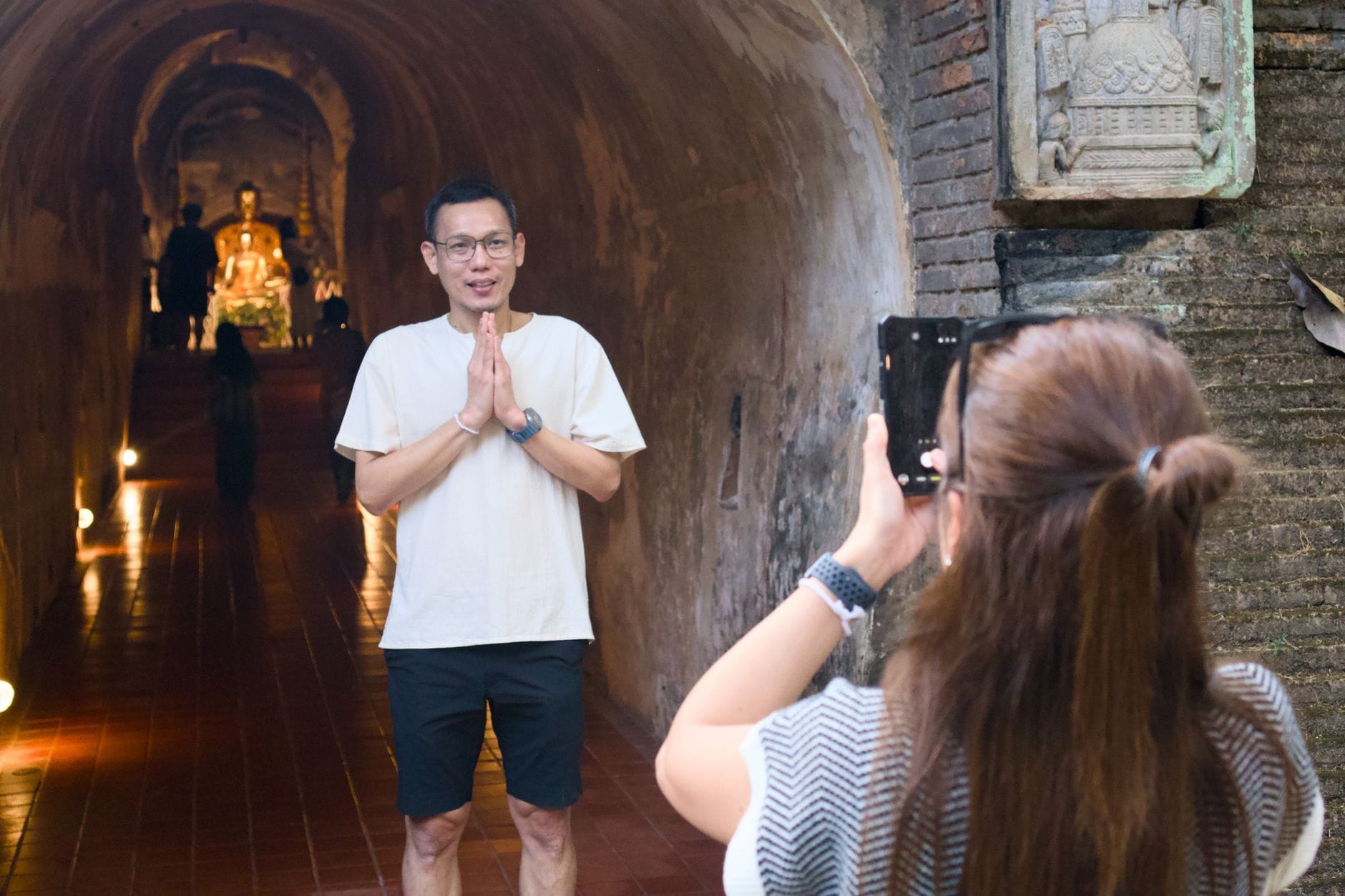
14. Wind Down at Wat Umong, Chiang Mai's Most Meditative Forest Temple
Ancient brick tunnels, forested grounds, and resident deer and rabbits make this 14th-century temple completely unlike anywhere else in the city. Late afternoon light through the trees is exceptional. The posted philosophical sayings add a contemplative dimension.
Explore14. Wind Down at Wat Umong, Chiang Mai's Most Meditative Forest Temple
Ancient brick tunnels, forested grounds, and resident deer and rabbits make this 14th-century temple completely unlike anywhere else in the city. Late afternoon light through the trees is exceptional. The posted philosophical sayings add a contemplative dimension.
Explore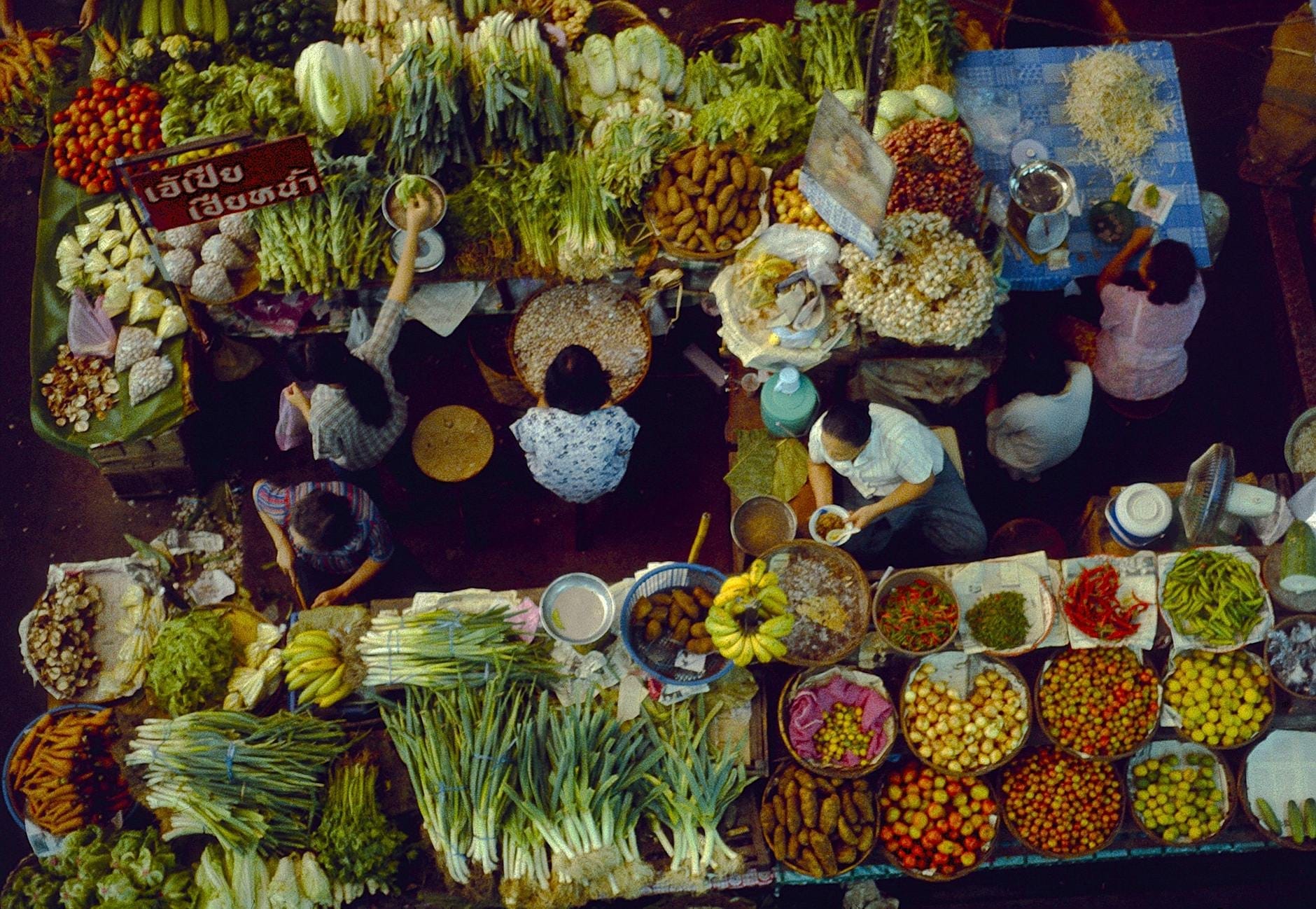
15. Support Local Farmers at the Jing Jai Weekend Market
Organic produce, northern Thai street food, specialty coffee, and handmade goods from local farmers fill this weekend market near the university. It's the most ethically minded market in Chiang Mai, with a strong focus on local sourcing and sustainability.
Explore15. Support Local Farmers at the Jing Jai Weekend Market
Organic produce, northern Thai street food, specialty coffee, and handmade goods from local farmers fill this weekend market near the university. It's the most ethically minded market in Chiang Mai, with a strong focus on local sourcing and sustainability.
Explore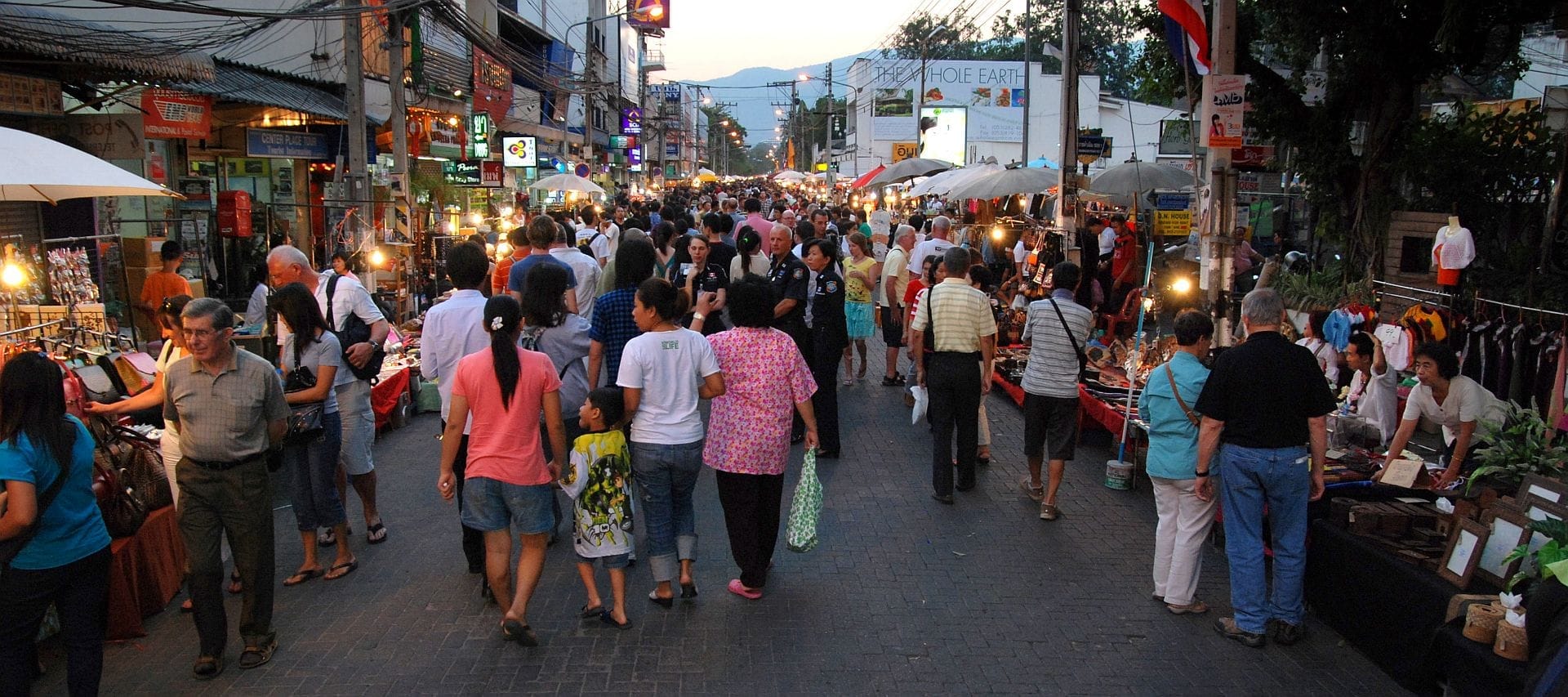
16. Browse the Sunday Walking Street for Locally Made Crafts
Ratchadamnoen Road fills every Sunday with hundreds of vendors, many of them local artisans selling ceramics, woven textiles, and handmade goods. Buying direct supports individual makers. Come by 5pm before crowds peak. Street food here is excellent and cheap.
Explore16. Browse the Sunday Walking Street for Locally Made Crafts
Ratchadamnoen Road fills every Sunday with hundreds of vendors, many of them local artisans selling ceramics, woven textiles, and handmade goods. Buying direct supports individual makers. Come by 5pm before crowds peak. Street food here is excellent and cheap.
Explore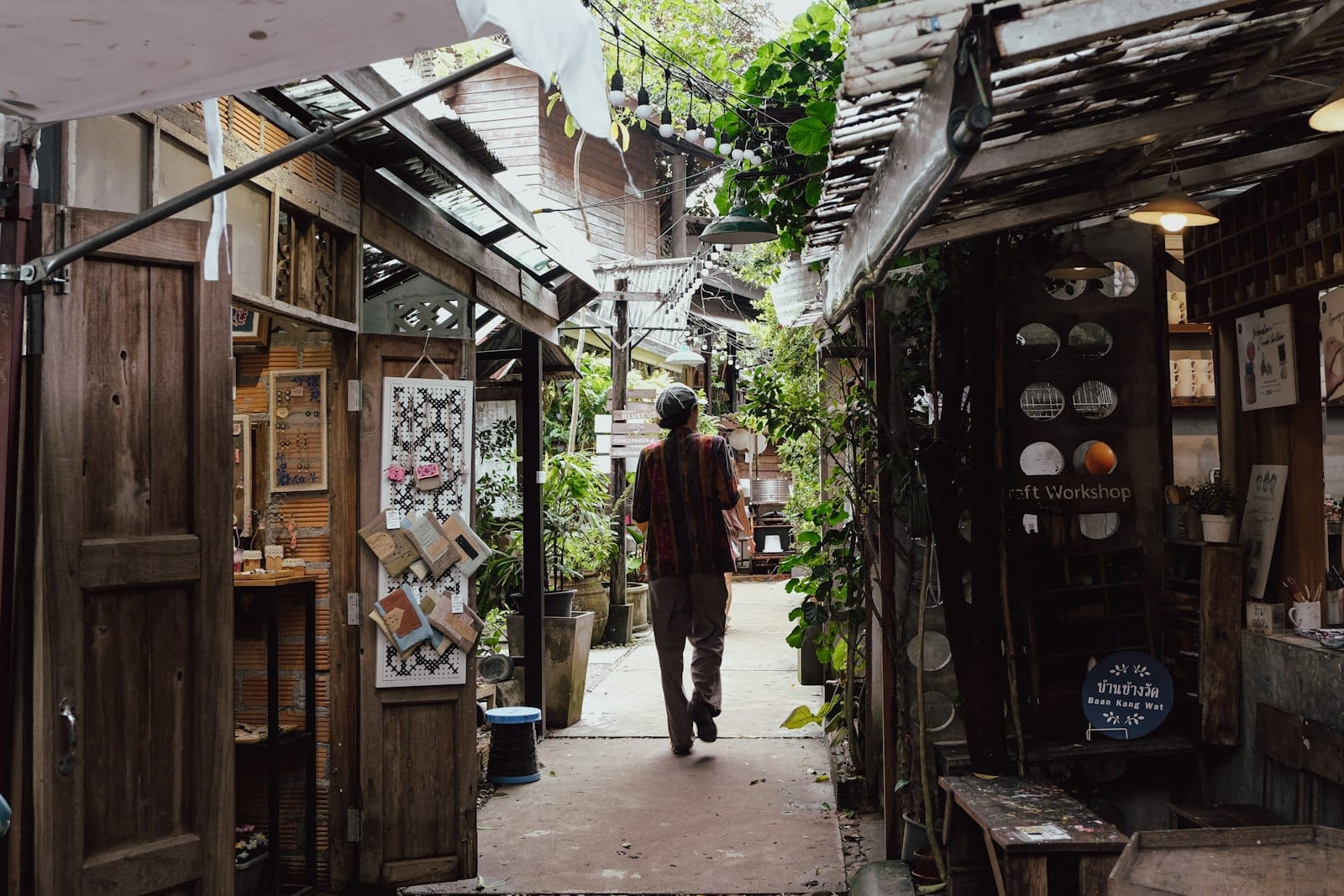
17. Shop Directly from Artists at Baan Kang Wat Studio Village
Local ceramicists, textile designers, and jewelers run their own studios in this garden cluster near Wat Umong. Buying here means money goes directly to the makers. Weekend afternoons are the best time to find studios open and artists on-site.
Explore17. Shop Directly from Artists at Baan Kang Wat Studio Village
Local ceramicists, textile designers, and jewelers run their own studios in this garden cluster near Wat Umong. Buying here means money goes directly to the makers. Weekend afternoons are the best time to find studios open and artists on-site.
ExploreFAQ
What makes an elephant sanctuary ethical in Chiang Mai?
Ethical sanctuaries do not offer elephant riding, forced performances, or use bullhooks. Elephants roam freely in natural settings, interact with visitors on their own terms, and are not kept in chains. Elephant Nature Park is the most respected example. Look for operators that are transparent about how their elephants were acquired and how revenue is used.
How far in advance should I book Elephant Nature Park?
At least 2-4 weeks ahead, and longer during high season (November to February). Single-day visits, overnight stays, and volunteer programs all sell out quickly. Book directly through their official website to avoid commissions to middlemen.
Can I visit an ethical elephant sanctuary and do other activities on the same day?
Full-day sanctuary programs typically run from morning until late afternoon, so combining with other activities the same day is difficult. Most visitors pair a sanctuary day with a separate nature day trip to Mae Sa Waterfall, Doi Inthanon, or Chiang Dao rather than trying to do both in one day.
Is elephant bathing ethical?
It depends on the context. In some sanctuaries, elephants choose to enter water voluntarily and visitors can stand nearby or gently assist. Forced bathing where elephants are directed by handlers with hooks is not ethical. Ask operators specifically how their bathing experience works before booking.
What should I wear to an elephant sanctuary visit?
Wear clothes you don't mind getting dirty or wet. Many sanctuaries provide a traditional Karen-style outfit to wear during the visit. Closed-toe shoes are recommended. Leave jewelry and valuables behind, and bring sunscreen and a hat for the open valley setting.
Tickets & tours
Live prices and dates from our booking partner. If you book, we may earn a commission at no extra cost to you.
Planning a trip? Discover personalized activities with the Nomado app.