Trekking in Chiang Mai: Best Trails and Jungle Treks
Chiang Mai is the undisputed trekking capital of Thailand. Whether you want a half-day trail near the city or a three-day trek through remote hill-tribe villages, this guide breaks down the best routes, honest operator advice, and everything you need to plan a safe, rewarding trek.
Tickets & tours
Live prices and dates from our booking partner. If you book, we may earn a commission at no extra cost to you.
TL;DR
- Trekking in Chiang Mai ranges from paved temple trails to multi-day jungle expeditions reaching remote Akha and Karen villages.
- The best trekking season runs from November through February. Avoid the March–May burning season for air quality reasons. See the full breakdown in our best time to visit Chiang Mai guide.
- Two to three day treks with a reputable guide typically cost 2,500–4,500 THB per person, including accommodation, meals, and transport.
- Doi Inthanon, Doi Suthep, Chiang Dao, and Mae Hong Son-area trails are the four most serious trekking zones within day-trip or overnight range of Chiang Mai.
- Always book through licensed guides, not guesthouse touts. Check our Chiang Mai safety guide before you go.
Why Chiang Mai Is Thailand's Best Trekking Base
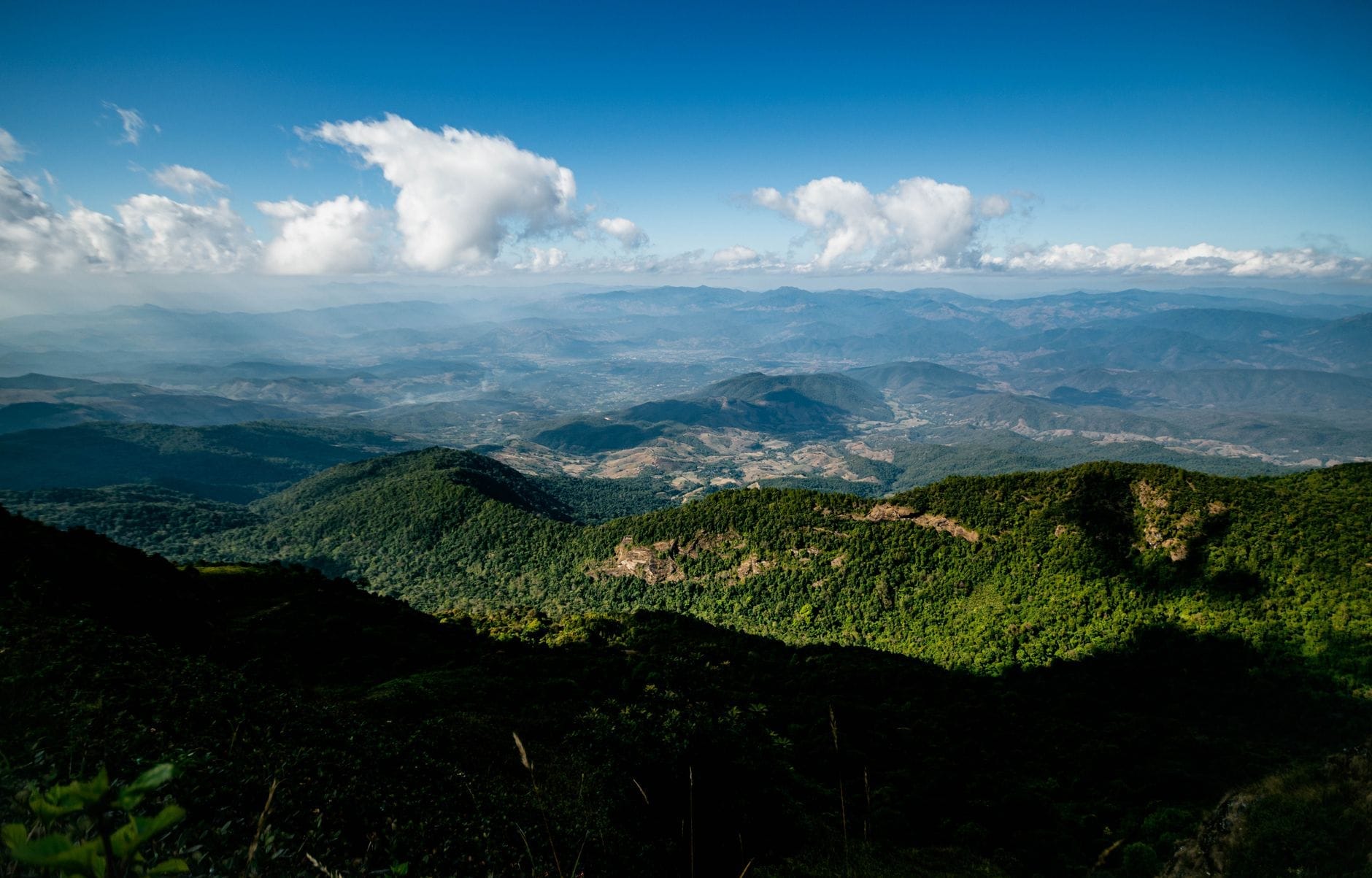
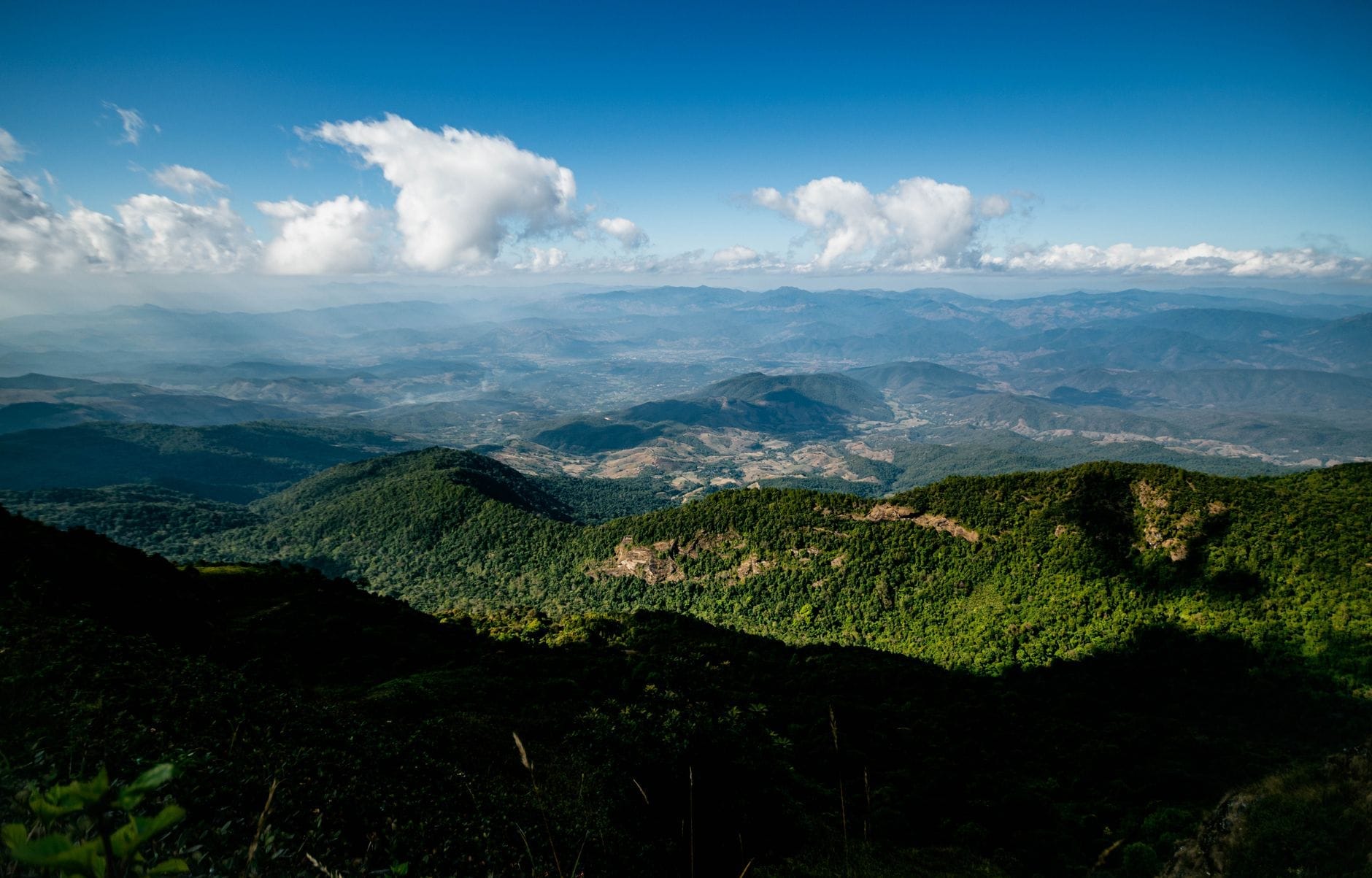
Chiang Mai sits at roughly 300 metres elevation, surrounded by a ring of mountains that rise to over 2,500 metres at Doi Inthanon, Thailand's highest peak. Within a two-hour radius of the city, the terrain shifts dramatically from rice paddies and bamboo forests to dense cloud forest, limestone karst, and highland meadows. That geographical range means that trekking in Chiang Mai accommodates everything from a casual three-hour walk to serious multi-day expeditions requiring river crossings and overnight jungle camping.
The city also has decades of trekking infrastructure. Licensed operators, hill-tribe community homestays, and a network of forest trails have been developed since the 1980s. You can arrange independent treks, guided day trips, or fully supported village stays from the Old City or the Nimman area in a matter of hours. That accessibility is unmatched anywhere else in mainland Southeast Asia.
The Four Main Trekking Zones
Understanding the geography helps you choose the right trek for your time and fitness level. The four primary zones each have a distinct character. For broader context on the national park at the top of this list, the Doi Inthanon day trip guide covers logistics in depth.
- Doi Inthanon National Park (90 km southwest) Thailand's highest peak at 2,565 metres. Trails here include the 4.2 km Kew Mae Pan Nature Trail — a loop through cloud forest and highland chedis — and the shorter Ang Ka Nature Trail through dense moss forest. Difficulty is moderate. Entry fees apply (300 THB for foreigners). Best between November and February when the summit is cool and occasionally misty.
- Doi Suthep-Pui National Park (15 km west of the city) The most accessible zone from central Chiang Mai. The trail from Wat Pha Lat up to Wat Phra That Doi Suthep is a classic 1.5-hour moderate climb through secondary forest. More serious trails push on toward Doi Pui summit (1,685 m) and the Hmong village. The proximity makes this ideal for half-day treks.
- Chiang Dao (70 km north) The area around the 2,195-metre Doi Chiang Dao massif offers some of the most scenic and least-crowded trekking in the province. Trails pass through pine savannah and limestone ridges. The cave complex at the base is a worthwhile stopover. Multi-day treks from Chiang Dao into remote Karen and Lisu villages are offered by a handful of specialist operators.
- Mae Hong Son Region (200+ km northwest) For serious trekkers willing to travel further, the Mae Hong Son loop passes through some of the wildest terrain in northern Thailand. Multi-day jungle treks from Mae Hong Son town, Soppong, or Mae Sariang include elephant corridors, border-area forests, and traditional long-neck Karen village stays. These require 2–4 full days and a dedicated guide.
⚠️ What to skip
March through May is Chiang Mai's burning season, when farmers clear land with fire across northern Thailand. Air quality in this period can reach hazardous AQI levels (300+), making outdoor exertion genuinely dangerous. Trekking during this window is not recommended. Check real-time air quality at IQAir or AirVisual before any trail day.
Best Specific Trails: Rated by Difficulty and Type
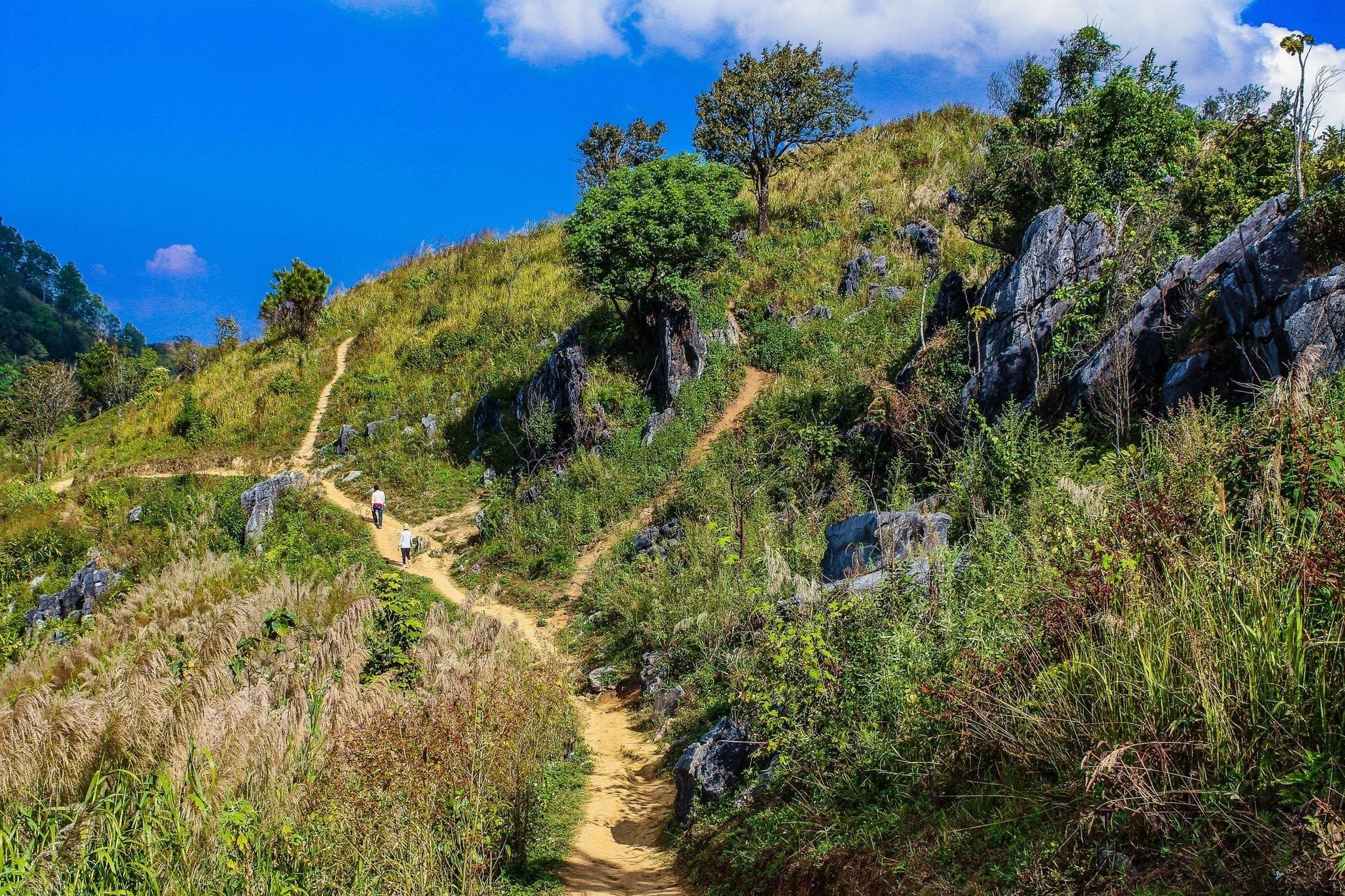
Not all treks are equal, and the term 'jungle trek' gets applied loosely by tour operators. Here is an honest breakdown of the trails worth your time, ranked from easiest to most demanding.
- Wat Pha Lat to Doi Suthep (Easy–Moderate, 3–4 hrs return) A forest monk path that winds past a mid-mountain temple before reaching the summit temple. Start from the Monk's Trail trailhead near Chiang Mai University. No guide needed. Bring 1.5 litres of water minimum. The trail is clear but can be slippery after rain.
- Kew Mae Pan Nature Trail, Doi Inthanon (Moderate, 4.2 km loop) Open only from November to May. Passes through cloud forest, highland bogs, and past the Royal Twin Pagodas. Guides are mandatory and hired at the trailhead for around 200 THB per group. Allow 2.5 hours. Mornings are clearest for views.
- Sticky Waterfall (Bua Tong), Mae Taeng (Easy, family-friendly) This limestone waterfall north of the city allows you to walk directly up the flowing water barefoot without slipping, due to the calcium carbonate deposits. Not a traditional trail, but popular for good reason. Located about 60 km north of the city. Combine with Mae Ngat Dam for a full day.
- Doi Chiang Dao Summit Trek (Strenuous, 2 days) A challenging two-day climb to the summit at 2,195 metres, requiring a permit through the national park and an official guide. The trail passes through five distinct forest types and offers panoramic views into Myanmar on clear days. Limited to 60 visitors per day. Book at least two weeks ahead between December and February.
- Mae Kampong Village Loop (Easy–Moderate, half day) A gentle community trail through the terraced tea gardens and waterfalls around Mae Kampong village, roughly 50 km east of Chiang Mai. A self-guided loop takes 2–3 hours. Village homestays are available and recommended for the full experience.
✨ Pro tip
For the Kew Mae Pan trail on Doi Inthanon, arrive at the trailhead by 7:30 AM. By 10 AM, clouds often roll in from the west and obscure the views entirely. The trail itself stays beautiful in mist, but if panoramas matter to you, early arrival makes a real difference.
Multi-Day Village Treks: What to Expect
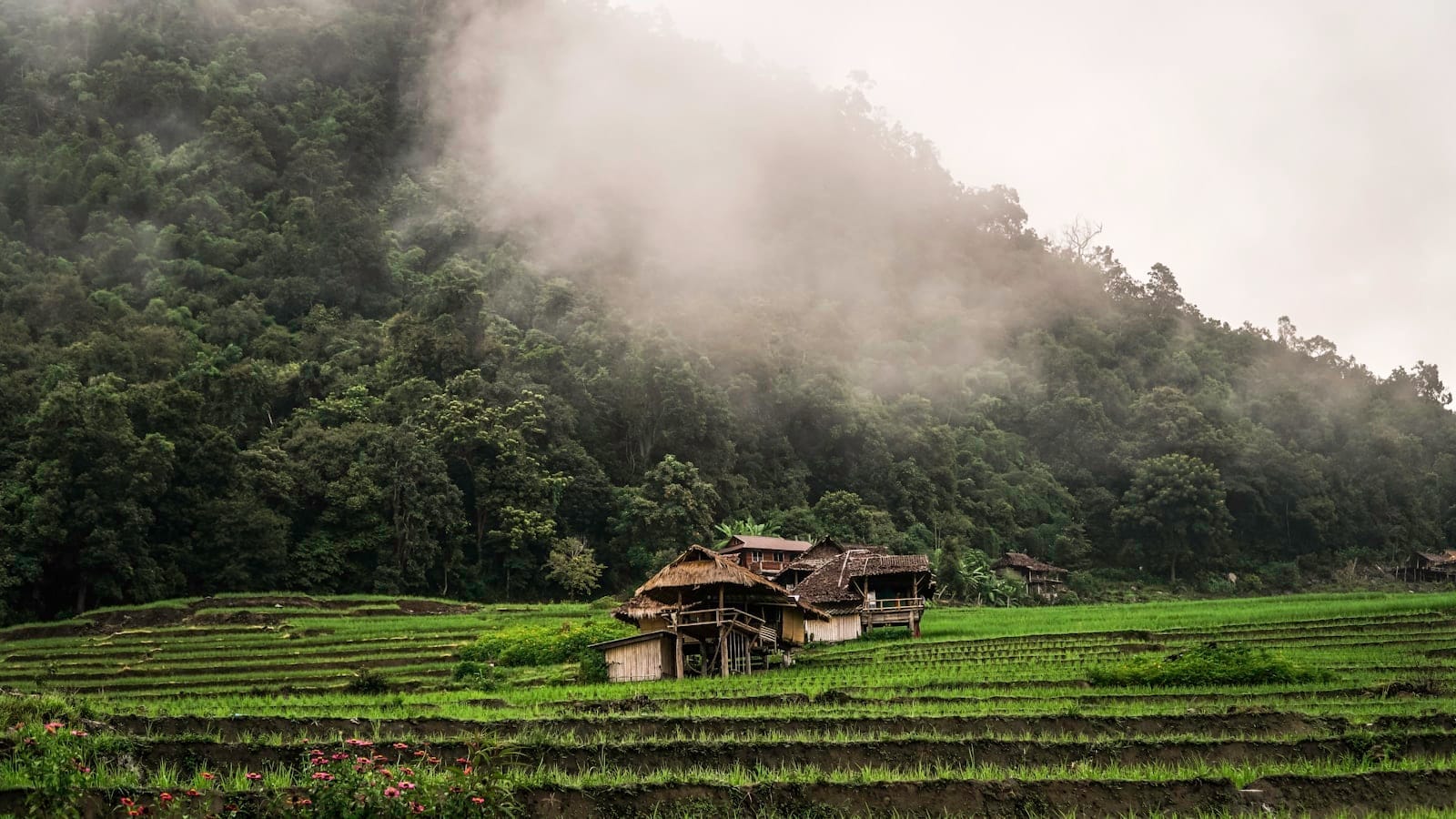
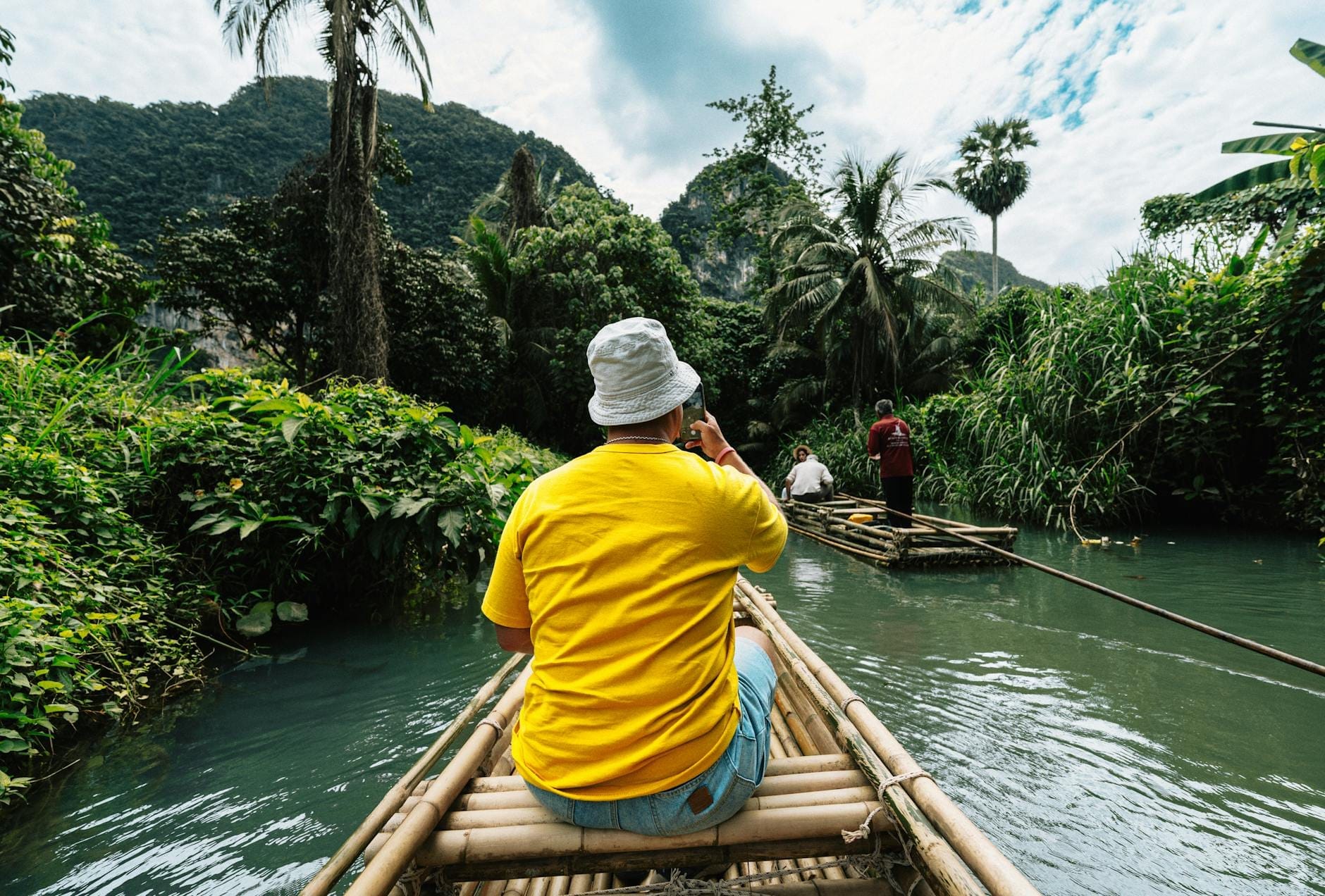
The classic Chiang Mai multi-day trek involves hiking between hill-tribe villages, staying overnight in simple guesthouses or community homestays, and often combining trekking with bamboo rafting or elephant encounters. Two-day treks (one night) are the most popular and typically include 4–6 hours of walking per day. Three-day treks push deeper and are better suited to those wanting genuine remoteness.
Prices for 2-day, 1-night group treks generally run 2,500–3,200 THB per person from Chiang Mai, covering transport, a licensed guide, accommodation, and most meals. Private treks with a dedicated guide cost considerably more, typically 4,000–6,000 THB per person for two days. Be skeptical of anything significantly cheaper: it often means unlicensed guides, overcrowded groups of 15+, or village visits that feel staged rather than authentic.
Hill-tribe etiquette matters. Ask before photographing people, particularly elders and children. Remove shoes before entering homes. Small contributions to community funds are often more appropriate than direct cash to individuals. Reputable operators will brief you on this before the trek begins. If they do not, that is a red flag.
Choosing a Trekking Operator: What Separates Good from Bad
The Chiang Mai trekking industry has a long and documented history of problematic practices: unlicensed guides, elephant riding operations, overcrowded trails, and village visits that pay nothing back to local communities. The market has improved significantly, but due diligence is still required.
Look for operators registered with the Tourism Authority of Thailand (TAT) and guides holding a valid Tourism Guide License. Check reviews specifically on Google Maps and TripAdvisor rather than relying on guesthouse recommendations, which are often commission-driven. For elephant encounters attached to your trek, only book operators that are aligned with genuine sanctuary ethics. Our guide to ethical elephant sanctuaries outlines what to look for.
- Group size should be eight or fewer for a quality experience. Ten or more means you will spend half the time waiting.
- Ask where exactly you will sleep. Legitimate operators name specific villages or guesthouses, not just 'a hilltribe village'.
- Confirm whether the guide speaks the local dialect of the communities you are visiting. A guide who only speaks Thai is less useful in Akha or Lisu villages.
- Avoid treks that still include elephant riding as a main activity. This practice has largely been discredited and better alternatives exist.
- Request a full itinerary in writing before paying. Any hesitation here is a warning sign.
💡 Local tip
The Thai Travel Agents Association (TTAA) primarily represents travel agencies nationwide and does not maintain a dedicated, publicly accessible list of registered trekking operators in Chiang Mai. It is worth checking their membership before booking, as members are held to a code of conduct and carry liability insurance that unregistered operators do not.
Packing, Fitness, and Practical Logistics
Chiang Mai's jungle trails are humid and occasionally steep. Light, moisture-wicking clothing is more practical than heavy outdoor gear. Sturdy trail shoes or hiking boots with ankle support are essential for anything beyond the temple walks near the city. Sandals are fine for the Sticky Waterfall and riverside trails, but not for Doi Inthanon or Chiang Dao.
For transport logistics, most operators include pickup from your guesthouse in the price. If you are self-organising, hiring a scooter works well for trails within 30 km of the city like Doi Suthep, but longer routes to Doi Inthanon or Chiang Dao benefit from a private car or songthaew hire. Our guide to getting around Chiang Mai covers transport options in detail.
Fitness baseline: most popular trails require moderate fitness, meaning you can walk uphill for 90 minutes without stopping. The Doi Chiang Dao summit and Mae Hong Son multi-day routes demand considerably more. Anyone with knee problems should avoid the steeper descents on Doi Inthanon trails, which involve loose rocks and abrupt elevation drops.
A note on timing your trip: November through February gives you cool temperatures (10–22°C at altitude), clear skies, and firm trails. October can be muddy following the end of the rainy season, but the forests are lush and waterfalls are at peak flow. Read the full seasonal breakdown in our Chiang Mai weather and rainy season guide before finalising dates.
FAQ
Do I need a guide to trek in Chiang Mai?
It depends on the trail. Short, well-marked trails like the Monk's Trail to Doi Suthep or the Mae Kampong loop are straightforward without a guide. However, multi-day jungle treks and trails in national parks like Doi Inthanon's Kew Mae Pan circuit legally require a licensed guide. For remote village treks in Chiang Dao or Mae Hong Son, a guide is essential both for navigation and for respectful community engagement.
How much does a trekking tour in Chiang Mai cost?
Day hikes with a guide typically cost 800–1,500 THB per person. Two-day, one-night group treks run 2,500–3,200 THB per person including transport, accommodation, and most meals. Private treks cost significantly more, 4,000–6,000 THB or higher depending on group size and destination. Be cautious of tours priced below 1,500 THB for overnight treks — these almost always cut corners on guide quality or community contributions.
What is the best time of year for trekking near Chiang Mai?
November through February is peak season for good reason: cool temperatures, dry trails, and clear mountain views. October offers lush scenery post-monsoon but trails can still be muddy. March through May is the burning season when air quality across northern Thailand often reaches hazardous levels, making any sustained outdoor activity potentially harmful. June through September can be rewarding for experienced trekkers who don't mind afternoon rain and fewer crowds.
Are there easy trekking options for beginners or families?
Yes. The Sticky Waterfall (Bua Tong) near Mae Taeng is a popular and genuinely fun option for families. The Monk's Trail from Chiang Mai University to Doi Suthep is manageable for older children and casual walkers. The Mae Kampong village loop is mostly flat and passes through tea gardens and small waterfalls. All three can be done without a guide and without advanced fitness.
How can I trek responsibly without supporting problematic operations?
Focus on operators registered with the TTAA or TAT, read recent TripAdvisor and Google reviews carefully for specific mentions of community benefit, and avoid any operator whose itinerary still includes elephant riding. Ask directly how much of your trek fee goes back to the villages you visit. Legitimate operators are transparent about this. Opt for homestays over group lodges when available, as this keeps income within the community.
Tickets & tours
Live prices and dates from our booking partner. If you book, we may earn a commission at no extra cost to you.
Planning a trip? Discover personalized activities with the Nomado app.