Is Chiang Mai Safe? Safety Tips and Scams to Avoid
Chiang Mai is one of Southeast Asia's safest cities for tourists, but that doesn't mean risk-free. This guide covers real threats, common scams targeting visitors, transport dangers, and practical safety advice so you can travel with confidence.
Tickets & tours
Live prices and dates from our booking partner. If you book, we may earn a commission at no extra cost to you.
TL;DR
- Chiang Mai is generally very safe for tourists, with violent crime against foreigners being rare.
- The biggest everyday risks are traffic accidents, motorbike rental mishaps, and opportunistic scams near major temples.
- Air quality during the burning season (February to April) is a serious health concern, not a minor inconvenience. Read the burning season guide before planning your trip.
- Solo female travelers and digital nomads generally report feeling comfortable, though standard urban awareness applies.
- Scams are low-pressure compared to Bangkok, but tuk-tuk gem scams and temple closure cons still catch visitors out. Check what to do in Chiang Mai so you know what legitimate access looks like.
Overall Safety Picture: What the Numbers and Reality Tell You
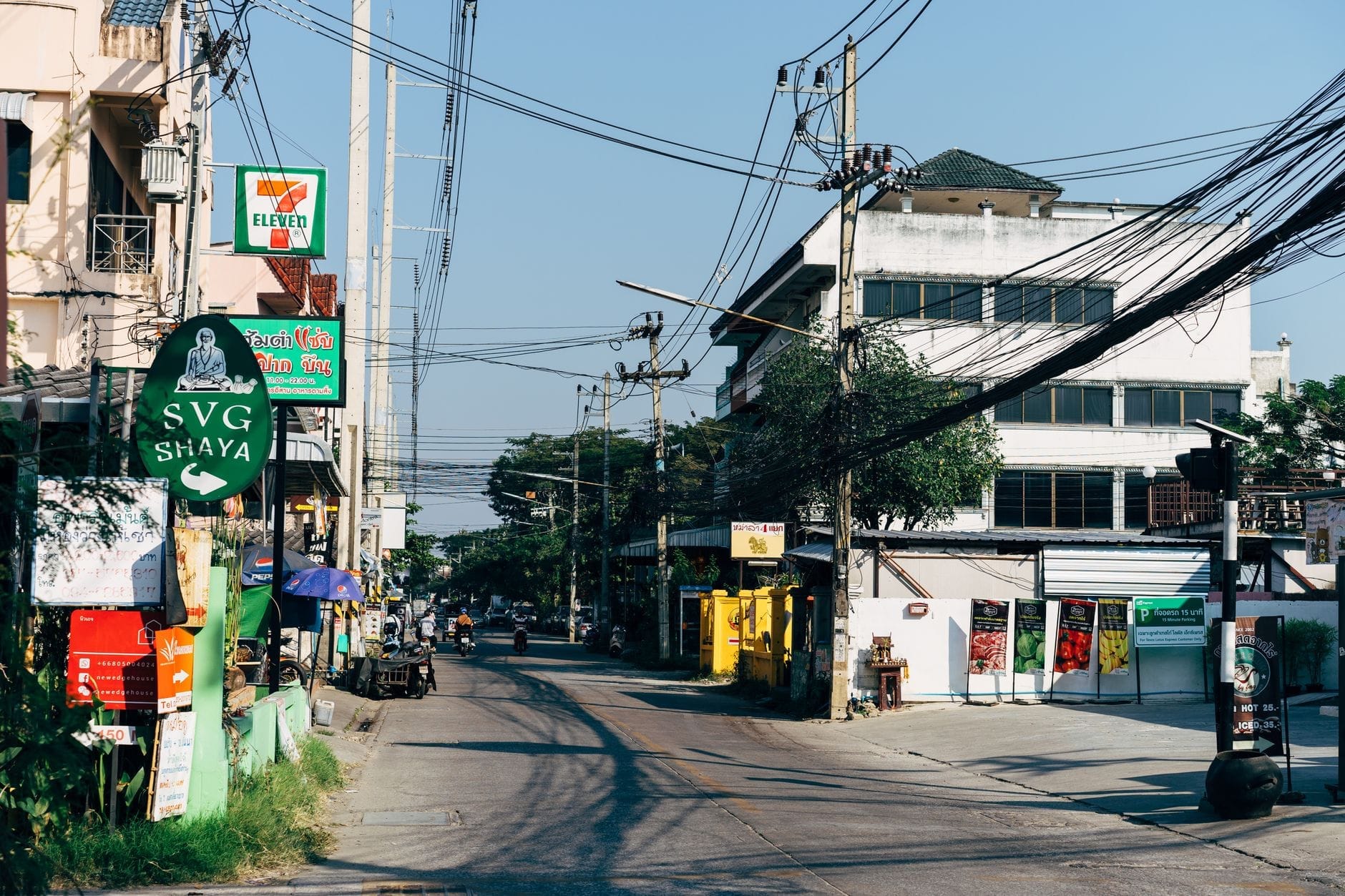
Chiang Mai consistently ranks as one of the safest cities in Southeast Asia for international visitors. Violent crime targeting tourists is genuinely rare, petty theft is lower than in comparable cities like Bangkok or Phuket, and the city has a well-established tourist infrastructure with dedicated Tourist Police you can reach at 1155. That said, 'safe' is relative. The threats that do exist are real, and understanding them helps you avoid being a statistic.
Pickpocketing is uncommon compared to European capitals or even Bangkok's sky train stations, but it does happen at crowded night markets and Songkran water festival events. Bag snatching from motorbikes is occasionally reported on quieter streets after dark, especially near the Riverside area. The Old City and Nimman neighborhoods feel particularly low-risk during daylight and evening hours, which is why most first-time visitors and long-term expats gravitate there.
ℹ️ Good to know
Tourist Police in Chiang Mai can be reached 24/7 at the national hotline 1155. They have English-speaking staff and an office near Tha Phae Gate. File reports here for theft claims needed for travel insurance.
The Biggest Real Risk: Traffic and Motorbikes
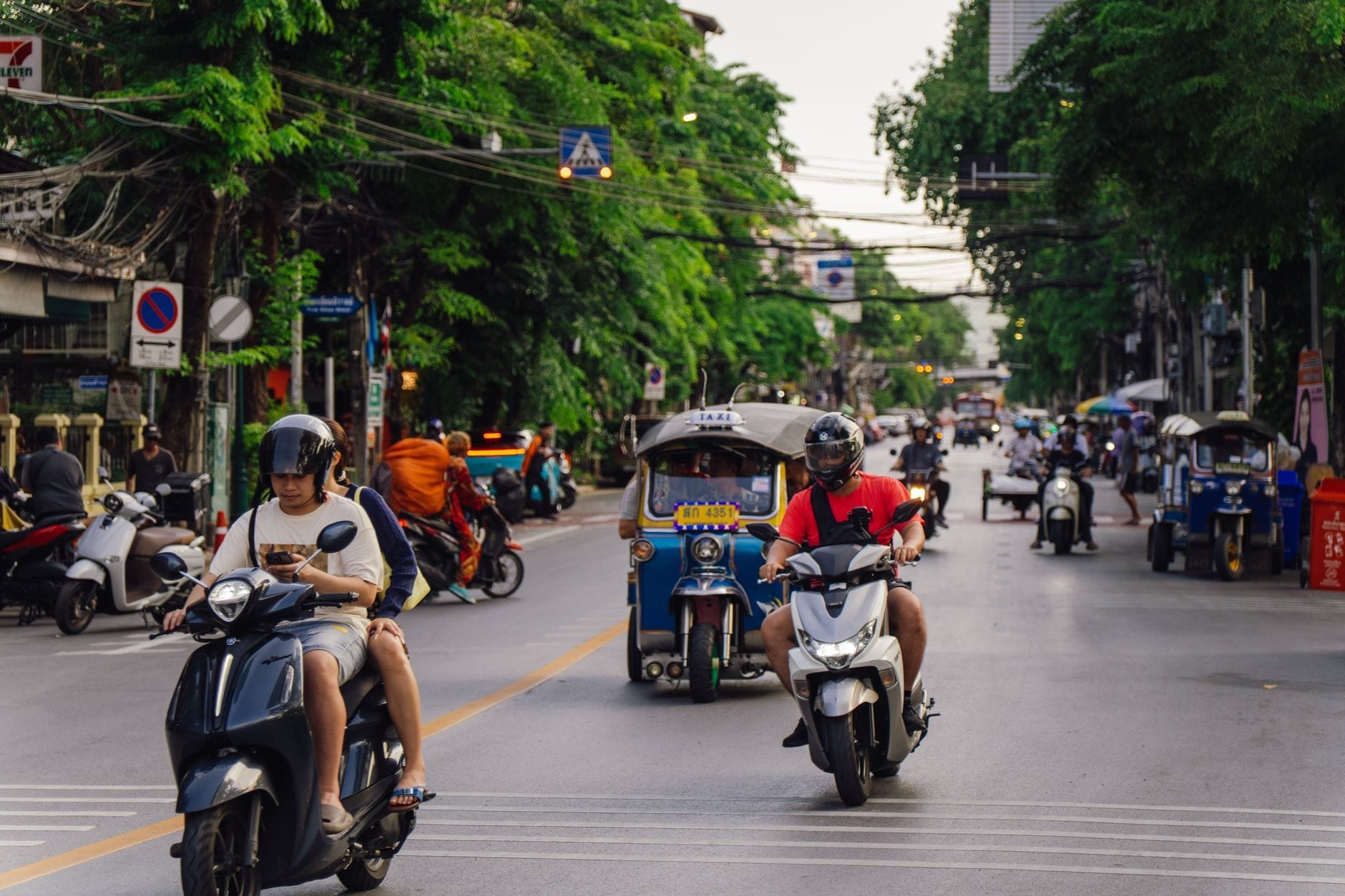
More tourists are hurt in Chiang Mai through road accidents than through any other cause. This is not a dramatic statement, it is the consistent finding of hospitals, travel insurers, and long-term expats. The combination of unfamiliar left-hand traffic, chaotic intersections without enforced signals, and rental shops that hand motorbikes to people who have never ridden before creates a genuinely dangerous environment.
Renting a scooter in Chiang Mai is popular and can be done responsibly, but know the terms before you sign. Many rental shops hold your passport as collateral, which is a practice you should refuse. Offer a cash deposit instead. More importantly, check whether your travel insurance covers motorbike accidents. Most standard policies do not unless you hold a valid motorcycle license. If you do rent, always wear a helmet (rental shops must provide them), avoid riding at night on unfamiliar roads, and stay off the mountain roads to Doi Suthep after dark. For getting around without the risk, transport options in Chiang Mai covers ride-hailing apps, songthaews, and tuk-tuks in detail.
- Never hand over your passport as motorbike collateral Insist on a cash deposit of around 1,000-3,000 THB instead. If the shop refuses, walk away.
- Check your insurance policy before renting Motorbike accidents require a valid motorcycle license for most travel insurance claims to be valid.
- Helmets are non-negotiable Thai police do conduct helmet checkpoints, and the fine is around 500 THB. More importantly, head injuries on mountain roads are serious.
- Ride-hailing is a safe alternative Grab operates reliably in Chiang Mai and is often cheaper than negotiated tuk-tuks for solo travelers.
- Red songthaews for short hops These shared pickup trucks are the local backbone of transport. Agree on a price before boarding: 30-50 THB per person for shared routes within the city.
⚠️ What to skip
The road up to Wat Phra That Doi Suthep is steep, has sharp bends, and sees significant truck and bus traffic. If you are not an experienced rider, take a songthaew or Grab. Several serious accidents involving tourists happen on this road each year.
Common Scams Targeting Tourists in Chiang Mai
Chiang Mai's scam environment is relatively low-pressure compared to Bangkok's Grand Palace area, but certain cons are well-established and still catch people out every season. Knowing the script in advance makes them easy to spot and ignore.
- The 'Temple is Closed' Scam A friendly local (sometimes on a motorbike) approaches near Wat Phra Singh or Wat Chedi Luang and tells you the temple is closed for a religious ceremony today. They offer to take you to a 'special temple' or a gem shop instead. The temple is never actually closed. Just walk past and check for yourself.
- The Gem Store Scam Often combined with the above. A tuk-tuk driver offers a very cheap fare or free ride on the condition of a brief stop at a gem or souvenir shop. The driver gets a commission for bringing you in, and high-pressure sales tactics follow. These 'gems' are often worthless glass sold at extreme markups.
- Overpriced Tuk-Tuks Tuk-tuks near Tha Phae Gate and the Night Bazaar often quote tourist prices. 200 THB for a short hop across the Old City is a tourist rate; the local fare for the same journey is 40-60 THB by songthaew. Always establish the price before boarding, or use Grab for transparency.
- Elephant Camp Bait-and-Switch Some lower-quality elephant camps advertise ethical practices online but operate very differently in person. Book directly through verified operators with transparent care policies. Avoid any venue advertising elephant riding, painting, or shows.
- Fake Monk Donations Men in saffron robes approaching tourists at temples and asking for donations or offering blessed strings are almost always not monks. Ordained Theravada monks cannot solicit money from laypersons. Donate inside temples through legitimate donation boxes.
The elephant tourism sector deserves specific attention. Choosing the right venue matters enormously for both your safety and animal welfare. Ethical elephant sanctuaries in Chiang Mai covers how to tell genuinely responsible operators from those that use the term 'sanctuary' as pure marketing.
Health and Environmental Risks
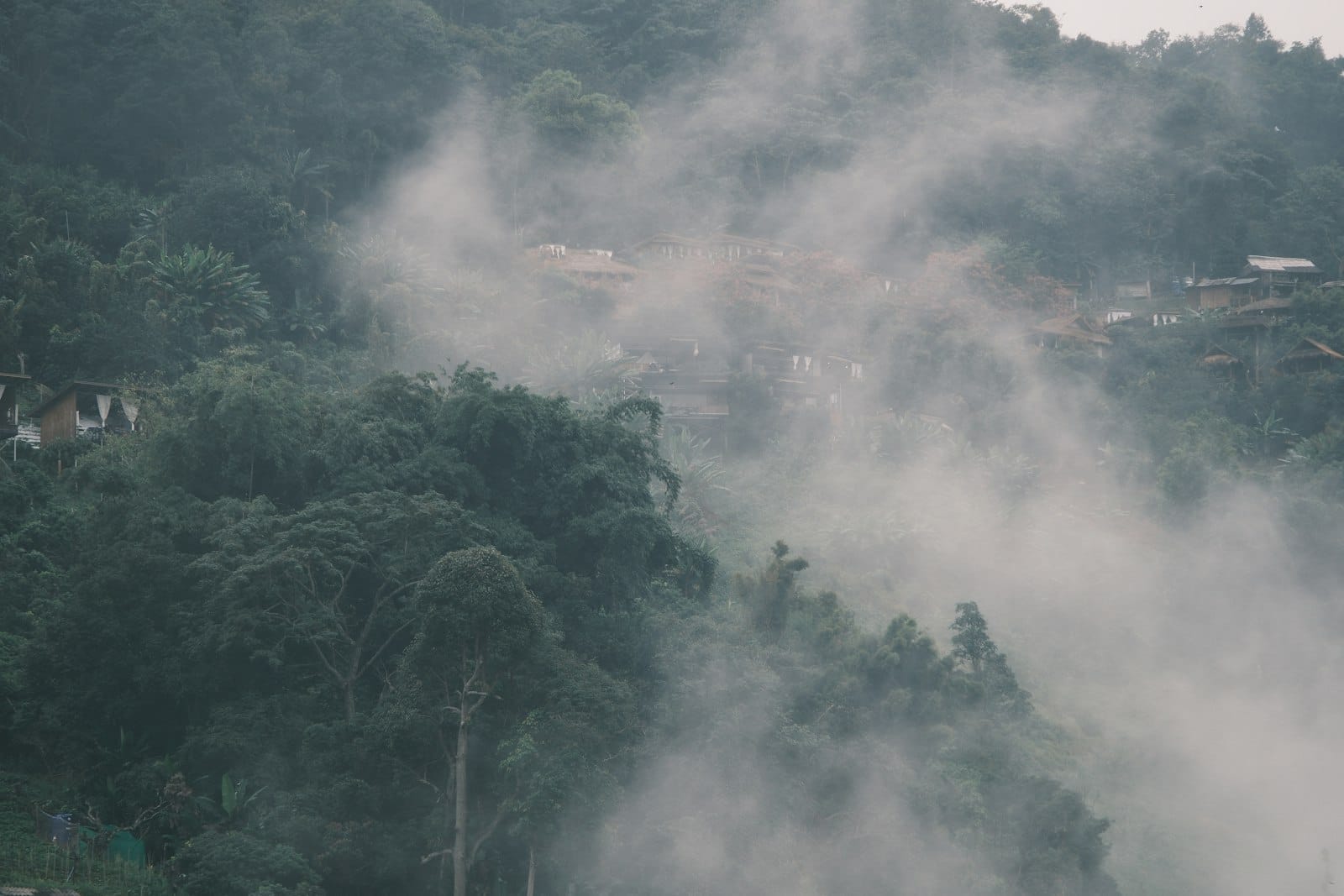
The air quality situation in Chiang Mai is the most underreported risk for visitors. From roughly late January through April, agricultural burning in the surrounding provinces and across the border in Myanmar creates a smoke haze that can push AQI readings above 200 on bad days, well into the 'Very Unhealthy' range. For most young, healthy travelers it causes irritated eyes and throat. For anyone with asthma, respiratory conditions, or heart issues, it can be genuinely dangerous. Children are also significantly more affected than adults.
Peak burning season typically falls in March and early April, though it varies year to year depending on rainfall patterns and enforcement of burning bans. If you are visiting during this period, monitor real-time AQI on iqair.com or the Thai Air4Thai app, carry KN95 masks (N95 or KN95 rated, not surgical masks, which do not filter fine particulate), and choose accommodations with air conditioning and air purifiers. Many guesthouses in the Old City now advertise air purifiers as a selling point, which tells you something about how local businesses view the problem. For detailed seasonal planning, the best time to visit Chiang Mai guide maps out each month's trade-offs honestly.
✨ Pro tip
Tap water in Chiang Mai is generally not recommended for drinking directly. Use filtered water from dispensers (found on most street corners for 1 THB per liter), buy large bottles from 7-Eleven, or carry a filter bottle. Brushing teeth with tap water is generally considered fine by long-term residents, but adjust based on your own stomach sensitivity.
Food safety is strong by regional standards. Chiang Mai's street food scene has well-established vendors who cook to high turnover, which naturally limits bacterial risk. The main rules apply: eat where locals eat, favor freshly cooked over pre-prepared dishes left sitting out, and be cautious with raw salads at budget spots. Food poisoning is possible but serious incidents are uncommon. Hospitals in Chiang Mai are good quality, with Chiang Mai Ram Hospital and Rajavej Hospital being the main private facilities favored by tourists and expats with English-speaking staff.
Safety for Solo Travelers and Specific Groups
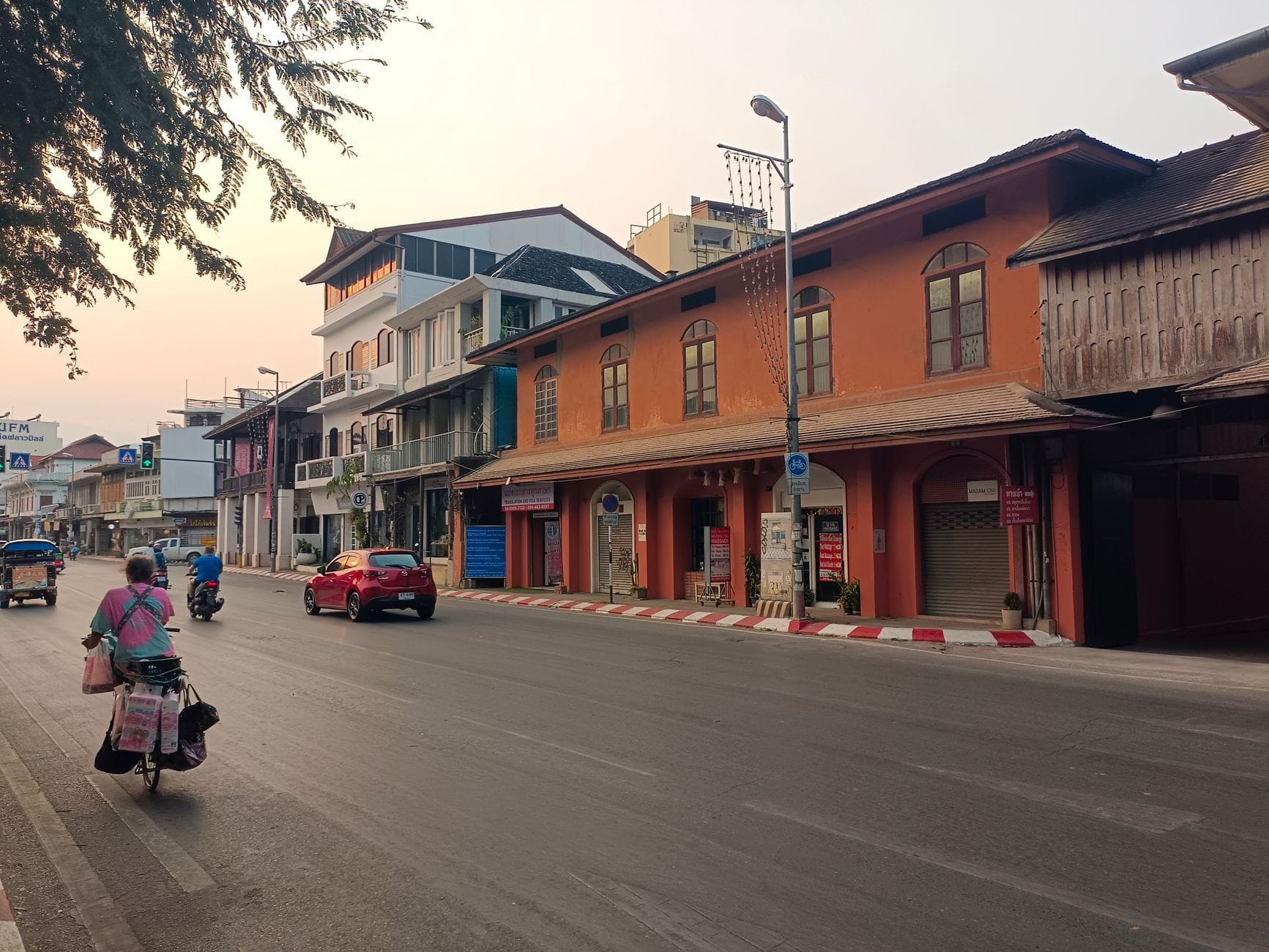
Solo female travelers consistently report positive experiences in Chiang Mai. The city has a large backpacker and digital nomad community that creates social infrastructure, the Old City is well-lit and walkable in evenings, and aggressive street harassment is far less common than in many other destinations. The usual precautions apply: share your itinerary with someone, be cautious about accepting drinks from strangers in bars, and use a reputable ride-hailing app rather than flagging down unknown vehicles after late nights out.
LGBTQ+ travelers will find Chiang Mai generally accepting, particularly in the Nimman area and international cafes. Public displays of affection are better kept low-key by Thai cultural standards, which applies to all couples, not specifically LGBTQ+ visitors. Families traveling with children will find the city very manageable. Temple etiquette, covered below, is the main cultural adjustment. The Chiang Mai with kids guide covers logistics and suitable activities in detail.
Cultural Safety: Avoiding Offense and Legal Issues
Thailand's lese-majeste laws are serious. Any criticism or mockery of the royal family, including the king's image on currency, can result in arrest and imprisonment. This is not theoretical: foreigners have been prosecuted. Keep opinions about the monarchy to yourself entirely, and be careful about sharing social media content that could be interpreted as critical.
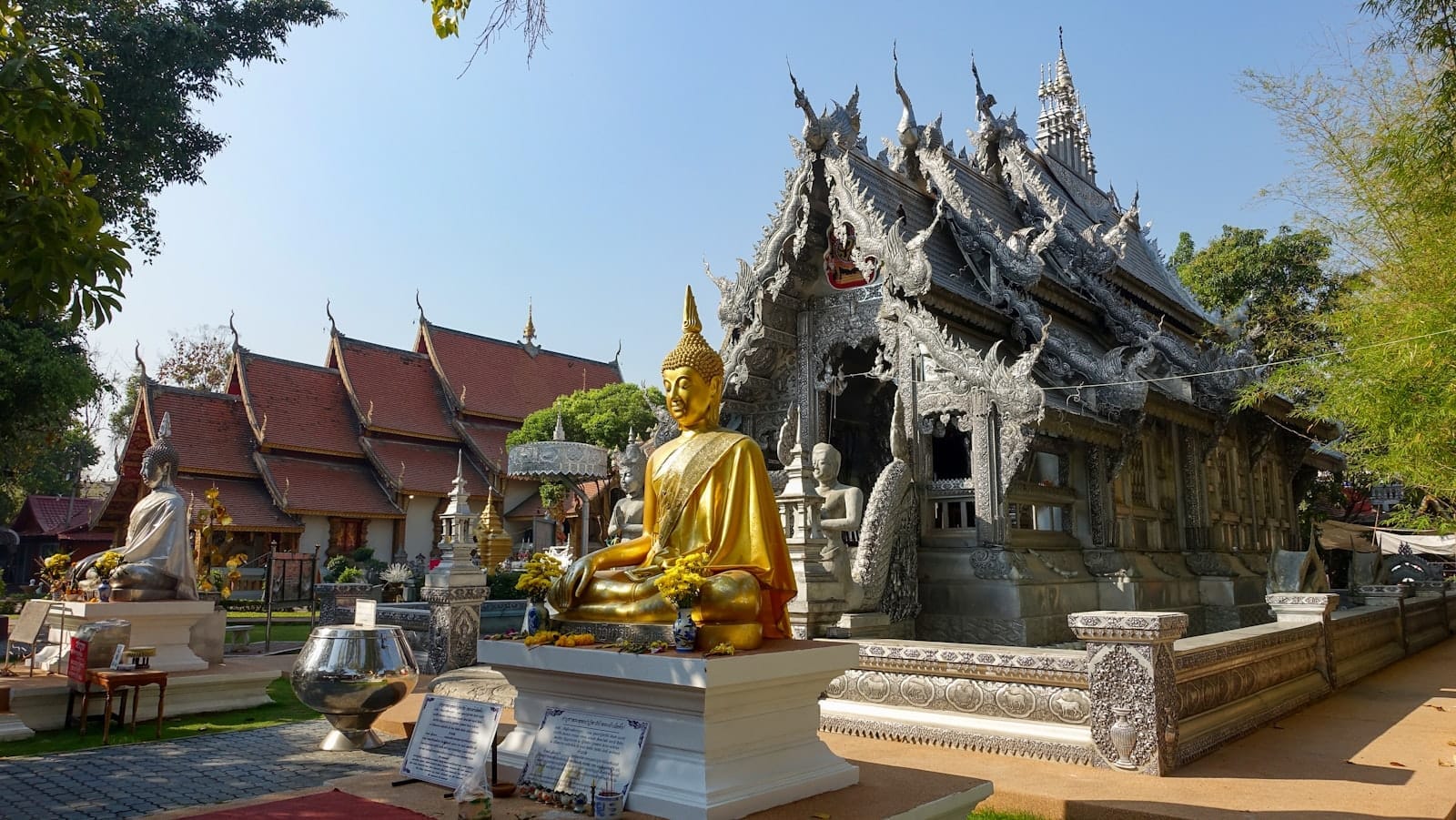
At temples, the rules are consistent: shoulders and knees must be covered for both men and women. Many temples provide sarongs at the entrance for 20-50 THB or lend them free. Remove shoes before entering any temple building. Speak quietly, do not climb on Buddha statues or pose disrespectfully, and step over rather than on door thresholds (considered to house spirits). The Chiang Mai temples guide gives full etiquette context for the most-visited sites including Wat Phra Singh and Wat Chedi Luang.
💡 Local tip
Drugs are a serious legal matter in Thailand. Penalties for possession, even of small amounts, are severe. Marijuana law is in a state of flux following Thailand's 2022 partial decriminalization, but the situation changes and possession with intent to supply remains a major offense. Avoid any ambiguity here entirely.
FAQ
Is Chiang Mai safe for solo female travelers?
Yes, Chiang Mai is considered one of the safer Southeast Asian cities for solo female travel. The large expat and backpacker community, well-lit central areas, and relatively low street harassment rate contribute to this. Standard precautions apply: use Grab rather than unmarked taxis at night, keep drinks in sight at bars, and share your itinerary with someone back home.
What is the most common scam in Chiang Mai?
The 'temple is closed' scam, often combined with a tuk-tuk gem store detour, is the most reported tourist con. Someone near a major temple tells you it is closed for a special ceremony and offers to take you elsewhere. Major temples like Wat Phra Singh are almost never fully closed to visitors. Walk past and check the entrance yourself.
Is it safe to rent a motorbike in Chiang Mai?
It can be, but it carries real risk. Inexperienced riders on unfamiliar roads account for a significant proportion of tourist injuries in Chiang Mai. If you do rent, hold a valid motorcycle license (required for most travel insurance claims), never hand over your passport as collateral, always wear a helmet, and avoid mountain roads at night. Grab and songthaews are perfectly viable alternatives.
Is the air quality in Chiang Mai safe?
For most of the year, yes. Between roughly February and April, agricultural burning creates serious air pollution that regularly hits 'Unhealthy' or 'Very Unhealthy' AQI levels. People with respiratory conditions, children, and the elderly are most affected. If you visit during this period, monitor AQI daily, wear a KN95 mask outdoors when levels are high, and stay in air-conditioned spaces.
Do I need travel insurance for Chiang Mai?
Absolutely yes. Medical care at private hospitals is good but not cheap by local standards, and an emergency evacuation can cost tens of thousands of dollars. Make sure your policy covers motorbike accidents if you plan to ride (most require a valid motorcycle license), adventure activities like trekking, and any pre-existing conditions. Do not rely on basic credit card coverage for a month-long stay.
Tickets & tours
Live prices and dates from our booking partner. If you book, we may earn a commission at no extra cost to you.
Planning a trip? Discover personalized activities with the Nomado app.