Chiang Mai Weather Guide: Rainy Season, Dry Season & What to Expect
Chiang Mai's weather shapes everything about your trip, from which temples you visit to whether you pack an umbrella or a sweater. This guide breaks down every season, month by month, so you can plan with confidence and avoid costly surprises.
Tickets & tours
Live prices and dates from our booking partner. If you book, we may earn a commission at no extra cost to you.
TL;DR
- Chiang Mai has three distinct seasons: cool and dry (November to February), hot and hazy (March to May), and rainy (June to October).
- The best overall time to visit is November through February, when temperatures are comfortable and skies are clear.
- March to May is the burning season, when air quality can be severe. Check AQI forecasts before booking and read the Chiang Mai burning season guide before committing to those months.
- The rainy season brings lush landscapes and lower prices, but afternoon downpours and the occasional flood are real considerations.
- Timing around festivals like Yi Peng (November) or Songkran (April) can make or break a trip regardless of weather.
Understanding Chiang Mai's Three Seasons

Chiang Mai sits in a valley at around 316 metres above sea level, surrounded by mountains that significantly influence its climate compared to Bangkok. The city follows a tropical savanna pattern with three clearly defined seasons rather than two, each with different implications for travelers. Getting the season wrong is one of the most common planning mistakes first-time visitors make.
The cool season runs from approximately November through February. The hot and dry season follows from March to May, overlapping heavily with the agricultural burning period. The wet season, also called the monsoon or rainy season, stretches from June through October. These aren't rigid calendar boundaries, and transition months like May-June and October-November can behave like either adjacent season depending on the year.
- Cool & Dry Season (Nov–Feb) Daytime temperatures range from 20°C to 30°C, with nights dropping as low as 10°C in December and January. Clear skies, low humidity, and ideal trekking conditions. Peak tourist season with higher hotel prices.
- Hot & Hazy Season (Mar–May) Temperatures spike to 35°C–40°C. Agricultural burning causes thick smoke and PM2.5 readings that regularly exceed 200 AQI, sometimes hitting hazardous levels above 300. Not recommended for visitors with respiratory conditions.
- Rainy Season (Jun–Oct) Monthly rainfall averages 100–200 mm in peak months (August and September). Rain typically arrives in the afternoon or evening, leaving mornings relatively clear. Green, scenic landscapes and low-season prices offset the inconvenience.
Cool Season: November to February (The Best Time to Visit)

This is when Chiang Mai earns its reputation. Temperatures are genuinely comfortable: expect highs around 28°C–30°C in November and December, dropping further in January when mornings can feel cold by Thai standards. Pack a light jacket for evenings, especially if you're staying in guesthouses with open-air common areas or planning to ride a scooter after dark. December and January nights occasionally dip to 8°C–12°C in the city, and significantly colder at elevation.
November is arguably the sweet spot: the rains have ended, the smoke hasn't started, and the Yi Peng Lantern Festival typically falls in mid-November. Crowds are present but not yet at peak. By late December and early January, the city is packed with international and domestic tourists. Hotel prices in the Old City and Nimman area can double from low-season rates during the Christmas and New Year period, so book at least six to eight weeks in advance.
✨ Pro tip
February is an underrated month. The cool weather lingers, the Flower Festival runs in early February, crowds thin out after New Year, and prices drop noticeably compared to December–January. It's one of the best value windows in the entire year.
Outdoor activities are at their best during the cool season. Trekking in the hills around Chiang Dao and Doi Inthanon is comfortable without the mud of the rainy season or the heat of April. Temple-hopping through the Old City is genuinely enjoyable when temperatures are mild. The Doi Inthanon day trip is especially rewarding in cool season when the summit can drop to near 0°C and mist clings to the forest trails.
Burning Season: March to May (Handle With Caution)
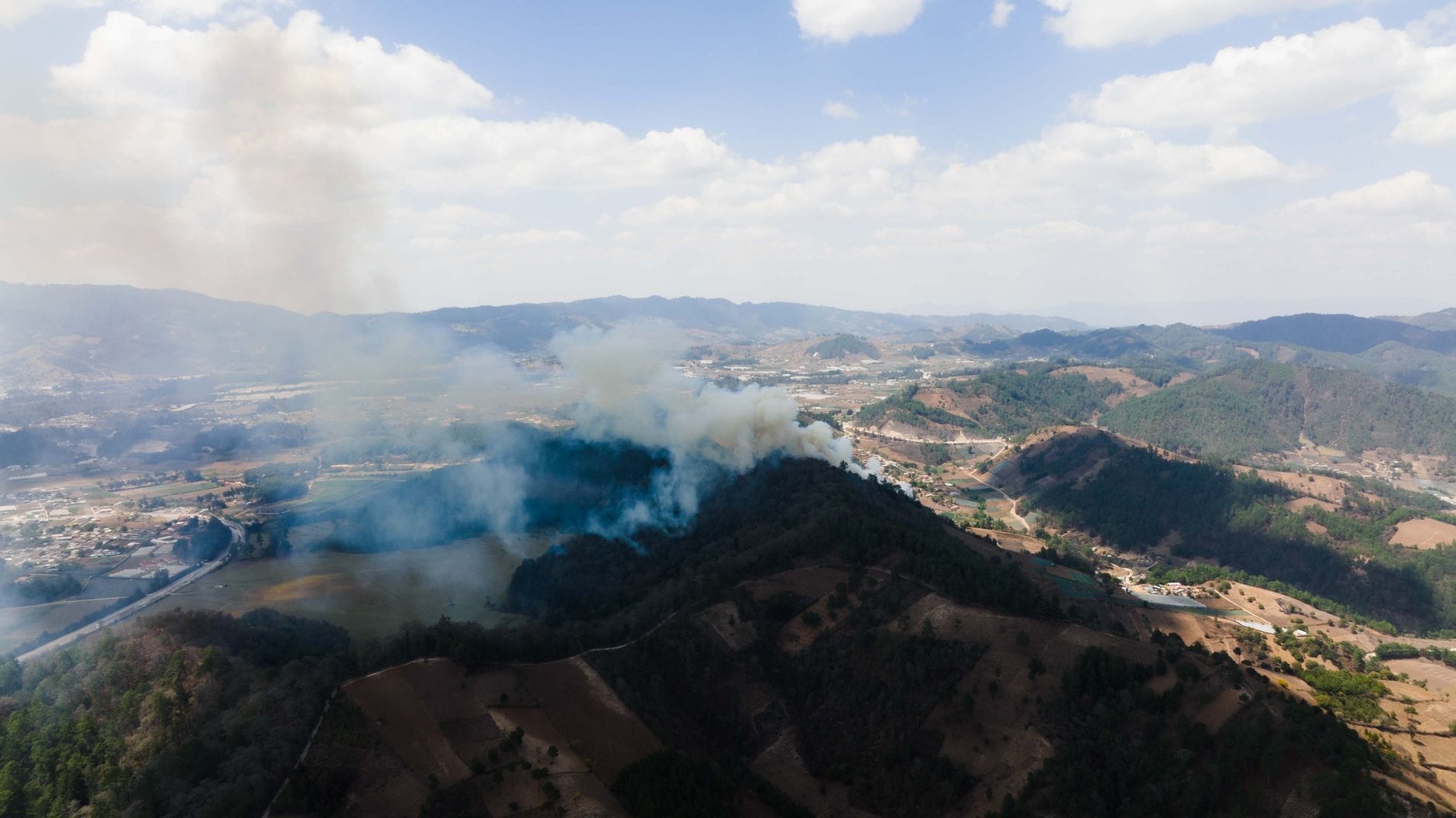
This is the season most travel guides underplay, and it's arguably the most important weather consideration for anyone planning a visit. From late February through May, farmers in northern Thailand and across the border in Myanmar and Laos burn agricultural stubble and forest undergrowth. The result is a smoke haze that settles over the Chiang Mai valley, sometimes for weeks at a time. On bad days, you can smell the smoke indoors, visibility drops to a few hundred metres, and the mountains surrounding the city disappear entirely.
The health implications are real. PM2.5 particle levels regularly exceed WHO guidelines by ten times or more during peak burning weeks in March and April. People with asthma, heart conditions, or young children are at genuine risk. Even healthy visitors report headaches, sore throats, and eye irritation during severe episodes. N95 masks help, but they don't make outdoor sightseeing pleasant when AQI is above 200.
⚠️ What to skip
Do not book non-refundable accommodation in Chiang Mai for March or April without checking the AQI forecast first. The burning season varies in severity year to year. Apps like IQAir and AirVisual give real-time PM2.5 readings. Some years are manageable; others are genuinely dangerous.
April also brings Songkran, Thailand's water festival, which falls around April 13–15. The Old City moat road becomes one of the most intense water-fight zones in the country. If you want to experience Songkran, Chiang Mai is a fantastic place for it, but accept that you'll be contending with both the heat (often 38°C+) and, in most years, smoky air simultaneously. That combination exhausts many visitors faster than they expect.
Rainy Season: June to October (Low Season, High Reward)
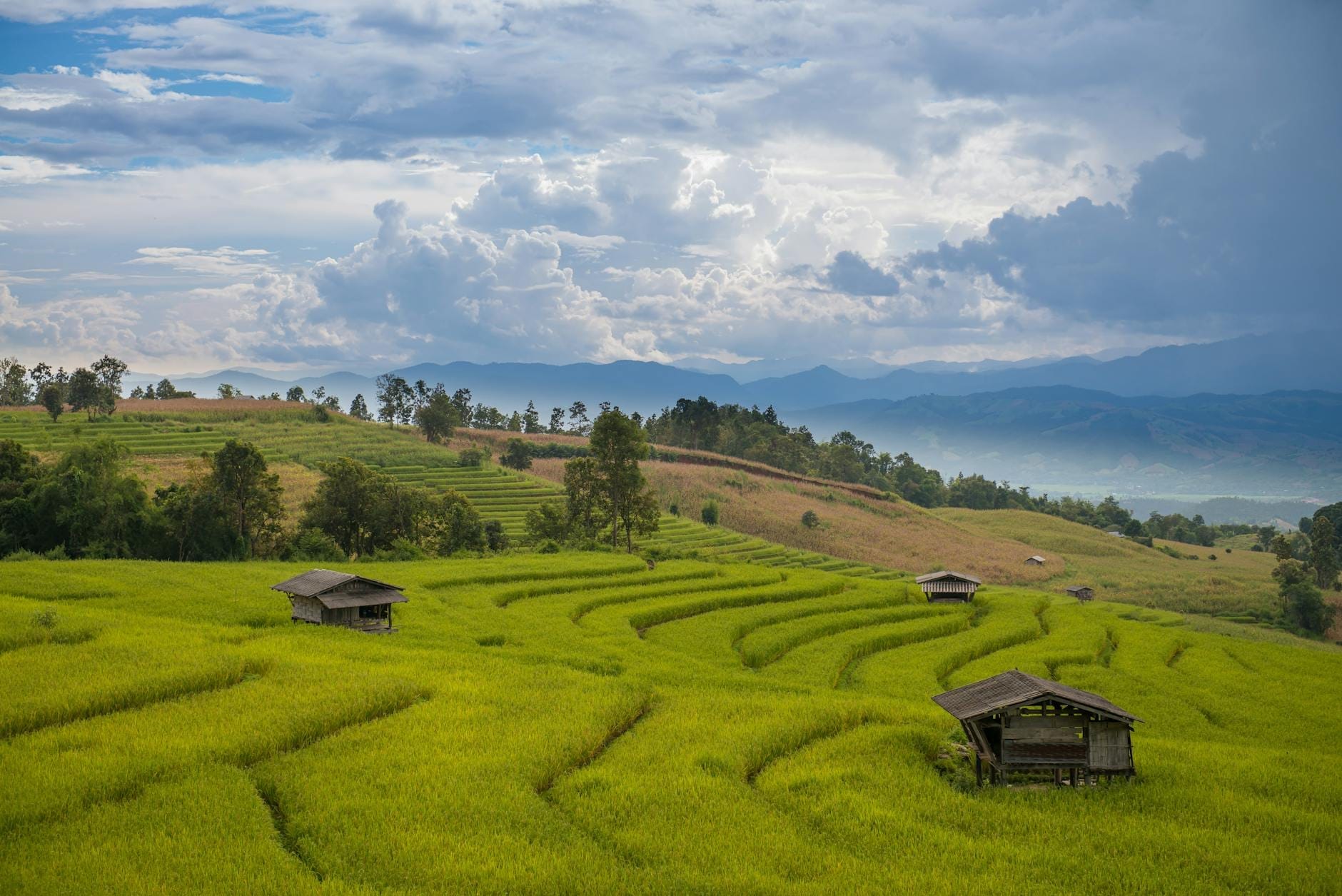
The rainy season gets unfairly dismissed, and for travelers with schedule flexibility and a tolerance for afternoon showers, it offers a genuinely different experience. The smoke clears almost overnight once the rains arrive, usually in late May or June. The mountains go vivid green, waterfalls like Wachirathan and Mae Sa run at full power, and the rice paddies around the city fill with water. It looks nothing like the dry season.
Rain patterns are fairly predictable. Mornings are usually clear or partly cloudy, which gives you a solid window for temple visits, markets, and outdoor activities. Heavy rain typically arrives from around 2pm to 6pm, then eases. Evenings can be pleasant. The key is structuring your day around the weather rather than fighting it. Morning visits to Wat Phra That Doi Suthep or a morning cooking class followed by afternoon rest or indoor activities is a pattern that works well.
💡 Local tip
August and September are the wettest months but also when guesthouse prices are lowest and crowds are thinnest. If you're a budget traveler or digital nomad looking to stretch your stay, this window offers the best value. Just keep a rain jacket in your daypack at all times.
October is a transition month that many experienced visitors rate as a hidden pleasure. The heaviest rains ease, temperatures moderate, and the landscape is still green. The Vegetarian Festival (usually October) brings food stalls and street activity to the Old City and Warorot Market area. Hotel prices haven't yet spiked to cool-season levels, making it one of the best value-for-experience months in Chiang Mai's calendar.
One genuine concern during rainy season is flooding. Chiang Mai's drainage infrastructure in older parts of the city is inconsistent. After an especially heavy downpour, some streets near the moat and along the Ping River can see standing water. This is rarely dangerous but can disrupt transport. Check local Thai news sources or Chiang Mai expat groups on social media for real-time flooding alerts if you're visiting in August or September.
Month-by-Month Temperature and Rainfall Snapshot
- January: 14°C–29°C, minimal rain, peak tourist season, book ahead
- February: 15°C–33°C, very low rainfall, Flower Festival, excellent value
- March: 20°C–36°C, burning season begins, AQI worsens through the month
- April: 24°C–38°C, hottest month, peak burning season, Songkran festival mid-month
- May: 24°C–34°C, transitional, first rains possible late May, smoke begins clearing
- June: 24°C–32°C, rainy season established, smoke gone, green hills return
- July: 24°C–32°C, frequent afternoon rain, good waterfall conditions
- August: 23°C–31°C, wettest period begins, lowest hotel prices
- September: 24°C–31°C, peak rainfall month, occasional flooding, lush landscapes
- October: 21°C–31°C, rains ease, Vegetarian Festival, good value and atmosphere
- November: 20°C–30°C, excellent weather, Yi Peng festival, crowds building
- December: 15°C–29°C, cool nights, Christmas peak, book accommodation early
Practical Packing and Planning Tips
Chiang Mai's weather demands different preparation than Bangkok. Even in cool season, UV index is high during midday hours, so sunscreen is non-negotiable. If you're visiting between March and May, budget for N95 masks (available at pharmacies across the city, typically starting from around 20 THB each) and consider booking air-conditioned accommodation rather than fan rooms. The accommodation options across Chiang Mai vary widely in quality, and a sealed, air-conditioned room makes a real difference during the haze.
For rainy season visits, a compact umbrella or packable rain jacket is essential. Waterproof sandals or quick-dry footwear outperform regular trainers when streets are wet. If you plan to rent a scooter and explore independently, check that your travel insurance covers motorbike riding, as many standard policies do not. The getting around Chiang Mai guide covers transport options across different conditions in more detail.
ℹ️ Good to know
The elevation around Chiang Mai changes weather rapidly. Even on a warm city day (28°C), the summit of Doi Inthanon at 2,565 m can be 10°C–15°C and foggy. Always bring a layer if you're heading into the hills, regardless of what the city forecast says.
FAQ
What is the best month to visit Chiang Mai?
November is widely considered the best single month. The rainy season has ended, air quality is excellent, the landscape is still relatively green, and the Yi Peng Lantern Festival typically falls in mid-November. February is a close second for those who want fewer crowds and lower prices.
How bad is the smoke in Chiang Mai during burning season?
It varies significantly year to year. In bad years (notably 2019 and 2023), PM2.5 levels in March and April exceeded 300 AQI, classified as hazardous. In milder years, levels stay in the 100–150 range for most of the season. Check real-time AQI data on IQAir or AirVisual before booking and avoid committing to non-refundable plans during March–April.
Is it worth visiting Chiang Mai during the rainy season?
For many travelers, yes. Prices are lower, crowds are thinner, and the scenery is at its most lush. The key drawback is afternoon rainfall, which can disrupt outdoor plans. Mornings are generally clear. Visitors who structure their itinerary around the weather pattern often find the rainy season a rewarding time to visit.
Does Chiang Mai get cold in winter?
By Thai standards, yes. December and January nights in the city can drop to 10°C–14°C, occasionally lower. The hills outside the city get colder still. Pack a light jacket or fleece for evenings and early mornings. Daytime temperatures remain warm and pleasant, typically around 27°C–30°C.
When is the cheapest time to visit Chiang Mai?
August and September are the cheapest months, when heavy rainfall keeps visitor numbers low. October and early November offer a better balance of good weather and lower prices before peak season begins in earnest.
Tickets & tours
Live prices and dates from our booking partner. If you book, we may earn a commission at no extra cost to you.
Planning a trip? Discover personalized activities with the Nomado app.