Where to Stay in Chiang Mai: Best Areas and Hotels (2026 Guide)
Choosing where to stay in Chiang Mai shapes your entire trip. This guide covers every major neighborhood, who each area suits best, honest drawbacks, and specific hotel recommendations across all budgets.
Tickets & tours
Live prices and dates from our booking partner. If you book, we may earn a commission at no extra cost to you.
TL;DR
- The Old City is the top choice for first-timers: central, walkable, and close to most major temples and cultural sites
- Nimman (Nimmanhaemin Road) suits digital nomads and cafe-hoppers; quieter at night but polished and modern.
- The Riverside is best for couples and luxury travelers who want scenery over convenience.
- Budget travelers get the most value staying just outside the Old City moat, where guesthouses drop in price but stay close to the action.
- Avoid booking in the Chiang Mai Night Bazaar area purely for atmosphere — traffic and noise make it a poor base; visit as a night market day trip instead.
How to Choose Your Neighborhood in Chiang Mai
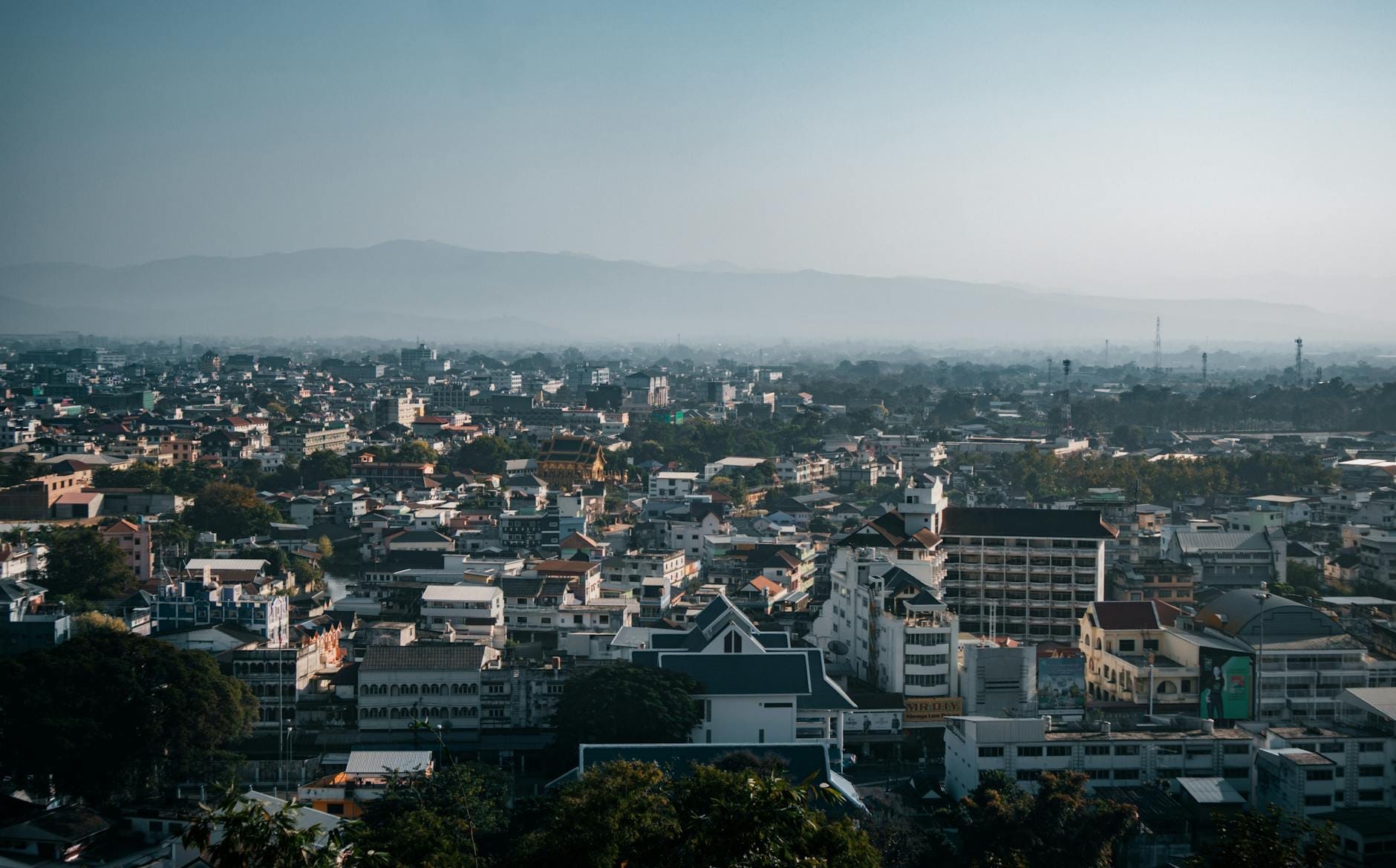
Chiang Mai is not a large city, but its neighborhoods feel distinct in character, price, and pace. The distance from the Old City to Nimman is about 1–1.5 kilometers. The Riverside is roughly 1–2 kilometers east of the Old City. These are short distances, but in practice, where you sleep determines your daily rhythm: how far you walk to temples, whether you can reach night markets on foot, and whether you need to negotiate a songthaew every time you leave.
The simplest way to decide: if this is your first visit and you have less than five days, stay in or immediately around the Old City. If you are staying longer, working remotely, or already know the city, Nimman or the Riverside offer more personality. Budget is a genuine factor too: Old City guesthouses start around 300-500 THB per night, while riverside boutique hotels commonly run 2,000-8,000 THB.
💡 Local tip
Chiang Mai's Songkran festival (mid-April) and Yi Peng lantern festival (November) cause accommodation prices to spike 2-4x. Book three to four months in advance for those dates and read cancellation policies carefully, since many properties switch to non-refundable rates during peak festivals.
The Old City: Best for First-Timers and Temple Explorers
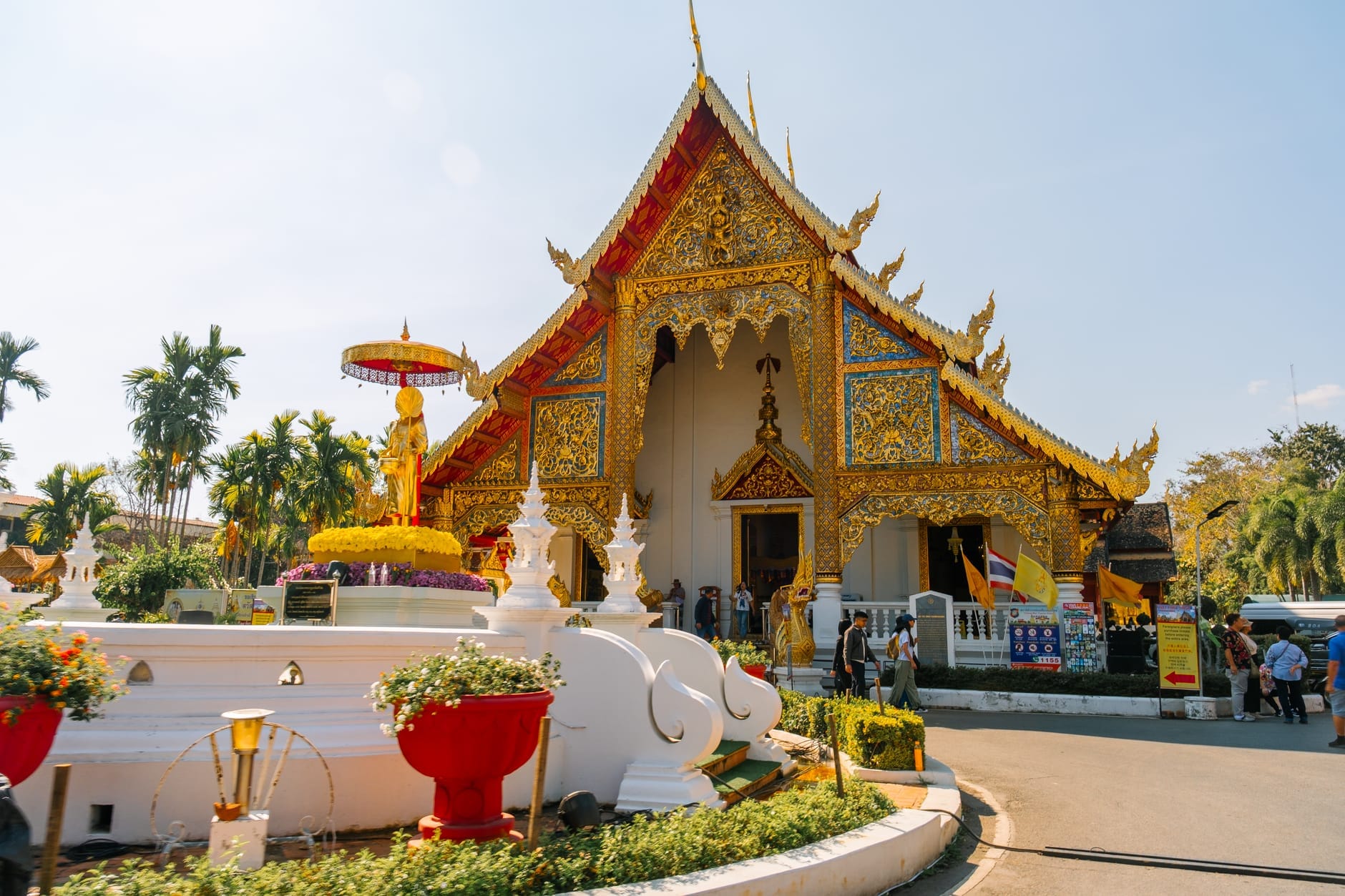
The Old City is roughly a 1.6 km square surrounded by a moat and partially intact walls dating to the 13th-century Lanna Kingdom. It holds over 30 temples in a walkable area, including Wat Phra Singh, Wat Chedi Luang, and Wat Chiang Man. Staying here means you can visit temples at dawn before tour groups arrive, which is a real advantage.
The Old City has a high concentration of guesthouses, boutique hotels, and mid-range properties, but almost nothing at the luxury end. The Saturday Walking Street runs down Wualai Road just south of the moat, and the Sunday Walking Street cuts through the Old City itself, which means weekend evenings bring significant foot traffic and noise. Light sleepers should check whether a hotel is on or adjacent to these routes before booking.
Downsides: the Old City can feel heavily tourist-oriented. Many restaurants on the main streets cater to foreign tastes and charge accordingly. Authentic local food requires a short walk or ride to markets like Warorot or Jing Jai. Parking is also limited, so if you are renting a motorbike, confirm your guesthouse has secure storage.
- Best for First-time visitors, solo travelers, culture-focused itineraries, anyone planning heavy temple-going
- Price range Budget guesthouses from 300-600 THB/night; boutique hotels 1,500-4,000 THB/night
- Noise level Moderate on weekdays, high on Friday-Sunday evenings near walking streets
- Transport Most attractions walkable; songthaews and tuk-tuks readily available at the moat corners
Nimman (Nimmanhaemin): Best for Digital Nomads and Cafe Culture
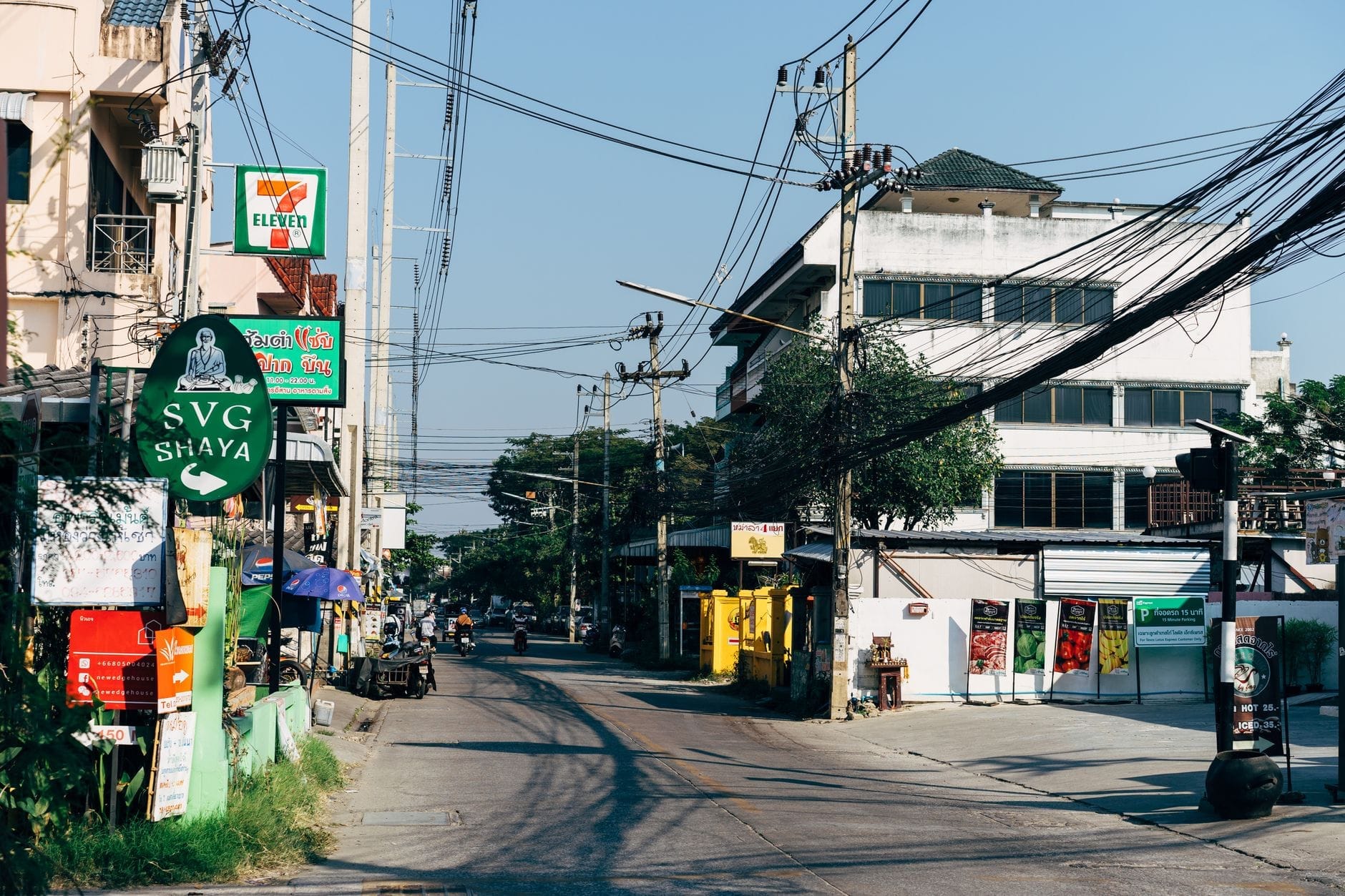
Nimmanhaemin Road and its surrounding sois form Chiang Mai's most cosmopolitan district. The area is anchored by Maya Mall, a modern shopping center, and One Nimman, an outdoor lifestyle complex with independent restaurants and weekend markets. The coffee shop density here is extraordinary: you can find specialty roasters, co-working cafes with all-day seating, and quiet courtyard spots within a five-minute walk of each other.
Nimman suits digital nomads and remote workers for several reasons: fast WiFi is standard, co-working spaces are abundant, accommodation ranges from affordable studios to serviced apartments by the week or month, and the food scene is excellent. It is also about 1.5 kilometers from the Old City moat, meaning you are not isolated from cultural sights but have genuine distance from the hostel-heavy backpacker strip.
ℹ️ Good to know
Nimman properties often list addresses on Soi 1 through Soi 17. Soi 1 to Soi 9 (the lower sois) are more commercial and louder at night. Soi 11 to Soi 17 are residential, quieter, and a bit more of a walk to the main road. For longer stays, the upper sois offer noticeably better value and calm.
Hotels here skew mid-range to upscale: expect to pay 1,200-3,500 THB/night for a solid hotel room. There are fewer rock-bottom budget options than the Old City, but serviced apartments offer monthly rates that represent excellent value for longer stays. The area is also close to Chiang Mai University and the Ang Kaew Reservoir, which makes early morning walks and runs genuinely pleasant.
The Riverside: Best for Couples and Luxury Travelers
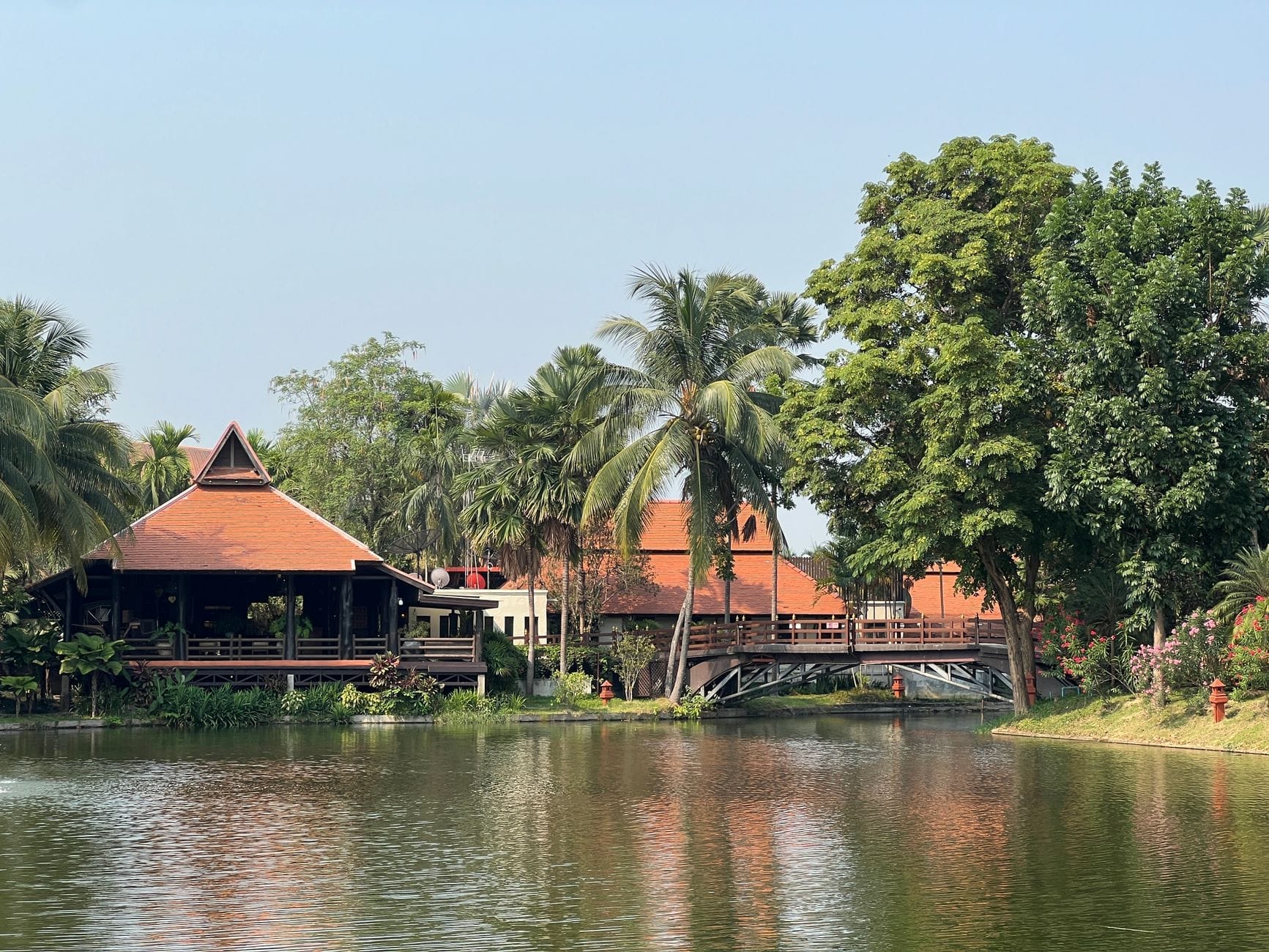
The Ping River flows to the east of the Old City, and the neighborhoods stretching along its banks, particularly south of Nawarat Bridge, offer some of Chiang Mai's most atmospheric accommodations. Boutique hotels in restored teak houses, rooftop terraces overlooking the water, and garden-surrounded heritage properties cluster along Charoenrat Road and the lanes connecting to the river.
This area pairs naturally with Mae Ping River cruises and the Riverside Bar and Restaurant strip, which is less frenetic than the Night Bazaar and attracts a slightly older crowd. Warorot Market, Chiang Mai's best local produce and dry goods market, is also a 10-15 minute walk north. It is genuinely one of the most pleasant parts of the city to wander in the early morning.
The honest drawback: the Riverside typically sits about 10-15 minutes by songthaew from Nimman and requires transport to reach the Old City temples comfortably. It is not a walkable base for a packed sightseeing itinerary. But for couples who want atmosphere, slow mornings, and good food more than maximum efficiency, it is the most rewarding place to stay in Chiang Mai.
⚠️ What to skip
Several budget guesthouses near the Night Bazaar advertise a 'riverside' location but are actually on busy roads several streets back from the water. Check Google Maps satellite view before booking. True riverside properties are directly on or within one block of Charoenrat Road.
Outside the Moat: The Budget Zone and Local Neighborhoods
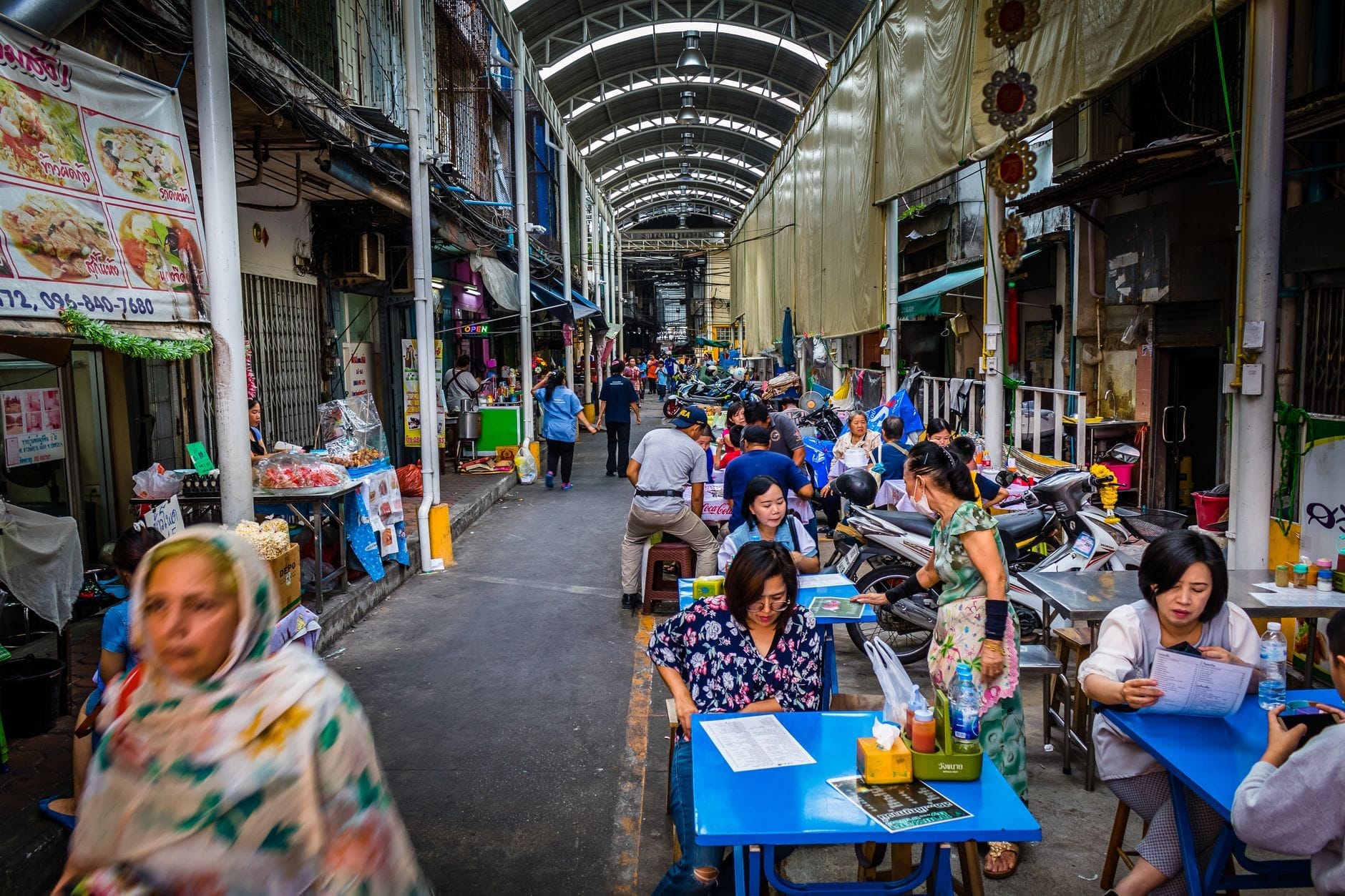
Immediately outside the Old City moat, particularly to the north and east, you find a band of guesthouses, small hotels, and local eateries that offer significantly lower prices than inside the walls. These neighborhoods have no particular identity for tourists but deliver excellent value: you are typically a 10-15 minute walk or short songthaew ride from the Old City, and local restaurant prices reflect a mostly Thai clientele.
The Santitham area (north of the moat) is popular with expats and long-term visitors. It has a good mix of Thai and international food, a quieter street atmosphere, and solid guesthouse options from 400-900 THB/night. Slightly further north, the road toward Doi Suthep passes through residential neighborhoods where monthly apartment rentals are far cheaper than anywhere else in the city.
- Santitham: Best budget-to-mid option north of the moat; strong expat community; easy songthaew access to Old City
- Chang Klan (Night Bazaar area): Convenient for shopping but noisy; better as a visit than a base
- Hang Dong / Nong Hoi: Far south of the city; only suitable if you have a vehicle and specific reason to be there
- Airport area (Mae Hia): Makes sense only for early-morning flights or very short stopovers
Hotel Recommendations by Budget and Area
Chiang Mai's accommodation market has matured significantly. The city now has everything from around 250–300 THB dormitory beds to 15,000 THB per night luxury pool villas. The sweet spot in value terms sits in the 800-2,500 THB range, where boutique guesthouses and small hotels deliver genuine quality, local character, and service that outperforms equivalent-priced properties in Bangkok.
- Budget (under 800 THB/night) Focus on Old City guesthouses and Santitham. Look for properties with a pool if possible: Chiang Mai heat makes this a genuine quality-of-life factor, not a luxury.
- Mid-range (800-3,000 THB/night) Boutique hotels in the Old City and Riverside offer the best value in this bracket. Many are converted Thai houses with courtyard gardens. Check TripAdvisor specifically for smaller properties that don't appear prominently on Booking.com.
- Upscale (3,000-8,000 THB/night) Nimman and the Riverside have the strongest selection. Expect rooftop pools, spa access, and well-designed rooms. Service quality in this bracket in Chiang Mai often exceeds equivalent pricing in Western cities.
- Luxury (8,000 THB+/night) Several resorts in the Mae Rim valley and Doi Suthep foothills offer exceptional spa and retreat experiences. These require a vehicle or resort transfer but deliver genuine seclusion.
✨ Pro tip
Chiang Mai's burning season runs roughly late January through April. Air quality drops significantly, especially in March, and outdoor activities become less enjoyable. If you are sensitive to air quality, this affects not just activities but also whether an outdoor pool or open-air restaurant property is appealing. Check the Air4Thai or IQAir apps for real-time readings when researching dates.
For the best overall trip planning context, pair your accommodation research with the best time to visit Chiang Mai guide. Season matters more here than in most Thai cities because of the burning season, monsoon rains, and festival crowds, all of which shift the optimal neighborhood depending on what you want from your stay.
FAQ
Is it better to stay in the Old City or Nimman in Chiang Mai?
For first-timers and short visits (3-5 days), the Old City wins on convenience. You can walk to temples, night markets, and cultural sites without negotiating transport every day. Nimman is better for repeat visitors, longer stays, remote workers, and travelers who prioritize cafes, modern dining, and a less tourist-heavy atmosphere. The two areas are only about 2 kilometers apart, so neither isolates you completely.
What is the best area to stay in Chiang Mai for couples?
The Riverside area, particularly along Charoenrat Road, is the most romantic part of Chiang Mai. Boutique hotels in restored teak houses, river views, and a quieter pace make it ideal. For couples who also want easy temple access and walking distance to markets, a boutique hotel in the northeast corner of the Old City (near Tha Phae Gate) offers a good balance.
Where should I stay in Chiang Mai on a budget?
Just outside the Old City moat, particularly in the Santitham neighborhood to the north, gives you the best budget value. Guesthouses run 300-700 THB per night and you stay within easy reach of the Old City. Inside the moat, competition keeps prices reasonable too, but the very cheapest options have dropped in quality as the market has consolidated around experience-focused boutique properties.
How many nights should I spend in Chiang Mai?
A minimum of four nights is needed to see the main highlights without rushing: Old City temples, a day trip to Doi Inthanon or an elephant sanctuary, the night markets, and a cooking class. Seven nights is more comfortable and allows you to explore further afield. Digital nomads and long-term travelers routinely spend one to three months, especially during the cool season (November to February).
Is it safe to stay in Chiang Mai as a solo traveler?
Chiang Mai is consistently ranked among the safest cities in Southeast Asia for solo travelers, including solo women. The main risks are petty theft in crowded market areas and traffic accidents if you ride a motorbike without experience. The Old City and Nimman are particularly well-lit, populated, and patrol-friendly in the evenings. Read the detailed Chiang Mai safety overview before finalizing your plans.
Tickets & tours
Live prices and dates from our booking partner. If you book, we may earn a commission at no extra cost to you.
Planning a trip? Discover personalized activities with the Nomado app.