Mae Ping River Cruises: Chiang Mai Seen From the Water
The Mae Ping River has shaped Chiang Mai since the city's founding in 1296, and a river cruise remains one of the few ways to see the city from a genuinely different angle. Longboat and converted rice-barge tours depart from piers near Nawarat Bridge, passing riverside temples, colonial-era trading houses, and fruit orchards that survive within the city limits.
Quick Facts
- Location
- Mae Ping River, Riverside district, Chiang Mai
- Getting There
- Songthaew or tuk-tuk to Nawarat Bridge; approx. 10–15 min from the Old City
- Time Needed
- 1.5 to 2 hours depending on tour type
- Cost
- Approx. 500–700 THB per person for standard tours; dinner cruises higher
- Best for
- Couples, photographers, slow-travel fans, families with older children
What the Mae Ping River Cruise Actually Is
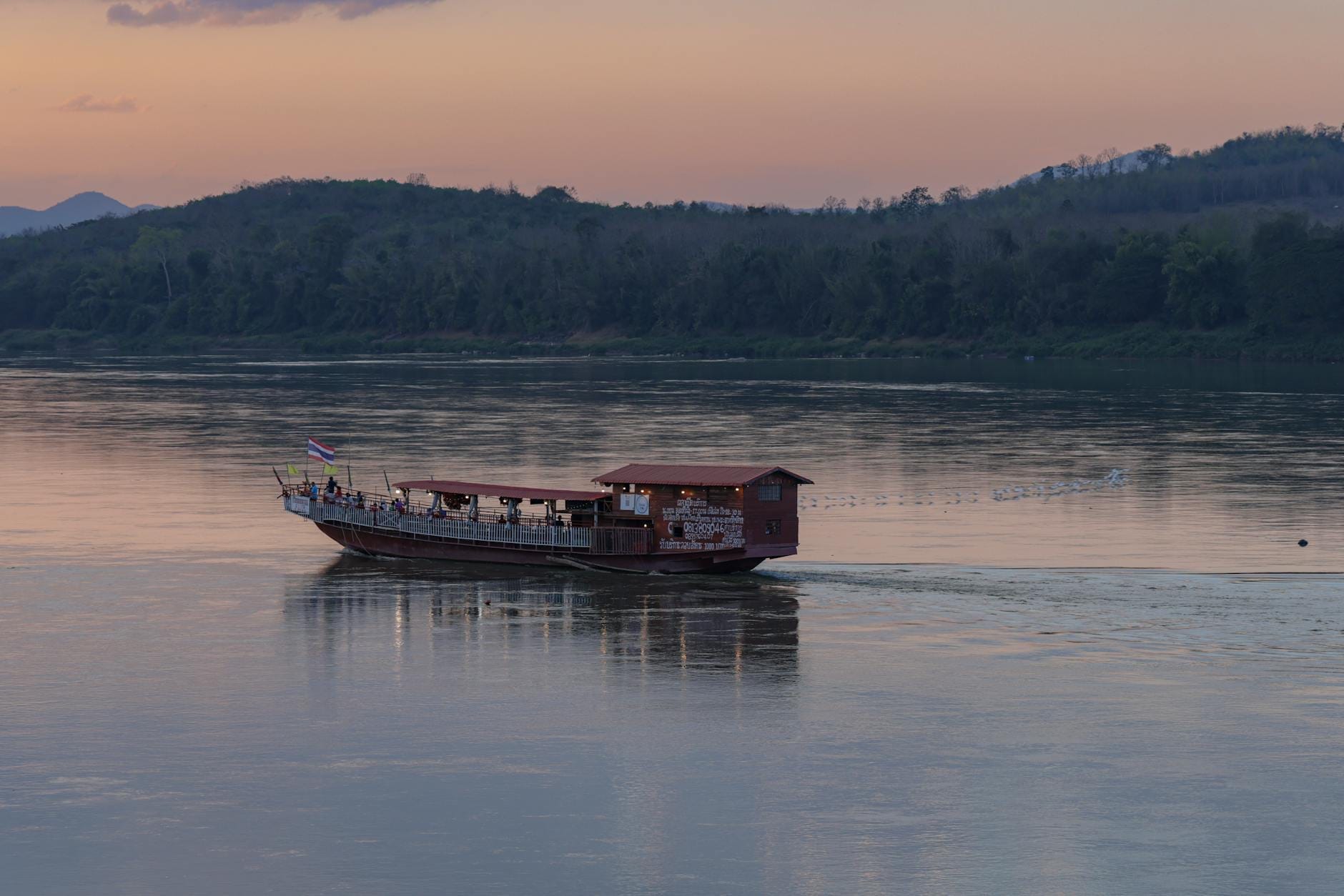
The Mae Ping River Cruise is not a polished tourist attraction in the theme-park sense. It is a working river experience on a waterway that has served as Chiang Mai's commercial lifeline for over seven centuries. Boats depart from piers near Nawarat Bridge and Wat Chai Mongkol, and the typical cruise runs north or south depending on the operator, passing a surprisingly quiet corridor of riverside life that most visitors never see from the street.
The most common vessel is the converted rice barge: a wide, low-slung wooden boat with a roof canopy and rows of bench seating. Some operators run narrower longtail boats for smaller groups, which are faster and louder but give a more direct, spray-in-the-face feel. If you care about photography, the rice barge's slower pace and stable deck are considerably better.
💡 Local tip
Book directly at the pier rather than through a hotel concierge or third-party desk. Pier-side prices are usually 50–100 THB lower per person, and you can inspect the boat before committing.
The River's History and Why It Still Matters
Chiang Mai was deliberately founded on the Mae Ping's eastern bank in 1296 by King Mengrai, who understood that the river was the region's primary trade artery. Teak logs floated south toward Bangkok for decades during the colonial timber trade, and Chinese merchant families built trading houses along the banks that still stand in modified form today. The river is no longer a commercial highway, but it retains a distinct character: slower-paced, slightly apart from the city's motorcycle traffic and market noise.
The stretch between Wat Chai Mongkol and the residential orchards to the north passes several significant landmarks. You will see the spire of Wat Chedi Luang from the water at certain angles, along with smaller riverside shrines, the backs of traditional Thai houses built on stilts over the bank, and stretches of banana and mango cultivation that have somehow persisted within city limits.
Tickets & tours
Live prices and dates from our booking partner. If you book, we may earn a commission at no extra cost to you.
Tuk-tuk rental with driver for a 4-hour Chiang Mai temple experience
From 44 €Instant confirmationFree cancellationPrivate full-day tour to Chiang Rai with van and driver
From 180 €Instant confirmationFree cancellationBamboo Rafting Along the River Chiang Mai in Thailand
From 66 €Instant confirmationFree cancellationPrivate van with driver to Flower Gardens and Dantewada Waterfall Park
From 146 €Instant confirmationFree cancellation
How the Experience Changes by Time of Day
Morning cruises, typically departing around 9 AM, offer the clearest light and the coolest temperatures. The river reflects a flat white sky in the dry season, and you will often spot egrets picking along the muddy banks. Local fishermen are sometimes still out with hand-thrown nets, and the absence of motorboat traffic makes the water calmer and quieter. This is the strongest window for photography.
Late afternoon departures around 4 PM catch the golden-hour light that photographers specifically come for. The temperature drops noticeably once you are on the water, and the tree canopy on the western bank casts long shadows across the river surface. Riverside restaurants and guesthouses begin lighting their lanterns as you return, making the re-entry into the Nawarat Bridge area genuinely atmospheric.
Dinner cruises run from approximately 6 to 8 PM and include a set Thai meal served on board. The food quality is functional rather than remarkable, but eating on a candlelit barge while drifting past illuminated temple stupas has obvious appeal. These cruises cost more, often around 1,000–1,500 THB per person, and tend to attract couples celebrating anniversaries or special occasions.
⚠️ What to skip
Avoid river cruises during the peak of Chiang Mai's burning season, roughly February through April. Smoke haze reduces visibility significantly and can make an outdoor boat experience uncomfortable. Check air quality index before booking.
What You Pass: A Practical Walkthrough
Departing from the Wat Chai Mongkol pier, the first ten minutes pass the riverside restaurants and bars that define the Riverside neighborhood's social scene. You will recognize the corrugated-iron roofs and open wooden decks of the longtime establishments. Longboats belonging to local fishermen are often tied to bamboo poles in the shallows here.
The middle section of the cruise is the most visually interesting. The city thins out and the vegetation takes over: tall bamboo groves leaning over the water, mango trees with roots exposed by river erosion, and wooden houses where laundry lines stretch over the current. It is quieter here, and you begin to understand the river's older character before development changed the banks.
Most standard tours include a stop at a riverside orchid farm or fruit garden, where passengers disembark for 20 to 30 minutes to walk through the growing beds and buy snacks. This pause is genuinely pleasant rather than a forced shopping opportunity. The return journey is downstream, which is faster, and the late light on the Nawarat Bridge makes for a clean final photo.
ℹ️ Good to know
Some operators offer combined packages that pair the river cruise with a visit to a Thai cooking class or a temple tour. These can offer good value if you haven't already booked those activities separately.
Getting There and Practical Logistics
The main departure point is near Nawarat Bridge, which sits about 1 kilometer east of the Old City moat. From Tha Phae Gate, the walk takes roughly 15 minutes through the Warorot market area, or you can take any red songthaew heading east along Tha Phae Road. Parking is available if you are arriving by rental motorbike, though the area near the piers can be tight during peak hours.
Multiple operators run from the same pier cluster, so you can compare boats and departure times on arrival. Look for boats with canopies and life vests visible on board. Reputable operators include Scorpion Tailed River Cruise and Mae Ping River Cruise, though operator lineups change over time and it is worth checking recent reviews before a trip.
Bring sun protection for daytime cruises. The canopy covers the central seating but not the bow and stern areas, and the reflected light off the water is intensified. A hat, sunscreen, and sunglasses are the practical minimum. Light, breathable clothing works year-round; bring a thin layer for evening cruises as the river breeze drops temperatures more than expected.
Photography on the Water
The Mae Ping River is one of Chiang Mai's more underused photography subjects. The combination of river surface reflections, overhanging vegetation, and traditional architecture gives images a distinct visual character that differs from the standard temple circuit. For a broader strategy on where and how to shoot in the city, the Chiang Mai photography guide has specific location breakdowns.
Bring a lens that can handle variable light. The afternoon cruise transitions from bright open-water sections to deeply shaded tree canopy stretches within minutes. A smartphone with a good sensor handles this well; a DSLR or mirrorless camera benefits from a versatile zoom rather than a fixed lens. Protect all gear from spray on longtail boats, where the engine wash occasionally reaches the passenger area.
Honest Assessment: Is It Worth It?
The Mae Ping River Cruise is worth the time if you want a genuinely different perspective on Chiang Mai that is not available from the streets or temples. The pace is slow in the best sense: unhurried, quiet, and oriented toward observation rather than stimulation. It is not spectacular in the way that some river cruises in other cities are, but it is authentic in a way that increasingly few Chiang Mai experiences manage to be.
Who should probably skip it: travelers on very short itineraries who still have the main temples to visit, people who find slow-paced sightseeing frustrating, and anyone visiting during the worst smoke days of burning season. The experience also depends significantly on the number of other passengers. A small group or near-empty barge is relaxed and pleasant; a full boat with a loud tour group changes the character entirely.
If you are pairing the cruise with other riverside activities, the neighborhood around Nawarat Bridge also rewards an evening on foot. The Warorot Market is a ten-minute walk north and provides a sharp contrast to the river's quietness: covered stalls selling dried fruit, northern Thai textiles, and street food that stays open into the evening.
Insider Tips
- Go on a weekday morning if you want a near-empty boat. Weekend and public holiday departures fill up quickly, especially afternoon slots.
- Sit on the right side of the boat on the outward journey if you want the best angle on the riverside orchards and bamboo groves. The return journey flips the advantage.
- Some operators will allow private charter bookings for small groups of four to six people at a rate that works out cheaper per person than joining a public departure. Ask at the pier directly.
- Bring insect repellent for evening cruises. The river banks produce significant mosquito activity after dusk, and the canopy area concentrates them.
- The orchid farm stop is a legitimate break and not a high-pressure sales stop. The fresh-cut fruit sold there, usually mango and papaya, is worth buying.
Who Is Mae Ping River Cruises For?
- Couples looking for a low-key, scenic date experience away from crowded temples
- Photographers who want river-surface light and traditional architecture in the same frame
- Repeat visitors to Chiang Mai who have already covered the main temple circuit
- Families with children aged eight and above who can manage the boat environment comfortably
- Slow travelers who prioritize atmosphere and context over ticking attractions off a list
Nearby Attractions
Other things to see while in Riverside (Ping River Area):
- Art in Paradise Chiang Mai (3D Art Museum)
Art in Paradise Chiang Mai is a large-format interactive 3D art museum located near the Riverside district. Visitors pose inside trompe-l'oeil paintings to create optical illusion photographs. It suits families, couples, and anyone looking for a lighthearted few hours indoors.
- Chiang Mai Night Bazaar
The Chiang Mai Night Bazaar is a sprawling commercial market district along Chang Khlan Road, drawing both tourists and locals with stalls selling handicrafts, clothing, street food, and souvenirs. It's well-organized and easy to navigate, but knowing what to expect prevents disappointment.
- Nawarat Bridge
Nawarat Bridge is one of Chiang Mai's most significant bridges across the Ping River, connecting the Old City to the eastern riverfront. More than just infrastructure, it serves as a daily gathering point, a photography landmark, and a quiet window into how the city actually moves.
- Saturday Walking Street (Wua Lai Road)
Every Saturday evening, Wua Lai Road transforms into one of Chiang Mai's most atmospheric night markets. Known historically as the city's silversmith district, the street fills with handcrafted goods, northern Thai street food, and the glow of temple lanterns — all with noticeably fewer tourists than its Sunday counterpart.
Planning a trip? Discover personalized activities with the Nomado app.