The Riverside neighborhood sits along the Ping River, offering a quieter counterpoint to the Old City's temple circuit. Colonial-era shophouses, riverside restaurants, and working markets give this area genuine local texture, while Nawarat Bridge connects it to the rest of Chiang Mai.
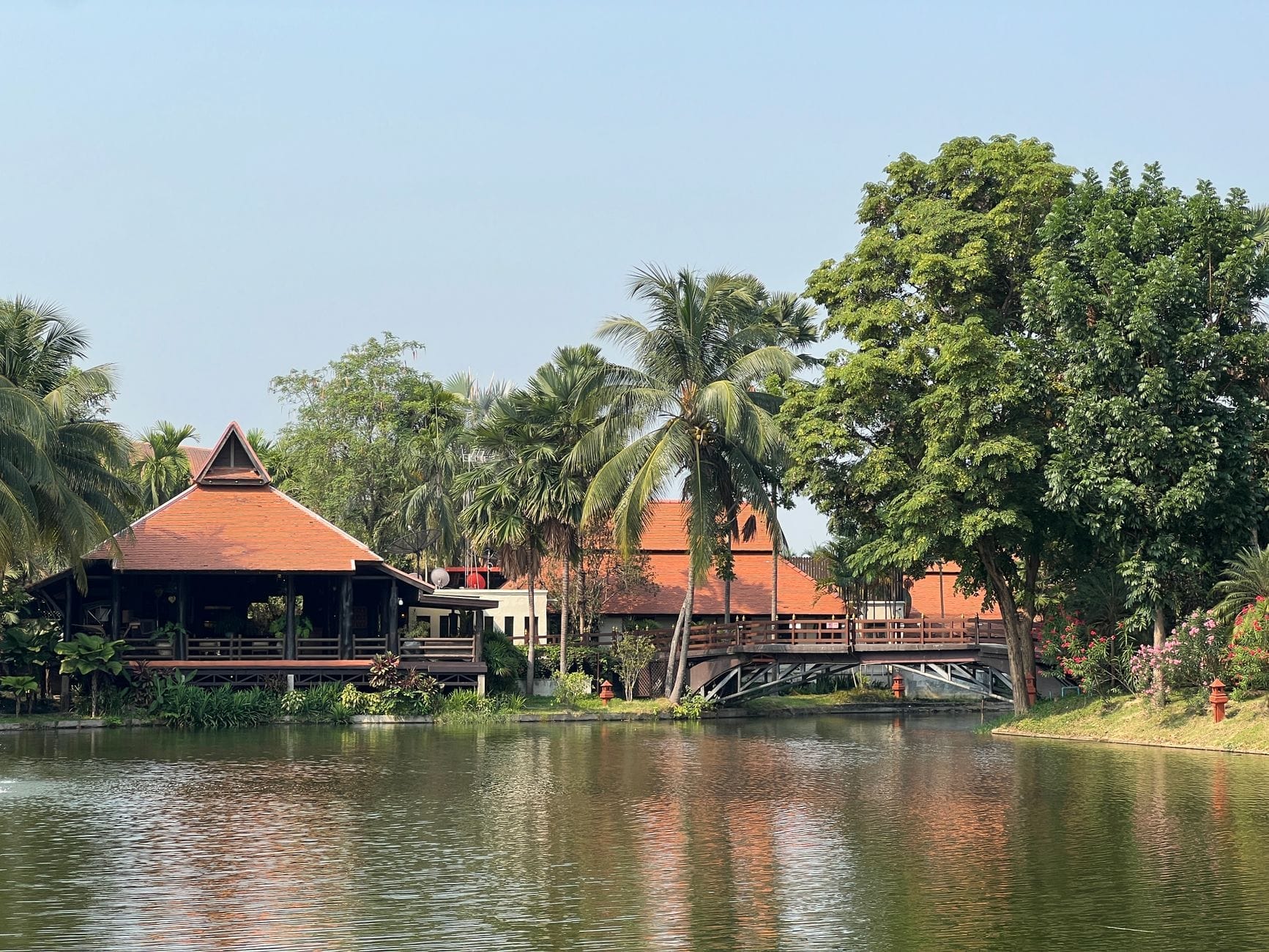
The Ping River corridor is where Chiang Mai shows its age in the best possible way: weathered teak shophouses, century-old trading wharves, and temples that predate the tourist economy by several hundred years. It moves at its own pace, and that pace is worth matching.
Orientation
The Riverside area follows the western and eastern banks of the Ping River, roughly between Nawarat Bridge to the north and Iron Bridge to the south. In practice, most of what travelers call 'Riverside' concentrates on the east bank, along and around Charoen Rat Road and Charoen Prathet Road. The neighborhood sits about one kilometer east of the Old City moat, close enough to walk if you cross Nawarat Bridge, and a short red songthaew (shared taxi) ride from Nimman or the Night Bazaar.
The mental map is simple: the river runs north-south, the main riverside roads run parallel to it, and the terrain is almost completely flat. Charoen Prathet Road is the busier, more commercial strip closest to the Night Bazaar zone. Charoen Rat Road, one block east of the river on the east bank, is quieter and more residential in character, especially as you move south of Nawarat Bridge. The area between these roads and the riverbank itself is where the neighborhood's most distinctive restaurants, bars, and small guesthouses cluster.
For a wider picture of how this area fits into Chiang Mai's geography, the Chiang Mai overview guide is a good starting point before drilling into individual neighborhoods.
Character & Atmosphere
Early mornings along the Ping River have a quality that the Old City, with its guesthouse alleyways and coffee shop queues, simply cannot replicate. By 6am, the river surface catches flat white light, longtail boats and fishing skiffs are already moving, and the markets near Warorot and the riverside piers are deep into their working day. The smell is river mud, frangipani from temple courtyards, and charcoal smoke from street food vendors who set up before the city wakes up properly.
Through the middle of the day, the riverside streets settle into a slower rhythm. The tourist activity that defines Tha Phae Gate and Nimman Road doesn't really reach this far east. Local residents move between the market stalls, mechanics work in the narrow lanes behind Charoen Rat Road, and the older teak shophouses sit in the kind of quiet that feels earned rather than manufactured. Afternoon light on the river, especially from October through January, turns the water a coppery orange that makes the whole area feel slightly cinematic.
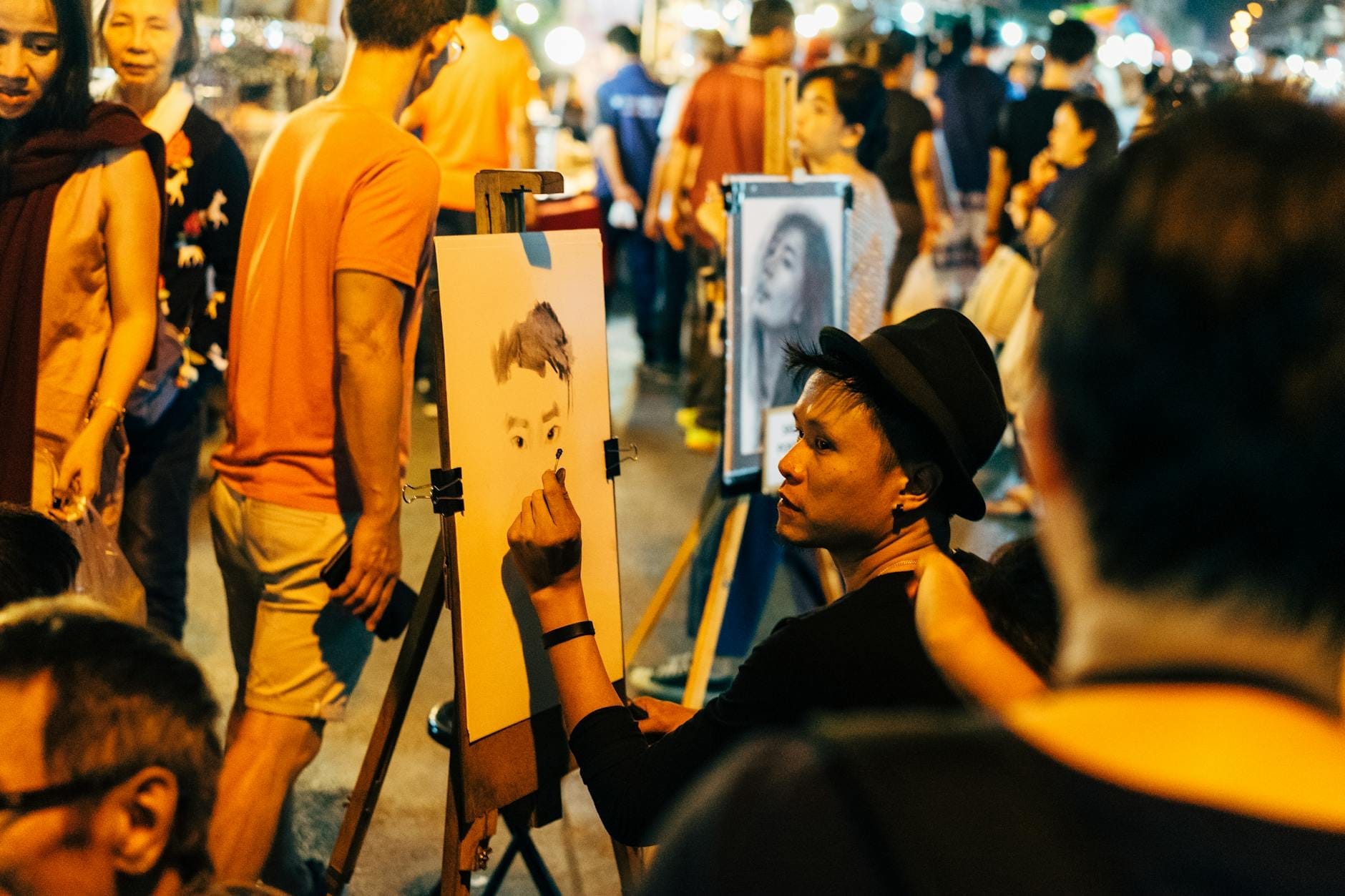
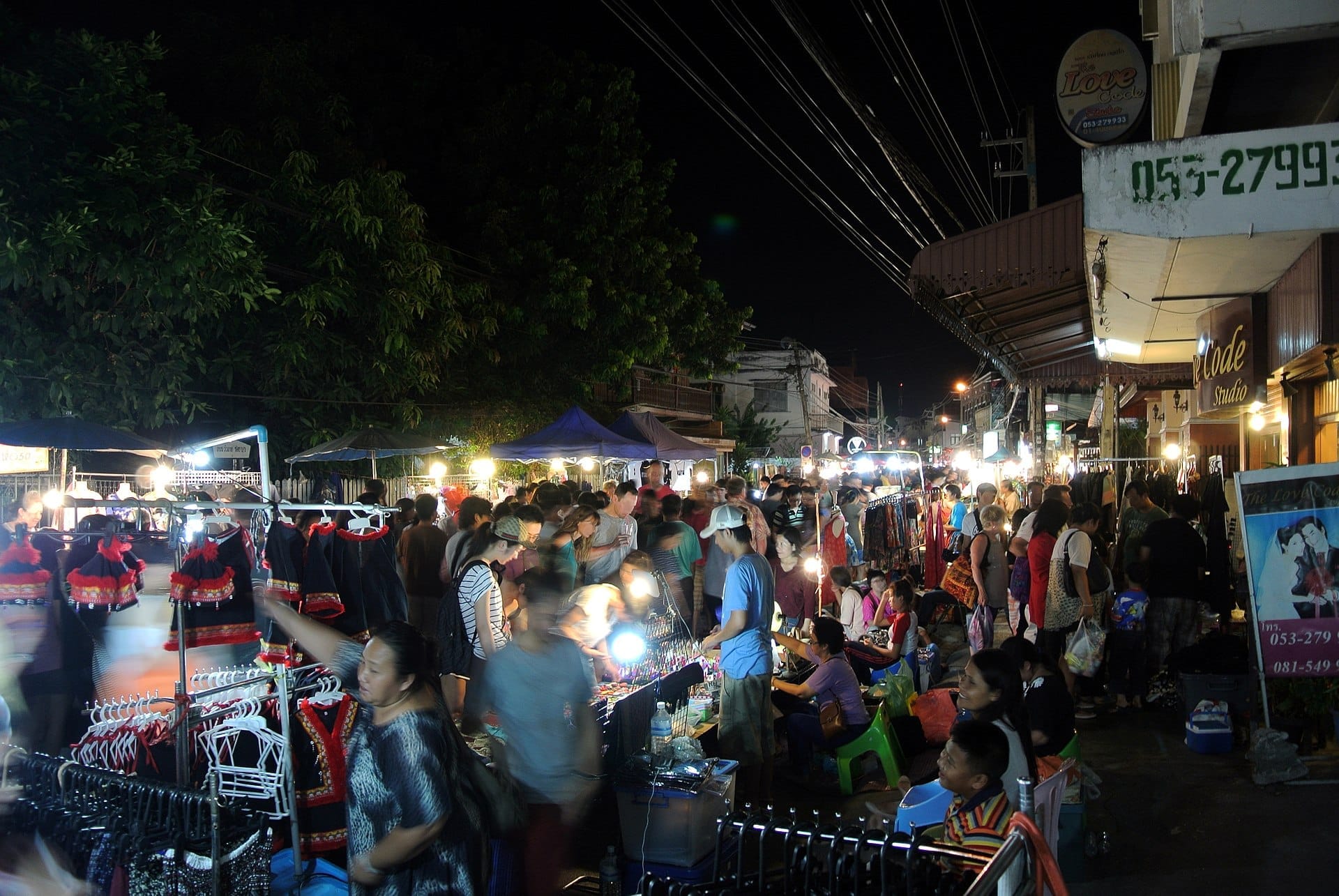
After dark, the Riverside neighborhood splits into two distinct experiences. The stretch closest to the Night Bazaar, particularly around Charoen Prathet Road south of Nawarat Bridge, becomes a reliable strip of riverside restaurants and bars aimed at tourists and expats, some with live music. Further south and north of the main bridge cluster, the streets return to local residential life, with small noodle shops and convenience stores rather than cocktail menus.
ℹ️ Good to know
The neighborhood shifts noticeably depending on which side of Nawarat Bridge you're on. North of the bridge, toward Warorot Market, it's working-market Chiang Mai. South of the bridge, toward the Night Bazaar, it's more polished and tourist-oriented.
What to See & Do
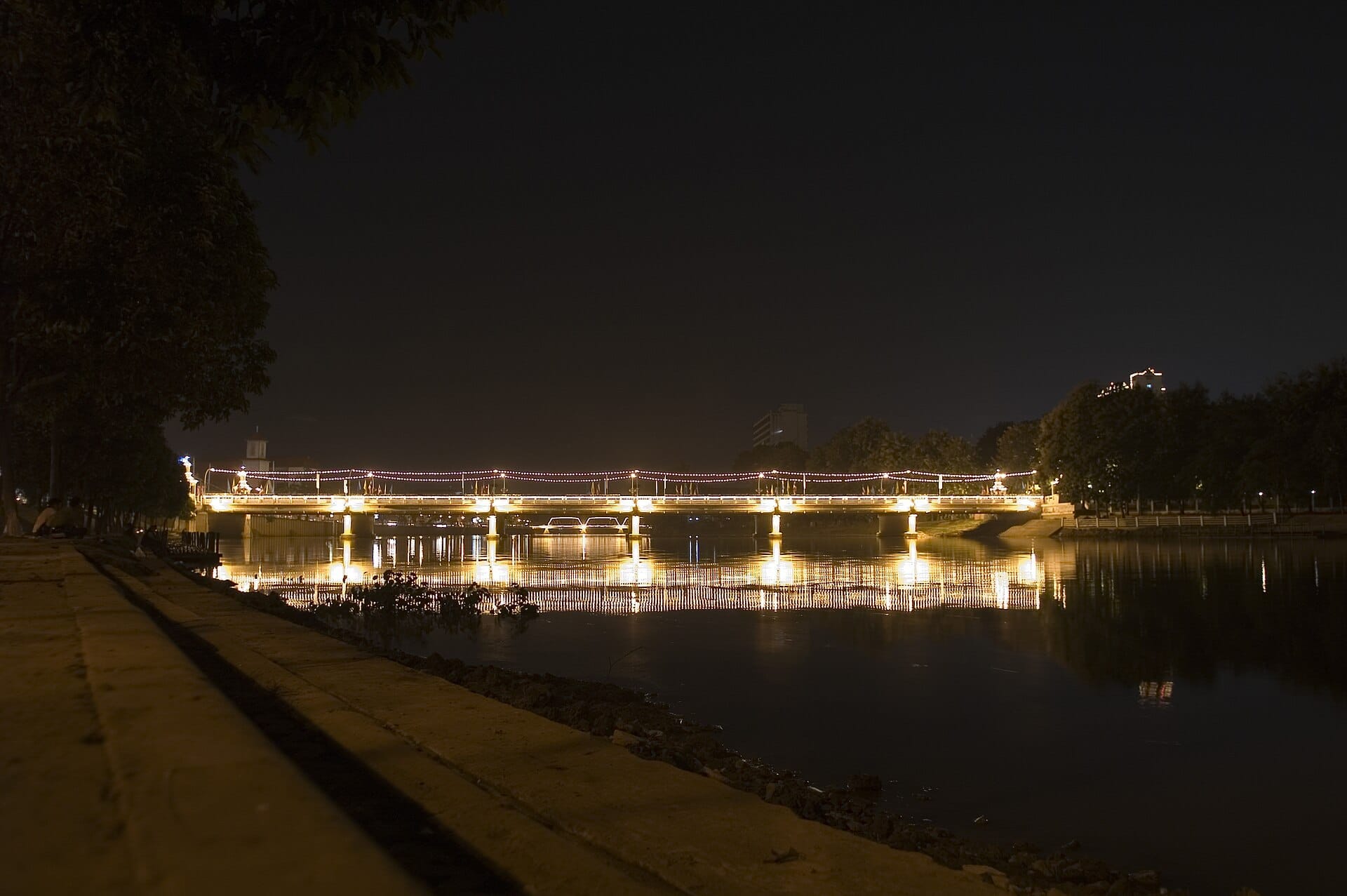
The most important single landmark in the neighborhood is Nawarat Bridge, the oldest and most recognizable of the Ping River crossings. Built in 1912 during the reign of King Chulalongkorn, it connects the east bank to the Old City and serves as the neighborhood's main orientation point. Walking across it at dusk, with the river below and the mountains visible to the west, gives a clear sense of how the city is laid out.
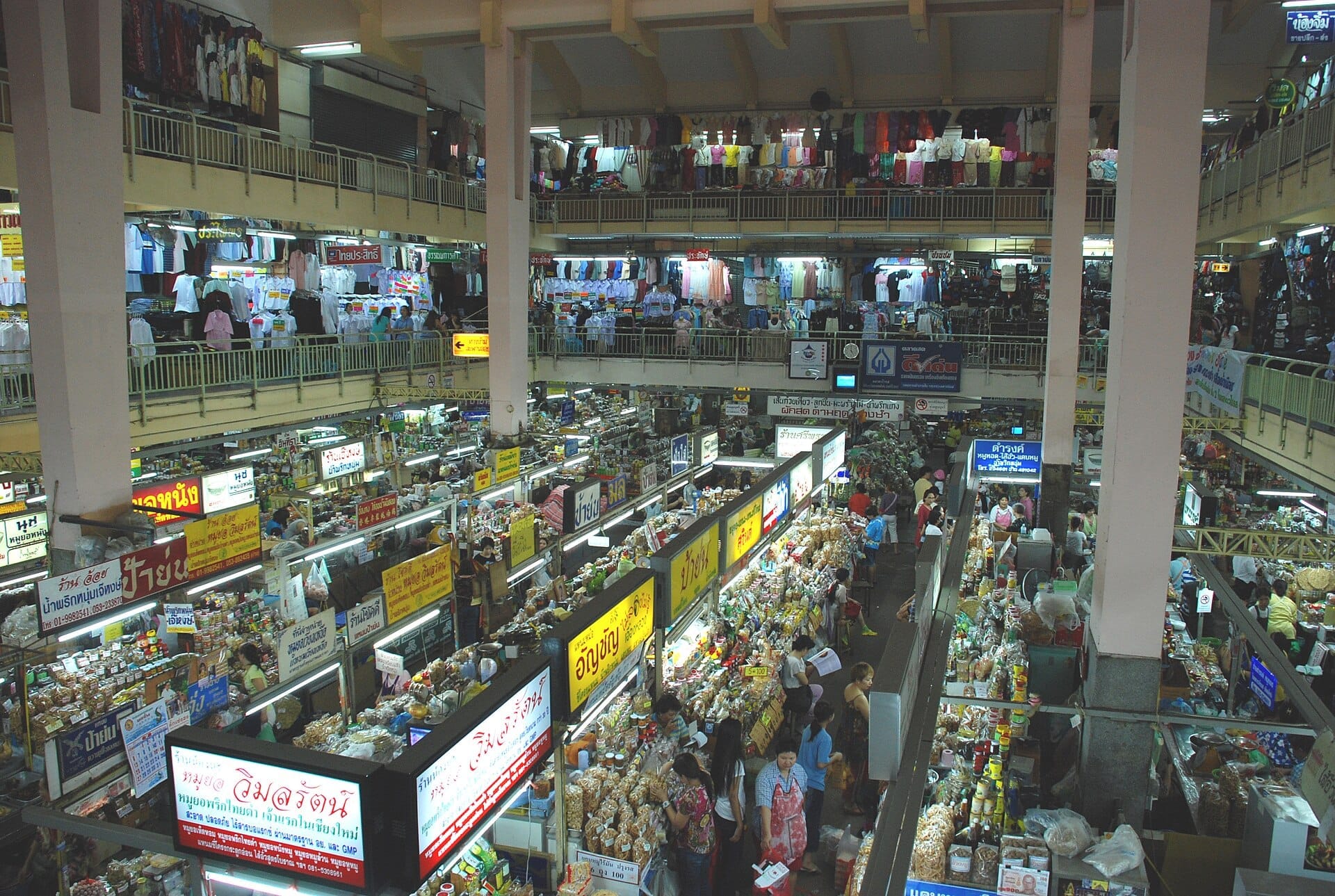
Just north of Nawarat Bridge, Warorot Market is one of the largest and busiest markets in Chiang Mai. It's a multi-story covered market selling everything from wholesale fabrics and dried goods to fresh produce, street food, and local snacks you won't find in the tourist-facing markets. It rewards slow exploration: the upper floors are quieter and sell textiles and household goods, while the ground floor and surrounding streets are all food and fresh produce.
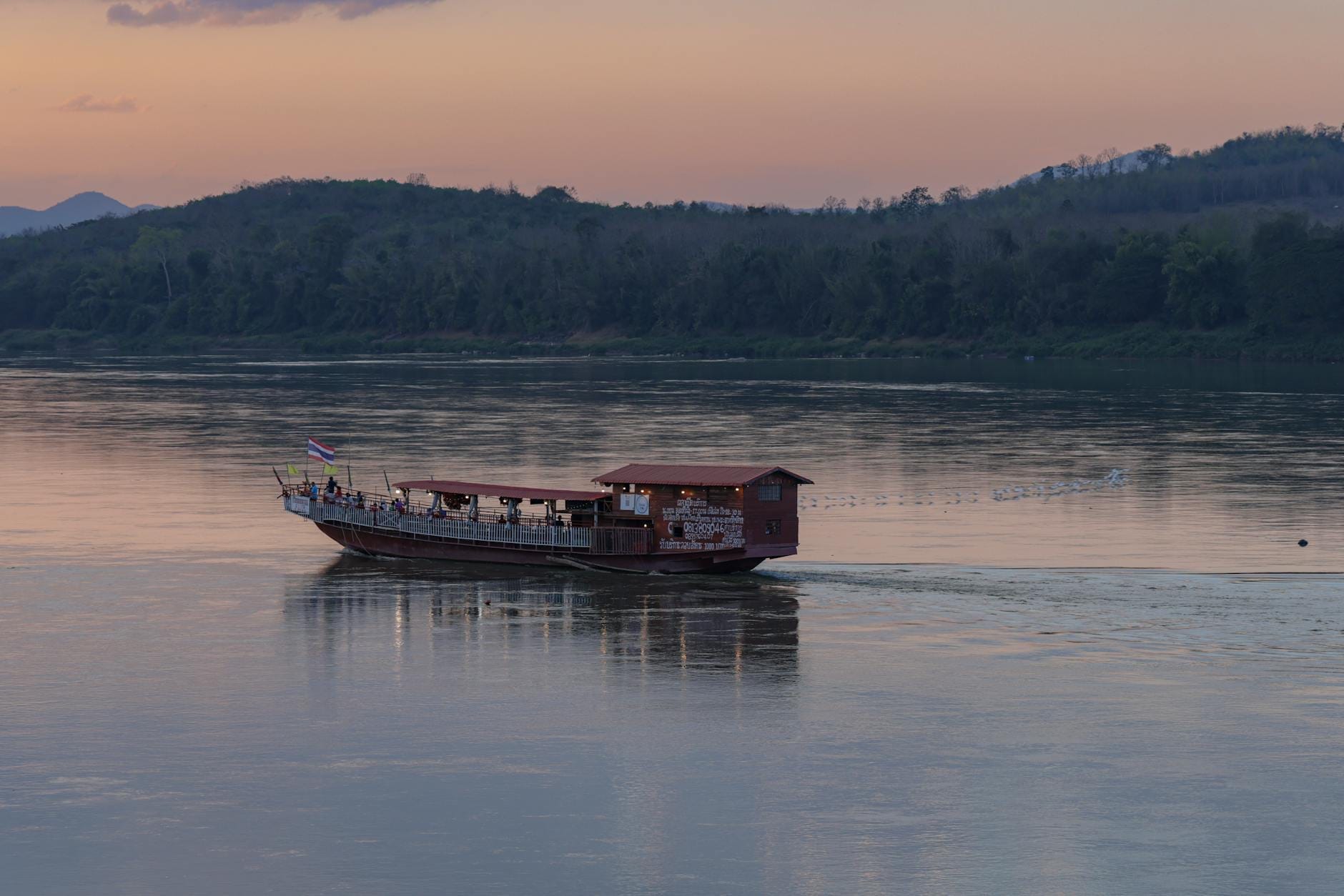
River cruises on the Ping are available from piers along the east bank. The Mae Ping river cruises typically run north from piers near the Night Bazaar end of the neighborhood and offer a perspective on the city that you can't get from street level. The longer cruises venture into the more rural stretches north of the city center, where the riverbanks become gardens and fruit orchards.
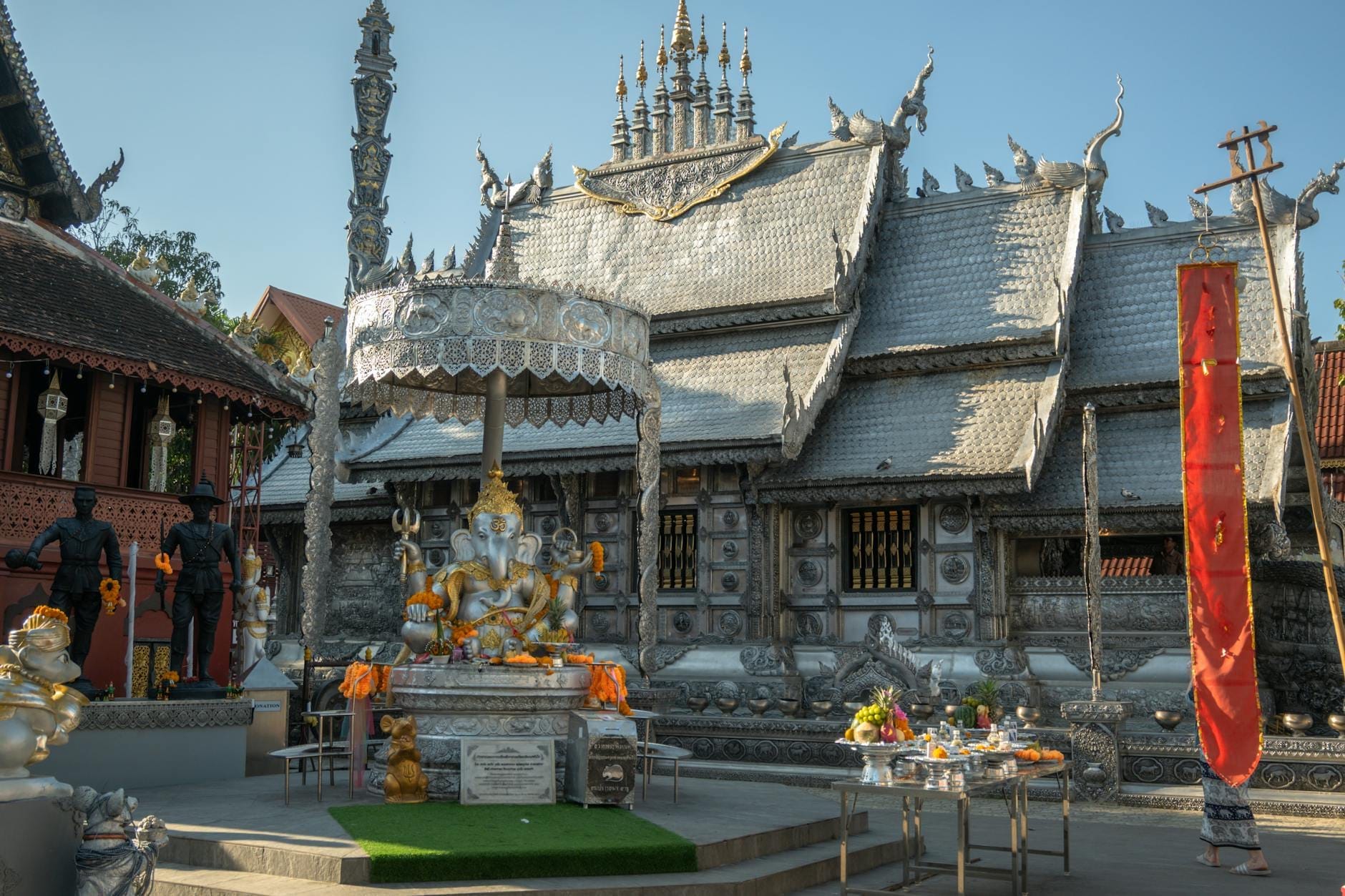
Several small temples are scattered through the residential streets behind the main road. These are working neighborhood temples rather than tourist attractions, which means you're likely to encounter monks going about their daily routines and local families making merit, rather than tour groups. Dress respectfully and you're welcome to look around. A few of the older temple compounds have teak pavilions and brick chedis that predate the modern city by centuries.
Nawarat Bridge: the neighborhood's central landmark and a natural orientation point
Warorot Market: the most local-facing large market in central Chiang Mai, open daily from early morning
Mae Ping River cruises: boat tours departing from piers near the Night Bazaar end of the neighborhood
Riverside walking: the pedestrian paths along the east bank offer river views and access to small piers
Neighborhood temples: small, working temple compounds in the side streets behind Charoen Rat Road
💡 Local tip
Warorot Market is best visited between 7am and 11am. The produce section is at peak supply, the food stalls are fully stocked, and the heat hasn't set in yet. The market technically operates all day but starts winding down in the early afternoon.
Eating & Drinking
The food landscape along the Ping River covers a wider range than most neighborhoods in Chiang Mai. At the accessible, inexpensive end, Warorot Market and its surrounding lanes are full of Northern Thai dishes: khao soi (egg noodles in a curry-coconut broth), sai oua (grilled herb sausage), and nam prik noom (roasted green chili dip served with vegetables and sticky rice). These are the kinds of plates that local office workers and market vendors eat, priced accordingly.
Along the river itself, particularly between Nawarat Bridge and the Night Bazaar, there are a number of mid-range and upscale riverside restaurants. Several have been operating for decades and have earned genuine reputations rather than relying purely on the view. The setting is genuinely pleasant in the evenings, with the river reflecting the restaurant lights and a breeze that makes open-air dining comfortable for much of the year. For a broader sense of what to eat and where to find it in Chiang Mai, the complete Chiang Mai dining guide maps the city's food scene by area and cuisine type.
The bar and live music scene in the Riverside neighborhood is more established than in most parts of the city. Several large venue-style riverside bars have been in operation long enough to become institutions for the expat community, and they draw a mixed crowd of locals, expats, and travelers. The music tends toward classic rock and blues covers rather than electronic or club formats, and the vibe is relaxed rather than late-night intense. These bars typically get going around 8pm and close by 1am.
For coffee and daytime cafés, the neighborhood has a handful of independent spots that cater more to locals than to the specialty coffee circuit that defines Nimman Road. Prices are lower, wifi is available, and the atmosphere is less curated. If you want the full specialty coffee experience, Nimman is a short ride away, but the riverside cafés have their own appeal.
Getting There & Around
From the Old City, the most direct walking route to the Riverside neighborhood is east along Tha Phae Road to Tha Phae Gate and then continue east about 600 meters to Nawarat Bridge. The walk takes roughly 10-12 minutes at a steady pace. This is a useful route because it passes through the transition between the tourist Old City and the more local-facing commercial strip near the river.
Red songthaews (shared tuk-tuks) run along Charoen Prathet Road and Charoen Rat Road throughout the day. Fares within the city center are typically 30-50 THB per person for shared rides. Grab (the regional ride-hailing app) works well in this neighborhood and gives you a fixed price before you commit. For practical advice on navigating Chiang Mai's transport options, the getting around Chiang Mai guide covers songthaews, tuk-tuks, Grab, and bicycle rental in detail.
The neighborhood is flat and compact enough to navigate on a bicycle or scooter. Several rental shops operate near the Night Bazaar end of the area. Parking a scooter along the riverside road is straightforward outside of peak evening hours. On foot, you can walk the full length of the active riverside strip, from Nawarat Bridge down to the Night Bazaar area, in about 15-20 minutes without stopping.
⚠️ What to skip
Charoen Prathet Road carries heavy traffic during evening hours, especially on weekends. If you're walking between restaurants or bars along the strip, use the riverside footpath where available rather than the road shoulder.
Where to Stay
The Riverside neighborhood works well as a base for travelers who want a quieter alternative to the Old City without sacrificing central access. Accommodation ranges from budget guesthouses in the lanes behind Charoen Rat Road to a handful of well-regarded mid-range and boutique hotels with direct river views. For a full breakdown of accommodation by neighborhood, budget, and style, the where to stay in Chiang Mai guide covers all the main areas including a direct comparison of Riverside versus the Old City.
The northern end of the neighborhood, closer to Warorot Market, is better suited to travelers who want local market access and don't mind a bit of early-morning noise from deliveries and vendors. The southern end, near the Night Bazaar, is better for those who want easier access to restaurants, bars, and the Chiang Mai Night Bazaar complex, though it is correspondingly busier and louder after 8pm.
River-view rooms, particularly in the boutique hotels on or near the east bank, are worth the modest premium if your priority is atmosphere. The sound of the river at night and the morning light on the water make for a very different experience than the same category of room facing an internal courtyard or a back street. That said, rooms directly above the live music bars will have noise until closing time, so check the immediate surroundings before booking.
Couples and travelers looking for a more romantic, unhurried Chiang Mai experience often find the Riverside neighborhood suits them better than the Old City's denser tourist core. The Chiang Mai for couples guide has specific recommendations for riverside dining and accommodation that lean into the area's particular atmosphere.
Honest Assessment
The Riverside neighborhood is genuinely good, but it's not for everyone. It lacks the concentrated temple density of the Old City, the coffee shop and design energy of Nimman, and the street food variety of the areas around Chang Phuak. What it offers instead is a middle ground: local enough to feel real, accessible enough to be practical, and atmospheric enough that walking along the river in the late afternoon feels like a reason to be here in itself.
The live music bar strip can feel predictable if you've encountered the same format in other Thai cities. The tourist-facing restaurants between Nawarat Bridge and the Night Bazaar are reliable but not especially adventurous. And the neighborhood doesn't have the kind of anchor attraction that makes it a half-day destination in its own right, the way a major temple complex or a large night market would. Most travelers use it as a base or drift through it on the way between the Old City and the Night Bazaar, which is a perfectly valid way to experience it.
If your Chiang Mai time is limited, the three-day Chiang Mai itinerary routes you through the Riverside area as part of a broader circuit rather than treating it as a standalone destination, which reflects how the neighborhood actually functions best.
TL;DR
Best suited to travelers who want a quieter, more local-feeling base within easy reach of the Old City and Night Bazaar.
Warorot Market is one of the most authentic large markets in Chiang Mai and alone justifies a visit to the neighborhood.
The riverside bar and restaurant strip south of Nawarat Bridge is reliable and atmospheric but not cutting-edge.
Not the right choice if you want to be deep in the temple circuit or close to the Nimman creative and coffee scene.
Flat, walkable, and well-connected by songthaew and Grab: logistics are easy and the pace is genuinely unhurried.
Chiang Mai's seasons are dramatically different from each other, and picking the wrong month can mean smoky skies, flash floods, or paying double for accommodation. This guide breaks down every month honestly so you can match your trip to your priorities.
Everything you need to know about arriving at Chiang Mai International Airport: how the terminal works, which transport options are worth it, what to avoid, and how to reach any part of the city without overpaying.
Chiang Mai is northern Thailand's cultural capital, and its museums, galleries, and creative spaces go far deeper than temple-hopping. This guide covers the best places to engage with Lanna heritage, contemporary Thai art, traditional crafts, and living creative communities across the city.
Every year between February and April, Chiang Mai experiences its burning season — a period of agricultural fires and forest burning that pushes air quality to some of the worst levels of any city on earth. This guide explains what causes it, how bad it actually gets, and how to make smart decisions about when and how to visit.
Chiang Mai has quietly become one of Southeast Asia's most serious coffee cities, with a culture built on locally grown northern Thai beans, skilled baristas, and atmospheric settings. This guide covers the best neighborhoods, markets, and spots to anchor your coffee crawl across the city.
Chiang Mai's Flower Festival is one of northern Thailand's most photogenic annual events, drawing thousands of visitors to watch elaborate floral floats parade through the Old City. This guide covers exact timing, the best viewing spots, what else is on during the weekend, and how to make the most of your visit.
Chiang Mai rewards couples with an unusual mix of intimacy and adventure: ancient temple grounds at dusk, private cooking classes, ethical elephant encounters, and rooftop dinners above a moat-ringed Old City. This guide covers the most genuinely romantic experiences, honest about what lives up to the hype and what to skip.
Chiang Mai has been a digital nomad hub for over a decade, and for good reason. This guide covers everything you need to know: where to work, where to live, what it costs, how to handle visas, and what the city gets right — and wrong — for remote workers.
Chiang Mai rewards those who look beyond the well-worn circuit. From jungle temples and sticky waterfalls to artist villages and lakeside retreats, these are the places locals love and guidebooks overlook.
Three days is enough to cover Chiang Mai's essential temples, markets, and surroundings without rushing — if you plan smart. This itinerary balances the Old City's cultural core with the hills above the city and the region's famous ethical elephant experiences, built around how the city actually flows.
Chiang Mai's luxury scene is quietly exceptional, offering boutique jungle retreats, Lanna-inspired wellness resorts, and private cultural experiences that rival anything in Southeast Asia. This guide covers where to stay, where to be pampered, and how to spend big in the north's most sophisticated city.
Managing money in Chiang Mai is straightforward once you know the rules. This guide covers ATM fees, the best places to exchange currency, where cards are accepted, and practical tips to keep more baht in your pocket.
Chiang Mai comes alive after dark, and its night markets are where the city's soul truly shows. From sprawling walking streets inside the ancient Old City to intimate local food stalls outside the north gate, this guide covers every market worth your evening.
Chiang Mai is one of Southeast Asia's best-value cities, but knowing where to spend and where to save makes a real difference. This guide breaks down accommodation, food, transport, and activities with honest price ranges so you can build a realistic daily budget.
Chiang Mai is northern Thailand's cultural capital, a city where ancient temples sit beside specialty coffee roasters and jungle trekking routes begin just minutes from the city center. This guide covers everything: neighborhoods, food, temples, day trips, costs, and when to visit.
Chiang Mai punches well above its weight as a green city. Forested mountains ring the urban core, a university lake doubles as a public park, and within an hour's drive you reach botanical gardens, national park waterfalls, and misty highland viewpoints. This guide covers the best outdoor spaces in and around the city.
Chiang Mai rewards photographers at every turn, from ancient Lanna temples glowing at dusk to cloud-draped highland peaks and atmospheric night markets. This guide covers the 22 best photography spots in the city and surroundings, with practical advice on timing, light, and what to look for.
Chiang Mai is one of Southeast Asia's safest cities for tourists, but that doesn't mean risk-free. This guide covers real threats, common scams targeting visitors, transport dangers, and practical safety advice so you can travel with confidence.
Chiang Mai is northern Thailand's craft capital, where centuries of Lanna artisan tradition meet a thriving contemporary creative scene. From sprawling night markets and village workshops to boutique lifestyle malls and organic farmers' markets, this guide covers the best places to shop for everything from silverwork and teak carvings to handmade ceramics and street food.
Chiang Mai transforms every April into the epicenter of Thailand's New Year water festival. This guide covers the best locations, what to expect each day, practical logistics, and honest advice on making the most of the chaos without ruining your camera or your patience.
Chiang Mai is one of Southeast Asia's great wellness destinations, combining centuries-old Thai massage traditions with modern spa culture and natural hot springs. This guide covers the best places to unwind, from post-hike soaks to full-day retreat experiences.
Chiang Mai has more temples per square kilometer than almost anywhere in Southeast Asia, with over 300 wats ranging from grand royal foundations to intimate forest retreats. This guide covers the essential and the unexpected, from the gilded chedi of Doi Suthep to a silver-clad masterpiece in the silversmith district.
Chiang Rai sits about 200 km north of Chiang Mai and offers a completely different atmosphere: smaller, quieter, and packed with remarkable temples and border-region culture. This guide covers every transport option, the best things to do, and whether a day trip is actually enough.
Pai is a small mountain town about 130 km north of Chiang Mai, but the winding road and cool highland air make it feel worlds apart. This guide covers every transport option, what to realistically expect, and where to spend your time once you arrive.
Chiang Mai is the undisputed trekking capital of Thailand. Whether you want a half-day trail near the city or a three-day trek through remote hill-tribe villages, this guide breaks down the best routes, honest operator advice, and everything you need to plan a safe, rewarding trek.
Bangkok and Chiang Mai are both iconic Thailand destinations, but they offer radically different experiences. This guide breaks down the key differences across cost, culture, food, temples, nature, and travel logistics so you can make the right call for your trip.
Chiang Mai's weather shapes everything about your trip, from which temples you visit to whether you pack an umbrella or a sweater. This guide breaks down every season, month by month, so you can plan with confidence and avoid costly surprises.
Chiang Mai rewards families who plan well. From ethical elephant sanctuaries and sticky waterfalls to hands-on cooking classes and walkable night markets, this guide covers the best family activities in Chiang Mai with honest takes on what works for different ages, budgets, and energy levels.
Chiang Mai is one of the best cities in Asia to learn Thai cooking. From dawn market tours to afternoon classes in family gardens, these are the cooking experiences worth building your trip around.
Chiang Mai sits at the center of one of Thailand's most diverse regions. Within a few hours in any direction, you can reach jungle waterfalls, royal mountain temples, hill tribe villages, and some of Asia's most respected wildlife sanctuaries. These are the day trips that make the most of your time.
Doi Inthanon is Thailand's highest peak, and it's one of the most rewarding day trips from Chiang Mai. This guide covers every decision you'll need to make: how to get there, what to prioritize, how much to budget, and what most visitors miss.
Chiang Mai is the center of elephant tourism in Thailand, but not all experiences are equal. This guide focuses on the one verified ethical sanctuary in the available attractions list, plus the best complementary nature, wildlife, and eco-experiences to build a responsible, rewarding trip around it.
Navigating Chiang Mai is easier than most travelers expect, but knowing which transport option fits each situation saves time and money. This guide covers every meaningful way to get around, with real cost ranges, practical tips, and honest warnings.
Chiang Mai is one of Thailand's best cities to train or watch Muay Thai. This guide covers the top gyms, what training actually costs, how to spot authentic fights, and everything a first-timer needs to know before stepping into the ring.
Chiang Mai is the gateway, but northern Thailand's real depth lies beyond its city limits. This guide covers the essential destinations, practical logistics, and honest advice for exploring the mountains, hill tribes, temples, and towns that make this region one of Southeast Asia's most rewarding corners.
Chiang Mai rewards travelers who go beyond the obvious. This guide covers the best things to do in Chiang Mai across culture, food, nature, and nightlife — with honest rankings, practical logistics, and local knowledge to help you spend your time well.
Northern Thai cuisine is one of the most distinct regional food cultures in Southeast Asia, and Chiang Mai is its capital. This guide covers the essential dishes you need to eat, where to find them, what they cost, and how to avoid the tourist traps.
Chiang Mai's food scene runs deeper than most visitors expect. This guide breaks down the best places to eat by neighborhood, budget, and cuisine — from local market stalls serving 40-baht bowls of khao soi to upscale Lanna dining experiences worth planning your evening around.
Choosing where to stay in Chiang Mai shapes your entire trip. This guide covers every major neighborhood, who each area suits best, honest drawbacks, and specific hotel recommendations across all budgets.
Yi Peng is one of the most spectacular festivals in Southeast Asia, filling Chiang Mai's night sky with thousands of floating lanterns. This guide covers when to go, where to watch, how to get tickets, and the practical details that make the difference between a magical night and a frustrating one.