Where to Eat in Chiang Mai: Best Restaurants and Food Areas
Chiang Mai's food scene runs deeper than most visitors expect. This guide breaks down the best places to eat by neighborhood, budget, and cuisine — from local market stalls serving 40-baht bowls of khao soi to upscale Lanna dining experiences worth planning your evening around.
Tickets & tours
Live prices and dates from our booking partner. If you book, we may earn a commission at no extra cost to you.
TL;DR
- Chiang Mai's best eating is concentrated in four zones: the Old City, Nimman, the Riverside, and Santitham and the Superhighway area favored by locals.
- Khao soi is the dish to try first — a rich, curry-coconut noodle soup unique to Northern Thailand. See our guide to what to eat in Chiang Mai for the full regional food breakdown.
- Night markets and walking streets offer some of the cheapest and most satisfying meals in the city — budget 60-120 baht per dish at stalls.
- Most local restaurants open around 10am and close by 9-10pm; peak tourist spots run later. Sunday Walking Street opens around 4pm when Ratchadamnoen Road closes to traffic.
- If you want structured food experiences, cooking classes in Chiang Mai are genuinely excellent value and teach you to replicate what you're tasting.
Understanding Chiang Mai's Food Geography
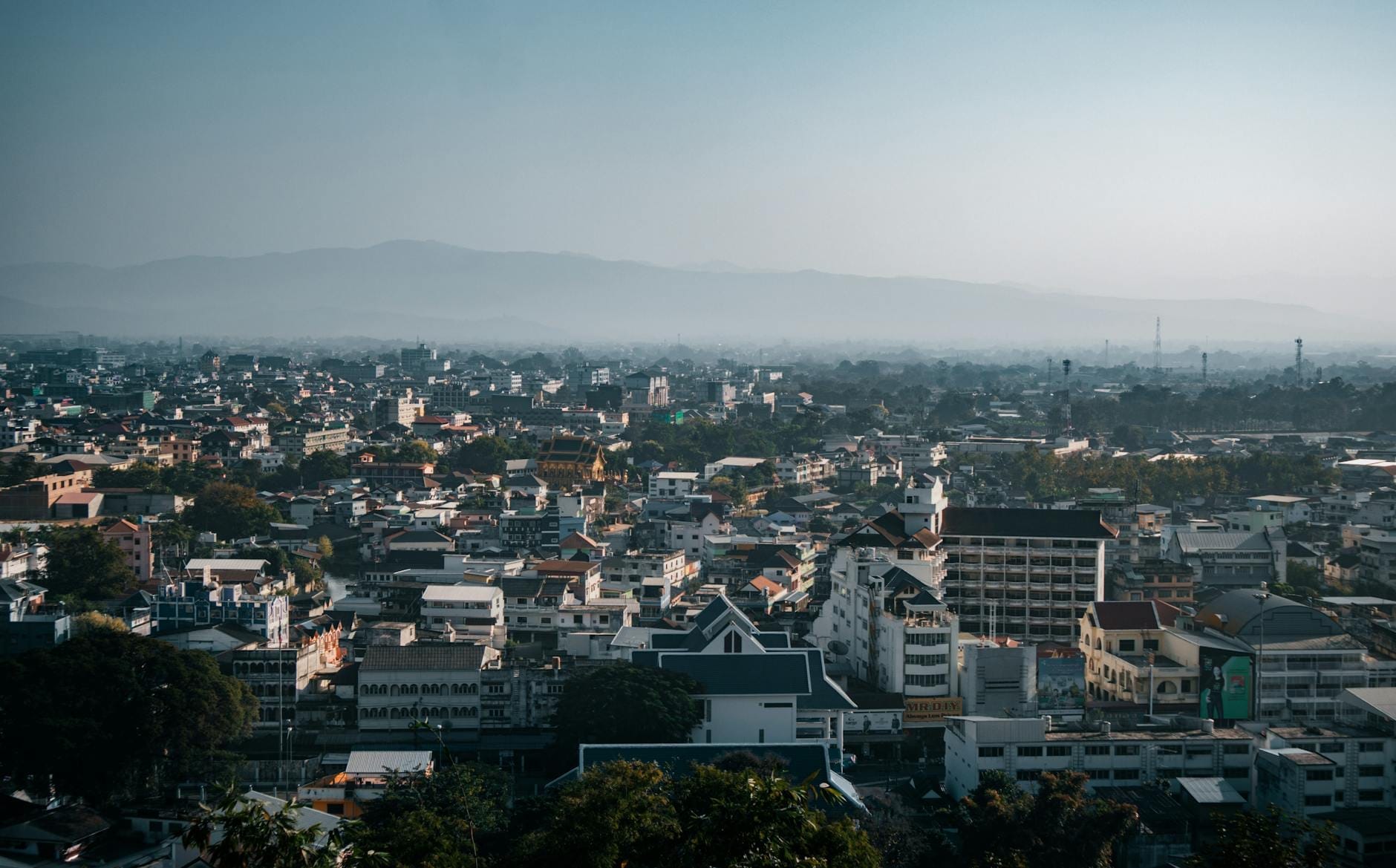
Chiang Mai is not a city where food is evenly distributed. Where you eat determines what you pay, who you eat alongside, and honestly, how good the food tends to be. The Old City is dense with tourist-facing restaurants — convenient, English-menus everywhere, but prices run 30-50% higher than identical dishes found two streets outside the moat. Knowing this one fact saves money every single day.
The city's food culture is Northern Thai at its core, meaning dishes are earthier, less sweet, and more herb-forward than Central Thai food in Bangkok. Fermented ingredients, fresh herbs, and chili-based condiments appear constantly. The Lanna kingdom's historical trade routes also mean Burmese and Yunnan Chinese influences show up in unexpected places — in the pork-heavy curries, in the wheat noodle soups, and in the tea-leaf salads that feel almost Burmese.
💡 Local tip
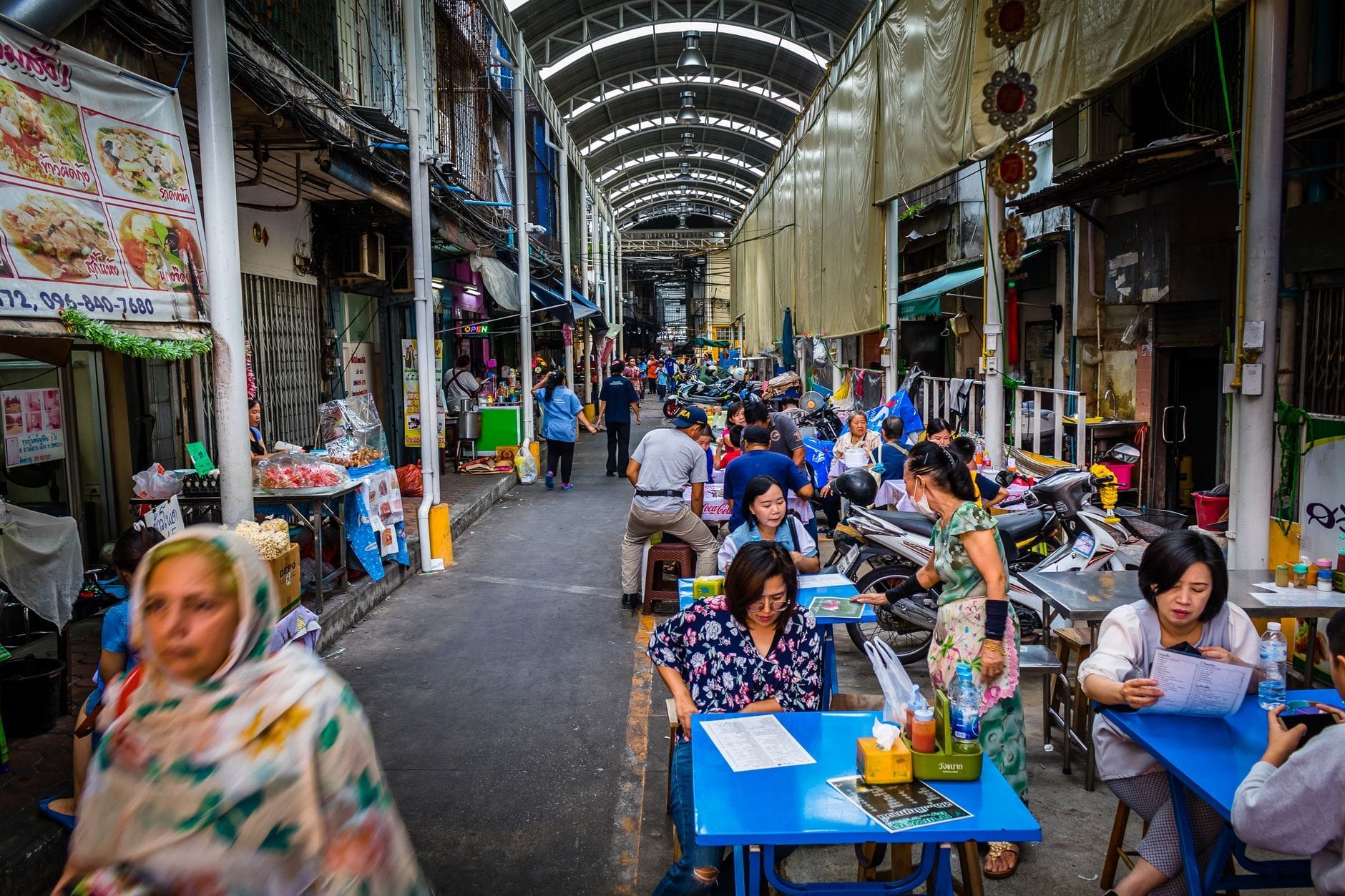
The single most reliable indicator of a good local restaurant in Chiang Mai: plastic chairs, handwritten menus in Thai, and a table of Thai families eating. Avoid anywhere displaying laminated photo menus near the Old City moat if your priority is quality over convenience.
Old City and the Moat Area
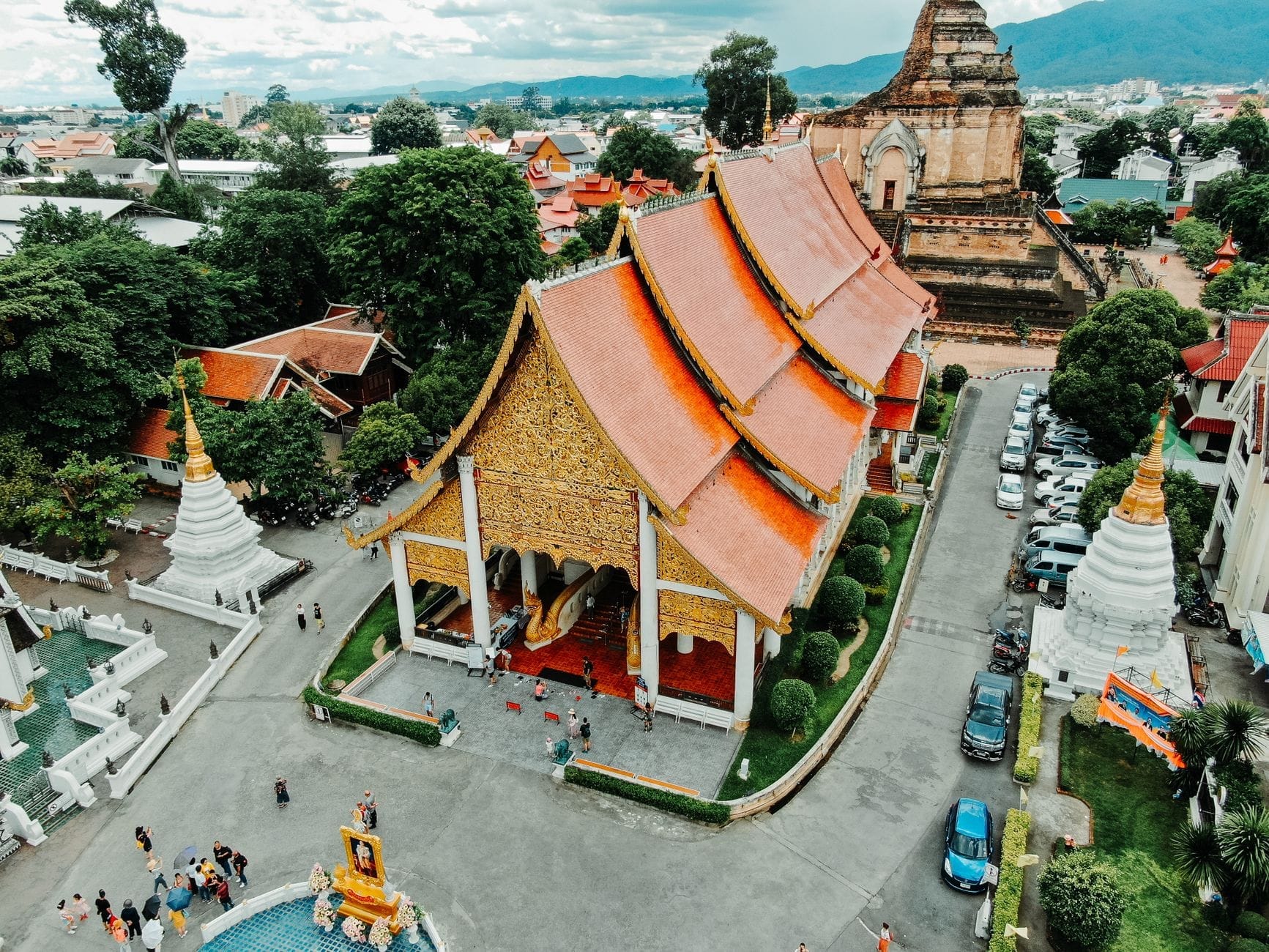
The Old City is where most first-time visitors base themselves, and it does have legitimate eating options — just not always the ones that get the most foot traffic. The streets around Wat Chedi Luang and Tha Phae Gate are packed with pad thai stalls and Western brunch cafes. These aren't traps exactly, but they're not why you came to Chiang Mai.
What does work well here: the morning market food scene, a few long-standing local restaurants tucked on Ratchaphakhinai and Inthawarorot roads, and the Saturday Walking Street on Wua Lai Road, which cuts through the silver-smithing district southwest of the moat. On Saturday evenings, Wua Lai transforms into one of the better street food corridors in the city — grilled meats, mango sticky rice, Northern sausages (sai ua), and deep-fried everything. Arrive between 5-6pm before it peaks. By 8pm the best stalls often sell out.
For the Old City's strongest sit-down meal, look for restaurants specializing in khantoke dining — the traditional Northern Thai banquet served on a low lacquered tray. It's theatrical and tourist-oriented, but the food itself is genuinely good and gives you exposure to a dozen dishes at once. Also worthwhile: the cluster of Shan (Tai Yai) restaurants near Wat Lok Moli on the Old City's northwest corner, where Shan immigrant communities have operated noodle shops and fermented tea leaf salad stalls for decades.
Nimman: Cafes, Modern Thai, and International Dining
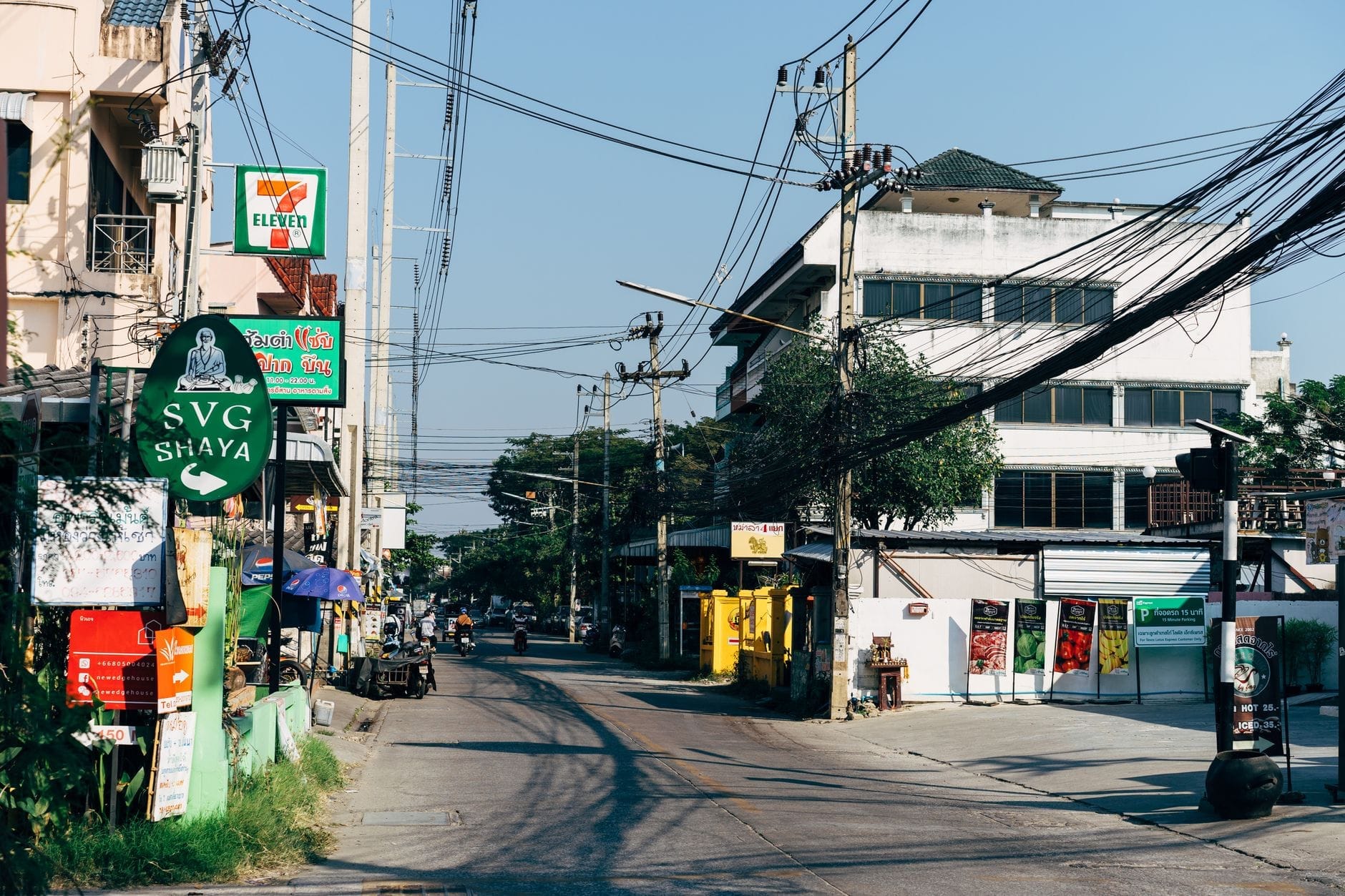
Nimman Road and its surrounding soisNimman is where Chiang Mai's food scene becomes more global and more expensive. This is the neighborhood of specialty coffee roasters, Japanese-Thai fusion, vegan raw food cafes, and weekend brunch queues. For digital nomads and long-term expats, this is the daily eating zone.
Nimman Soi 1 through Soi 13 each have their own character. Soi 9 is particularly dense with restaurants. The area around One Nimman plaza concentrates the most polished options: upscale Thai restaurants, craft beer bars, Korean BBQ, and Italian. Prices here are Bangkok-comparable — expect to spend 300-600 baht for a proper sit-down meal per person. The coffee culture is exceptional, with several world-class roasters operating out of this area.
✨ Pro tip
The Nimman sois running east toward the university (Chiang Mai University sits adjacent to this area) hide some of the best-value eating in the whole city. Student-facing restaurants on the CMU periphery serve full Thai meals for 60-100 baht — the quality is often better than tourist-zone equivalents at triple the price.
Riverside and the Old City's Eastern Edge
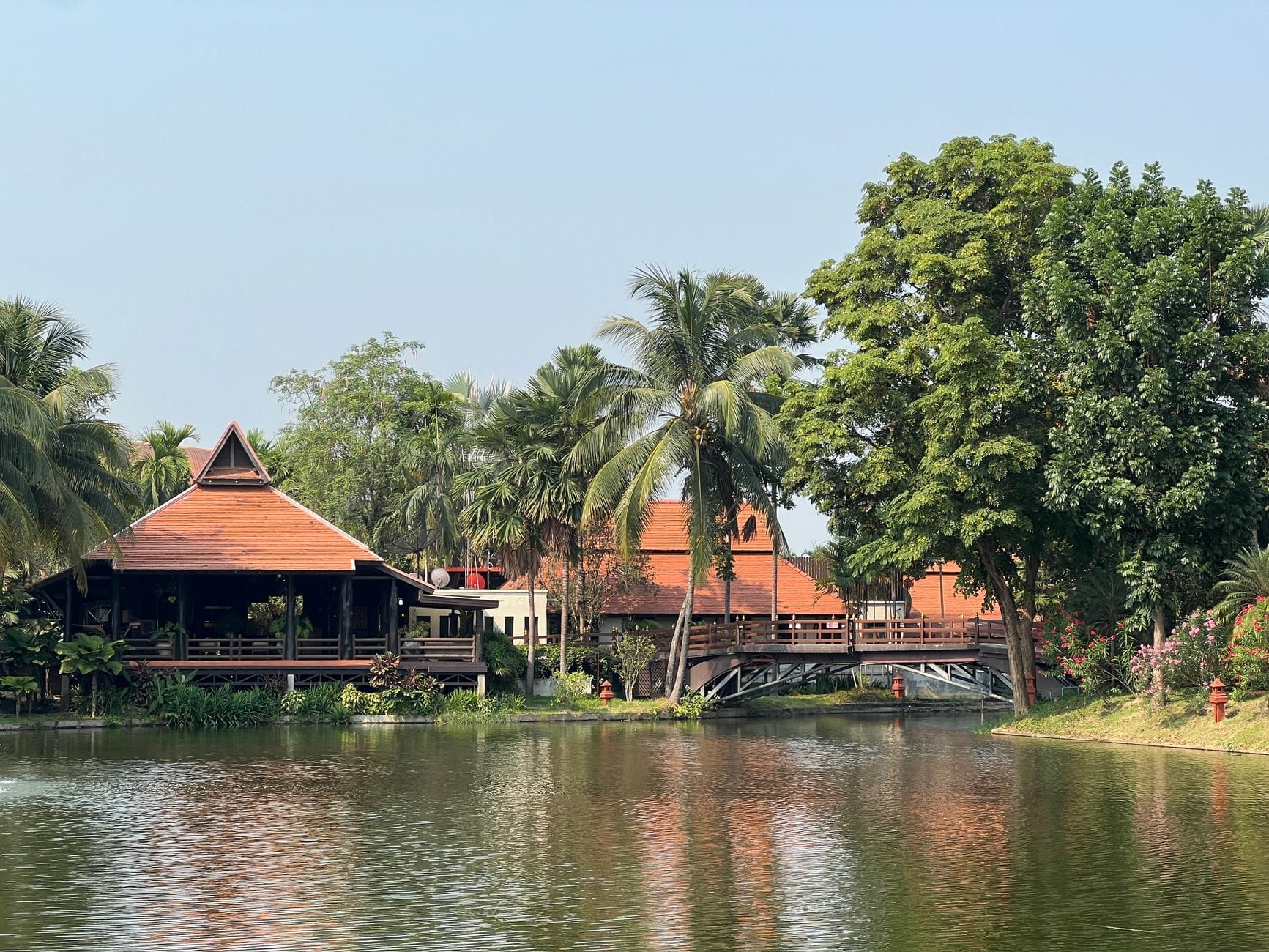
The Ping River corridor, running along Charoenrat Road on the east bank, has evolved into Chiang Mai's most atmospheric dining district. Nawarat BridgeTha Phae Gate anchors the northern end, and the strip running south toward the Riverside area is lined with converted wooden shophouses turned into restaurants and wine bars. This is where to bring someone if the meal matters — the setting alone, with the river and old teak architecture, earns points before the food arrives.
The food quality along the Riverside is genuinely high, but so are the prices compared to local norms. Expect to spend 500-1,200 baht per person at the more established restaurants. The trade-off is ambiance and consistency. Several restaurants here have been operating for 15-20 years and have refined menus that tourists and locals alike seek out. For a more affordable riverside experience, the Charoenrat Road area also has local noodle shops and market stalls that don't face the river but cost a fraction of the prices.
River cruises with dinner are available via Mae Ping River Cruises and represent decent value for a special occasion — typically 400-800 baht including a set meal and the cruise itself. The food is buffet-style Thai and not the city's finest, but the experience is pleasant and the logistics are simple.
Night Markets and Street Food: Where to Go
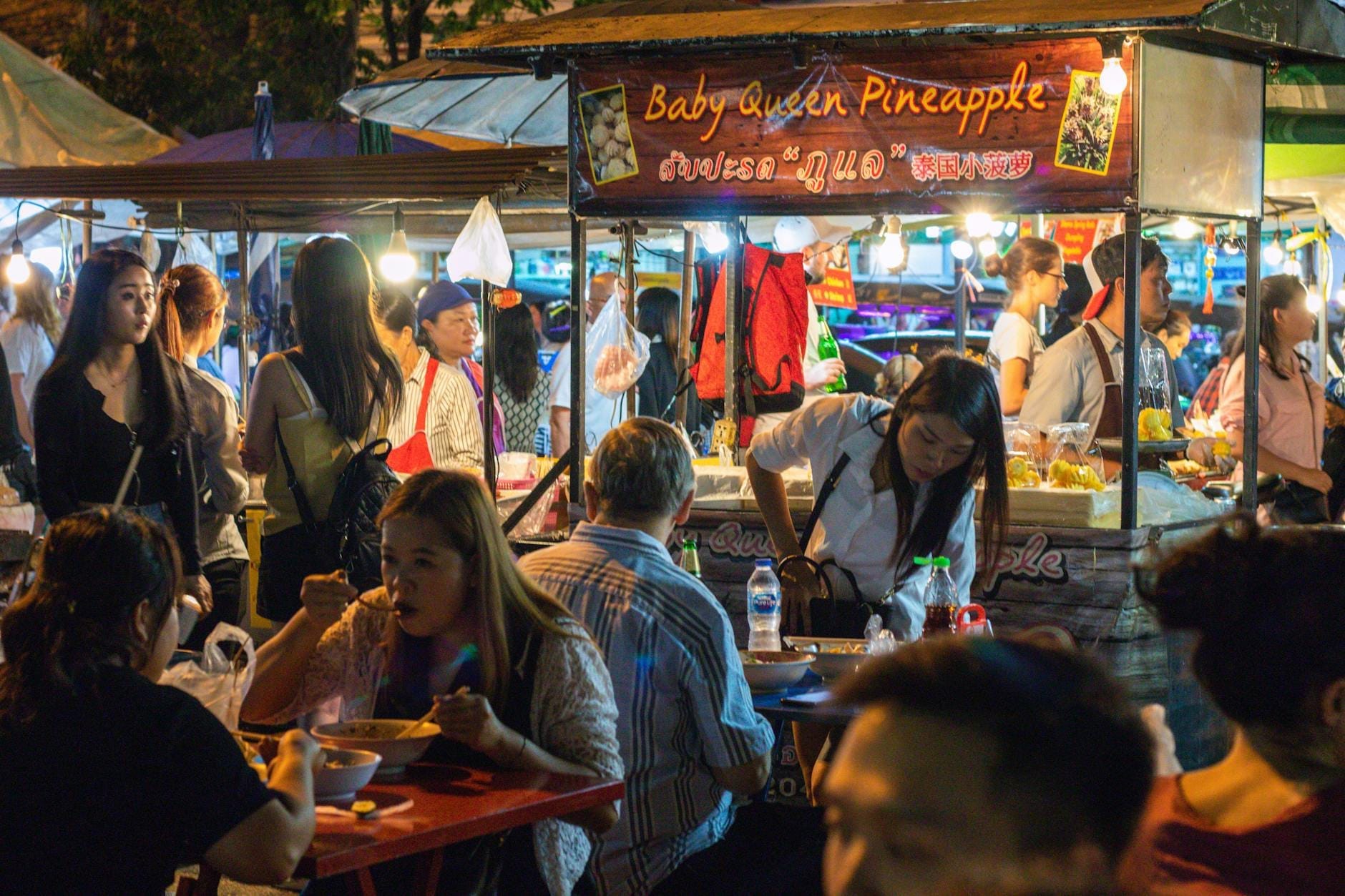
Chiang Mai's market food scene is how the majority of locals eat dinner most nights of the week. Understanding which markets suit which purposes saves a lot of aimless wandering.
- Chang Phuak Night Market The locals' choice for late-night eating, north of the Old City near the north gate. Famous for the 'Cowboy Hat Lady' who serves a legendary grilled pork leg rice dish. Open nightly from around 6pm. This is where Chiang Mai food writers and chefs eat after service.
- Saturday Walking Street (Wua Lai Road) The best street food market in the Old City zone. Runs from the Wualai Road silver district to the south gate area. Mixed artisan crafts and food stalls. Go early (5-6pm) before crowds peak and stalls sell out.
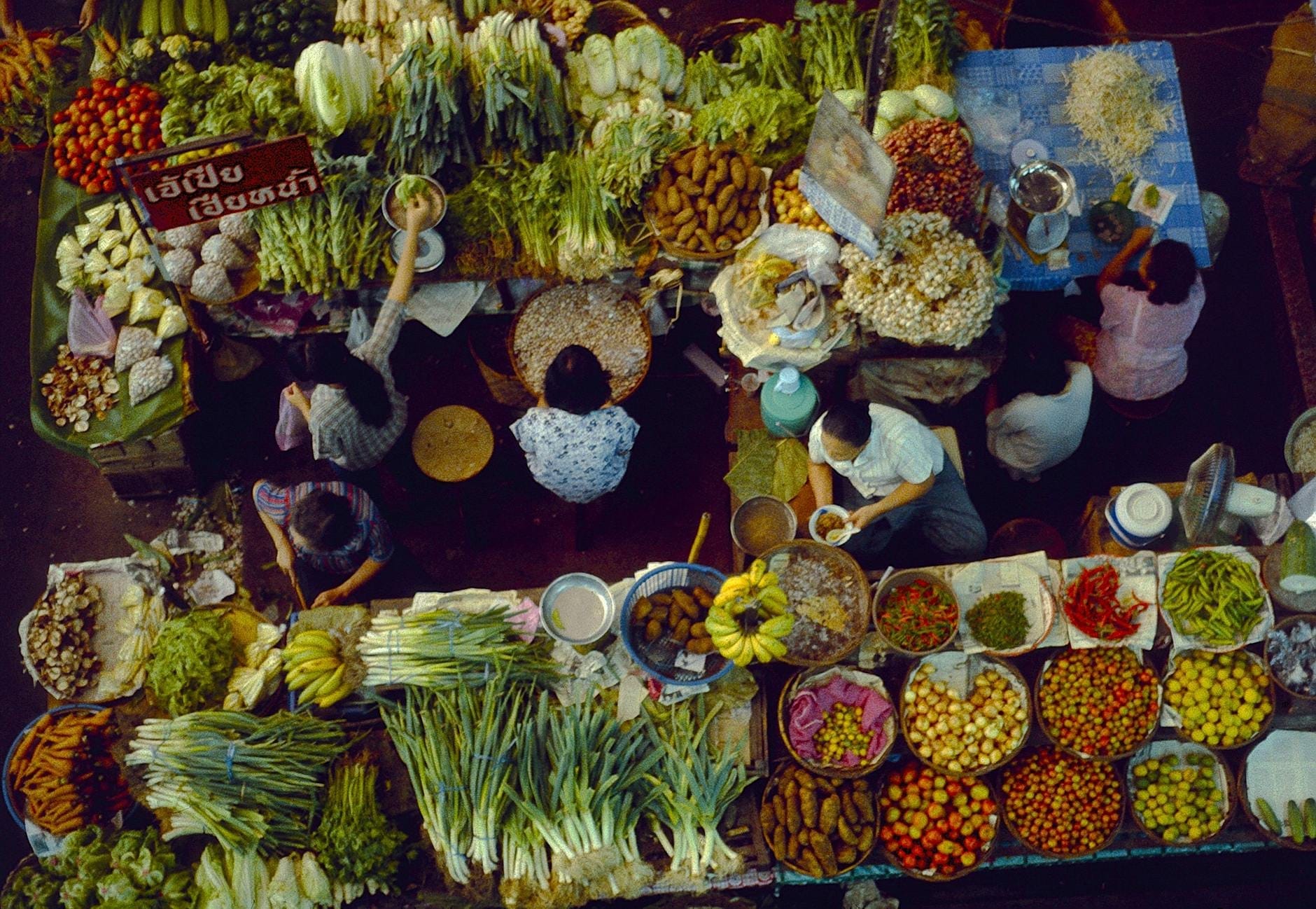
- Warorot Market (Talat Warorot) A two-storey permanent market running daily, open from early morning. Ground floor sells produce, dry goods, and flowers. Upper floors have cooked food stalls serving local workers — 50-80 baht per dish. One of the most authentic eating environments in the city.
- Sunday Walking Street (Ratchadamnoen Road) The larger of the two weekend markets, running the length of Ratchadamnoen through the Old City. Mixed artisan crafts and food stalls. Go early (5-6pm) before crowds peak.
- Jing Jai Market A weekend organic and artisan market in the Nimman area, popular with health-conscious expats and upper-middle-class Thais. Good for fresh juices, artisan breads, and specialty Thai snacks. Runs Saturday and Sunday mornings.
⚠️ What to skip
The Chiang Mai Night Bazaar on Chang Khlan Road gets heavy tourist traffic and the food stalls here are priced accordingly. It's convenient but represents poor value compared to Chang Phuak or Warorot. Go for the shopping atmosphere, not the food.
Santitham and Superhighway: The Local Eating District
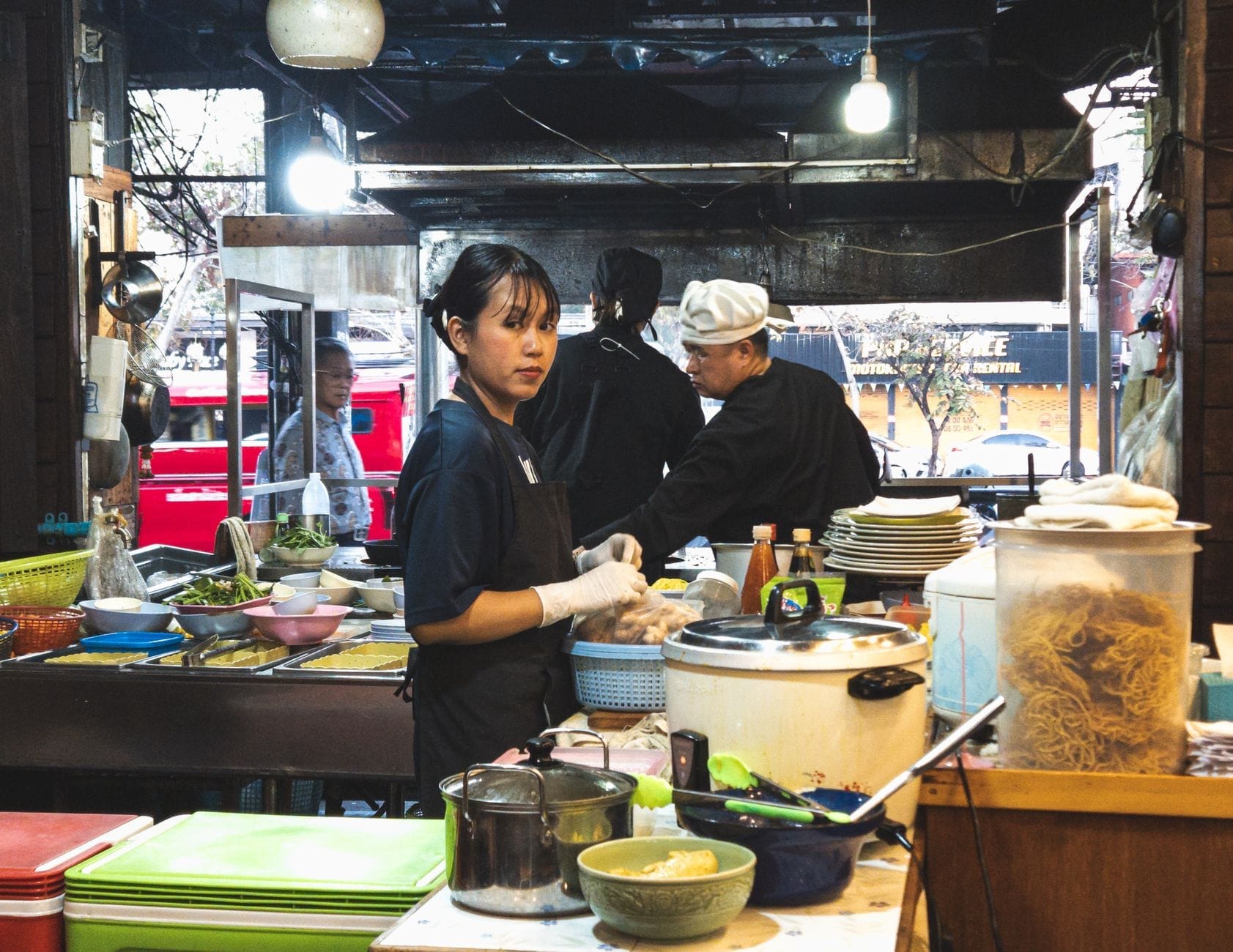
Most travel guides ignore this area, which is exactly why it's worth knowing. The Santitham neighborhood, north of the Old City between the moat and the Superhighway (Route 11), is primarily residential and contains some of the most honest Thai food in the city. There's no atmosphere to speak of — fluorescent lights, plastic furniture, parking lots as dining rooms — but the cooking is for people who actually live here.
Look for the cluster of restaurants around the Santitham intersection and along Chotana Road. Northern Thai breakfast culture is strong here: rice porridge (khao tom), pork bone soup (khao kha moo), and the Northern-style breakfast staple of sticky rice eaten with nam prik noom (roasted green chili dip) and fresh vegetables. Prices run 60-120 baht for complete meals. This is also where you'll find the best versions of khao soi at several long-standing shops, served to a lunchtime crowd of office workers and school teachers.
Practical Eating Tips for Chiang Mai
- Order water separately — most Thai restaurants charge 10-20 baht for a small bottle. Tap water is not drinkable; filtered water dispensers are everywhere and cost 1 baht per liter if you carry a bottle.
- Vegetarian and vegan eating is genuinely well-catered here. Look for the yellow flag with a red Thai symbol outside stalls — this marks 100% vegetarian cooking, a tradition tied to the annual Vegetarian Festival in October.
- Many of the best local restaurants close on Monday or Tuesday — check before making a special trip.
- Chiang Mai's food scene is strongest at lunch: the freshest dishes are served between 11am-2pm at local restaurants. Many shut down mid-afternoon and reopen for dinner, or simply close after lunch.
- For budget travelers, 300-400 baht per day covers three full meals if you're eating at markets and local shops. The city is one of Southeast Asia's best for eating well on minimal money.
- Allergies are a serious concern: Thai cooking uses fish sauce, shrimp paste, and peanuts heavily and invisibly. Communicate allergies clearly — allergy cards in Thai are worth carrying.
If you're spending more than a few days in Chiang Mai, learning to cook what you're eating is one of the more rewarding investments. The cooking class scene in Chiang Mai is highly developed, ranging from half-day market-to-table sessions at 1,000-1,500 baht to multi-day intensive courses. Most classes include a market tour that doubles as a food education in itself.
For a full picture of what to order beyond khao soi, the guide to Northern Thai cuisine and what to eat in Chiang Mai covers the essential dishes, from larb moo to kaeng hang le pork belly curry, with ordering tips and what to avoid.
Budget-conscious travelers should also check the broader Chiang Mai on a budget guide — food is consistently cited as the area where travelers save the most money in this city, and the guide covers strategies that go well beyond just eating at markets.
FAQ
What is the best area to eat in Chiang Mai?
For local authenticity and value, Santitham and the areas around Chang Phuak Gate are the strongest. For variety and atmosphere, the Nimman sois and Riverside have the widest range. The Old City is convenient but typically overpriced for what you get.
Where can I find the best khao soi in Chiang Mai?
Khao soi is everywhere, but the most respected spots are in the Santitham area and a few long-standing shops near the Superhighway. Look for restaurants that have been operating for 10+ years and are full of Thai diners at lunchtime — that's the most reliable indicator of quality.
Is street food in Chiang Mai safe to eat?
Generally yes, with basic precautions. High-turnover stalls with lots of customers are the safest. Avoid pre-cooked dishes that have been sitting out for hours, and be cautious with raw vegetables at stalls that may use tap water for washing. Fresh-cooked, high-heat dishes carry very low risk.
What is the cheapest way to eat well in Chiang Mai?
Eat breakfast at a local morning market (30-50 baht), lunch at a university-area or office-district restaurant (60-80 baht), and dinner at a night market stall (80-120 baht per dish). You can eat extremely well on 300-400 baht per day. The Sunday and Saturday Walking Streets also offer excellent value in the evenings.
Are there good vegetarian and vegan restaurants in Chiang Mai?
Chiang Mai has a disproportionately strong vegetarian and vegan scene for a Thai city. The Nimman area has several dedicated vegan restaurants. Look for the yellow-flag system at market stalls marking vegetarian cooking. During the October Vegetarian Festival (Jay Festival), dozens of additional meat-free stalls appear across the city.
Tickets & tours
Live prices and dates from our booking partner. If you book, we may earn a commission at no extra cost to you.
Planning a trip? Discover personalized activities with the Nomado app.