What to Eat in Chiang Mai: The Northern Thai Food Guide
Northern Thai cuisine is one of the most distinct regional food cultures in Southeast Asia, and Chiang Mai is its capital. This guide covers the essential dishes you need to eat, where to find them, what they cost, and how to avoid the tourist traps.
Tickets & tours
Live prices and dates from our booking partner. If you book, we may earn a commission at no extra cost to you.
TL;DR
- Northern Thai food is not the same as central Thai food: it is richer, less sweet, and heavily influenced by Burmese, Yunnan Chinese, and Shan cultures.
- Khao soi is the defining dish of Chiang Mai, and the quality varies enormously between restaurants. Our full restaurant guide covers the best spots by neighborhood.
- Markets like Warorot and the Sunday Walking Street are the best places to eat cheaply and authentically, with most dishes costing 30-60 THB.
- Avoid the heavily touristy restaurants around Tha Phae Gate where pricing doubles and quality drops.
- Vegetarians and vegans have real options here, especially during the annual Vegetarian Festival in October.
Why Northern Thai Food Is Different
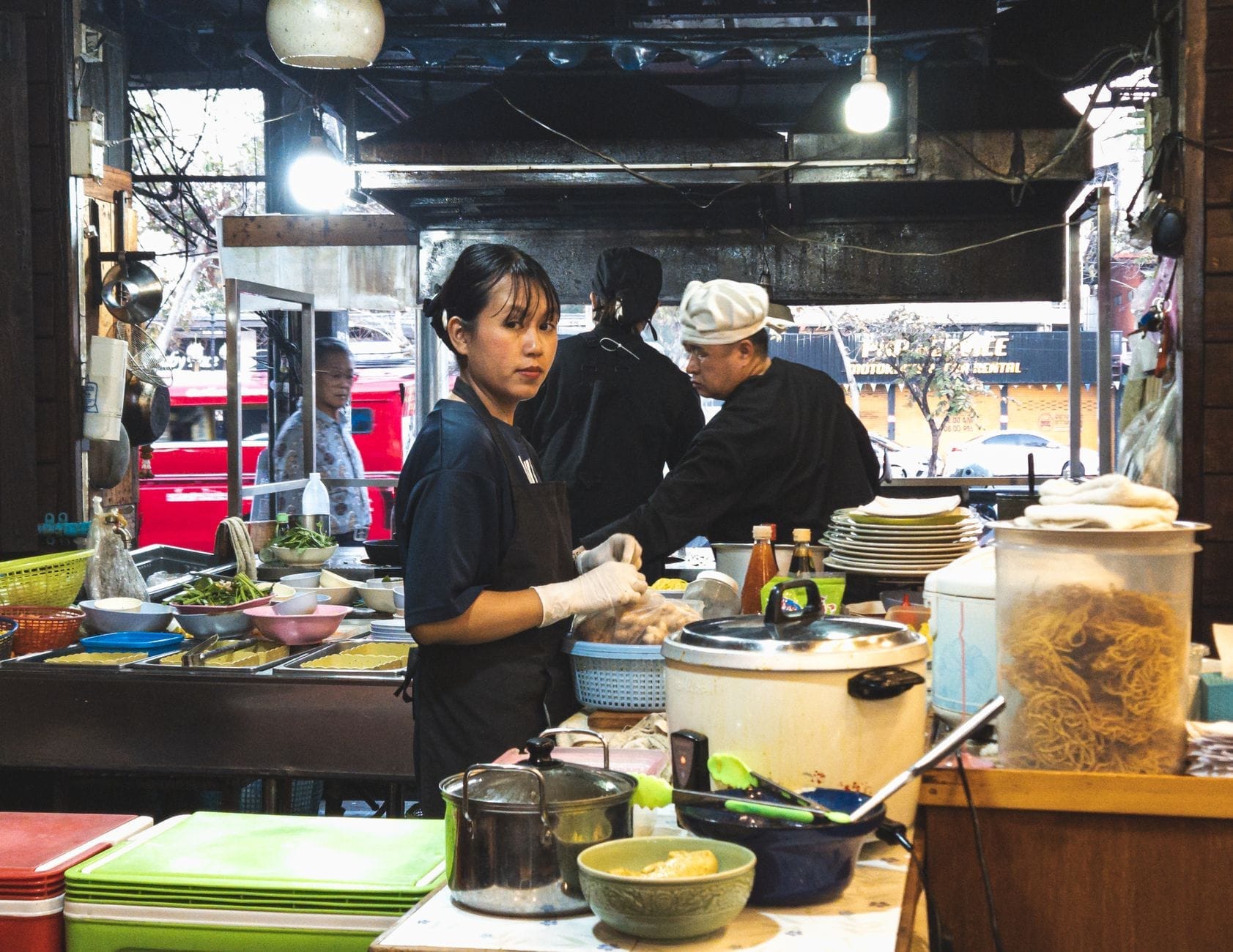
What to eat in Chiang Mai is a genuinely different question from what to eat in Bangkok. Northern Thailand, historically the Lanna Kingdom, developed a food culture shaped by trade routes connecting Burma, Yunnan province in China, and the Shan States of Myanmar. The result is a cuisine that uses fewer chilies than the south, almost no coconut milk, and a much heavier reliance on fermented ingredients, dried spices, and fresh herbs.
Sticky rice (khao niao) is the staple, not jasmine rice. You eat it with your hands, pulling small balls and using them to scoop up dishes. Fermented soybean paste (tua nao), fermented fish paste (pla ra), and wild mountain herbs appear in dishes you simply will not find outside this region. First-time visitors expecting pad thai and green curry are often surprised, occasionally confused, and ideally, converted.
ℹ️ Good to know
Northern Thai food is generally less spicy than southern Thai food, but dishes like laab khua (dry-fried minced meat salad) and nam prik num (roasted green chili dip) can carry serious heat. Always ask 'pet nit noi' (a little spicy) if you are sensitive.
The Essential Dishes You Must Try
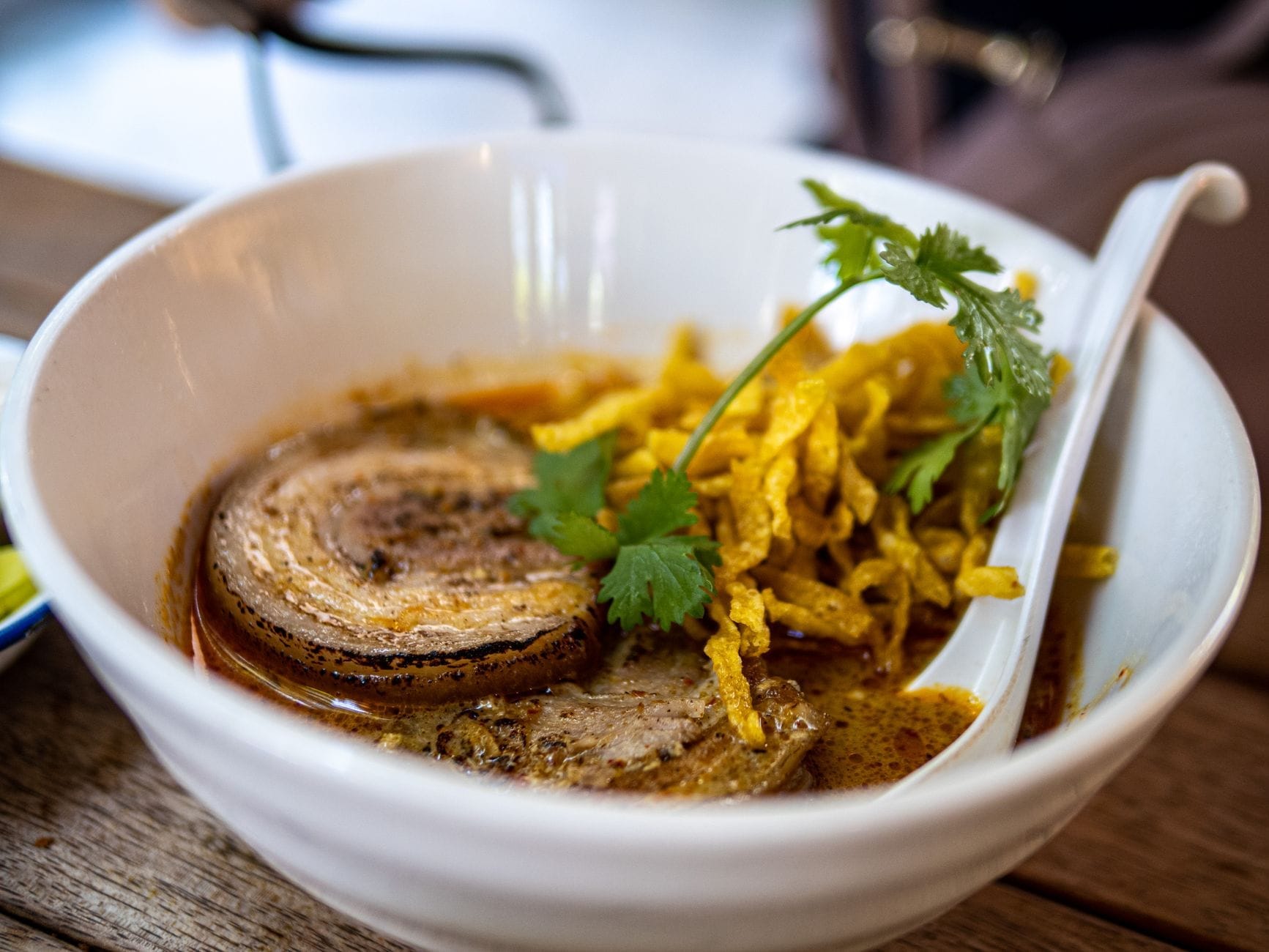
Khao soi is the dish most associated with Chiang Mai. It is a rich, curry-based noodle soup made with egg noodles, a coconut-milk broth spiced with dried chilies and turmeric, and topped with crispy fried noodles. It typically comes with chicken or beef, and is served alongside pickled mustard greens, shallots, and lime. A bowl costs around 60-90 THB at local shops and up to 120-160 THB at more upscale spots. The best versions have a broth that is simultaneously deep and balanced, not cloyingly sweet.
- Khao Soi The signature noodle curry soup of the north. Look for versions made with fresh-ground spice paste, not powder. Khao Soi Khun Yai and Khao Soi Lung Prakit Kad Kom are both well-regarded local institutions.
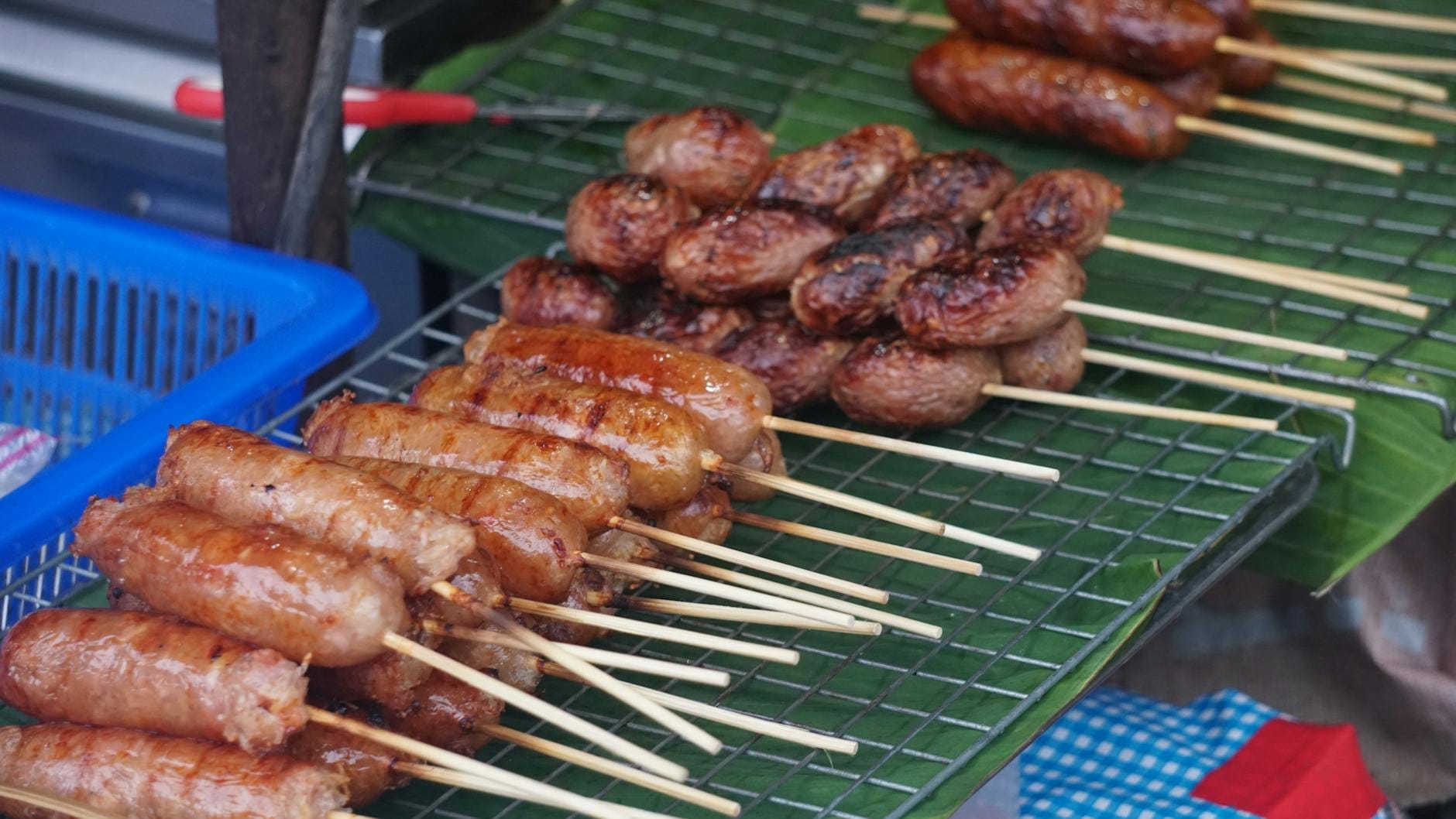
- Sai Ua (Northern Sausage) Grilled pork sausage packed with lemongrass, galangal, kaffir lime, and dried chilies. It is sold by the link at markets and as part of nam prik (dipping sauce) platters in restaurants. Distinct from the sai krok isan of the northeast.
- Kaeng Hang Lay A slow-braised pork belly curry with Burmese roots, using ginger, turmeric, and tamarind. It contains no coconut milk and no fresh chilies. Rich, dark, and complex, it is served over jasmine rice.
- Nam Prik Num Roasted green chili dip served with raw and blanched vegetables, pork rinds, and sticky rice. This is northern Thailand's workhorse condiment dish. It is deceptively simple and the quality of the chilies matters enormously.
- Laab Khua The northern version of larb (minced meat salad) is fundamentally different from the northeastern version. It is dry-fried, not dressed in lime juice, and uses a complex spice paste including dried spices like cumin and long pepper. Deeply aromatic and worth seeking out.
- Khanom Jeen Nam Ngiaw Fermented rice noodles served with a tomato-based pork broth containing blood cubes, dried chilies, and fermented soybean paste. A northern breakfast staple that many visitors find challenging but is genuinely excellent when fresh.
- Miang Kham A one-bite snack of wild betel leaves wrapped around toasted coconut, lime, ginger, shallots, peanuts, dried shrimp, and a sweet-salty palm sugar sauce. More of a snack than a meal, but a perfect introduction to northern flavor combinations.
✨ Pro tip
Order a 'khantoke set' at a local restaurant rather than a tourist dinner show. A khantoke is simply the traditional low tray used to serve a meal with multiple small dishes: nam prik num, sai ua, kaeng hang lay, and sticky rice. You get the full northern spread for around 150-250 THB without the performance.
Where to Eat: Markets, Streets, and Neighborhoods
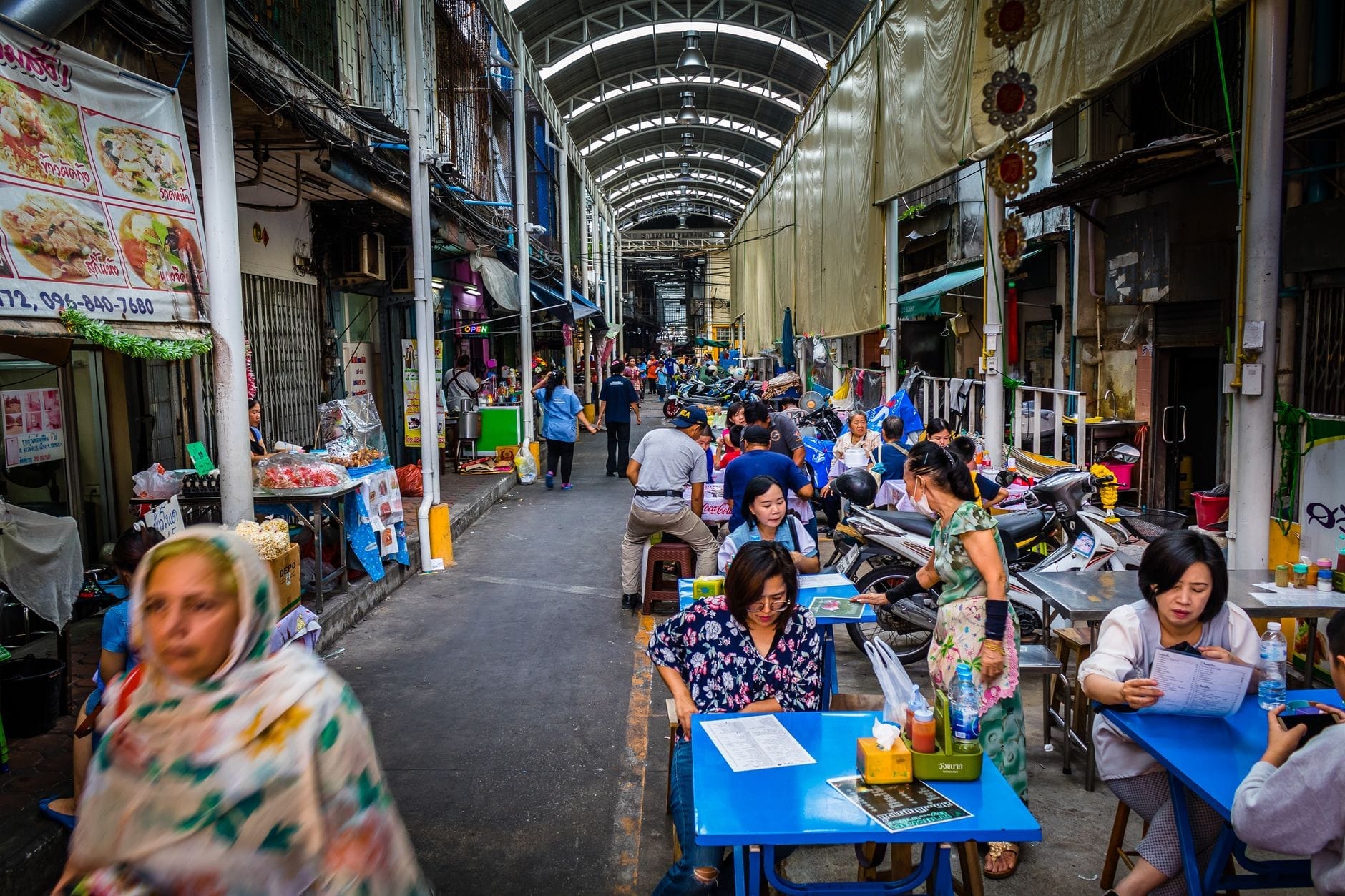
The best and cheapest northern Thai food is found at markets. Warorot Market (Kad Luang) in the riverside area is the city's main wholesale and food market. The surrounding streets, particularly the covered section near Wichayanon Road, have vendors selling khanom jeen, sai ua, and nam prik platters from early morning until early afternoon. Prices here are local prices: roughly 30-60 THB per dish.
The Sunday Walking Street on Ratchadamnoen Road is primarily a craft market, but the food section along the Old City stretch has some of the most photogenic and genuinely good street food in Chiang Mai. Grilled corn, mango sticky rice, khanom buang (crispy crepes), and fried insects are all present. It runs from around 4pm to 10pm.
For restaurant dining, the Nimman area has the highest concentration of quality northern Thai restaurants alongside the coffee shops and Japanese imports. The trade-off is slightly higher prices and a more design-conscious atmosphere. The Old City has plenty of options but requires more careful navigation to avoid the English-menu tourist restaurants that have almost no relationship with local food.
The area around Chang Phuak Night Market at the northern gate is small but highly regarded among locals. The famous 'Cowboy Lady' stall (officially Khao Kha Moo Chang Phuak) serves braised pork leg on rice until the early hours and regularly has a line. This is the kind of single-dish vendor that defines Chiang Mai's food scene.
⚠️ What to skip
Restaurants along the Tha Phae Gate tourist strip and inside the Night Bazaar complex are almost uniformly overpriced and under-seasoned for foreign palates. A pad thai here can cost 150-200 THB while an excellent bowl of khao soi a few streets away costs 60 THB. Walk five minutes in any direction from the main tourist corridors and prices drop by half.
Cooking Classes and Food Experiences
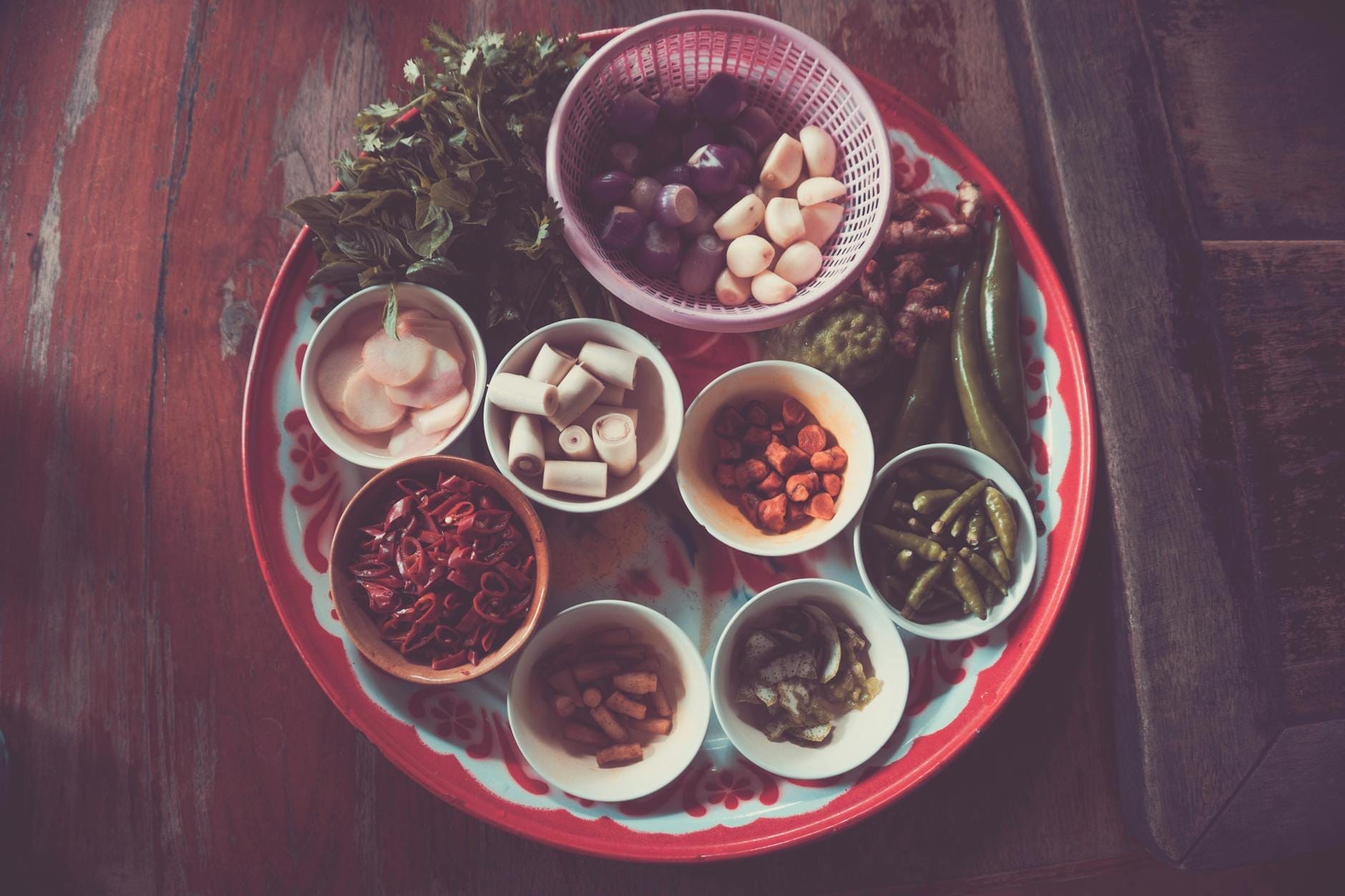
Chiang Mai is one of the best cities in Asia to take a Thai cooking class. The best ones start with a market tour to buy ingredients, which is itself an education in northern ingredients. Classes typically run half a day (morning or afternoon), cover 4-6 dishes, and cost between 800-1,500 THB per person. The quality variation is significant: avoid classes that use pre-measured ingredients and focus on tourist-friendly recipes rather than northern Thai dishes specifically.
Look for classes that teach khao soi from scratch, including making the curry paste, rather than classes that use store-bought paste. A handful of schools based outside the city center, including some operating out of family farms near Mae Rim, offer a more immersive version of this with garden-to-table ingredients. These cost more, around 1,800-2,500 THB, but the context is considerably richer.
- Thai Farm Cooking School (Mae Rim): Organic farm setting, pickup included, focuses on northern dishes
- A Lot of Thai: Small groups, Old City location, strong on market tours
- Baan Hongnual: Family-run, north Chiang Mai, genuine northern Thai curriculum
- Asia Scenic Thai Cooking: Well-established, multiple sessions daily, good for solo travelers
Drinks, Desserts, and the Coffee Culture
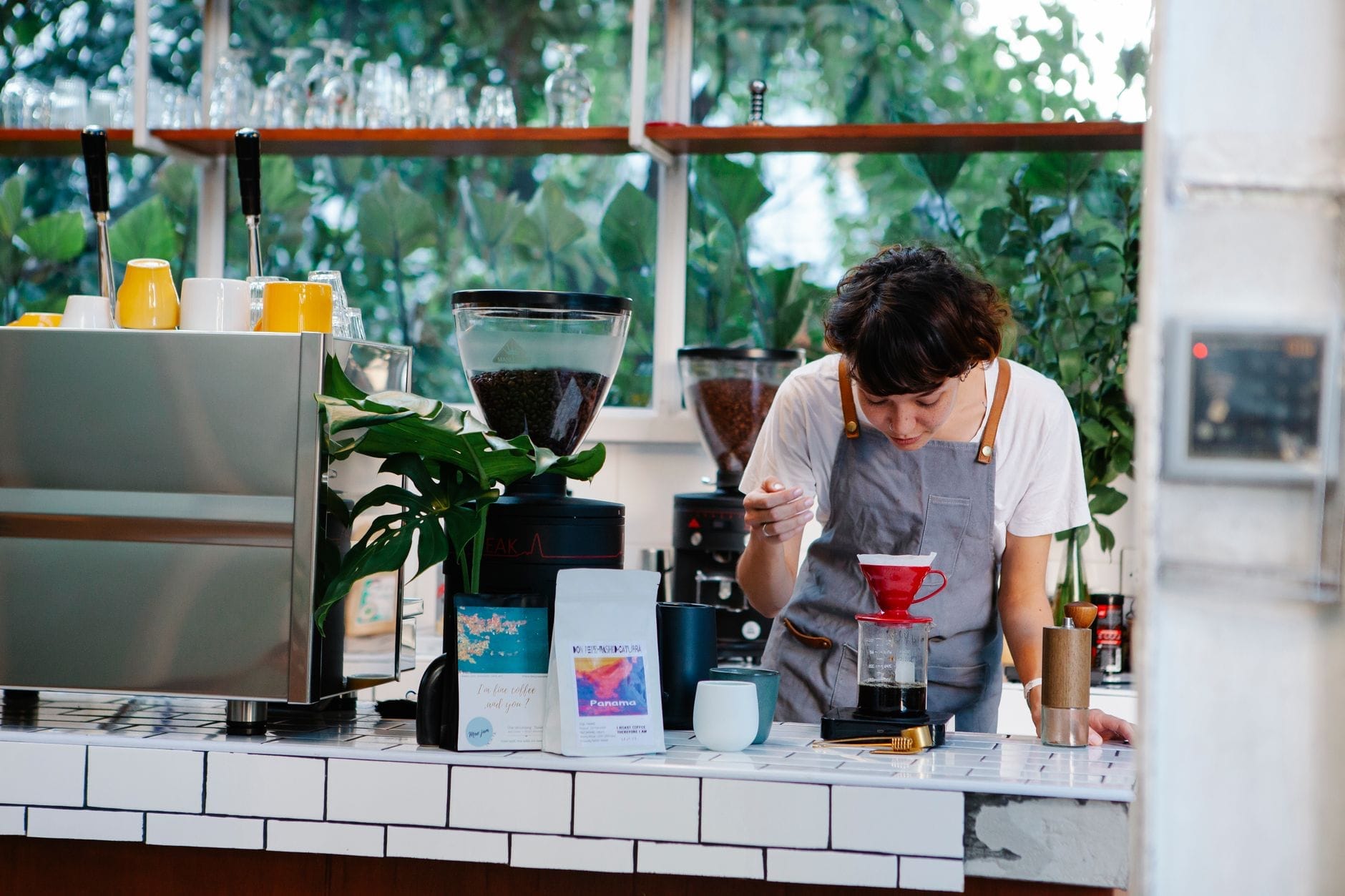
Chiang Mai has developed a serious specialty coffee culture, particularly around Nimman Road and the university district. The city sits within a few hours’ drive of Doi Chang and Doi Inthanon growing regions, and high-altitude arabica from northern Thailand is genuinely excellent. The Chiang Mai coffee shop scene ranges from third-wave minimalist roasters to sprawling garden cafes on the city outskirts.
On the dessert side, look for khanom krok, small coconut-rice pancakes cooked in a cast-iron mold, sold at markets and school gates throughout the day. Mango sticky rice (khao niao mamuang) is the classic tourist dessert and is genuinely excellent from April to June when local mangoes are at their peak. Lod chong, pandan rice flour noodles in sweetened coconut milk and ice, is a cooling afternoon option found at most fresh markets for around 20-30 THB.
Practical Tips: Budgets, Dietary Needs, and Timing
Chiang Mai is excellent value for food at all budget levels. A full street food meal at a market costs 60-100 THB. A sit-down lunch at a local restaurant is 80-150 THB. A high-end dinner at a respected northern Thai restaurant such as local favorites in Chiang Mai typically runs 400-800 THB per person before drinks. Budget travelers who eat primarily at markets and local canteens can spend as little as 200-300 THB per day on three meals. See the Chiang Mai budget travel guide for more.
Vegetarians are better served here than in most of Thailand, partly because northern Thai cuisine already uses more vegetables and fermented soy products than the central Thai repertoire. The October Vegetarian Festival (usually aligned with the Chinese lunar calendar) transforms much of the city, with yellow-flagged stalls serving entirely plant-based versions of classic dishes for around 10 days. Outside of festival season, look for 'ahan jay' (เจ) signs indicating vegan-vegetarian restaurants, which are common in the Old City.
Timing matters. Most local restaurants are busiest at lunch (11am-1pm) and dinner (5pm-7pm). The freshest market food is available in the early morning, between 6am and 9am. Visiting between November and February gives you the most comfortable eating weather and peak seasonal produce, including local strawberries, which appear at markets from December onward.
FAQ
What is the most famous food in Chiang Mai?
Khao soi is the dish most identified with Chiang Mai: a coconut curry noodle soup served with both soft boiled and crispy fried egg noodles. It is available throughout the city but varies enormously in quality. Local shops in the Nimman area and near Warorot Market tend to serve the most authentic versions.
Is food in Chiang Mai expensive?
No. Street food and market meals cost 30-80 THB per dish. A full meal at a sit-down local restaurant is rarely more than 150 THB per person. Even well-regarded upscale restaurants rarely exceed 600-800 THB per person for a full dinner with drinks.
Is there good vegetarian food in Chiang Mai?
Yes, more so than in most Thai cities. Look for 'ahan jay' restaurants marked with yellow signs, particularly in the Old City. The October Vegetarian Festival is the best time for plant-based eating, with dozens of dedicated stalls operating across the city for 10 days.
Where is the best street food in Chiang Mai?
Warorot Market and its surrounding streets are the top choice for daytime street food. Chang Phuak Night Market at the northern gate is excellent in the evening. The Sunday Walking Street on Ratchadamnoen Road and the Saturday market on Wua Lai are good for casual grazing alongside shopping. Avoid the main tourist corridors around Tha Phae Gate for street food.
How spicy is northern Thai food compared to other regions?
Northern Thai food is generally less fiery than southern Thai food but not mild. Dishes like nam prik num (roasted chili dip) and laab khua can be quite hot. The heat profile tends to come from dried chilies and aromatic spices rather than raw fresh chili, giving it more depth than burn. Tell vendors 'pet nit noi' if you want less spice.
Tickets & tours
Live prices and dates from our booking partner. If you book, we may earn a commission at no extra cost to you.
Planning a trip? Discover personalized activities with the Nomado app.