Best Cooking Classes in Chiang Mai: Where to Learn Thai Cuisine
Chiang Mai is one of the best cities in Asia to learn Thai cooking. From dawn market tours to afternoon classes in family gardens, these are the cooking experiences worth building your trip around.
Tickets & tours
Live prices and dates from our booking partner. If you book, we may earn a commission at no extra cost to you.
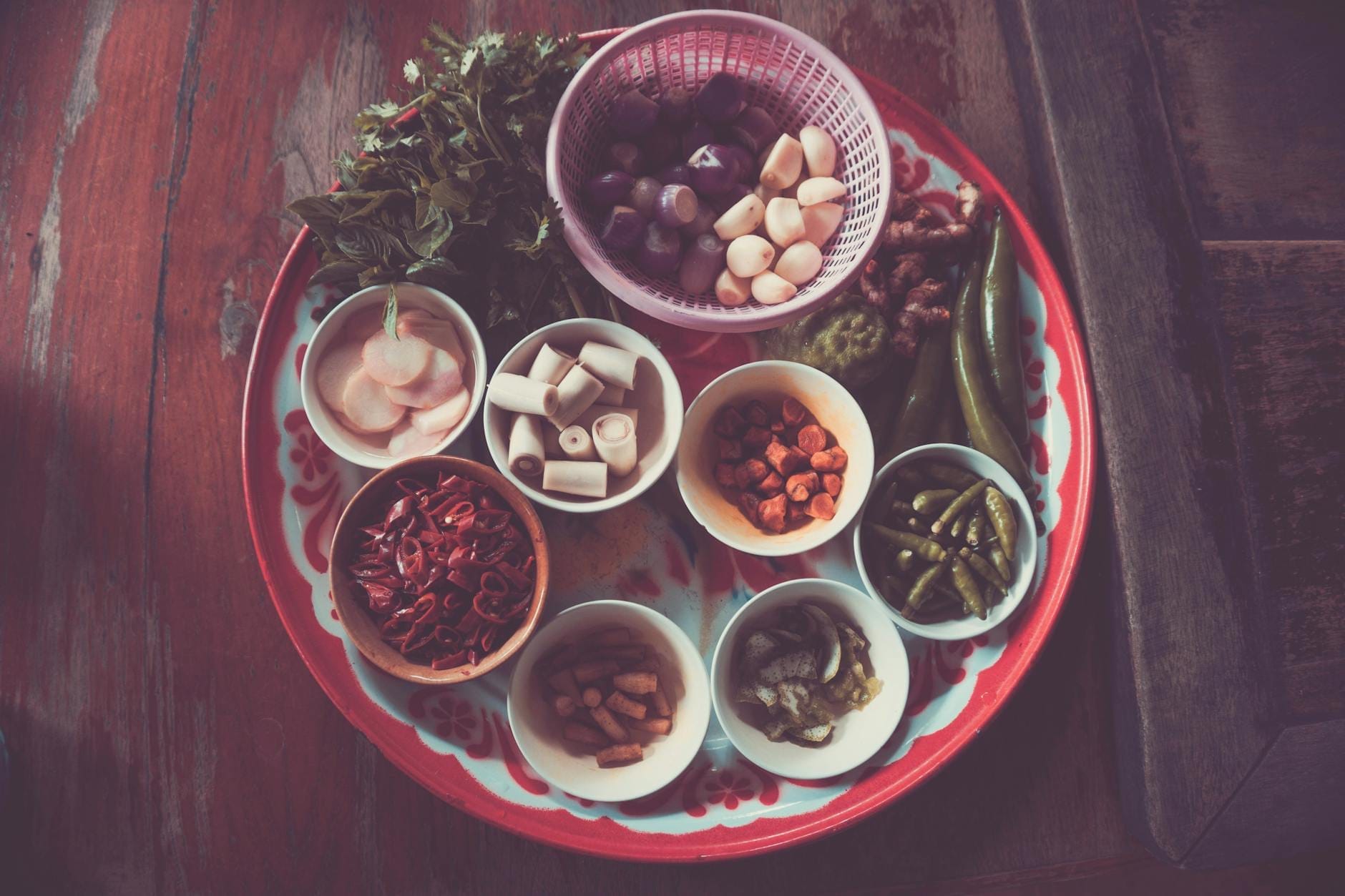
Chiang Mai has earned its reputation as Thailand's culinary capital, and the city's cooking class scene reflects that depth. Northern Thai food, or Lanna cuisine, is distinct from what most visitors expect: earthier curries, fermented sausages, sticky rice, and dishes rarely found on menus outside the region. The best classes here don't just teach recipes, they take you to Warorot Market or the Old City to source ingredients first, then walk you through techniques that take years to master in a professional kitchen. Whether you have a single morning or a full week, there's a class format that fits. This guide pairs the best cooking-class venues with the surrounding food culture and markets that make Chiang Mai such a rewarding place to eat and learn.
Before you book, check our guide to what to eat in Chiang Mai so you arrive knowing which dishes to prioritize, and read the best time to visit guide since cooking classes fill fast during peak season (November to February).
✨ Pro tip
Book cooking classes at least 3-5 days ahead during high season. Most reputable schools cap groups at 6-8 students, and morning sessions that include a market tour sell out fastest.
Markets to Visit Before or After Your Class
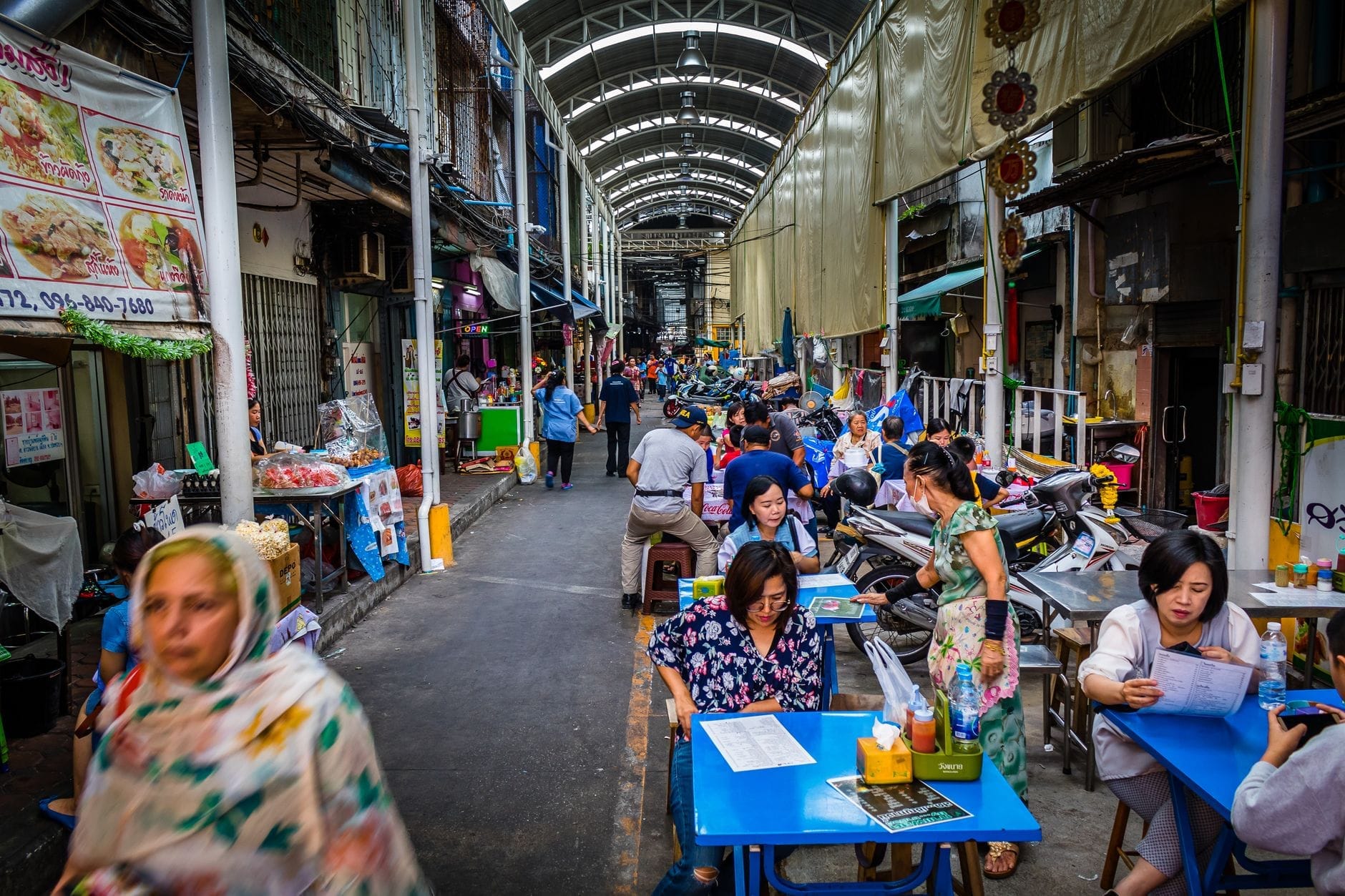
Every serious cooking class in Chiang Mai starts with a market visit, and the city's markets are worth exploring on their own terms. Knowing where locals eat and shop gives you crucial context before you step into the kitchen.
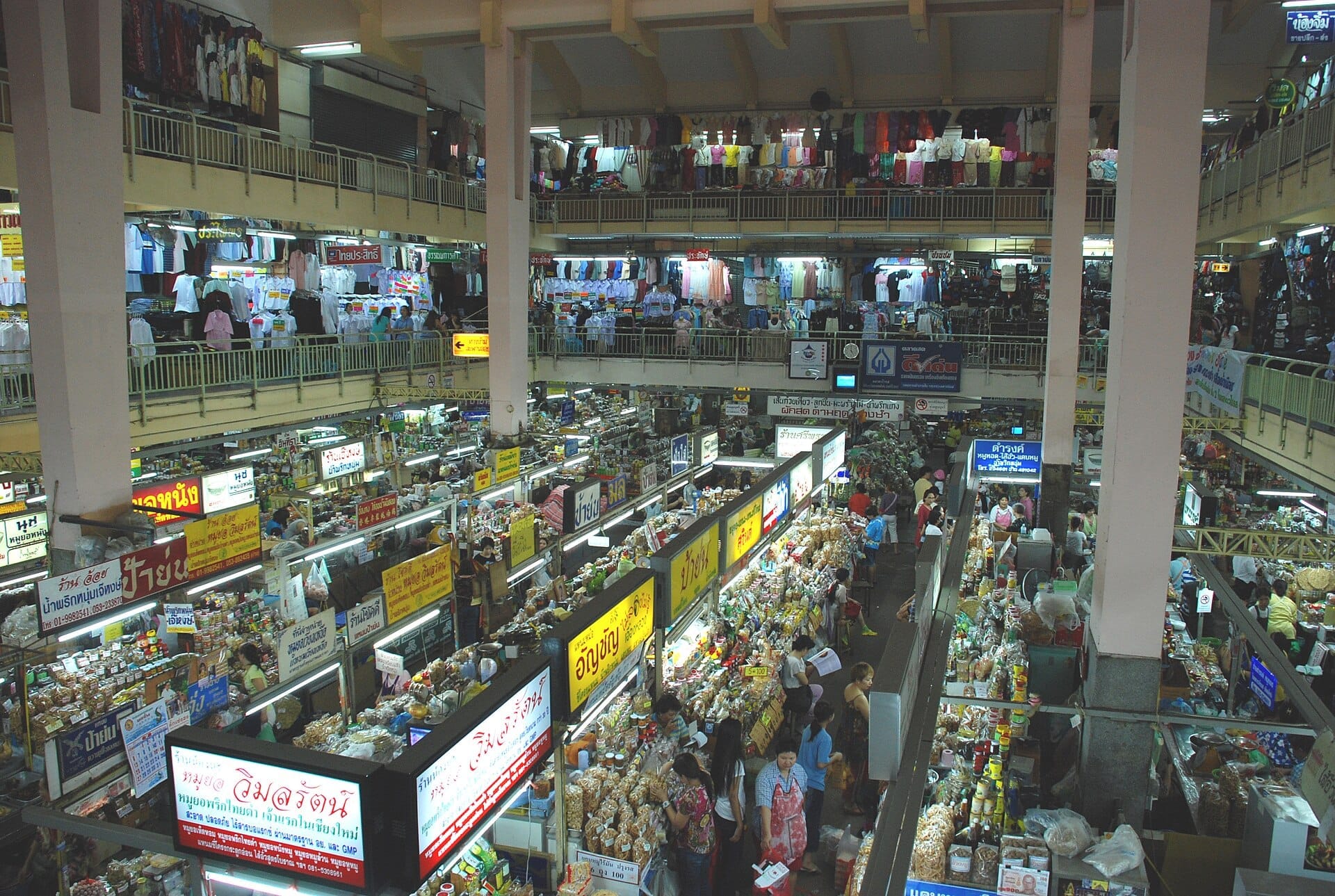
1. Source Authentic Ingredients at Warorot Market
Chiang Mai's oldest and most authentic market is where most cooking schools send students for morning ingredient runs. Look for makrut lime leaves, galangal, fresh turmeric, and northern Thai sausages you won't find in supermarkets. Arrive by 7am for peak atmosphere.
Explore1. Source Authentic Ingredients at Warorot Market
Chiang Mai's oldest and most authentic market is where most cooking schools send students for morning ingredient runs. Look for makrut lime leaves, galangal, fresh turmeric, and northern Thai sausages you won't find in supermarkets. Arrive by 7am for peak atmosphere.
Explore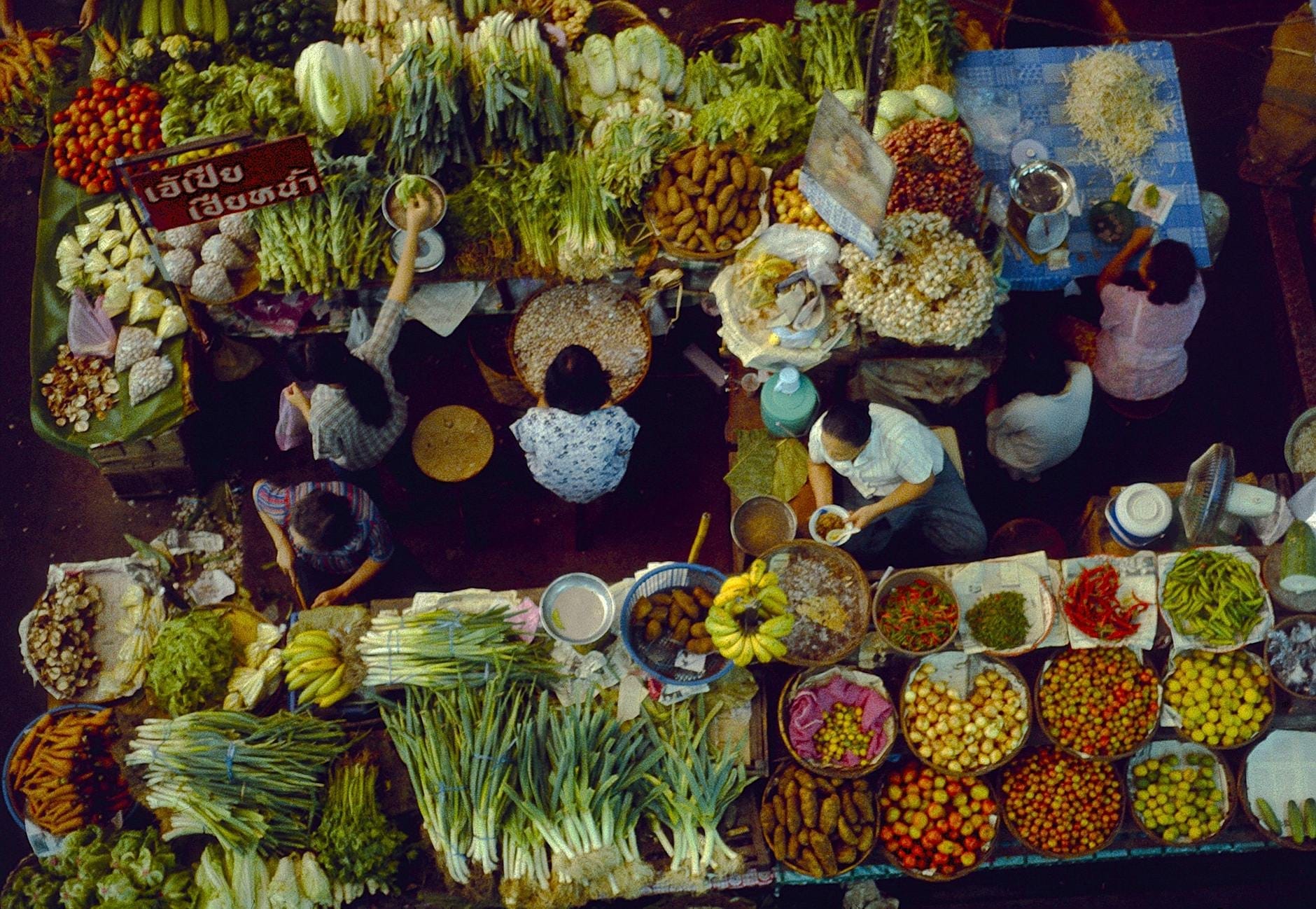
2. Explore Seasonal Produce at Jing Jai Farmers' Market
This weekend organic market near Chiang Mai University showcases the highland vegetables and artisan ferments that define northern Thai cooking. It's the best place to see wild mushrooms, heirloom chilies, and locally grown herbs before learning how to cook with them.
Explore2. Explore Seasonal Produce at Jing Jai Farmers' Market
This weekend organic market near Chiang Mai University showcases the highland vegetables and artisan ferments that define northern Thai cooking. It's the best place to see wild mushrooms, heirloom chilies, and locally grown herbs before learning how to cook with them.
Explore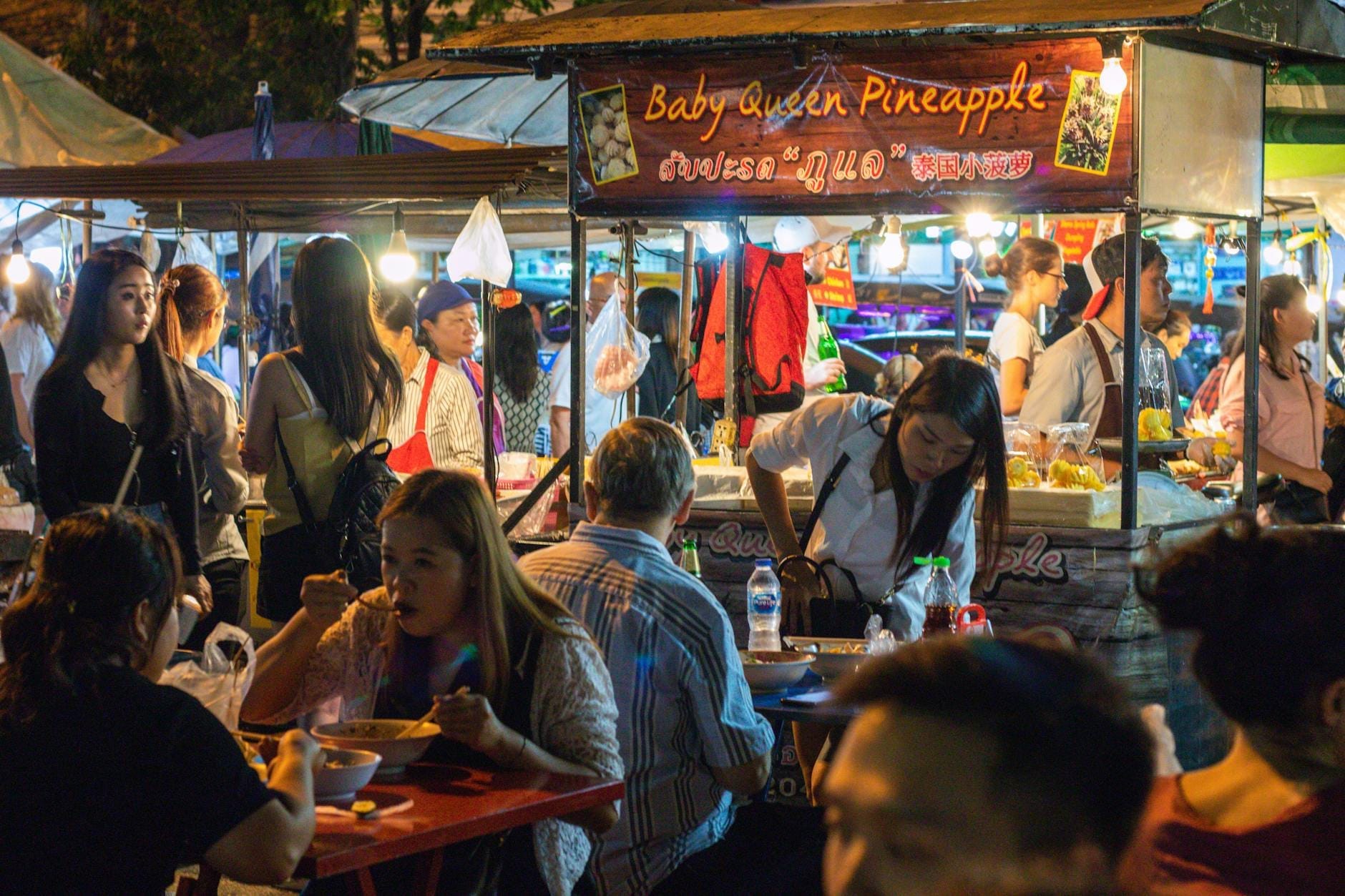
3. Taste Reference Dishes at Chang Phuak Night Market
Eat here the night before your class to benchmark authentic flavors. The famous Cowboy Hat Lady's braised pork leg on rice is a masterclass in slow cooking, and the grilled meats show you how charcoal and timing work together. Open nightly from around 6pm.
Explore3. Taste Reference Dishes at Chang Phuak Night Market
Eat here the night before your class to benchmark authentic flavors. The famous Cowboy Hat Lady's braised pork leg on rice is a masterclass in slow cooking, and the grilled meats show you how charcoal and timing work together. Open nightly from around 6pm.
Explore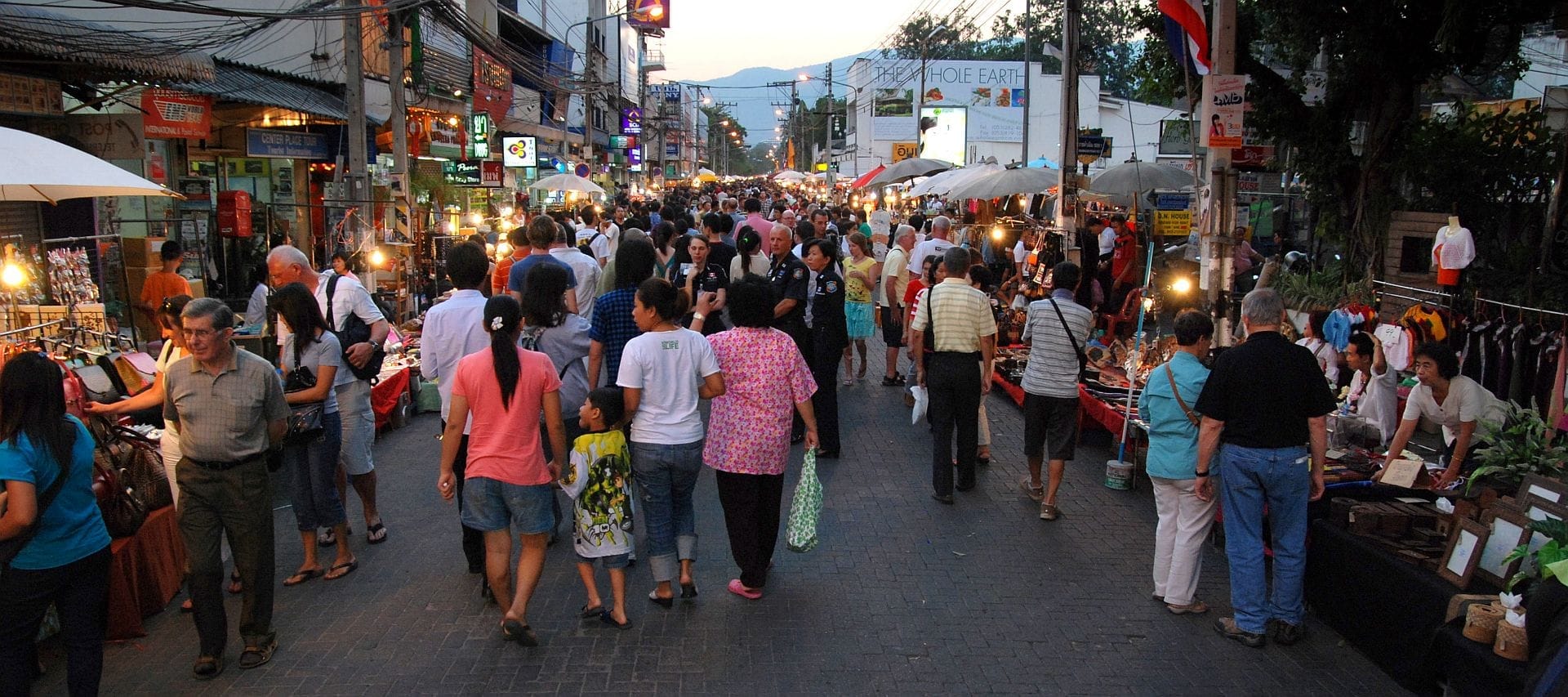
4. Sample Northern Thai Street Food on the Sunday Walking Street
Ratchadamnoen Road's Sunday market is ideal for tasting khao soi, sai ua sausage, miang kham, and dozens of regional snacks before your class. Eating your way through the stalls is informal research that sharpens your palate for the kitchen the next day.
Explore4. Sample Northern Thai Street Food on the Sunday Walking Street
Ratchadamnoen Road's Sunday market is ideal for tasting khao soi, sai ua sausage, miang kham, and dozens of regional snacks before your class. Eating your way through the stalls is informal research that sharpens your palate for the kitchen the next day.
ExploreNeighborhoods with the Best Cooking Schools
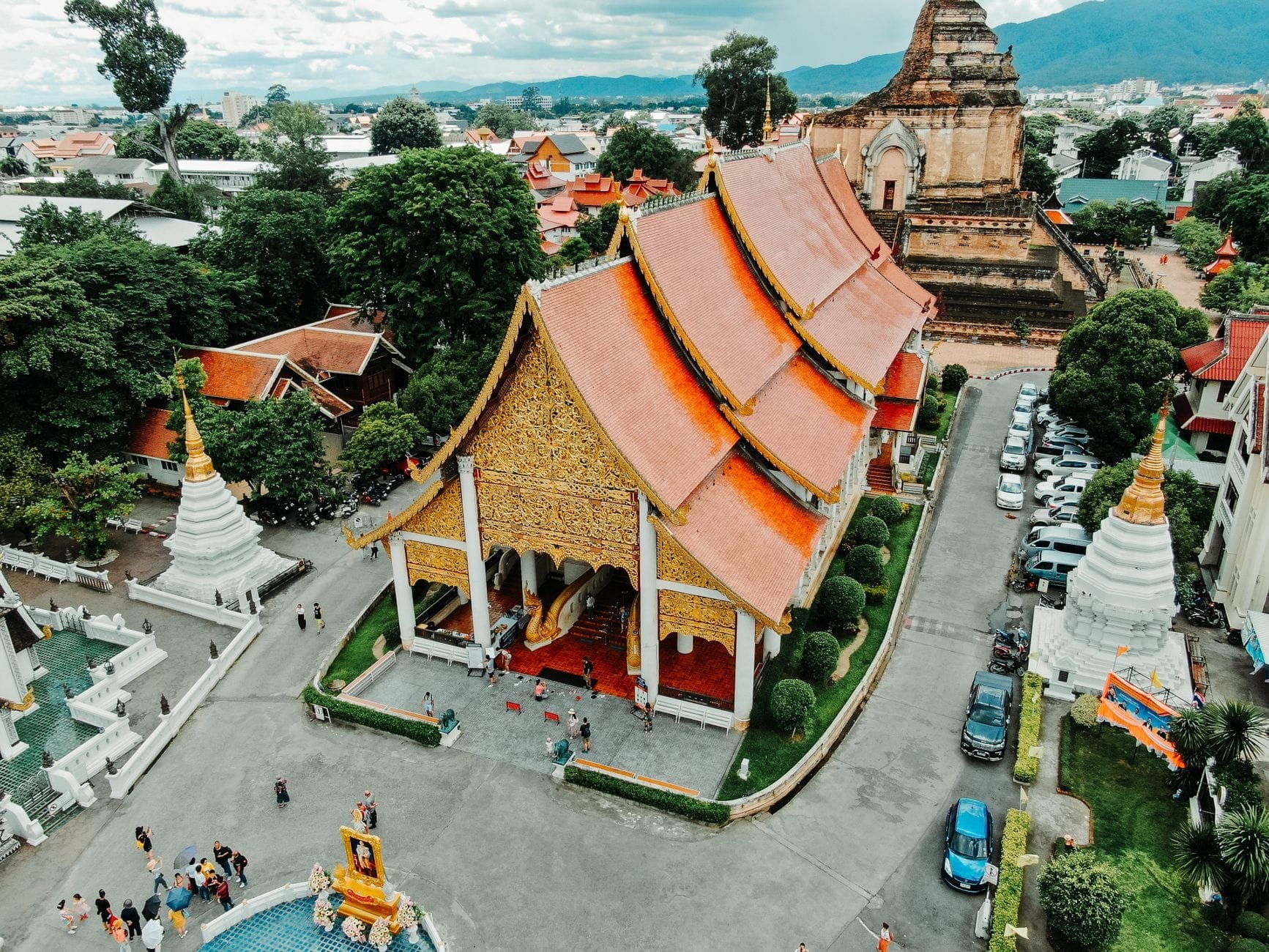
Most of Chiang Mai's top cooking schools cluster in three areas: the leafy outskirts near Nimman, the rural Mae Rim valley, and the Old City, where heritage buildings double as atmospheric classrooms. Your choice of neighborhood shapes the entire experience.
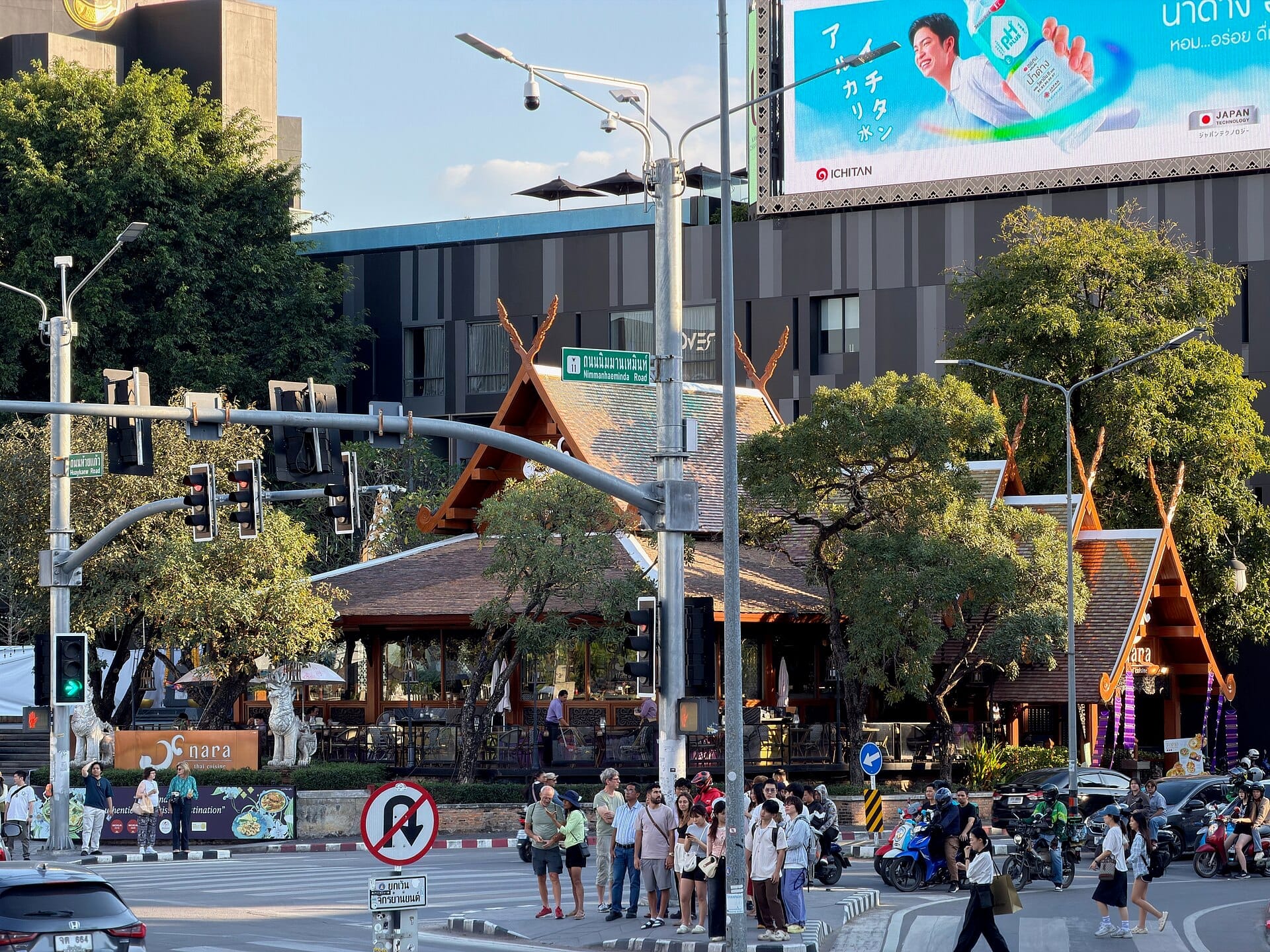
5. Use Nimman as Your Base for Morning Classes
Several well-regarded cooking schools operate within walking distance of Nimman Road, making it ideal as a base. After class, the neighborhood's specialty coffee shops and restaurants let you compare your results with professional versions of the same dishes. Sois 7 and 9 are especially convenient.
Explore5. Use Nimman as Your Base for Morning Classes
Several well-regarded cooking schools operate within walking distance of Nimman Road, making it ideal as a base. After class, the neighborhood's specialty coffee shops and restaurants let you compare your results with professional versions of the same dishes. Sois 7 and 9 are especially convenient.
Explore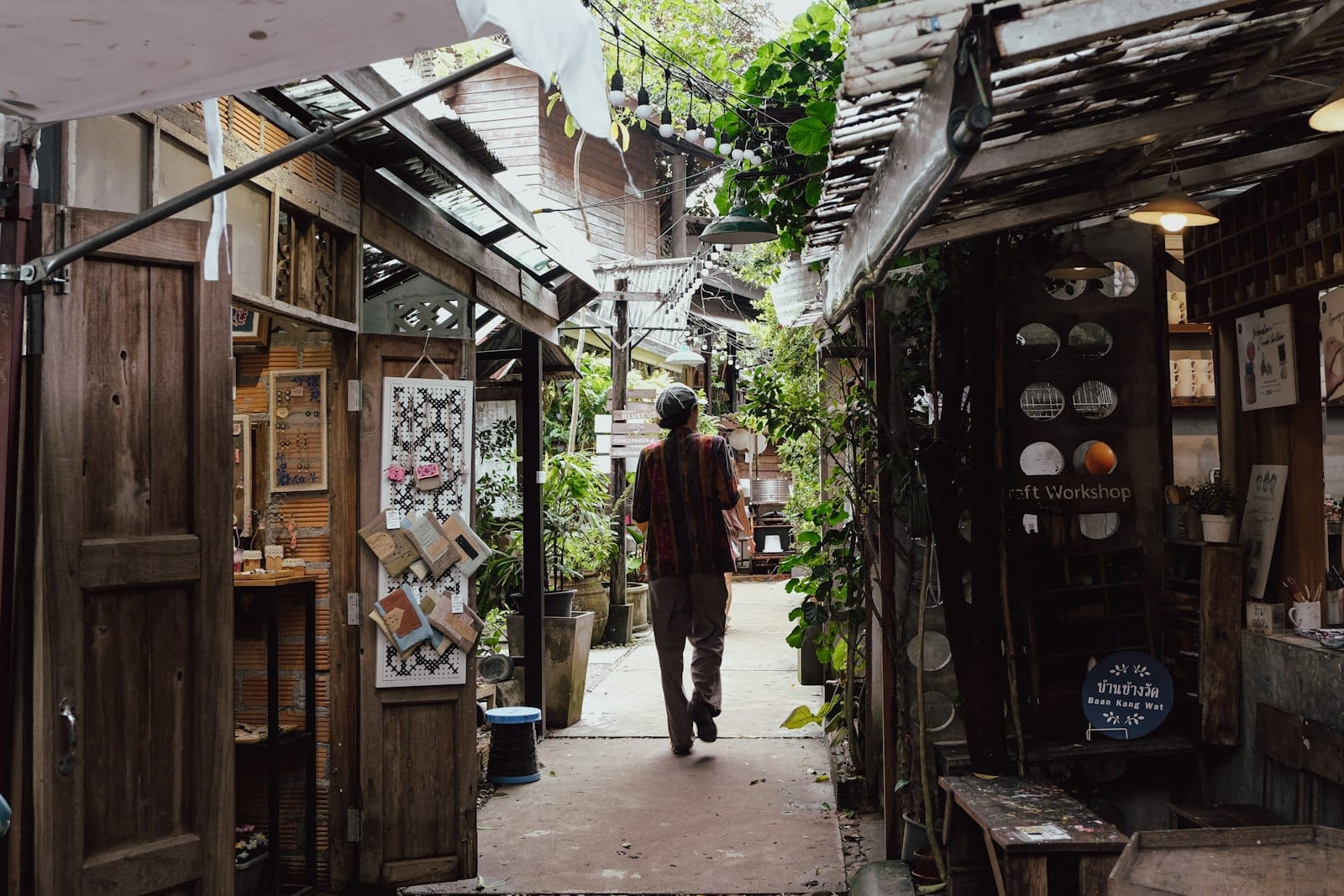
6. Visit Baan Kang Wat for Craft and Food Culture Combined
This artist village near Wat Umong sits in the same western corridor as several cooking schools offering garden-setting classes. Pair a morning class with an afternoon at Baan Kang Wat to round out a day that covers both Chiang Mai's culinary and artisan craft traditions.
Explore6. Visit Baan Kang Wat for Craft and Food Culture Combined
This artist village near Wat Umong sits in the same western corridor as several cooking schools offering garden-setting classes. Pair a morning class with an afternoon at Baan Kang Wat to round out a day that covers both Chiang Mai's culinary and artisan craft traditions.
Explore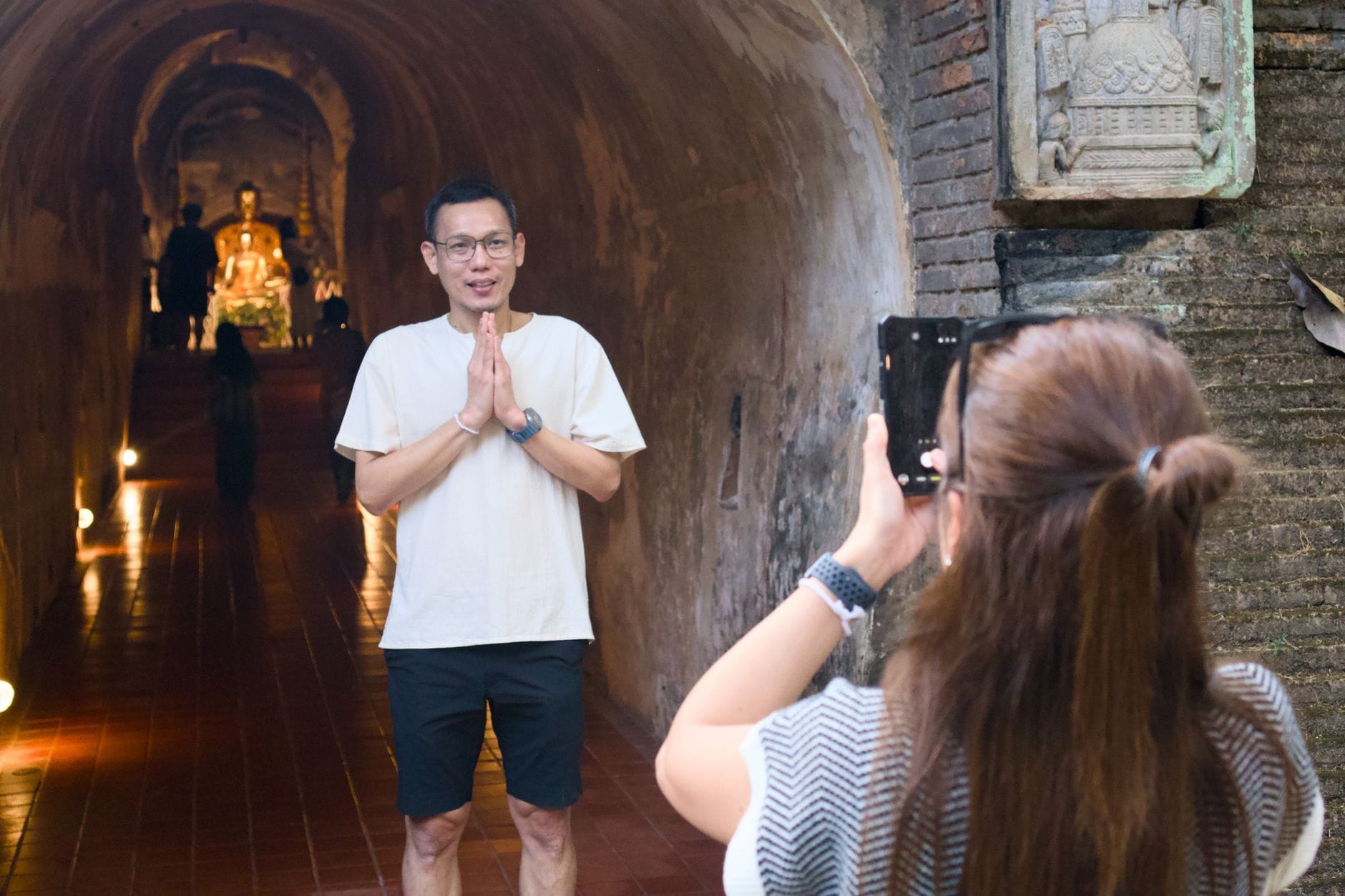
7. Unwind at Wat Umong After a Half-Day Cooking Class
The forest temple Wat Umong sits minutes from several cooking schools in the western suburbs. After a morning of hands-on cooking, an hour walking the forested tunnel grounds and feeding the resident animals is a genuinely restorative way to spend an afternoon.
Explore7. Unwind at Wat Umong After a Half-Day Cooking Class
The forest temple Wat Umong sits minutes from several cooking schools in the western suburbs. After a morning of hands-on cooking, an hour walking the forested tunnel grounds and feeding the resident animals is a genuinely restorative way to spend an afternoon.
ExploreDay Trips That Deepen Your Food Knowledge
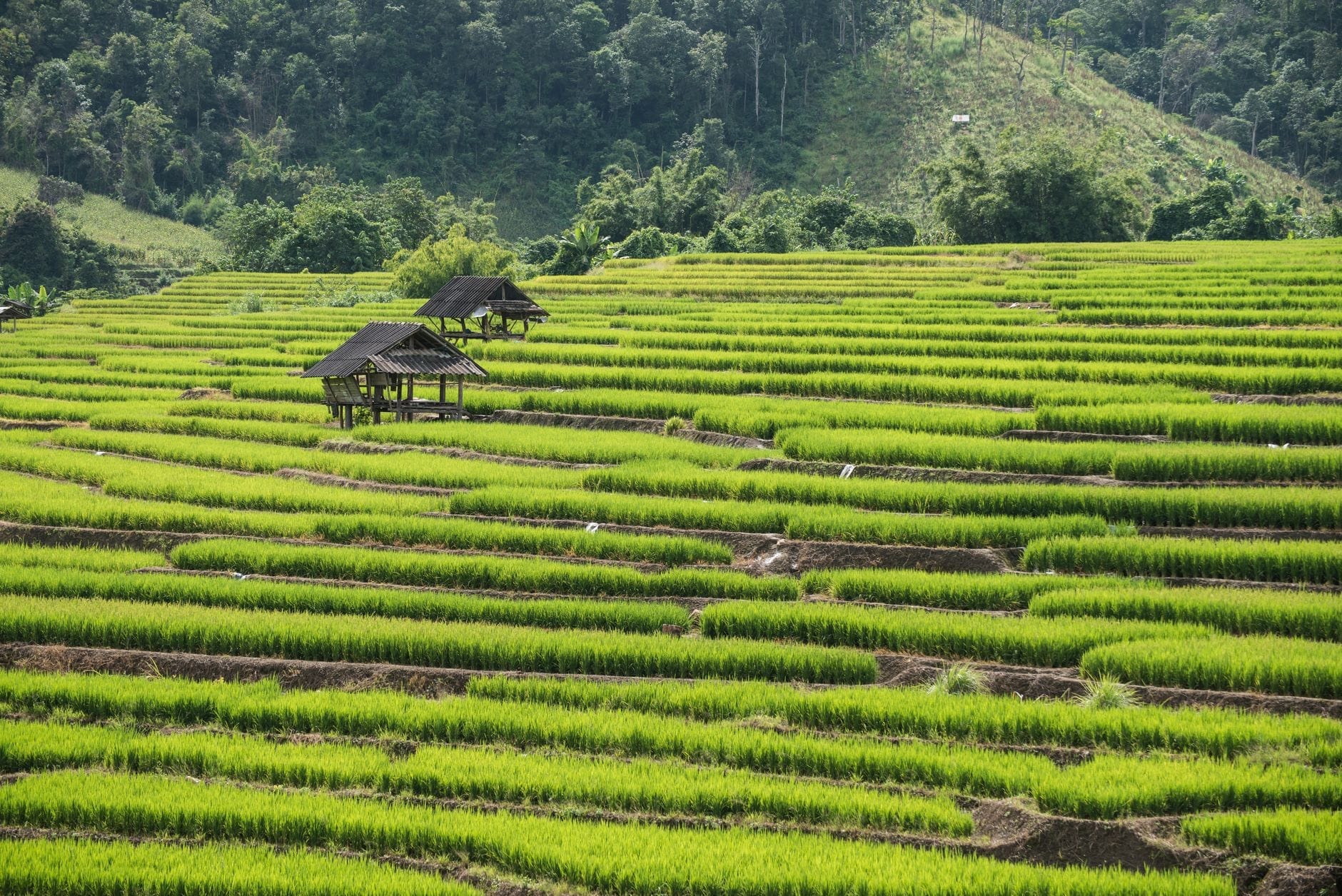
The best cooking class itineraries extend beyond the kitchen. The villages and valleys around Chiang Mai produce the ingredients that define northern Thai food, and visiting them transforms abstract recipe knowledge into something tangible. Combine these with your class for a fuller picture of where the food actually comes from.
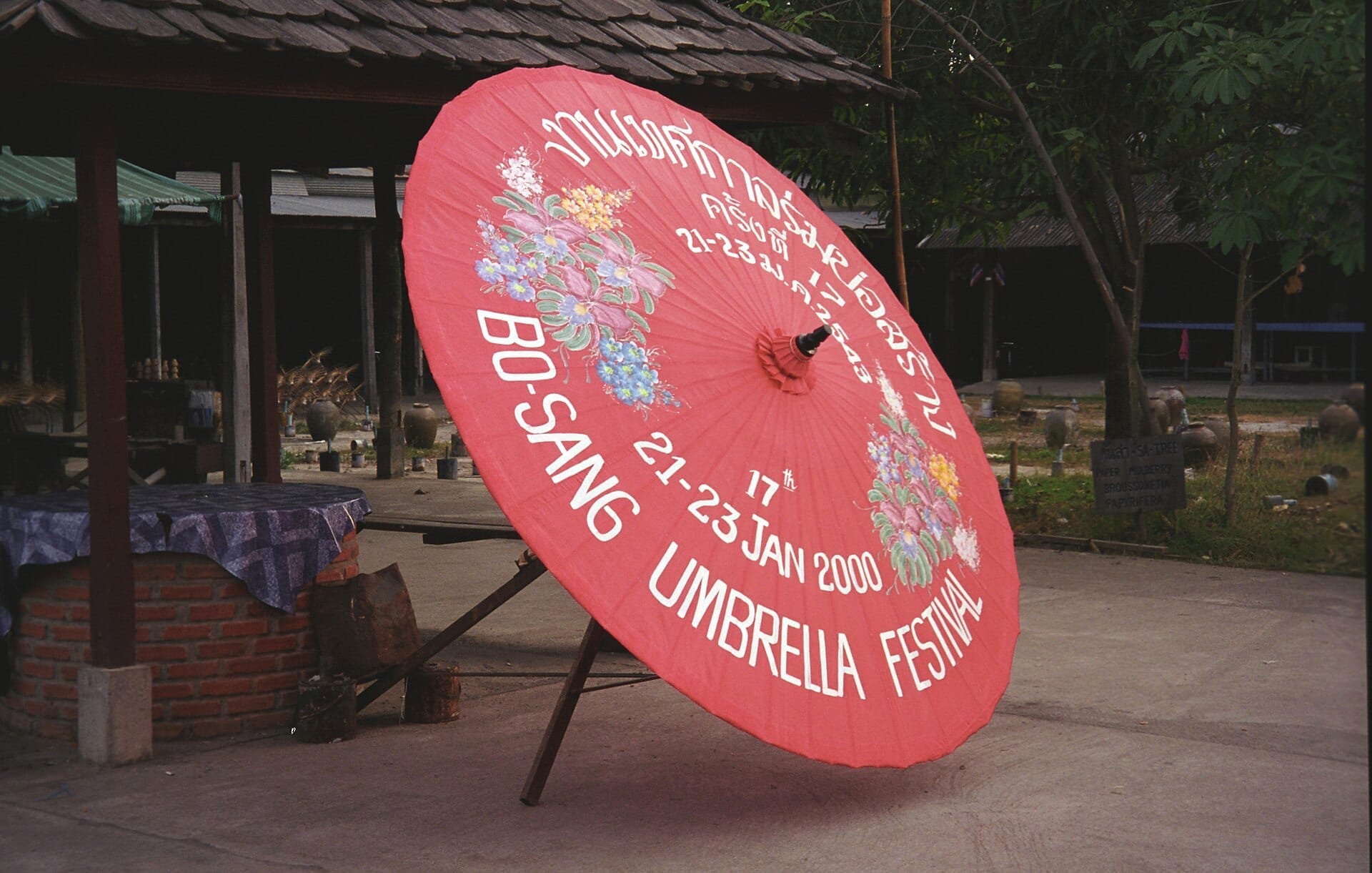
8. Understand Craft Tradition on the Handicraft Village Road
The road east through Bo Sang passes herb farms, chili fields, and small food producers alongside its famous parasol workshops. Many cooking schools source specialty ingredients from this corridor, and a half-day drive east gives you direct context for the provenance of what you cook.
Explore8. Understand Craft Tradition on the Handicraft Village Road
The road east through Bo Sang passes herb farms, chili fields, and small food producers alongside its famous parasol workshops. Many cooking schools source specialty ingredients from this corridor, and a half-day drive east gives you direct context for the provenance of what you cook.
Explore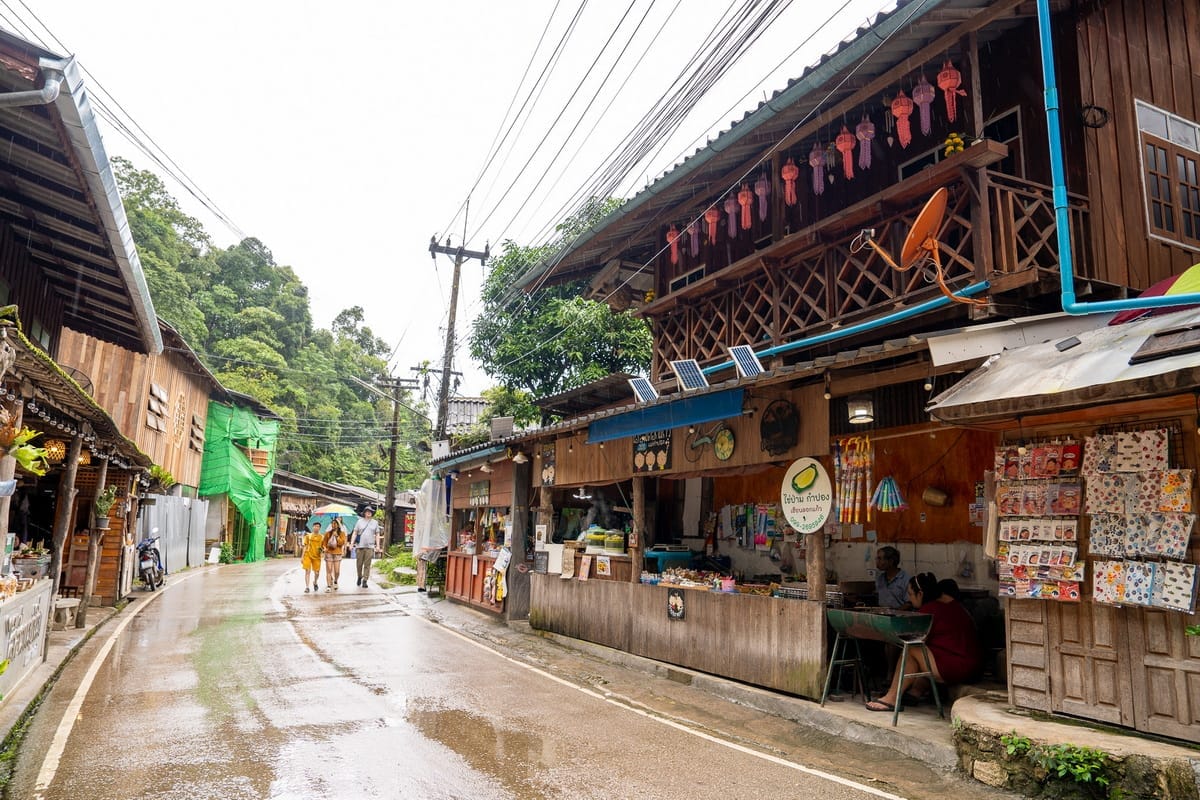
9. See Tea and Coffee Origins at Mae Kampong Village
Mae Kampong is famous for miang, the fermented tea-leaf snack that appears in many cooking class menus. Visiting the source, a forested valley where families have produced fermented tea for generations, gives real depth to the ingredient before you cook with it back in the city.
Explore9. See Tea and Coffee Origins at Mae Kampong Village
Mae Kampong is famous for miang, the fermented tea-leaf snack that appears in many cooking class menus. Visiting the source, a forested valley where families have produced fermented tea for generations, gives real depth to the ingredient before you cook with it back in the city.
Explore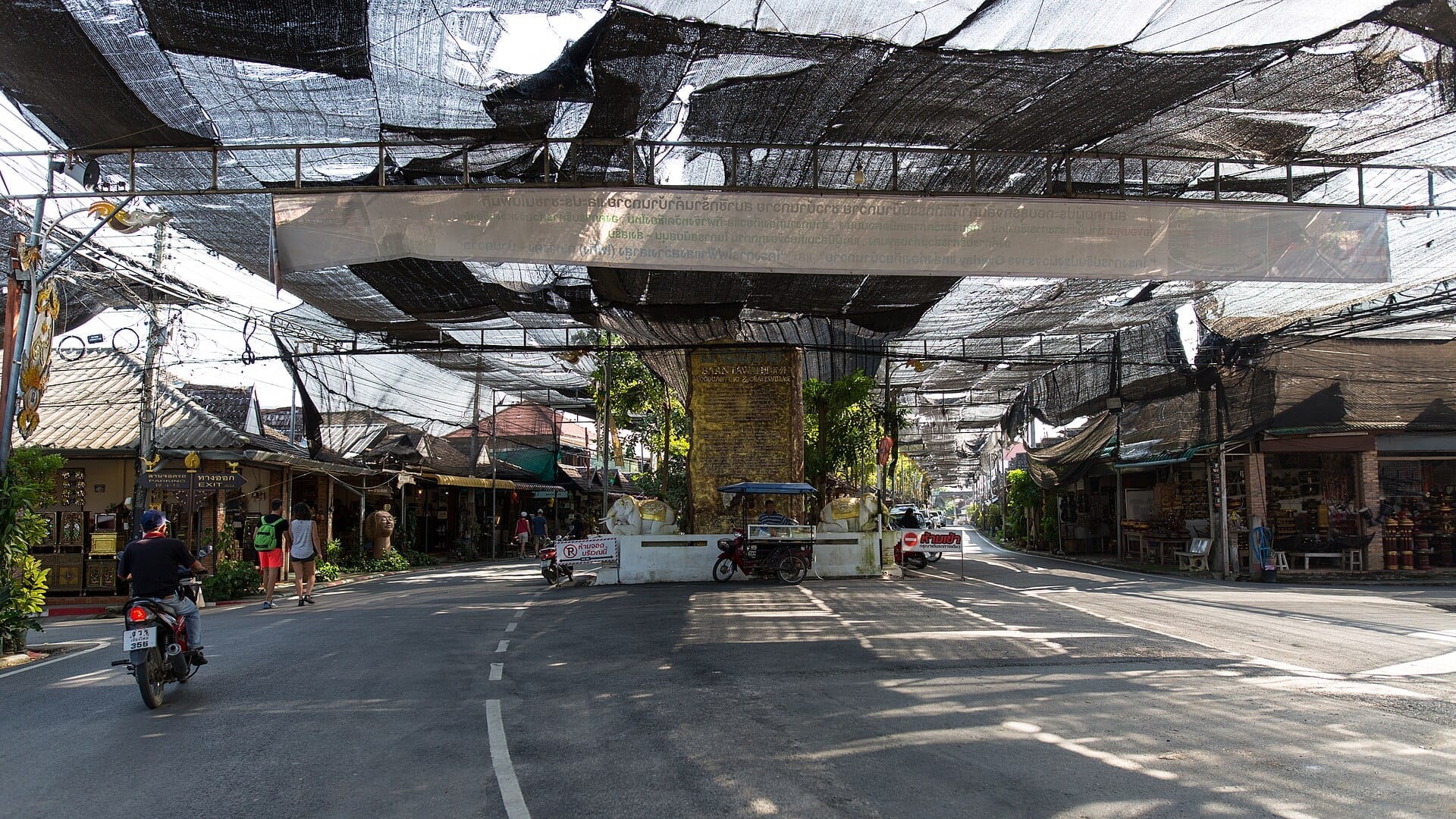
10. Pick Up Kitchen Tools at Baan Tawai Woodcarving Village
After learning to cook, you'll want quality tools to take home. Baan Tawai produces some of Thailand's finest teak mortar-and-pestle sets, wooden serving boards, and carved cooking utensils. Buy directly from workshops for better quality and lower prices than city shops.
Explore10. Pick Up Kitchen Tools at Baan Tawai Woodcarving Village
After learning to cook, you'll want quality tools to take home. Baan Tawai produces some of Thailand's finest teak mortar-and-pestle sets, wooden serving boards, and carved cooking utensils. Buy directly from workshops for better quality and lower prices than city shops.
Explore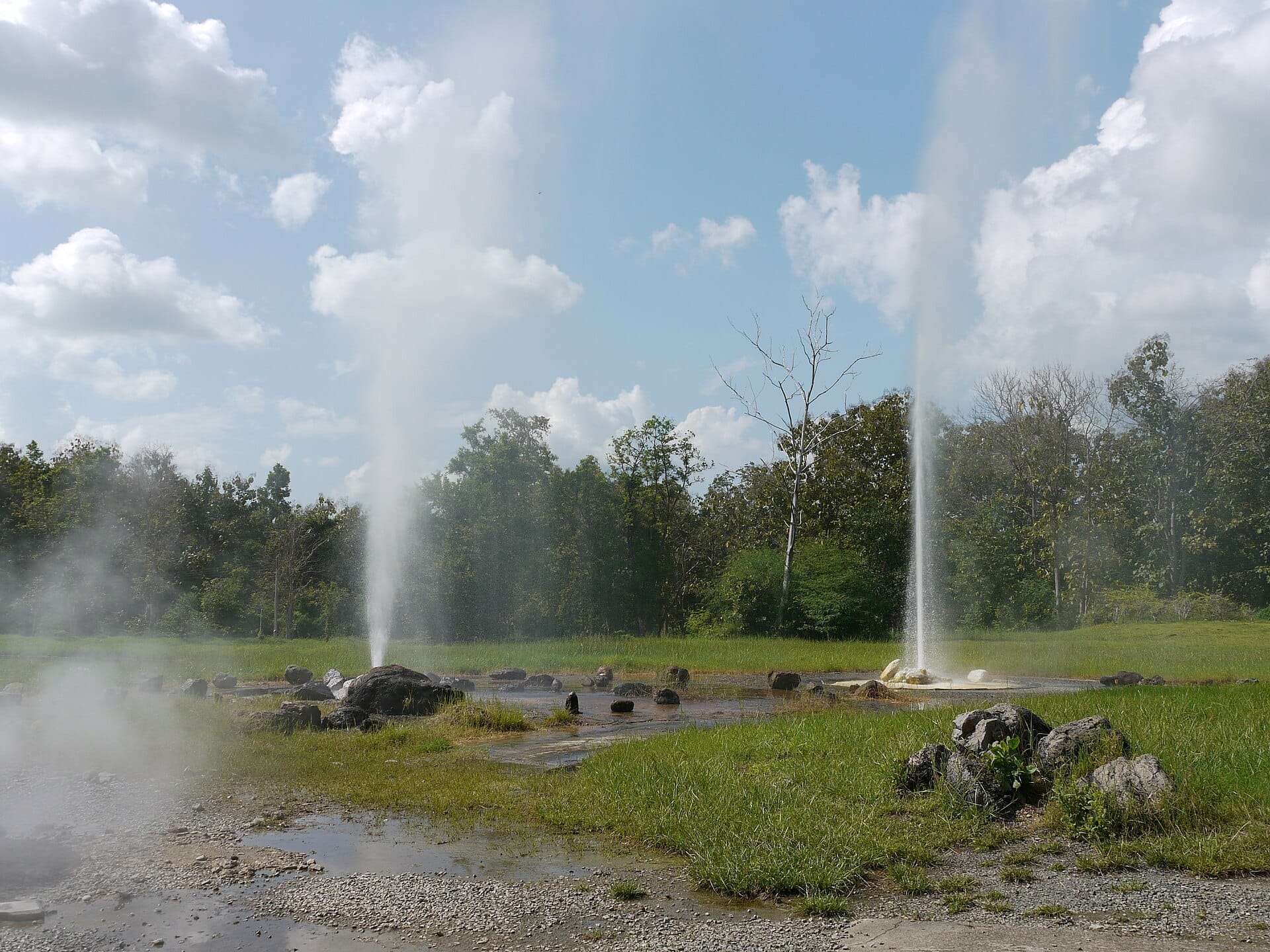
11. Stop at San Kamphaeng Hot Springs on the Handicraft Road
The mineral springs east of Chiang Mai are a natural stopping point on the same road as several cooking ingredient suppliers. Soak tired hands after a day of chopping and pounding, then pick up local snacks from the market stalls at the park entrance before heading back.
Explore11. Stop at San Kamphaeng Hot Springs on the Handicraft Road
The mineral springs east of Chiang Mai are a natural stopping point on the same road as several cooking ingredient suppliers. Soak tired hands after a day of chopping and pounding, then pick up local snacks from the market stalls at the park entrance before heading back.
Explore💡 Local tip
Ask your cooking school specifically whether they teach northern Thai dishes like khao soi, nam prik noom, or sai ua. Many schools default to central Thai dishes, which are easier to recreate at home but less unique to Chiang Mai.
Nature and Temples to Balance Your Class Schedule
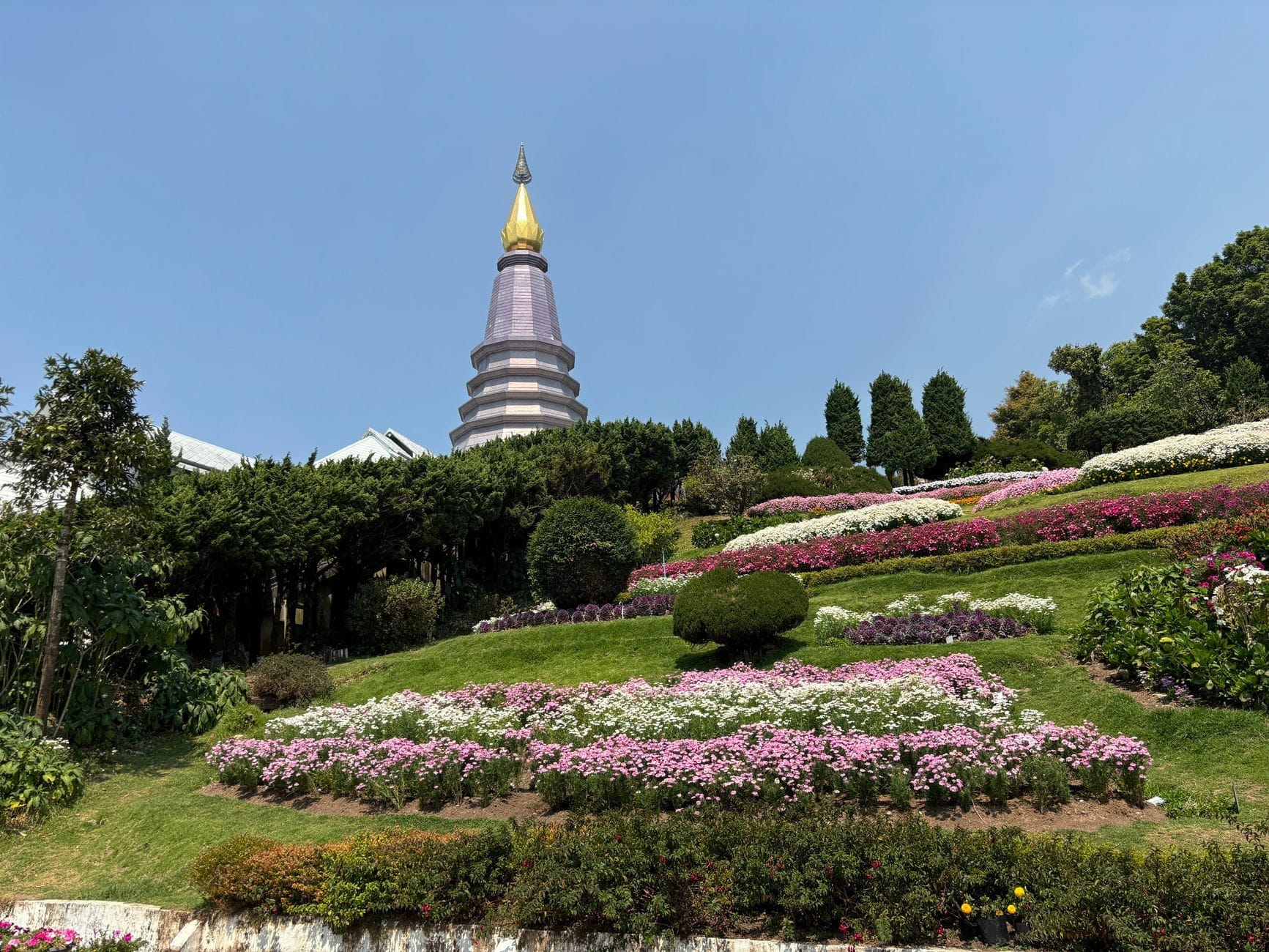
A typical half-day cooking class often runs around 8–9am to 1pm or 3pm to 7–8pm, leaving plenty of time for temples and nature. These are the best attractions to pair with morning or afternoon classes without needing a full-day commitment.
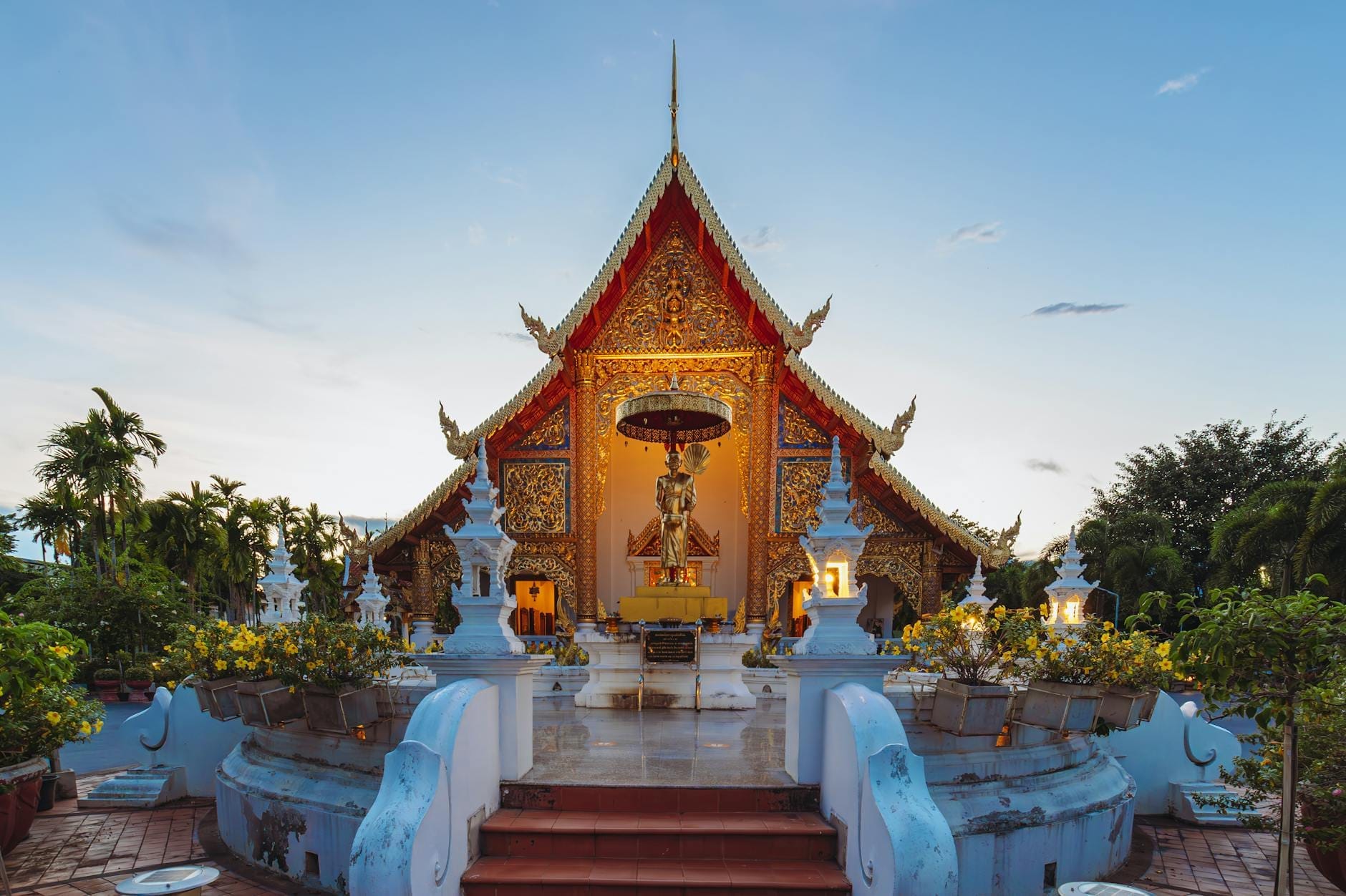
12. Start Your Day at Wat Phra Singh Before a Morning Class
Wat Phra Singh is a 10-minute walk from several Old City cooking schools and opens at 6am. Arriving early for a quiet circuit of the gilded viharn before the crowds arrive is the ideal way to begin a food-focused day in the historic center.
Explore12. Start Your Day at Wat Phra Singh Before a Morning Class
Wat Phra Singh is a 10-minute walk from several Old City cooking schools and opens at 6am. Arriving early for a quiet circuit of the gilded viharn before the crowds arrive is the ideal way to begin a food-focused day in the historic center.
Explore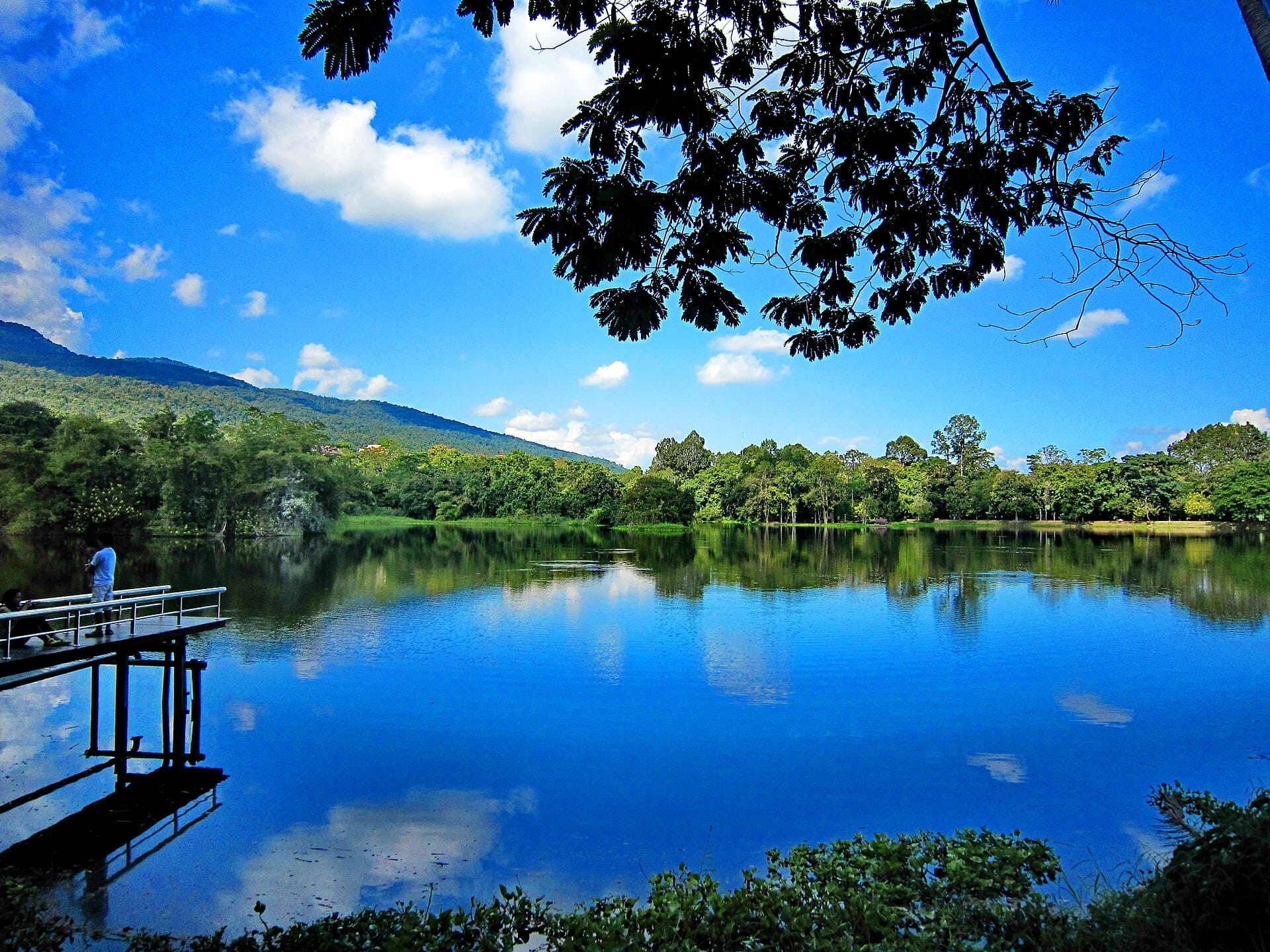
13. Walk Off Your Feast at Ang Kaew Reservoir
After a cooking class lunch, the lake on the Chiang Mai University campus is a perfect 30-minute walk away from Nimman. A lap around the reservoir through forested mountain scenery is exactly what you need after eating your way through multiple courses of your own cooking.
Explore13. Walk Off Your Feast at Ang Kaew Reservoir
After a cooking class lunch, the lake on the Chiang Mai University campus is a perfect 30-minute walk away from Nimman. A lap around the reservoir through forested mountain scenery is exactly what you need after eating your way through multiple courses of your own cooking.
Explore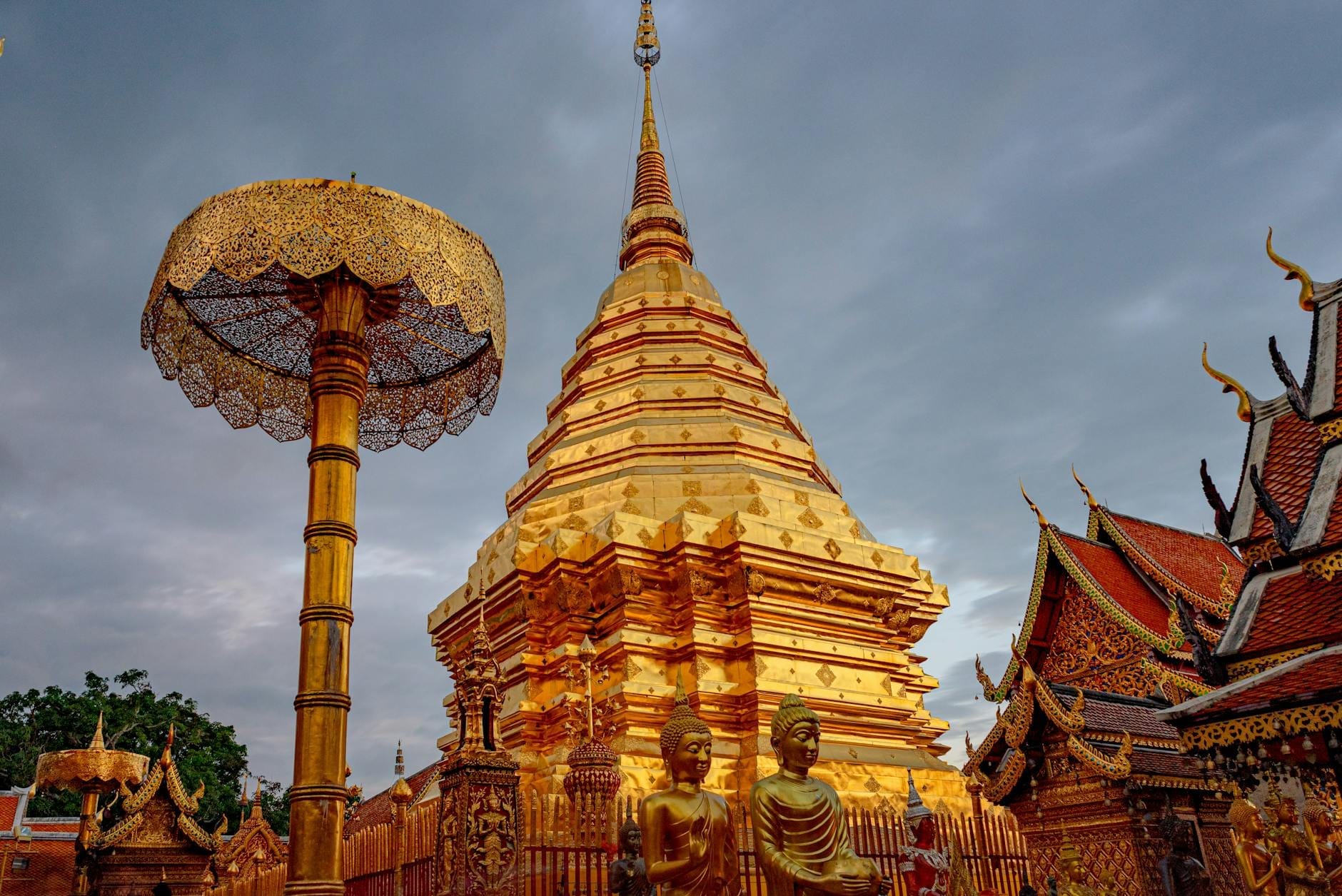
14. Combine a Morning Class with an Afternoon at Doi Suthep
Doi Suthep temple is 30 minutes from the city and stays open until 6pm. Finishing a morning cooking class by 1pm gives you ample time to drive up, climb the 306-step naga staircase, and take in the panoramic city views before sunset.
Explore14. Combine a Morning Class with an Afternoon at Doi Suthep
Doi Suthep temple is 30 minutes from the city and stays open until 6pm. Finishing a morning cooking class by 1pm gives you ample time to drive up, climb the 306-step naga staircase, and take in the panoramic city views before sunset.
Explore
15. Pair Ethical Elephant Experiences with an Evening Cooking Class
Elephant Nature Park runs daytime visits that wrap up by 4pm, making it a natural partner for an evening cooking class starting at 3 or 4pm. It's a full day that covers two of Chiang Mai's most meaningful and memorable experiences without overlap.
Explore15. Pair Ethical Elephant Experiences with an Evening Cooking Class
Elephant Nature Park runs daytime visits that wrap up by 4pm, making it a natural partner for an evening cooking class starting at 3 or 4pm. It's a full day that covers two of Chiang Mai's most meaningful and memorable experiences without overlap.
ExploreWhere to Eat Your Research Meals
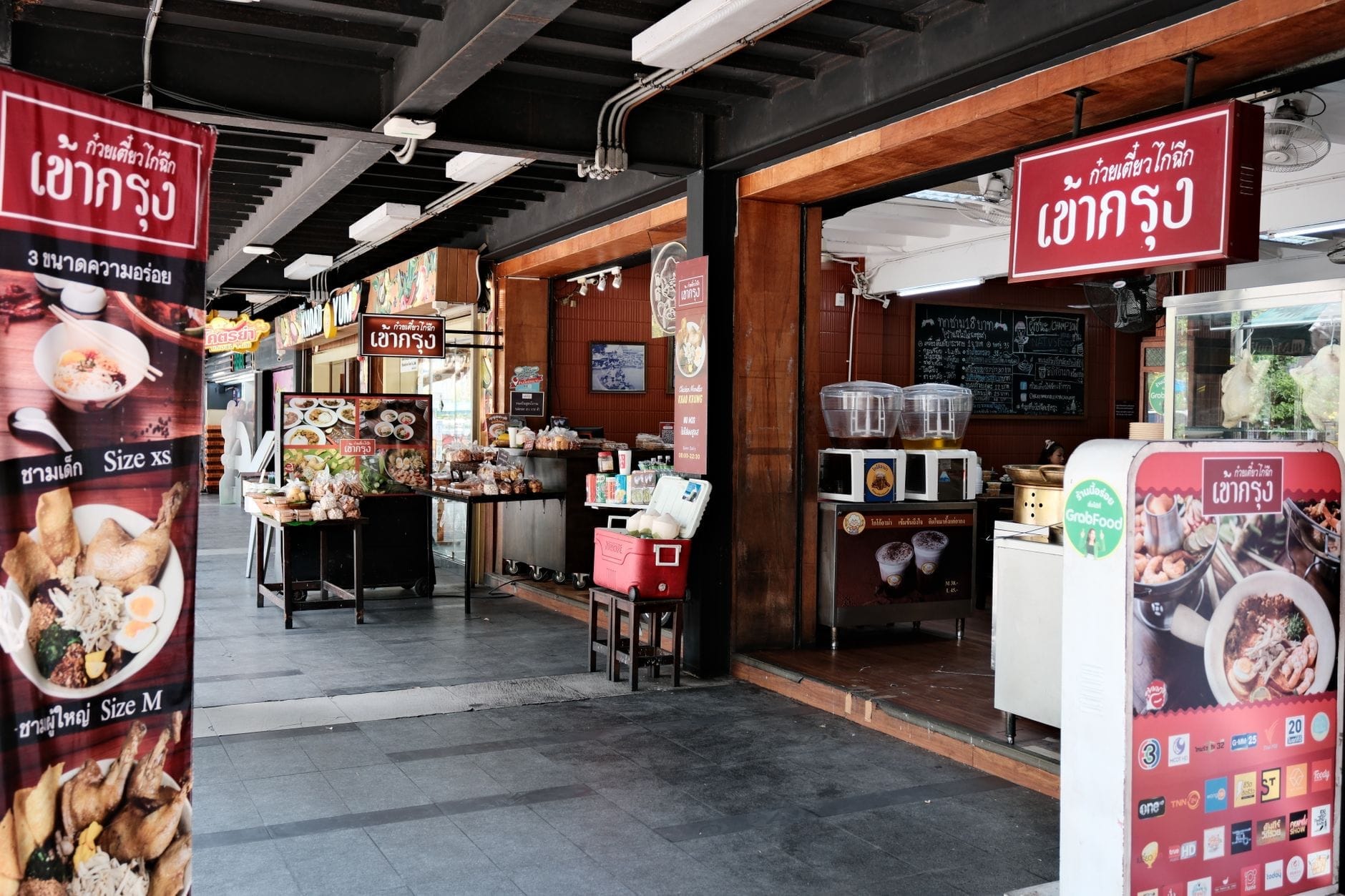
The most effective preparation for any cooking class is eating the dishes you're about to make. Chiang Mai's restaurant scene makes this easy. See our guide to where to eat in Chiang Mai for full recommendations, but these specific spots are worth visiting in direct relation to your class curriculum.
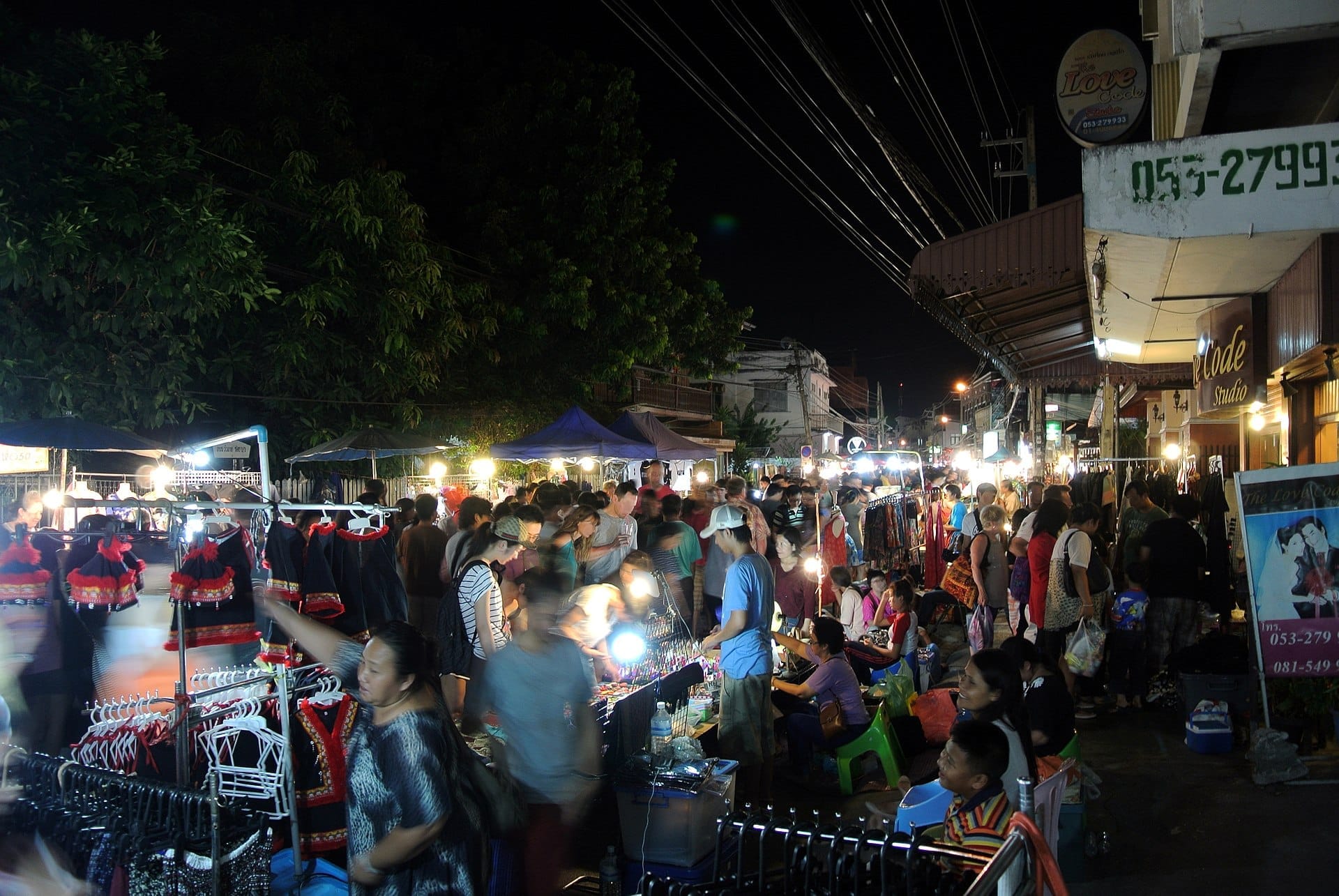
16. Eat Through Northern Thai Specialties at the Saturday Walking Street
Wua Lai Road's Saturday market focuses on silversmith craft but the food stalls lean heavily northern Thai. Sai ua sausage grilled over charcoal, crispy pork rinds with nam prik, and kanom jeen noodles give you a comprehensive tasting menu of the dishes most cooking schools cover.
Explore16. Eat Through Northern Thai Specialties at the Saturday Walking Street
Wua Lai Road's Saturday market focuses on silversmith craft but the food stalls lean heavily northern Thai. Sai ua sausage grilled over charcoal, crispy pork rinds with nam prik, and kanom jeen noodles give you a comprehensive tasting menu of the dishes most cooking schools cover.
Explore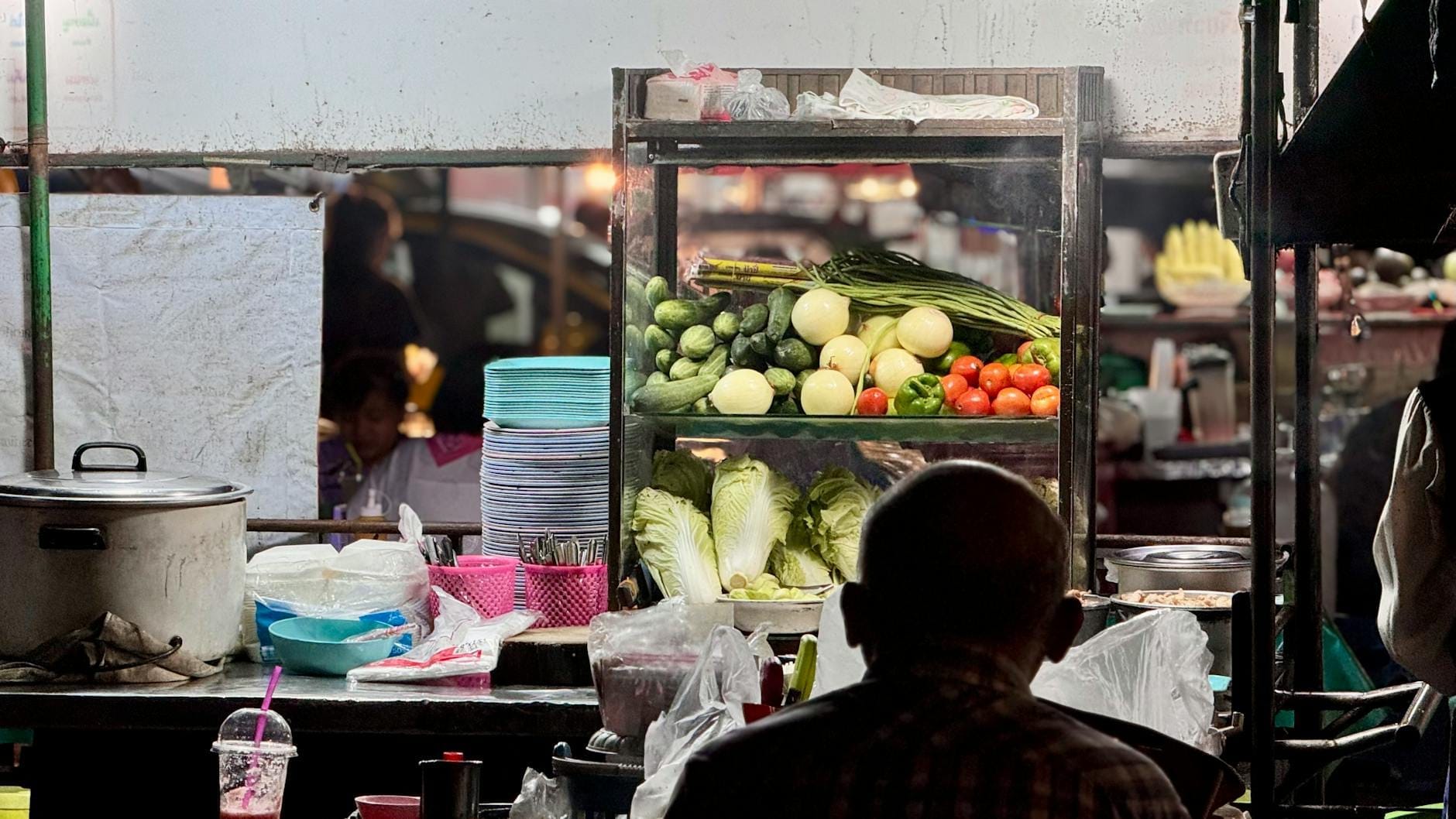
17. Relax with Street Food at Ploen Ruedee After Your Evening Class
Ending an evening cooking class around 7pm puts you perfectly timed for Ploen Ruedee's peak hours. The market's live music and casual food stalls are ideal for debriefing the class over a cold drink and comparing your evening's cooking with what the street vendors do differently.
Explore17. Relax with Street Food at Ploen Ruedee After Your Evening Class
Ending an evening cooking class around 7pm puts you perfectly timed for Ploen Ruedee's peak hours. The market's live music and casual food stalls are ideal for debriefing the class over a cold drink and comparing your evening's cooking with what the street vendors do differently.
ExploreFAQ
How much do cooking classes in Chiang Mai cost?
Most half-day cooking classes cost between 1,000 and 1,500 THB (roughly $28-$42 USD). Classes that include a market tour, a full cookbook, or a farm visit at the upper end of that range. Premium small-group or private classes can cost 2,500 THB or more but offer a significantly more personalized experience.
Do Chiang Mai cooking classes include a market visit?
The best ones do. Most reputable schools start with a 45-60 minute guided walk through Warorot Market or a local fresh market where you help select ingredients. This is worth prioritizing when choosing a school because it dramatically improves your understanding of northern Thai ingredients.
How many dishes will I cook in a typical Chiang Mai class?
Most half-day classes cover 4-6 dishes, typically including a curry paste made from scratch, a stir-fry, a soup, and a dessert. Some schools let you choose from a menu of options rather than following a fixed curriculum, which is ideal if you have specific dishes you want to learn.
What dishes should I look for in a northern Thai-focused cooking class?
Ask specifically for khao soi (coconut curry noodle soup), sai ua (northern Thai herbal sausage), nam prik noom (roasted green chili dip), gaeng hang lay (Burmese-influenced pork curry), and larb meuang (northern-style minced meat salad). These are distinct from central Thai dishes and are what makes cooking in Chiang Mai worth the trip.
When is the best time to book a cooking class in Chiang Mai?
Book at least 3-5 days in advance during peak season (November to February) and during festivals like Yi Peng and Songkran when the city fills up. In the low season (May to September), same-day bookings are often possible, but the best schools still fill their morning slots with small groups of 6-8 students.
Tickets & tours
Live prices and dates from our booking partner. If you book, we may earn a commission at no extra cost to you.
Planning a trip? Discover personalized activities with the Nomado app.