Chiang Mai on a Budget: How to Travel Cheap Without Cutting Corners
Chiang Mai is one of Southeast Asia's best-value cities, but knowing where to spend and where to save makes a real difference. This guide breaks down accommodation, food, transport, and activities with honest price ranges so you can build a realistic daily budget.
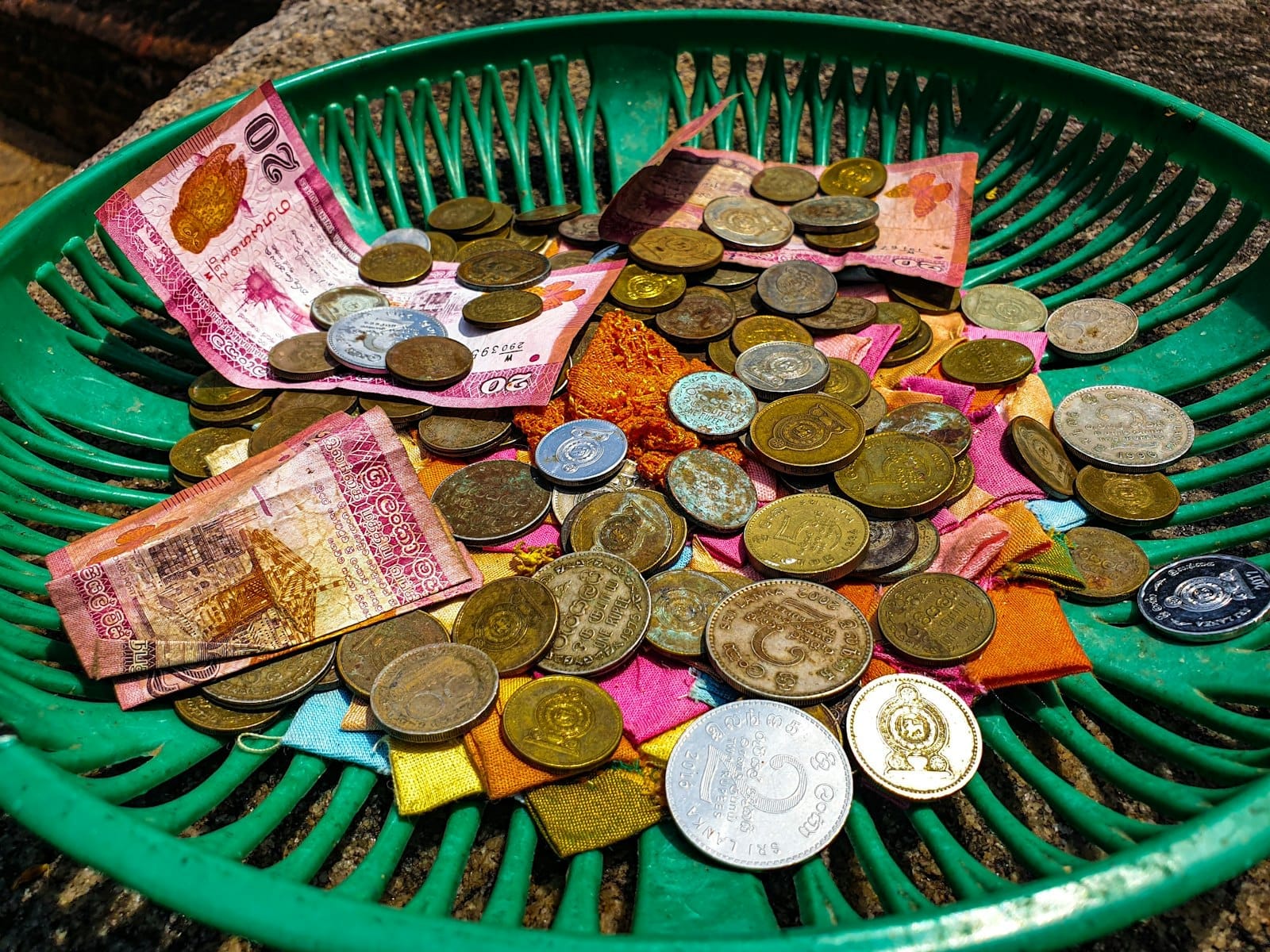
Tickets & tours
Live prices and dates from our booking partner. If you book, we may earn a commission at no extra cost to you.
TL;DR
- A comfortable budget traveler can get by on 600-900 THB (roughly $17-25 USD) per day, covering food, transport, and low-cost activities.
- Street food and local markets like Warorot Market are significantly cheaper than tourist-facing restaurants.
- Tuk-tuks are convenient but always more expensive than songthaews (shared red trucks) for getting around the city.
- Many of Chiang Mai's best experiences are free or nearly free — temple hopping in the Old City costs nothing beyond a small donation.
- Avoid February, November, and peak holiday weekends if you want the lowest accommodation prices.
What Does a Realistic Daily Budget Look Like?
Chiang Mai consistently ranks among the most affordable cities in Southeast Asia for travelers, but the gap between a shoestring trip and an accidental splurge is surprisingly wide if you don't know the terrain. Here's how the numbers break down across three realistic spending levels.
- Bare-Bones Budget: 400-600 THB/day ($11-17 USD) Dorm bed in a guesthouse (150-250 THB), three meals from street stalls or local canteens (150-200 THB), shared songthaew rides (20-40 THB per trip), and free or low-cost sightseeing. Achievable, but leaves little room for activities or nightlife.
- Comfortable Budget: 600-1,000 THB/day ($17-28 USD) Private room in a guesthouse or mid-range hostel (300-500 THB), mix of market meals and occasional sit-down restaurants (250-350 THB), rented scooter or regular songthaews (80-150 THB), and one paid activity per day. The sweet spot for most travelers.
- Mid-Range Traveler: 1,500-2,500 THB/day ($42-70 USD) Boutique guesthouse or budget hotel with AC (700-1,200 THB), restaurant meals with drinks (500-800 THB), grab or private transport (200-400 THB), and tours or cooking classes. Comfortable without being extravagant.
ℹ️ Good to know
Exchange rates shift, but the Thai baht typically hovers around 34–36 THB per USD. Always use ATMs from major banks (Bangkok Bank, Kasikorn, SCB) to get better rates. Avoid airport exchange counters if possible. Check the full breakdown in our money guide for Chiang Mai.
Where to Sleep Without Overpaying
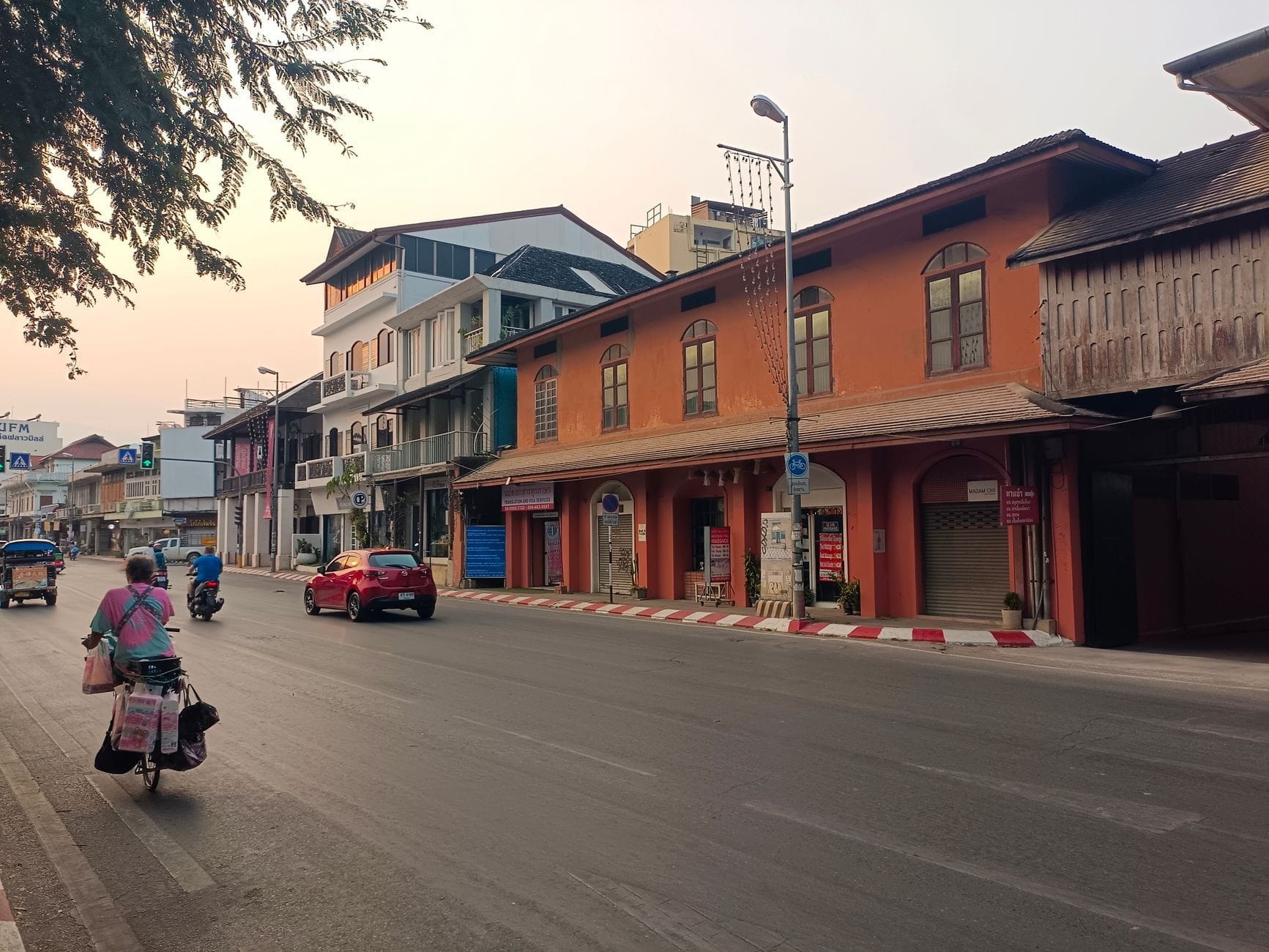
The Old City and Nimman Road are the two main traveler hubs, and both have options across every price point. The Old City tends to skew cheaper, with more guesthouses and family-run places tucked inside the moat. Nimman (Nimmanhaemin Road) has trendier hostels and co-living spaces that appeal to digital nomads and long-stay visitors.
For budget dormitories, expect to pay 150-250 THB per night in a reputable hostel. Private rooms in guesthouses with AC start around 350-500 THB. If you're staying a week or longer, negotiate directly with guesthouses — monthly rates can drop to 3,000-5,000 THB for a basic private room, which is genuinely unbeatable value. For area-specific recommendations, the where to stay in Chiang Mai guide covers each neighborhood in detail.
⚠️ What to skip
Avoid booking the cheapest possible room on main tourist streets like Moon Muang Road or Tha Phae Road during Yi Peng (November) or Songkran (April). Prices triple or quadruple for those weekends, and the cheapest remaining rooms are genuinely unpleasant. Book early or plan around those dates.
Eating Well for Almost Nothing
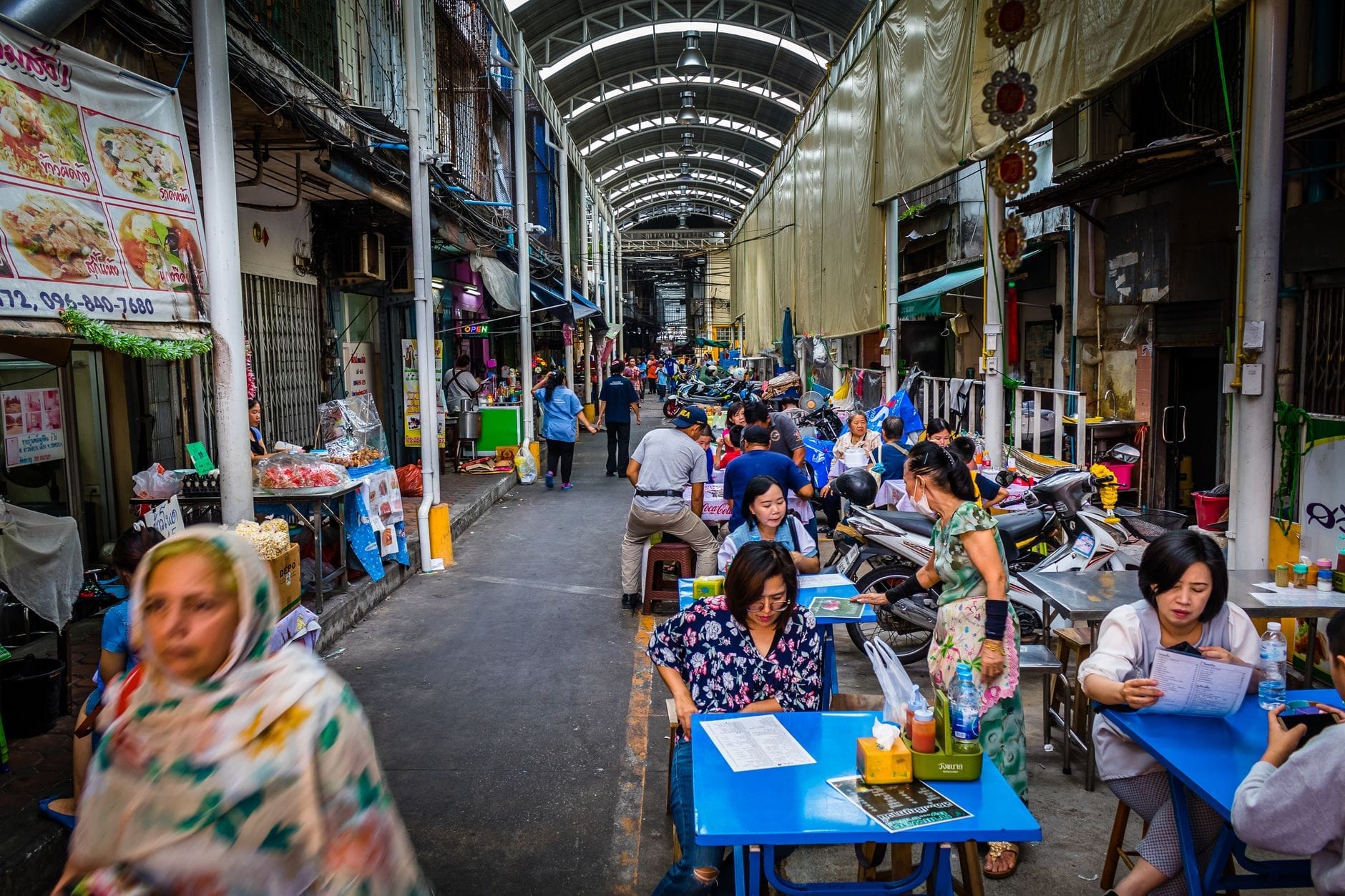
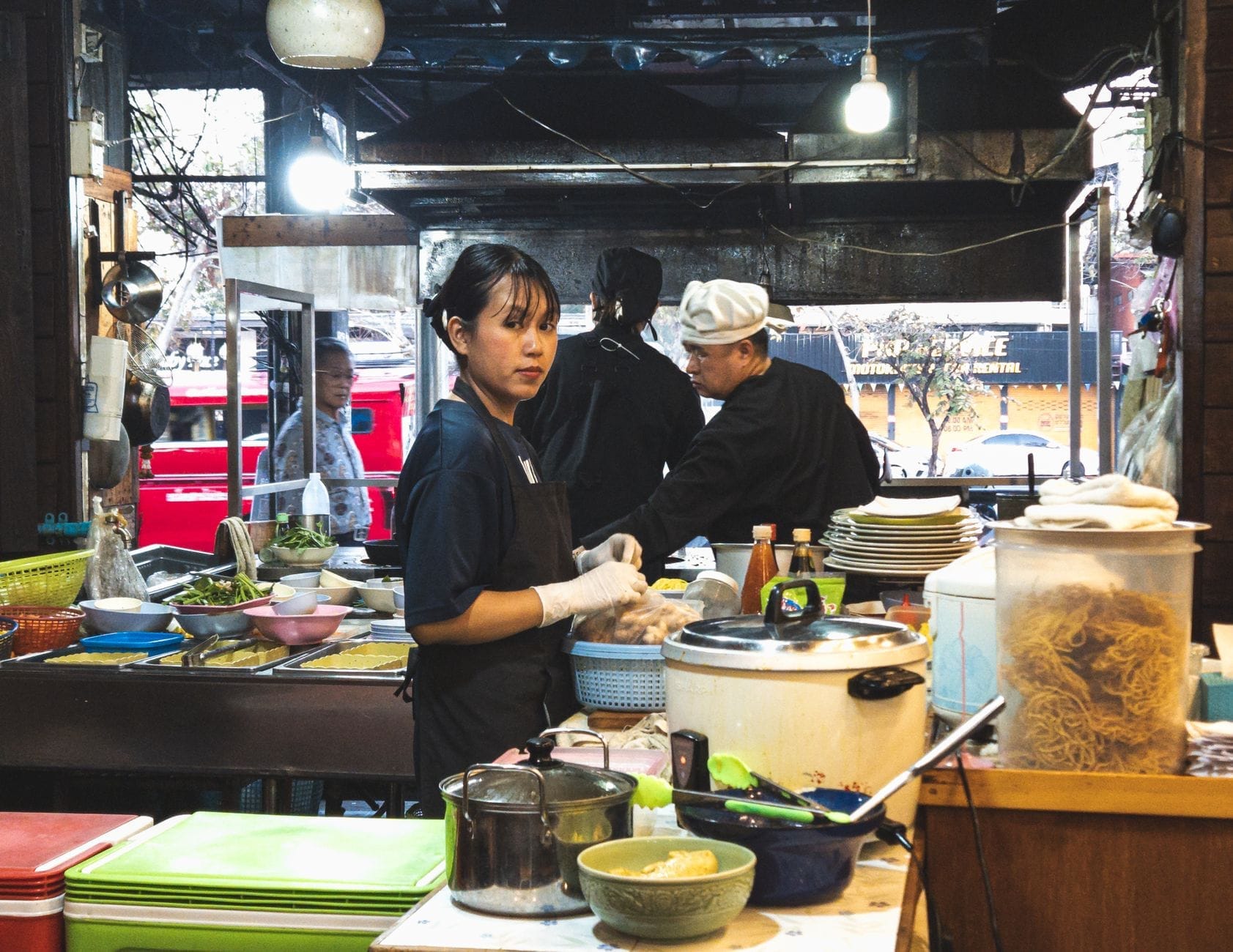
Food is where Chiang Mai's budget credentials genuinely shine. A bowl of khao soi (the city's signature coconut curry noodle soup) at a local shop costs 50-70 THB. Pad thai from a street cart runs 50-60 THB. A full plate of rice with two dishes from a canteen-style restaurant (called khao rad kaeng) is typically 50-80 THB. You can eat three solid meals for under 200 THB without trying very hard.
The key is eating where locals eat. The Warorot Market area near the river has excellent street food during the day. The Chang Phuak Night Market is a local favorite for cheap grilled meats and northern Thai dishes after dark. Steer away from restaurants with laminated English menus near Tha Phae Gate — the food is usually twice the price and half as interesting.
- Khao soi at a local shop: 50-70 THB
- Khao rad kaeng (rice with two curries): 50-80 THB
- Pad see ew or pad kra pao from a cart: 50-70 THB
- Fresh fruit from a market vendor: 20-40 THB
- Chang or Leo beer from a 7-Eleven: 50-60 THB (vs. 100-180 THB in a bar)
- Iced coffee from a local coffee cart: 25-40 THB
✨ Pro tip
Sunday and Saturday walking streets double as cheap food markets. The Sunday Walking Street on Ratchadamnoen Road and the Saturday market on Wua Lai offer som tam, mango sticky rice, grilled corn, and Northern Thai sausage at 30-60 THB per item. Arrive hungry and graze your way through.
Getting Around the City Cheaply
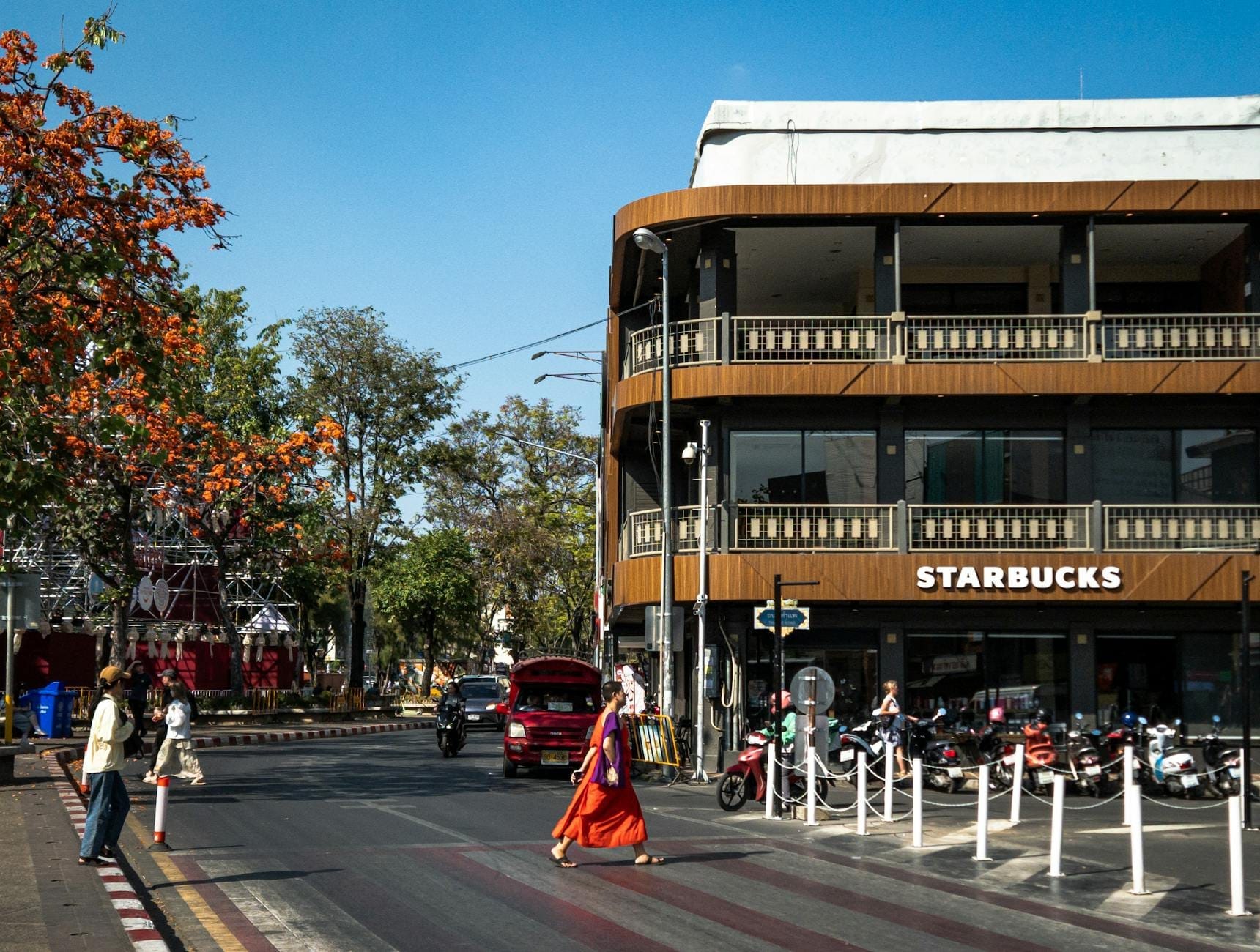
Transport is one of the most common budget leaks in Chiang Mai. The red songthaews (shared pickup trucks) are the cheapest way to move around the city if you're willing to share with other passengers. A shared ride within the Old City or to Nimman is typically 20-30 THB per person. If you charter one privately, prices start at 60-100 THB for short distances and go up from there. Agree on the price before you get in.
Renting a bicycle (50-80 THB/day) is genuinely practical inside the Old City and surrounding neighborhoods — the streets inside the moat are flat and manageable. For day trips to places like Doi Suthep or the Mae Rim valley, renting a scooter (150-250 THB/day) gives you much more flexibility than joining an organized tour. For full transport logistics, the getting around Chiang Mai guide covers every option including Grab, songthaews, and tuk-tuk pricing.
⚠️ What to skip
Tuk-tuks are almost always a bad deal for budget travelers. They're fun once, but drivers rarely agree to shared rates and almost always quote inflated prices to tourists. Use them for short novelty trips only, not as regular transport.
Free and Low-Cost Things to Do
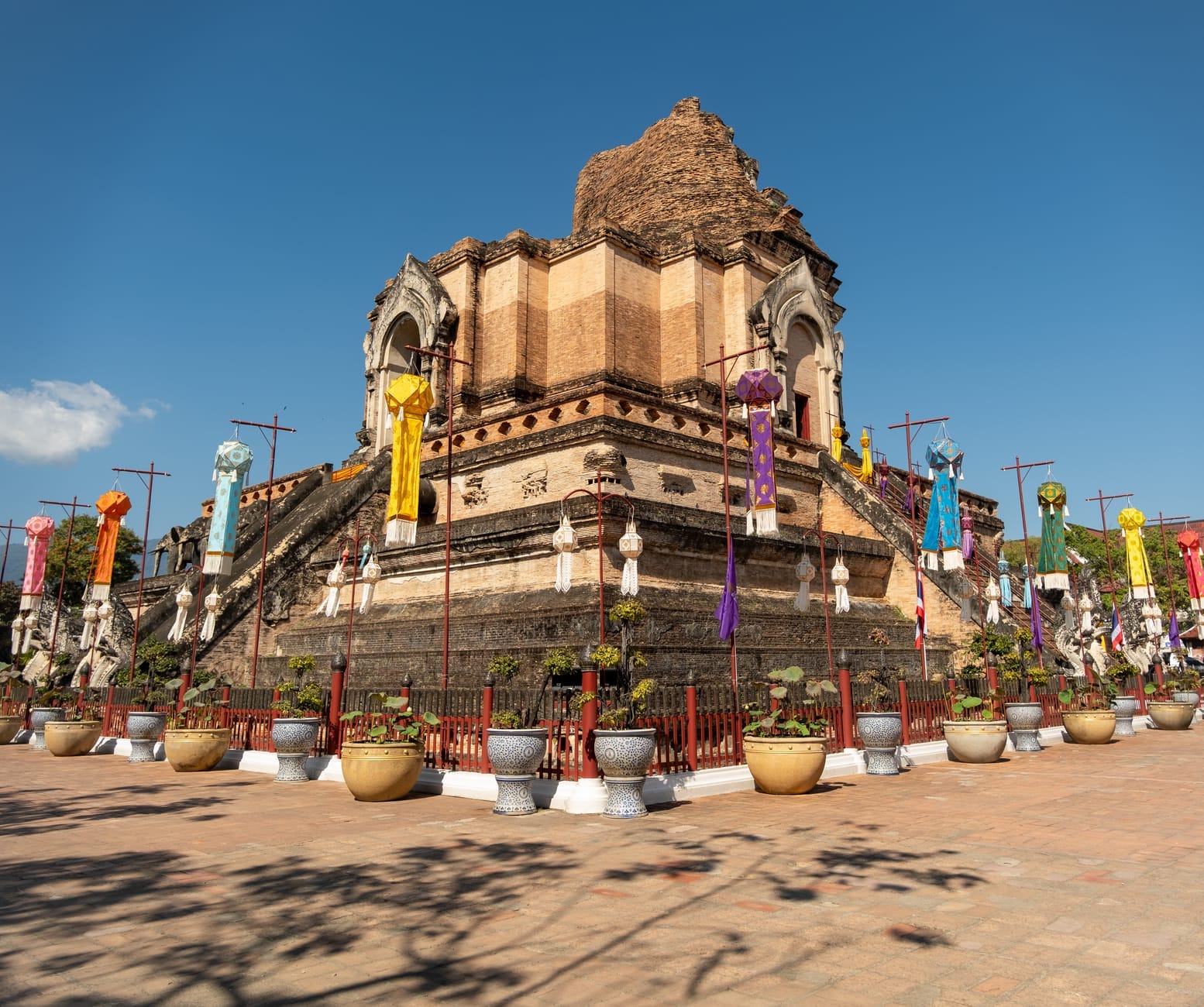
Chiang Mai's best experiences are disproportionately cheap. The Old City contains over 30 temples, and most charge no admission or a small 20-40 THB donation. Wat Chedi Luang, Wat Phra Singh, and Wat Chiang Man are three of the most architecturally significant, and all sit within about a 15-minute walk of each other. Dress modestly (shoulders and knees covered) and you'll have no issues.
Beyond temples, the Sunday Walking Street and Saturday Walking Street are free to browse and excellent for people-watching. The Ang Kaew Reservoir on the Chiang Mai University campus is a genuinely peaceful place to walk with no entrance fee. The university's arts and cultural spaces are also often free or low-cost.
- Temple Circuit in the Old City Wat Phra Singh, Wat Chedi Luang, and Wat Chiang Man are all walkable and either free or 20-40 THB donation.
- Walking Streets (Saturday and Sunday) Free to walk, great street food, local crafts, and live music. Budget 100-200 THB for food and snacks.
- Ang Kaew Reservoir Free entry, scenic walk on the CMU campus, especially pleasant in the early morning or late afternoon.
- Wat Pha Lat (Forest Temple) A half-hidden temple on the trail up to Doi Suthep. Free to visit, and the jungle setting is unlike anything in the Old City.
- Jing Jai Farmer's Market Free to browse, excellent for cheap breakfast and fresh produce. Open Saturday and Sunday mornings.
Budget-Friendly Day Trips and Activities
Paid activities are where budget travelers most often overspend. Tour packages sold in guesthouses and travel agencies along Moon Muang Road are convenient but often marked up by 50-100% compared to booking directly or organizing things yourself. Cooking classes are a legitimate splurge at 800-1,500 THB, but they typically include a market visit and three-course meal, making them good value if you choose one carefully.
Elephant sanctuaries are a major draw, and ethical ones are not cheap: expect to pay 2,500-4,000 THB for a half or full-day visit. That's one of the few areas where paying more genuinely correlates with better animal welfare. Budget options with suspiciously low prices often involve riding or poor conditions. The elephant sanctuary guide has a clear breakdown of what to look for. For trekking, multi-day treks in the hills around Chiang Mai can be arranged for 1,500-2,500 THB per day including accommodation and food, which is actually strong value for an overnight experience.
Money Tips: ATMs, Exchange, and Avoiding Common Rip-Offs
Thai ATMs charge a flat 220 THB fee per withdrawal regardless of amount, so withdraw larger sums less frequently rather than small amounts multiple times. Most ATMs dispense up to 20,000-30,000 THB per transaction. Kasikorn and Bangkok Bank ATMs are generally reliable and widely found in the Old City and Nimman areas.
Currency exchange booths on Tha Phae Road and near the Night Bazaar often offer competitive rates for cash, sometimes better than ATMs if you're exchanging USD or EUR in good-condition bills. Avoid the booths at the airport for anything beyond immediate taxi money. For a complete breakdown of fees, limits, and which card types work best, see the Chiang Mai money guide.
FAQ
How much money do I need per day in Chiang Mai?
A realistic budget of 600-900 THB per day ($17-25 USD) covers a basic private guesthouse room, three street food meals, local transport, and one low-cost activity. Shoestring travelers can get by on 400-500 THB staying in dorms and eating only from market stalls.
Is Chiang Mai cheaper than Bangkok?
Generally yes, particularly for accommodation and food. Guesthouses in Chiang Mai's Old City are typically 20-30% cheaper than comparable places in Bangkok's backpacker areas. Street food prices are similar, but Chiang Mai has fewer expensive temptations like rooftop bars or luxury malls pulling at your wallet.
What is the cheapest way to get from Chiang Mai airport to the city?
The red songthaew shared trucks are the cheapest option at around 60-100 THB to the Old City if you can find others to share with. Grab (Thailand's Uber equivalent) typically runs 100-150 THB. Airport taxis are the most expensive at 200-300 THB. Avoid accepting unsolicited rides from touts inside the terminal.
Are there free things to do in Chiang Mai?
Yes, quite a few. The Old City temples are largely free to enter with a small optional donation. The Sunday and Saturday walking streets are free to browse. Ang Kaew Reservoir at Chiang Mai University has no admission charge. The city walls and moat area is a pleasant free walk, especially at sunset.
When is the cheapest time to visit Chiang Mai?
The low season (May to October) offers the lowest accommodation rates and fewer crowds, though the rainy season runs June to October with afternoon downpours. The burning season (February to April) is often discounted in terms of accommodation, but air quality can be poor during the worst weeks in March. November and December are peak season with higher prices.
Tickets & tours
Live prices and dates from our booking partner. If you book, we may earn a commission at no extra cost to you.
Planning a trip? Discover personalized activities with the Nomado app.