Money in Chiang Mai: Cash, Cards, ATMs & Currency Exchange
Managing money in Chiang Mai is straightforward once you know the rules. This guide covers ATM fees, the best places to exchange currency, where cards are accepted, and practical tips to keep more baht in your pocket.
Tickets & tours
Live prices and dates from our booking partner. If you book, we may earn a commission at no extra cost to you.
TL;DR
- Thai baht (THB) is the only accepted currency — always pay in baht, never foreign currency.
- ATMs are everywhere but typically charge a flat 220–300 THB fee per withdrawal; maximize each transaction.
- Currency exchange booths in the Old City and along Tha Phae Road consistently offer better rates than airport counters or hotel front desks.
- Credit and debit cards work reliably at hotels, larger restaurants, and malls, but most markets and street food vendors are cash-only.
- Bring some USD, EUR, or GBP from home as a backup — they're easy to exchange on arrival and often fetch decent rates at dedicated exchange booths.
Currency Basics: What You Need to Know Before You Arrive
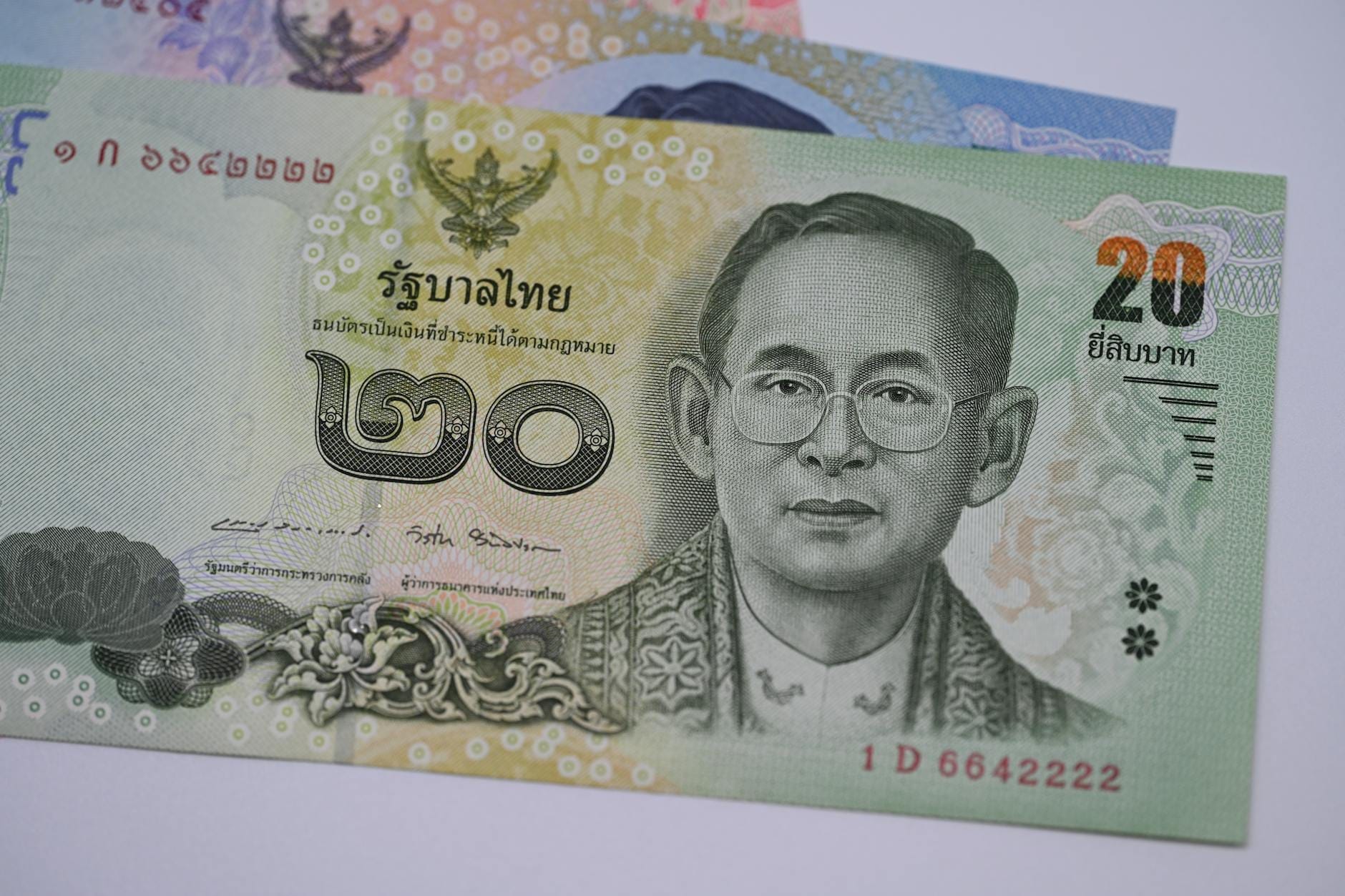
Thailand's currency is the Thai baht (THB), divided into 100 satang. Banknotes come in 20, 50, 100, 500, and 1,000 THB denominations. Coins are 1, 2, 5, and 10 THB, with smaller satang coins rarely seen in everyday transactions. Always carry a mix of denominations: 100 THB notes are the workhorses of daily life, useful for songthaew rides, street food, and temple donations, while 20 THB notes are handy for exact change situations.
A few practical realities: no vendor in Chiang Mai will accept foreign currency directly, including at markets, temples, or tuk-tuks. Avoid any tour operator or shop that quotes prices in USD and insists on payment in foreign notes — that's a setup for a bad exchange rate. The Thai baht is a fully convertible currency, easy to obtain internationally before you travel, though rates abroad are generally worse than what you'll find in Chiang Mai itself.
⚠️ What to skip
Never accept a 'dynamic currency conversion' offer at an ATM or card terminal. This lets the Thai machine apply its own exchange rate instead of your bank's rate, and it's almost always worse. Always choose to be charged in Thai baht (THB), not your home currency.
ATMs in Chiang Mai: Fees, Networks, and Withdrawal Limits
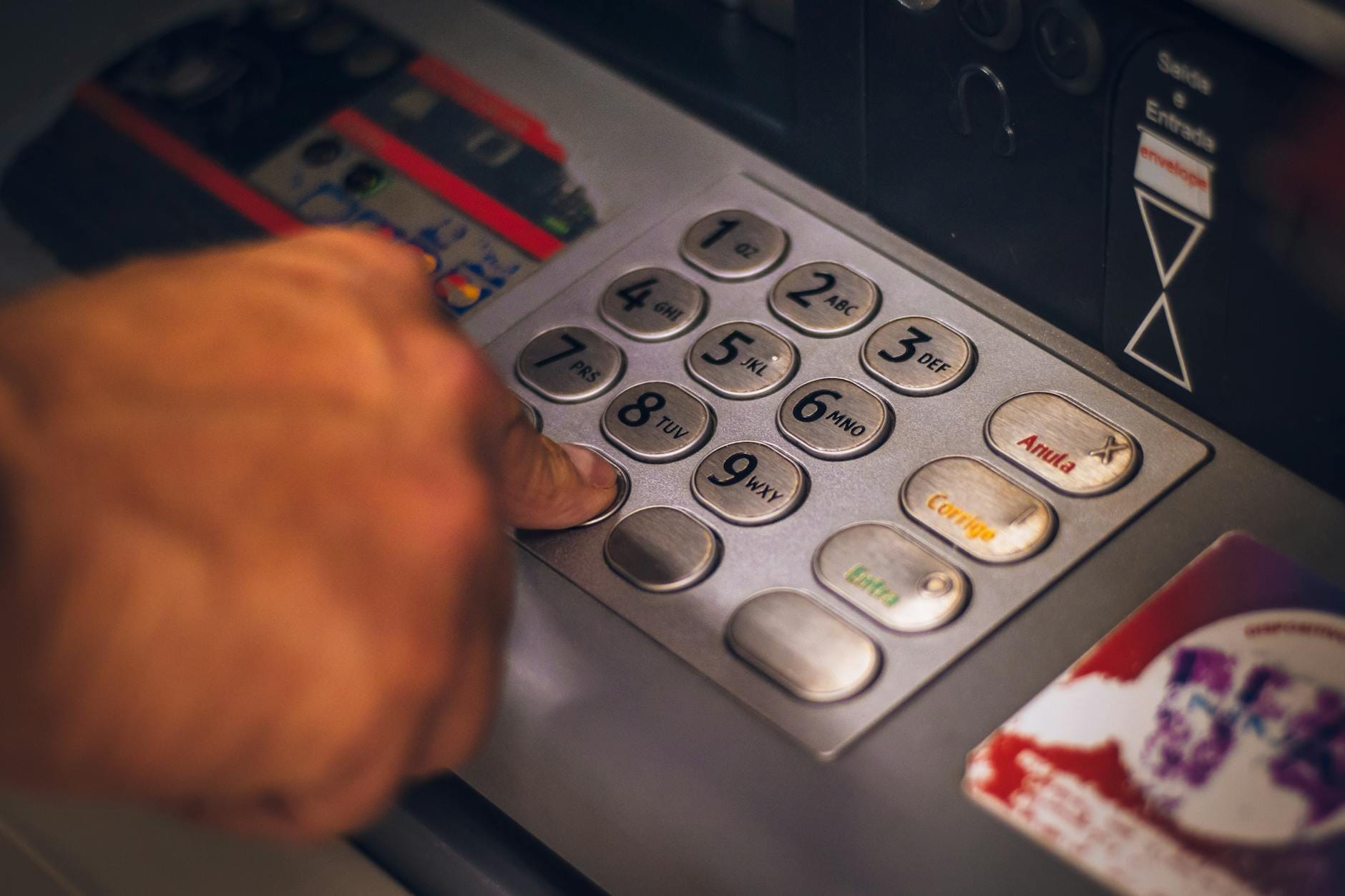
Thai ATMs usually charge a flat foreign-card fee of around 220–300 THB per transaction, depending on the bank and operator, regardless of the amount withdrawn. This fee broadly applies across major Thai banks including Bangkok Bank, Kasikorn Bank (KBank), SCB, and Krungsri. Since the fee is fixed, withdrawing the maximum amount each time minimizes the cost per baht. Many ATMs allow withdrawals up to 20,000 THB per transaction, though some machines cap at 10,000 THB or lower depending on the bank and card issuer limits.
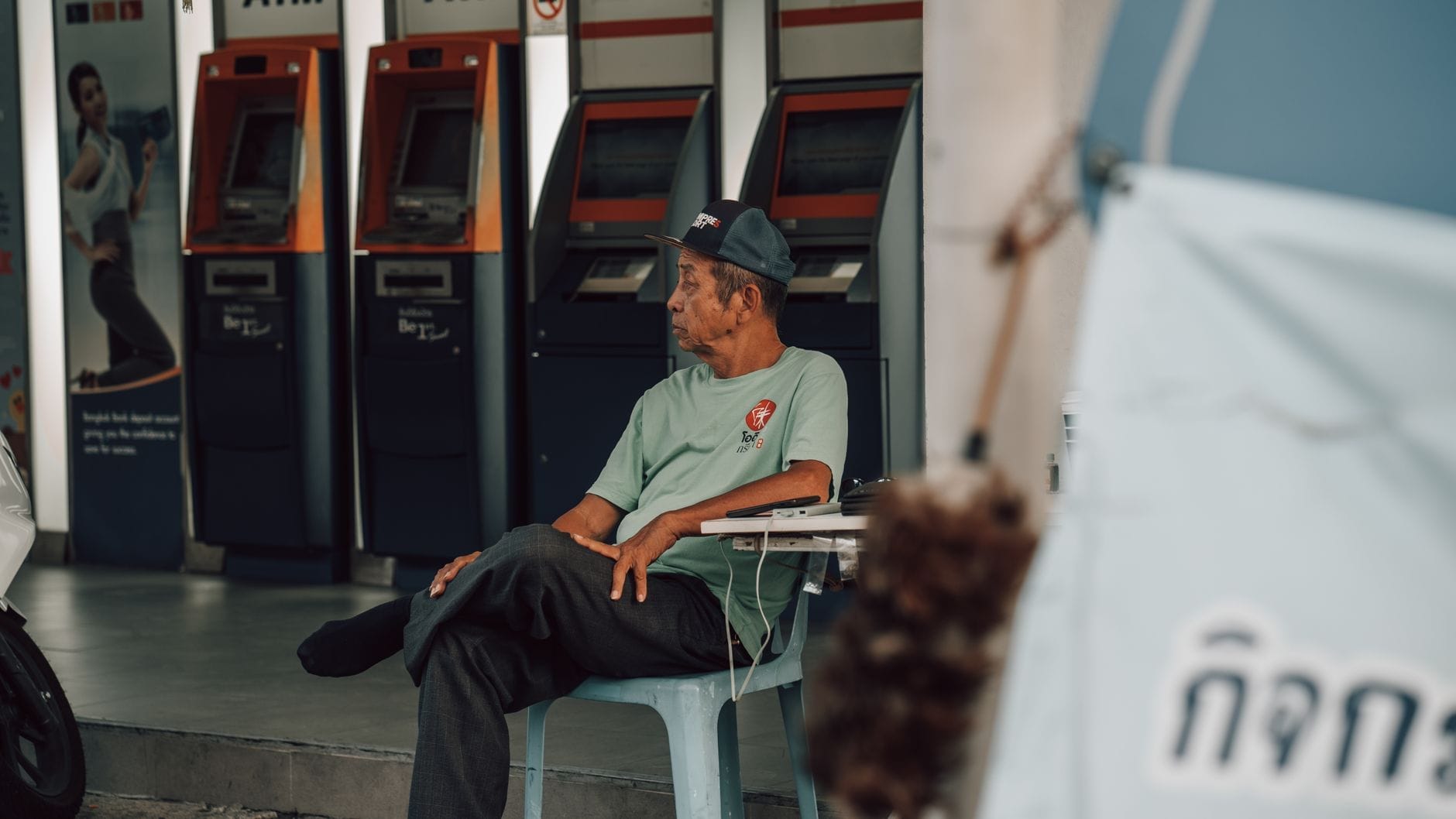
ATMs are genuinely plentiful in Chiang Mai. You'll find clusters near the Old City moat corners, along Nimman Road, inside Central Festival mall, at the Night Bazaar, and at many 7-Eleven and other convenience stores. Airport ATMs are available immediately after baggage claim but carry the same 220 THB fee, so there's no advantage to withdrawing at the airport beyond convenience.
- Bangkok Bank Widely available, generally reliable machines with clear English interfaces. One of the better options for international cards.
- Kasikorn Bank (KBank) Excellent ATM network, found inside many 7-Eleven locations. Machines typically allow the full 20,000 THB withdrawal.
- SCB (Siam Commercial Bank) Good coverage around the Old City and Nimman area. Reliable machines with multi-language support.
- TMB / TTB Bank Less common but sometimes found in malls. Same 220 THB fee applies.
- Aeon Bank Historically charged lower fees for some card types, but confirm with your bank before relying on this.
✨ Pro tip
Use a card with zero foreign transaction fees and ATM fee reimbursements if possible — options like Charles Schwab (US), Starling or Monzo (UK), or Wise (global) eliminate or refund the Thai bank's 220–300 THB fee. Over a two-week trip, this can save 1,000–2,000 THB.
Currency Exchange: Where to Get the Best Rates
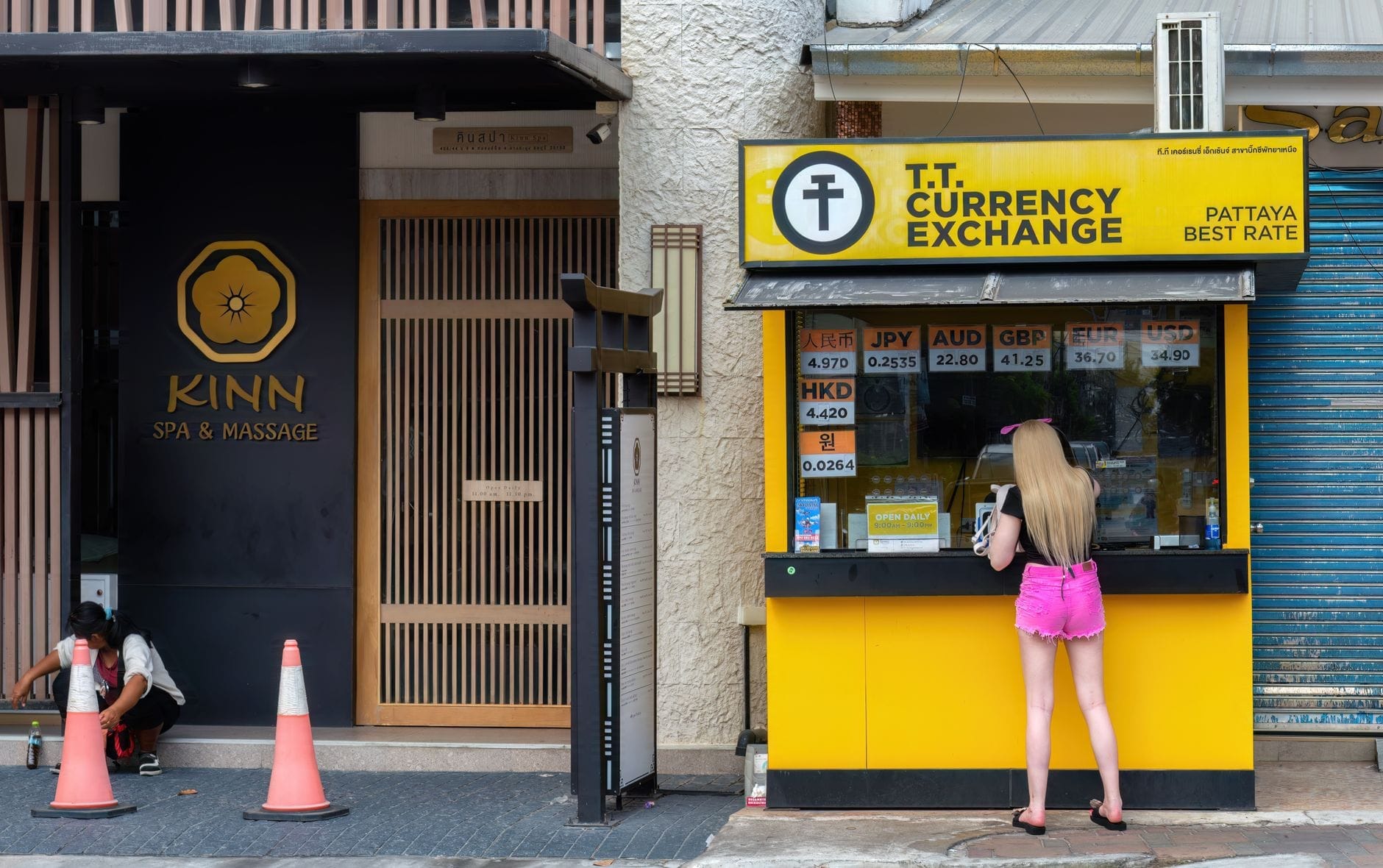
Currency exchange in Chiang Mai is competitive, and rates vary significantly depending on where you go. Dedicated exchange booths consistently outperform bank branches, airport counters, and hotel desks. Some of the best rates in the city are often found at licensed exchange booths clustered around Tha Phae Gate, along Chang Klan Road near the Night Bazaar, and at a handful of booths in the Nimman area.
SuperRich Thailand and similar dedicated money changers are well-regarded for transparent rates and no explicit commission fees. The Night Bazaar area has several competing exchange booths within a short walk of each other, which keeps rates honest. Compare the board rates before committing — a difference of 0.5 THB per USD across a $500 exchange adds up to 250 THB in your pocket.
- Airport exchange counters: Convenient but typically 3–8% worse than city booths. Use only for immediate taxi or transport needs on arrival.
- Hotel front desks: Usually the worst rates available. Avoid for any significant exchange.
- Bank branches: Marginally better than hotels but require more paperwork and queue time for non-account holders.
- Licensed street exchange booths near Tha Phae Gate and Chang Klan Road: Best rates for walk-in exchange, no commission.
- Warorot Market area: Several booths serve the local business community and often have competitive rates for larger amounts.
💡 Local tip
USD, EUR, GBP, AUD, and SGD typically get the most favorable exchange spreads in Chiang Mai. Japanese yen and Chinese yuan are also widely accepted. Some less common currencies may only be exchangeable at main bank branches, so convert to one of the major currencies before arriving if possible.
Paying by Card: Where It Works and Where It Doesn't
Card acceptance in Chiang Mai has expanded considerably, but the city is still far from cashless. Visa and Mastercard are the most reliable networks. American Express is accepted at higher-end hotels and some restaurants but is patchy elsewhere. UnionPay acceptance has grown due to Chinese tourism but isn't universally reliable.
You can comfortably use a card at: international hotels and guesthouses, most sit-down restaurants targeting tourists, 7-Eleven and Lotus's supermarkets, Central Festival mall and its tenants, and most tour operators. Cash remains essential for: all street food stalls and food courts, Sunday and Saturday walking street markets, temple entrance fees, songthaew and tuk-tuk rides, local wet markets, and most independent shops in the Old City.
QR code payments via PromptPay are widespread among Thai locals and typically require a Thai bank account to use in the standard way as a tourist. Don't count on it as a payment method unless you've set up a Thai bank account during a longer stay.
Budgeting for Chiang Mai: What Things Actually Cost
Chiang Mai is genuinely affordable by international standards, but prices vary widely depending on where and how you spend. For a realistic breakdown, the budget travel guide to Chiang Mai covers daily expense estimates in detail. Here's a quick reference for cash planning:
- Street food meal (noodles, rice dish, or snack): 40–80 THB
- Coffee at a local Thai café: 50–90 THB; specialty coffee shops in Nimman area: 90–160 THB
- Songthaew (shared red truck taxi) ride within the city: 30–50 THB per person
- Tuk-tuk short trip: 80–150 THB negotiated
- Temple entrance fees: Most wats are free; Doi Suthep is 30 THB for foreigners
- Thai massage (1 hour at a reputable shop): 200–350 THB
- Mid-range restaurant meal with drinks: 200–500 THB per person
- Day tour to Doi Inthanon or elephant sanctuary: 800–2,500 THB depending on operator
A comfortable backpacker budget runs around 800–1,200 THB per day. Mid-range travelers spending on good meals, day trips, and occasional spa visits typically need 1,800–3,000 THB daily. For context on what to prioritize spending on, the complete things to do in Chiang Mai guide covers activities across all price points.
Practical Tips to Avoid Common Money Mistakes
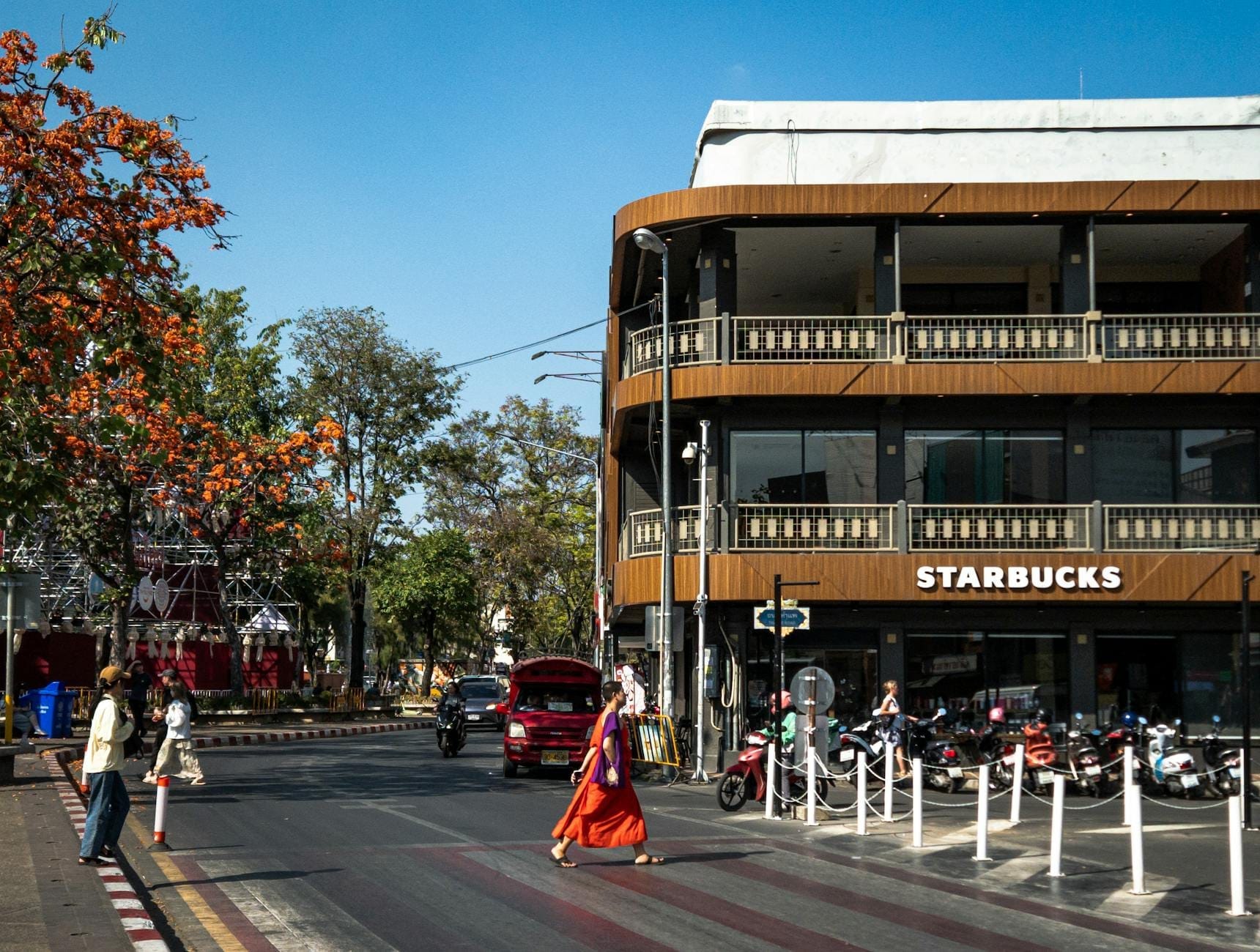
A few specific situations catch travelers off guard. First: the 'temple' scam near Tha Phae Gate, where a friendly local tells you a famous temple is closed and offers to take you elsewhere. It's not about money directly, but ends with a high-pressure shopping stop. Stay oriented and check temple hours independently.
Second: tuk-tuk drivers offering unrealistically cheap city tours (20–30 THB) that are designed to take you to gem or tailor shops where drivers earn commission. These tours cost you time and sometimes money. For legitimate transport advice, the guide to getting around Chiang Mai explains fair prices and reliable options.
Third: keep a small amount of cash separated from your main wallet, around 500–1,000 THB, for emergencies. ATM outages, power cuts during heavy rain, and card connection errors do happen. Chiang Mai's rainy season runs roughly June through October — check the Chiang Mai weather guide if your trip falls in this window, as heavy afternoon storms can occasionally limit your movement and access to services.
ℹ️ Good to know
If you're staying in Chiang Mai for a longer period as a digital nomad or remote worker, opening a Thai bank account (Bangkok Bank and KBank are the most foreigner-friendly) is worth considering. It eliminates ATM fees entirely and enables QR code payments and local transfers. You'll usually need valid long-stay documentation such as a non-immigrant visa or other accepted proof of residence to open an account.
FAQ
How much cash should I bring or withdraw for a week in Chiang Mai?
For a week of mid-range travel including day trips, meals, and some shopping, budget around 10,000–15,000 THB (roughly $280–420 USD). Withdraw in one or two large transactions to minimize the 220 THB ATM fee each time. Add more if you plan to book elephant sanctuaries, cooking classes, or trekking tours, which typically run 800–2,500 THB each.
Is it better to exchange money before traveling to Chiang Mai or on arrival?
Exchange a small amount before departure for immediate transport costs, but do the bulk of your exchange at dedicated booths in the city. Rates at licensed exchange counters near Tha Phae Gate and the Night Bazaar area are consistently better than what you'll find at home, at the airport, or at hotel desks.
Do ATMs in Chiang Mai accept all international debit and credit cards?
All major Thai ATMs accept Visa and Mastercard debit and credit cards. Cirrus and Maestro network cards generally work too. American Express cards work at ATMs branded with the Amex logo but coverage is limited. Always notify your bank of travel plans before arriving to prevent your card being blocked for overseas transactions.
Can I use US dollars or euros to pay directly in Chiang Mai?
No. Thai vendors only accept Thai baht. Some hotels quote prices in USD for online bookings but will convert on arrival. Always exchange foreign currency to baht before shopping, eating, or paying for transport.
Are there 24-hour ATMs in Chiang Mai?
Yes. ATMs inside 7-Eleven stores, which are open 24 hours throughout the city, are the most reliably accessible around the clock. Bank branch ATM lobbies are also frequently accessible 24 hours even when the branch itself is closed. Machines in the Old City, Nimman Road, and Night Bazaar areas are the most concentrated.
Tickets & tours
Live prices and dates from our booking partner. If you book, we may earn a commission at no extra cost to you.
Planning a trip? Discover personalized activities with the Nomado app.