Northern Thailand Travel Guide: Beyond Chiang Mai
Chiang Mai is the gateway, but northern Thailand's real depth lies beyond its city limits. This guide covers the essential destinations, practical logistics, and honest advice for exploring the mountains, hill tribes, temples, and towns that make this region one of Southeast Asia's most rewarding corners.
Tickets & tours
Live prices and dates from our booking partner. If you book, we may earn a commission at no extra cost to you.
TL;DR
- Northern Thailand extends far beyond Chiang Mai, with Chiang Rai, Pai, Chiang Dao, and Mae Hong Son all reachable as day trips or multi-day extensions.
- The best time to visit is November through February for cool, clear weather — avoid March to May due to heavy smoke from agricultural burning. See the burning season guide before planning your dates.
- Most destinations are best explored by renting a motorbike or joining a small-group tour — public transport is limited outside of major routes.
- Budget travelers can cover the north comfortably on 800–1,200 THB per day outside Chiang Mai. Check the budget travel guide for accommodation and transport cost breakdowns.
- Altitude matters: hill towns like Doi Ang Khang and Mon Cham drop to 10–15°C at night in winter, so pack a layer regardless of season.
Why Go Beyond Chiang Mai?
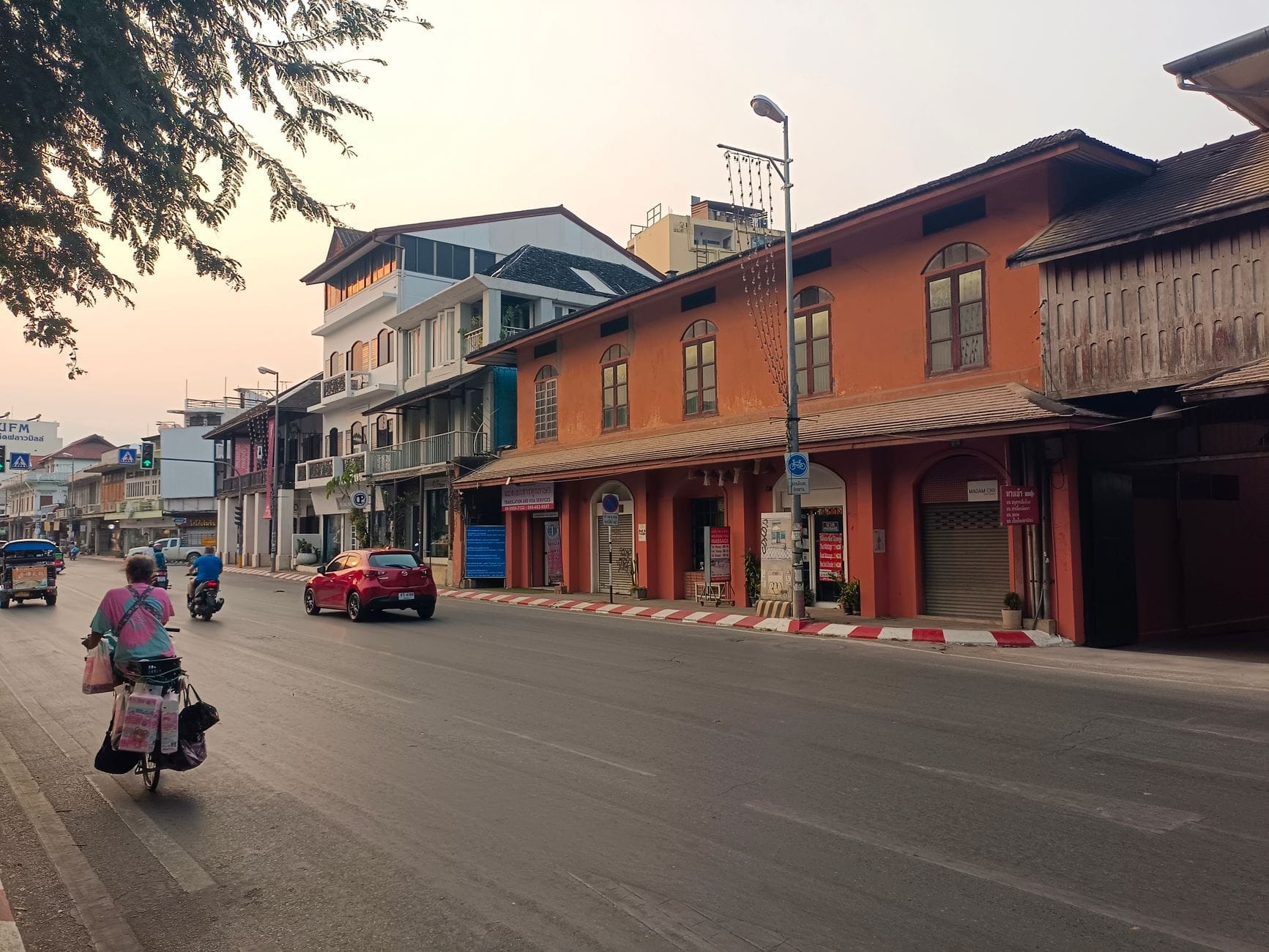
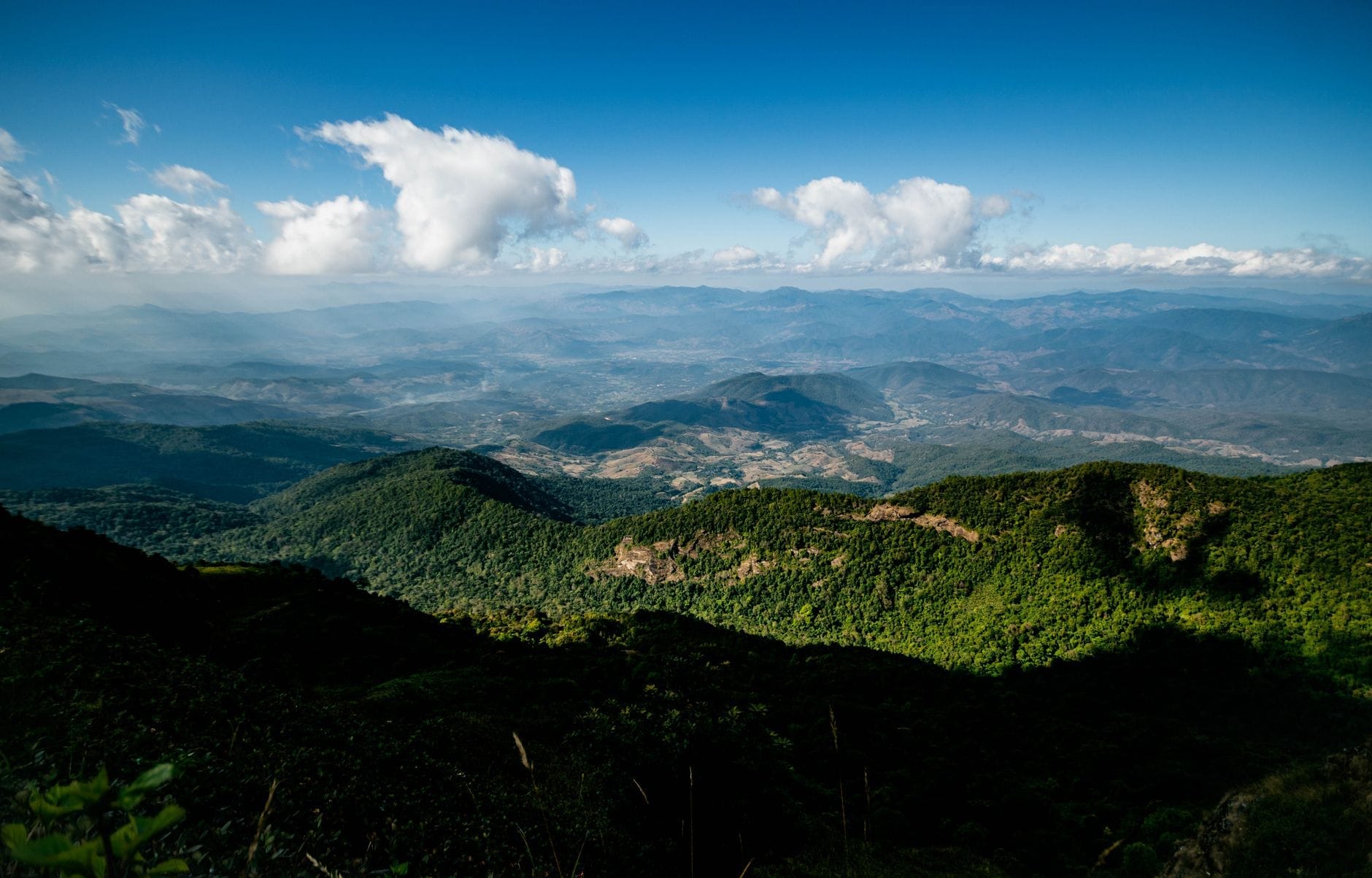
Chiang Mai earns its reputation as northern Thailand's anchor city, with excellent food, temples, and infrastructure. But the city itself sits at around 300 meters elevation in a wide valley — to experience the mountains, minority hill tribe villages, and the quieter rhythms of northern Thai life, you need to venture out. The region covers roughly 170,000 square kilometers, contains Thailand's highest peak at Doi Inthanon (2,565 meters), and borders Myanmar and Laos. The cultural and geographic range within a few hours' drive is genuinely striking.
The Lanna Kingdom, which dominated this region from the 13th to 18th centuries, left behind a distinct cultural identity that differs noticeably from central Thailand. The dialect, cuisine, temple architecture, and festivals all carry this heritage. Villages like Chiang Dao, Mae Kampong, and towns along the Myanmar border still feel worlds apart from Bangkok — and even from Chiang Mai city center.
ℹ️ Good to know
Northern Thailand's 'cool season' (November to February) is when mountain destinations are most photogenic and comfortable. Temperatures in high-altitude areas like Doi Ang Khang can fall below 5°C at night in December and January — pack accordingly even if Chiang Mai feels warm.
Key Destinations and What to Expect
Chiang Rai is the obvious first extension from Chiang Mai, sitting about 200km north via Highway 118 (roughly 3–4 hours by bus or car). The White Temple (Wat Rong Khun) alone draws over a million visitors annually, but the city also offers the Blue Temple (Wat Rong Suea Ten), the Black House museum, and access to the Golden Triangle — where Thailand, Laos, and Myanmar meet at the Mekong. It is a logical overnight stop rather than a day trip, giving you time to explore at a reasonable pace. Combine it with a visit to Doi Ang Khang for one of the north's most scenic mountain loops.
Pai sits 135km northwest of Chiang Mai via a famously winding road with 762 curves. The bus or minivan takes about 3 hours. Pai earned cult status among backpackers in the 2000s and has never quite shed the bohemian infrastructure that came with it. The town itself is small, walkable, and oriented around cafes, live music, and riverside guesthouses. The surrounding area offers hot springs, waterfalls, canyon viewpoints, and hill tribe villages worth more than a single day. For full route planning, the Chiang Mai to Pai guide covers transport, accommodation, and what to skip.
Chiang Dao, roughly 70km north of Chiang Mai, is the closest of the major mountain escapes and often overlooked in favor of more famous destinations. The town sits below a dramatic limestone massif at around 500 meters, and the area includes Chiang Dao Cave — a partially illuminated cavern system that stretches over 10km into the mountain. The surrounding valleys are excellent for bird-watching (this is one of Southeast Asia's better spots), cycling, and genuinely quiet countryside. As a two-day trip from Chiang Mai, it is consistently underrated.
- Chiang Rai 200km north, best as a 2-night trip. Iconic temples, Golden Triangle access, strong cafe scene. Manageable by bus, better by private car.
- Pai 135km northwest, 3-hour drive with 762 mountain curves. Bohemian town with hot springs, waterfalls, and canyon views. Best explored over 2-3 nights.
- Chiang Dao 70km north, doable as an easy day trip or comfortable overnight. Limestone caves, bird-watching, and uncrowded countryside.
- Mae Hong Son 270km west via a spectacular mountain route, or reachable by a 35-minute flight from Chiang Mai. Remote border province with Shan and Karen cultural influence. Requires minimum 3 nights.
- Doi Inthanon National Park 85km southwest of Chiang Mai. Thailand's highest peak, twin royal pagodas, and highland trails. Ideal as a long day trip or one overnight.
Getting Around Northern Thailand
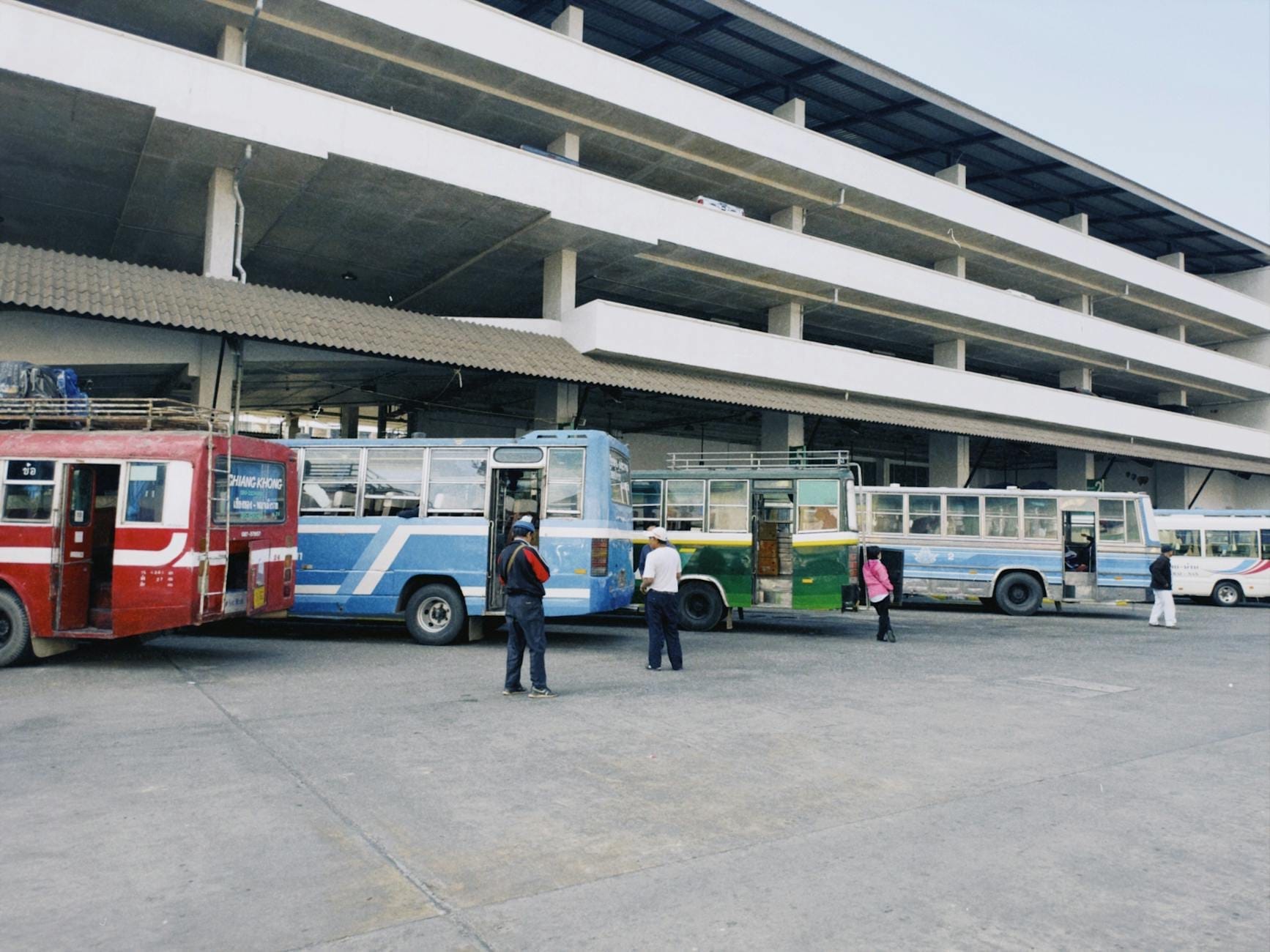
Public transport covers the main corridors reasonably well. Green buses from Chiang Mai Arcade Bus Terminal (also called Chiang Mai Bus Terminal 2, east of the Old City) run to Chiang Rai, Pai, Chiang Dao, and Mae Hong Son on regular schedules. Fares range from about 50 THB for Chiang Dao to around 250 THB for Chiang Rai. Journey times are predictable on flat highway routes but add 30–60 minutes to any estimate involving mountain roads.
For flexible itineraries, renting a motorbike (200–350 THB per day in Chiang Mai) or a car (from 1,000–1,500 THB per day) transforms your options. The mountain roads north and west of Chiang Mai are in good condition and well-marked. The route from Chiang Mai to Pai via Highway 1095 is technically straightforward but demands concentration; the getting around Chiang Mai guide covers rental logistics and what to check before signing anything.
⚠️ What to skip
If you plan to drive a motorbike or car in northern Thailand, ensure your travel insurance explicitly covers motorized vehicle use. Standard backpacker policies frequently exclude this. An international driving permit is technically required for car rental, though enforcement varies. Being caught without one after an accident creates serious complications.
Songthaew (covered pickup trucks) serve as local buses within towns and between nearby villages. Flagging one down is straightforward in any town of size; negotiate the fare before boarding. For the most remote villages, especially those above 1,000 meters in Mae Hong Son Province, a local guide or tour operator is worth considering, both for access and for cultural context.
Hill Tribe Villages and Cultural Sensitivity
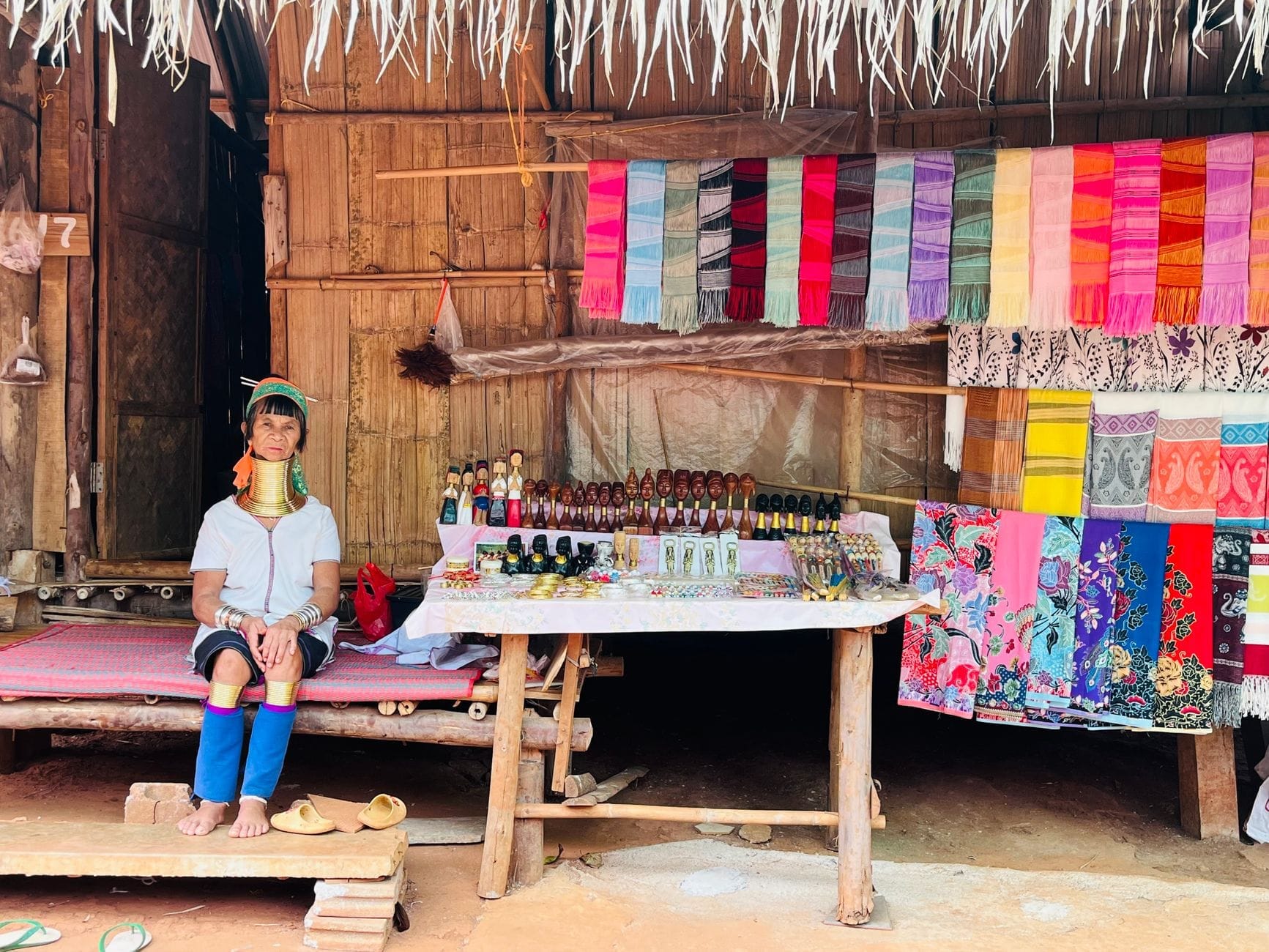
Northern Thailand is home to over a dozen distinct hill tribe groups, including the Karen, Akha, Hmong, Lahu, Lisu, and Mien. Many villages are accessible to visitors, and tourism has become an important income source. The ethical dimension of this tourism is complicated and worth thinking through before you show up with a camera.
The most responsible approach is visiting villages as part of a community-based tourism initiative, where income flows directly to residents, or joining a trekking guide from an organization with transparent practices. The trekking guide covers reputable operators in detail. Avoid 'showcase villages' near tourist hotspots where residents are effectively on display with little agency. These tend to cluster near Chiang Rai and the Golden Triangle area.
- Ask your guesthouse or guide which villages have active community-based programs before committing to a tour.
- Dress conservatively in villages: covered shoulders and knees are appropriate and appreciated.
- Ask before photographing people, especially elders and children. A flat 'no photography' policy is the safest default if you cannot ask.
- Buying crafts directly from village producers is one of the most useful forms of economic participation.
- Learn a few words of Thai or use your guide as an interpreter — the effort is noticed.
Natural Highlights Worth Planning Around
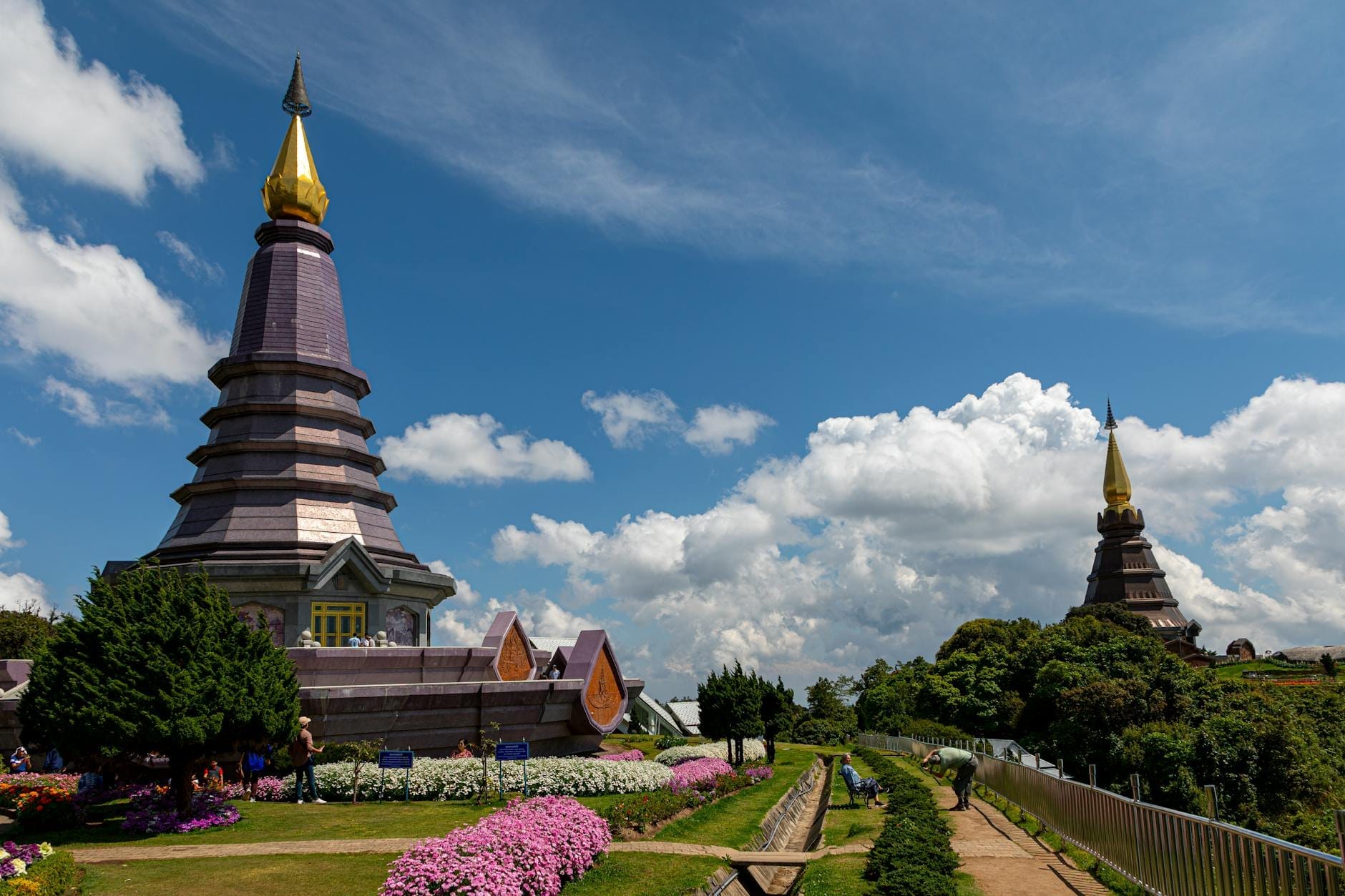
Doi Inthanon National Park is the region's premier natural attraction, and it rewards an early start. The summit is often cloud-covered by mid-morning. The Kew Mae Pan Nature Trail (open November to May only, requires a guide) offers the best ridge-line views and highland flora in the park. Admission is 300 THB for foreigners, plus 30 THB for a vehicle if driving. The Royal Twin Pagodas at 2,200 meters are architecturally impressive and photographically striking in morning mist.
For a less-visited mountain experience close to Chiang Mai, Mon Cham offers highland vegetable terraces and viewpoints at around 1,300 meters, just 40km from the city. It pairs naturally with a stop at Mae Sa Waterfall on the return. The whole loop can be done by motorbike in a day with time to spare.
The Chiang Dao area also includes some of northern Thailand's best undeveloped trekking terrain. The route to the summit of Doi Chiang Dao (2,195 meters) requires a guide and a permit arranged in advance — the mountain is a wildlife sanctuary with significant bird diversity. This is specialist territory that rewards preparation. For those spending serious time in the north, the day trips from Chiang Mai guide organizes these options with distances and time requirements.
✨ Pro tip
If your northern Thailand itinerary includes Doi Inthanon and Chiang Rai, consider doing them in sequence rather than as separate return trips from Chiang Mai. A clockwise loop — Chiang Mai south to Doi Inthanon, west to Mae Sariang, north to Mae Hong Son, then east to Pai and back to Chiang Mai — covers some of the most dramatic scenery in Thailand on a single continuous route over 5-7 days.
Practical Planning: When to Go and What to Budget
The cool season from November through February is peak travel time and genuinely the best period for mountain destinations. Roads are clear, air quality is good, and the highland landscapes are green from the preceding rains. Book accommodation in Pai and Chiang Rai further in advance during this window, especially around New Year. For a detailed seasonal breakdown, the best time to visit guide is worth reading before you lock in flights.
The rainy season (June to October) is genuinely underrated for the north. Waterfalls are at full power, rice fields are luminously green, and visitor numbers drop significantly. Mountain roads become slower and occasionally impassable after heavy rain, so build flexibility into any wet-season itinerary. The March to May burning season is the one period to approach cautiously: air quality in the valleys can drop to genuinely unhealthy levels, and mountain views disappear in haze.
Budget expectations outside Chiang Mai city: guesthouses in Pai and Chiang Dao run 300–700 THB per night for a basic private room with fan; Chiang Rai has more variety from 400 THB to 2,500 THB. Meals at local restaurants average 60–120 THB. A realistic daily budget covering transport, food, accommodation, and activities is around 900–1,400 THB for budget travelers. Joining organized tours for remote areas adds 400–1,200 THB per day but saves logistics headaches and provides valuable local context.
FAQ
How many days do I need to explore northern Thailand beyond Chiang Mai?
A minimum of 7-10 days allows you to cover two or three key destinations properly — for example, Chiang Rai (2 nights), Pai (2-3 nights), and Chiang Dao (1-2 nights). Rushing this region is easy to do and leads to spending too much time on buses. Two full weeks opens up Mae Hong Son Province and more remote trekking territory.
Is a motorbike or car better for exploring the north?
A motorbike offers maximum flexibility on mountain roads and costs less to rent, but demands genuine riding experience — mountain curves, loose gravel, and unpredictable weather make this no place for first-time riders. A car is safer, especially for groups, and lets you carry more gear. For the Pai road specifically, the 762 curves are manageable but need respect. Check insurance coverage before committing to either option.
Can I visit hill tribe villages independently or do I need a guide?
Some villages near main roads can be visited independently, but the experience is often awkward and unproductive without language skills or context. A knowledgeable guide dramatically improves the quality of the visit for both you and the community. Look for guides affiliated with responsible tourism organizations, particularly those listed through the Thailand Community Based Tourism Institute (CBT-I) or similar bodies.
What is the best base for exploring northern Thailand?
Chiang Mai is the obvious logistical base, with the best transport connections, accommodation range, and services. For those spending a week or more in the north, consider basing in Chiang Rai for the northeastern circuit (Golden Triangle, Chiang Rai temples, Doi Ang Khang) to cut down on repeated long drives back to Chiang Mai.
Is northern Thailand safe for solo travelers?
Northern Thailand has a strong track record for solo travel safety. Standard precautions apply: secure your valuables, be cautious on mountain roads, and let someone know your itinerary if heading into remote areas. Solo female travelers report generally positive experiences, particularly in the well-trodden Chiang Rai and Pai circuits. The main risks are road accidents (motorbike safety is the biggest statistical concern) and occasional petty theft in tourist areas.
Tickets & tours
Live prices and dates from our booking partner. If you book, we may earn a commission at no extra cost to you.
Planning a trip? Discover personalized activities with the Nomado app.