Chiang Mai Travel Guide: Everything You Need to Know
Chiang Mai is northern Thailand's cultural capital, a city where ancient temples sit beside specialty coffee roasters and jungle trekking routes begin just minutes from the city center. This guide covers everything: neighborhoods, food, temples, day trips, costs, and when to visit.
Tickets & tours
Live prices and dates from our booking partner. If you book, we may earn a commission at no extra cost to you.
TL;DR
- Chiang Mai is a genuinely walkable, affordable city with a strong cultural identity — it rewards slow travel far more than a rushed two-day visit.
- The cool, dry season from November to February is the best time to visit — read the full breakdown in our best time to visit Chiang Mai guide.
- Budget travelers can live well on 800–1,200 THB/day (~$23–35 USD); mid-range comfort runs 2,000–4,000 THB/day.
- Ethical elephant sanctuaries, Doi Inthanon National Park, and the Old City temples are the non-negotiable highlights — see our full things to do in Chiang Mai rundown.
- Avoid the March–April burning season if air quality is a concern for you — haze can be severe and health-impacting.
Why Chiang Mai Stands Apart from the Rest of Thailand
Most first-time visitors to Thailand head straight to Bangkok or the southern islands. Those who make it north to Chiang Mai often say the same thing: they wish they had allocated more time here. The city operates at a noticeably different pace. Founded in 1296 as the capital of the Lanna Kingdom, Chiang Mai has its own distinct cultural DNA — separate from Bangkok's central Thai identity — expressed in its food, architecture, temples, dialects, and festivals.
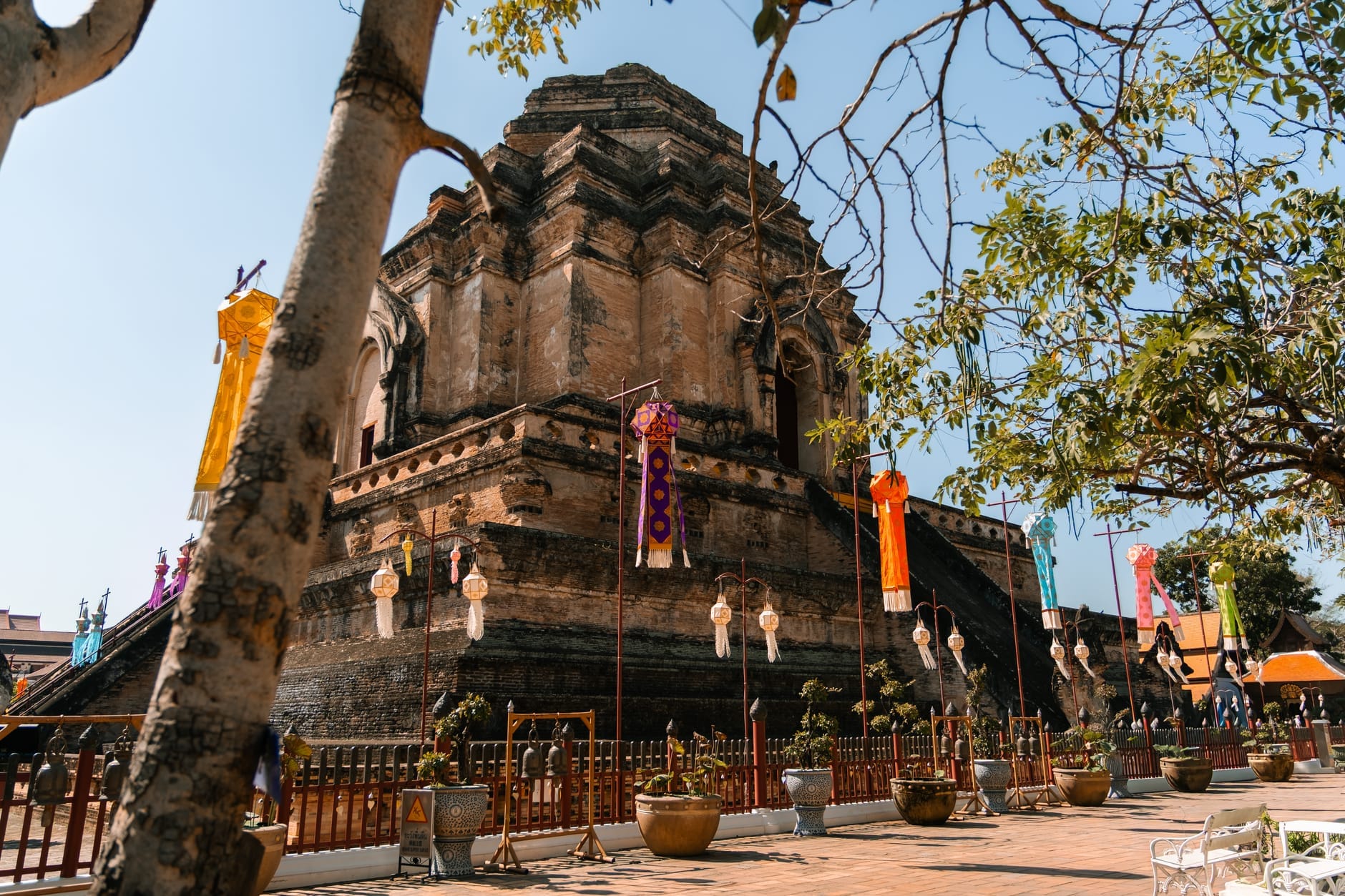
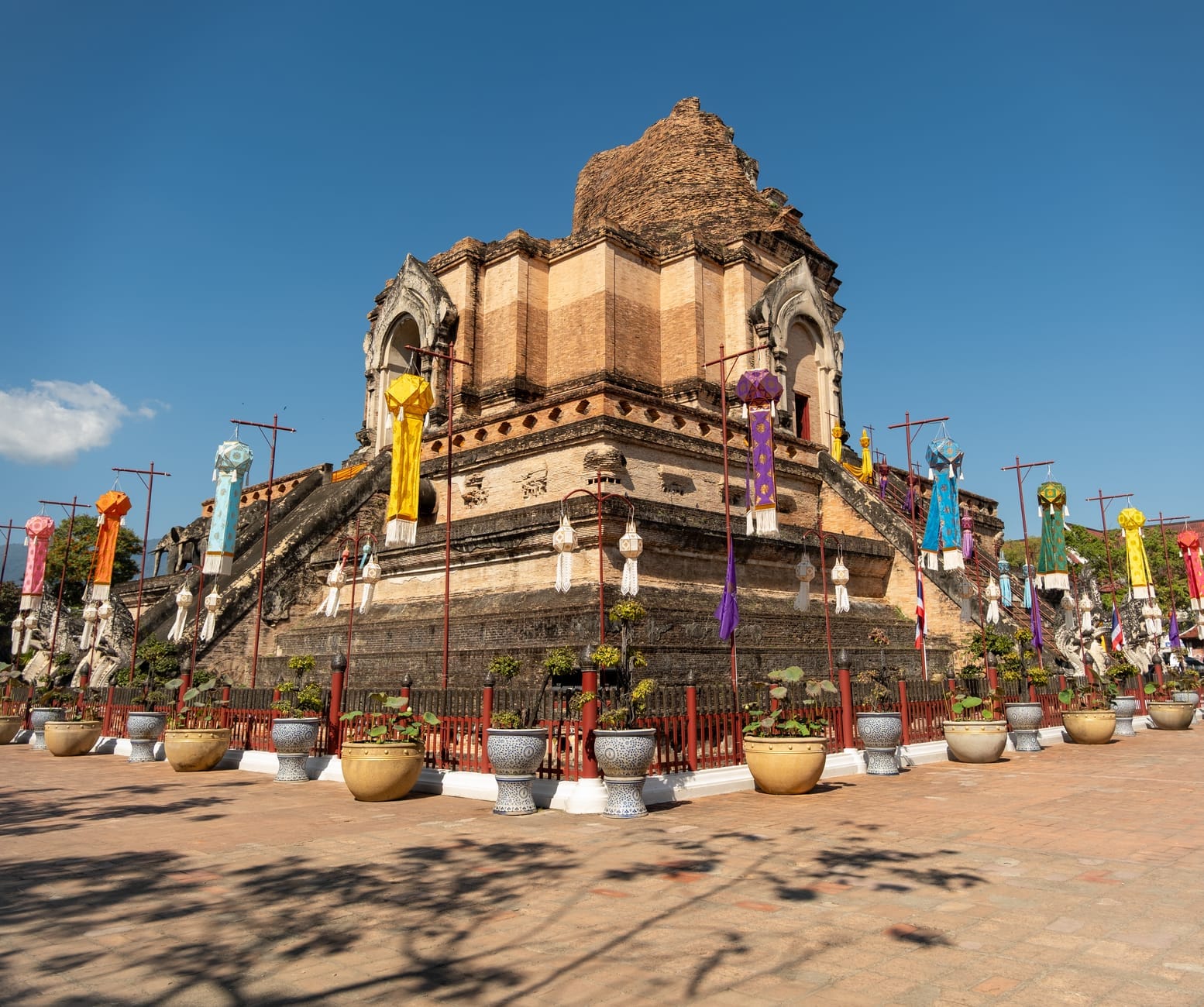
The Old City, enclosed by a square moat and partially surviving walls, contains over 30 temples within a roughly 1 km² area. The Wat Phra Singh and Wat Chedi Luang are the most architecturally significant — both are free to enter, though a modest dress code (covered shoulders and knees) is enforced. Beyond the moat, the city fans out into distinct neighborhoods, forested hillsides, and rural valleys that feel worlds away from tourist infrastructure.
ℹ️ Good to know
Chiang Mai sits at approximately 300 meters elevation in a valley surrounded by mountains reaching up to about 2,565 meters. This geography gives it cooler temperatures than Bangkok year-round, and makes it the gateway to some of Thailand's best trekking and nature experiences.
Neighborhoods: Where to Base Yourself
Getting your neighborhood choice right shapes everything else about your trip. The Old City is the obvious choice for first-timers: central, walkable, and temple-dense. Guesthouses here range from 300 THB dormitories to 2,500 THB boutique rooms. The trade-off is noise on Sunday evenings when the Walking Street on Ratchadamnoen Road fills with stalls and crowds.
The Nimman area (short for Nimmanhaemin Road) is where Chiang Mai's design scene, specialty coffee culture, and co-working spaces concentrate. It skews younger and more international, with hotel options across all budgets. If you're a digital nomad or prioritize cafe-working and modern amenities over temple proximity, Nimman makes more sense than the Old City.
- Old City Best for: first-timers, temple-focused itineraries, budget guesthouses, walking access to Tha Phae Gate and night markets.
- Nimman Best for: digital nomads, specialty coffee, design boutiques, co-working cafes, and the One Nimman mall complex.
- Riverside / Ping River Best for: atmospheric boutique hotels, upscale dining, quieter evenings, and proximity to Warorot Market.
- Santitham Best for: long-stay travelers who want a local neighborhood feel with fewer tourists, lower rents, and authentic food stalls.
Temples, Culture, and What to Actually Prioritize
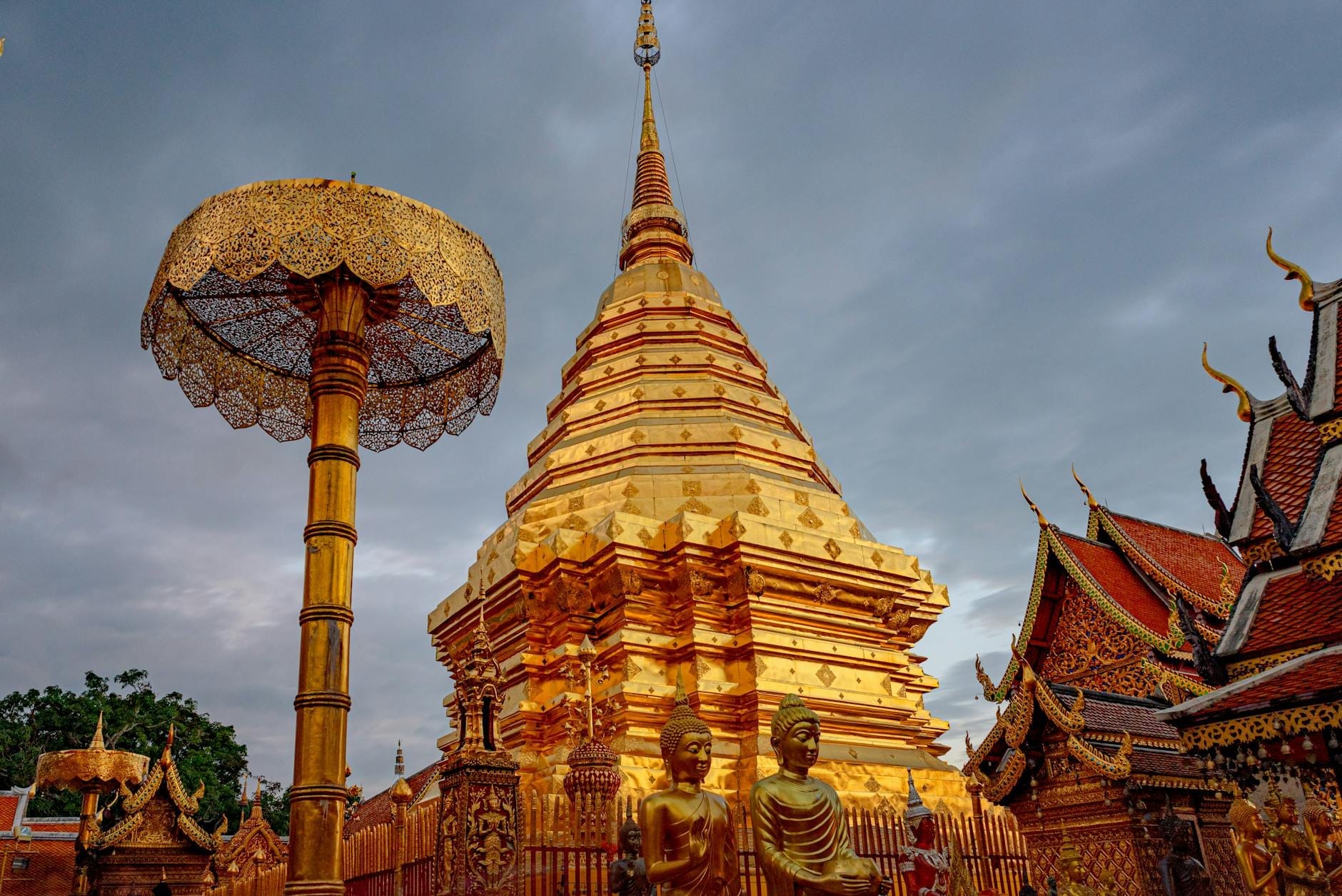
Chiang Mai has over 300 temples, and temple fatigue is real. The solution is to be selective. For first-time visitors, the best approach is to focus on three to five temples with distinct characters rather than trying to check off a list. Wat Phra That Doi Suthep, perched on a forested hillside 15 km from the city, is the one most worth the effort — arrive before 8am to beat tour groups and catch the mountain views clearly.
For a quieter, less-visited experience, Wat Umong offers forest walking paths and ancient tunnel passages just 3 km southwest of the Old City. Wat Pha Lat sits halfway up the Doi Suthep road and can be reached via a jungle walking trail — few tourists find it, which makes the experience genuinely atmospheric. Our detailed Chiang Mai temples guide covers the full shortlist with opening hours and logistics.
⚠️ What to skip
Dress code enforcement is stricter at some temples than others, but as a general rule: shoulders and knees must be covered for both men and women. Many temples lend sarongs for free at the entrance. Sleeveless shirts are not acceptable, regardless of the heat.
Food: What and Where to Eat in Chiang Mai
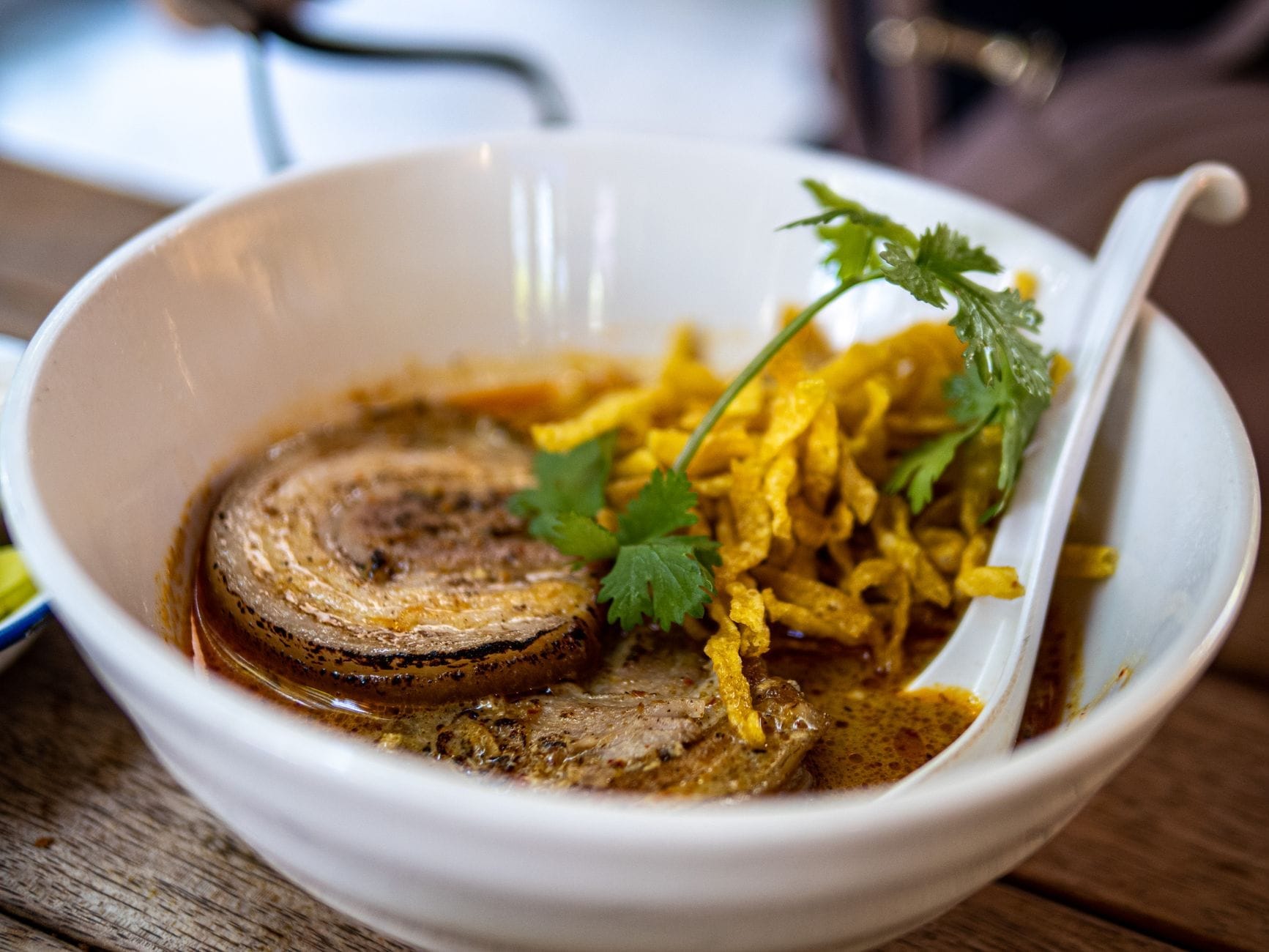
Northern Thai cuisine is genuinely distinct from the pad thai and green curry most visitors associate with Thailand. Khao Soi is the flagship dish: a coconut curry broth with egg noodles, crispy noodles on top, and your choice of protein. The broth varies significantly between restaurants, with some leaning richer and sweeter, others more savory and herb-forward. Most bowls cost 50–80 THB at local spots, 100–150 THB at restaurants catering to tourists.
- Khao Soi: The essential northern Thai noodle soup. Try it at local spots near Nimman or the Faham area.
- Sai Oua: Northern Thai herbed sausage, grilled and sold at fresh markets like Warorot and the Saturday Walking Street.
- Nam Prik Noom: Roasted green chili dip served with vegetables and sticky rice — intensely flavored.
- Kanom Jeen Nam Ngiao: Fermented rice noodles in a tomato-based pork broth unique to the north.
- Mango Sticky Rice: Available year-round in Chiang Mai, best from April to June when Thai mangoes peak.
The night markets are a good starting point for food exploration but not the most economical or the most authentic. The Warorot Market near the river serves breakfast and lunch to locals at very low prices and gives a realistic picture of what Chiang Mai residents actually eat. For a comprehensive overview of where to spend your food budget, our where to eat in Chiang Mai guide breaks it down by neighborhood and price range.
Day Trips, Trekking, and Getting Out of the City
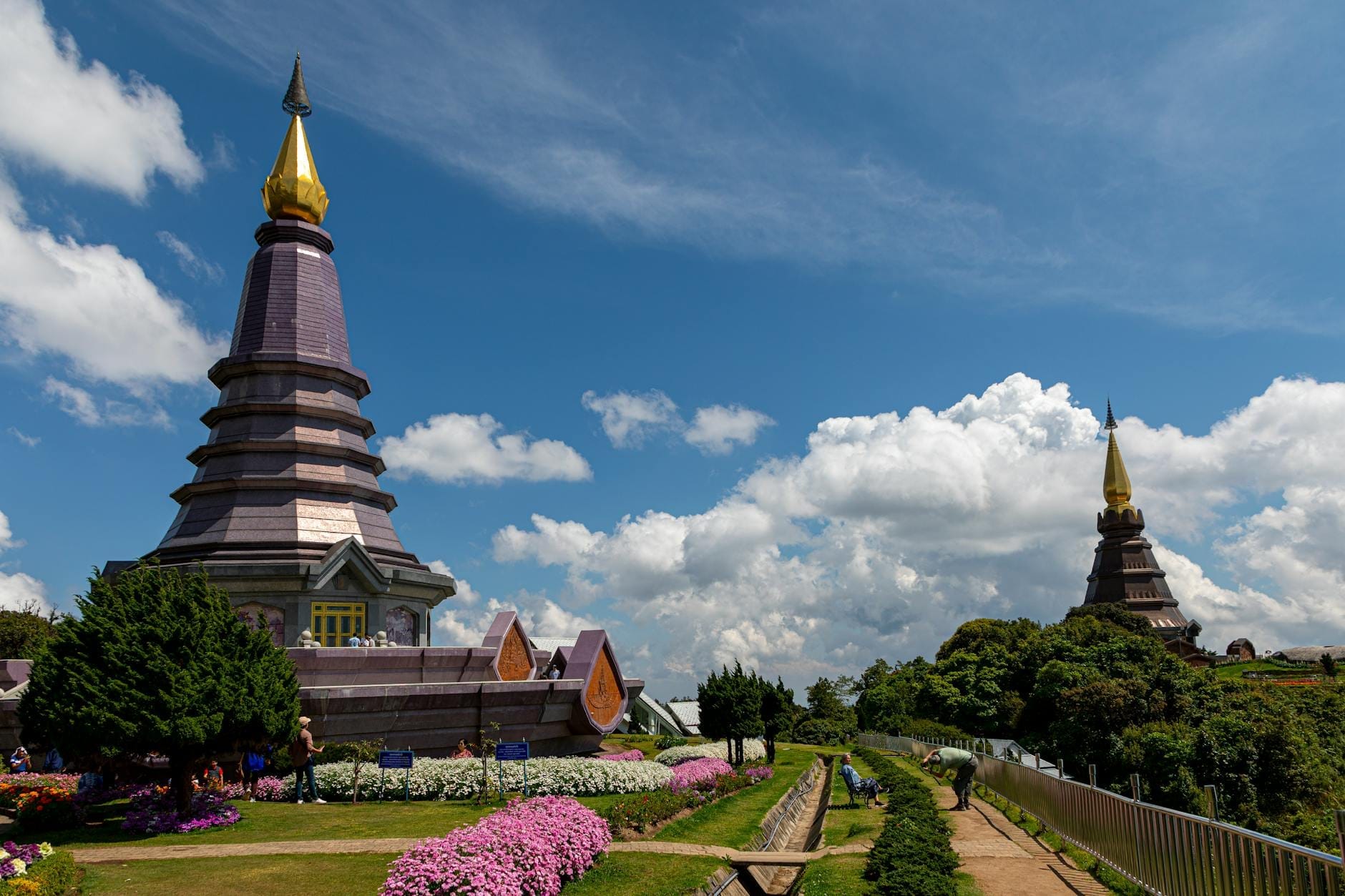
Chiang Mai's position in a mountain valley makes it one of Southeast Asia's best bases for day trips and multi-day excursions. Doi Inthanon National Park is Thailand's highest mountain (2,565 m) and sits about 70 km southwest of the city. A full-day trip covers the summit, twin pagodas, waterfalls like Wachirathan, and highland bird-watching — entry fee is 300 THB for foreign visitors to the national park, with additional fees for certain attractions inside.
Ethical elephant experiences are one of the main reasons people travel to Chiang Mai. The standards across sanctuaries vary enormously. The Elephant Nature Park in Mae Taeng valley, around 65–70 km north, is the most internationally recognized rescue and rehabilitation center in the region. Full-day visits run around 2,500–3,500 THB and book out weeks in advance during peak season. Our guide to elephant sanctuaries near Chiang Mai explains how to tell ethical operators from exploitative ones.
✨ Pro tip
For trekking into the mountains, hire a guide through a licensed operator rather than booking through your hotel front desk. Quality and safety vary widely. Reputable operators provide maps, emergency contacts, and guides with first-aid training. A 2-day 1-night trek with a small group typically costs 1,800–2,800 THB including food and accommodation.
Practical Logistics: Costs, Transport, and Timing
Getting around Chiang Mai is easiest by rented scooter (150–250 THB/day), songthaew (red truck taxis, around 40–60 THB per shared ride), or Grab (Thailand's Uber equivalent). The Old City is walkable, but reaching destinations like Doi Suthep or Mae Rim requires your own transport or a booked tour. Full transport breakdown in our getting around Chiang Mai guide.
Chiang Mai International Airport (CNX) is about 4–5 km from the Old City and handles direct flights from Bangkok (1 hour), Singapore, Kuala Lumpur, and several Chinese cities. A taxi to the Old City costs around 150–180 THB fixed rate; Grab typically runs 80–120 THB for the same route. The airport is small and easy to navigate, but can get chaotic during festival periods like Yi Peng in November.
On costs: budget accommodation starts at 250–400 THB for a dorm bed and 500–900 THB for a private room in a guesthouse. Street food meals run 50–80 THB. A day covering one temple, a market lunch, and a dinner at a mid-range restaurant rarely exceeds 800 THB without alcohol. For travelers staying a month or longer, monthly rentals in Santitham or near Nimman start around 6,000–9,000 THB for a furnished studio, which is why the city remains a top destination for long-stay digital nomads.
⚠️ What to skip
March and April bring the 'burning season' — agricultural burning across northern Thailand creates heavy air pollution (AQI often above 150, sometimes above 300). If you have respiratory issues, asthma, or are traveling with young children, avoid this window. Check IQAir or AirVisual before booking travel during this period.
- November to February (Peak Season) Cool and dry, temperatures 15–28°C. Yi Peng and Loi Krathong festivals in November. High accommodation prices, book ahead.
- March to April (Avoid if Possible) Burning season and Songkran water festival in April. Air quality can be very poor March–early April; Songkran itself is chaotic and fun but not suited to temple visits.
- May to October (Rainy Season) Affordable prices, fewer crowds, green landscapes. Rain comes in afternoon bursts, not all-day downpours. Good for trekking if you don't mind mud.
FAQ
How many days do you need in Chiang Mai?
Three days is the minimum to cover the Old City temples, one or two day trips, and get a feel for the food scene. Five to seven days lets you add trekking, an elephant sanctuary, cooking classes, and time to slow down. Many travelers end up extending their stay — the city has a way of expanding to fill whatever time you give it.
Is Chiang Mai safe for solo travelers?
Yes, Chiang Mai is considered one of the safer cities in Southeast Asia for solo travel, including for solo women. Standard urban precautions apply: use Grab rather than unmarked taxis late at night, keep valuables in your accommodation safe, and be alert around the Night Bazaar area. The city has a large, established expat and tourist infrastructure that makes navigation straightforward.
What is the best way to get from Bangkok to Chiang Mai?
Flying is fastest (1 hour, from around 700–1,500 THB on budget carriers like AirAsia or Nok Air). The overnight sleeper train is the most atmospheric option and costs 700–1,200 THB for a second-class sleeper berth — it departs Krung Thep Aphiwat (Bang Sue) station around early evening and arrives in Chiang Mai the following morning. Overnight buses are cheapest but least comfortable for the 10–11 hour journey.
Do you need to speak Thai to get around Chiang Mai?
No. English is widely spoken in tourist areas, markets, hotels, and tour operators. Outside the tourist zones — in local markets, small food stalls, or rural villages on day trips — basic Thai phrases (hello, thank you, how much?) go a long way and are well received. Google Translate with camera mode handles menus and signage effectively.
Is Chiang Mai worth visiting compared to Bangkok?
They serve different purposes. Bangkok is intense, urban, and world-class for food, nightlife, and modern infrastructure. Chiang Mai is calmer, greener, more affordable, and better for cultural immersion, outdoor activities, and longer stays. Most visitors to Thailand benefit from spending time in both — a common itinerary is 2–3 days in Bangkok, then fly to Chiang Mai for the remainder of the trip.
Tickets & tours
Live prices and dates from our booking partner. If you book, we may earn a commission at no extra cost to you.
Planning a trip? Discover personalized activities with the Nomado app.