Chiang Mai for Digital Nomads: The Complete Guide
Chiang Mai has been a digital nomad hub for over a decade, and for good reason. This guide covers everything you need to know: where to work, where to live, what it costs, how to handle visas, and what the city gets right — and wrong — for remote workers.
Tickets & tours
Live prices and dates from our booking partner. If you book, we may earn a commission at no extra cost to you.
TL;DR
- Chiang Mai offers a low cost of living — a comfortable month can run 30,000–60,000 THB (roughly $850–$1,700 USD) including accommodation, food, and co-working.
- The Nimman and Old City neighborhoods are the two main nomad hubs, each with a distinct character.
- Visa options are limited for long stays — most nomads cycle through 30-day tourist entries or use education visas. Check the best time to visit Chiang Mai before planning your arrival.
- Burning season (February–April) is a genuine air quality issue — not something to dismiss if you have respiratory concerns.
- The nomad scene here is mature and social, but Chiang Mai rewards those who go beyond the co-working bubble. Explore the Old City and surrounding neighborhoods to get the most out of it.
Why Chiang Mai Became the World's Most Famous Nomad City
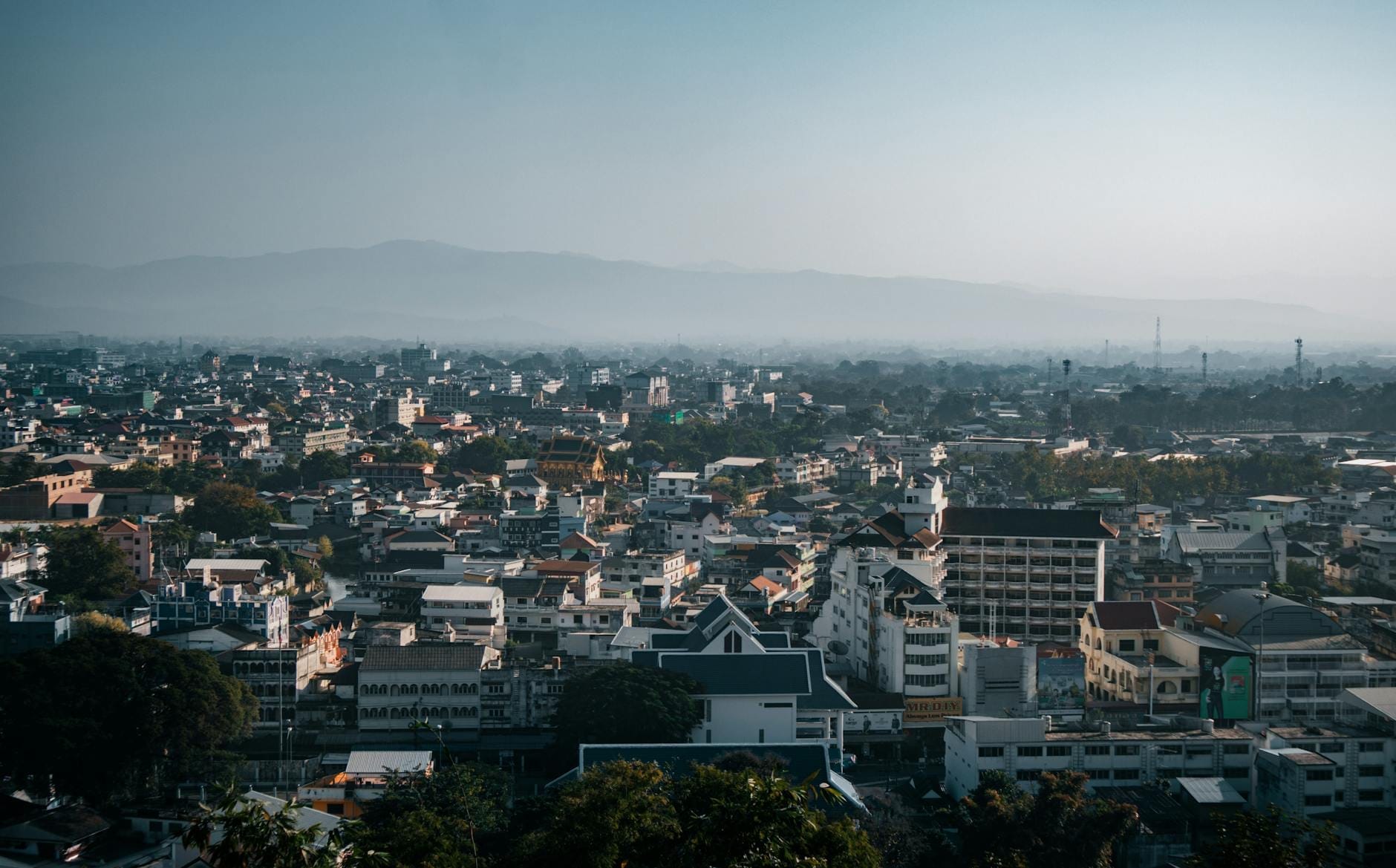
Chiang Mai's rise as a remote-work destination started around 2013–2015, when a combination of cheap fiber internet, affordable accommodation, and a walkable food scene made it an obvious alternative to Bangkok. Today the infrastructure is even better, but the city hasn't lost the qualities that made it appealing in the first place. Rents remain low by Southeast Asian standards, the food culture is genuinely excellent, and the surrounding mountains give daily life a texture that coworking hubs in Bali or Lisbon can't replicate.
That said, Chiang Mai is not a perfect nomad city. The visa situation is awkward for stays beyond 30–60 days. Burning season from late February through April can make the air genuinely unhealthy. And the city's reputation attracts a transient crowd, which means you'll meet a lot of people but form fewer deep connections than somewhere with a slower turnover. Understanding both sides of that equation helps you plan more realistically.
Best Neighborhoods for Remote Workers
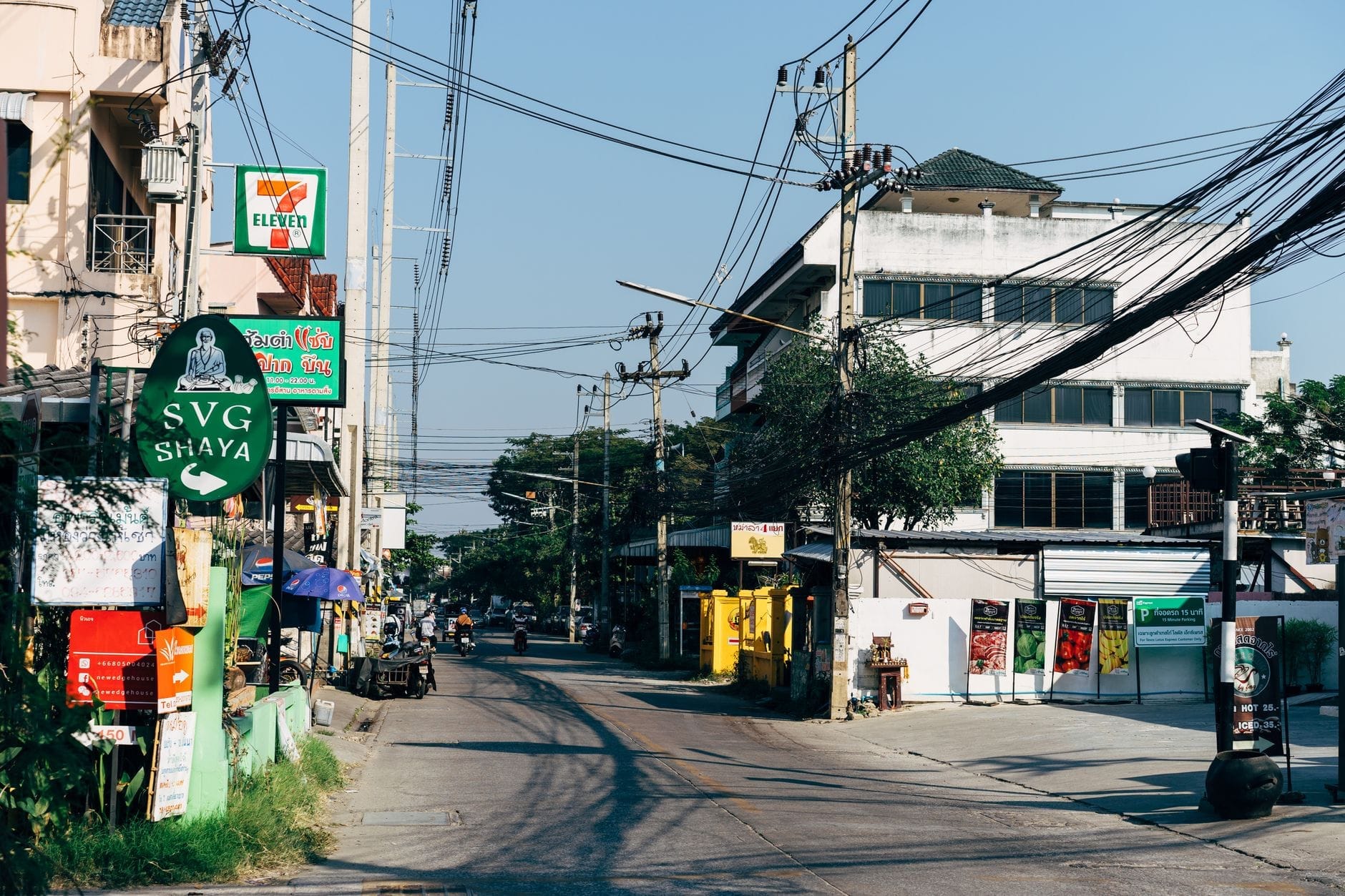
The two neighborhoods that matter most for nomads are Nimman (Nimmanhaemin) and the Old City. They sit about 2 km apart and attract different types of remote workers.
- Nimman The most obviously nomad-friendly area. Concentrated coffee shops with fast Wi-Fi, One Nimman mall, Maya Mall, and dozens of co-working options within walking distance. Accommodation runs slightly higher here: expect 8,000–18,000 THB/month for a furnished studio. Best for people who want maximum convenience and a social scene.
- Old City More atmospheric, cheaper, and surrounded by temples. Co-working options are fewer but growing. Monthly studio rentals can drop to 5,000–10,000 THB. Best for people who want cultural immersion alongside their work schedule and don't need to be five minutes from a specialty coffee roaster.
- Santitham A local residential neighborhood immediately north of the Old City. Lower rents, fewer tourists, excellent cheap food at the morning market. Growing slowly as an alternative nomad zone for people on longer stays who want to live more like locals.
- Riverside / Ping River area Quieter, better for couples or those who want space over social proximity. Co-working options are sparse, but accommodation value is good and the setting is calmer.
💡 Local tip
If you're arriving for the first time, book 1–2 weeks in a guesthouse before committing to a monthly rental. Neighborhoods feel very different on the ground than they look on a map, and the difference between a noisy main road and a quiet soi one block over can be 3,000 THB/month.
Co-Working Spaces and Cafes: Where to Actually Get Work Done
Chiang Mai has a spectrum of work environments, from dedicated co-working spaces with day passes and private offices, to cafes where nobody will ask you to leave after two hours. The distinction matters depending on your work style.
Dedicated co-working spaces in Nimman typically charge 150–350 THB for a day pass, or 2,500–5,000 THB for a monthly hot desk. CAMP (inside Maya Mall) remains one of the most reliably fast free-Wi-Fi cafes in the city, though it's loud during peak hours. For quiet focused work, spaces like Yellow and Mango are well-regarded in the community. The Chiang Mai coffee shop scene has exploded in recent years, and many specialty cafes now have strong enough internet for video calls.
- Always test the Wi-Fi speed before ordering — ask staff or use a speed test app. Aim for at least 20 Mbps for video calls.
- Many cafes have a minimum spend requirement (around 60–120 THB) rather than a time limit. Acceptable as long as you're aware of it.
- Afternoon hours (1–4 PM) are the most crowded at popular nomad cafes. Arrive before noon or after 4 PM for the best seats.
- During Songkran (mid-April) and Chinese New Year, some co-working spaces reduce hours or close. Plan around Thai public holidays.
- SIM cards from DTAC or AIS give you a solid 4G backup if cafe Wi-Fi is down. A 30-day unlimited data plan costs around 299–399 THB.
✨ Pro tip
For calls that require reliable upload speeds, avoid co-working spots inside malls during lunch hours (12–1:30 PM). The shared bandwidth drops noticeably. A dedicated co-working space with a private booth is worth the extra cost if you're on frequent client calls.
Cost of Living: What a Month in Chiang Mai Actually Costs
Chiang Mai is cheap by Western standards but no longer as cheap as it was in 2015. Expect to spend more if you want the lifestyle quality that makes long-term stays enjoyable, rather than just tolerable. Here's a realistic breakdown across three budget levels.
- Budget: 25,000–35,000 THB/month (~$700–$1,000) Basic furnished studio in Old City or Santitham, eating mostly at local markets and street food spots, shared co-working or cafe work setup, motorbike rental around 3,000–4,000 THB/month. Tight but doable if you're disciplined.
- Comfortable: 40,000–60,000 THB/month (~$1,150–$1,700) Modern studio or 1-bedroom in Nimman or near the Old City, mix of local food and Western restaurants, dedicated co-working membership, occasional day trips and wellness spending. This is the most common range for experienced nomads.
- Comfortable-plus: 70,000–100,000+ THB/month (~$2,000–$2,800+) Serviced apartment or larger condo, regular spa and massage, eating at mid-range restaurants most nights, private gym membership, travel on weekends. Entirely achievable and still cheap by European or North American standards.
Food costs are where Chiang Mai shines. A bowl of khao soi at a local shop costs 50–70 THB. A full meal at a mid-range restaurant with a drink runs 200–350 THB. Groceries from Rimping or Tops supermarket are moderately priced for imported goods. For a deeper look at where to eat well without overspending, the Chiang Mai restaurant guide covers everything from night market stalls to proper sit-down dining.
⚠️ What to skip
Don't budget based on 2019 prices you've read in old blog posts. Rents, restaurant meals, and co-working passes have all increased since the post-pandemic reopening. Always check current listings on Facebook groups or Airbnb before finalizing your budget.
Visas, Long Stays, and the Legal Reality
This is where Chiang Mai's nomad reputation runs into real-world limitations. Thailand now offers a dedicated Destination Thailand Visa (DTV) for digital nomads and long-stay visitors, alongside traditional options. The options available are: a visa-exempt entry (up to 60 days for many nationalities, typically extendable once for 30 more days at an immigration office), a 60‑day tourist visa obtained at a Thai consulate abroad (usually extendable by 30 days), an education visa through a language school or meditation center, the Destination Thailand Visa (DTV) for eligible long-stay visitors, or the Thailand Long-Term Resident (LTR) visa for those who qualify by income.
The most common approach for full-time nomads is a combination of tourist visa entries and periodic border runs. The border run to Mae Sai or the Burmese border crossing is still used, but immigration officers have become stricter about multiple back-to-back tourist entries. If you plan to stay more than 3–4 months per year, it's worth consulting a visa agent or immigration lawyer who specializes in Thai law. Facebook groups like 'Chiang Mai Digital Nomads' and 'Thailand Long Stay' have current, community-sourced information that's more up-to-date than any static guide.
The LTR visa (a 10‑year visa typically issued as two consecutive 5‑year periods) is genuinely excellent for those who meet its income and professional criteria, such as earning around $80,000+ USD annually in eligible categories with employer documentation or significant assets. It's not for everyone, but if you qualify, it eliminates the visa dance entirely. For shorter trips, consider timing your arrival around major festivals or events. The Songkran festival in April and the Yi Peng lantern festival in November are worth scheduling your stay around.
The Burning Season Problem: Plan Around It

This is the most important practical warning in this guide. From approximately late February through mid‑April, Chiang Mai experiences severe air pollution from agricultural burning in the surrounding hills and across the border in Myanmar. AQI readings regularly exceed 150 (Unhealthy) and can spike past 300 (Hazardous) for days at a time. The burning season guide goes into detail, but the short version is: if you have asthma, allergies, or any respiratory condition, avoid Chiang Mai from late February to mid-April. Even healthy people find it unpleasant.
Many experienced Chiang Mai nomads simply leave during this period, often heading to Pai, Chiang Rai, or moving base entirely to Bali or Vietnam for two months. Factor this into your calendar if you're planning a long stay. October through February is the sweet spot: cool season brings clear skies, lower humidity, and the city's most enjoyable street life.
Life Beyond the Laptop: Getting the Most Out of Chiang Mai
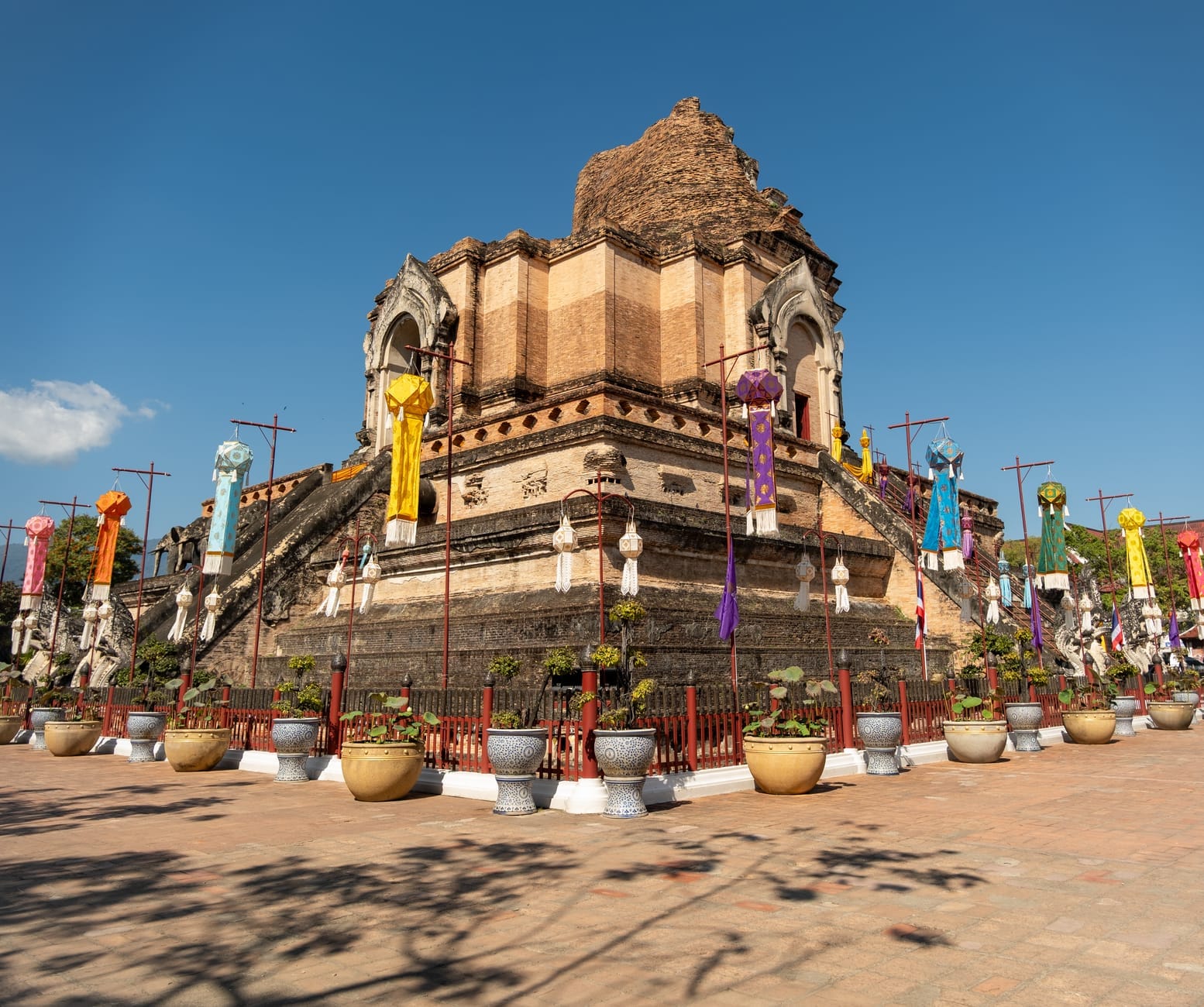
The nomads who get the most out of Chiang Mai are the ones who treat it as a city to explore, not just a backdrop for Instagram posts. The Old City alone contains dozens of temples worth serious time, from the towering ruins at Wat Chedi Luang to the silver craftsmanship of Wat Sri Suphan. The surrounding hills offer day trips that take you out of city mode entirely.
On weekends, the Saturday Walking Street on Wua Lai Road and the Sunday Walking Street on Ratchadamnoen Road are excellent for food, handicrafts, and people-watching without spending much. Day trips to Doi Inthanon, Thailand's highest peak, or the forested trails of Wat Pha Lat on the way up to Doi Suthep, give you the mental reset that makes long work stretches sustainable. The things to do in Chiang Mai guide covers the full range across interests and budgets.
For nomads staying more than a month, some form of physical routine makes a real difference. Chiang Mai has dozens of Muay Thai gyms offering training from beginner to serious competitive level. Read the Muay Thai guide if that's your thing. Yoga studios, rock climbing gyms, and hash house harrier runs also have active communities. The city's size (just large enough to have everything, small enough to get around in 20 minutes) makes building a routine easy.
ℹ️ Good to know
The nomad community in Chiang Mai is organized primarily through Facebook groups and Meetup events rather than in-person community boards. Search for 'Chiang Mai Digital Nomads' on Facebook and join before you arrive — it's the fastest way to find apartments, get visa advice, and meet people who already know the city.
FAQ
Is Chiang Mai still worth it for digital nomads in 2026?
Yes, with caveats. The infrastructure is excellent, costs are still low relative to Europe or North America, and the food and lifestyle quality are hard to beat in Southeast Asia. The main drawbacks remain: visa complexity for long stays, burning season air quality, and a transient social environment. For 1–3 month stays outside burning season, it's still one of the best options in Asia.
What is the average monthly cost for a digital nomad in Chiang Mai?
A comfortable but not extravagant lifestyle costs around 40,000–60,000 THB per month (approximately $1,150–$1,700 USD). This covers a modern studio apartment, co-working membership or cafe budget, local and some Western food, a motorbike rental, and occasional activities. Budget travelers can get by on 25,000–30,000 THB with discipline.
What is the internet like in Chiang Mai for remote work?
Generally excellent. Fixed fiber in apartments runs 100–500 Mbps in newer buildings, and 4G coverage from AIS and DTAC is strong throughout the city. Co-working spaces and major cafes reliably support video calls. The only significant weak spots are in more rural areas outside the city, and occasionally during thunderstorms in rainy season (June–October).
When is the worst time to visit Chiang Mai as a digital nomad?
Burning season — roughly late February through mid-April — is the clear answer. Air quality can reach hazardous levels and spending extended time outdoors becomes unpleasant even for healthy people. Rainy season (June–October) is a second consideration, though it rarely affects productivity indoors and the city is greener and less crowded.
Is there a digital nomad visa for Thailand?
As of 2026, Thailand offers the Destination Thailand Visa (DTV), a dedicated long-stay option widely marketed to digital nomads, alongside traditional visas. The most practical options for extended stays are the 60‑day tourist visa (typically extendable to 90 days), the Destination Thailand Visa (DTV) for those who meet its financial criteria, the Thailand Long-Term Resident (LTR) visa for qualifying high earners, or an education visa obtained through a registered school. The visa landscape changes frequently — always verify current rules through the Thai immigration website or a licensed visa agent.
Tickets & tours
Live prices and dates from our booking partner. If you book, we may earn a commission at no extra cost to you.
Planning a trip? Discover personalized activities with the Nomado app.