Best Shopping in Chiang Mai: Markets, Malls and Crafts
Chiang Mai is northern Thailand's craft capital, where centuries of Lanna artisan tradition meet a thriving contemporary creative scene. From sprawling night markets and village workshops to boutique lifestyle malls and organic farmers' markets, this guide covers the best places to shop for everything from silverwork and teak carvings to handmade ceramics and street food.
Tickets & tours
Live prices and dates from our booking partner. If you book, we may earn a commission at no extra cost to you.
Shopping in Chiang Mai rewards the curious. Unlike Bangkok's air-conditioned mega-malls, the best finds here come from knowing which village road to take, which walking street to visit on which night, and which neighborhood hides the best independent designers. The city's handicraft villages to the east and south specialize in single crafts refined over generations, while the Nimman district delivers the city's most contemporary retail experience. For a complete picture of where to stay while you shop your way through the city, see our guide to Chiang Mai neighborhoods. Whether you have one afternoon or a full week, the guide below organizes the city's best shopping by type so you can plan efficiently.
Walking Streets and Night Markets
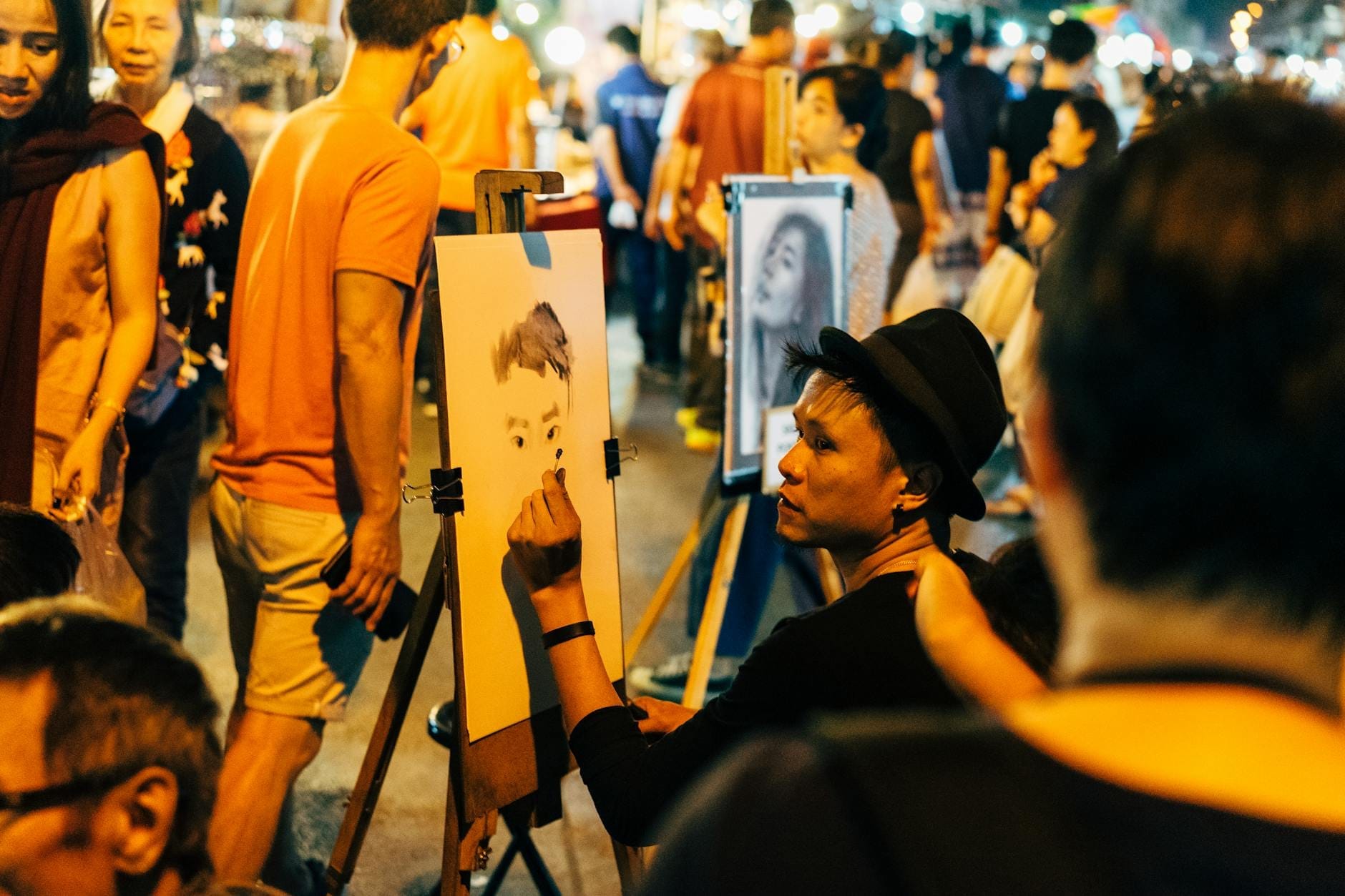
Chiang Mai's walking street markets are among the best in Thailand, each with its own personality and rhythm. The night markets guide breaks down the full scene, but these are the essential stops for shoppers.
1. Hunt for Handicrafts on Sunday Walking Street
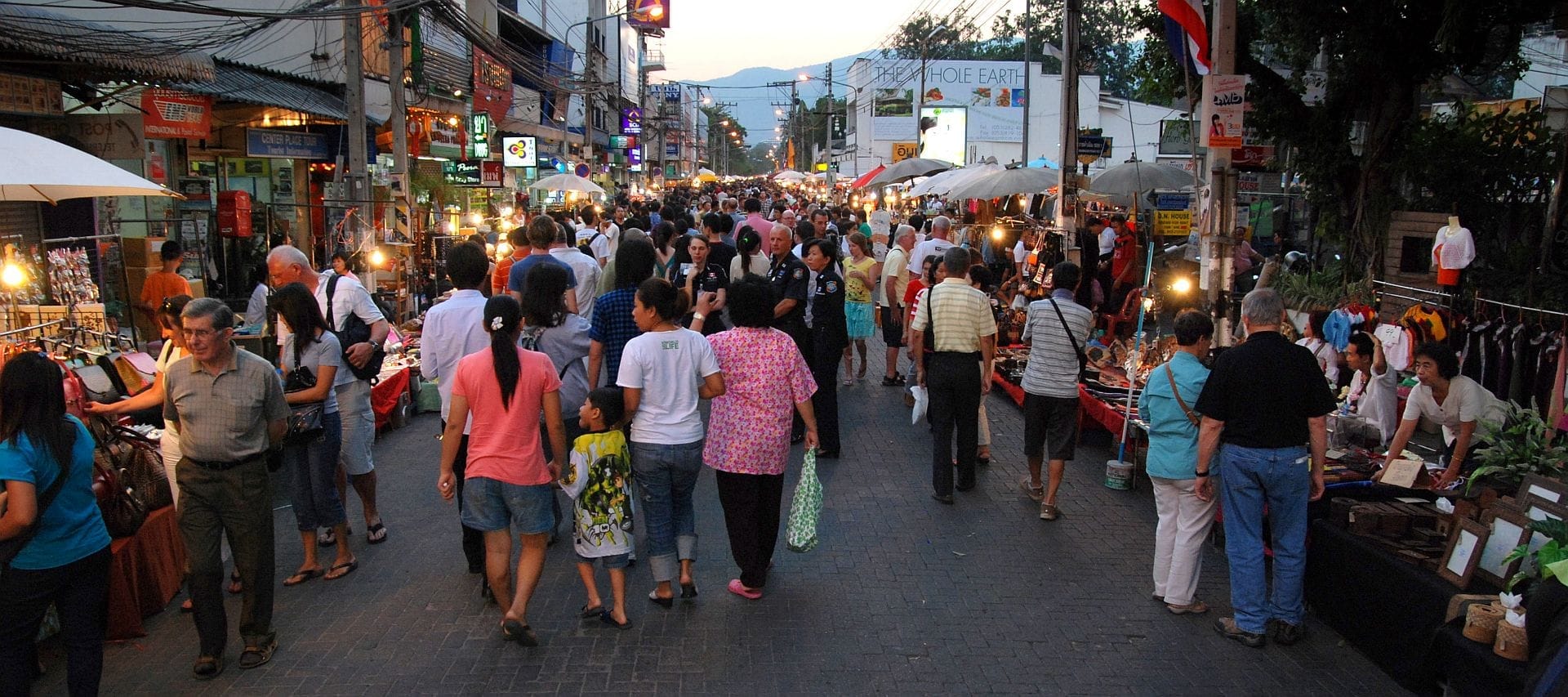
Ratchadamnoen Road shuts to traffic every Sunday evening and fills with hundreds of vendors. The mix of handmade jewelry, woven textiles, lacquerware, and local art makes it the single best shopping event of the week. Arrive after 5pm and allow two hours.
Explore1. Hunt for Handicrafts on Sunday Walking Street
Ratchadamnoen Road shuts to traffic every Sunday evening and fills with hundreds of vendors. The mix of handmade jewelry, woven textiles, lacquerware, and local art makes it the single best shopping event of the week. Arrive after 5pm and allow two hours.
Explore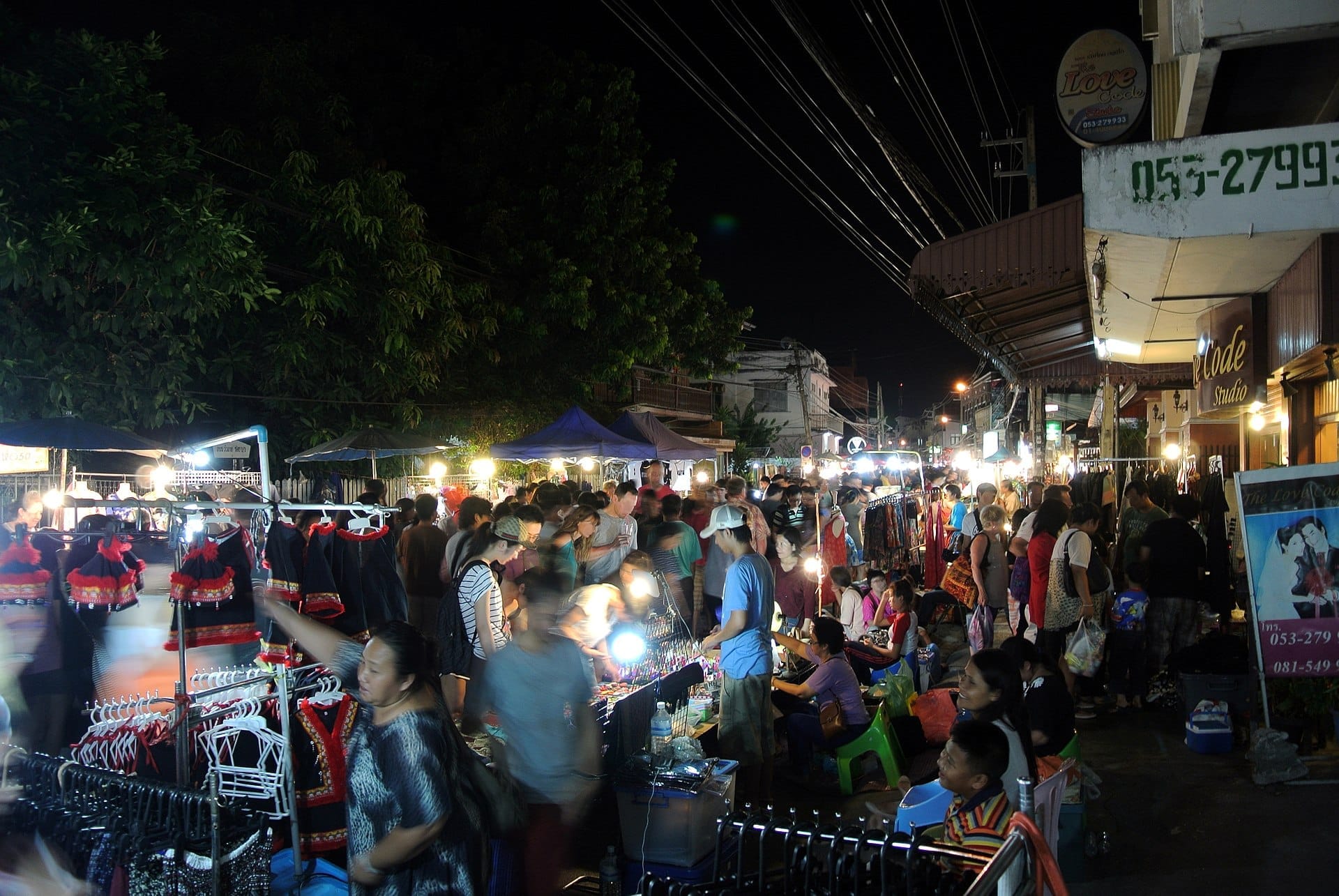
2. Find Authentic Silverwork on Saturday Walking Street
Wua Lai Road sits in the traditional silversmith district, and its Saturday evening market reflects that heritage. Expect fewer tourists than Sunday, more local artisans, and better prices on handmade silver jewelry, ceramics, and northern Thai crafts.
Explore2. Find Authentic Silverwork on Saturday Walking Street
Wua Lai Road sits in the traditional silversmith district, and its Saturday evening market reflects that heritage. Expect fewer tourists than Sunday, more local artisans, and better prices on handmade silver jewelry, ceramics, and northern Thai crafts.
Explore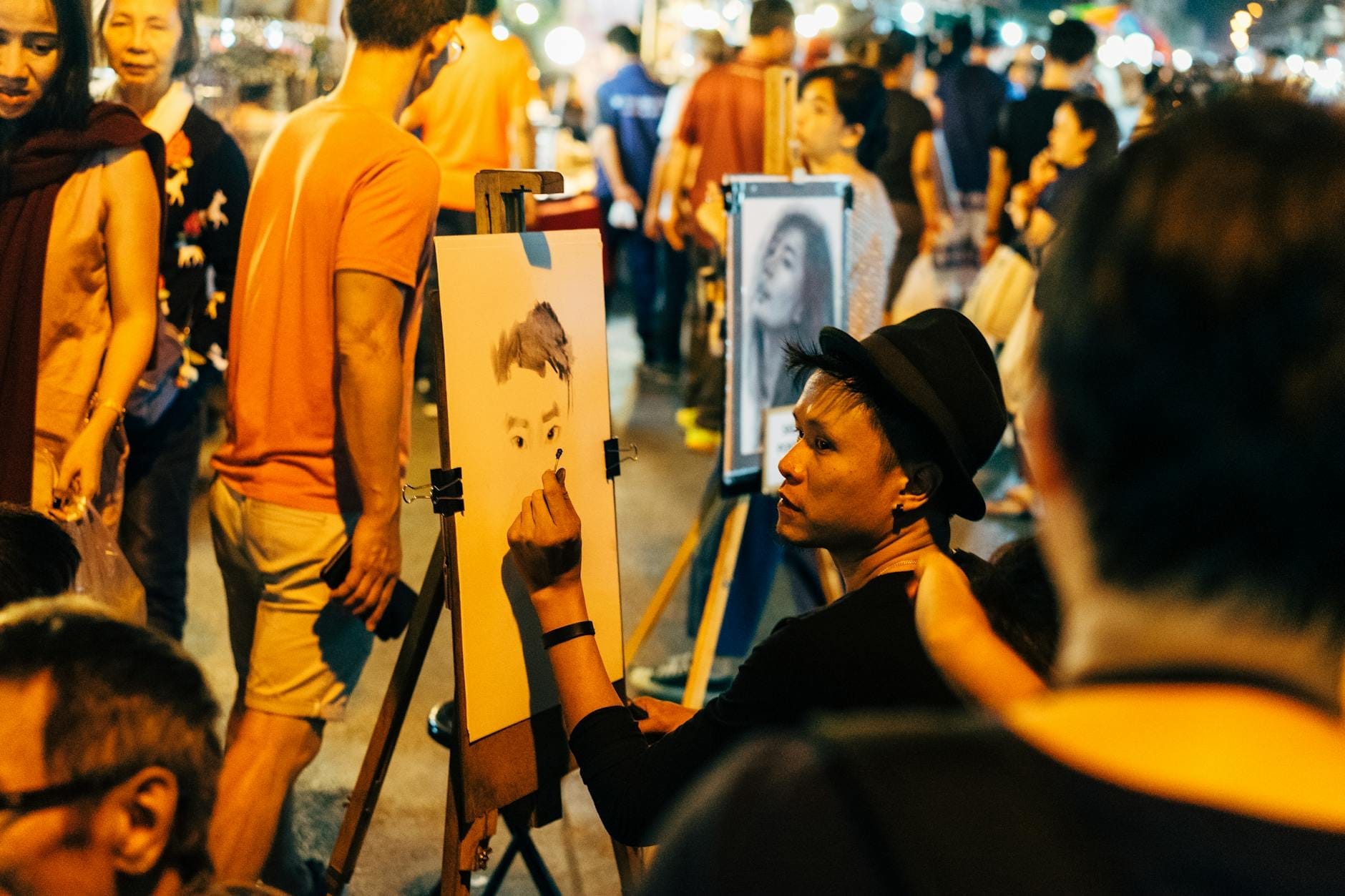
3. Browse the Night Bazaar for Souvenirs and Street Food
Chang Klan Road's permanent night market runs every evening, making it the most reliable option if you miss the weekend walking streets. Best for T-shirts, hill tribe items, and carved elephants. Bargain hard and explore the indoor complexes for better quality goods.
Explore3. Browse the Night Bazaar for Souvenirs and Street Food
Chang Klan Road's permanent night market runs every evening, making it the most reliable option if you miss the weekend walking streets. Best for T-shirts, hill tribe items, and carved elephants. Bargain hard and explore the indoor complexes for better quality goods.
Explore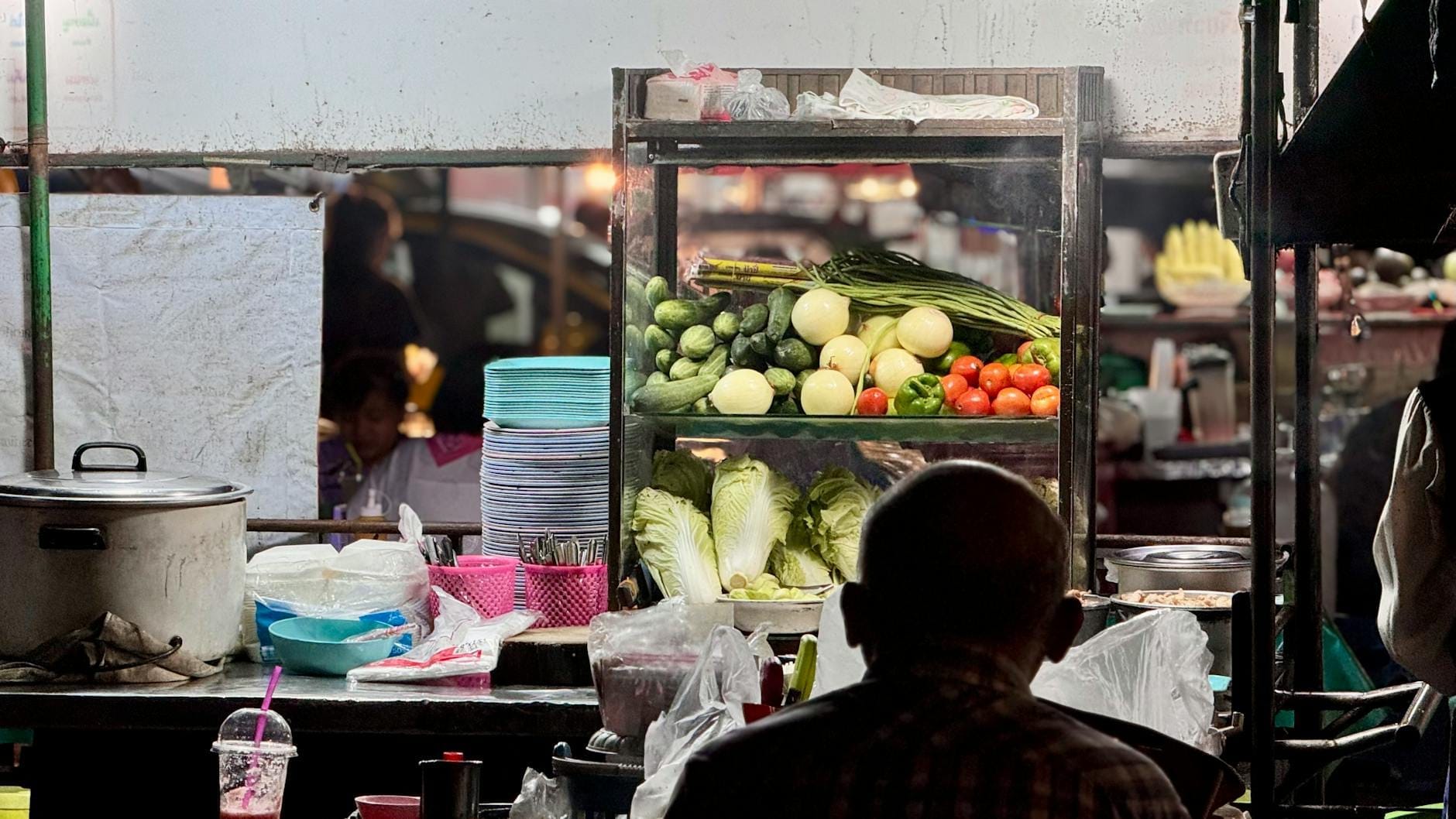
4. Eat and Shop at Ploen Ruedee Night Market
This Nimman-area evening market skews younger and more local than the Old City options. Food stalls dominate, but small vendors sell handmade accessories, prints, and candles. Live music makes it a lively place to spend an evening with a beer and a bite.
Explore4. Eat and Shop at Ploen Ruedee Night Market
This Nimman-area evening market skews younger and more local than the Old City options. Food stalls dominate, but small vendors sell handmade accessories, prints, and candles. Live music makes it a lively place to spend an evening with a beer and a bite.
ExploreHandicraft Villages and Workshop Experiences
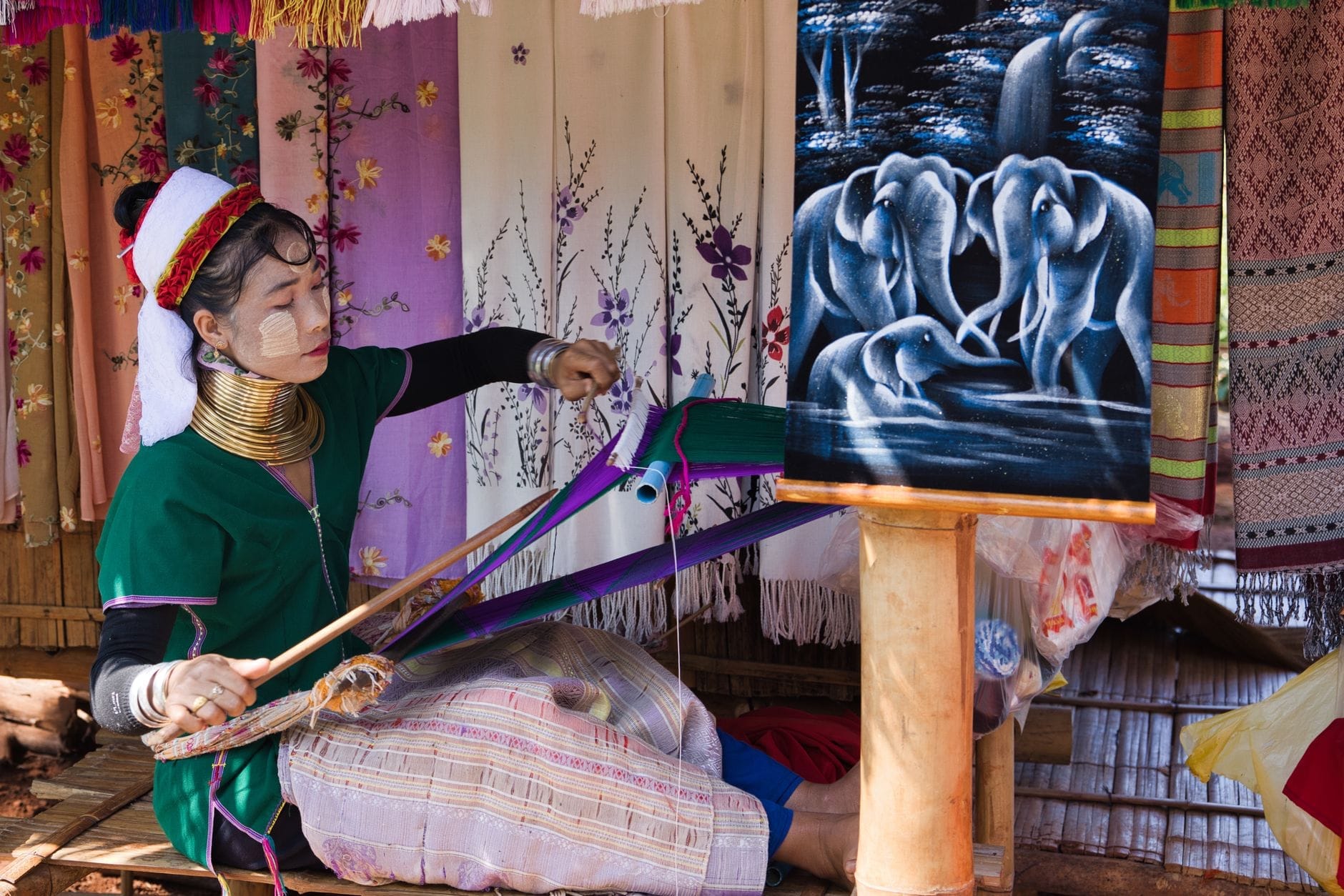
East and south of the city, villages such as Bo Sang and Baan Tawai have specialized in single crafts for generations. A half-day road trip along the San Kamphaeng Road or south toward Baan Tawai lets you watch artisans at work and buy directly from makers. These destinations pair well with a cooking class or spa day for a full cultural itinerary — see our cooking classes guide for ideas.
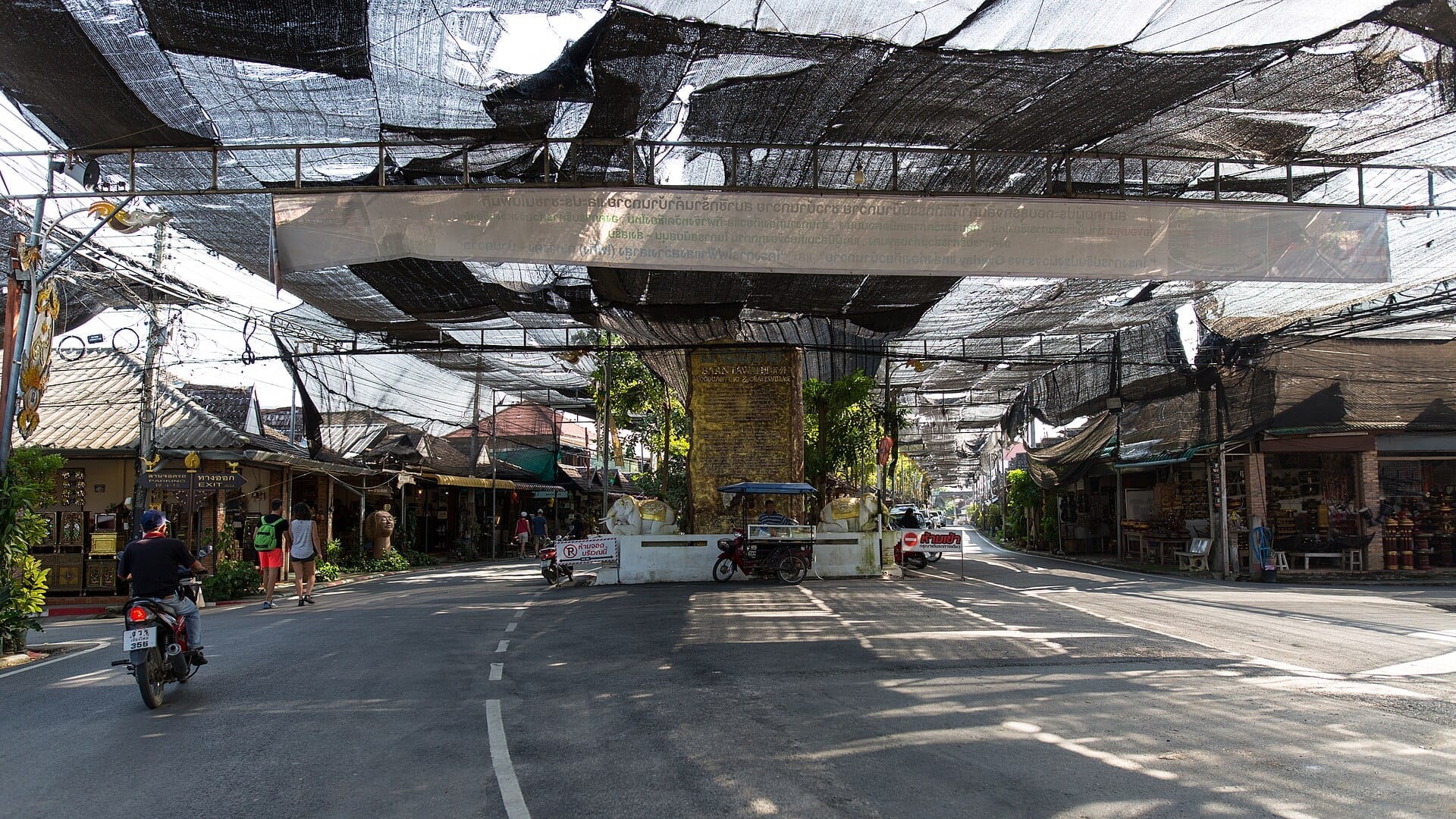
5. Buy Teak Carvings Direct from Baan Tawai Village
This village south of the city is Thailand's woodcarving capital, with dozens of workshops producing furniture, Buddha statues, and decorative panels. Prices are far lower than city shops. Many vendors ship internationally, making large purchases practical.
Explore5. Buy Teak Carvings Direct from Baan Tawai Village
This village south of the city is Thailand's woodcarving capital, with dozens of workshops producing furniture, Buddha statues, and decorative panels. Prices are far lower than city shops. Many vendors ship internationally, making large purchases practical.
Explore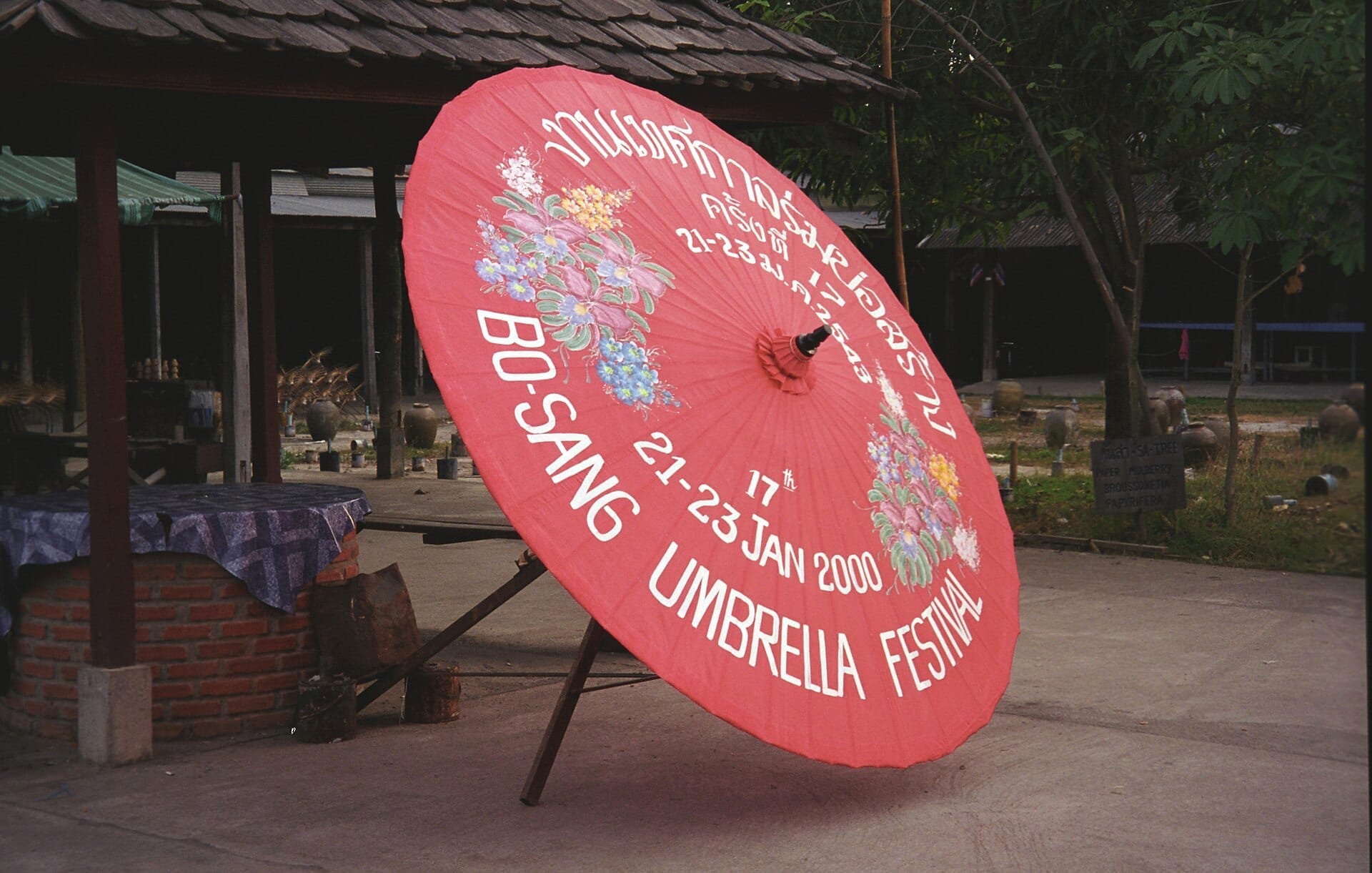
6. Watch Parasols Being Painted in Bo Sang Village
Artisans in this village have been crafting paper and silk parasols by hand for centuries. You can watch each stage of production, from pressing sa paper to applying lacquer. Parasols start at a few hundred baht and make beautiful, lightweight gifts to carry home.
Explore6. Watch Parasols Being Painted in Bo Sang Village
Artisans in this village have been crafting paper and silk parasols by hand for centuries. You can watch each stage of production, from pressing sa paper to applying lacquer. Parasols start at a few hundred baht and make beautiful, lightweight gifts to carry home.
Explore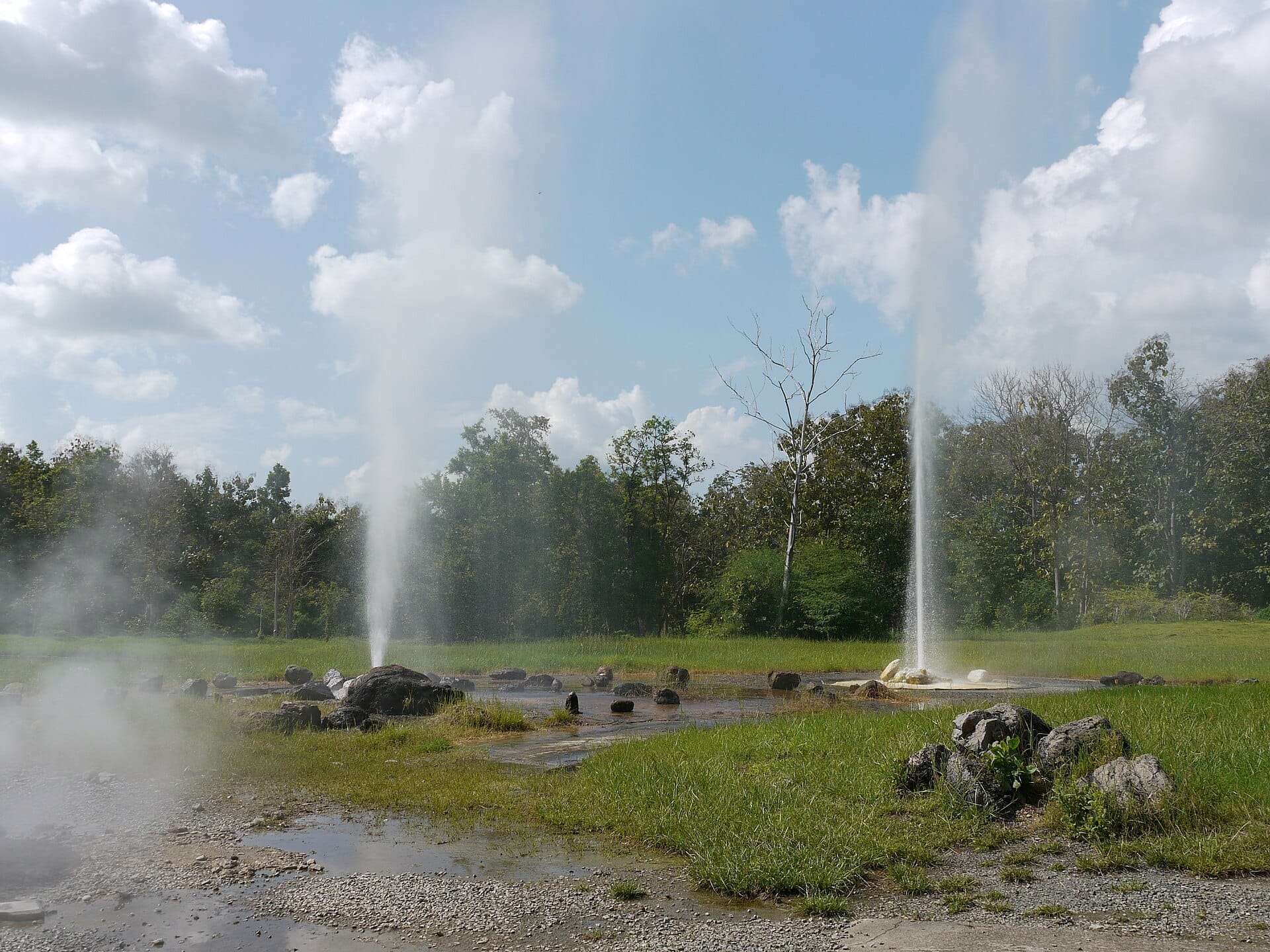
7. Combine a Craft Road Trip with San Kamphaeng Hot Springs
San Kamphaeng is the gateway to the eastern handicraft villages and also hosts natural hot springs where you can soak after a day of shopping. Combine it with Bo Sang and other roadside craft stops for a rewarding full-day excursion east of the city.
Explore7. Combine a Craft Road Trip with San Kamphaeng Hot Springs
San Kamphaeng is the gateway to the eastern handicraft villages and also hosts natural hot springs where you can soak after a day of shopping. Combine it with Bo Sang and other roadside craft stops for a rewarding full-day excursion east of the city.
Explore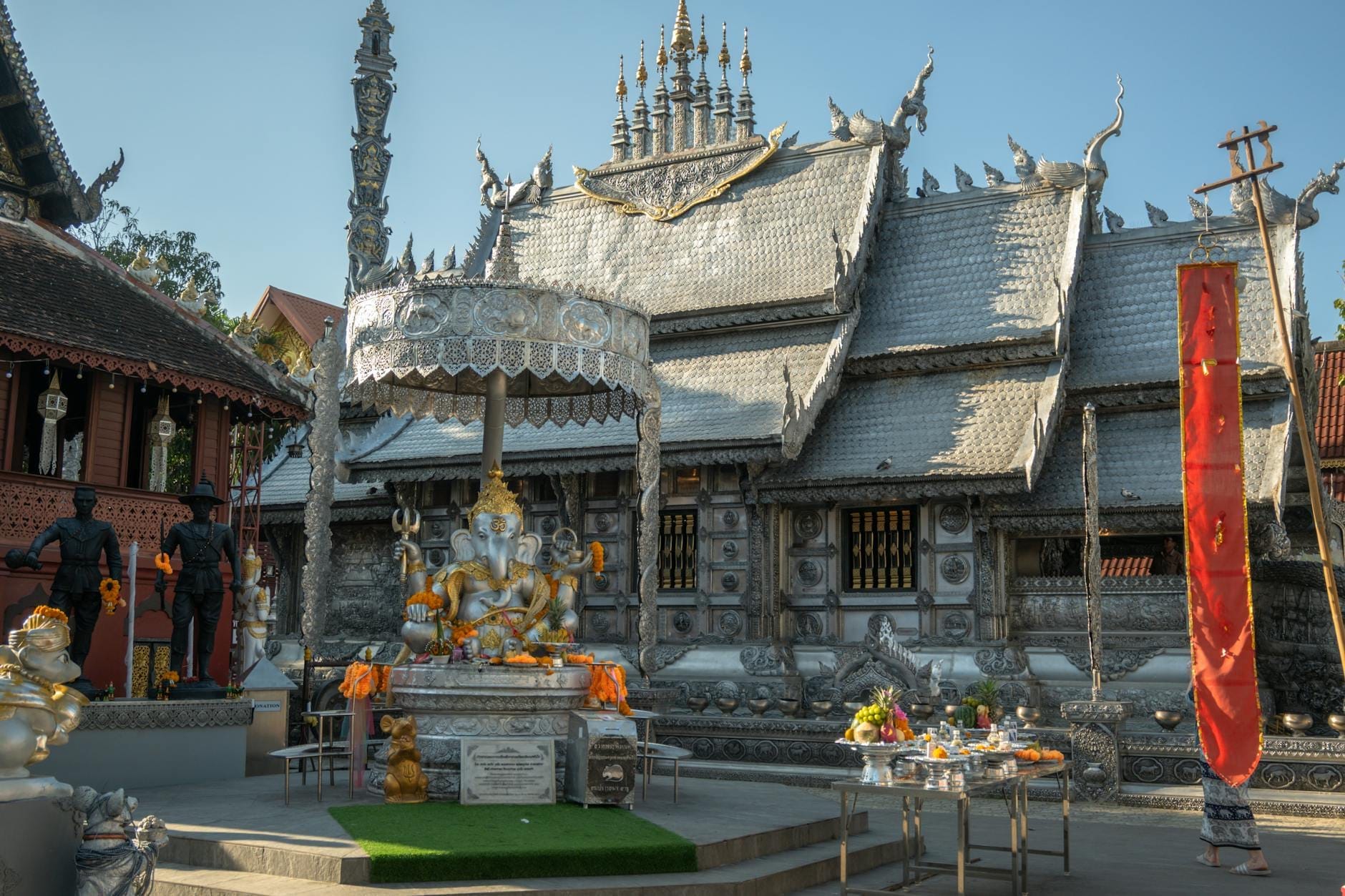
8. See Master Silversmiths at Work near Wat Sri Suphan
The Silver Temple in the Wualai district is itself a living showcase of Chiang Mai's silversmithing tradition, its surface entirely clad in handworked metal. The surrounding streets are full of silver workshops where you can watch craftspeople and buy directly from makers.
Explore8. See Master Silversmiths at Work near Wat Sri Suphan
The Silver Temple in the Wualai district is itself a living showcase of Chiang Mai's silversmithing tradition, its surface entirely clad in handworked metal. The surrounding streets are full of silver workshops where you can watch craftspeople and buy directly from makers.
ExploreMarkets for Local Produce and Everyday Life
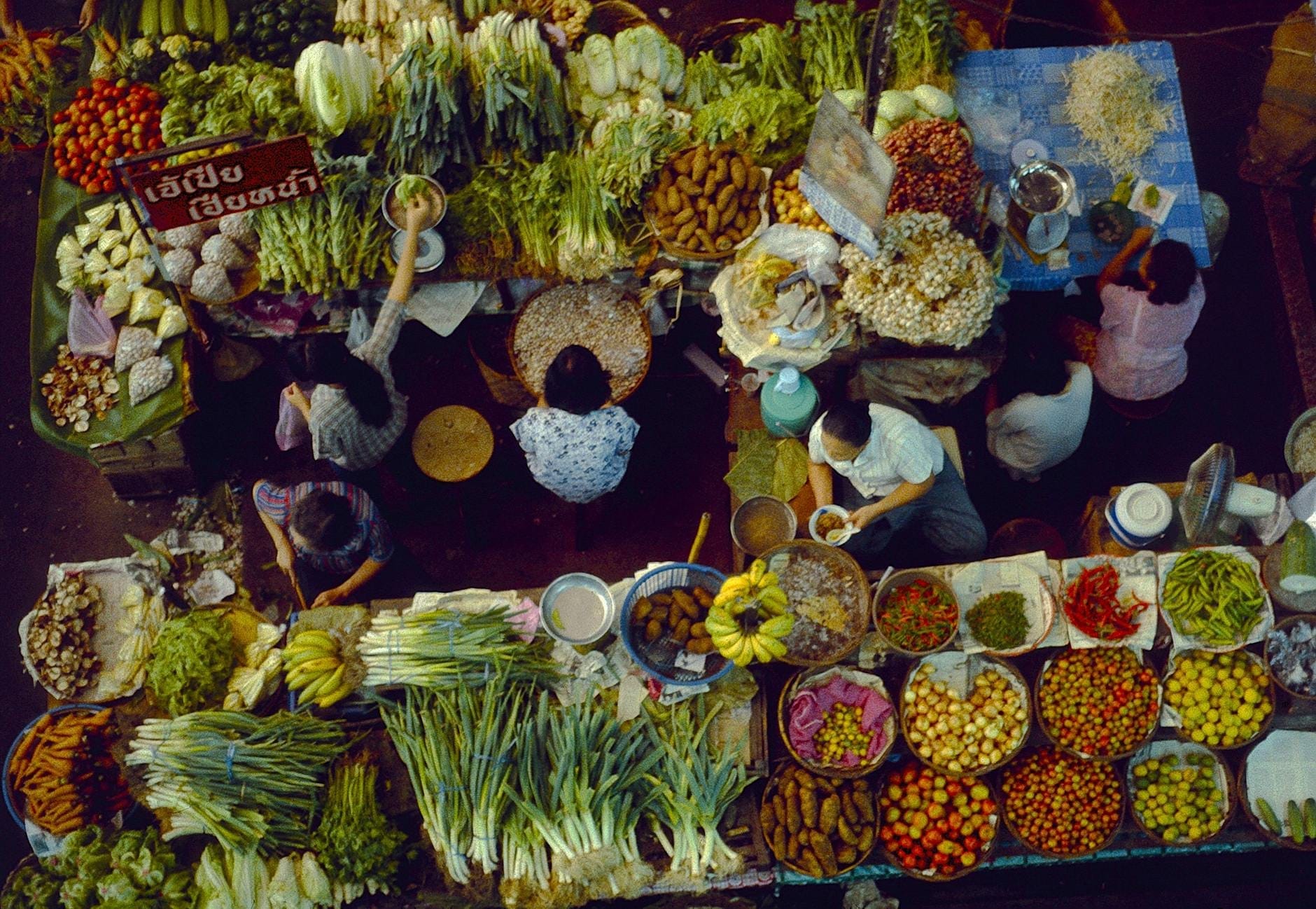
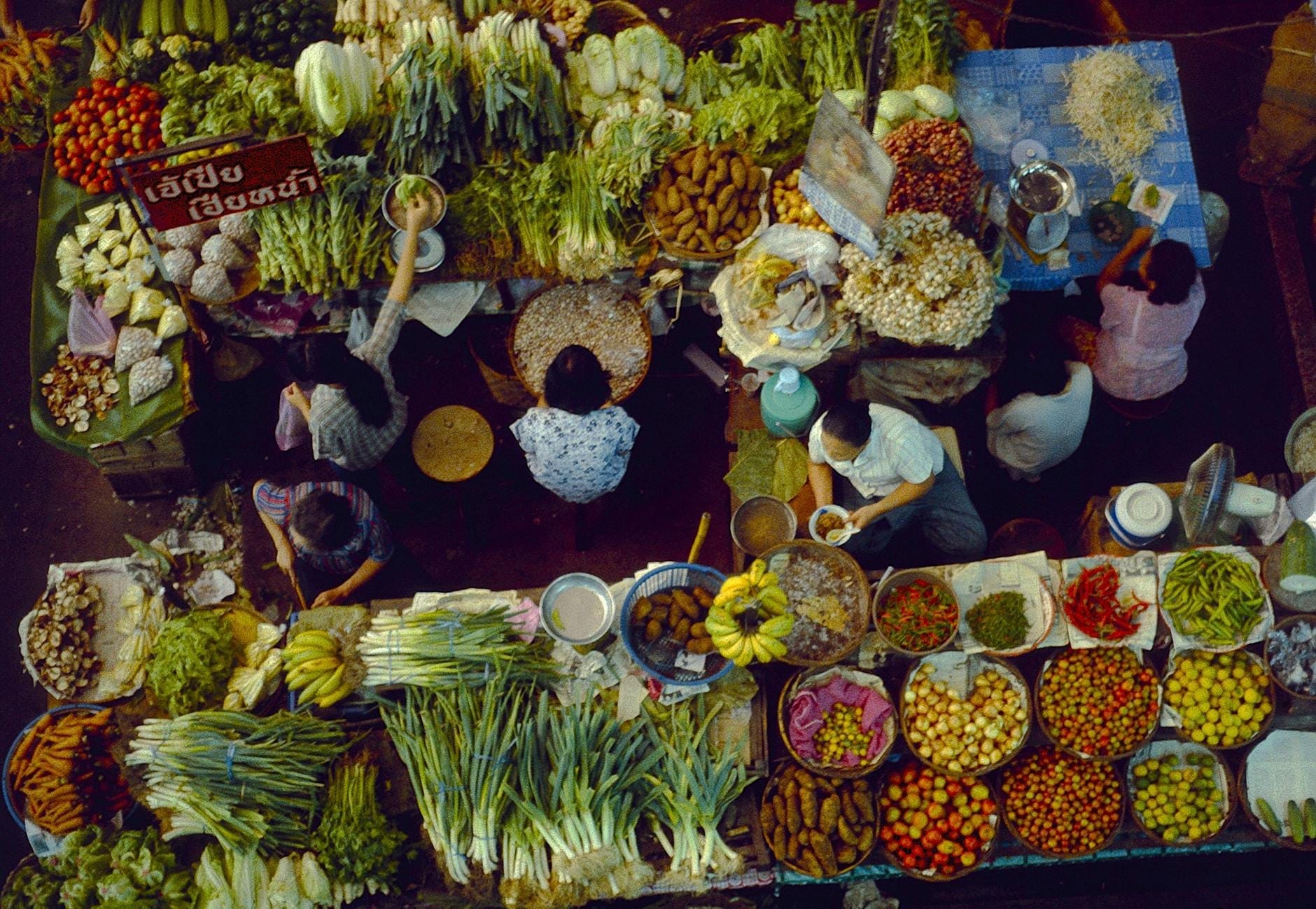
The best way to understand any Thai city is through its food markets. Chiang Mai's local markets stock northern specialties you won't find anywhere else in Thailand. Pair a market visit with a cooking class to learn what you're looking at — and what to do with it.
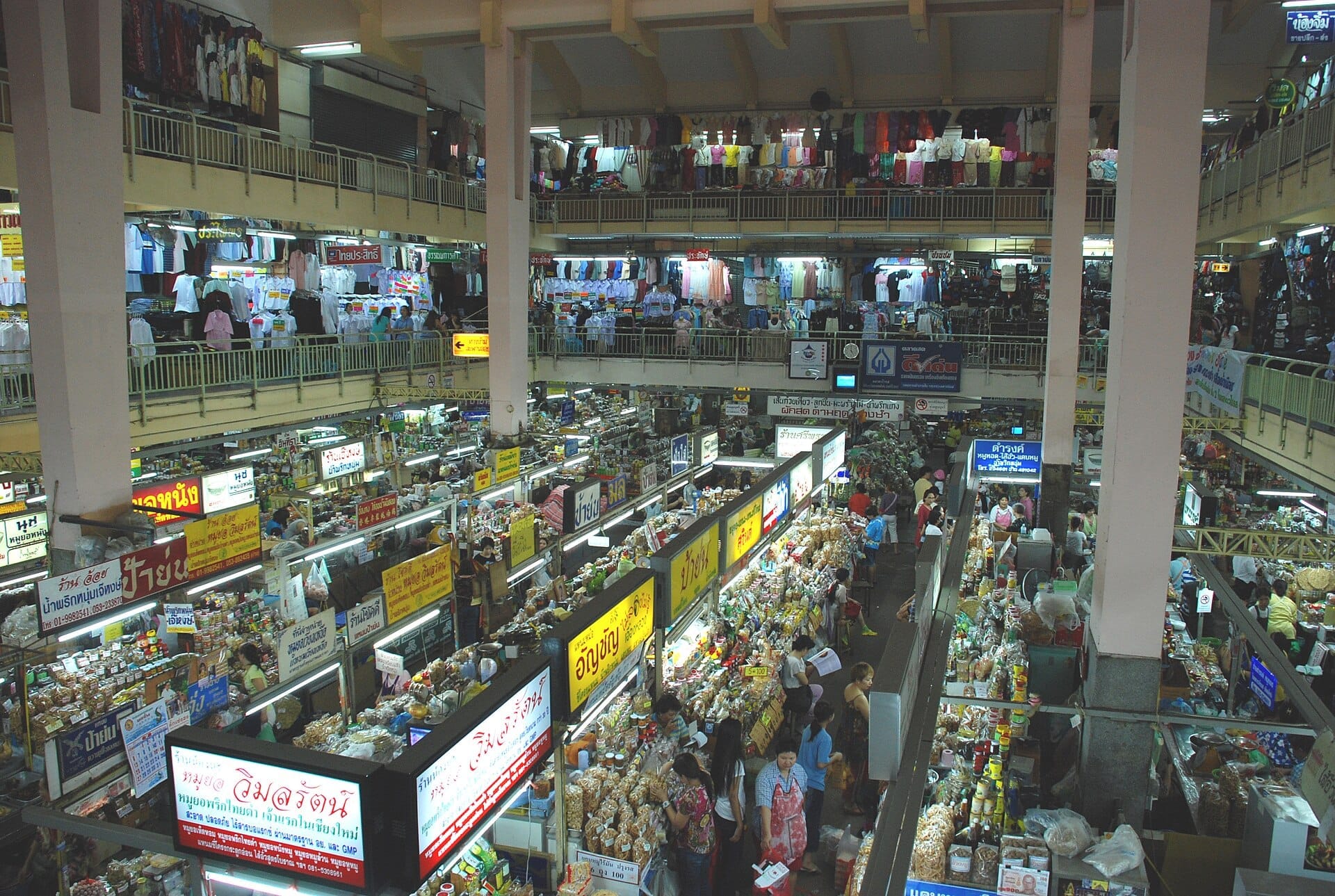
9. Shop Like a Local at Warorot Market
Chiang Mai's oldest market operates daily near the Ping River across multiple floors. Dried chilies, northern Thai sausages, jasmine garlands, bolts of fabric, and ceramic cookware fill every stall. Come in the morning for the most atmosphere and the freshest produce selection.
Explore9. Shop Like a Local at Warorot Market
Chiang Mai's oldest market operates daily near the Ping River across multiple floors. Dried chilies, northern Thai sausages, jasmine garlands, bolts of fabric, and ceramic cookware fill every stall. Come in the morning for the most atmosphere and the freshest produce selection.
Explore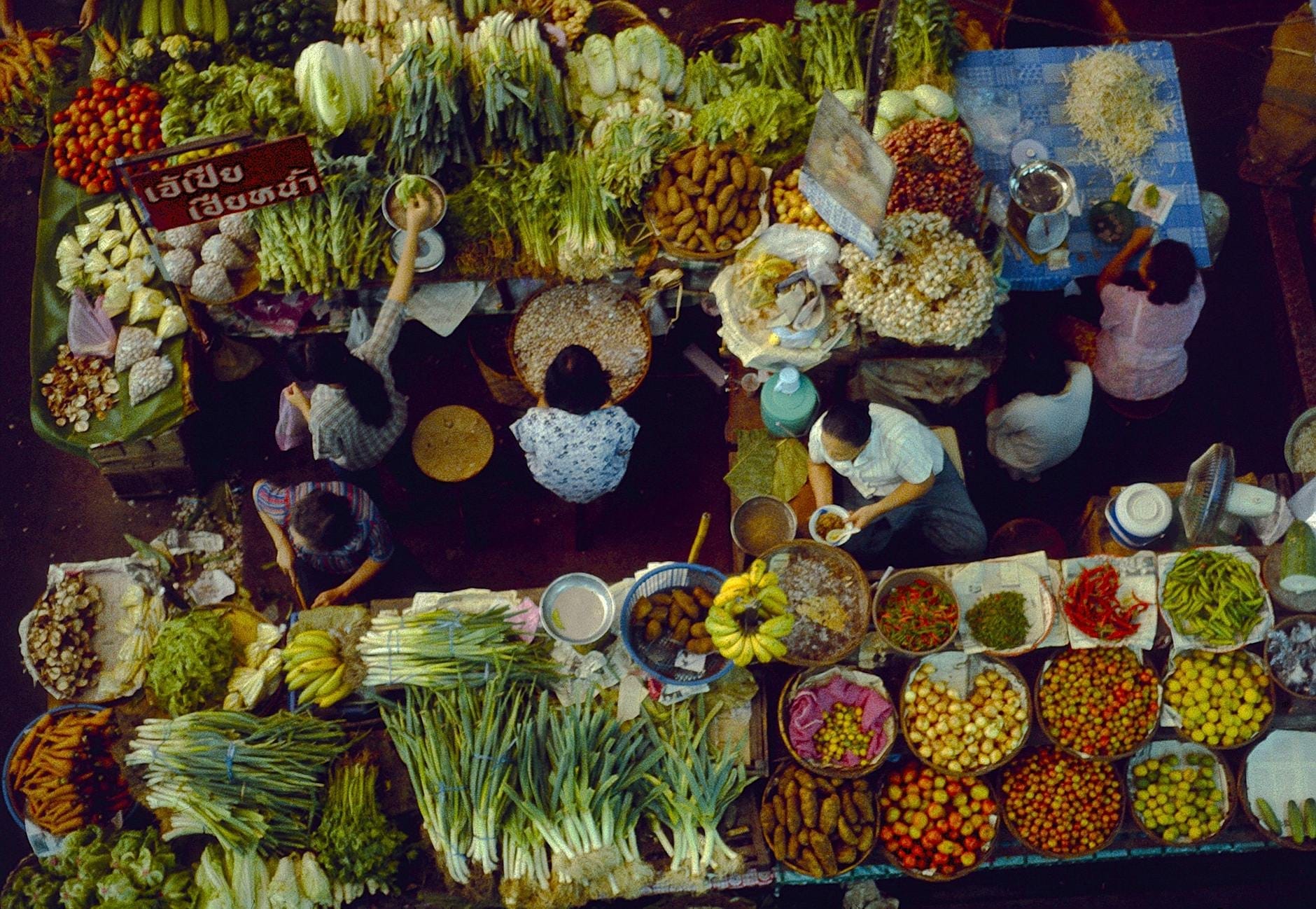
10. Stock Up on Organic Goods at Jing Jai Farmers' Market
Open on weekend mornings near Chiang Mai University, this market brings together organic farmers, specialty roasters, and artisan food producers. It's the best place to buy northern Thai coffee, natural-dye textiles, and homemade preserves directly from producers.
Explore10. Stock Up on Organic Goods at Jing Jai Farmers' Market
Open on weekend mornings near Chiang Mai University, this market brings together organic farmers, specialty roasters, and artisan food producers. It's the best place to buy northern Thai coffee, natural-dye textiles, and homemade preserves directly from producers.
Explore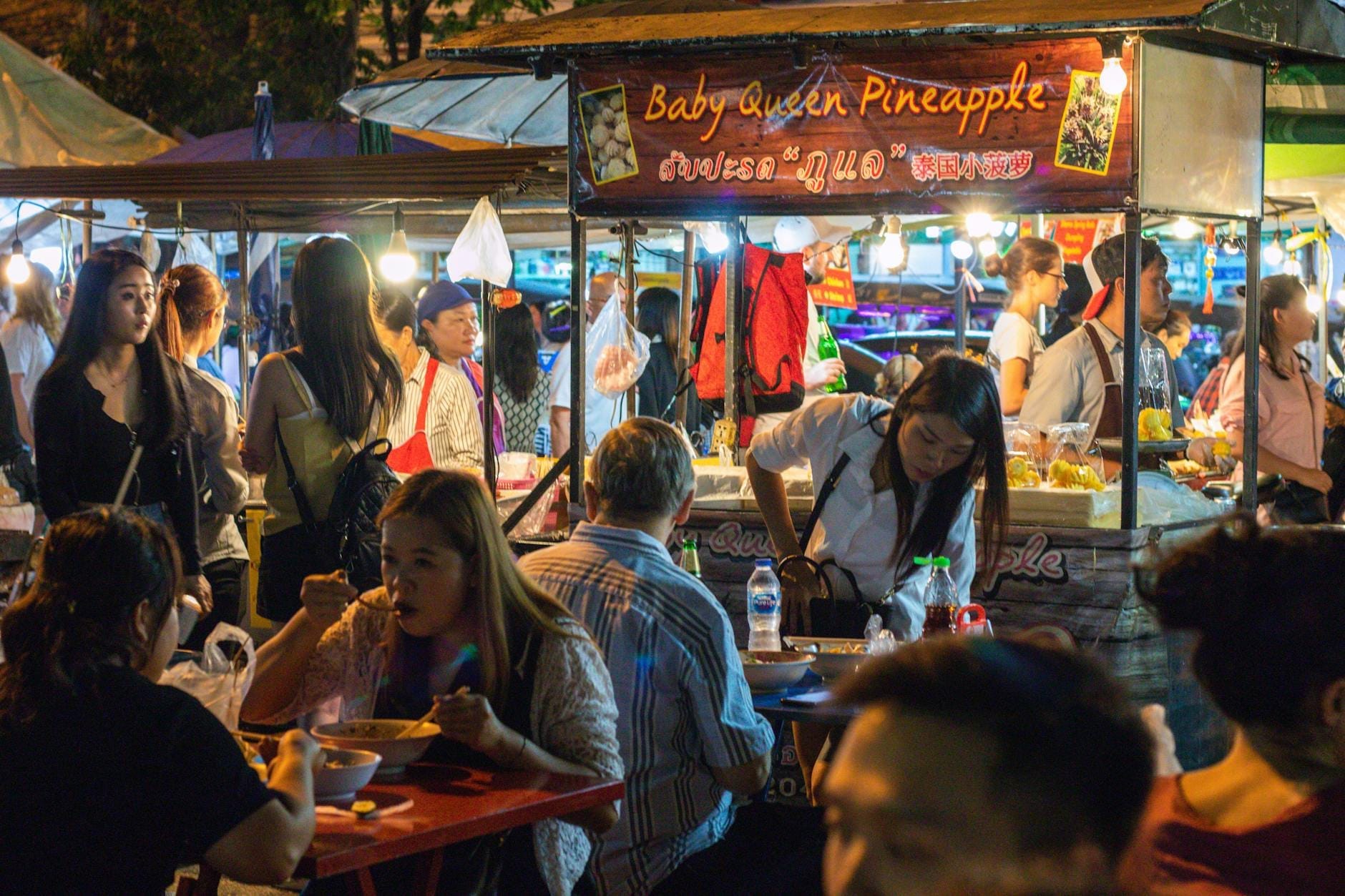
11. Eat Your Way Through Chang Phuak Night Market
This compact market outside the north gate is more food destination than shopping stop, but the stalls selling grilled meats, pad kra pao, and sticky rice are legendary. The famous Cowboy Hat Lady has been cooking here for decades. Go on an empty stomach.
Explore11. Eat Your Way Through Chang Phuak Night Market
This compact market outside the north gate is more food destination than shopping stop, but the stalls selling grilled meats, pad kra pao, and sticky rice are legendary. The famous Cowboy Hat Lady has been cooking here for decades. Go on an empty stomach.
ExploreContemporary Shopping and Lifestyle Districts
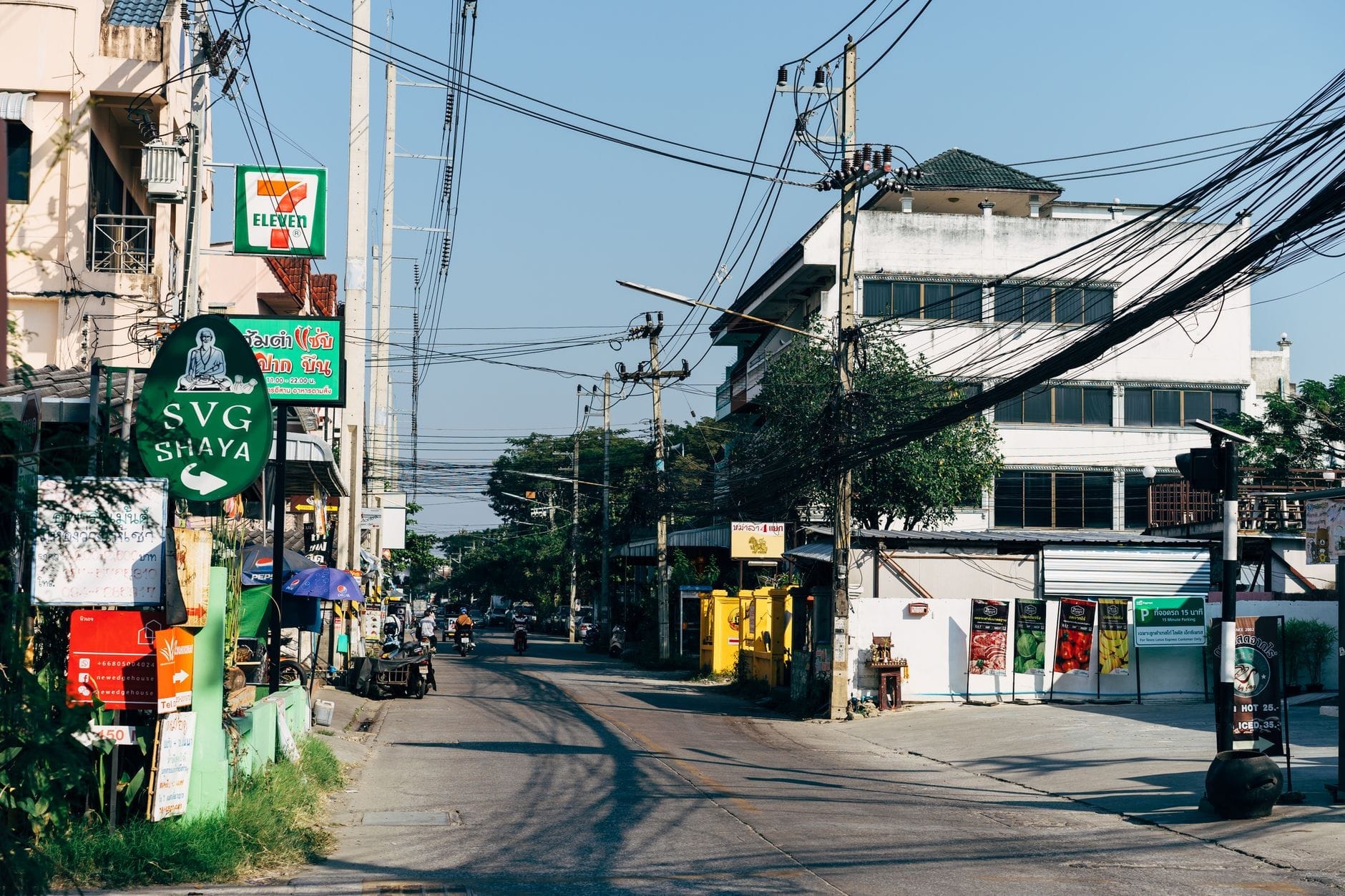
Chiang Mai's creative scene has produced a cluster of boutique shops, independent designers, and lifestyle concepts that rival Bangkok for originality. The Nimman area is the epicenter, while pockets around Doi Suthep Road and the university have their own distinct character.

12. Browse Boutiques and Weekend Markets at One Nimman
This open-air lifestyle complex at the top of Nimmanhaemin Road anchors the city's trendiest shopping district. Curated local brands, specialty food, and a central plaza that hosts pop-up markets on weekends make it the best single address for contemporary Chiang Mai shopping.
Explore12. Browse Boutiques and Weekend Markets at One Nimman
This open-air lifestyle complex at the top of Nimmanhaemin Road anchors the city's trendiest shopping district. Curated local brands, specialty food, and a central plaza that hosts pop-up markets on weekends make it the best single address for contemporary Chiang Mai shopping.
Explore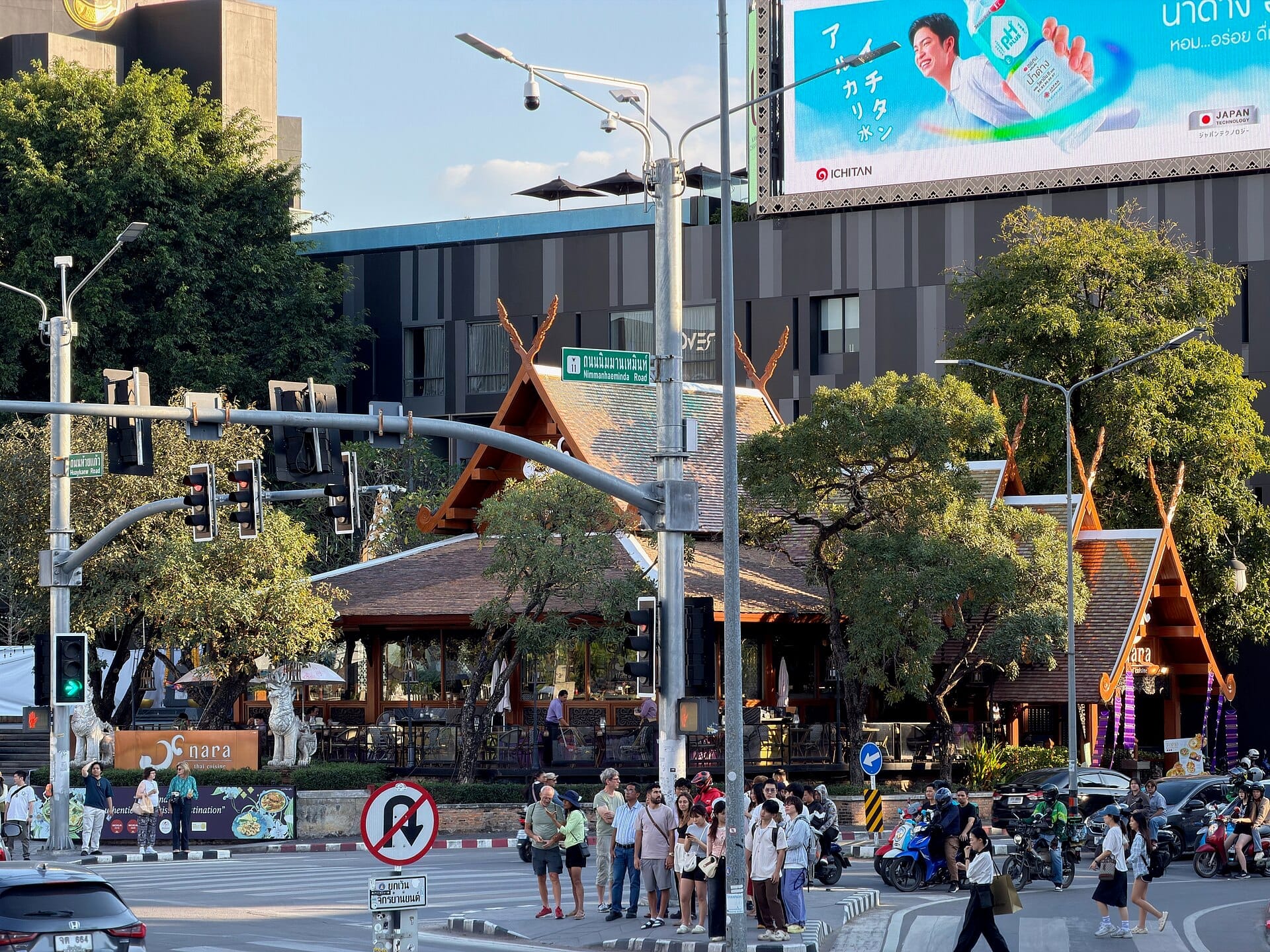
13. Explore Independent Boutiques Along Nimmanhaemin Road
Strolling the numbered sois off Nimman reveals coffee roasters selling their own beans, designers with print-run collections, and ceramic studios doing their own glazing. Allow at least two hours to wander properly. Soi 7 and Soi 9 are especially rewarding for independent shops.
Explore13. Explore Independent Boutiques Along Nimmanhaemin Road
Strolling the numbered sois off Nimman reveals coffee roasters selling their own beans, designers with print-run collections, and ceramic studios doing their own glazing. Allow at least two hours to wander properly. Soi 7 and Soi 9 are especially rewarding for independent shops.
Explore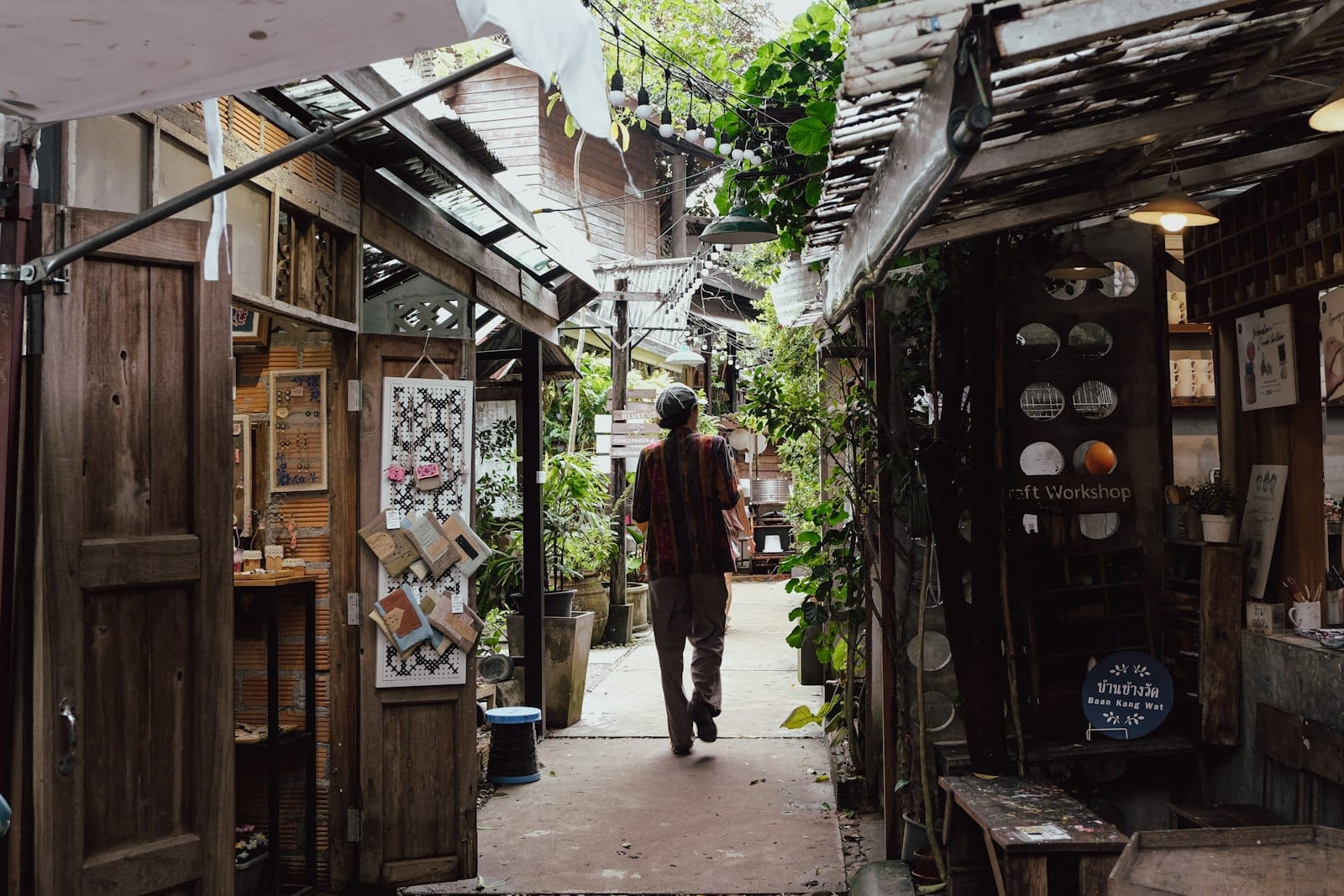
14. Find One-of-a-Kind Pieces at Baan Kang Wat Artist Village
This garden cluster of wooden studios near Wat Umong houses ceramicists, textile designers, jewelers, and illustrators selling work they've made on-site. Weekends see more vendors. It's quieter and more genuine than the walking streets, ideal for considered purchases.
Explore14. Find One-of-a-Kind Pieces at Baan Kang Wat Artist Village
This garden cluster of wooden studios near Wat Umong houses ceramicists, textile designers, jewelers, and illustrators selling work they've made on-site. Weekends see more vendors. It's quieter and more genuine than the walking streets, ideal for considered purchases.
Explore✨ Pro tip
Most walking street vendors accept cash only. Bring smaller bills (20-100 baht) for street food and modest purchases. ATMs on Ratchadamnoen Road and near Tha Phae Gate are convenient before Sunday market visits.
Shopping Landmarks and Cultural Context
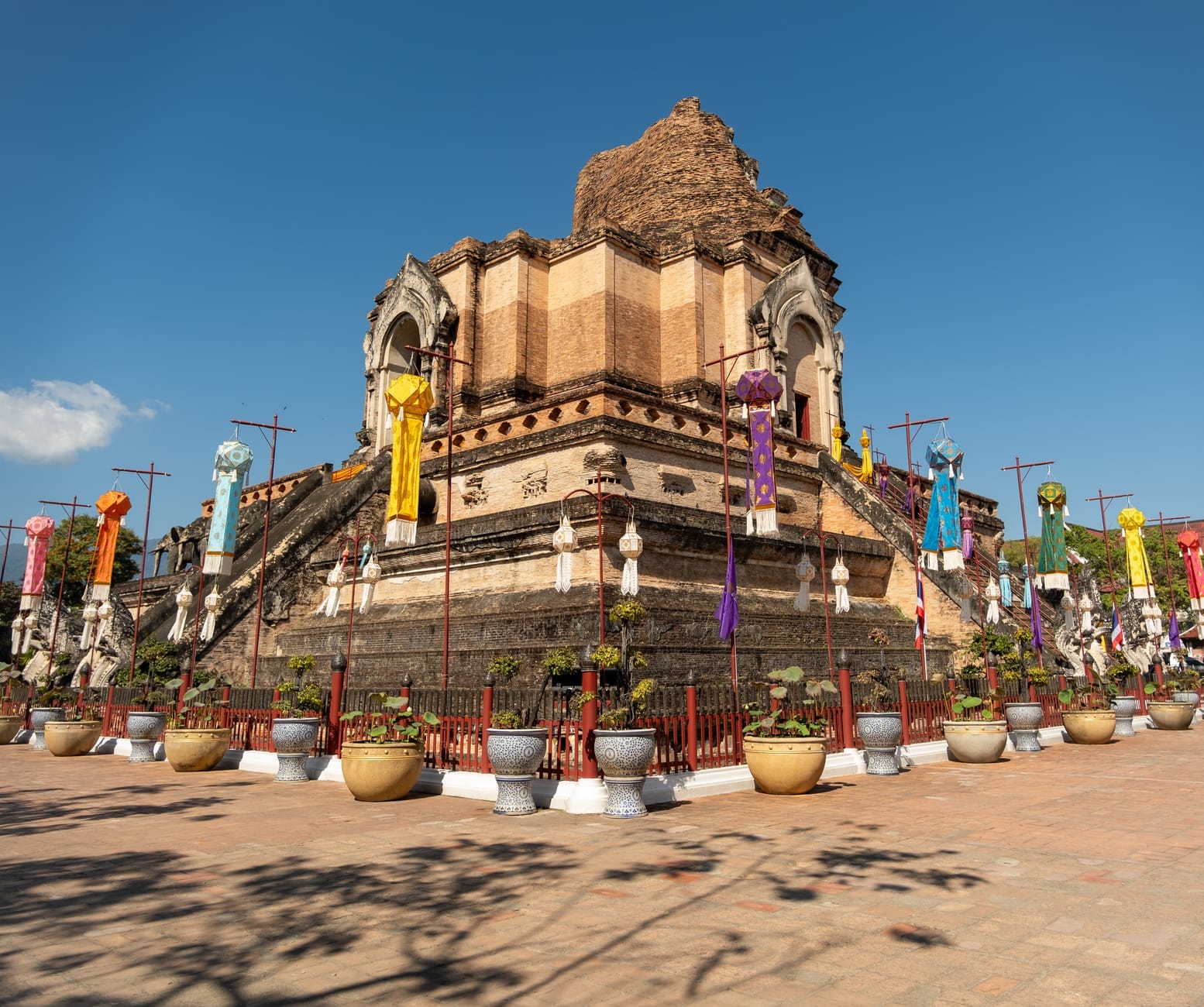
Understanding the craft traditions behind what you're buying makes shopping in Chiang Mai far more rewarding. Several key landmarks connect the city's commercial life to its deeper cultural history.
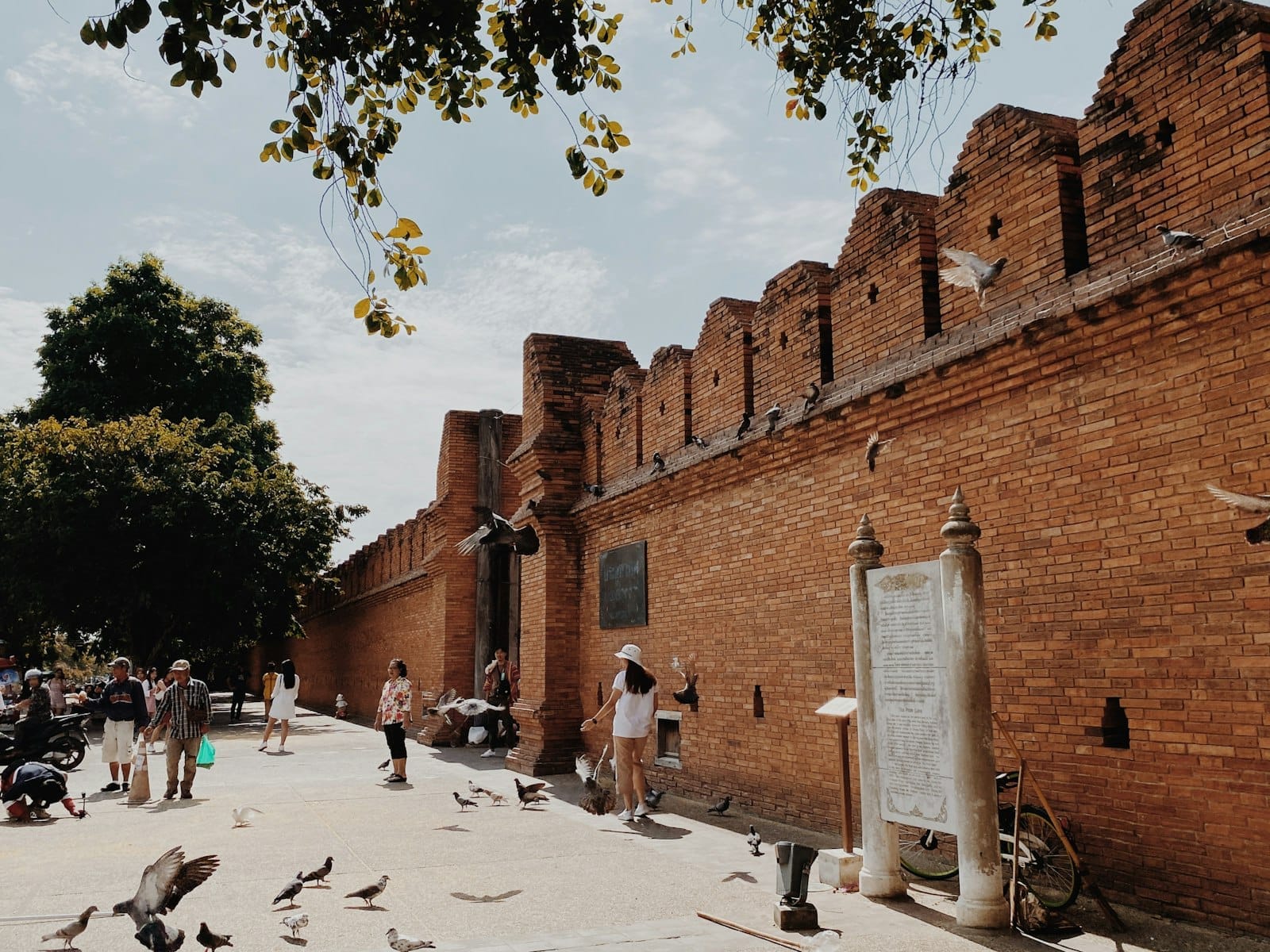
15. Use Tha Phae Gate as Your Shopping Basecamp
The gate marks the historic entry point for trade caravans arriving from the Ping River and remains the best orientation point for Old City shopping. Warorot Market, the Night Bazaar, and Sunday Walking Street are all within easy reach on foot or by songthaew.
Explore15. Use Tha Phae Gate as Your Shopping Basecamp
The gate marks the historic entry point for trade caravans arriving from the Ping River and remains the best orientation point for Old City shopping. Warorot Market, the Night Bazaar, and Sunday Walking Street are all within easy reach on foot or by songthaew.
Explore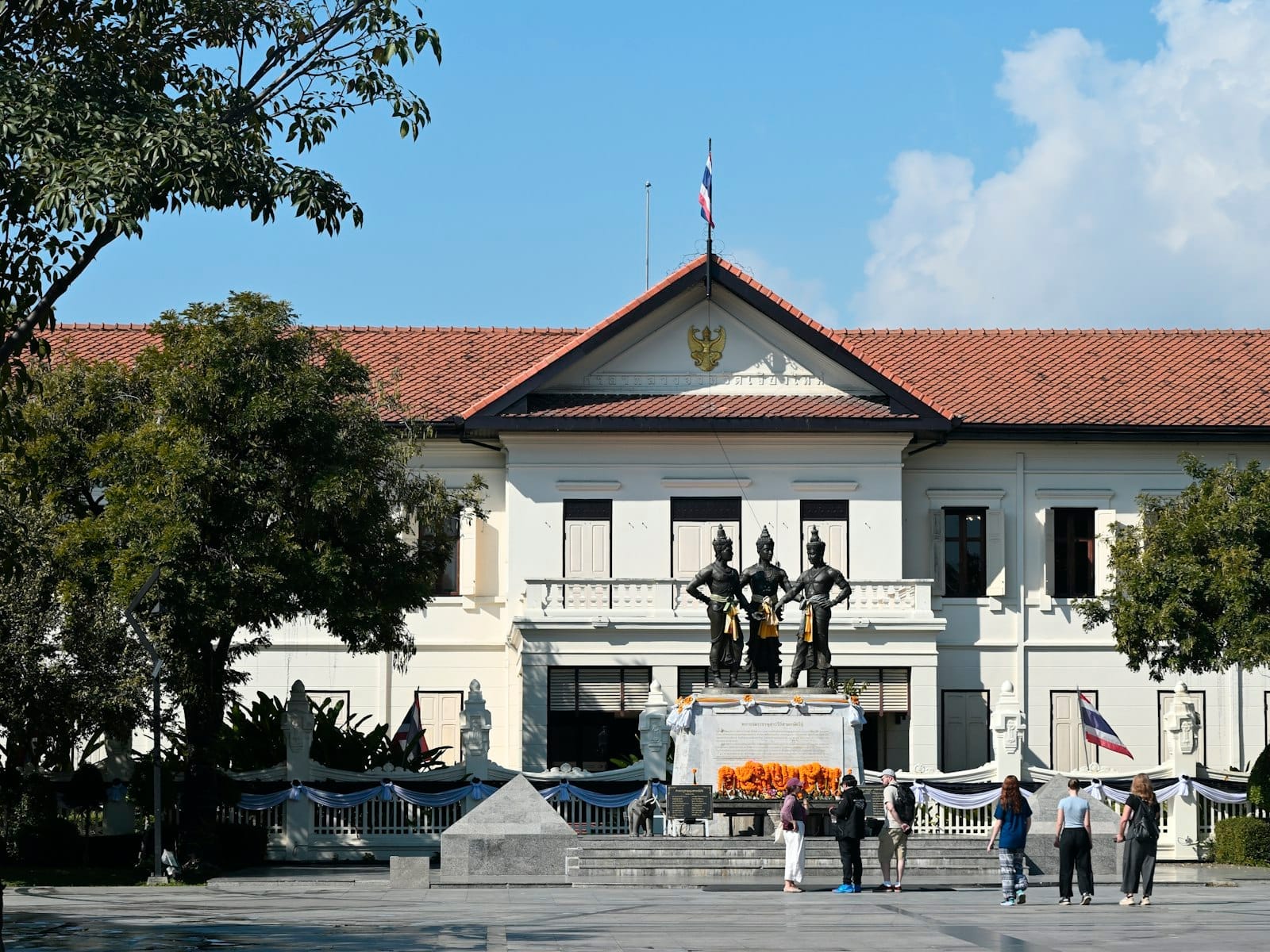
16. Understand Lanna Craft Heritage at the City Arts Centre
Spending an hour at this museum before shopping the handicraft villages gives you genuine context for what you're buying. Exhibits on Lanna weaving, ceramics, and silverwork explain the regional traditions behind the goods you'll find in workshops and markets across the city.
Explore16. Understand Lanna Craft Heritage at the City Arts Centre
Spending an hour at this museum before shopping the handicraft villages gives you genuine context for what you're buying. Exhibits on Lanna weaving, ceramics, and silverwork explain the regional traditions behind the goods you'll find in workshops and markets across the city.
Explore
17. Buy Hill Tribe Textiles Directly at Doi Pui Village
Hmong embroidery, woven bags, and silver jewelry sold here come directly from village families rather than wholesale suppliers. The work is identifiably different from mass-produced items in the Night Bazaar. Visit in the morning before day-trippers arrive from Doi Suthep.
Explore17. Buy Hill Tribe Textiles Directly at Doi Pui Village
Hmong embroidery, woven bags, and silver jewelry sold here come directly from village families rather than wholesale suppliers. The work is identifiably different from mass-produced items in the Night Bazaar. Visit in the morning before day-trippers arrive from Doi Suthep.
ExploreFAQ
What days do the walking street markets happen in Chiang Mai?
Sunday Walking Street runs every Sunday evening on Ratchadamnoen Road from about 4pm. Saturday Walking Street runs every Saturday evening on Wua Lai Road from around 5pm. The Night Bazaar on Chang Khlan Road operates every evening of the week.
What are the best things to buy in Chiang Mai as souvenirs?
Chiang Mai's most distinctive crafts are hand-painted parasols from Bo Sang, teak carvings from Baan Tawai, silverwork from the Wua Lai district, and handwoven northern Thai textiles. Locally roasted single-origin coffee and dried northern Thai herbs are excellent packable food gifts.
Is bargaining expected at Chiang Mai markets?
Bargaining is standard at the Night Bazaar and most stall-based markets. At the walking streets, prices are often already fair for handmade goods, so bargain gently or accept the asking price for artisan work. Fixed-price shops like One Nimman and Baan Kang Wat studios usually do not negotiate.
Can shops in Chiang Mai ship purchases internationally?
Many of the larger woodcarving and furniture workshops in Baan Tawai offer international shipping and can arrange container freight for large items. Several shops on the Sunday Walking Street and in the Night Bazaar also offer basic international shipping for smaller goods. Always confirm insurance and tracking before paying.
What is the best market to visit if I only have one evening in Chiang Mai?
The Sunday Walking Street on Ratchadamnoen Road is the strongest single option, combining the best handicraft selection, street food, and atmosphere. If you're visiting on another day, the Night Bazaar is open every evening. On Saturday evenings, Wua Lai Walking Street offers a more local and less crowded experience.
Tickets & tours
Live prices and dates from our booking partner. If you book, we may earn a commission at no extra cost to you.
Planning a trip? Discover personalized activities with the Nomado app.