Stretching east from Chiang Mai's Old City along San Kamphaeng Road, this loose corridor of traditional craft villages is where northern Thailand's artisan heritage plays out in working workshops rather than museum cases. Silversmiths, umbrella painters, lacquerware artists, and silk weavers have operated here for generations, making it the most concentrated stretch of traditional craftsmanship in the region.
The San Kamphaeng Road corridor is Chiang Mai's craft heartland: a 15-kilometer stretch of working workshops, factory showrooms, and artisan villages where you can watch silk being woven, umbrellas hand-painted, and silver hammered into shape by craftspeople whose families have done this work for generations. It's part open-air museum, part shopping destination, and entirely its own world compared to the tourist infrastructure of the Old City.
Orientation
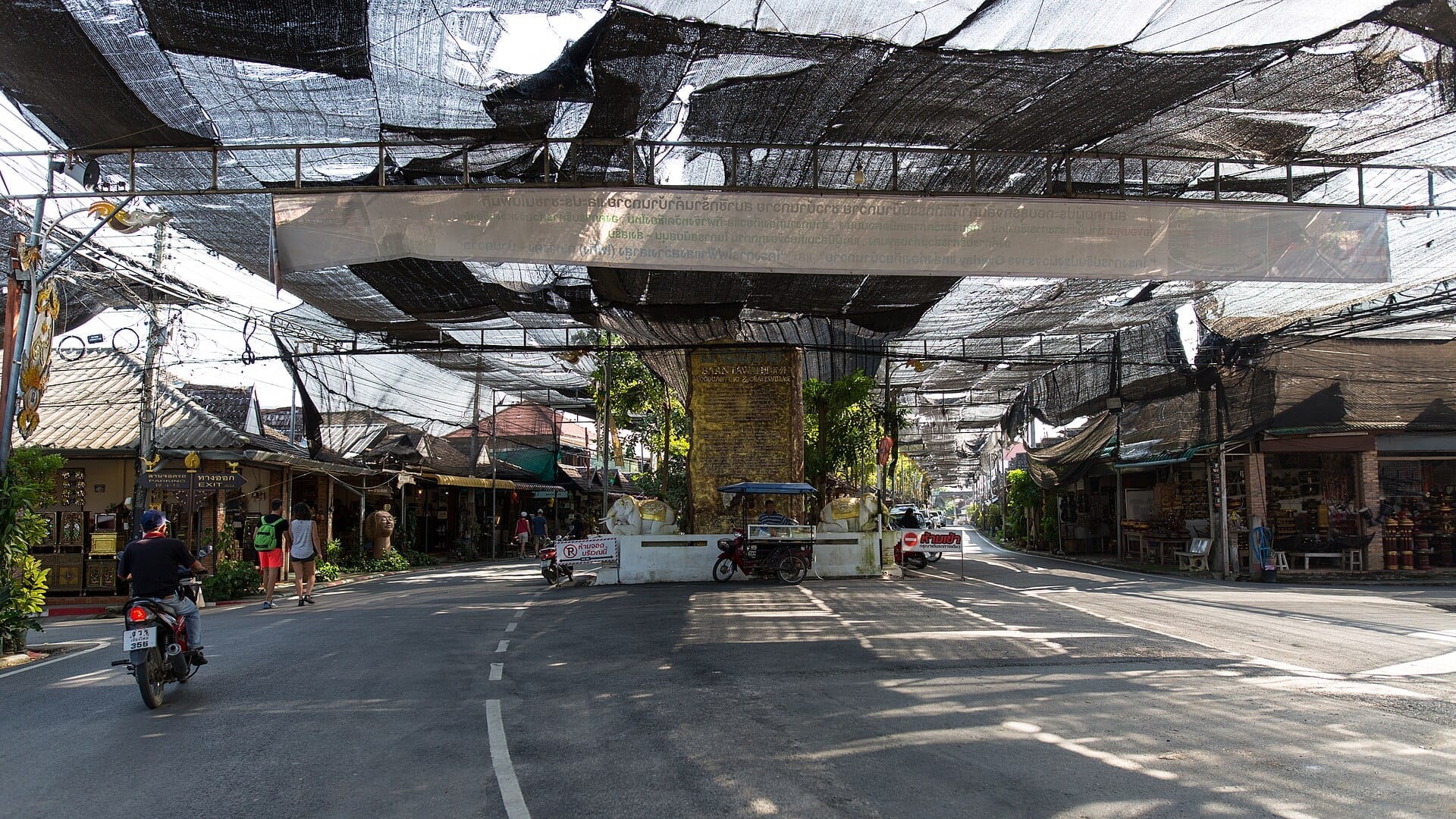
The handicraft village corridor runs east from central Chiang Mai along Highway 1006, commonly called San Kamphaeng Road. The route begins near the Nawarat Bridge area on the Ping River's eastern bank and extends roughly 13 kilometers to the town of San Kamphaeng itself. The road is wide and commercial for most of its length, lined with large workshop-showrooms that mix production facilities with retail spaces.
The workshops don't cluster in a single walkable neighborhood the way the Old City's temples do. Instead, they're distributed along the road in loose groupings, with some crafts concentrated near the city end and others further out. Bo Sang, the so-called Umbrella Village, sits about 9 kilometers east of the city center. San Kamphaeng proper, known for silk and cotton weaving, is at the road's far end. In between, you'll pass lacquerware studios, silverwork workshops, celadon pottery showrooms, jade carvers, and woodworking operations.
This corridor sits southeast of Doi Suthep and northeast of the areas covered by the Riverside district. It's entirely separate from the tourist zones of Nimman or the Old City, which makes it feel disconnected from the rest of Chiang Mai travel. Most visitors come specifically and return to the center afterward rather than combining this area with other sightseeing in a single walk.
Character & Atmosphere
San Kamphaeng Road operates on a different rhythm from the rest of Chiang Mai. Mornings are the most authentic time to visit: the large showrooms are less crowded, the artisans are deep into their work, and the light inside the workshops gives you an honest look at the production process. By midday, tour buses begin arriving from the city, and the retail floors fill with groups working through fixed itineraries. The workshops themselves remain calm even then, since the production areas are usually separate from the showrooms.
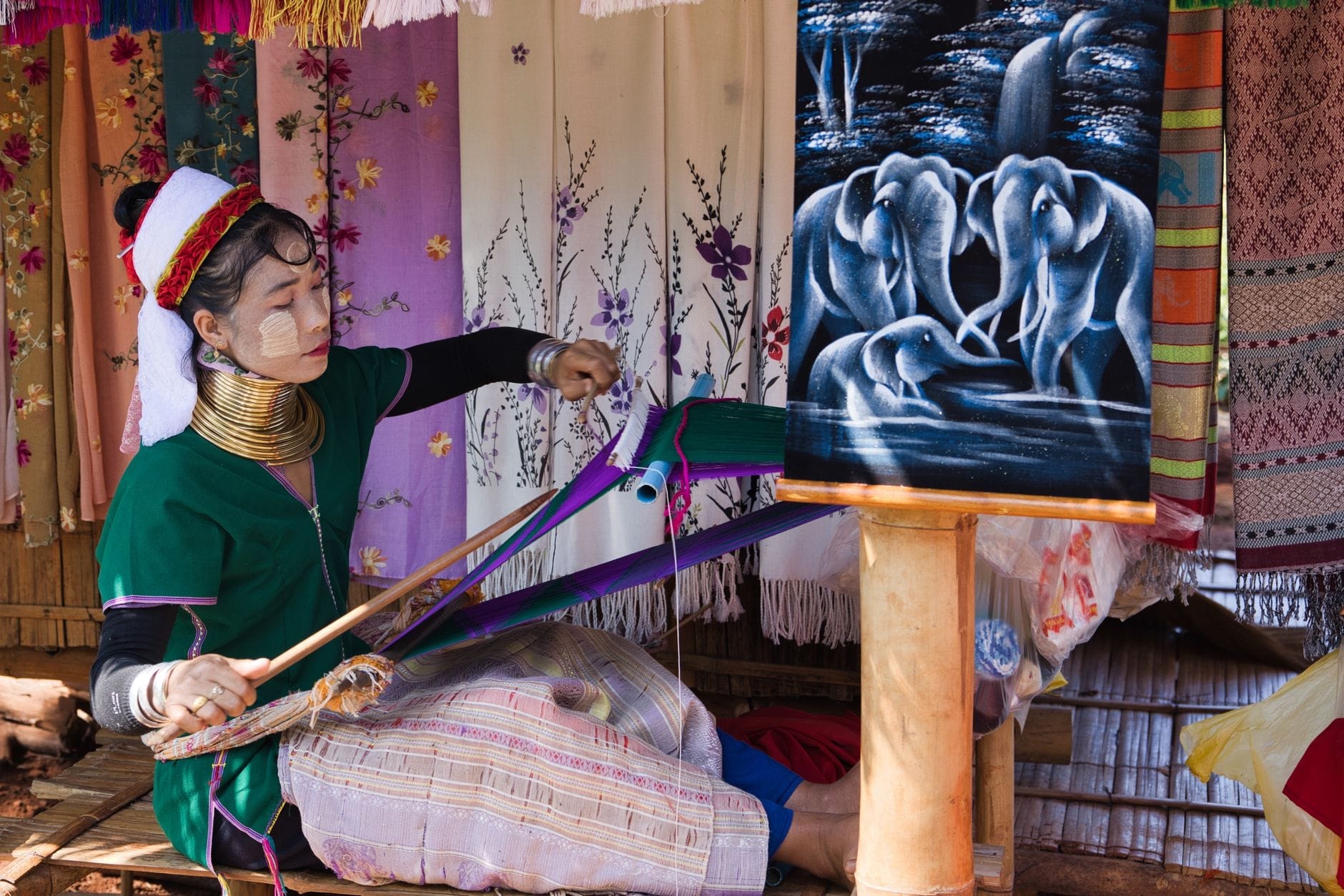
The atmosphere shifts depending on which type of workshop you're in. The umbrella painters at Bo Sang work in open-air studios with a steady tap of brushes and the faint smell of natural dye. Silver workshops produce a constant low percussion from hammering and engraving. The silk-weaving operations are the most dramatic to watch: traditional foot-powered looms create a rhythmic clacking sound that carries through the entire building, and the sight of a single weaver managing dozens of threads simultaneously is genuinely impressive.
It's worth being honest about what this corridor is not. These are commercial enterprises as much as craft workshops, and the showroom side of the business can feel pressured in places. Prices are negotiable but the initial asks on finished goods are often high. The 'demonstrations' at larger operations are designed to move you toward the retail floor. If you go in knowing that, you can appreciate the craft element without feeling ambushed by the sales experience.
ℹ️ Good to know
The craft corridor is most authentic during weekday mornings, when tour buses are fewer and the artisans are working at their own pace. Saturday and Sunday afternoons see the heaviest commercial traffic.
What to See & Do
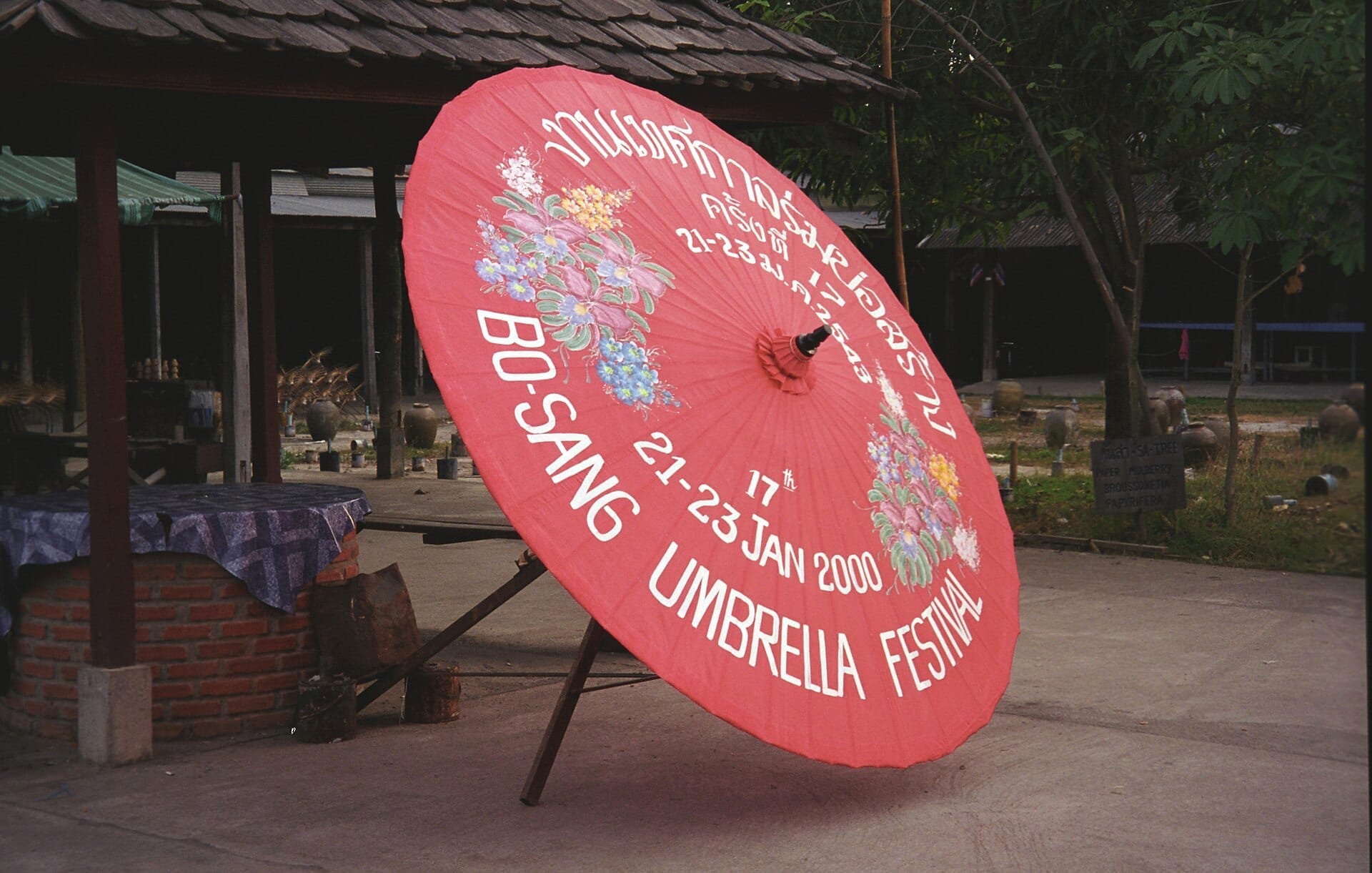
Bo Sang is the easiest place to start for first-time visitors. This village, about 9 kilometers from the city center, has been making oiled-paper umbrellas for over a century. The production process is still done largely by hand: bamboo frames are constructed, paper or silk is stretched and sealed with tree oil, then individual artists paint each umbrella with intricate floral and animal motifs. You can watch every stage of production in the open workshops that line the main village street, and smaller family operations are often more willing to demonstrate and explain than the larger commercial outfits.
San Kamphaeng town itself is worth reaching if you're interested in textiles. The silk and cotton weaving operations here are among the most established in northern Thailand, and the quality of finished cloth is significantly higher than what you'll find in the night markets back in the city. For context on how these crafts fit into Chiang Mai's broader cultural history, the Lanna Folklife Museum in the Old City provides useful background before you make the trip east.
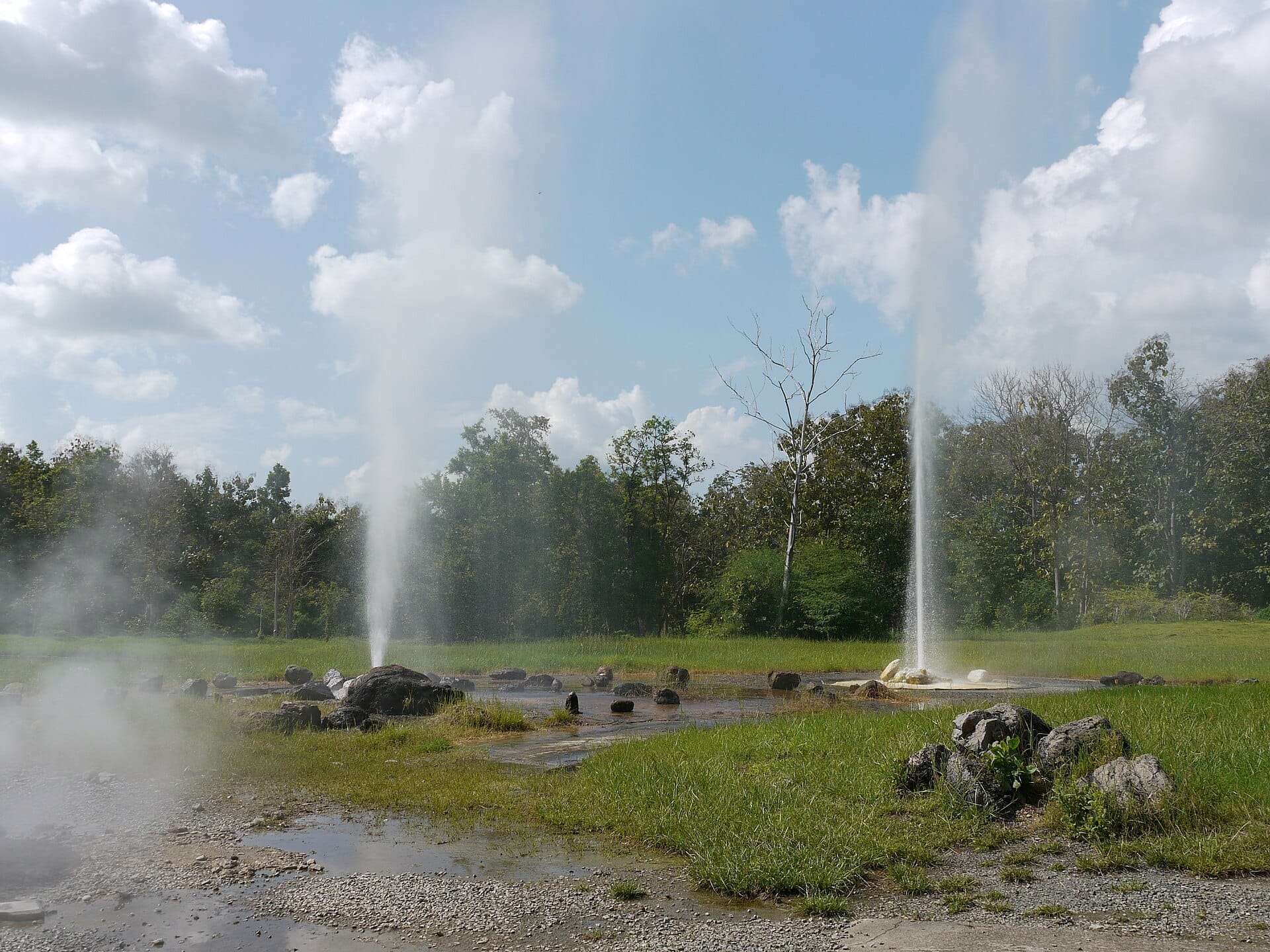
Beyond the craft workshops, the far end of San Kamphaeng Road connects to the San Kamphaeng Hot Springs, a natural thermal complex about 6 kilometers past the town center. The springs make a logical add-on if you're already driving this far out, and they offer a genuine contrast to the commercial craft corridor: the hot springs feel genuinely local, used more by residents than tourists, and the surrounding landscape opens up into rice fields and low hills.
Bo Sang Umbrella Village: watch hand-painting on silk and oiled paper umbrellas
San Kamphaeng silk workshops: observe traditional foot-loom weaving and buy directly from producers
Celadon pottery studios: see the distinctive grey-green glaze work fired in wood-burning kilns
Lacquerware workshops: watch the layering and carving process on black and gold ceremonial objects
Silverwork showrooms: engraved jewelry and decorative pieces hammered using techniques passed down through hill tribe artisan communities
San Kamphaeng Hot Springs: thermal pools and egg-cooking vents at the road's far eastern end
💡 Local tip
If you want to buy quality silk, go to San Kamphaeng town rather than the workshops closer to the city. The closer operations sell more tourist-grade products. Real handwoven silk has an irregular texture and slight sheen variation across the fabric that machine-woven imitations don't replicate.
Eating & Drinking
The craft corridor is not a food destination. The large commercial workshops typically have canteen-style restaurants attached, but these are mostly designed for tour groups and serve generic Thai and Chinese-influenced dishes at unremarkable quality. They're convenient if you're midway along the road and don't want to backtrack to the city.
Better eating is found in San Kamphaeng town itself, where local restaurants serve northern Thai food in a setting that has nothing to do with the tourist trade. Khao soi, the northern curry-noodle soup that defines Chiang Mai's food identity, is well-represented here alongside kanom jeen (rice noodles with curry broth) and various grilled meat dishes. The town has a small morning market that winds down by 9am, worth visiting if you're making an early start.
Most visitors eat before or after the craft corridor rather than during it. The Old City and Nimman area have far more interesting food options for lunch and dinner. If you want a guide to what to order when you do stop for food out here, northern Thai food essentials covers the key dishes and what to look for in quality versions.
Getting There & Around
The fundamental challenge of the San Kamphaeng Road corridor is that it's designed for private vehicles. The workshops are spread over 15 kilometers with no walkable concentration, and public transit doesn't serve the route in any useful way. The practical options are renting a scooter or car, hiring a songthaew (red shared taxi truck) for the day, or joining an organized tour.
Renting a scooter from the Old City gives you the most flexibility: you can stop at any workshop that interests you, double back without difficulty, and reach San Kamphaeng Hot Springs without needing to negotiate extra fares. The road is wide and the traffic, while steady, moves predictably. Journey time from the Old City to Bo Sang is about 20-30 minutes by scooter. San Kamphaeng town is another 15 minutes beyond that.
Hiring a songthaew for a half-day works well if you're not comfortable on a scooter. Negotiate the full-day or half-day rate before departing from the Old City area, and agree on which stops you want to make. Drivers often have arrangements with specific workshops, which doesn't necessarily mean worse quality but does mean the route may be shaped by commissions. For broader logistics on moving around Chiang Mai, the getting around Chiang Mai guide covers all transport options with current pricing context.
From the Old City, head east through the Pratu Chiang Mai gate area and pick up the road heading toward the Ping River, then continue east past the river crossing toward the highway. Most GPS navigation apps route correctly to Bo Sang and San Kamphaeng. Parking at individual workshops is not an issue: all the large operations have substantial parking areas designed for tour buses.
⚠️ What to skip
Tuk-tuk drivers near Tha Phae Gate often offer 'free tours' of craft workshops along this road. These are commission-based arrangements where the driver receives payment for every tourist delivered to specific shops. You are under no obligation to buy, but the detours can eat significant time. If you accept the offer, set a clear time limit upfront.
Where to Stay
There is no reason to base yourself along San Kamphaeng Road unless you have a specific reason for being in this part of Chiang Mai, such as attending the Bo Sang Umbrella Festival in January or doing extended business with craft producers. The area has no meaningful nightlife, limited restaurant options, and no transit connections back to the city after dark.
Visitors to the craft corridor almost universally stay in central Chiang Mai and make a day trip east. The Old City, Nimman, and the Riverside area all offer better value, more dining options, and easy access to other attractions. For a full comparison of Chiang Mai's accommodation zones, where to stay in Chiang Mai breaks down each neighborhood by traveler type and budget.
Practical Notes & Timing
Most workshops along San Kamphaeng Road are open daily from around 8am to 5pm or 6pm. The larger operations are often open seven days a week throughout the year. The Bo Sang Umbrella Festival, held in mid-January, is the corridor's signature annual event: the village is decorated with thousands of painted umbrellas, there are craft demonstrations, parades, and a Miss Bo Sang pageant. If you're planning a January visit to Chiang Mai, it's worth timing to coincide.
Budget approximately half a day for a focused visit covering Bo Sang and two or three other workshop types. A full day allows you to reach San Kamphaeng town, stop at the hot springs, and return without rushing. If you want to combine the craft corridor with a broader understanding of Chiang Mai's shopping landscape, Chiang Mai's shopping guide covers night markets, malls, and artisan districts across the city.
The corridor sees its heaviest tourist traffic during the cool season from November through February, when day trips are most comfortable and the Bo Sang festival draws additional visitors. During the burning season in March and April, air quality on the eastern plains can be noticeably worse than in the city, and the drive is less pleasant. That said, the workshops themselves remain open and are often less crowded during shoulder months.
TL;DR
Best for: shoppers looking for authentic handmade crafts at better quality than night markets, travelers interested in watching traditional production methods, anyone combining a craft visit with the San Kamphaeng Hot Springs.
Skip it if: you have no interest in shopping or craft production, or are limited to half a day in Chiang Mai and need to prioritize temples and food.
Getting there: rent a scooter for maximum flexibility, or hire a songthaew for the day. No useful public transit.
Timing: weekday mornings for the most authentic experience; mid-January for the Bo Sang Umbrella Festival.
Key honest note: the corridor is partly a commercial enterprise, and pressure to buy at larger showrooms is real. Smaller family workshops along the main village streets in Bo Sang and San Kamphaeng are more relaxed and often carry better quality at lower starting prices.
Top Attractions in Handicraft Villages (San Kamphaeng Road)
Chiang Mai's seasons are dramatically different from each other, and picking the wrong month can mean smoky skies, flash floods, or paying double for accommodation. This guide breaks down every month honestly so you can match your trip to your priorities.
Everything you need to know about arriving at Chiang Mai International Airport: how the terminal works, which transport options are worth it, what to avoid, and how to reach any part of the city without overpaying.
Chiang Mai is northern Thailand's cultural capital, and its museums, galleries, and creative spaces go far deeper than temple-hopping. This guide covers the best places to engage with Lanna heritage, contemporary Thai art, traditional crafts, and living creative communities across the city.
Every year between February and April, Chiang Mai experiences its burning season — a period of agricultural fires and forest burning that pushes air quality to some of the worst levels of any city on earth. This guide explains what causes it, how bad it actually gets, and how to make smart decisions about when and how to visit.
Chiang Mai has quietly become one of Southeast Asia's most serious coffee cities, with a culture built on locally grown northern Thai beans, skilled baristas, and atmospheric settings. This guide covers the best neighborhoods, markets, and spots to anchor your coffee crawl across the city.
Chiang Mai's Flower Festival is one of northern Thailand's most photogenic annual events, drawing thousands of visitors to watch elaborate floral floats parade through the Old City. This guide covers exact timing, the best viewing spots, what else is on during the weekend, and how to make the most of your visit.
Chiang Mai rewards couples with an unusual mix of intimacy and adventure: ancient temple grounds at dusk, private cooking classes, ethical elephant encounters, and rooftop dinners above a moat-ringed Old City. This guide covers the most genuinely romantic experiences, honest about what lives up to the hype and what to skip.
Chiang Mai has been a digital nomad hub for over a decade, and for good reason. This guide covers everything you need to know: where to work, where to live, what it costs, how to handle visas, and what the city gets right — and wrong — for remote workers.
Chiang Mai rewards those who look beyond the well-worn circuit. From jungle temples and sticky waterfalls to artist villages and lakeside retreats, these are the places locals love and guidebooks overlook.
Three days is enough to cover Chiang Mai's essential temples, markets, and surroundings without rushing — if you plan smart. This itinerary balances the Old City's cultural core with the hills above the city and the region's famous ethical elephant experiences, built around how the city actually flows.
Chiang Mai's luxury scene is quietly exceptional, offering boutique jungle retreats, Lanna-inspired wellness resorts, and private cultural experiences that rival anything in Southeast Asia. This guide covers where to stay, where to be pampered, and how to spend big in the north's most sophisticated city.
Managing money in Chiang Mai is straightforward once you know the rules. This guide covers ATM fees, the best places to exchange currency, where cards are accepted, and practical tips to keep more baht in your pocket.
Chiang Mai comes alive after dark, and its night markets are where the city's soul truly shows. From sprawling walking streets inside the ancient Old City to intimate local food stalls outside the north gate, this guide covers every market worth your evening.
Chiang Mai is one of Southeast Asia's best-value cities, but knowing where to spend and where to save makes a real difference. This guide breaks down accommodation, food, transport, and activities with honest price ranges so you can build a realistic daily budget.
Chiang Mai is northern Thailand's cultural capital, a city where ancient temples sit beside specialty coffee roasters and jungle trekking routes begin just minutes from the city center. This guide covers everything: neighborhoods, food, temples, day trips, costs, and when to visit.
Chiang Mai punches well above its weight as a green city. Forested mountains ring the urban core, a university lake doubles as a public park, and within an hour's drive you reach botanical gardens, national park waterfalls, and misty highland viewpoints. This guide covers the best outdoor spaces in and around the city.
Chiang Mai rewards photographers at every turn, from ancient Lanna temples glowing at dusk to cloud-draped highland peaks and atmospheric night markets. This guide covers the 22 best photography spots in the city and surroundings, with practical advice on timing, light, and what to look for.
Chiang Mai is one of Southeast Asia's safest cities for tourists, but that doesn't mean risk-free. This guide covers real threats, common scams targeting visitors, transport dangers, and practical safety advice so you can travel with confidence.
Chiang Mai is northern Thailand's craft capital, where centuries of Lanna artisan tradition meet a thriving contemporary creative scene. From sprawling night markets and village workshops to boutique lifestyle malls and organic farmers' markets, this guide covers the best places to shop for everything from silverwork and teak carvings to handmade ceramics and street food.
Chiang Mai transforms every April into the epicenter of Thailand's New Year water festival. This guide covers the best locations, what to expect each day, practical logistics, and honest advice on making the most of the chaos without ruining your camera or your patience.
Chiang Mai is one of Southeast Asia's great wellness destinations, combining centuries-old Thai massage traditions with modern spa culture and natural hot springs. This guide covers the best places to unwind, from post-hike soaks to full-day retreat experiences.
Chiang Mai has more temples per square kilometer than almost anywhere in Southeast Asia, with over 300 wats ranging from grand royal foundations to intimate forest retreats. This guide covers the essential and the unexpected, from the gilded chedi of Doi Suthep to a silver-clad masterpiece in the silversmith district.
Chiang Rai sits about 200 km north of Chiang Mai and offers a completely different atmosphere: smaller, quieter, and packed with remarkable temples and border-region culture. This guide covers every transport option, the best things to do, and whether a day trip is actually enough.
Pai is a small mountain town about 130 km north of Chiang Mai, but the winding road and cool highland air make it feel worlds apart. This guide covers every transport option, what to realistically expect, and where to spend your time once you arrive.
Chiang Mai is the undisputed trekking capital of Thailand. Whether you want a half-day trail near the city or a three-day trek through remote hill-tribe villages, this guide breaks down the best routes, honest operator advice, and everything you need to plan a safe, rewarding trek.
Bangkok and Chiang Mai are both iconic Thailand destinations, but they offer radically different experiences. This guide breaks down the key differences across cost, culture, food, temples, nature, and travel logistics so you can make the right call for your trip.
Chiang Mai's weather shapes everything about your trip, from which temples you visit to whether you pack an umbrella or a sweater. This guide breaks down every season, month by month, so you can plan with confidence and avoid costly surprises.
Chiang Mai rewards families who plan well. From ethical elephant sanctuaries and sticky waterfalls to hands-on cooking classes and walkable night markets, this guide covers the best family activities in Chiang Mai with honest takes on what works for different ages, budgets, and energy levels.
Chiang Mai is one of the best cities in Asia to learn Thai cooking. From dawn market tours to afternoon classes in family gardens, these are the cooking experiences worth building your trip around.
Chiang Mai sits at the center of one of Thailand's most diverse regions. Within a few hours in any direction, you can reach jungle waterfalls, royal mountain temples, hill tribe villages, and some of Asia's most respected wildlife sanctuaries. These are the day trips that make the most of your time.
Doi Inthanon is Thailand's highest peak, and it's one of the most rewarding day trips from Chiang Mai. This guide covers every decision you'll need to make: how to get there, what to prioritize, how much to budget, and what most visitors miss.
Chiang Mai is the center of elephant tourism in Thailand, but not all experiences are equal. This guide focuses on the one verified ethical sanctuary in the available attractions list, plus the best complementary nature, wildlife, and eco-experiences to build a responsible, rewarding trip around it.
Navigating Chiang Mai is easier than most travelers expect, but knowing which transport option fits each situation saves time and money. This guide covers every meaningful way to get around, with real cost ranges, practical tips, and honest warnings.
Chiang Mai is one of Thailand's best cities to train or watch Muay Thai. This guide covers the top gyms, what training actually costs, how to spot authentic fights, and everything a first-timer needs to know before stepping into the ring.
Chiang Mai is the gateway, but northern Thailand's real depth lies beyond its city limits. This guide covers the essential destinations, practical logistics, and honest advice for exploring the mountains, hill tribes, temples, and towns that make this region one of Southeast Asia's most rewarding corners.
Chiang Mai rewards travelers who go beyond the obvious. This guide covers the best things to do in Chiang Mai across culture, food, nature, and nightlife — with honest rankings, practical logistics, and local knowledge to help you spend your time well.
Northern Thai cuisine is one of the most distinct regional food cultures in Southeast Asia, and Chiang Mai is its capital. This guide covers the essential dishes you need to eat, where to find them, what they cost, and how to avoid the tourist traps.
Chiang Mai's food scene runs deeper than most visitors expect. This guide breaks down the best places to eat by neighborhood, budget, and cuisine — from local market stalls serving 40-baht bowls of khao soi to upscale Lanna dining experiences worth planning your evening around.
Choosing where to stay in Chiang Mai shapes your entire trip. This guide covers every major neighborhood, who each area suits best, honest drawbacks, and specific hotel recommendations across all budgets.
Yi Peng is one of the most spectacular festivals in Southeast Asia, filling Chiang Mai's night sky with thousands of floating lanterns. This guide covers when to go, where to watch, how to get tickets, and the practical details that make the difference between a magical night and a frustrating one.